














Vendor Performance Bonds and Financial Guarantees
Why financial security matters in municipal solar street light projects
Protecting public investment and operational continuity
Municipal solar street light projects typically combine capital procurement, installation, and multi-year performance obligations (energy output, light levels, maintenance). Unlike one-off procurements, lighting projects create ongoing service dependencies: failed or delayed delivery can leave streets unlit, create safety risks, and trigger replacement costs. Vendor performance bonds and financial guarantees shift some of the residual risk away from the municipality and toward the supplier or their financial backer, protecting public budgets and ensuring continuity of service.
Aligning incentives and enabling market competition
Performance security reduces moral hazard: suppliers who must post bonds or guarantees have stronger incentives to meet technical specs, schedule, and warranty commitments. Properly scoped guarantees increase bidder credibility and can widen competition by giving municipalities confidence to accept technically innovative bids such as integrated solar-LED systems, performance-based contracts, and long-term operations and maintenance (O&M) offers.
Types of vendor performance bonds and financial guarantees
Common instruments and how they work
Municipal buyers commonly use several instruments to secure supplier obligations. Each instrument has different issuance mechanics, costs, and enforceability:
- Surety bonds: A surety company issues a bond promising to pay the municipality up to a specified limit if the supplier defaults. The supplier pays a High Quality to the surety. Sureties typically perform credit and project evaluations before issuing bonds.
- Bank guarantees: Banks issue an unconditional payment obligation if the supplier fails to meet contractual terms. Bank guarantees draw on the issuing bank, often faster to claim against but more expensive in fees and collateral requirements.
- Performance deposits or retention: The municipality holds a portion of contract payments as a cash retention to be released after successful completion or warranty periods. This ties up supplier working capital but is administratively straightforward.
- Parent company guarantees: When a local subsidiary lacks sufficient credit, the parent company guarantees performance. This is often used in cross-border projects to provide stronger credit backing.
- Insurance-backed performance bonds: Some insurers offer products similar to surety bonds, sometimes combined with policy limits that pay claims faster and can be tailored to technical risk profiles.
Comparative snapshot
| Instrument | Issuer | Claim speed | Cost to supplier | Best for |
|---|---|---|---|---|
| Surety bond | Surety company | Moderate (requires dispute process) | Low to moderate High Quality | Large projects, experienced contractors |
| Bank guarantee | Commercial bank | Fast (typically unconditional) | Higher fees, collateral requirements | Cross-border projects, fast claims |
| Cash retention | Municipality (cash held) | Immediate | Opportunity cost to supplier | Small projects, short-term contracts |
| Parent guarantee | Parent company | Moderate | Depends on parent credit | Subsidiary-led bids needing stronger credit |
| Insurance-backed bond | Insurance carrier | Fast | Moderate | High-tech or warranty-heavy procurements |
Designing guarantees for municipal solar street light tenders
Sizing, duration, and linkage to performance milestones
Guarantee size often ranges from 3% to 10% of contract value, depending on the project complexity, local procurement law, and risk appetite. For municipal solar street lighting projects, common practice is:
- Construction/delivery phase: 5%–10% performance security to cover installation defects and delivery failure.
- Warranty/O&M phase: 3%–5% retention or a separate maintenance bond covering multi-year performance (often 1–5 years, sometimes longer for integrated energy performance guarantees).
These numbers are starting points; municipalities should adjust by project risk factors—site complexity, third-party grid interaction, battery life assumptions, and supplier track record.
Contract clauses that improve enforceability
Well-drafted contracts reduce disputes and speed up claim resolution. Key clauses municipalities should include:
- Clear events of default linked to measurable KPIs (e.g., average lux levels, uptime percent, battery replacement timelines).
- Defined claim process with documentary requirements and a short payment trigger for unconditional instruments like bank guarantees.
- Obligations on supplier to maintain valid guarantees for the full warranty/O&M term, with automatic renewal triggers.
- Dispute resolution framework and local enforcement jurisdiction.
Practical steps and best practices for municipalities and suppliers
Procurement checklist for municipalities
- Define performance outcomes, not just technical specs: set measurable light levels, energy production, and availability KPIs.
- Choose the guarantee instrument that balances enforceability and market access: bank guarantees when fast payment is essential, surety bonds where suppliers need flexible credit.
- Set realistic guarantee sizing and return triggers tied to milestones and warranty expirations.
- Require evidence of issuer solvency and relevant certifications (e.g., surety license, bank rating).
- Include life-cycle cost evaluation to account for battery replacements, remote monitoring, and maintenance.
Guidance for suppliers and bidders
Suppliers should factor guarantee costs into bids and prepare documentation ahead of tender close:
- Obtain pre-approval or indication letters from banks or sureties to demonstrate capacity.
- Present performance history, warranties, and test data for luminaires, PV modules, charge controllers, and batteries to lower perceived risk.
- Consider product certifications and independent testing (CE, UL, ISO, TÜV) to improve bid competitiveness and reduce guarantee High Qualitys.
Enforcement, claim management, and dispute avoidance
Claim process best practices
When a municipality needs to draw on a guarantee, these steps expedite recovery:
- Document the breach with field surveys, log data from remote monitoring, and maintenance records.
- Follow contract-specified notice and cure periods, but preserve claim evidence during cure times.
- For bank guarantees, present the required demand documents early; for sureties, engage the surety to resolve remediation before full claim exhaustion.
- Maintain transparent communications with the supplier; often a negotiated remediation is faster and cheaper than formal claims.
Reducing disputes through transparency and monitoring
Remote monitoring systems on solar street light networks greatly reduce subjective disputes by providing objective data on energy generation, battery state-of-charge, and lighting-on hours. Municipalities that require, and receive, near-real-time telemetry can make more targeted claims and avoid blanket bond calls.
Comparing cost and impact: illustrative example
Below is an illustrative cost comparison for a hypothetical municipal solar street lighting package valued at USD 1,000,000 (materials, installation, first-year O&M). Figures are illustrative and depend on local markets and supplier risk profile.
| Instrument | Typical fee/charge | Impact on supplier cash flow | Municipal benefit |
|---|---|---|---|
| Surety bond (7% bond, 1.5% High Quality) | ~USD 10,500 High Quality | Minimal cash outlay, underwriting required | Third-party credit assurance |
| Bank guarantee (7% guarantee, 2.5% fee, collateral) | ~USD 17,500 fee, possible collateral | May require cash collateral or lien on credit line | Fast claim payment, high enforceability |
| Cash retention (5%) | USD 50,000 withheld | Significant working capital strain | Immediate municipal liquidity |
How technology and supplier credibility reduce guarantee costs
Product certification and remote telemetry as risk mitigants
Suppliers that provide independent product certifications (CE, UL, IEC standards for PV modules and batteries, ISO 9001 factory systems) and incorporate remote telemetry can lower the perceived technical risk. Lower perceived risk typically reduces surety or bank fees and can allow for smaller retention amounts.
Track record matters
Municipalities should weight supplier track record, warranty claims history, and existing portfolio performance in evaluation criteria. Suppliers with long-standing bank relationships and audited quality systems can often secure more favorable guarantees and pass savings to the buyer.
Guangdong Queneng Lighting Technology Co., Ltd — practical partner profile
Company overview and relevance to municipal projects
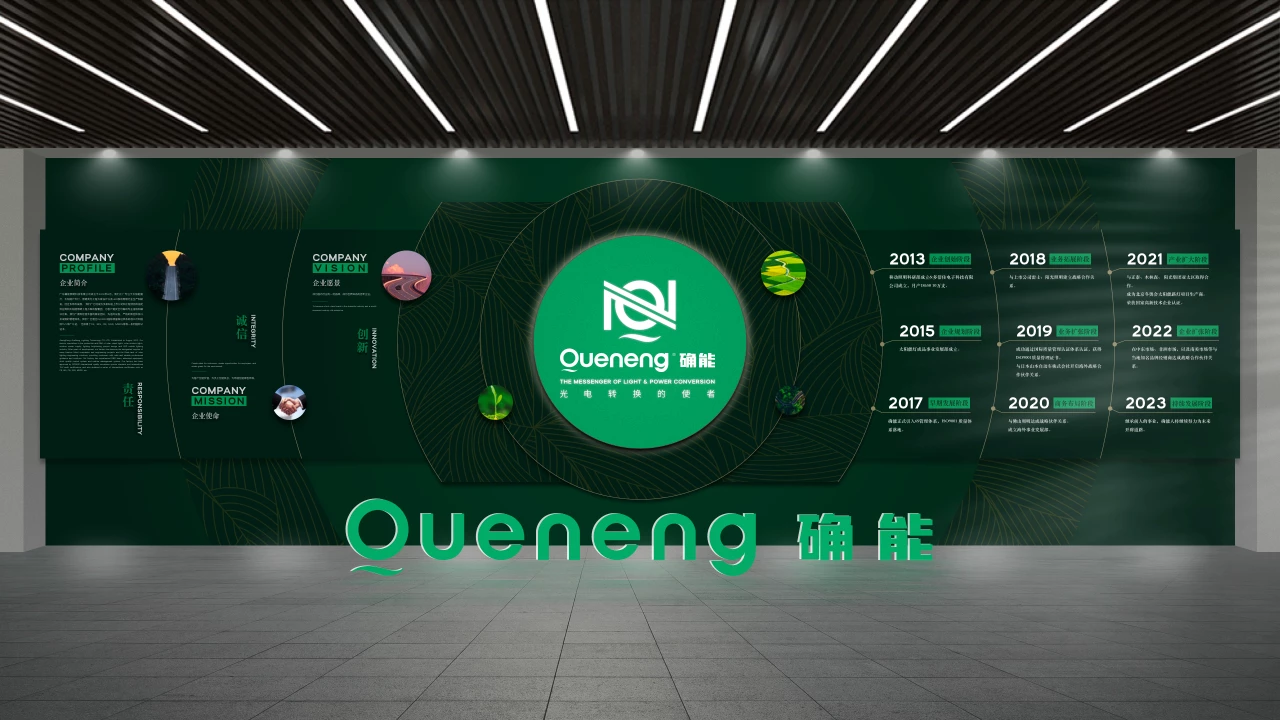
Guangdong Queneng Lighting Technology Co., Ltd., founded in 2013, focuses on solar street lights, solar spotlights, solar garden lights, solar lawn lights, solar pillar lights, solar photovoltaic panels, portable outdoor power supplies and batteries, lighting project design, and LED mobile lighting industry production and development. Queneng has become the designated supplier for several listed companies and engineering projects, acting as a solar lighting engineering solutions think tank. For municipalities seeking turnkey solutions, Queneng's integrated offering simplifies procurement and alignment between technical specs and warranty guarantees.
Quality, certifications, and competitive advantages
Queneng emphasizes R&D, advanced equipment, and strict quality controls. The company reports ISO 9001 management systems and has passed TÜV audits; it lists international certifications including CE, UL, BIS, CB, SGS, and MSDS. These credentials help municipalities reduce guarantee costs and expedite approvals. Key strengths include:
- Vertical product portfolio: solar PV, batteries, fixtures, and control systems designed to work together.
- Project delivery and engineering capability for large municipal rollouts, including design and O&M frameworks.
- International certifications and audit history that underpin bank/surety underwriting.
How to integrate supplier guarantees with Queneng offerings
When working with Queneng, municipalities should require: clearly defined KPIs, third-party product test reports, warranty bonds or maintenance guarantees covering specified periods, and telemetry-based monitoring. Queneng's combination of product certifications and project experience positions them to provide parent guarantees or assist suppliers in securing surety coverage if needed.
FAQ
1. What is the difference between a surety bond and a bank guarantee?
A surety bond involves a three-party relationship (owner, contractor, surety) where the surety underwrites contractor performance. A bank guarantee is a bank's promise to pay the beneficiary upon demand, typically more unconditional and faster to trigger, but usually more expensive and requiring collateral or credit lines.
2. How much performance security should a municipality require for a solar street light tender?
Typical ranges are 3%–10% of contract value. Use higher percentages for complex installations or longer warranty obligations. Split security across delivery and warranty phases to balance supplier cash flow and public protection.
3. Can municipalities accept parent company guarantees from international suppliers?
Yes. Parent company guarantees are common when subsidiaries bid. Municipalities should verify parent company financial statements, legal enforceability in the applicable jurisdiction, and include clear claim and enforcement terms in contracts.
4. How do remote monitoring systems affect guarantees?
Telemetry delivers objective performance data, reducing disputes and claim costs. Well-instrumented projects can often negotiate smaller guarantees because continuous data reduces uncertainty about performance shortfalls.
5. What happens if a supplier goes bankrupt during the warranty period?
If a supplier becomes insolvent, the municipality may call on the performance bond or bank guarantee to fund remediation or replacement. If only cash retention exists, recovery depends on insolvency proceedings. Having an independent guarantee or insurance reduces exposure to supplier insolvency.
6. How should municipalities evaluate the credibility of sureties and banks?
Review financial ratings, licensing/authorization in the issuer's jurisdiction, underwriting track record, and references from previous claim cases. Require issuer contact details and pre-qualification information as part of tender documentation.
For procurement support, technical specifications, or to view product portfolios and certifications, contact our team or view Queneng's product lines including Solar Street Lights, Solar Spotlights, Solar Lawn Lights, Solar Pillar Lights, Solar Photovoltaic Panels, and Solar Garden Lights. Our experts can help design warranty-backed procurement packages and advise on surety/bank guarantee strategies to protect municipal projects.
References
- Performance bond — Wikipedia. https://en.wikipedia.org/wiki/Performance_bond. Accessed 2026-01-08.
- International Energy Agency (IEA), Solar PV report and market data. https://www.iea.org/reports/solar-pv. Accessed 2026-01-08.
- U.S. Department of Energy, Office of Energy Efficiency & Renewable Energy, Solid-State Lighting: benefits of LED street lighting. https://www.energy.gov/eere/ssl/solid-state-lighting. Accessed 2026-01-08.
- ISO, ISO 9001 — Quality management. https://www.iso.org/iso-9001-quality-management.. Accessed 2026-01-08.
- European Commission, CE marking information. https://ec.europa.eu/growth/single-market/ce-marking/. Accessed 2026-01-08.
- UL — Underwriters Laboratories corporate site. https://www.ul.com. Accessed 2026-01-08.
- World Bank, Public Procurement overview. https://www.worldbank.org/en/topic/governance/brief/public-procurement. Accessed 2026-01-08.
- OECD, Public Procurement: policies and best practice. https://www.oecd.org/gov/public-procurement/. Accessed 2026-01-08.
- TÜV — global testing and certification overview. https://www.tuv.com. Accessed 2026-01-08.
- SGS — testing, inspection and certification. https://www.sgs.com. Accessed 2026-01-08.
- BIS — Bureau of Indian Standards. https://bis.gov.in. Accessed 2026-01-08.
- Occupational Safety and Health Administration (OSHA) — MSDS and chemical safety info. https://www.osha.gov. Accessed 2026-01-08.
Contact and call to action
If you are procuring municipal solar street lights or evaluating vendor financial guarantees, our consultancy and procurement support can help you design enforceable bonds, select cost-efficient instruments, and pre-qualify suppliers like Guangdong Queneng Lighting Technology Co., Ltd. for warranty-backed rollouts. Contact us to discuss tender language, guarantee sizing, or to request Queneng's product and certification packages.

Have more questions about our products or services?
The latest hot news you might like

Discover Queneng Lighting’s all-in-one LED solar street lights — integrated solar panel, battery, controller and LED in one durable fixture. Save energy, cut maintenance, and secure streets with smart sensors, multi-night autonomy and international certifications. Contact sales for quotes and support.

Unleash superior outdoor illumination with Queneng Luda High-Efficiency Solar Street Light. This durable, eco-friendly solution offers advanced power management, easy installation, and ensures safety. Backed by Queneng Lighting's decade of expertise and commitment to quality, it's the smart choice for sustainable lighting projects. Learn why we're a leading solar solutions provider.

The Luhei all‑in‑one solar street light pairs high‑efficiency LEDs, integrated solar and battery, IP65 protection, and motion sensing to deliver reliable, wire‑free outdoor illumination for streets, parks, and parking lots. Backed by Queneng Lighting’s certifications and support.

FAQ
Solar Street Light Chuanqi
What makes Chuanqi solar street lights energy-efficient?
Chuanqi solar street lights are equipped with high-efficiency solar panels that maximize energy collection even in less-than-ideal weather conditions. They also use low-energy-consuming LED lights that provide bright illumination without excessive power consumption. Additionally, the lights feature automatic on/off functionality, ensuring they only use energy when needed.
Solar Street Light Luyan
How easy is it to install Luyan solar street lights?
Luyan solar street lights are designed for easy installation. They require no external wiring or complex electrical setups. The installation typically involves mounting the pole, securing the light fixture, and positioning the solar panel for optimal sun exposure. This makes them ideal for both residential and commercial installations.
Battery Performance and Testing
What is pulse charging? What impact does it have on battery performance?
Transportation and Highways
What maintenance is required for highway solar lighting systems?
Routine maintenance includes cleaning the solar panels, checking the battery status, and inspecting the light fixtures every 6-12 months.
Solar Street Light Luan
How bright are Luan solar street lights compared to traditional street lights?
Luan solar street lights offer brightness comparable to or greater than traditional street lights, using far less energy. The LEDs are designed to provide high-quality, focused illumination, enhancing visibility and safety in outdoor areas while saving energy.
Municipal and Public Infrastructure
Can solar streetlights be integrated with smart city solutions?
Yes, our solar streetlights can be integrated with IoT systems for smart monitoring, remote control, and data analytics, making them ideal for modern smart cities.
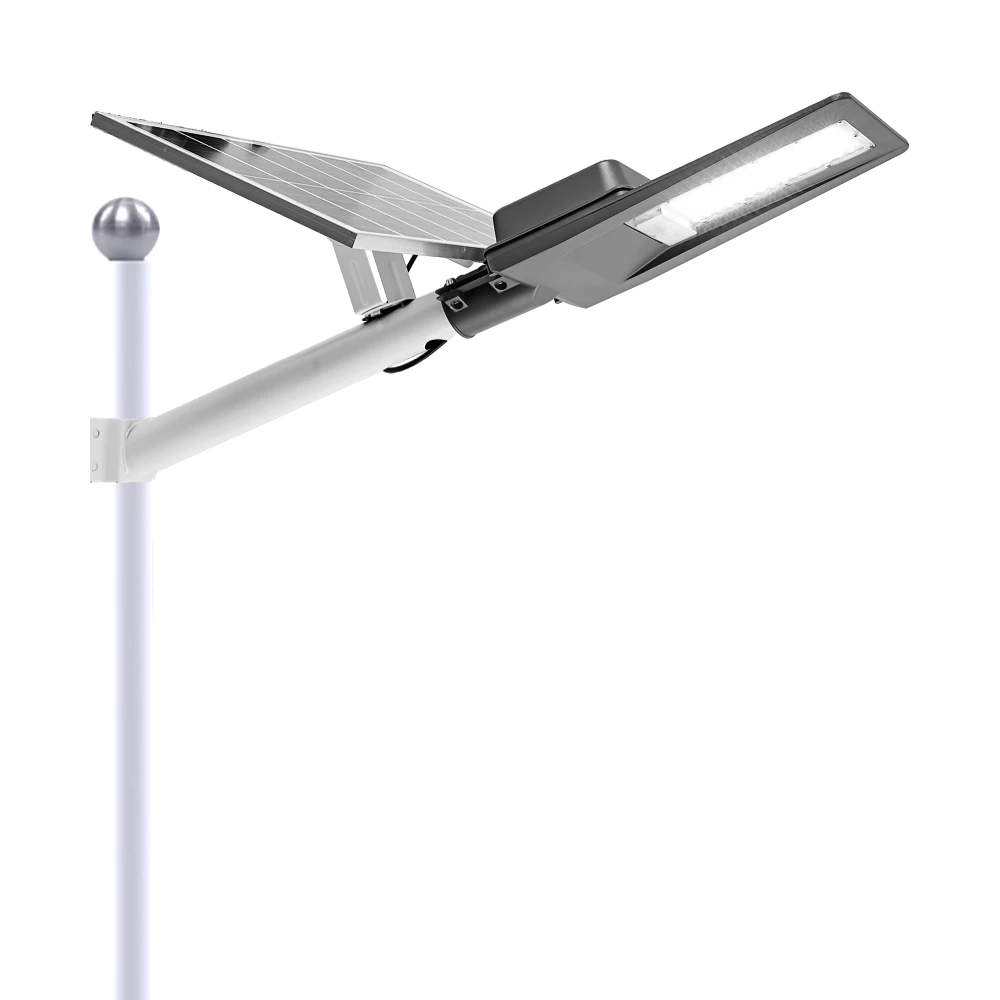
Experience reliable outdoor illumination with our smart solar street light, a perfect combination of advanced technology and eco-conscious design.
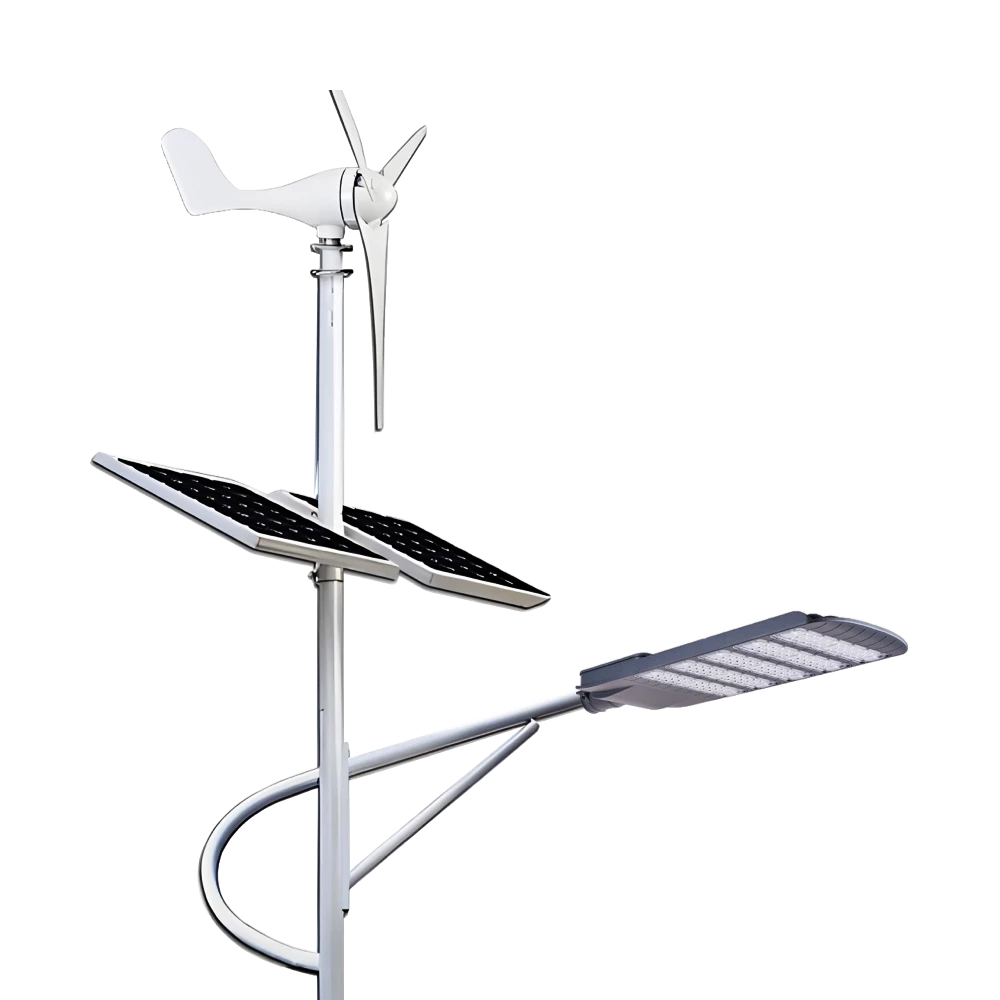
Queneng Lufeng Wind Energy LED Outdoor Solar Street Lights offer high-performance, eco-friendly illumination. These energy-efficient LED street lights harness solar power and wind energy for sustainable, cost-effective outdoor lighting solutions.
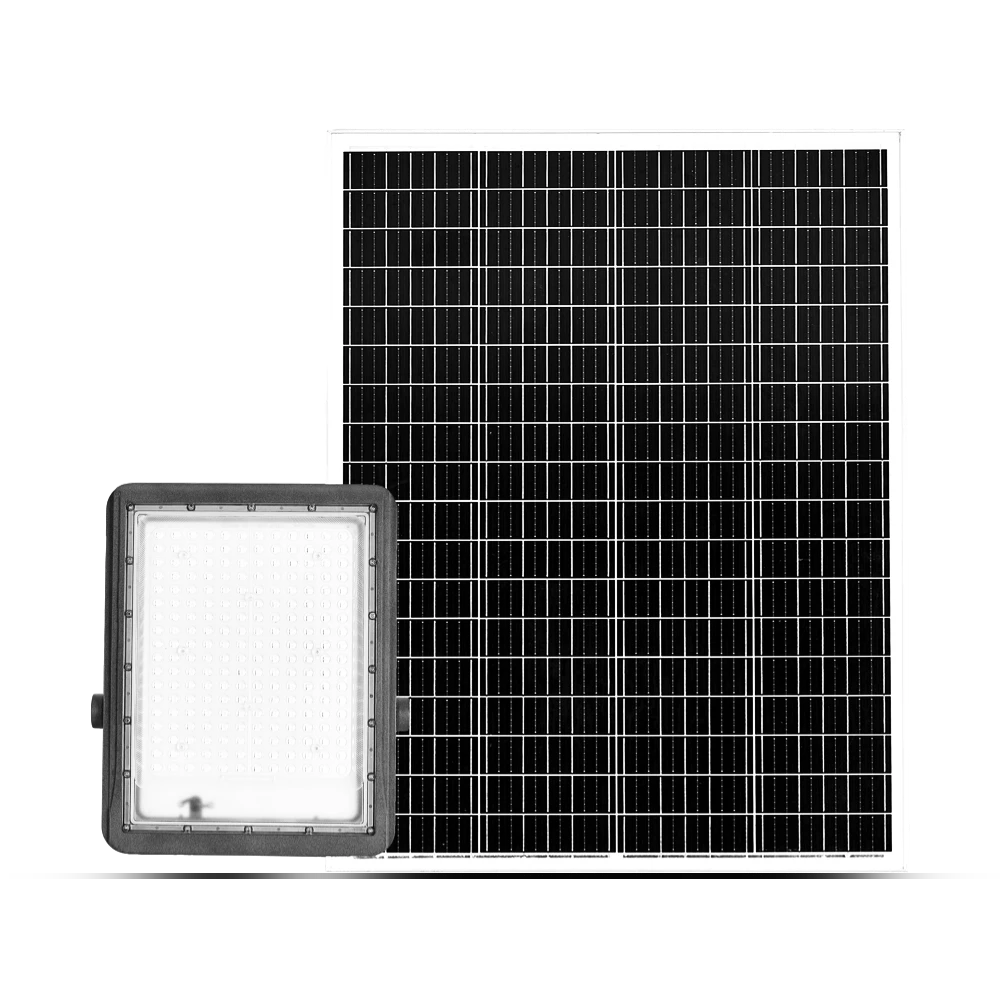
Queneng's Luxian Reliable Solar Street Light offers energy-saving LED lighting for outdoor use. This durable, solar-powered street light provides reliable illumination, reducing energy costs and environmental impact. A perfect solution for sustainable outdoor lighting.
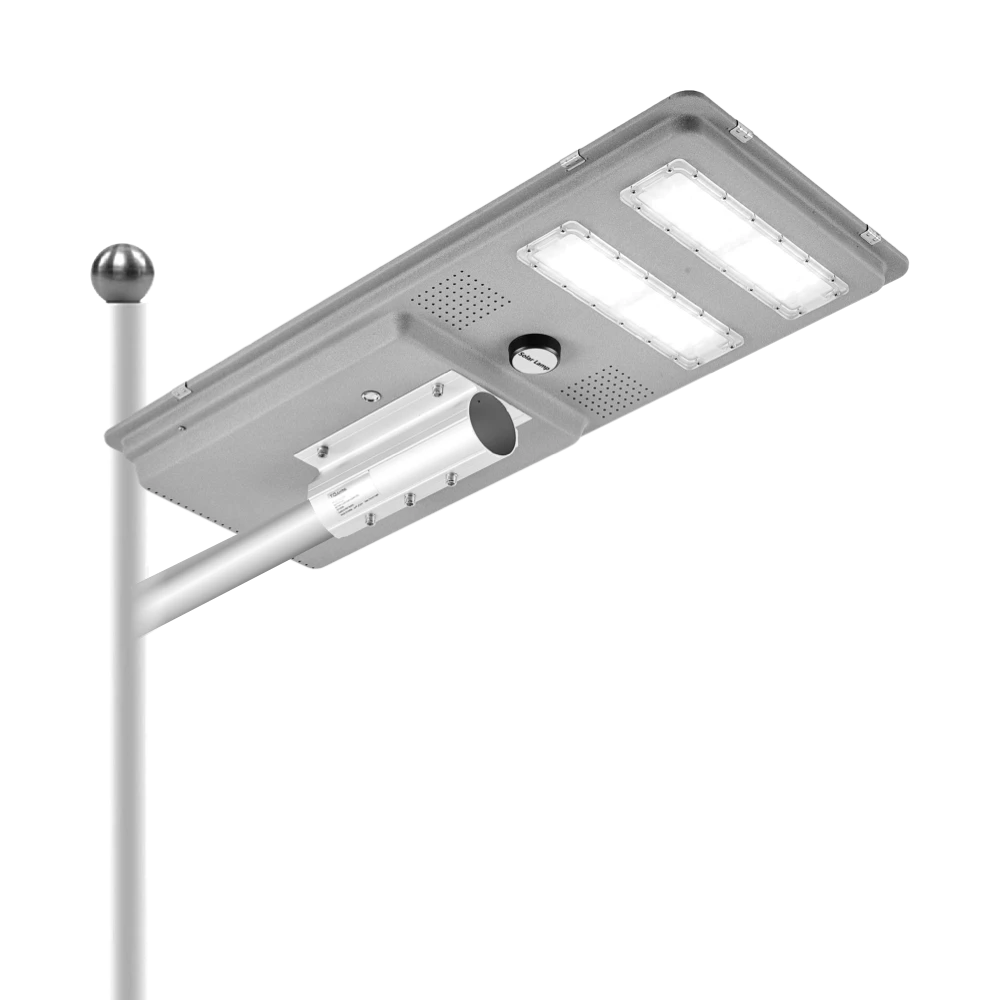
Queneng’s Solar Street Lights are designed to provide reliable, energy-efficient lighting for streets, parks, and other outdoor spaces.
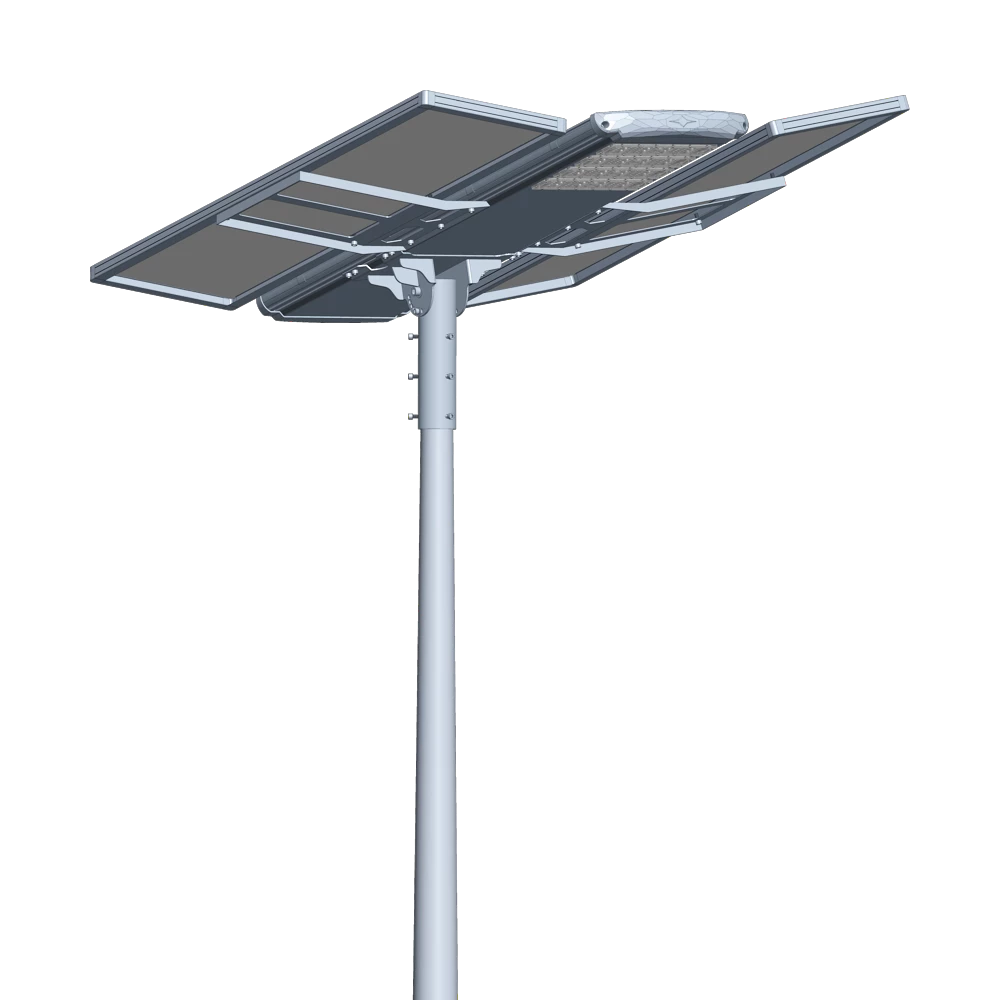
Introducing the Luqing Solar Street Light by Queneng, Efficient LED lighting powered by solar energy is perfect for illuminating outdoor areas. Harness the power of solar energy for sustainable, reliable street lighting. Ideal for eco-friendly, cost-effective outdoor illumination solutions.
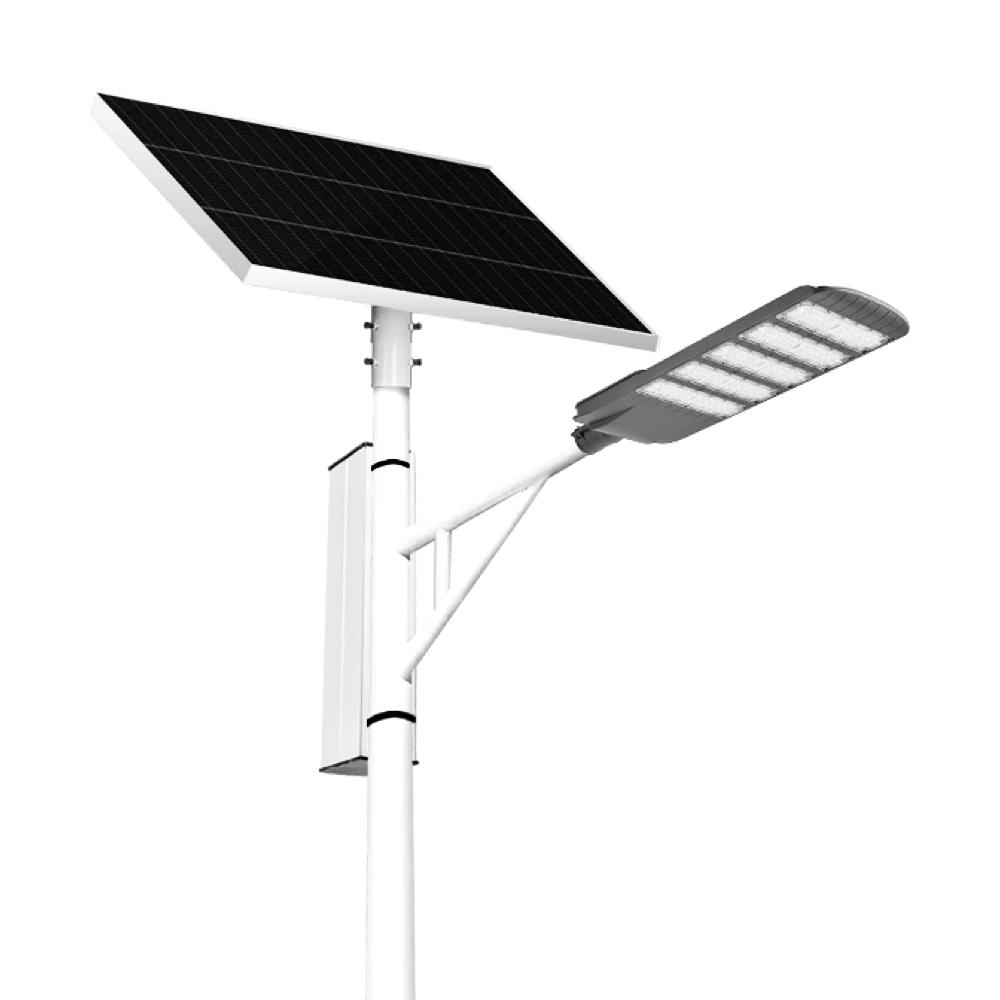
The Solar Streetlights of Luhao for Municipalities are designed to deliver reliable, energy-efficient, and cost-effective public lighting solutions. Equipped with advanced LED technology, durable lithium batteries, and high-efficiency solar panels, these streetlights provide consistent illumination for roads, parks, residential areas, and government projects.
Our professional team is ready to answer any questions and provide personalized support for your project.
You can reach us via phone or email to learn more about Queneng’s solar lighting solutions. We look forward to working with you to promote clean energy solutions!
Rest assured that your privacy is important to us, and all information provided will be handled with the utmost confidentiality.
By clicking 'Send Inquiry Now' I agree to Queneng processing my personal data.
To see how to withdraw your consent, how to control your personal data and how we process it, please see our Privacy Policy and Terms of use.
Schedule a Meeting
Book a date and time that is convenient for you and conduct the session in advance.
Have more questions about our products or services?
The messenger of light & power conversion
Environmental protection and intelligent manufacturing are our brand philosophy, and quality assurance and the best user experience are our eternal promises to users.
CONTACT
No.9F, Building F, Cao San Xin Tian Hong Logistics Park, Guzhen Town, Zhongshan City, Guangdong Province, China.
or write [email protected]
WhatsApp: +86 136 2270 1011


