🔥 We are at the 139th Canton Fair NOW! Visit us at Booth B16-17 (Zone C) for live demonstrations.














Weatherproofing and Corrosion Protection Tips
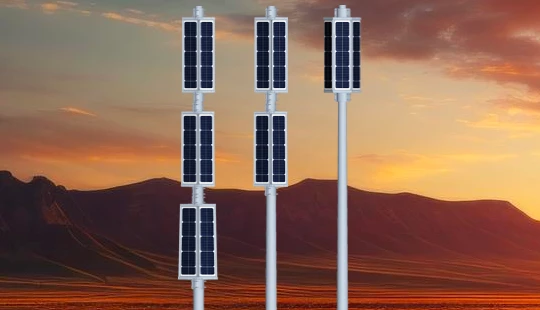
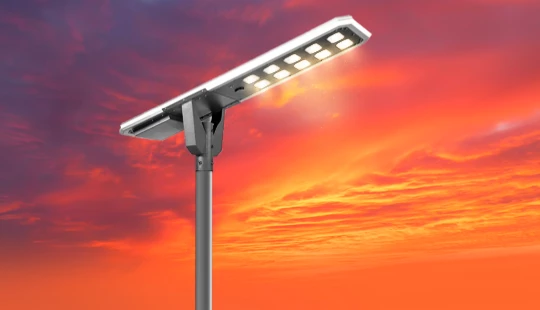
Effective weatherproofing and corrosion protection are decisive for reliable long-term performance of outdoor lighting assets such as Municipal Solar Street Light, Split Solar Street Light and All-in-One Solar Street Lights. This guide synthesizes industry best practices, standards-based criteria (IP ratings, material choices, coating systems), inspection and maintenance workflows, and lifecycle planning to reduce downtime and total cost of ownership for municipal and commercial projects.
Challenges Facing Outdoor Solar Lighting
Environmental stressors: UV, moisture, salt and temperature cycling
Outdoor solar luminaires are exposed to combined stressors: ultraviolet (UV) radiation degrades polymers and sealants; moisture ingress causes electronic failures; coastal salt-laden air accelerates electrochemical corrosion; and freeze–thaw cycles cause mechanical stresses and cracked seals. Recognizing local climatic drivers (humidity, salt spray, thermal amplitude) is essential when specifying Municipal Solar Street Light systems and for siting of Split Solar Street Light installations.
Corrosion mechanisms affecting housings and fasteners
Corrosion is an electrochemical process influenced by metal type, environment, and electrical continuity. Galvanic corrosion is a common failure mode when dissimilar metals (e.g., aluminum housing with stainless steel bolts) are electrically connected in the presence of an electrolyte. Understanding these mechanisms informs decisions such as using sacrificial coatings, insulating interfaces, or selecting matched corrosion-resistant alloys.
Common failure modes across product types
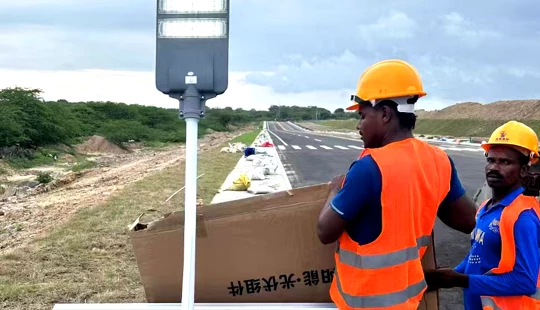
All-in-One Solar Street Lights integrate PV, battery and driver in one housing and suffer from thermal stress and condensation if not properly ventilated or sealed. Split Solar Street Light systems separate the PV array from the luminaire and can be optimized for thermal management but introduce more cabling and junction-box weatherproofing needs. Municipal Solar Street Light deployments prioritize robustness, tamper resistance and maintainability. When selecting or designing, account for the specific vulnerabilities of each architecture: ingress points (cable glands, connectors), PV junction boxes, battery enclosures and mounting interfaces.
Practical Weatherproofing Strategies
Ingress Protection (IP) ratings and enclosure design
Ingress Protection (IP) ratings are the primary numeric guide for enclosure robustness. For most street lighting applications, IP65–IP68 is recommended depending on exposure: IP65 for dust-tight and water jets, IP66–IP67 for heavy rain and temporary immersion, IP68 for continuous immersion. Choose an IP rating appropriate to site conditions and validate with factory test reports. (Reference: IP Code — Wikipedia).
Sealing, gasketing and potting best practices
Critical entry points—cable glands, PV junction boxes and driver compartments—must use UV-stable silicone or EPDM gaskets and properly rated cable glands. Potting compounds or conformal coating can protect delicate electronics from condensation and salt, but must allow heat dissipation where needed. Ensure gasketing materials are compatible with enclosure substrates and rated for expected temperature range.
Mechanical protection and cable management
Use UV-resistant conduit, stainless steel or polymer clips, and stress-relief loops at connectors to avoid chafing. For Split Solar Street Light installations, protect the run of DC cable from rodents and abrasion; use armored conduit or rated UV-protected trunking in exposed runs. Proper strain relief at both the panel and luminaire ends reduces weather-related joint failures.
Corrosion Protection Techniques and Materials
Coating systems: powder coat, epoxy, hot-dip galvanization
Coatings are the first line of defense for metal housings, poles and brackets. Selection depends on substrate, environment and expected lifecycle.
| Coating Type | Typical Use | Corrosion Resistance | Coastal Suitability | Maintenance Notes |
|---|---|---|---|---|
| Hot-dip galvanization | Steel poles, brackets | High (barrier + sacrificial) | Very good; best for heavy salt exposure | Long life; periodic inspection for coating damage |
| Epoxy primer + polyurethane topcoat | Housings, enclosures | High (barrier) | Good; depends on thickness and quality | Topcoat can be repaired on site |
| Powder coating | Aluminum housings, poles | Medium–High | Good if applied over adequate pretreatment | Inspect for scratches and touch up |
For detailed description of galvanization benefits, see Galvanization — Wikipedia.
Material selection: stainless steels, aluminum alloys and fasteners
Choice of base metal matters. Marine-grade aluminum alloys (e.g., 5000 series) and anodized finishes offer excellent weight-to-strength and corrosion resistance for PV frames and housings. For fasteners, use 316 stainless steel in coastal or high-humidity locations; in less aggressive climates 304 may be acceptable. Avoid mixing dissimilar metals without insulating gaskets or coatings to prevent galvanic corrosion. Guidance on properties of common alloys can be found at Stainless steel — Wikipedia and Aluminium alloy — Wikipedia.
Cathodic protection and sacrificial anodes (selective use)
Cathodic protection (CP) is common in buried or submerged structures but less common for pole-mounted luminaires. In very aggressive coastal or industrial sites, sacrificial anodes on embedded foundations or specialized CP systems can protect metallic grounding structures and support poles. CP should be designed by corrosion engineers to avoid unintended interactions with electrical systems.
Inspection, Maintenance and Lifecycle Planning
Routine inspection checklist for municipal and large-scale projects
Regular inspections detect early signs of weather or corrosion damage and prevent costly failures. A sample checklist:
- Visual: check for coating defects, rust stains, loose fasteners, cracked gaskets
- Ingress: verify seals around cable glands, PV junction boxes, and battery compartments
- Electrical: test insulation resistance of DC circuits and verify MPPT/driver performance
- Mechanical: inspect pole foundation, mounting torque on anchor bolts, and luminaire tilt
Document inspections in an asset management system and schedule remedial actions by priority (safety-critical first).
Predictive maintenance using sensors and telemetry
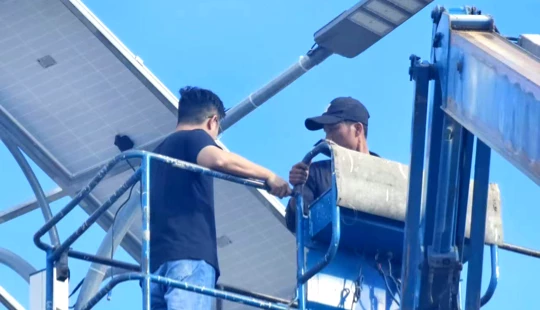
Modern Municipal Solar Street Light and All-in-One Solar Street Lights can integrate remote monitoring (battery state-of-charge, PV input, leakage current detection). Telemetry enables predictive maintenance: detect moisture intrusion via increased leakage or temperature anomalies before visible corrosion appears. Remote fault reporting reduces mean time to repair and supports warranty claims.
Lifecycle planning, warranties and end-of-life
Plan for realistic service lifetimes of components: PV modules (20–25 years), batteries (5–10 years depending on chemistry), drivers and LED modules (10–15 years). Consider design choices that enable component replacement (e.g., modular battery trays) rather than full luminaire replacement. Check manufacturer warranties and certification documentation to ensure claims about IP, salt-spray resistance or finish durability are backed by test reports.
Manufacturer selection and why supplier expertise matters
Choose manufacturers who combine product design with field-proven installation guidance and post-sale support. Experienced suppliers provide tested enclosure designs, documented IP test reports, and corrosion mitigation measures specific to climates (e.g., coastal vs inland). They can also supply BOM details (fastener materials, coating thickness) which are crucial for specification and procurement.
Queneng Lighting: capabilities, certifications and product scope
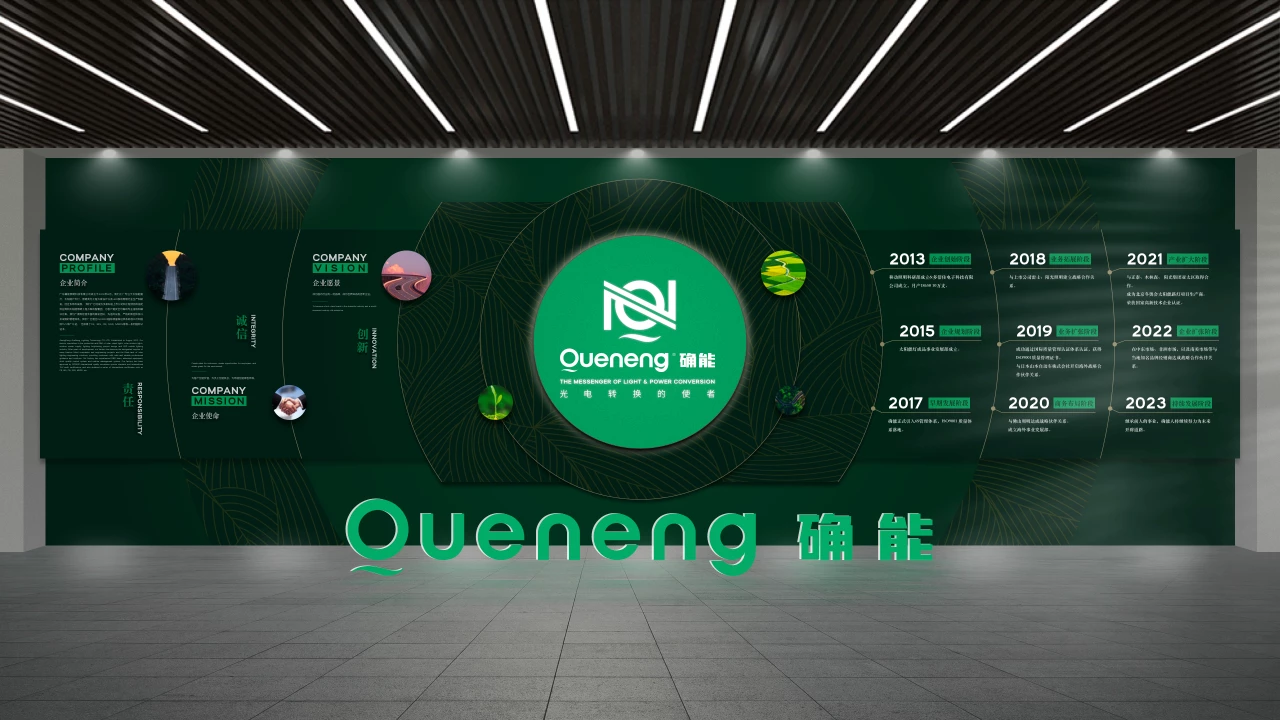
Queneng Lighting, founded in 2013, specializes in solar street lights including split solar street light and All-in-One Solar Street Lights as well as Solar Spot lights, Solar Garden lights, Solar Lawn lights, Solar Pillar Lights, Solar Photovoltaic Panels, portable outdoor power supplies and batteries. After years of development, Queneng is the designated supplier for many listed companies and engineering projects and acts as a solar lighting engineering solutions think tank, providing professional guidance and solutions.
Queneng offers an experienced R&D team, advanced production equipment, strict quality control and a mature management system. The company is certified to ISO 9001 and has undergone international TÜV audits; it also holds CE, UL, BIS, CB, SGS and MSDS certifications. Queneng’s competitive advantages include integrated engineering design, strong component sourcing, and the ability to provide tailored corrosion- and weatherproofing strategies for municipal and commercial projects.
| Product Type | Weatherproofing Strengths | Potential Weaknesses |
|---|---|---|
| Municipal Solar Street Light | Designed for durability, tamper resistance, maintainability | Higher initial cost; requires planned municipal maintenance |
| Split Solar Street Light | Improved thermal management, flexible panel placement, easier PV replacement | More cabling and junction boxes to weatherproof |
| All-in-One Solar Street Lights | Compact, low-installation complexity, integrated management | Heat build-up, integrated battery replacement challenges |
For municipal projects, Queneng provides pre-sales site analysis and custom packages that specify coatings, fastener metals, IP levels and maintenance schedules based on local conditions and project lifetime goals.
Implementation Examples and Quality Assurance
Case example: Coastal city deployment (design highlights)
Key design choices for coastal deployments: hot-dip galvanized poles with polyester topcoat; luminaire housings in anodized marine-grade aluminum; 316 stainless fasteners and sealed PV junction boxes with IP68-rated cable glands. Implement remote monitoring to flag increased leakage currents (early moisture intrusion indicator). These measures significantly reduce corrosion-related downtime.
Testing and certification to validate claims
Require supplier test reports for IP classification, salt-spray (ASTM B117) where applicable, and material certificates for alloys and fasteners. Third-party audits (TÜV, SGS) and ISO 9001 processes provide additional assurance of consistent manufacturing quality.
Cost vs. longevity trade-offs
Higher upfront investments in hot-dip galvanization, High Quality alloys or higher IP-rated housings typically lower lifecycle costs due to reduced maintenance and longer intervals between replacements. Use total cost of ownership (TCO) analysis when comparing offers, incorporating expected maintenance visits, component lifetimes and failure rates.
FAQ — Weatherproofing & Corrosion Protection for Solar Street Lights
1. What IP rating should I specify for solar street lights?
For typical outdoor use, specify at least IP65. For heavy rain, flooding risk or high-pressure washing, choose IP66–IP67. For installations with potential immersion or constant water exposure, require IP68. Always align IP with local environmental risk.
2. Are aluminum housings better than steel for coastal areas?
Marine-grade aluminum alloys with proper anodizing or powder coat perform well in coastal environments due to natural oxide protection and lower galvanic potential compared to some steel combinations. However, properly galvanized and coated steel can also be effective; material choice depends on cost, structural needs and maintenance philosophy.
3. How do split and all-in-one solar street lights differ in weatherproofing needs?
All-in-one units need highly reliable seals and thermal management inside a single enclosure; split systems trade that for more exposed cabling and junction boxes which require careful sealing and conduit protection. Each architecture demands a specific weatherproofing plan.
4. Can coatings alone prevent corrosion?
High-quality coatings provide robust barrier protection but are not absolute—damage, UV degradation or poor preparation can lead to localized corrosion. Best practice combines coatings with corrosion-resistant materials, proper fasteners and routine inspections.
5. How often should I inspect municipal solar street lights?
A practical schedule is quarterly visual inspections for harsh environments (coastal, industrial) and biannual checks for milder climates. Include annual electrical testing and a detailed corrosion assessment every 2–3 years for critical assets.
6. What documentation should suppliers provide to verify weatherproof claims?
Request factory test reports for IP ratings, salt-spray (ASTM B117) if relevant, material certificates (EN or ASTM standards for alloys), and third-party certifications (TÜV, CE, UL, SGS). These documents enable verifiable procurement decisions.
For project quotes, site-specific recommendations and product catalogs for Municipal Solar Street Light, Split Solar Street Light and All-in-One Solar Street Lights, contact Queneng Lighting for consultation or to view products and engineering solutions. Their experienced R&D and QA teams can provide tailored proposals, test reports and lifecycle cost analyses to match your local conditions and procurement criteria.

Have more questions about our products or services?
The latest hot news you might like
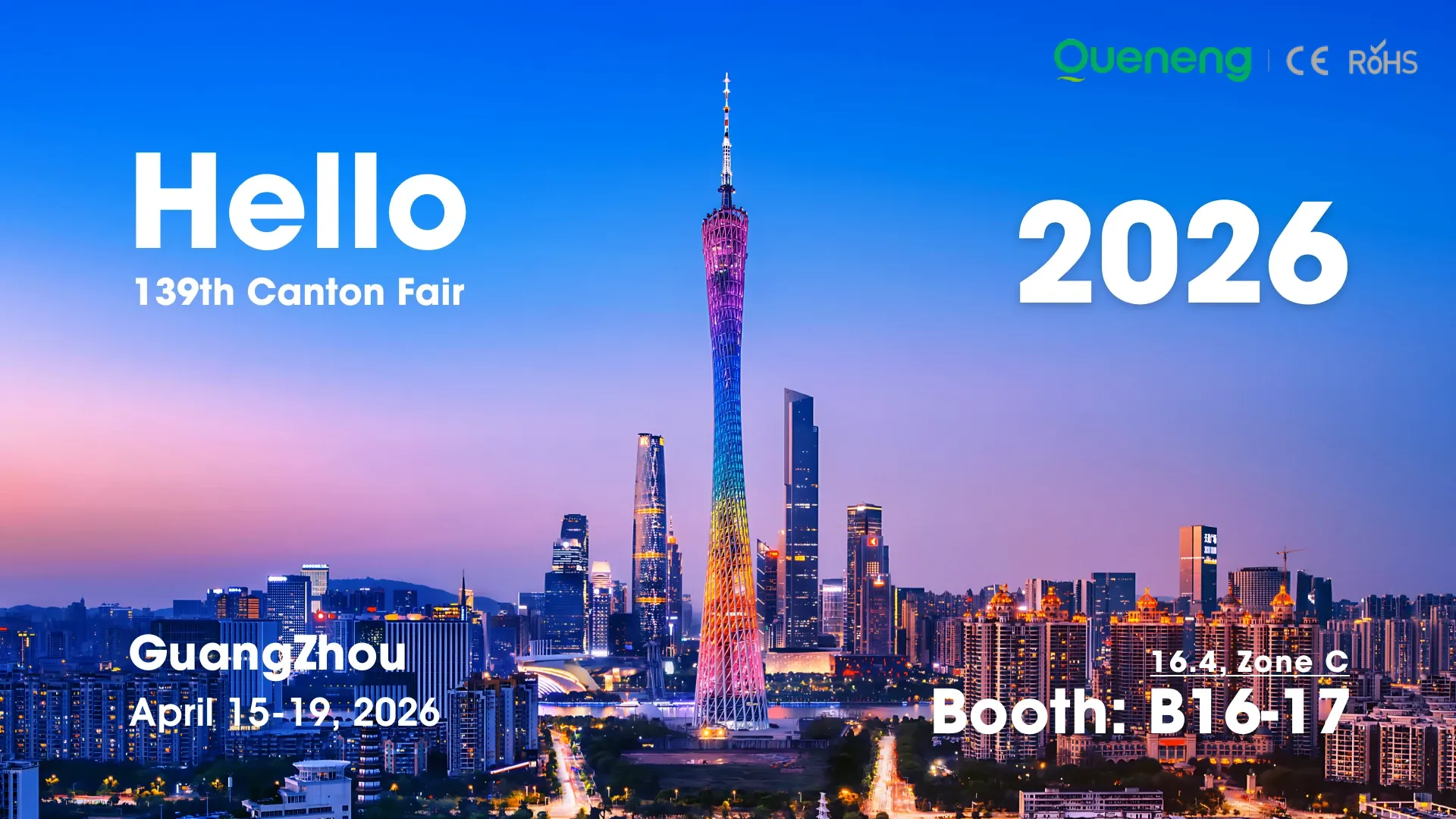
As the global demand for sustainable infrastructure rises, Queneng Lighting is proud to announce its participation in the 139th China Import and Export Fair (Canton Fair), held from April 15th to 19th, 2026, in Guangzhou.
For over 13 years, Queneng has been at the forefront of the solar lighting industry, providing high-efficiency solutions for infrastructure contractors, municipal developers, and EPC companies worldwide. This year, we are bringing our most advanced technology yet to the international stage.

Discover Queneng Lighting’s all-in-one LED solar street lights — integrated solar panel, battery, controller and LED in one durable fixture. Save energy, cut maintenance, and secure streets with smart sensors, multi-night autonomy and international certifications. Contact sales for quotes and support.

Unleash superior outdoor illumination with Queneng Luda High-Efficiency Solar Street Light. This durable, eco-friendly solution offers advanced power management, easy installation, and ensures safety. Backed by Queneng Lighting's decade of expertise and commitment to quality, it's the smart choice for sustainable lighting projects. Learn why we're a leading solar solutions provider.

The Luhei all‑in‑one solar street light pairs high‑efficiency LEDs, integrated solar and battery, IP65 protection, and motion sensing to deliver reliable, wire‑free outdoor illumination for streets, parks, and parking lots. Backed by Queneng Lighting’s certifications and support.
FAQ
Battery Performance and Testing
What is the IEC standard cycle life test?
After the battery is discharged to 1.0V/support at 0.2C
1. Charge at 0.1C for 16 hours, then discharge at 0.2C for 2 hours and 30 minutes (one cycle)
2. Charge at 0.25C for 3 hours and 10 minutes, discharge at 0.25C for 2 hours and 20 minutes (2-48 cycles)
3. Charge at 0.25C for 3 hours and 10 minutes, then discharge to 1.0V at 0.25C (49th cycle)
4. Charge at 0.1C for 16 hours, leave for 1 hour, discharge at 0.2C to 1.0V (50th cycle). For nickel-metal hydride batteries, after repeating 1-4 for a total of 400 cycles, the 0.2C discharge time should be greater than 3 hours; for nickel-cadmium batteries, repeating 1-4 for a total of 500 cycles, the 0.2C discharge time should be greater than 3 hours.
Tourist Attractions and Resorts
Do solar lights require much maintenance?
Solar lights require minimal maintenance. Routine checks and occasional cleaning of the solar panels are enough to keep the system functioning efficiently. There are no wires or bulbs that need to be replaced frequently.
Solar Street Light Chuanqi
How do the solar panels in Chuanqi street lights store energy?
The solar panels in Chuanqi solar street lights collect sunlight during the day and convert it into electrical energy, which is stored in high-capacity lithium-ion batteries. The stored energy is then used to power the LED lights at night, ensuring continuous illumination even when the sun is not shining. This energy storage system ensures the lights work autonomously without relying on an external power source.
Remote Areas Rural Development
Can the system operate in areas with limited sunlight?
Yes, advanced batteries store sufficient energy to function during cloudy days or extended low-sunlight periods.
Solar Street Light Luqing
Are solar street lights easy to install?
Yes, solar street lights are easy to install. They do not require external wiring or connections to the electrical grid. The installation process is straightforward and typically involves mounting the light pole, positioning the solar panel, and securing the battery and lighting unit.
Battery fundamentals and basic terms
What are the main structural components of a lithium-ion battery?
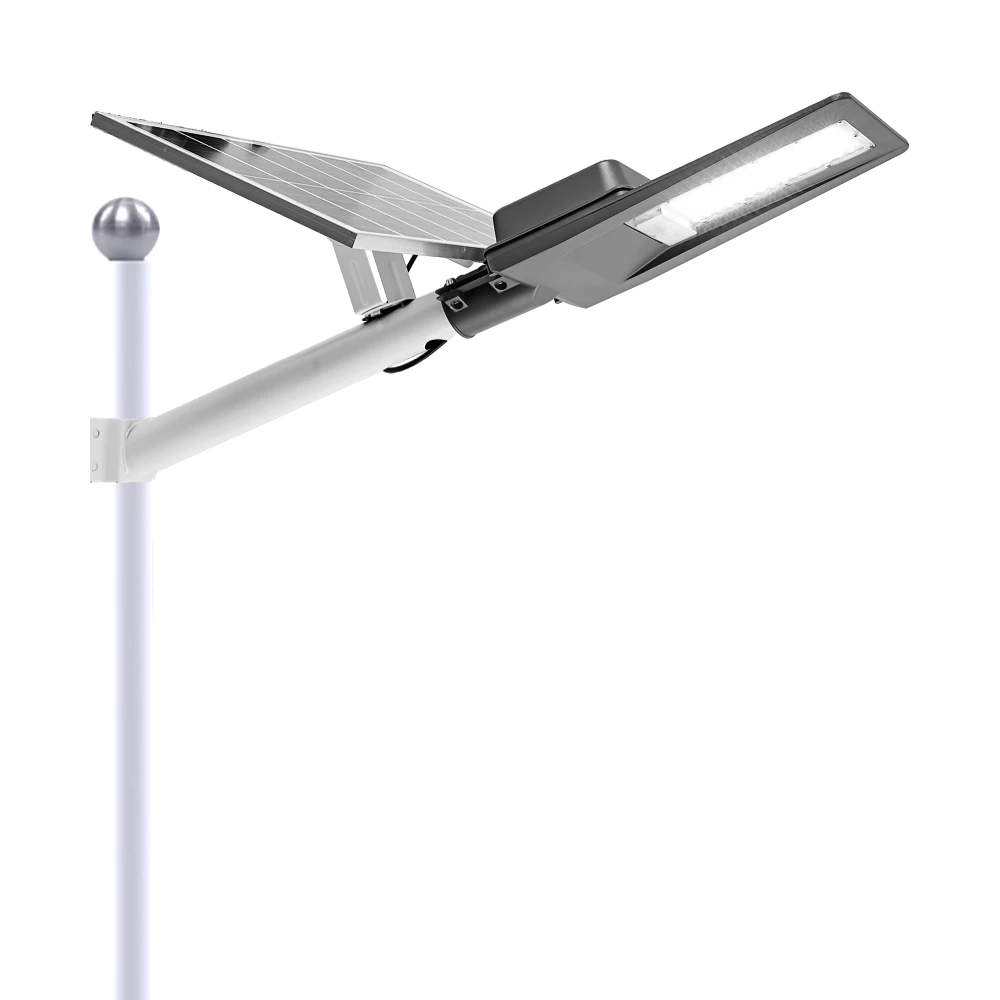
Experience reliable outdoor illumination with our smart solar street light, a perfect combination of advanced technology and eco-conscious design.
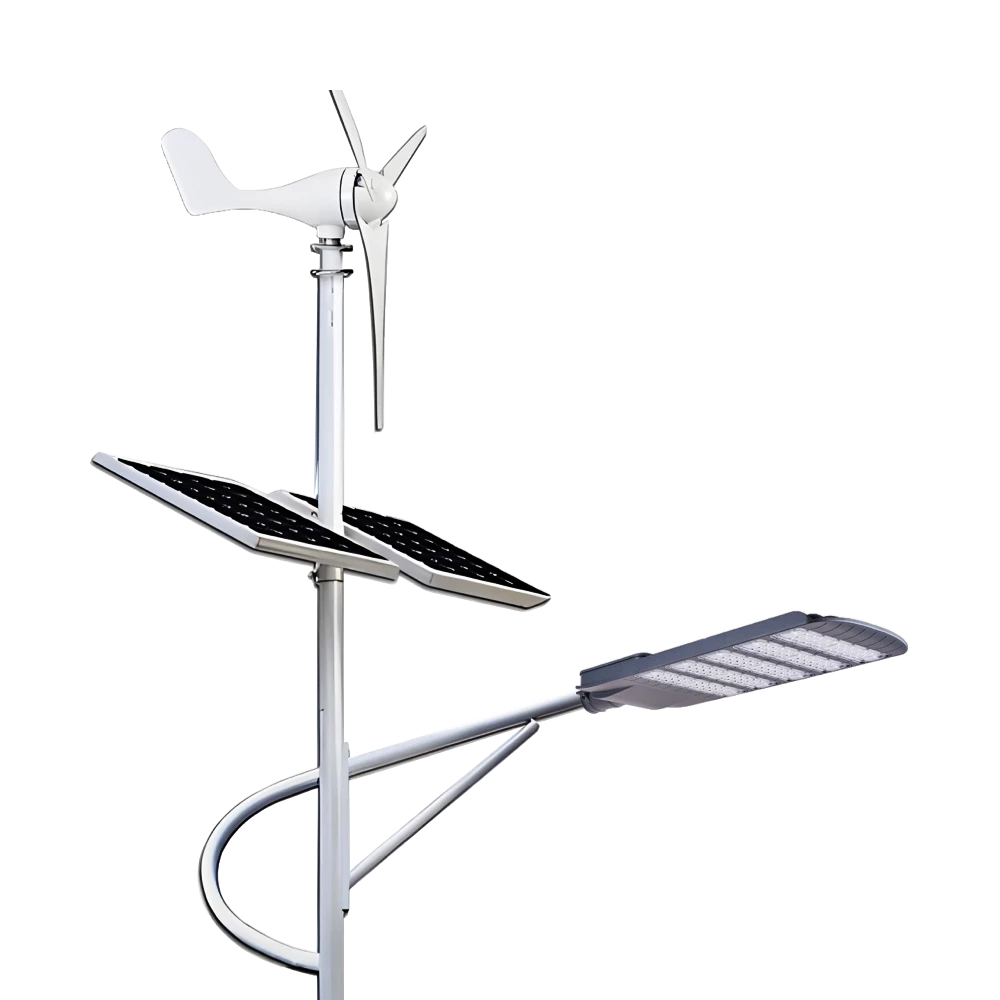
Queneng Lufeng Wind Energy LED Outdoor Solar Street Lights offer high-performance, eco-friendly illumination. These energy-efficient LED street lights harness solar power and wind energy for sustainable, cost-effective outdoor lighting solutions.
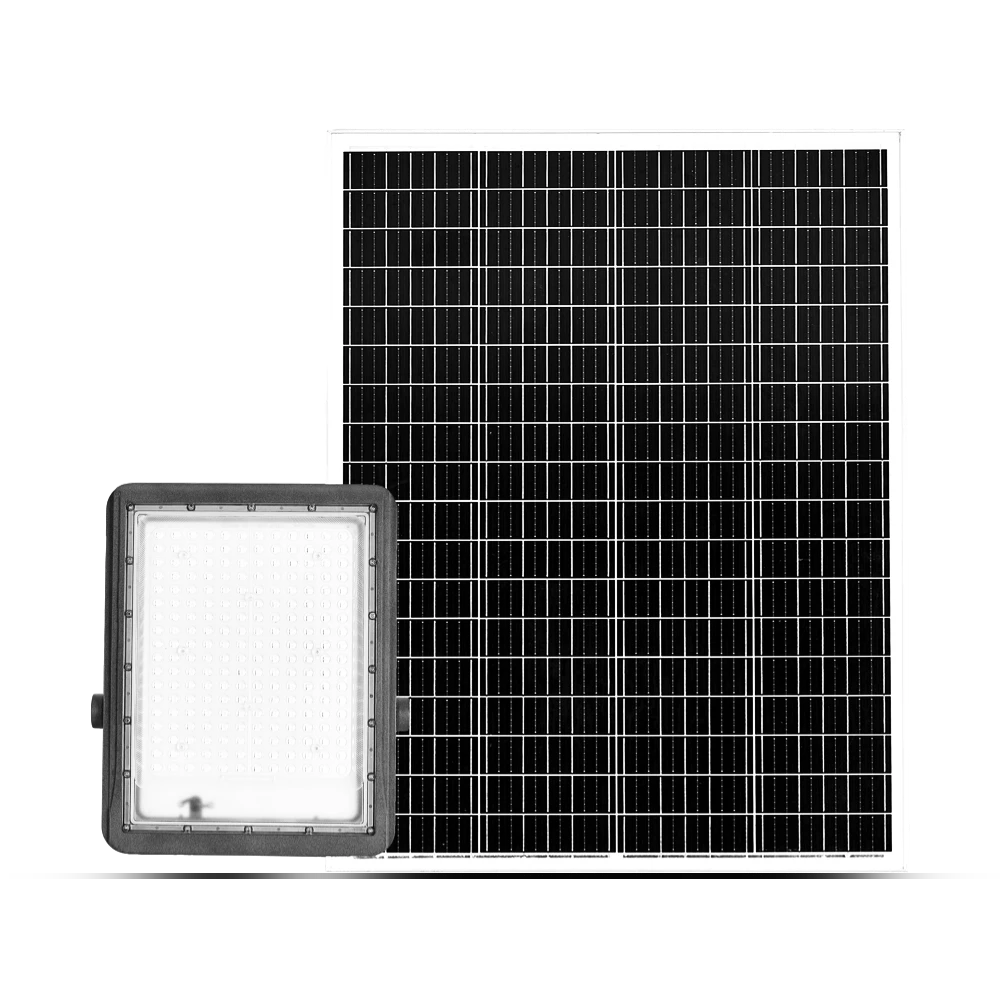
Queneng's Luxian Reliable Solar Street Light offers energy-saving LED lighting for outdoor use. This durable, solar-powered street light provides reliable illumination, reducing energy costs and environmental impact. A perfect solution for sustainable outdoor lighting.
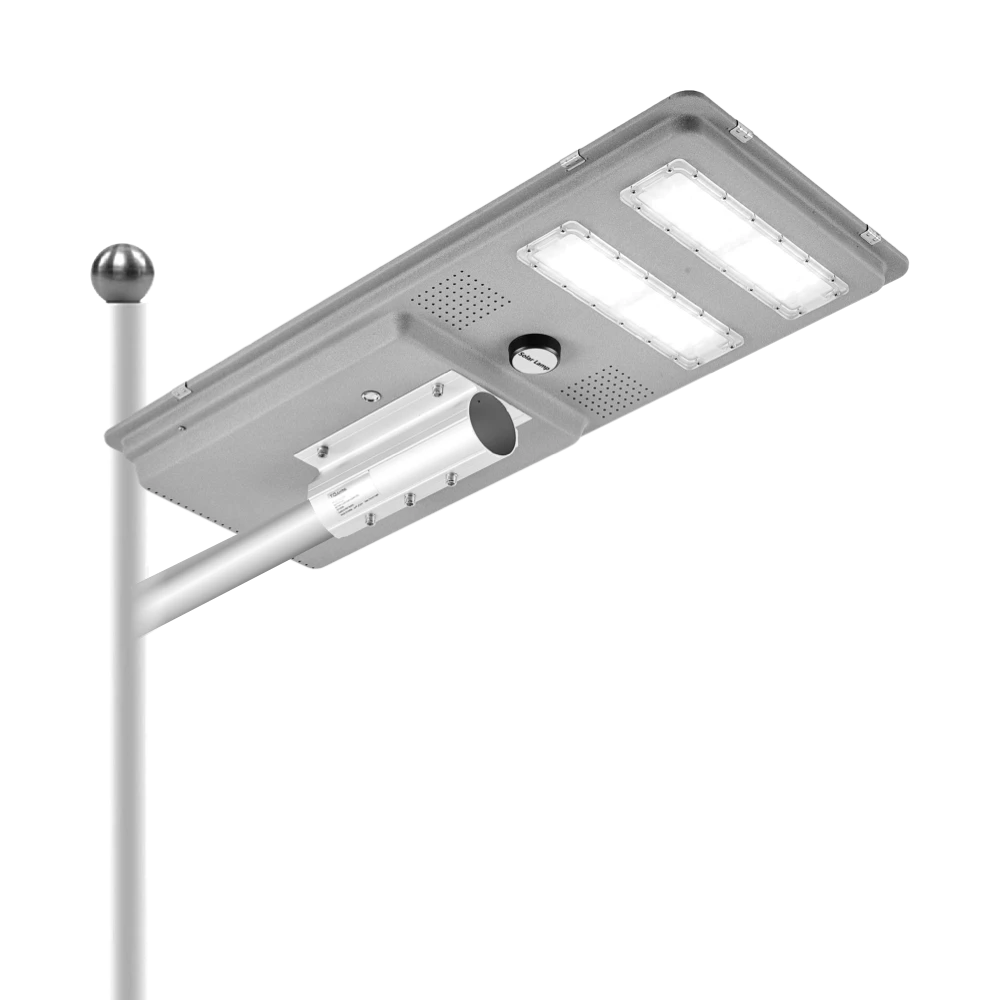
Queneng’s Solar Street Lights are designed to provide reliable, energy-efficient lighting for streets, parks, and other outdoor spaces.
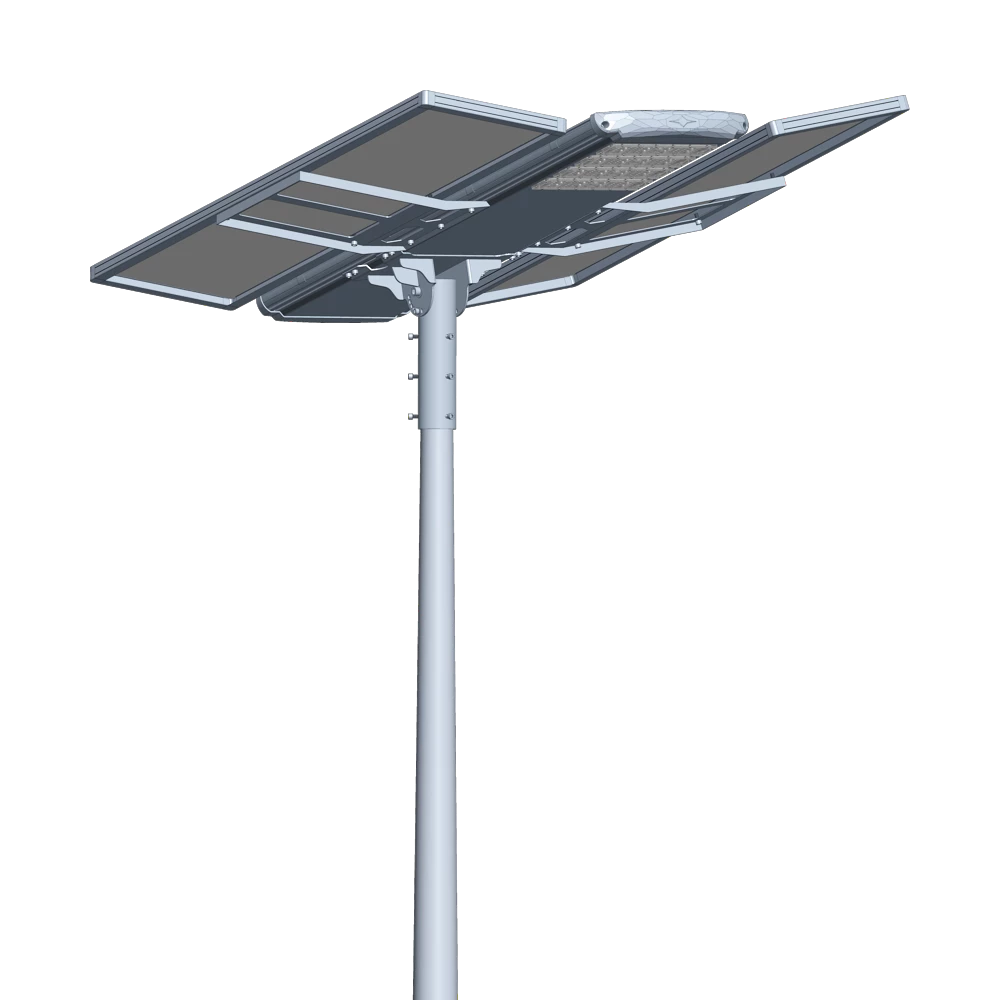
Introducing the Luqing Solar Street Light by Queneng, Efficient LED lighting powered by solar energy is perfect for illuminating outdoor areas. Harness the power of solar energy for sustainable, reliable street lighting. Ideal for eco-friendly, cost-effective outdoor illumination solutions.
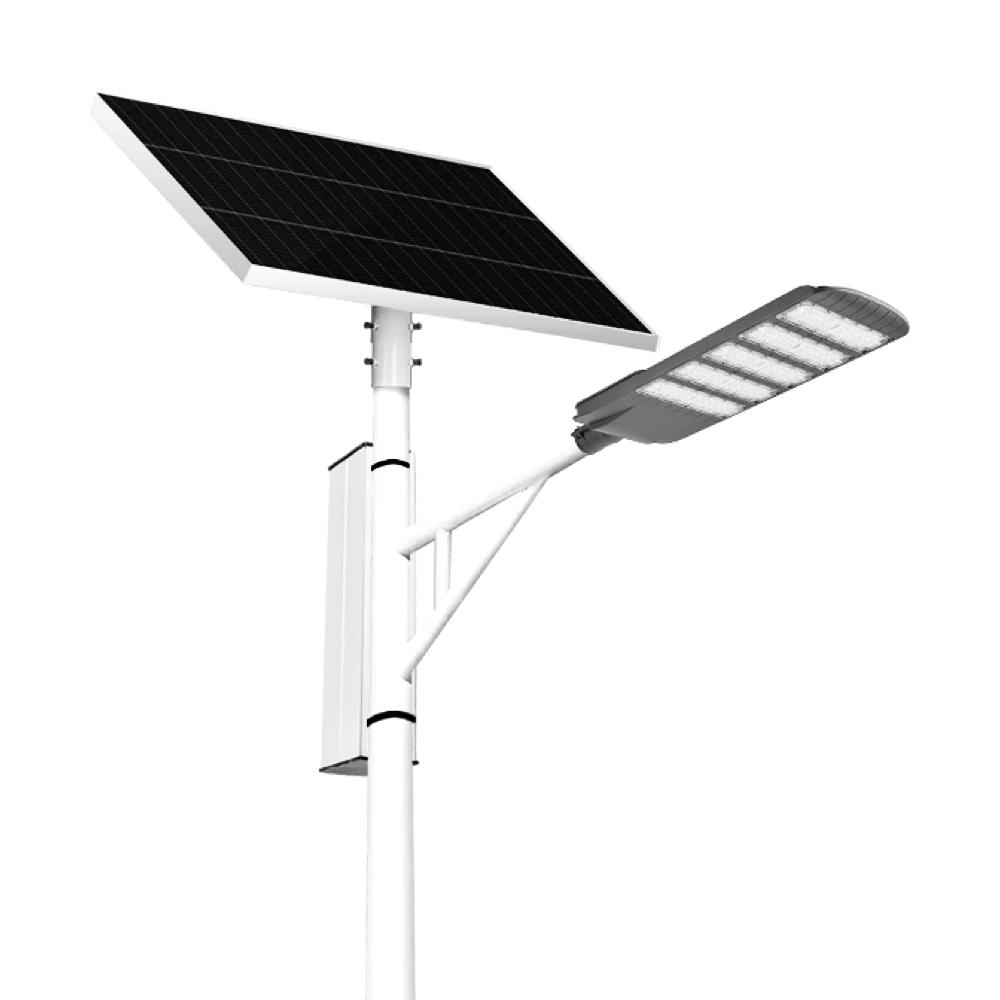
The Solar Streetlights of Luhao for Municipalities are designed to deliver reliable, energy-efficient, and cost-effective public lighting solutions. Equipped with advanced LED technology, durable lithium batteries, and high-efficiency solar panels, these streetlights provide consistent illumination for roads, parks, residential areas, and government projects.
Our professional team is ready to answer any questions and provide personalized support for your project.
You can reach us via phone or email to learn more about Queneng’s solar lighting solutions. We look forward to working with you to promote clean energy solutions!
Rest assured that your privacy is important to us, and all information provided will be handled with the utmost confidentiality.
By clicking 'Send Inquiry Now' I agree to Queneng processing my personal data.
To see how to withdraw your consent, how to control your personal data and how we process it, please see our Privacy Policy and Terms of use.
Schedule a Meeting
Book a date and time that is convenient for you and conduct the session in advance.
Have more questions about our products or services?
The messenger of light & power conversion
Environmental protection and intelligent manufacturing are our brand philosophy, and quality assurance and the best user experience are our eternal promises to users.
CONTACT
No.9F, Building F, Cao San Xin Tian Hong Logistics Park, Guzhen Town, Zhongshan City, Guangdong Province, China.
or write [email protected]
WhatsApp: +86 136 2270 1011


