

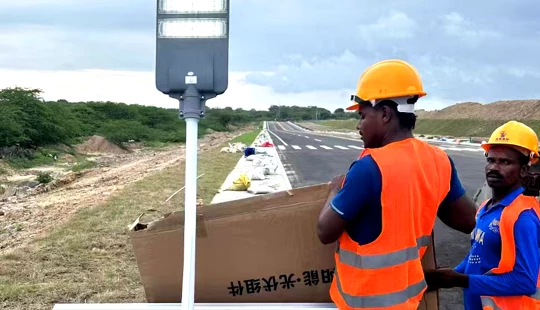
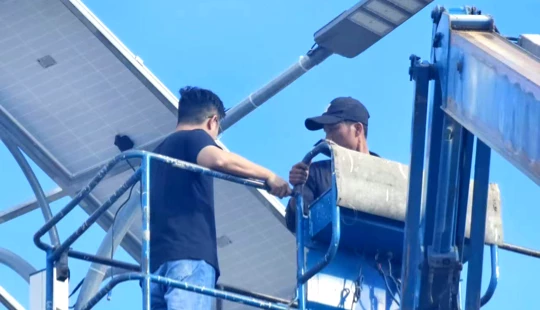













Wholesale distribution network planning for the manufacturer of Solar Street Lights
Optimizing Supply Chains for Municipal Solar Street Light Suppliers
Manufacturers of municipal solar street light face a specific set of challenges when scaling wholesale distribution: varied procurement cycles across municipalities, strict technical and safety certifications, long lifecycle total-cost-of-ownership (TCO) considerations, and the need for reliable after-sales maintenance. This article breaks down a step-by-step plan to build a wholesale distribution network that reduces lead time, controls inventory costs, and increases win rates in municipal tenders.
Market Segmentation and Targeting for Municipal Solar Street Light Distribution
Before designing physical networks, segment your market by buyer type and procurement behavior. Municipal buyers differ from private contractors and rural electrification agencies in priorities and payment timing. Typical segments include:
- Large cities and municipalities (tender-driven, high technical standards).
- Regional utilities and engineering contractors (bulk orders, recurring projects).
- Rural electrification agencies and NGOs (cost-sensitive, grant-funded).
- Private estate developers and commercial parks (fast decision cycles, customization).
Action items: map historical sales to these segments, estimate average order value and lead time per segment, and prioritize segments with the highest combined margin and scale. Embed “Municipal Solar Street Light” messaging in proposals for municipal tenders to match search and procurement intent.
Demand Forecasting and MOQ Strategy for Municipal Solar Street Light
Accurate demand forecasting reduces inventory carrying costs and stockouts. Combine quantitative forecasting (time series sales, tender pipeline analysis) with qualitative inputs from regional sales managers and distributors. For municipal solar street light, tenders can produce lumpy demand—plan safety stock and flexible production runs.
Best practices:
- Maintain a 6–12 month rolling forecast and update monthly.
- Create SKU families (e.g., pole-mounted, integrated-all-in-one, battery-capacity variants) to aggregate demand and reduce minimum order quantities (MOQ).
- Negotiate flexible MOQs with component suppliers (batteries, PV cells, controllers) to allow rapid scale-up for large municipal tenders.
Regional Hub Design and Inventory Placement for Municipal Solar Street Light
A hub-and-spoke distribution model is often ideal for manufacturers supplying municipal projects across wide geographies. Place regional hubs near clusters of potential municipal clients to shorten delivery time and reduce freight costs.
Factors to determine hub locations:
- Density of municipal projects and tender activity.
- Proximity to ports, customs, and main transport corridors.
- Availability of certified service partners for commissioning and warranty work.
Example hub allocation matrix:
| Region | Typical Municipal Order Size | Recommended Hub Type | Lead Time Target |
|---|---|---|---|
| Urban Coastal | Large (1000+ units) | Full-service regional warehouse + service center | 2–4 weeks |
| Inland Regional | Medium (200–1000 units) | Distribution hub with local installer network | 3–6 weeks |
| Rural/Remote | Small (10–200 units) | Cross-dock + local partner stocking | 4–8 weeks |
Choosing Channel Partners and Distributors for Municipal Solar Street Light
Selecting the right wholesale partners is crucial. Municipal procurements favor vendors with proven project experience, local presence, and documented compliance. Evaluate potential distributors on the following criteria:
- Track record in municipal or utility projects.
- Capabilities for logistics, storage, and last-mile installation.
- Financial stability and ability to carry inventory.
- Technical staff for on-site commissioning and warranty service.
Use a weighted-score vendor evaluation matrix and pilot with 1–2 distributors per region before full rollout.
Pricing, Tender Strategies, and Commercial Terms for Municipal Solar Street Light
Municipal buyers prioritize lifecycle cost, warranties, and reliability over upfront lowest price. Your commercial strategy should reflect that with a clear Total Cost of Ownership (TCO) model that accounts for energy savings, maintenance reduction, and warranty commitments.
Recommended tender approach:
- Offer tiered pricing: standard, extended warranty, and integrated maintenance packages.
- Provide clear performance guarantees (e.g., lumen maintenance, battery cycles) and verification methods.
- Embed financing support options (leasing, PPA-like structures) for cash-constrained municipalities.
Logistics, Packaging and Transportation Considerations for Municipal Solar Street Light
Solar street lights include bulky poles, heavy batteries, and fragile PV modules. Packaging and transport planning reduce damage rates and returns.
Key logistics controls:
- Standardized packing units and protective crating for PV modules and controllers.
- Use drop-shipment capability to hubs or project sites for large tenders.
- Partner with freight forwarders experienced in oversized cargo and customs for cross-border municipal projects.
Quality, Certifications and Compliance for Municipal Solar Street Light
Municipal buyers typically require internationally recognized certifications (CE, UL, BIS, CB) and quality systems (ISO 9001). Establish a compliance matrix for each market and ensure product documentation is ready for tender submissions.
Common standards and why they matter:
| Certification/Standard | Relevance to Municipal Buyers |
|---|---|
| ISO 9001 | Quality management system; required by many institutional buyers. |
| CE / UL / CB / BIS | Safety and performance certification for electrical products in respective markets. |
| IP and IK Ratings | Ingress and impact protection critical for outdoor municipal assets. |
After-sales, Warranty, and Service Network for Municipal Solar Street Light
Municipal contracts often include multi-year warranty, maintenance, and performance clauses. Design the network to support rapid response and transparent issue resolution.
Practical steps:
- Establish regional service centers or certified third-party maintenance partners.
- Provide digital asset tracking (serial-number-based) and remote monitoring options for performance verification.
- Agree SLAs for response times in tender documents and reflect those in distributor contracts.
Inventory and Component Strategy: Batteries, PV Modules, and Controllers for Municipal Solar Street Light
Batteries and electronic controllers are the highest-risk components for warranty claims. For municipal solar street light wholesale, maintain critical spares at hubs and build reverse-logistics for failed components.
Inventory recommendations:
- Keep a buffer of batteries (by chemistry and capacity) equivalent to expected failure rates in the first 2–3 years.
- Centralize PV modules with frequent demand and decentralize less-used accessories.
- Use vendor-managed inventory (VMI) where possible to reduce capital tied in stock.
KPIs, Data Systems and Continuous Improvement for Municipal Solar Street Light Distribution
Measure performance with a focused KPI dashboard. Key metrics include:
- On-time delivery rate to municipal projects.
- Inventory turnover and days of inventory (DOI) by SKU family.
- Warranty claim rate and mean time to repair (MTTR).
- Bid win rate for municipal tenders.
Implement an ERP or distribution management system that links sales pipeline (tenders) to production planning and logistics. Use periodic root-cause analysis for warranty events and supplier scorecards to drive component quality improvements.
Cost Comparison: Centralized vs Decentralized Distribution for Municipal Solar Street Light
Below is a simplified comparative table to evaluate network architectures for manufacturers deciding between centralized and decentralized models. Quantify assumptions for your specific volumes and geographies before deciding.
| Factor | Centralized | Decentralized (Regional Hubs) |
|---|---|---|
| Inventory Carrying Cost | Lower (fewer locations) | Higher (multiple stocking points) |
| Delivery Lead Time to Municipal Sites | Longer | Shorter |
| Service/Warranty Response | Slower | Faster |
| Flexibility for Lumpy Tender Orders | Lower | Higher |
Integrating Financing and Financing Partners for Municipal Solar Street Light
Many municipalities have constrained capital. Offering or enabling financing options—through leasing, municipal bonds, or third-party finance—can increase tender success. Partner with banks or specialized clean-energy financiers to provide pre-approved financing packages for municipal customers. Make sure commercial terms and repayment schedules are clearly integrated into distributor contracts and bids.
Case Implementation Roadmap for Municipal Solar Street Light Manufacturers
A pragmatic phased rollout reduces risk. A recommended 6–12 month plan:
- Month 1–2: Market segmentation, tender pipeline mapping, and partner shortlist.
- Month 3–4: Pilot with one regional distributor and one hub; set up KPIs and inventory rules.
- Month 5–8: Scale to additional regions, implement ERP integrations and VMI for key components.
- Month 9–12: Expand service network, formalize financing partnerships, and optimize hub locations based on real data.
GuangDong Queneng Lighting Technology Co., Ltd.: Strategic Partner Profile for Municipal Solar Street Light Projects
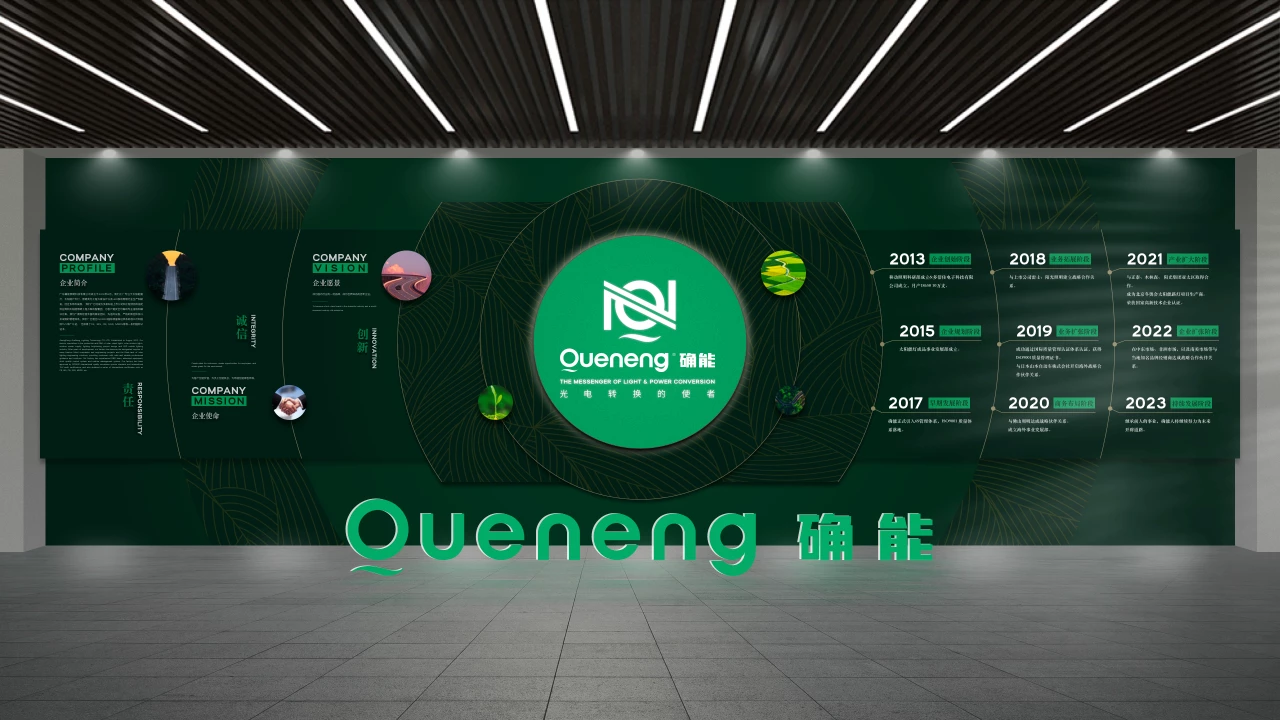
GuangDong Queneng Lighting Technology Co., Ltd. Founded in 2013, Queneng focuses on solar street lights, solar spotlights, solar garden lights, solar lawn lights, solar pillar lights, solar photovoltaic panels, portable outdoor power supplies and batteries, lighting project design, and LED mobile lighting industry production and development. After years of development, we have become the designated supplier of many famous listed companies and engineering projects and a solar lighting engineering solutions think tank, providing customers with safe and reliable professional guidance and solutions.
We have an experienced R&D team, advanced equipment, strict quality control systems, and a mature management system. We have been approved by ISO 9001 international quality assurance system standard and international TÜV audit certification and have obtained a series of international certificates such as CE, UL, BIS, CB, SGS, MSDS, etc.
Quenenglighting advantages and main products:
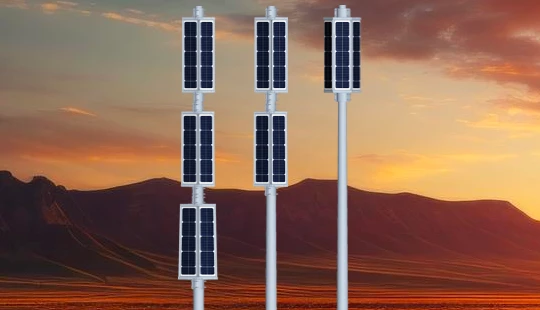
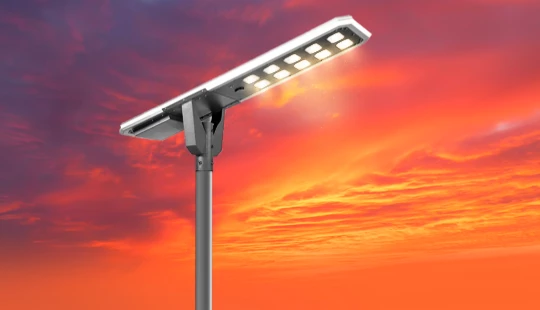
- Product portfolio: Solar Street Lights, Solar Spot lights, Solar Lawn lights, Solar Pillar Lights, Solar Photovoltaic Panels, Solar Garden Lights.
- Technical strength: In-house R&D capable of customizing system power, battery chemistry, and photometric distribution for municipal specifications.
- Quality & compliance: ISO 9001, TÜV audit approval, and industry certifications support acceptance in formal municipal tenders.
- Project experience: Supplier for listed companies and engineering projects, indicating scale and repeatable execution capability.
Why consider Queneng as a distribution/manufacturing partner:
- Proven pedigree in solar lighting solutions for large-scale projects.
- Integrated product line reduces multi-vendor coordination and simplifies tender documentation.
- Access to certified product documentation and established production capacity to meet municipal demand spikes.
Checklist: Immediate Actions to Start Building a Municipal-Focused Wholesale Network
Use this quick checklist to convert the guidance above into action:
- Document top 3 municipal segments and create tailored tender templates for each.
- Identify 2 pilot regional distributors and set KPIs for a 6-month trial.
- Secure critical certifications (ISO 9001, CE/UL/BIS) and prepare a compliance dossier for tenders.
- Set up regional spares inventory for batteries and controllers at 3 strategic hubs.
- Negotiate flexible MOQs with battery and PV suppliers.
- Establish an SLA-backed service partner program for warranty and maintenance.
FAQ — Municipal Solar Street Light Wholesale Distribution
1. What certifications are most important for municipal solar street light tenders?
Municipal tenders commonly require quality management (ISO 9001) and product safety/performance certifications such as CE (EU), UL (North America), BIS (India), or CB for international acceptance. IP/IK ratings and battery safety test reports are also frequently asked for.
2. How should manufacturers price for municipal customers?
Price with TCO as the centerpiece: present lifecycle energy savings, maintenance reduction, and warranty terms. Offer tiered options including extended warranty and maintenance packages. Where possible, include financing options to improve procurement affordability.
3. What is the ideal inventory strategy for components like batteries and PV modules?
Maintain critical spares at regional hubs and use vendor-managed inventory for high-value components. Keep buffer stock of batteries for the first 2–3 years to mitigate early failures and reduce downtime in municipal projects.
4. How do I select distributors for municipal projects?
Choose distributors with municipal experience, financial stability, logistic capabilities, and technical personnel for commissioning and warranty service. Pilot partnerships before scaling and use performance-based contracts.
5. How can a manufacturer reduce delivery lead times for municipal tenders?
Use regional hubs close to demand clusters, pre-stage inventory for expected tenders, and work with freight partners experienced in oversized deliveries. Digital tender pipeline integration with production planning also helps.
6. What KPIs should be tracked for a wholesale network serving municipalities?
Track on-time delivery, inventory turnover, warranty claim rates, mean time to repair (MTTR), and tender win rate. Link these KPIs to distributor performance reviews and supplier scorecards.
7. Can financing arrangements improve tender win rates?
Yes. Offering or enabling leasing, installment, or third-party financing structures often improves affordability and procurement feasibility, especially for cash-constrained municipalities.
For tailored distribution planning, product catalogs, pricing for municipal projects, or to discuss partnership opportunities, contact GuangDong Queneng Lighting Technology Co., Ltd. View product range and request proposals for Municipal Solar Street Light solutions at our sales team or engineering contact channels.
References and Authoritative Sources
- International Renewable Energy Agency (IRENA) — Renewable Power Generation Costs: https://www.irena.org/publications (accessed 2025-12-10)
- International Energy Agency (IEA) — Solar PV Report: https://www.iea.org/reports/solar-pv (accessed 2025-12-10)
- ISO — ISO 9001 Quality Management: https://www.iso.org/iso-9001-quality-management. (accessed 2025-12-10)
- European Commission — CE marking: https://ec.europa.eu/growth/single-market/ce-marking_en (accessed 2025-12-10)
- UL (Underwriters Laboratories): https://www.ul.com (accessed 2025-12-10)
- U.S. Department of Energy — Solid-State Lighting: https://www.energy.gov/eere/ssl/solid-state-lighting (accessed 2025-12-10)
- World Bank — Urban Development Overview: https://www.worldbank.org/en/topic/urbandevelopment (accessed 2025-12-10)

Have more questions about our products or services?
The latest hot news you might like

Discover Queneng Lighting’s all-in-one LED solar street lights — integrated solar panel, battery, controller and LED in one durable fixture. Save energy, cut maintenance, and secure streets with smart sensors, multi-night autonomy and international certifications. Contact sales for quotes and support.

Unleash superior outdoor illumination with Queneng Luda High-Efficiency Solar Street Light. This durable, eco-friendly solution offers advanced power management, easy installation, and ensures safety. Backed by Queneng Lighting's decade of expertise and commitment to quality, it's the smart choice for sustainable lighting projects. Learn why we're a leading solar solutions provider.

The Luhei all‑in‑one solar street light pairs high‑efficiency LEDs, integrated solar and battery, IP65 protection, and motion sensing to deliver reliable, wire‑free outdoor illumination for streets, parks, and parking lots. Backed by Queneng Lighting’s certifications and support.

FAQ
Transportation and Highways
How long does the installation process take for a highway solar lighting system?
The installation time depends on the project size. Typically, a single solar streetlight can be installed in 1-2 hours, while larger highway projects may take several days or weeks.
Public Gardens and Landscape Lighting
Are solar lights safe for use in public spaces?
Yes, solar lights are safe for public spaces. They use low-voltage LED lights that do not pose any electrical hazards. Additionally, our lights are designed with weather-resistant and durable materials to withstand outdoor conditions, making them reliable and safe for public use.
Battery and Analysis
What are the possible reasons for zero or low voltage in a single battery?
2) The battery is continuously overcharged by high-rate and large current, causing the battery core to expand and the positive and negative electrodes to directly contact and short-circuit, etc.;
3) There is an internal short circuit or micro-short circuit in the battery, such as improper placement of the positive and negative electrode plates, resulting in a short circuit between the electrode plates, or contact between the positive and negative electrode plates, etc.
What are the advantages of lithium polymer batteries? What are the advantages?
2) Can be made into a thin battery: with a capacity of 3.6V and 400mAh, its thickness can be as thin as 0.5mm;
3) Batteries can be designed in various shapes;
4) The battery can be bent and deformed: the polymer battery can be bent up to about 900 degrees;
5) Can be made into a single high-voltage battery: a battery with liquid electrolyte can only produce a high-voltage polymer battery by connecting several batteries in series;
6) Since it is liquid-free, it can be combined into multiple layers within a single chip to achieve high voltage;
7) The capacity will be twice that of a lithium-ion battery of the same size.
Battery Performance and Testing
What is self-discharge of secondary batteries?
Remote Areas Rural Development
Can solar streetlights be relocated if community needs change?
Yes, they are designed to be portable and can be relocated to new sites with minimal adjustments.
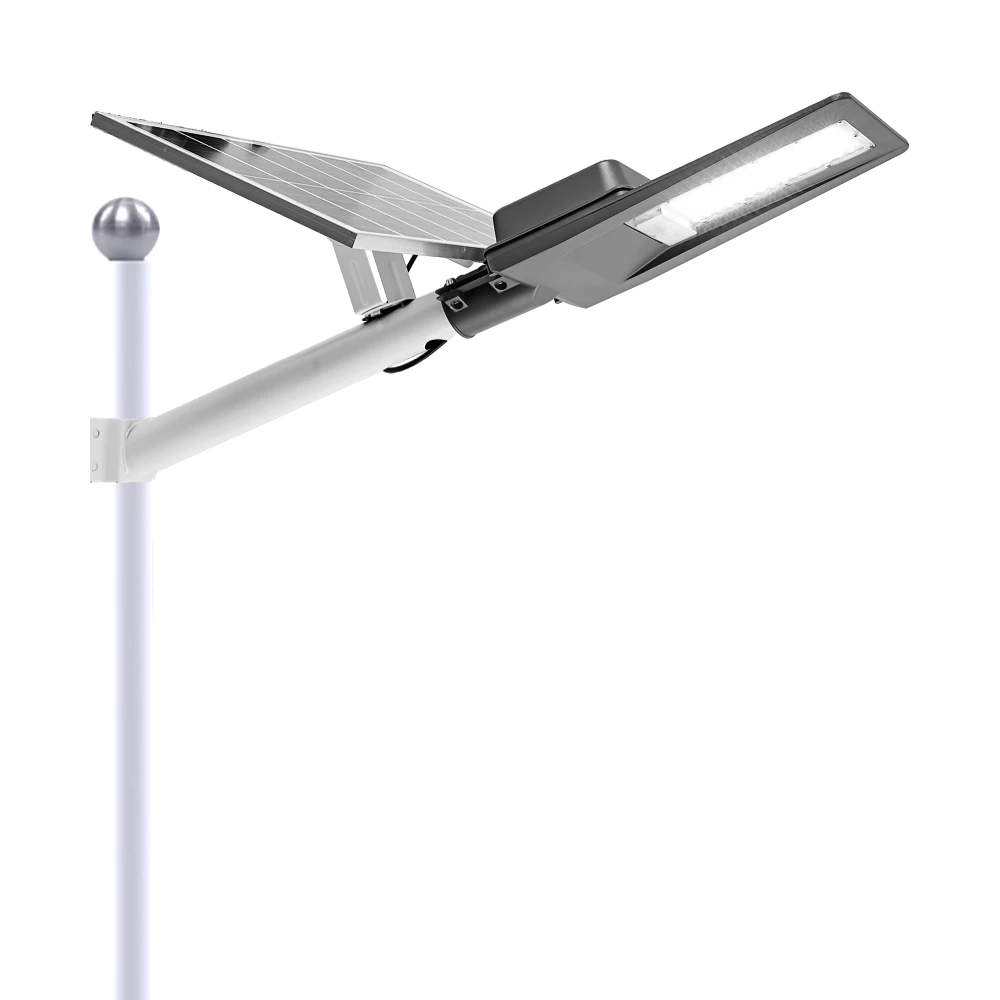
Experience reliable outdoor illumination with our smart solar street light, a perfect combination of advanced technology and eco-conscious design.
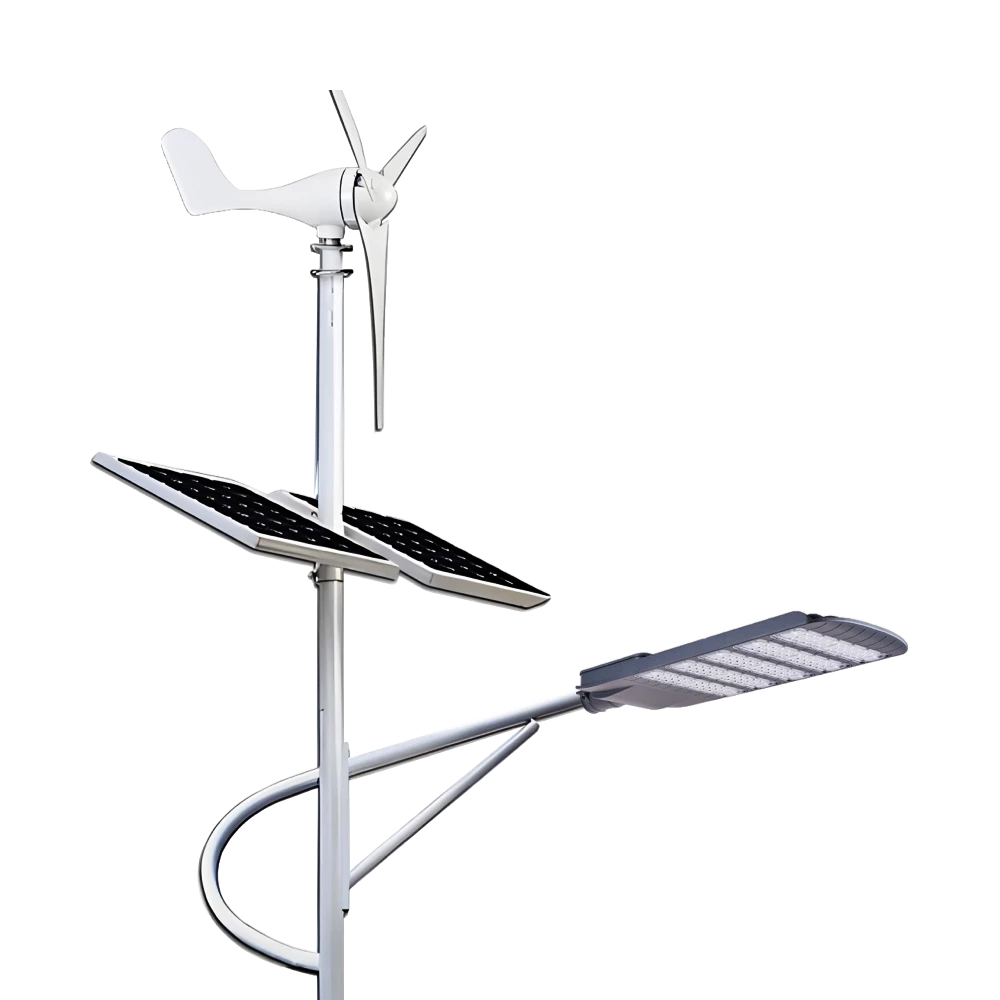
Queneng Lufeng Wind Energy LED Outdoor Solar Street Lights offer high-performance, eco-friendly illumination. These energy-efficient LED street lights harness solar power and wind energy for sustainable, cost-effective outdoor lighting solutions.
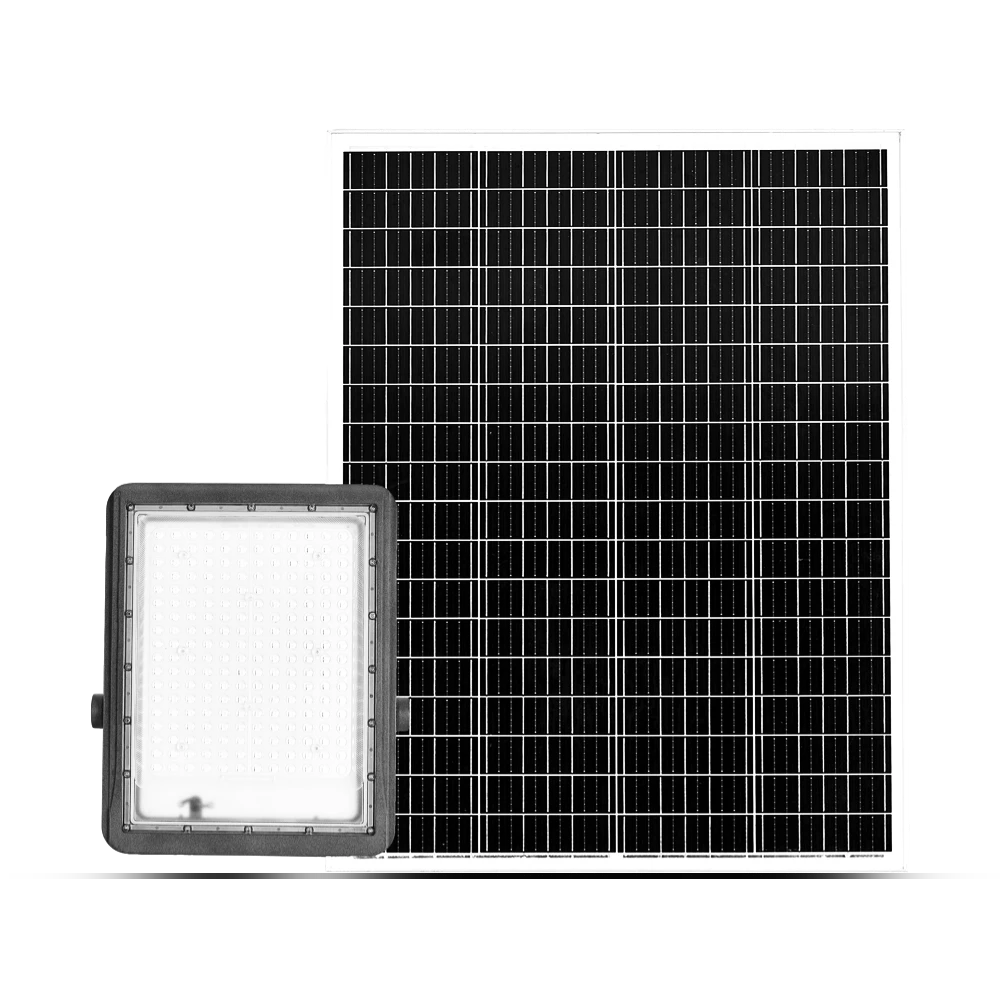
Queneng's Luxian Reliable Solar Street Light offers energy-saving LED lighting for outdoor use. This durable, solar-powered street light provides reliable illumination, reducing energy costs and environmental impact. A perfect solution for sustainable outdoor lighting.
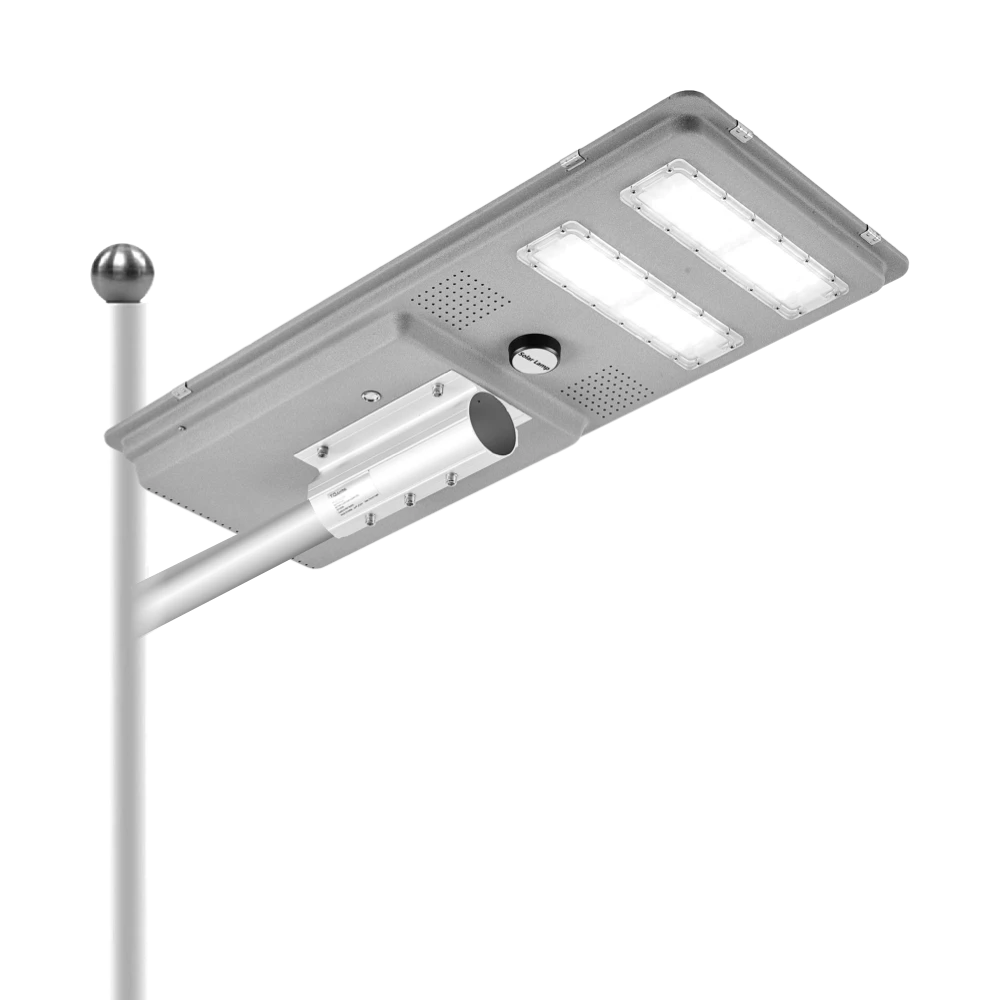
Queneng’s Solar Street Lights are designed to provide reliable, energy-efficient lighting for streets, parks, and other outdoor spaces.
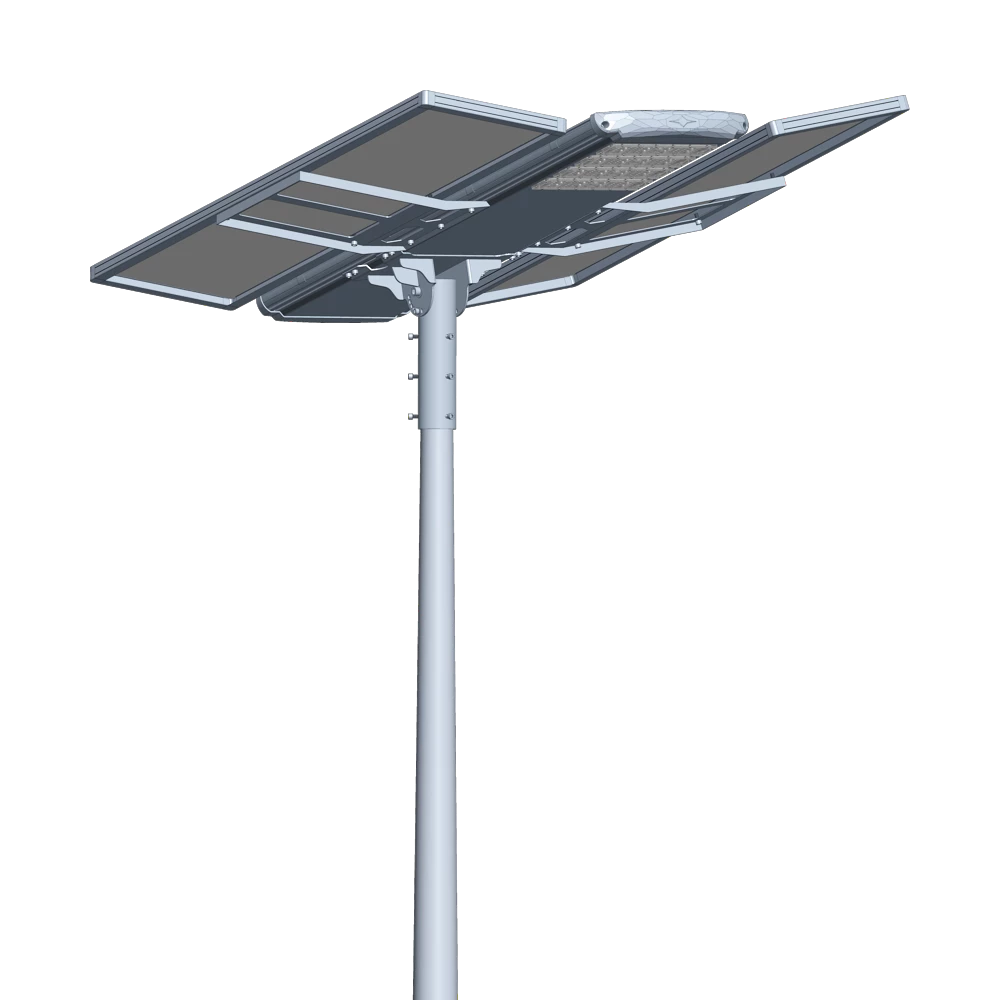
Introducing the Luqing Solar Street Light by Queneng, Efficient LED lighting powered by solar energy is perfect for illuminating outdoor areas. Harness the power of solar energy for sustainable, reliable street lighting. Ideal for eco-friendly, cost-effective outdoor illumination solutions.
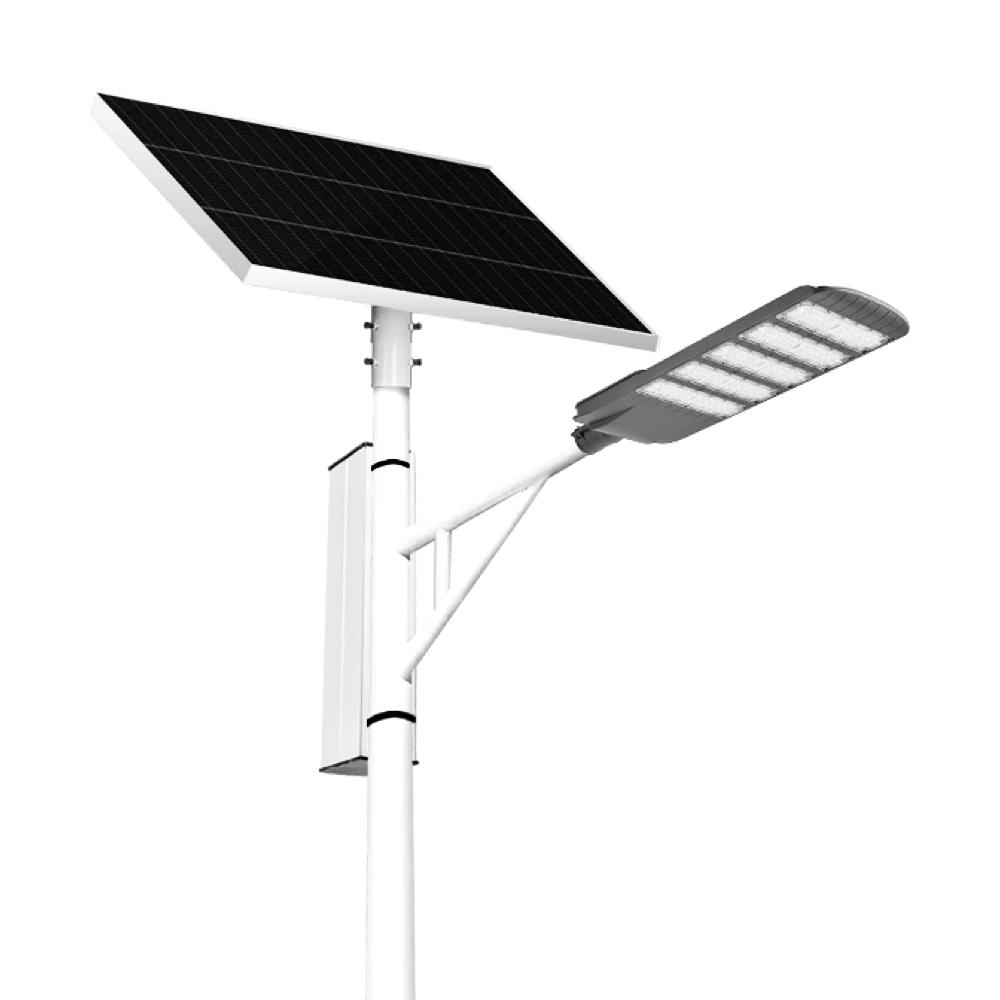
The Solar Streetlights of Luhao for Municipalities are designed to deliver reliable, energy-efficient, and cost-effective public lighting solutions. Equipped with advanced LED technology, durable lithium batteries, and high-efficiency solar panels, these streetlights provide consistent illumination for roads, parks, residential areas, and government projects.
Our professional team is ready to answer any questions and provide personalized support for your project.
You can reach us via phone or email to learn more about Queneng’s solar lighting solutions. We look forward to working with you to promote clean energy solutions!
Rest assured that your privacy is important to us, and all information provided will be handled with the utmost confidentiality.
By clicking 'Send Inquiry Now' I agree to Queneng processing my personal data.
To see how to withdraw your consent, how to control your personal data and how we process it, please see our Privacy Policy and Terms of use.
Schedule a Meeting
Book a date and time that is convenient for you and conduct the session in advance.
Have more questions about our products or services?
The messenger of light & power conversion
Environmental protection and intelligent manufacturing are our brand philosophy, and quality assurance and the best user experience are our eternal promises to users.
CONTACT
No.9F, Building F, Cao San Xin Tian Hong Logistics Park, Guzhen Town, Zhongshan City, Guangdong Province, China.
or write [email protected]
WhatsApp: +86 136 2270 1011


