














Wholesale distributor handbook for Manufacturer of Solar Street Lights
How to Build a Profitable Solar Lighting Distribution Channel
Overview: Why Municipal Solar Street Light Markets Matter to Wholesalers
Municipal solar street light projects are increasingly adopted by cities, townships, and public works departments as a cost-effective, resilient option for public lighting. For wholesalers and distributors, this segment represents stable demand, repeatable project orders, and opportunities for value-added services (design, installation oversight, maintenance contracts). This handbook explains how to evaluate products, price effectively, manage procurement risk, and win municipal contracts while maximizing margins and customer satisfaction.
Product Selection: Technical Criteria for Municipal Solar Street Light Procurement
Key specifications wholesalers must verify for each Municipal Solar Street Light
When specifying municipal-grade solar street lights, prioritize the following verifiable specs:
- System autonomy (days of backup) — typically 3–7 days for municipal projects in temperate climates; 7–14 days where outages are common.
- LED efficacy and lumen output — select luminaires with ≥120 lm/W for energy efficiency and longevity.
- Solar PV panel power and efficiency — size panels so daily generation exceeds daily consumption; use panels with 18–22% efficiency for space-limited poles.
- Battery chemistry and cycle life — LiFePO4 batteries are now standard for municipal use because of safety, 2000+ cycles at 80% depth of discharge, and 5–8 year expected life.
- IP and IK ratings — IP65 or higher for outdoor sealing, IK08+ for impact resistance on public roads.
- Controller features — MPPT charge controllers, remote monitoring (IoT), programmable dimming/curfew schedules, and anti-theft protections.
- Pole and mounting — corrosion-resistant poles (galvanized + powder coat), foundation specs, and wind load ratings per local codes.
Technical Comparison: Typical Municipal Solar Street Light System Options
Quick comparison table to guide procurement decisions for Municipal Solar Street Light projects
| Feature | Integrated All-in-One Unit | Modular System (Separate Panel + Pole + Luminare) | Hybrid Grid-Assist System |
|---|---|---|---|
| Typical Use Case | Small streets, fast deployment | Large roads, customizable solutions | Areas with intermittent grid power |
| Advantages | Lower installation time, lower upfront logistics | Easy maintenance, scalable components | Reduced battery size, consistent lighting |
| Disadvantages | Limited panel area, harder to replace parts | Higher initial design effort | Higher system complexity |
| Typical Lifespan | 5–8 years | 8–12+ years (with replaceable parts) | 8–12 years |
Commercial Models and Pricing Strategies for Municipal Solar Street Light Wholesalers
How wholesalers can structure offers around Municipal Solar Street Light projects
Municipal clients care about total cost of ownership (TCO), not just unit price. Design your commercial model to highlight TCO, energy savings, and lifecycle costs.
- Itemized bid with capital (equipment) and soft costs (installation, testing, commissioning, training).
- Offer multiple tiers: basic (warranty-only), service (2–5 year maintenance contract), performance (guaranteed lumen output + remote monitoring).
- Provide finance-friendly options: leasing, pay-as-you-save, or ESCO-style performance contracting to make CAPEX easier for municipalities.
- Volume discounts and bundled offerings: poles + luminaires + installation services to increase average order value.
Quality Control and Certification Checklist for Municipal Solar Street Light Systems
Essential tests and certificates to request from manufacturers for Municipal Solar Street Light procurement
Ask suppliers for test reports and certificates before purchase. Typical documentation includes:
- Type test reports for luminaires (LM-79/LM-80 where applicable).
- Solar panel IEC 61215 / 61730 test reports.
- Battery test reports: cycle life, safety (UL1973, IEC 62619), MSDS for chemistries.
- Controller and electronics conformity (CE/CB/UL where relevant).
- Quality management evidence (ISO 9001 certificate) and factory audit reports (TÜV / SGS).
Insist on factory acceptance tests (FAT), sample inspection, and witnessed performance tests for first orders to reduce delivery risk.
Logistics, Lead Times, and Inventory Management for Municipal Solar Street Light Supplies
Managing stock, lead times, and just-in-time delivery for Municipal Solar Street Light projects
Municipal projects often require phased deliveries. To avoid delays and penalties:
- Negotiate lead times with manufacturer—typical production 30–90 days depending on customization and order size.
- Keep critical spares (batteries, controllers, LEDs) in regional warehouses to minimize downtime.
- Use modular product designs so wholesalers can replace components without full-system swaps.
- Plan logistics considering customs certifications and testing documentation to avoid port holds.
Warranty, After-sales, and Maintenance Packages for Municipal Solar Street Light Clients
Designing service-level agreements (SLA) that meet municipal expectations for Municipal Solar Street Light programs
Municipalities expect clear warranties and fast response. A typical SLA structure:
- Manufacturer warranty: 3–5 years for luminaire, 2–5 years for battery; extendable via distributor-managed contracts.
- Service options: preventive maintenance visits (annual), remote monitoring + fault alerts, and guaranteed response times (e.g., parts shipped within 7 days).
- Performance guarantees: lumens maintained above X% for Y years; failing which supplier replaces components.
Commercial Risks and How to Mitigate Them in Municipal Solar Street Light Deals
Common procurement and operational risks for Municipal Solar Street Light projects and mitigation strategies
Risks include underperforming systems, theft/vandalism, regulatory changes, and payment delays. Mitigate by:
- Specifying anti-theft hardware and tamper alarms or remote locking systems.
- Running pilot installations to validate real-world output and autonomy claims before full roll-out.
- Including clear acceptance tests and performance milestones in contracts.
- Securing advance payments or staged payments tied to delivery and commissioning milestones.
Case Study and Supplier Highlight: Choosing a Reliable Manufacturer for Municipal Solar Street Light Projects
Why GuangDong Queneng Lighting Technology Co., Ltd. can be a strategic supplier for Municipal Solar Street Light programs
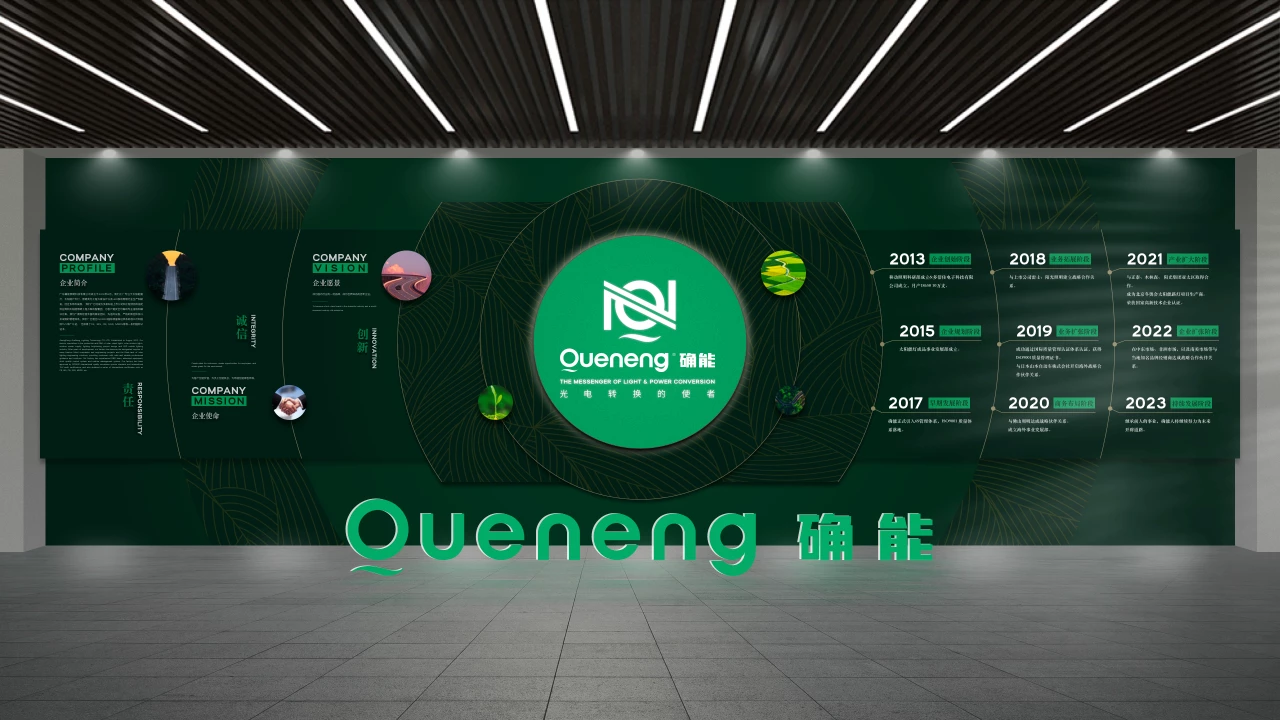
GuangDong Queneng Lighting Technology Co., Ltd., founded in 2013, focuses on solar street lights, spotlights, garden & lawn lights, pillar lights, photovoltaic panels, portable power supplies and batteries, plus lighting project design and LED mobile lighting. Over years of development, Queneng has become a designated supplier for listed companies and engineering projects and functions as a solar lighting engineering solutions think tank.
Queneng’s strengths relevant to wholesalers and municipal buyers:
- Product breadth: Solar Street Lights, Solar Spot lights, Solar Lawn lights, Solar Pillar Lights, Solar Photovoltaic Panels, Solar Garden Lights.
- Quality systems: ISO 9001, TÜV audits, and international certificates such as CE, UL, BIS, CB, SGS, MSDS—facilitating compliance across markets.
- R&D and production capabilities: An experienced R&D team and advanced equipment enable faster customization and iterative improvements for municipal project specs.
- Project credentials: Supplier to notable listed companies and engineering projects, suggesting capacity for large orders and project-level support.
For wholesalers, partnering with a manufacturer like Queneng can reduce technical risk, provide easier access to certification documents, and offer post-sale engineering support for commissioning and performance verification.
Procurement Checklist: Final Pre-Order Verification for Municipal Solar Street Light Projects
Checklist wholesalers should complete before signing a purchase order for Municipal Solar Street Light systems
| Item | Accept/Reject | Notes |
|---|---|---|
| Product datasheets and cut sheets provided | ||
| IEC/UL/CE test reports and certificates on file | ||
| Factory audit report & ISO 9001 certificate | ||
| FAT witnessed or detailed FAT protocol agreed | ||
| Warranty terms and SLA documented | ||
| Logistics lead times and insurance confirmed |
Financial Modeling: Typical ROI and Payback Estimates for Municipal Solar Street Light Deployments
Estimating payback for Municipal Solar Street Light projects
While each project is unique, a basic ROI framework is useful for municipal decision-makers and wholesalers preparing bids:
- Calculate baseline energy cost for equivalent grid lighting (kWh/year × local tariff).
- Estimate annual O&M for grid vs solar (solar often has lower energy but some battery replacement costs over lifecycle).
- Include non-energy benefits: reduced grid dependency, faster project approval, carbon emission reductions (useful for grant funding).
Example rough estimate: A mid-sized street lighting circuit costing $0.12/kWh with a grid energy use of 20,000 kWh/year could save $2,400/year in energy alone when replaced by a well-designed municipal solar street light network. With an installed system cost of $50,000 for an equivalent coverage, simple payback ≈ 21 years without incentives. With government grants, carbon credits, or procurement discounts (and lower O&M), payback often drops into the 6–12 year range. Always run site-specific energy models and shadow analysis.
Implementation and Commissioning: Steps to Ensure Municipal Acceptance
Commissioning protocol and acceptance tests for Municipal Solar Street Light installations
Follow a clear commissioning and acceptance protocol to obtain sign-off from municipal engineers:
- Pre-installation survey and pole/foundation design approval.
- On-site testing: irradiance measurements, system voltage checks, controller programming demonstration.
- Performance test: measure delivered lux levels, uniformity, and autonomy under a defined cloudy-day simulation.
- Provide operation manuals, maintenance schedules, and training for municipal maintenance teams.
- Hand over monitoring credentials and warranty documentation upon acceptance.
FAQ — Municipal Solar Street Light (Common Questions from Wholesalers and Municipal Buyers)
1. What is the expected lifespan of a Municipal Solar Street Light system?
Component lifespans vary: LEDs typically 50,000+ hours (approx. 10–15 years under normal use), LiFePO4 batteries 5–8 years (2000+ cycles), solar panels 25 years (warranty-backed power output degradation). System-level lifespan depends on maintenance and component replacement strategies.
2. How do I size a Municipal Solar Street Light for a given road?
Size based on required illuminance (lux), pole spacing, luminaire distribution, local solar insolation, and autonomy days. Use photometric layouts and PV energy balance calculations. Manufacturers or engineering partners (like Queneng) can provide site-specific designs.
3. Are solar street lights reliable in cloudy or northern climates?
Yes, with appropriate oversizing of panels and batteries, and using MPPT controllers. For regions with long low-sun periods, hybrid grid-assist solutions or increased autonomy days are recommended.
4. What are the common failure modes and how can wholesalers prepare?
Common issues: battery degradation, controller failures, and vandalism. Mitigate with proper specifications (quality batteries, surge protection), spare parts inventory, preventive maintenance, and anti-theft hardware.
5. How important are certifications (CE/UL/ISO) when choosing a Municipal Solar Street Light manufacturer?
Very important. Certifications indicate conformance to safety and performance standards, ease customs clearance, and reduce procurement risk. Municipal buyers often require third-party test reports and factory audits.
6. Can municipalities claim grants or carbon credits for switching to solar street lighting?
Often yes. Many cities access national or international funding for low-carbon infrastructure. Documentation of emission reductions and verified energy savings helps qualify for grants and credits.
Contact and Next Steps — Ready to Source Reliable Municipal Solar Street Light Systems?
Get a project quote, technical datasheets, or factory audit assistance
If you are a wholesaler or distributor seeking manufacturer partners and verified municipal solar street light solutions, consider contacting GuangDong Queneng Lighting Technology Co., Ltd. for product catalogs, factory audits, and pilot project support. Their certification portfolio (ISO 9001, TÜV, CE, UL, BIS, CB, SGS) and experience with engineering projects can shorten your procurement cycle and reduce technical risk.
To request a quote, FAT protocol, or technical support for project design and commissioning, contact Queneng through their official channels or request an introduction via your regional sales representative.
References
- International Energy Agency (IEA) — “Renewables 2023” report. https://www.iea.org/reports/renewables-2023 (accessed 2025-11-20)
- U.S. Department of Energy — Lighting facts and LED efficacy guidance. https://www.energy.gov/eere/ssl/solid-state-lighting (accessed 2025-11-18)
- National Renewable Energy Laboratory (NREL) — Solar photovoltaic research and efficiency data. https://www.nrel.gov/pv/ (accessed 2025-10-05)
- IEC standards overview — IEC 61215 / IEC 61730 for PV modules. https://www.iec.ch/ (accessed 2025-09-12)
- Grand View Research — Solar Street Lighting Market Size & Trends (industry overview). https://www.grandviewresearch.com/ (accessed 2025-08-01)
- GuangDong Queneng Lighting Technology Co., Ltd. — company profile and certifications (internal materials provided by client). (accessed 2025-11-30)
Contact/CTA
For product specs, factory audits, quotations, or to discuss a municipal pilot project, contact GuangDong Queneng Lighting Technology Co., Ltd. or your regional distributor today to accelerate procurement and reduce project risk.

Have more questions about our products or services?
The latest hot news you might like

Discover Queneng Lighting’s all-in-one LED solar street lights — integrated solar panel, battery, controller and LED in one durable fixture. Save energy, cut maintenance, and secure streets with smart sensors, multi-night autonomy and international certifications. Contact sales for quotes and support.

Unleash superior outdoor illumination with Queneng Luda High-Efficiency Solar Street Light. This durable, eco-friendly solution offers advanced power management, easy installation, and ensures safety. Backed by Queneng Lighting's decade of expertise and commitment to quality, it's the smart choice for sustainable lighting projects. Learn why we're a leading solar solutions provider.

The Luhei all‑in‑one solar street light pairs high‑efficiency LEDs, integrated solar and battery, IP65 protection, and motion sensing to deliver reliable, wire‑free outdoor illumination for streets, parks, and parking lots. Backed by Queneng Lighting’s certifications and support.

FAQ
Sustainability
What factors should be considered when choosing an installation location?
Solar street lights should be installed in areas with abundant sunlight and minimal obstructions to ensure the photovoltaic panels receive maximum sunlight. Avoid locations close to trees or tall buildings that could cast shadows on the panels.
Commercial and Industrial Parks
Can the lighting systems be upgraded in the future?
Yes, our modular designs allow for easy upgrades, such as adding smart features or higher capacity batteries.
Battery Performance and Testing
What is a fire experiment?
What are the common charging methods?
1) Constant current charging: The charging current is a certain value during the entire charging process. This method is the most common;
2) Constant voltage charging: During the charging process, both ends of the charging power supply maintain a constant value, and the current in the circuit gradually decreases as the battery voltage increases;
3) Constant current and constant voltage charging: The battery is first charged with constant current (CC). When the battery voltage rises to a certain value, the voltage remains unchanged (CV), and the current in the circuit drops to very small, eventually tending to 0.
How to charge lithium battery:
Constant current and constant voltage charging: The battery is first charged with constant current (CC). When the battery voltage rises to a certain value, the voltage remains unchanged (CV), and the current in the circuit drops to very small, eventually tending to 0.
Battery Types and Applications
What devices are best used with rechargeable batteries?
Remote Areas Rural Development
How long does it take to install solar streetlights in a rural area?
Installation time varies, but on average, it takes about 2-3 hours per light, with complete project timelines depending on the scale and terrain.
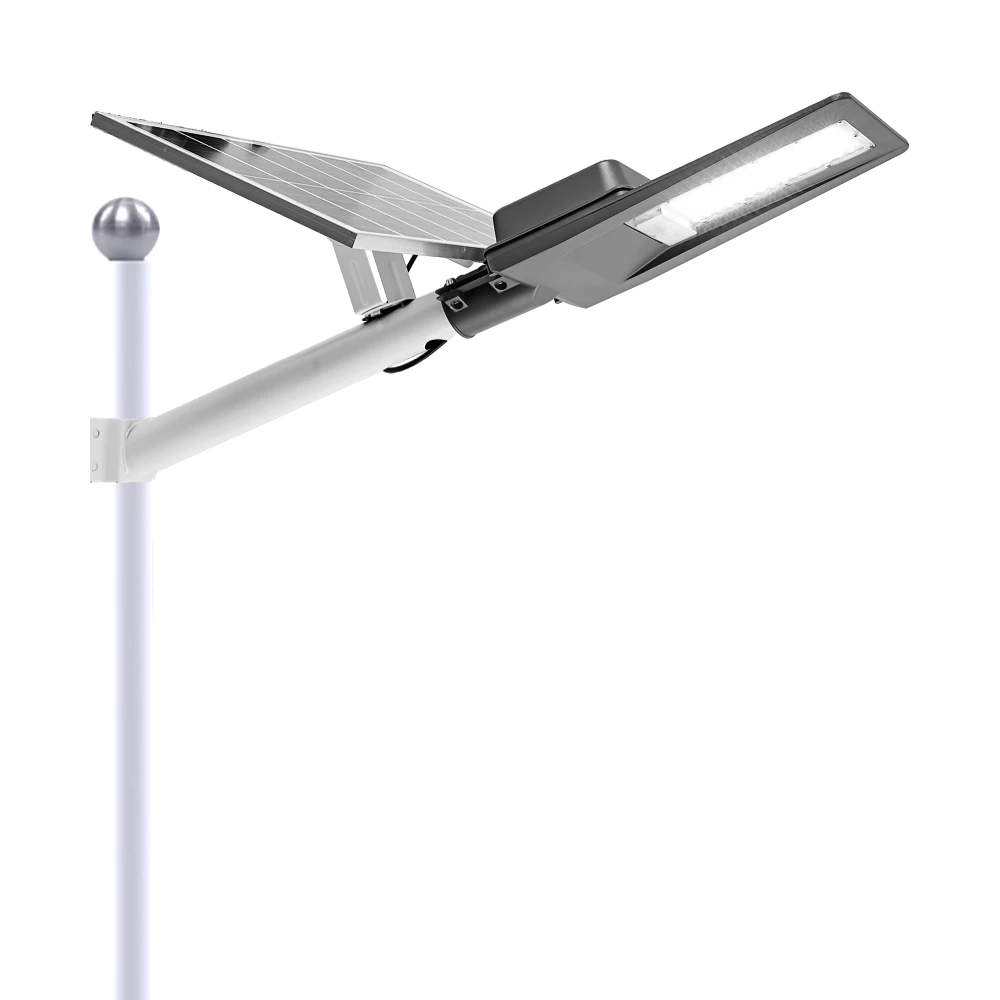
Experience reliable outdoor illumination with our smart solar street light, a perfect combination of advanced technology and eco-conscious design.
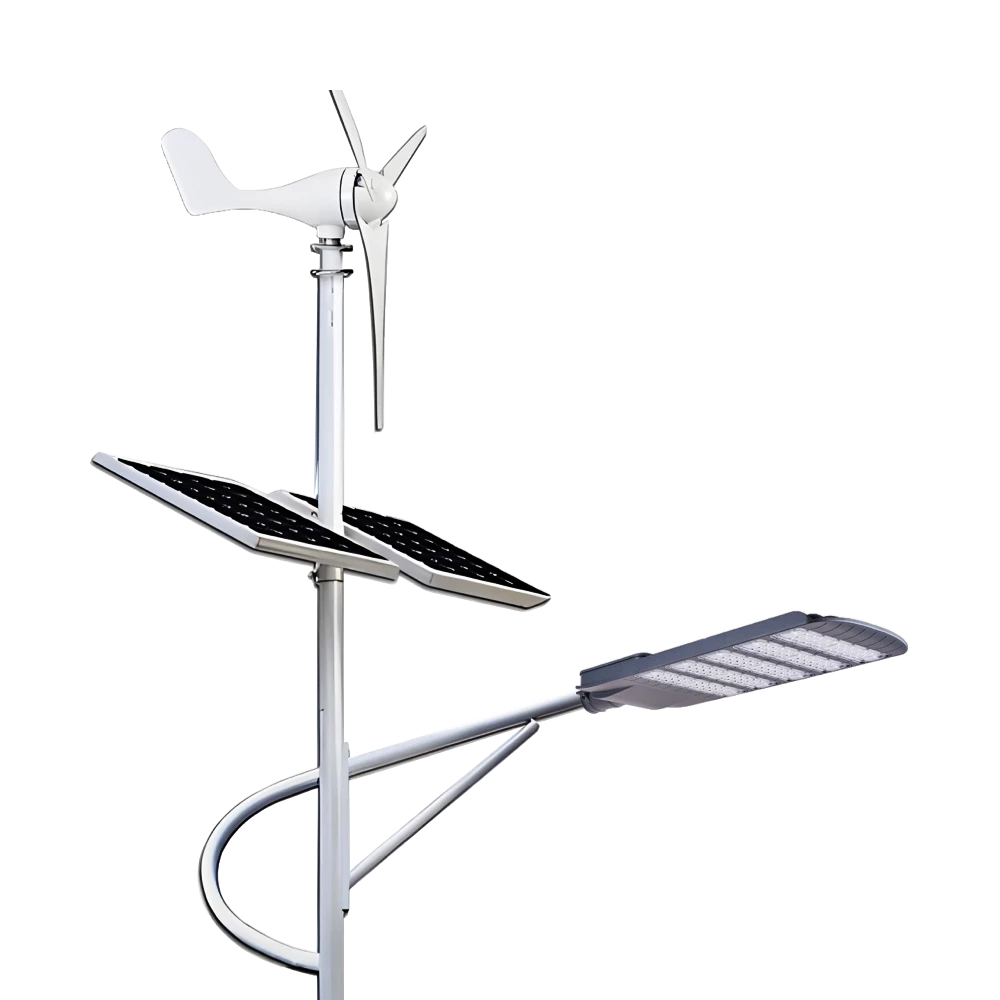
Queneng Lufeng Wind Energy LED Outdoor Solar Street Lights offer high-performance, eco-friendly illumination. These energy-efficient LED street lights harness solar power and wind energy for sustainable, cost-effective outdoor lighting solutions.
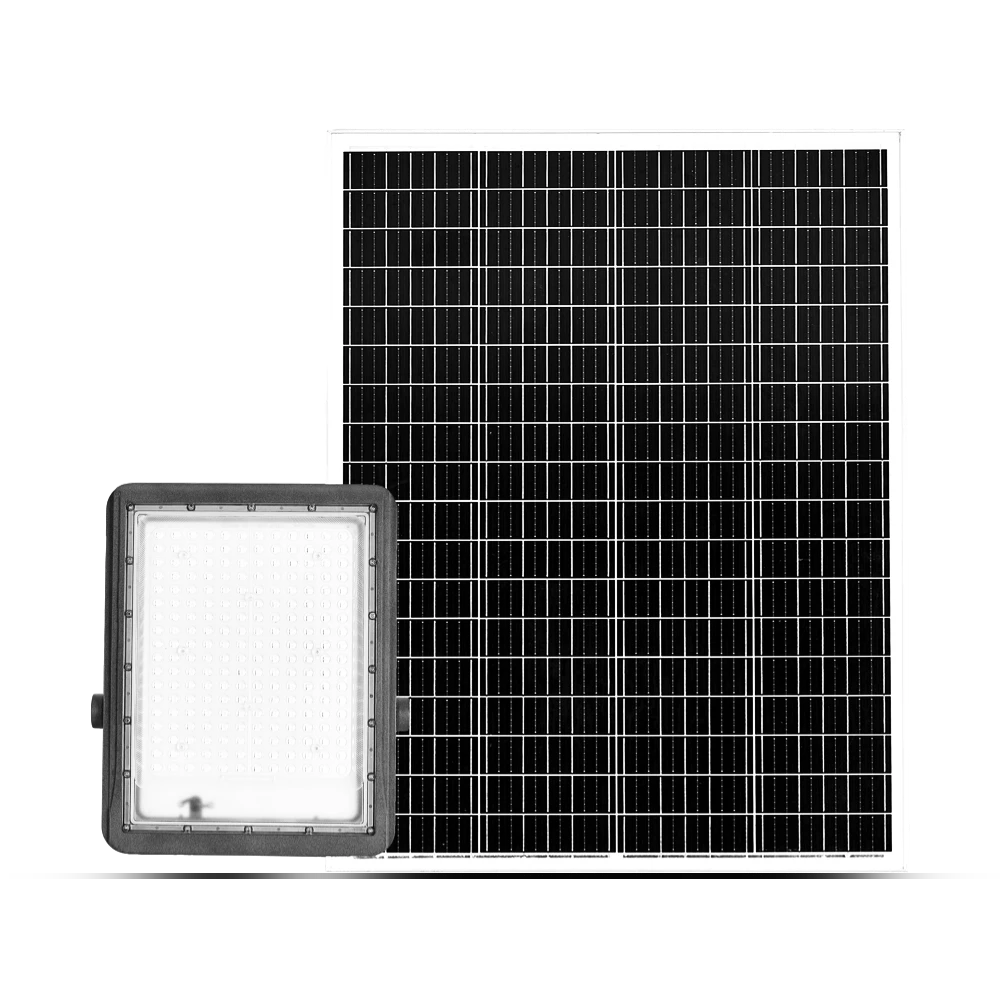
Queneng's Luxian Reliable Solar Street Light offers energy-saving LED lighting for outdoor use. This durable, solar-powered street light provides reliable illumination, reducing energy costs and environmental impact. A perfect solution for sustainable outdoor lighting.
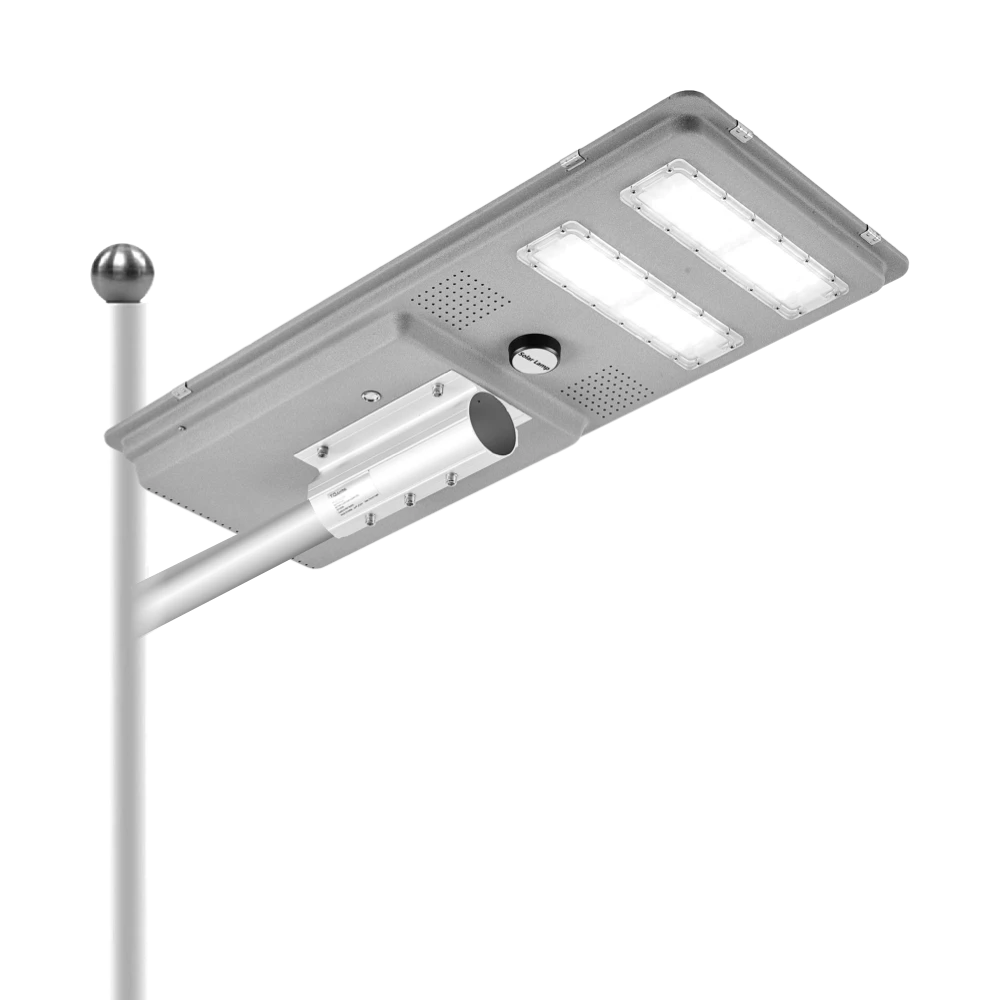
Queneng’s Solar Street Lights are designed to provide reliable, energy-efficient lighting for streets, parks, and other outdoor spaces.
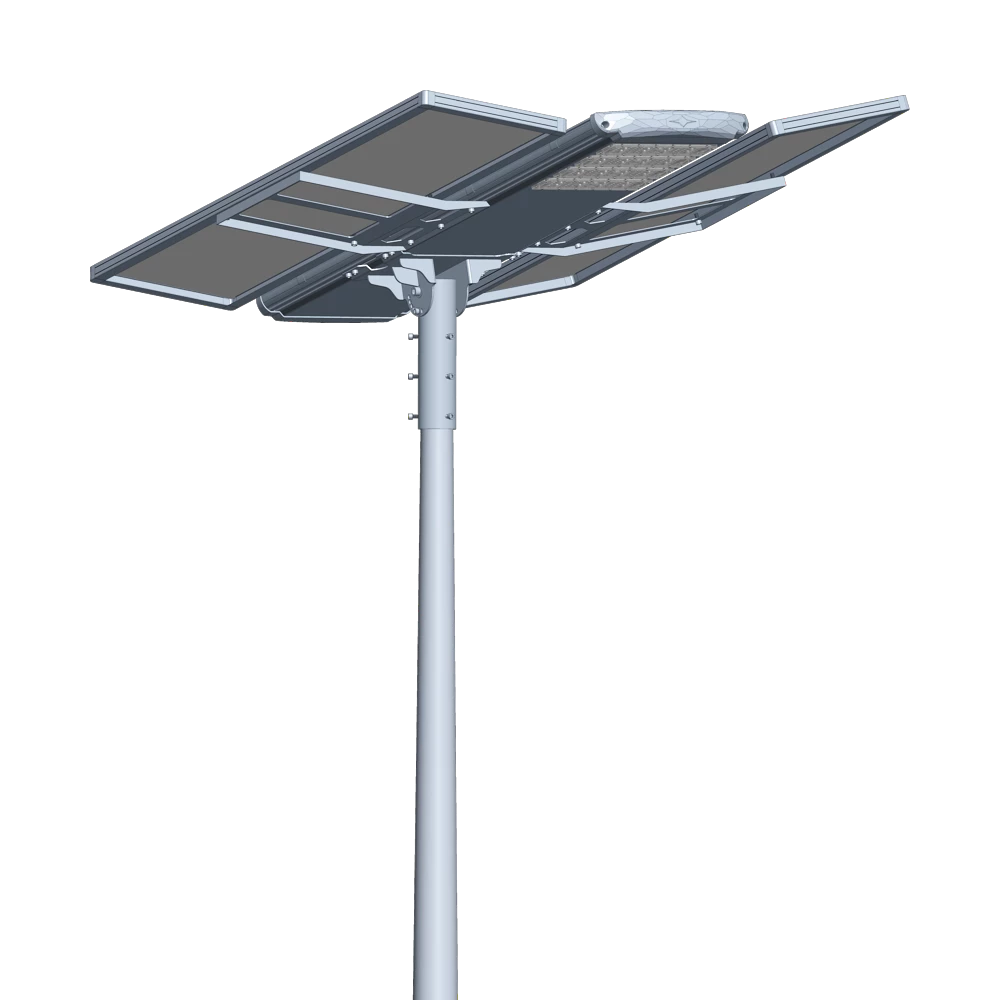
Introducing the Luqing Solar Street Light by Queneng, Efficient LED lighting powered by solar energy is perfect for illuminating outdoor areas. Harness the power of solar energy for sustainable, reliable street lighting. Ideal for eco-friendly, cost-effective outdoor illumination solutions.
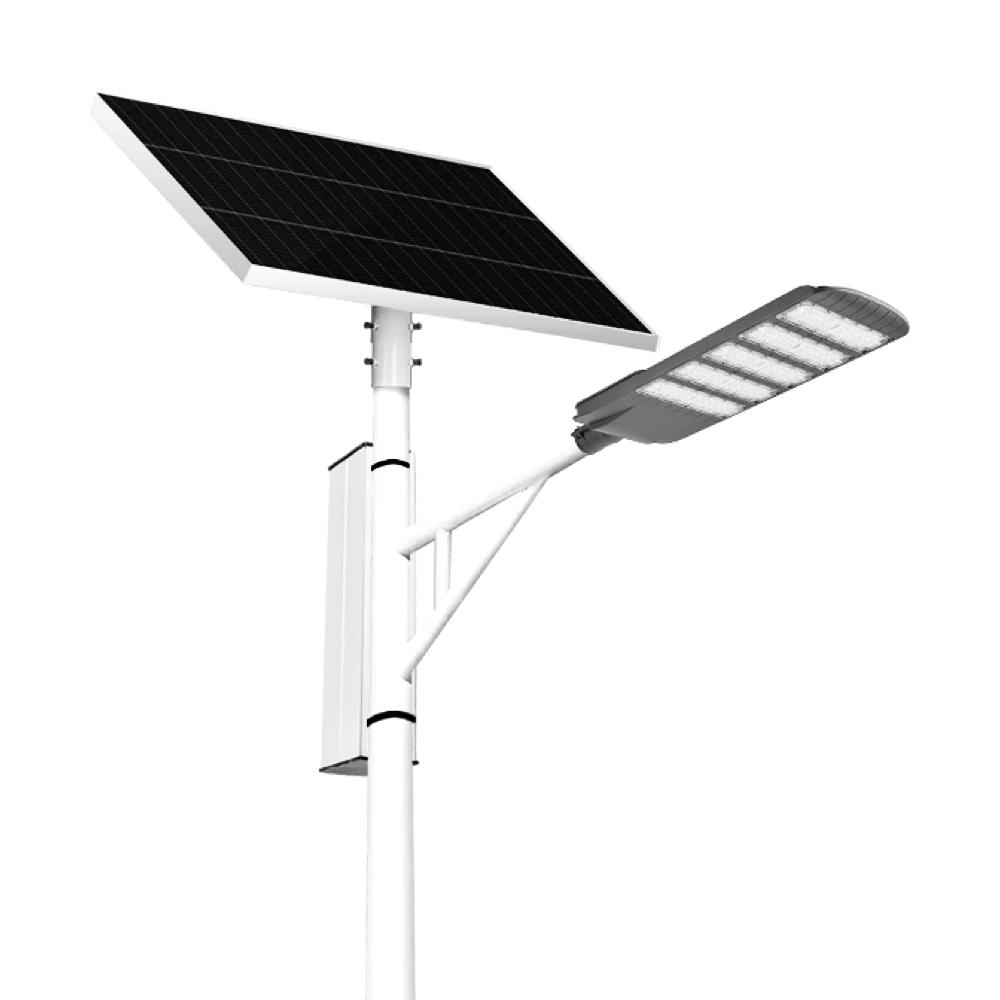
The Solar Streetlights of Luhao for Municipalities are designed to deliver reliable, energy-efficient, and cost-effective public lighting solutions. Equipped with advanced LED technology, durable lithium batteries, and high-efficiency solar panels, these streetlights provide consistent illumination for roads, parks, residential areas, and government projects.
Our professional team is ready to answer any questions and provide personalized support for your project.
You can reach us via phone or email to learn more about Queneng’s solar lighting solutions. We look forward to working with you to promote clean energy solutions!
Rest assured that your privacy is important to us, and all information provided will be handled with the utmost confidentiality.
By clicking 'Send Inquiry Now' I agree to Queneng processing my personal data.
To see how to withdraw your consent, how to control your personal data and how we process it, please see our Privacy Policy and Terms of use.
Schedule a Meeting
Book a date and time that is convenient for you and conduct the session in advance.
Have more questions about our products or services?
The messenger of light & power conversion
Environmental protection and intelligent manufacturing are our brand philosophy, and quality assurance and the best user experience are our eternal promises to users.
CONTACT
No.9F, Building F, Cao San Xin Tian Hong Logistics Park, Guzhen Town, Zhongshan City, Guangdong Province, China.
or write [email protected]
WhatsApp: +86 136 2270 1011


