














How to Audit Solar Street Light Energy Efficiency in Cities: A Practical Guide
Introduction
Why auditing solar street lights matters
City managers and lighting contractors increasingly ask: How to audit solar street light energy efficiency in cities to maximize performance, reduce maintenance costs, and extend system life? A proper audit verifies generation vs. consumption, identifies failures and inefficiencies, and ensures public safety through correct illuminance. This guide provides a practical framework you can use today, with commercial insights for procurement, retrofits, and long-term asset management.
Why Audit Solar Street Light Energy Efficiency?
Benefits for cities and stakeholders
Auditing solar street lights delivers clear benefits: measurable energy savings, reduced grid dependency, fewer streetlight outages, and extended battery and LED lifetimes. Well-audited systems support budget forecasting and justify investments in solar lighting solutions. For city planners, audits help prioritize replacements, upgrades, and predictive maintenance for a safer and more sustainable urban lighting network.
Step-by-Step Audit Framework
1. Prepare and collect baseline data
Start by gathering asset lists: pole locations, model numbers, PV panel specs (W), battery type and capacity (Ah and voltage), controller type (MPPT/PWM), LED wattage and luminous flux, installation date, warranty, and maintenance logs. Also collect historical performance data if available (run-time logs, outage reports, inverter/controller logs).
2. Site inspection and visual checks
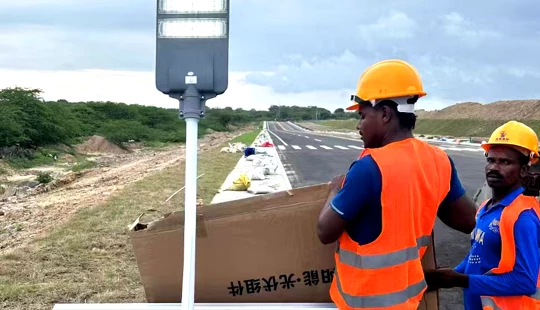
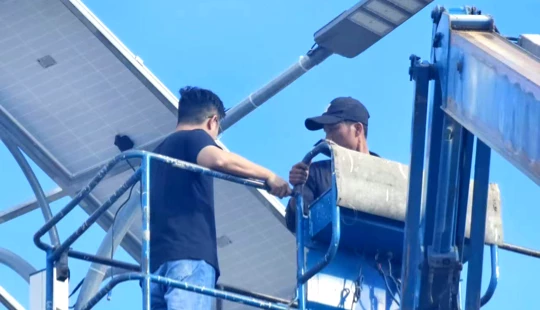
Inspect each installation for physical issues: panel soiling, shading from trees or new structures, loose wiring, corroded connections, water ingress, and improper tilt or orientation. Visual defects often explain 30–50% of performance loss and are low-cost fixes.
3. Measure electrical and energy performance
Use a clamp meter, multimeter, and a portable data logger to measure: PV open-circuit voltage (Voc), operating voltage and current under load, battery state-of-charge (SoC), charge/discharge currents, and LED driver current and voltage. Compare actual operating current to design specs. Record night-time energy use (W × hours) and daytime PV generation (Wh/day).
4. Evaluate PV generation
Calculate expected PV output using local solar irradiation (insolation). Many cities see 3–6 kWh/m²/day average. For a 200 Wp panel, expected raw energy = 200 W × average peak sun hours (e.g., 5 h) = 1,000 Wh/day. Apply system losses (soiling, temperature, wiring, controller) — typically 20–30% — to estimate usable energy.
5. Test batteries and storage health
Measure battery voltage, internal resistance (where possible), and capacity tests if feasible. Compare remaining capacity to original spec. Typical lead-acid batteries degrade quickly (300–800 cycles), while LiFePO4 batteries retain high cycle life (1,000–3,000+ cycles). Replace batteries before capacity drops below the level that supports required autonomy days.
6. Verify controller and charge regulation
Check controller settings (dusk-dawn thresholds, dimming schedules). MPPT controllers typically improve charging efficiency by 10–30% over PWM. Ensure firmware is up to date and alarm thresholds are configured for low SoC and over-voltage conditions.
7. Assess lighting performance and safety
Measure illuminance (lux) at ground level and compare with design standards for roads and pedestrian areas (refer to local standards or IES recommendations). Also inspect LED temperature and driver operation. LED lumen depreciation (L70) should be tracked; LEDs commonly achieve 50,000+ hours before significant lumen loss.
8. Analyze data and produce action plan
Compile generation vs. consumption profiles, identify underperforming units, categorize faults (e.g., PV underproduction, battery failure, controller misconfig), and estimate costs for repairs, replacements, or upgrades. Prioritize interventions by ROI and public safety impact.
Tools and Measurements Required
Essential tools for an effective audit
Key instruments: digital multimeter, clamp ammeter, PV irradiance meter (pyranometer or handheld solar meter), lux meter for illuminance, battery tester or analyzer, and a data logger for multi-day monitoring. Remote monitoring platforms (IoT-based) are strongly recommended for city-wide scale audits to collect continuous system telemetry.
Key Performance Indicators (KPIs) to Track
What to measure and acceptable benchmarks
Track these KPIs: energy produced (Wh/day), energy consumed (Wh/night), system availability (% uptime), battery state-of-health (SoH), charge/discharge cycles, panel soiling rate, and illuminance compliance (% of poles meeting lux targets). Benchmarks: LED street lighting can cut energy use 50–70% compared to HPS; MPPT controllers can yield up to 20% more usable energy vs. PWM; typical PV degradation is ~0.5% per year.
Common Issues Found During Audits and How to Fix Them
Typical faults and remediation steps
Common problems include panel soiling or shading (cleaning, trimming trees, reorienting panels), battery degradation (replace with LiFePO4 for longer life and deeper DoD), controller misconfiguration (update settings, switch to MPPT), wiring faults (repair and protect against corrosion), and undersized panels or batteries (right-size systems during retrofits). Prioritize fixes that restore safety and maximize energy yield per dollar.
Example Calculation: Balancing Generation and Load
Simple example to validate a single streetlight
Assume: LED load = 40 W running 12 hours/night → daily consumption = 40 W × 12 h = 480 Wh/day. PV = 200 W panel, average peak sun hours = 5 → raw production = 200 × 5 = 1,000 Wh/day. Apply 25% system losses → usable PV ≈ 750 Wh/day. Usable PV (750 Wh) covers the 480 Wh demand with margin for battery charging and cloudy days. Battery sizing: for 3 days autonomy, required usable storage = 480 × 3 = 1,440 Wh. A 12 V 200 Ah battery = 2,400 Wh nominal; with LiFePO4 usable DoD 80% → usable ≈ 1,920 Wh, which meets autonomy needs. This shows how audits use real data to confirm or redesign systems.
How GuangDong Queneng Can Support City Audits
Professional audit and retrofit services
GuangDong Queneng Lighting Technology Co., Ltd. (founded 2013) specializes in solar street lights, spotlights, garden and lawn lights, PV panels, batteries, and lighting project design. Queneng offers professional energy audits, system-level diagnostics, and turnkey retrofits. Our R&D team, ISO 9001 quality management, TÜV-audited processes, and international certifications (CE, UL, BIS, CB, SGS, MSDS) ensure reliable solutions and compliance with global standards. Queneng can provide remote monitoring setups, performance optimization (MPPT upgrades, LiFePO4 conversions), and long-term maintenance contracts to maximize ROI for city clients.
Implementation Tips for City Programs
Scale audits and create a maintenance roadmap
Start with a pilot area to validate audit methodology, then scale using data-driven prioritization: high-traffic roads and problem hotspots first. Use asset tags and a GIS-based inventory for efficient tracking. Consider contractual terms for performance-based maintenance to align vendor incentives with uptime and energy targets.
Conclusion
Audit to optimize performance, cost, and safety
Auditing solar street light energy efficiency in cities is a practical, high-impact activity that combines field measurements, data analysis, and targeted investments. Following a structured audit framework helps cities reduce outages, improve lighting safety, and lower lifecycle costs. Leveraging experienced suppliers like GuangDong Queneng ensures audits are actionable and tied to reliable procurement and maintenance strategies.
Frequently Asked Questions
Q: How often should a city perform a full energy audit of solar street lights?A: Perform a baseline full audit at installation or takeover, then schedule spot checks annually and a full audit every 3 years. High-failure areas may need more frequent checks.
Q: What is the quickest way to identify underperforming solar street lights?A: Use remote monitoring telemetry to flag deviations in daily generation, nightly consumption, or battery SoC. Where telemetry is absent, spot-check irradiance, PV voltage/current, and night-time lux at key nodes.
Q: Can MPPT controllers really improve system efficiency compared to PWM?A: Yes. MPPT controllers typically harvest 10–30% more energy by optimizing PV operating voltage, especially in variable irradiance conditions.
Q: When should batteries be replaced during an audit?A: Replace batteries when capacity falls below the level required for the specified autonomy (commonly below 60–70% of original capacity), or when internal resistance rises sharply, or after excessive cycle counts based on battery chemistry.
Q: Are LED lumen depreciation and light distribution part of the energy audit?A: Yes. An energy audit should measure ground-level lux and compare it to design targets, and check LED lumen output and color temperature to ensure safety and compliance.
Q: How can Queneng help with large-scale city lighting upgrades?A: Queneng provides end-to-end services: audits, system diagnostics, PV and battery upgrades, MPPT retrofits, remote monitoring installations, and maintenance contracts supported by ISO and TÜV-verified processes.

Have more questions about our products or services?
The latest hot news you might like

Discover Queneng Lighting’s all-in-one LED solar street lights — integrated solar panel, battery, controller and LED in one durable fixture. Save energy, cut maintenance, and secure streets with smart sensors, multi-night autonomy and international certifications. Contact sales for quotes and support.

Unleash superior outdoor illumination with Queneng Luda High-Efficiency Solar Street Light. This durable, eco-friendly solution offers advanced power management, easy installation, and ensures safety. Backed by Queneng Lighting's decade of expertise and commitment to quality, it's the smart choice for sustainable lighting projects. Learn why we're a leading solar solutions provider.

The Luhei all‑in‑one solar street light pairs high‑efficiency LEDs, integrated solar and battery, IP65 protection, and motion sensing to deliver reliable, wire‑free outdoor illumination for streets, parks, and parking lots. Backed by Queneng Lighting’s certifications and support.

FAQ
Public Gardens and Landscape Lighting
How can I order solar lighting products for my public garden or landscape project?
To order solar lighting solutions for your project, simply contact our sales team via phone, email, or our website. We will work with you to understand your specific requirements and provide customized solutions that fit your needs. We also offer installation support and after-sales services to ensure your project is a success.
Battery Types and Applications
What is a fuel cell? How to classify?
The most common classification method is according to the type of electrolyte. Based on this, fuel cells can be divided into alkaline fuel cells, which generally use potassium hydroxide as the electrolyte; phosphoric acid fuel cells, which use concentrated phosphoric acid as the electrolyte; proton exchange membrane fuel cells, which use concentrated phosphoric acid as the electrolyte. A fully fluorinated or partially fluorinated sulfonic acid proton exchange membrane is used as the electrolyte; a molten carbonate fuel cell uses molten lithium-potassium carbonate or lithium-sodium carbonate as an electrolyte; a solid oxide fuel cell, Solid oxides are used as oxygen ion conductors, such as yttria-stabilized zirconium oxide films as electrolytes. Batteries are sometimes classified according to battery temperature and are divided into low-temperature fuel cells (operating temperature below 100°C), including alkaline fuel cells and proton exchange membrane fuel cells; medium-temperature fuel cells (operating temperature between 100-300°C), including Bacon-type alkaline fuel cells and phosphoric acid-type fuel cells; high-temperature fuel cells (operating temperature between 600-1000°C), including molten carbonate fuel cells and solid oxide fuel cells.
Tourist Attractions and Resorts
Can solar lighting systems withstand harsh weather conditions?
Yes, solar lighting systems are built to be durable and weather-resistant. They can withstand rain, snow, and extreme temperatures, making them ideal for year-round use in outdoor settings.
Remote Areas Rural Development
What funding options are available for rural solar lighting projects?
We offer flexible financing options, including installment plans and partnerships with NGOs or government programs.
Solar Street Light Luhao
What type of battery is used in the Luhao solar street light?
The Luhao solar street light uses high-quality lithium-ion batteries that store solar energy efficiently. These batteries offer long-lasting performance and can typically last for 3 to 5 years before needing replacement.
Solar Street Light Luan
How bright are Luan solar street lights compared to traditional street lights?
Luan solar street lights offer brightness comparable to or greater than traditional street lights, using far less energy. The LEDs are designed to provide high-quality, focused illumination, enhancing visibility and safety in outdoor areas while saving energy.
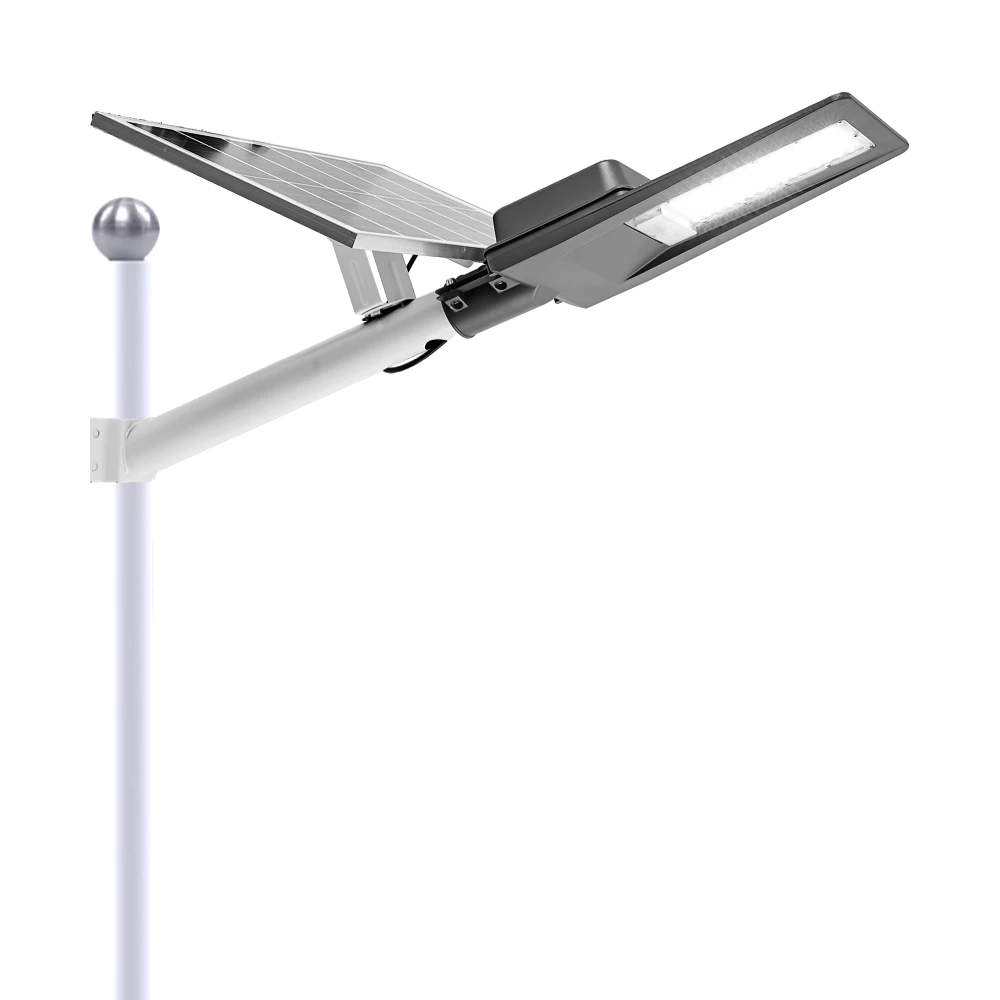
Experience reliable outdoor illumination with our smart solar street light, a perfect combination of advanced technology and eco-conscious design.
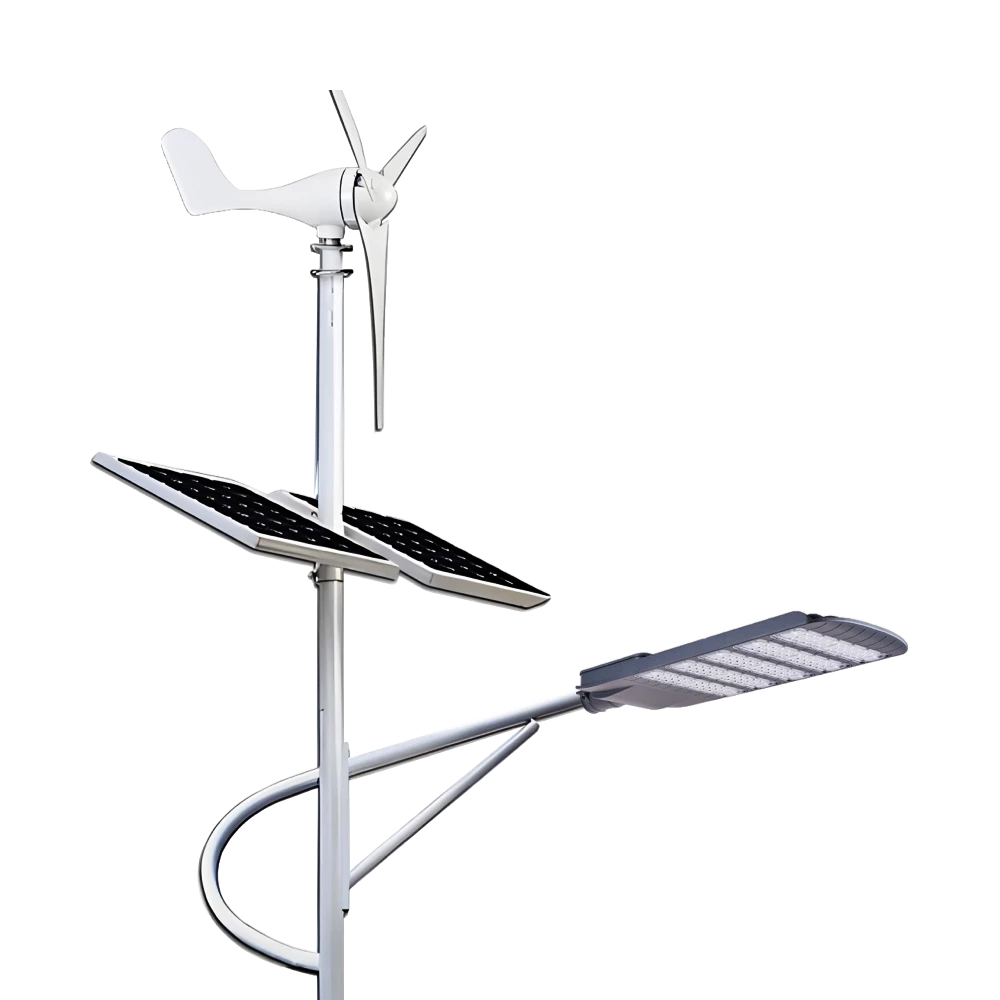
Queneng Lufeng Wind Energy LED Outdoor Solar Street Lights offer high-performance, eco-friendly illumination. These energy-efficient LED street lights harness solar power and wind energy for sustainable, cost-effective outdoor lighting solutions.
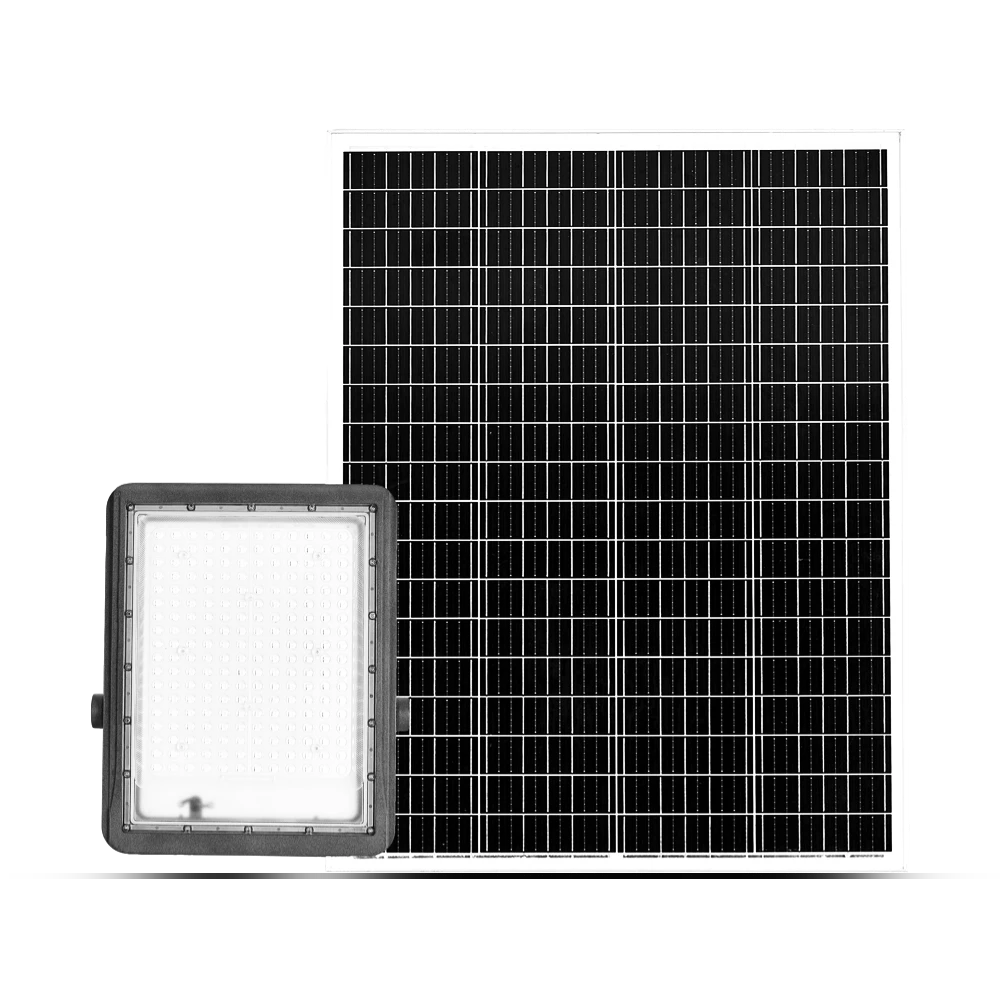
Queneng's Luxian Reliable Solar Street Light offers energy-saving LED lighting for outdoor use. This durable, solar-powered street light provides reliable illumination, reducing energy costs and environmental impact. A perfect solution for sustainable outdoor lighting.
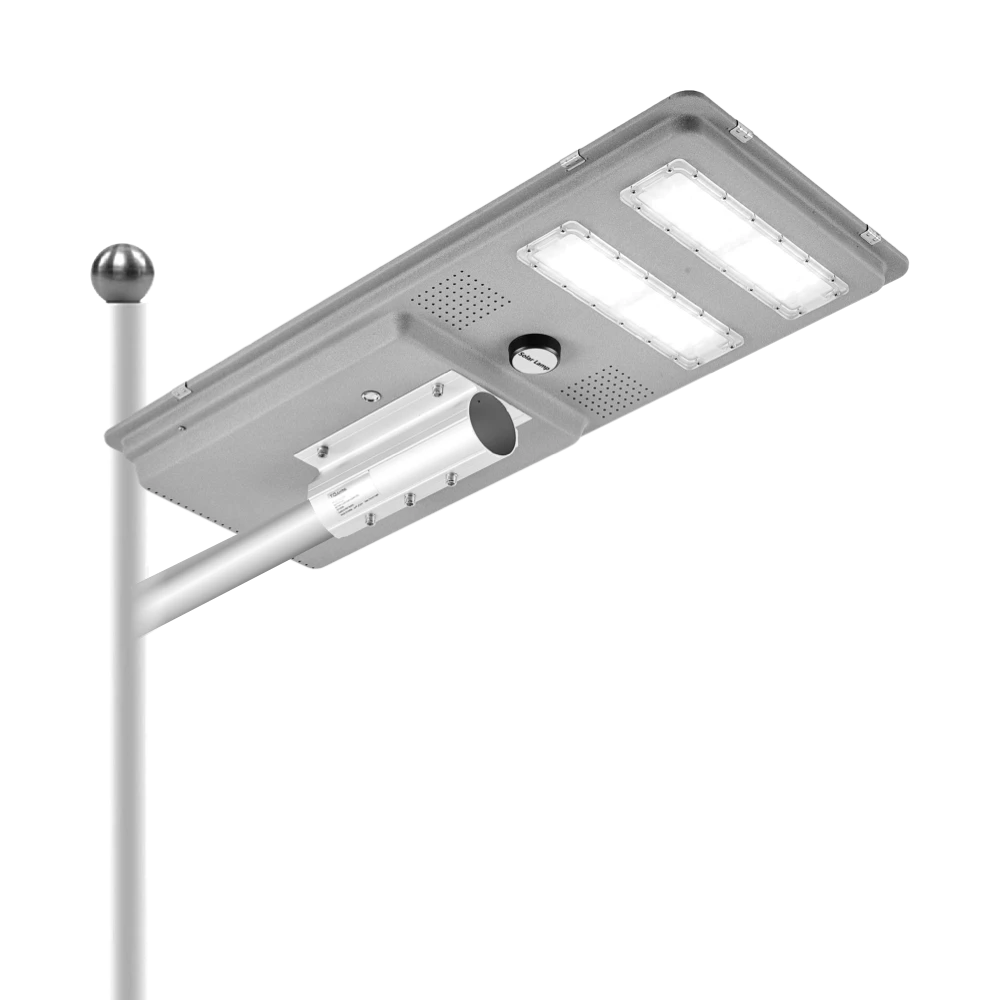
Queneng’s Solar Street Lights are designed to provide reliable, energy-efficient lighting for streets, parks, and other outdoor spaces.
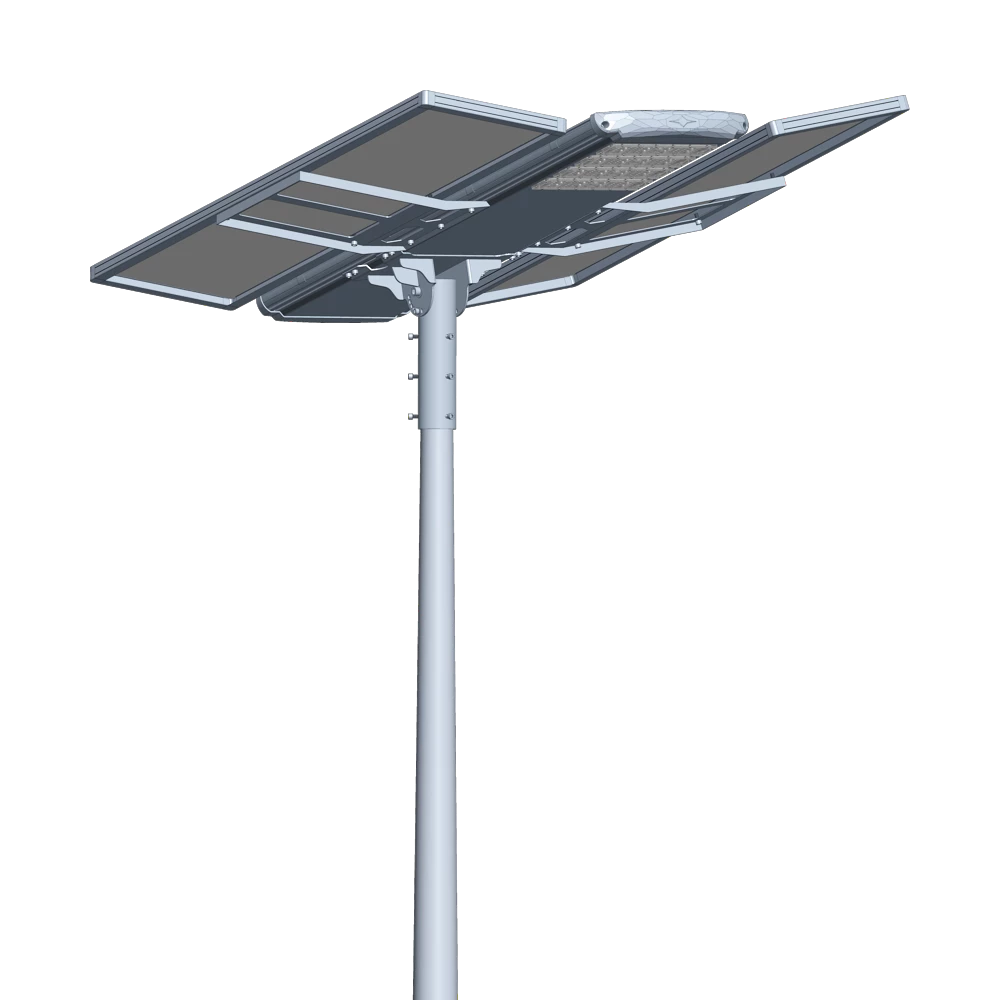
Introducing the Luqing Solar Street Light by Queneng, Efficient LED lighting powered by solar energy is perfect for illuminating outdoor areas. Harness the power of solar energy for sustainable, reliable street lighting. Ideal for eco-friendly, cost-effective outdoor illumination solutions.
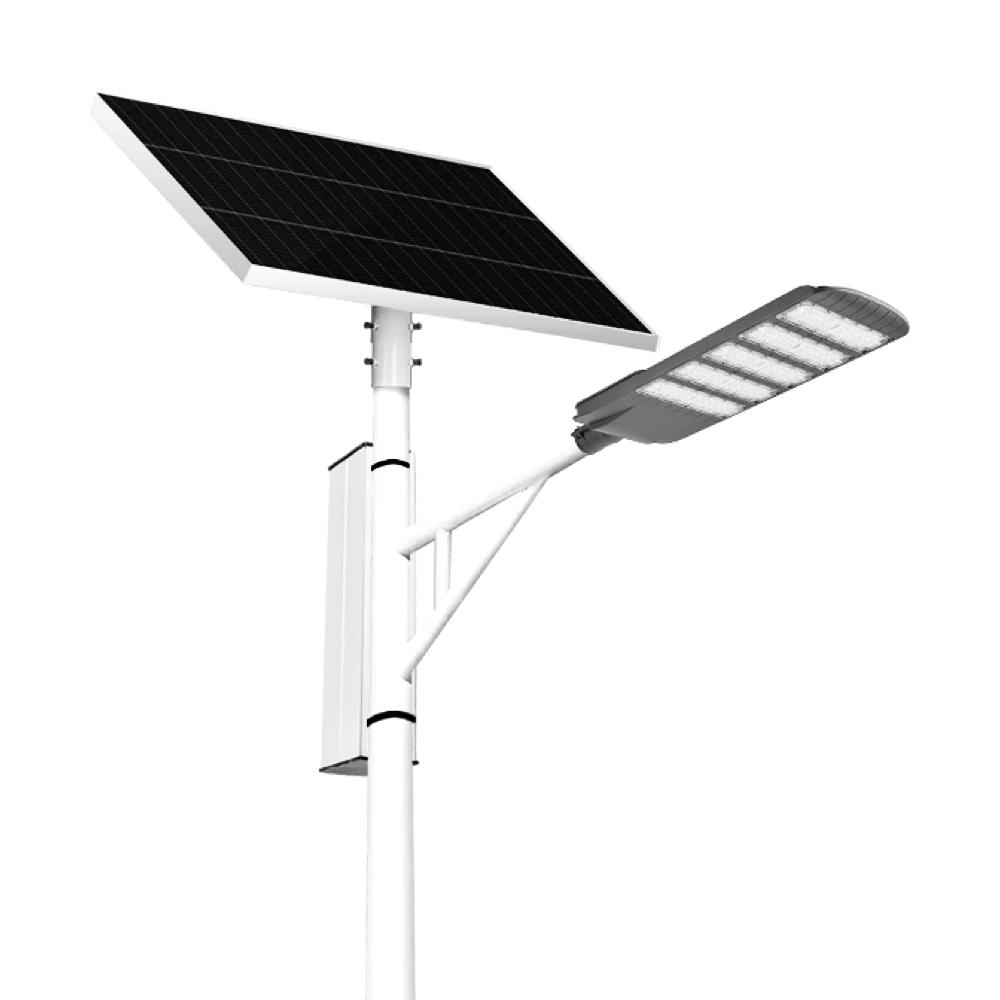
The Solar Streetlights of Luhao for Municipalities are designed to deliver reliable, energy-efficient, and cost-effective public lighting solutions. Equipped with advanced LED technology, durable lithium batteries, and high-efficiency solar panels, these streetlights provide consistent illumination for roads, parks, residential areas, and government projects.
Our professional team is ready to answer any questions and provide personalized support for your project.
You can reach us via phone or email to learn more about Queneng’s solar lighting solutions. We look forward to working with you to promote clean energy solutions!
Rest assured that your privacy is important to us, and all information provided will be handled with the utmost confidentiality.
By clicking 'Send Inquiry Now' I agree to Queneng processing my personal data.
To see how to withdraw your consent, how to control your personal data and how we process it, please see our Privacy Policy and Terms of use.
Schedule a Meeting
Book a date and time that is convenient for you and conduct the session in advance.
Have more questions about our products or services?
The messenger of light & power conversion
Environmental protection and intelligent manufacturing are our brand philosophy, and quality assurance and the best user experience are our eternal promises to users.
CONTACT
No.9F, Building F, Cao San Xin Tian Hong Logistics Park, Guzhen Town, Zhongshan City, Guangdong Province, China.
or write [email protected]
WhatsApp: +86 136 2270 1011


