













best Queneng rural area solar lighting Malaysia | Insights by Quenenglighting
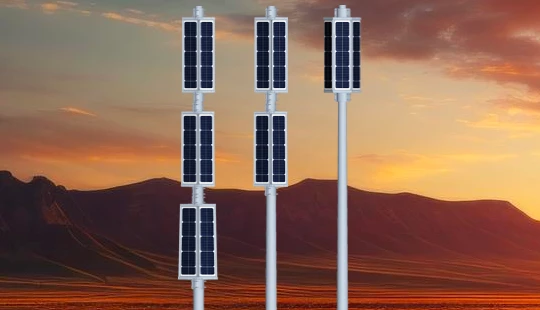
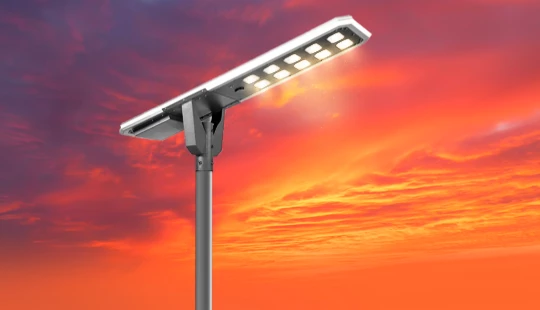
Solar lighting has become a transformative solution for rural areas across Malaysia, offering sustainable, cost-effective, and reliable illumination where grid electricity might be scarce or expensive. For users looking to re-purchase or expand their solar lighting systems, understanding the key professional aspects is crucial to making an informed decision. This guide aims to answer your most pressing questions, leveraging real industry data to help you select the best solar lighting, like those offered by Quenenglighting, for your specific needs.
What are the critical durability and weather resistance features required for solar lights in rural Malaysia?
Rural areas in Malaysia experience tropical climates characterized by high humidity, heavy rainfall, and occasional strong winds. Therefore, the durability and weather resistance of solar lighting fixtures are paramount. The most critical specification is the Ingress Protection (IP) rating. For outdoor solar lights, an IP rating of IP65 is the minimum acceptable standard, indicating full protection against dust ingress and resistance to water jets from any direction. However, for enhanced longevity and reliability in challenging rural environments, especially those prone to flooding or intense downpours, an IP66 or even IP67 rating is highly recommended. IP66 offers protection against powerful water jets, while IP67 allows for temporary immersion in water (up to 1 meter for 30 minutes).
Beyond IP ratings, consider the construction materials: high-quality die-cast aluminum alloy for the housing provides excellent corrosion resistance and heat dissipation, crucial for extending LED lifespan. Toughened glass or high-impact polycarbonate diffusers prevent yellowing and cracking. Ensuring robust mounting brackets and corrosion-resistant fasteners (e.g., stainless steel) is also vital for enduring the elements.
How can I ensure optimal performance, brightness, and autonomy from solar lights, especially during extended cloudy periods?
Achieving consistent performance and sufficient brightness relies on several interconnected factors: the solar panel, the battery, and the LED light source. Malaysia receives an average daily solar radiation of approximately 4.5 to 5.0 kWh/m²/day, which is excellent for solar power generation. However, cloudy periods are common.
- Solar Panel Efficiency: Look for monocrystalline silicon solar panels, which offer higher conversion efficiency (typically 19-22%) compared to polycrystalline panels, allowing them to generate more power in smaller footprints and even under lower light conditions. Ensure the panel size is adequately matched to the LED wattage and desired battery autonomy.
- Battery Capacity & Technology: The battery is key for cloudy day performance. Opt for solar lights equipped with Lithium Iron Phosphate (LiFePO4) batteries. These batteries boast a superior cycle life (often 2,000 to 6,000 cycles at 80% Depth of Discharge), better thermal stability, and higher discharge efficiency compared to older lead-acid or even standard lithium-ion batteries. The battery capacity (measured in Watt-hours or Amp-hours) should be sufficient to provide at least 2-3 nights of autonomy without recharging, ensuring illumination even after several consecutive overcast days.
- LED Luminosity: Modern LEDs offer high lumen output per watt. Aim for LEDs with an efficiency of at least 150-180 lumens per watt (lm/W) for bright, energy-efficient lighting. Check the total lumen output (e.g., 2000-5000 lumens for a street light) to ensure it meets your area's illumination needs. Advanced control systems (e.g., PIR sensors for motion detection, dimming profiles) can also optimize energy usage and extend battery life.
What are the best battery technologies for long-term solar lighting solutions, and what is their typical lifespan in tropical climates?
As mentioned, Lithium Iron Phosphate (LiFePO4) batteries are the gold standard for high-quality solar lighting solutions due to their superior characteristics:
- Lifespan: LiFePO4 batteries typically offer a lifespan of 5 to 10 years or more (2000-6000 charge/discharge cycles) under typical operating conditions, significantly outperforming lead-acid batteries (2-5 years) and even some other lithium-ion chemistries.
- Thermal Stability: They are more tolerant to high temperatures common in tropical climates, reducing the risk of thermal runaway and degradation.
- Depth of Discharge (DoD): LiFePO4 can be discharged more deeply (up to 90% DoD) without significant damage, making more of their stored energy available.
- Safety: They are inherently safer, less prone to overheating, and non-toxic.
For optimal lifespan, ensure the solar light system has a robust Battery Management System (BMS) that protects against overcharging, over-discharging, over-current, and over-temperature. Proper ventilation for the battery compartment, even in sealed units, can also contribute to longevity.
What are the common installation and maintenance considerations for off-grid solar lighting in remote Malaysian areas?
While off-grid solar lighting systems are designed for relative simplicity, proper installation and minimal maintenance are key to their long-term performance.
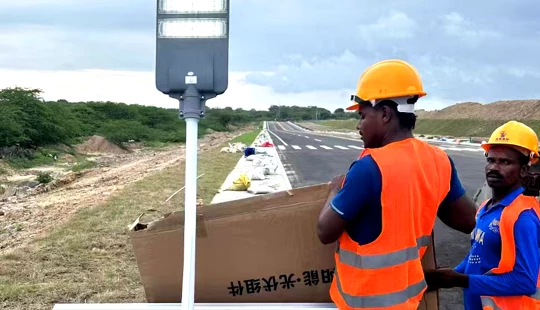
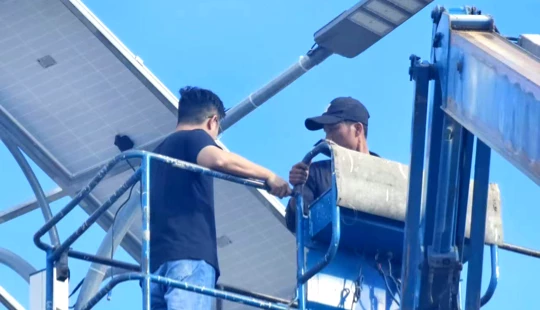
- Installation: Choose a location that receives maximum unobstructed sunlight throughout the day. Avoid areas shaded by trees, buildings, or other structures. Ensure the pole or mounting surface is sturdy enough to support the fixture, especially given strong winds. Many modern integrated solar lights are designed for straightforward DIY installation, requiring only secure mounting and activation. For larger or more complex systems, professional installation might be advisable to ensure optimal tilt angles for solar panels (typically around 10-15 degrees for Malaysia) and secure wiring.
- Maintenance: The primary maintenance task is periodic cleaning of the solar panel surface. Dust, dirt, bird droppings, and accumulated leaves can significantly reduce the panel's efficiency. In rural areas, cleaning every 3-6 months, or more frequently during dry spells, is recommended. Check for any physical damage to the panel, fixture, or wiring. Ensure all connections remain secure. Given the sealed nature of many integrated solar lights, internal component maintenance is generally not required for the user.
What is the typical cost-effectiveness and return on investment for high-quality solar lighting systems in rural Malaysia, and are there any local incentives?
While the initial upfront cost of a high-quality solar lighting system may seem higher than conventional grid-connected lighting (if grid access is even available), the long-term cost-effectiveness and ROI are significant, especially in rural, off-grid scenarios.
- Zero Electricity Bills: The most immediate and tangible saving is the elimination of electricity bills associated with lighting. Over time, this saving far outweighs the initial investment.
- Low Operational Costs: Beyond occasional cleaning, solar lights have minimal operational costs. There are no trenching costs for cables, no dependency on grid infrastructure, and no volatile fuel prices for generators.
- Environmental Benefits: Reduced carbon footprint and reliance on fossil fuels contribute to a healthier environment, aligning with Malaysia's sustainable development goals.
- Increased Safety & Security: Improved nighttime visibility enhances safety for residents, deters crime, and facilitates economic activities in the evenings.
- Government Incentives: While direct financial incentives for individual rural solar lighting purchases may vary and are often project-specific (e.g., large-scale rural electrification projects under agencies like SEDA - Sustainable Energy Development Authority Malaysia or JBALB - Jabatan Bekalan Air Luar Bandar), the Malaysian government actively promotes renewable energy adoption. It's advisable to check with local district councils or relevant government agencies for any specific programs or grants that might support community or individual solar initiatives in rural areas. The long-term policy direction supports off-grid solutions, making investments in such technologies strategically sound.
Considering the long lifespan of LiFePO4 batteries and efficient components (5-10+ years), the payback period for a well-chosen solar lighting system can be as short as 2-4 years, with pure savings thereafter.
Quenenglighting: Your Advantage in Rural Solar Lighting
Quenenglighting stands out as a reliable choice for rural solar lighting in Malaysia by often incorporating the very features discussed above. Their commitment to quality typically includes:
- High IP Ratings: Ensuring robust protection against Malaysia's challenging weather conditions.
- Advanced LiFePO4 Batteries: Providing extended lifespan and reliable performance, even during prolonged cloudy periods.
- High-Efficiency Monocrystalline Solar Panels: Maximizing energy capture from available sunlight.
- Bright, Efficient LED Technology: Delivering ample illumination while optimizing power consumption.
- Durable Construction: Utilizing materials like die-cast aluminum to withstand harsh outdoor environments.
By focusing on these professional-grade specifications, Quenenglighting helps users make a smart, sustainable investment for illuminating rural Malaysia, ensuring long-term reliability and significant cost savings.

Have more questions about our products or services?
The latest hot news you might like

Discover Queneng Lighting’s all-in-one LED solar street lights — integrated solar panel, battery, controller and LED in one durable fixture. Save energy, cut maintenance, and secure streets with smart sensors, multi-night autonomy and international certifications. Contact sales for quotes and support.

Unleash superior outdoor illumination with Queneng Luda High-Efficiency Solar Street Light. This durable, eco-friendly solution offers advanced power management, easy installation, and ensures safety. Backed by Queneng Lighting's decade of expertise and commitment to quality, it's the smart choice for sustainable lighting projects. Learn why we're a leading solar solutions provider.

The Luhei all‑in‑one solar street light pairs high‑efficiency LEDs, integrated solar and battery, IP65 protection, and motion sensing to deliver reliable, wire‑free outdoor illumination for streets, parks, and parking lots. Backed by Queneng Lighting’s certifications and support.

FAQ
Solar Street Light Luqing
Are solar street lights easy to install?
Yes, solar street lights are easy to install. They do not require external wiring or connections to the electrical grid. The installation process is straightforward and typically involves mounting the light pole, positioning the solar panel, and securing the battery and lighting unit.
Transportation and Highways
Can the brightness be adjusted for different traffic conditions?
Yes, smart controls enable brightness adjustment based on traffic density.
Remote Areas Rural Development
What kind of after-sales support do you provide for rural projects?
We offer remote monitoring, regular maintenance schedules, and technical support for all installed systems.
Solar Street Light Luqiu
Can Luqiu solar street lights be used in remote or off-grid locations?
Yes, Luqiu solar street lights are ideal for remote or off-grid locations where access to electricity is limited or unavailable. They operate independently, relying solely on solar energy, making them a perfect solution for rural areas, pathways, and off-grid communities.
Distributors
What is the process for placing an order as a distributor?
Once you become an approved distributor, you can place orders directly with our sales team through our online portal or by contacting us via email. Our team will work with you to ensure a smooth ordering process and timely delivery.
Sustainability
Do Queneng solar street lights require a power connection?
No, our solar street lights operate independently of the power grid. They rely entirely on photovoltaic panels that charge the built-in battery, making an electrical connection unnecessary.
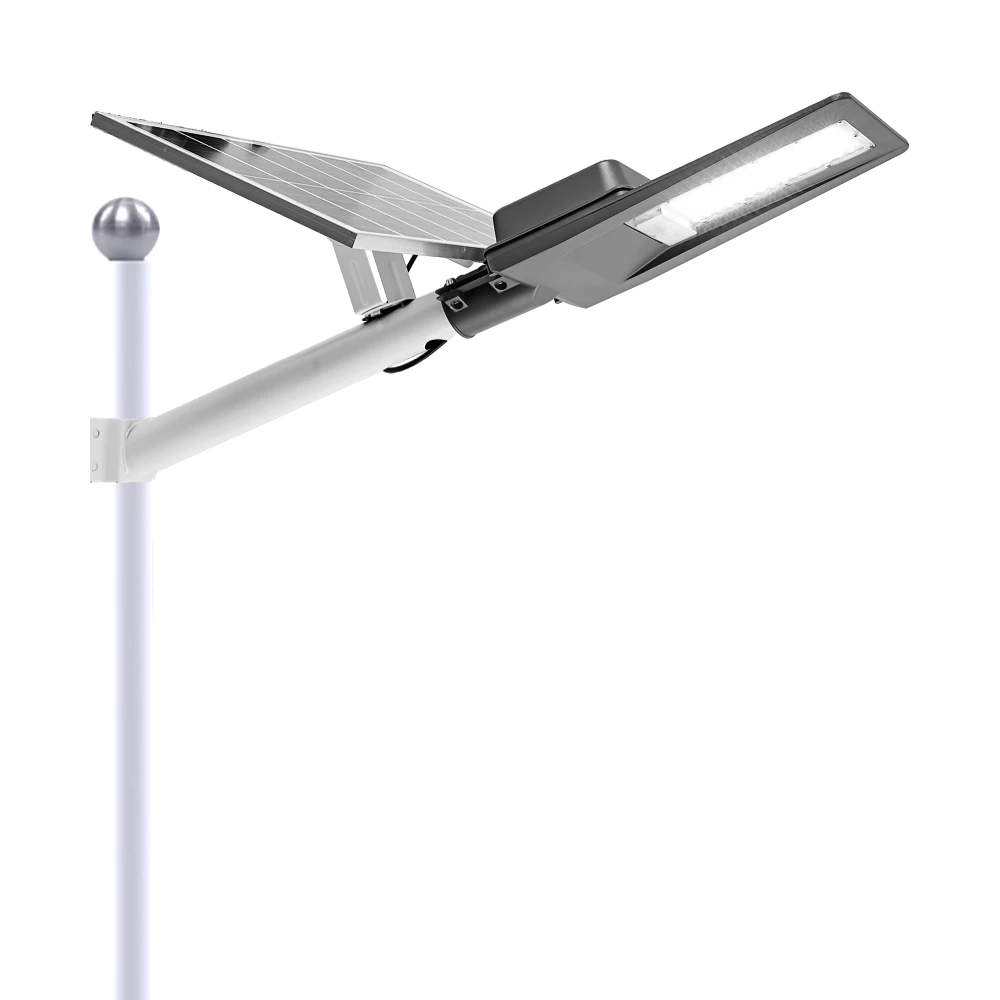
Experience reliable outdoor illumination with our smart solar street light, a perfect combination of advanced technology and eco-conscious design.
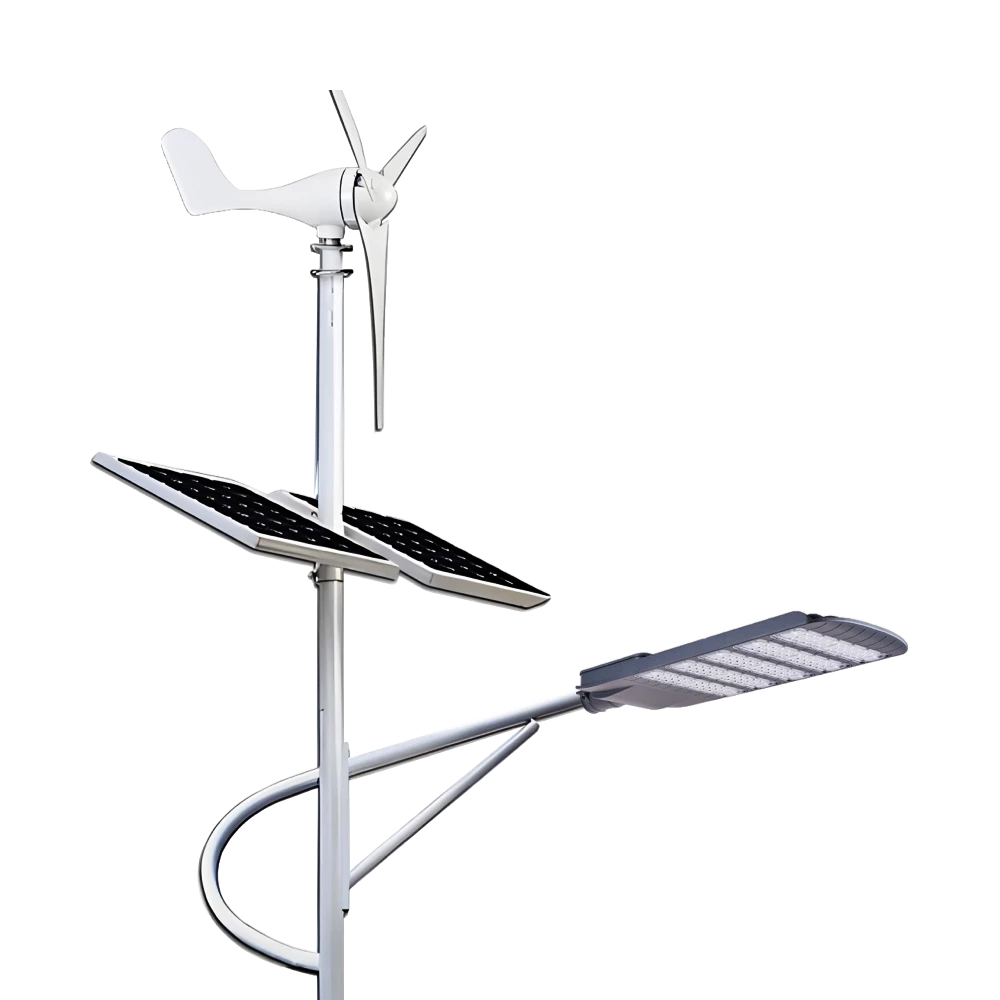
Queneng Lufeng Wind Energy LED Outdoor Solar Street Lights offer high-performance, eco-friendly illumination. These energy-efficient LED street lights harness solar power and wind energy for sustainable, cost-effective outdoor lighting solutions.
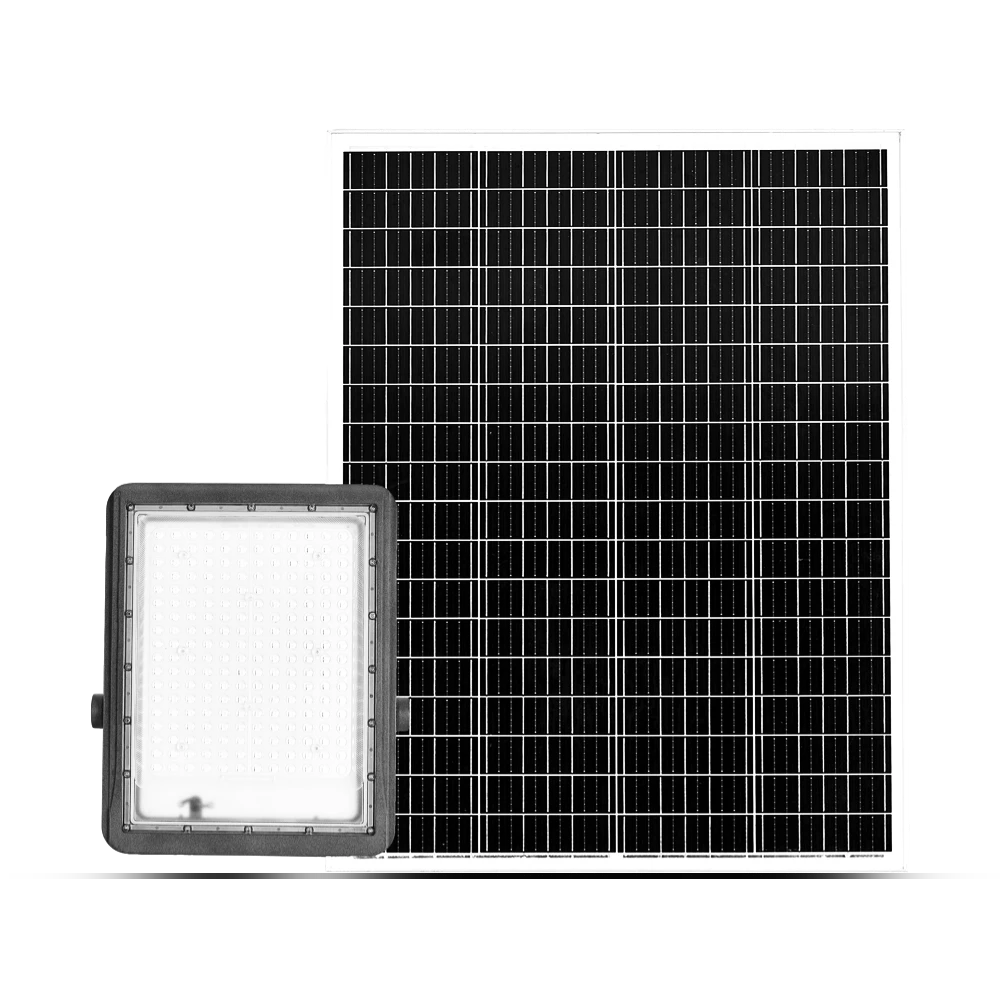
Queneng's Luxian Reliable Solar Street Light offers energy-saving LED lighting for outdoor use. This durable, solar-powered street light provides reliable illumination, reducing energy costs and environmental impact. A perfect solution for sustainable outdoor lighting.
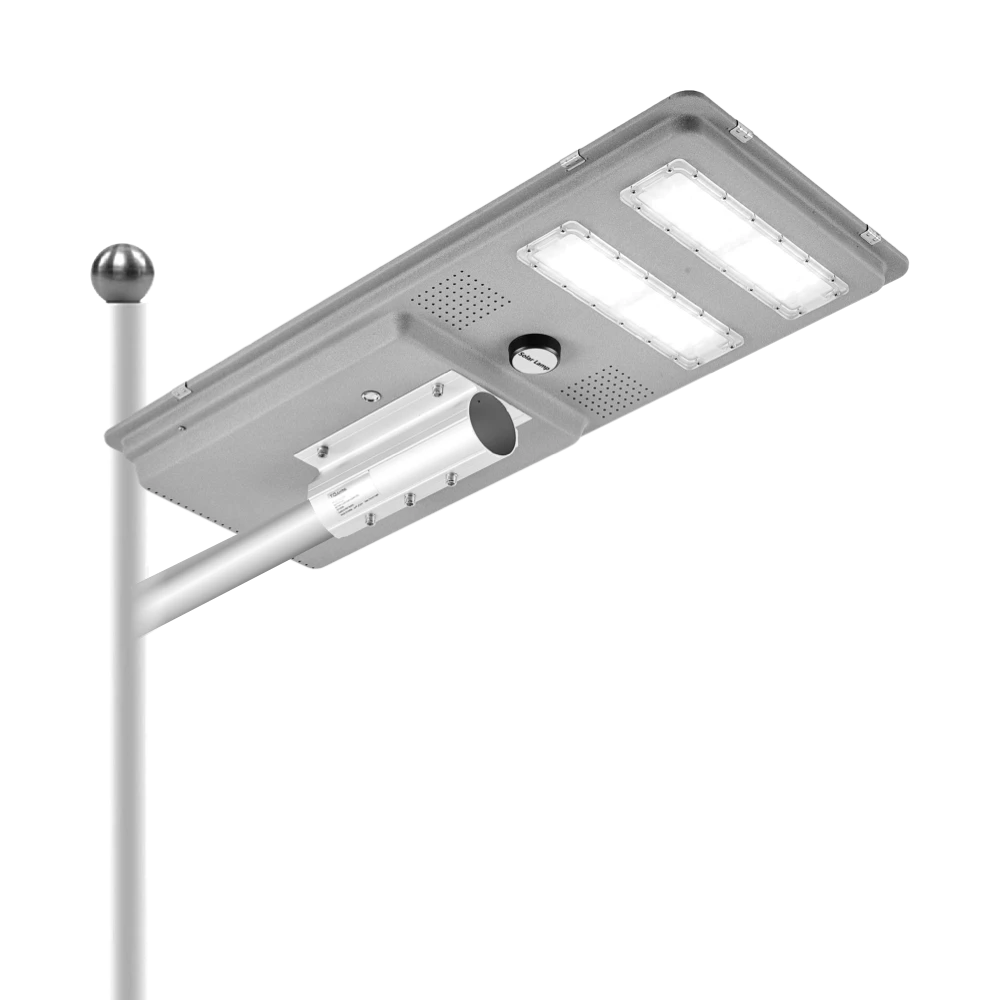
Queneng’s Solar Street Lights are designed to provide reliable, energy-efficient lighting for streets, parks, and other outdoor spaces.
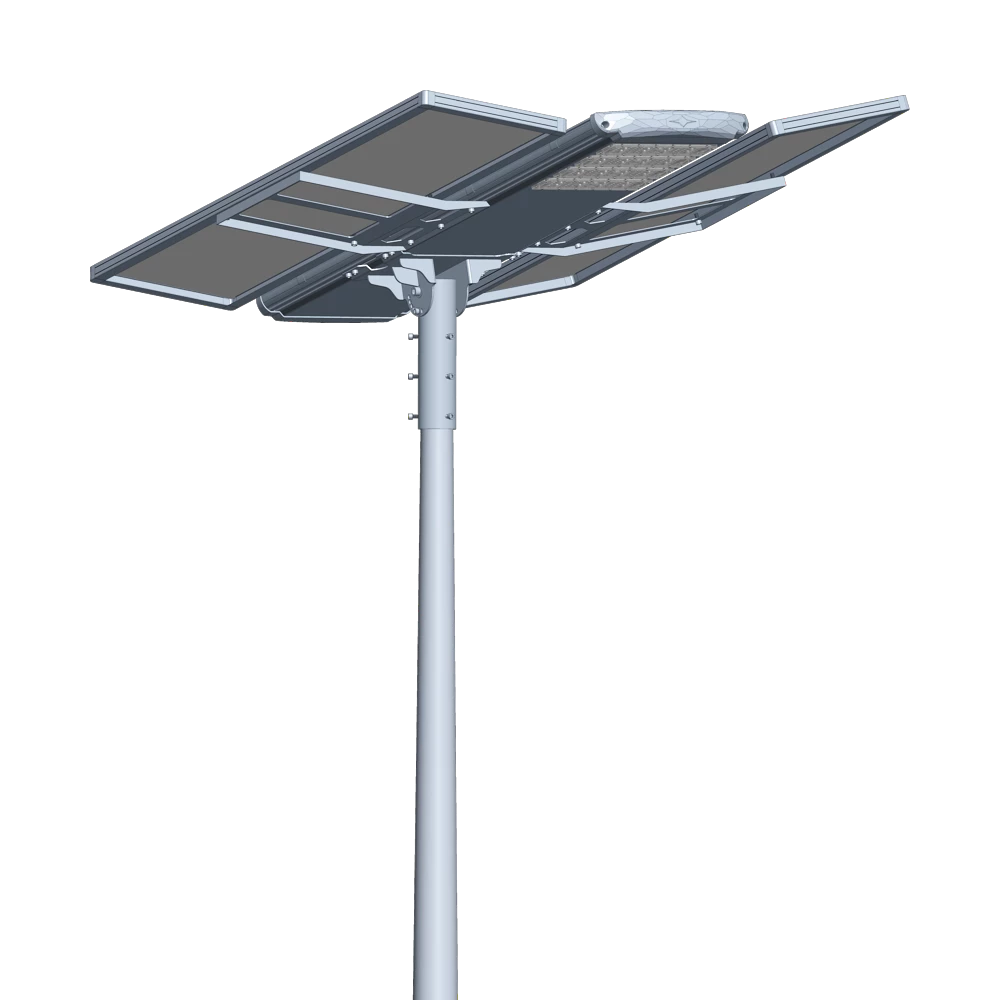
Introducing the Luqing Solar Street Light by Queneng, Efficient LED lighting powered by solar energy is perfect for illuminating outdoor areas. Harness the power of solar energy for sustainable, reliable street lighting. Ideal for eco-friendly, cost-effective outdoor illumination solutions.
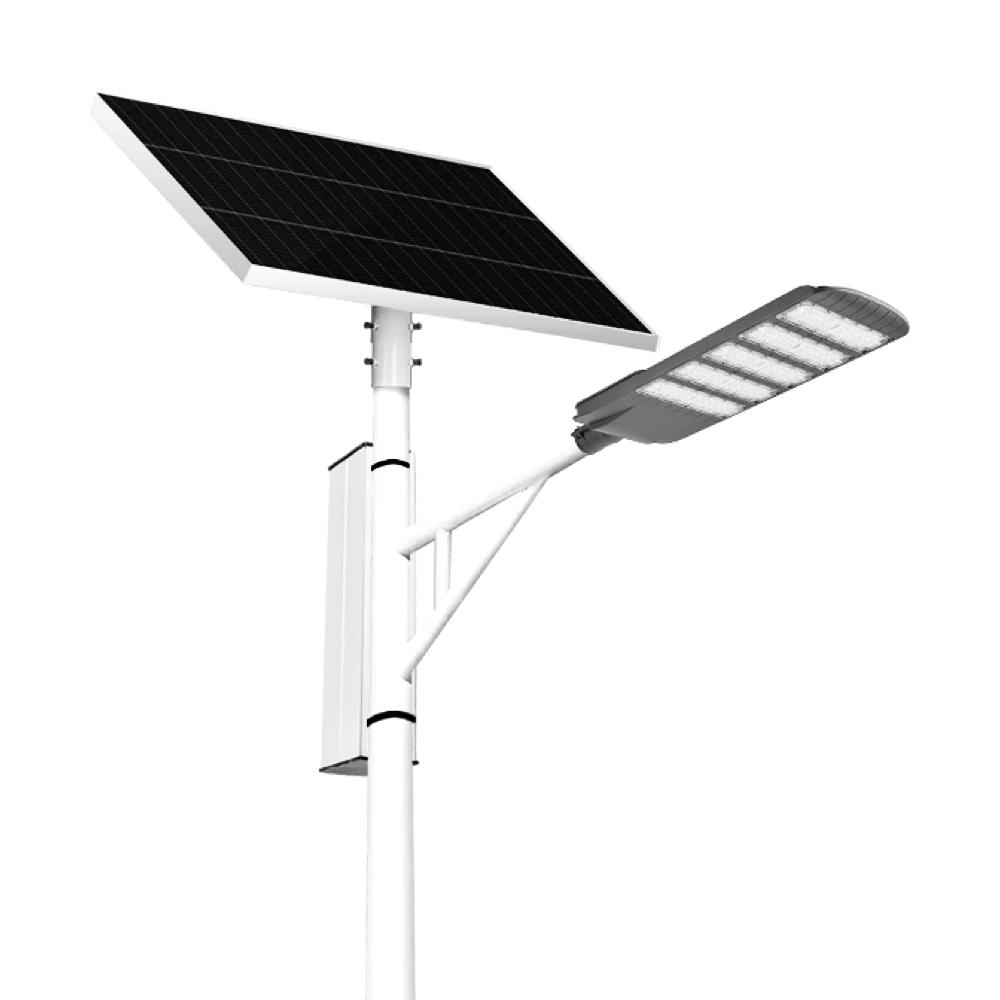
The Solar Streetlights of Luhao for Municipalities are designed to deliver reliable, energy-efficient, and cost-effective public lighting solutions. Equipped with advanced LED technology, durable lithium batteries, and high-efficiency solar panels, these streetlights provide consistent illumination for roads, parks, residential areas, and government projects.
If you would like more information about Queneng solar lighting solutions, please send us a message by filling out the form below. Our professional team will get back to you within 24 hours!
Rest assured that your privacy is important to us, and all information provided will be handled with the utmost confidentiality.
Schedule a Meeting
Book a date and time that is convenient for you and conduct the session in advance.
Have more questions about our products or services?
The messenger of light & power conversion
Environmental protection and intelligent manufacturing are our brand philosophy, and quality assurance and the best user experience are our eternal promises to users.
CONTACT
No.9F, Building F, Cao San Xin Tian Hong Logistics Park, Guzhen Town, Zhongshan City, Guangdong Province, China.
or write [email protected]
WhatsApp: +86 136 2270 1011


