












best Queneng smart sensor solar lighting Nigeria | Insights by Quenenglighting
Navigating Your Next Solar Lighting Purchase in Nigeria: Insights for Professional Buyers
Procuring solar lighting solutions in a dynamic market like Nigeria demands a comprehensive understanding of both technology and local conditions. As professional buyers, your focus is on long-term performance, reliability, and return on investment. Here, we address the top 5 questions and concerns that arise when considering advanced solar lighting systems, particularly those featuring smart sensor technology, to ensure you make an informed decision for your next project.
How Long Will My Solar Lighting System Last, Especially the Battery, in Nigeria's Conditions?
Battery life is paramount to the longevity and reliability of any solar lighting system. For high-quality solar lights, the industry standard is now Lithium Iron Phosphate (LiFePO4) batteries. These are preferred over older lead-acid batteries due to their superior cycle life, stability, and performance in varying temperatures. A High Quality LiFePO4 battery is designed to last between 5 to 10 years, offering 2,000 to 4,000 charge/discharge cycles to 80% of its original capacity. This lifespan is critical for Nigeria, where consistent power outages necessitate reliable off-grid solutions.
Beyond the battery, other components contribute to the system's overall lifespan:
- LEDs: High-efficiency LEDs typically have a lifespan of 50,000 to 100,000 operational hours.
- Solar Panels: Monocrystalline or polycrystalline solar panels are warrantied to retain at least 80% of their power output for 20-25 years.
- Controller and Housing: A robust charge controller (MPPT is superior for efficiency) and durable housing ensure the system's electronics are protected, lasting 10-15 years.
What Brightness (Lumens) and Coverage Area Should I Prioritize for My Project?
Choosing the right brightness, measured in lumens, is crucial for effective illumination. It depends entirely on the application:
- Pathways & Small Areas: For residential pathways, garden lighting, or accent lighting, 500-2,000 lumens might suffice, providing adequate visibility.
- Street Lighting & Public Areas: For main roads, large parking lots, or public squares, you'll need significantly higher output, typically ranging from 5,000 lumens up to 15,000+ lumens, depending on pole height (e.g., a 6-meter pole might require 5,000-8,000 lumens for good illumination, while a 12-meter pole could need 10,000-15,000+ lumens).
- Security Lighting: High-lumen lights (2,000-10,000+ lumens) combined with motion sensors are ideal for security, providing sudden, bright illumination when movement is detected.
Consider the beam angle and mounting height. A wider beam angle covers more ground from a lower height, while a narrower angle can concentrate light over a longer distance from a greater height. Uniformity of light distribution across the desired area is often more important than peak brightness at a single point.
How Do 'Smart Sensors' Work, and What Real-World Benefits Do They Offer?
Smart sensors are a game-changer for solar lighting, offering significant energy savings and enhanced functionality. The most common types include:
- Photocell (Dusk-to-Dawn): This sensor automatically turns the light on at dusk and off at dawn, ensuring operation only when needed.
- PIR (Passive Infrared) Motion Sensor: These sensors detect body heat and movement. When no motion is detected, the light can dim to a low power mode (e.g., 20-30% brightness). Upon detecting movement, it instantly brightens to full power (100%).
The real-world benefits are substantial:
- Extended Battery Autonomy: By dimming when not needed, smart sensors can extend the battery's operational time, allowing lights to stay on for multiple cloudy days (typically 2-3 days of autonomy) without direct sunlight. This can lead to energy savings of up to 70% compared to lights that run at full power continuously.
- Enhanced Security: The sudden burst of full brightness upon detecting intruders can deter criminal activity.
- Energy Efficiency: Reduced power consumption prolongs the life of the battery and LED components, decreasing overall maintenance and replacement costs.
Are These Solar Lights Truly Durable and Weather-Resistant for Nigeria's Climate?
Nigeria's climate presents unique challenges, from intense sun and high temperatures to heavy rainfall and dust. True durability in solar lighting is determined by several factors:
- IP Rating: Look for an Ingress Protection (IP) rating of IP65 or IP66. IP65 protects against dust ingress and low-pressure water jets, while IP66 offers protection against powerful water jets. This is essential for preventing dust accumulation and water damage, especially during the rainy season.
- Material Quality: High-quality solar lights should feature robust housing made from die-cast aluminum, known for its excellent heat dissipation properties and corrosion resistance. Lenses should be made of tempered glass for impact resistance and clarity, not cheap plastics that can yellow or crack over time.
- Temperature Tolerance: Ensure the system is rated for Nigeria's high ambient temperatures, typically capable of operating reliably from -20°C to +60°C.
- Wind Resistance: The design should be structurally sound to withstand strong winds common in certain regions.
What's the Return on Investment (ROI) for Solar Lighting in Nigeria?
While the initial capital expenditure for solar lighting can be higher than traditional grid-connected options, the long-term ROI is compelling, especially in Nigeria where grid power is often unreliable and generator costs are high.
- Zero Electricity Bills: The most immediate and significant saving is the elimination of monthly electricity costs.
- Reduced Operational Costs: No need for fuel for generators, minimal maintenance (e.g., occasional cleaning of solar panels), and reduced reliance on a volatile grid. Diesel prices in Nigeria have been subject to significant fluctuations, making solar a stable alternative.
- Quick Deployment & Scalability: Solar lights are independent units, requiring no trenching, cabling, or connection to a national grid. This means faster installation and easier expansion.
- Enhanced Safety & Security: Consistent, reliable lighting improves safety in public spaces and increases security, potentially reducing crime rates. This qualitative benefit can be invaluable for communities and businesses.
- Environmental Benefits: Contributes to a greener footprint by reducing carbon emissions, aligning with global sustainability goals.
The payback period for a well-designed solar lighting system typically ranges from 2 to 5 years, after which the electricity savings represent pure profit. Given Nigeria's energy challenges and a global solar market growing at over 20% annually, investing in solar lighting is a strategic decision for sustainable infrastructure development.
Queneng Lighting's Advantage:
Queneng Lighting stands out by integrating these critical professional insights into their product design. Their smart sensor solar lighting solutions typically feature advanced LiFePO4 battery technology for extended lifespan, high-efficiency solar panels and LEDs for optimal brightness, and intelligent PIR and photocell sensors for maximum energy savings and enhanced security. Queneng products are engineered with robust, high-IP-rated materials, ensuring durability against Nigeria's diverse climate challenges. By focusing on longevity, performance, and smart energy management, Queneng Lighting offers a compelling and reliable choice for professional buyers seeking sustainable and cost-effective illumination solutions in Nigeria.

Have more questions about our products or services?
The latest hot news you might like

Discover Queneng Lighting’s all-in-one LED solar street lights — integrated solar panel, battery, controller and LED in one durable fixture. Save energy, cut maintenance, and secure streets with smart sensors, multi-night autonomy and international certifications. Contact sales for quotes and support.

Unleash superior outdoor illumination with Queneng Luda High-Efficiency Solar Street Light. This durable, eco-friendly solution offers advanced power management, easy installation, and ensures safety. Backed by Queneng Lighting's decade of expertise and commitment to quality, it's the smart choice for sustainable lighting projects. Learn why we're a leading solar solutions provider.

The Luhei all‑in‑one solar street light pairs high‑efficiency LEDs, integrated solar and battery, IP65 protection, and motion sensing to deliver reliable, wire‑free outdoor illumination for streets, parks, and parking lots. Backed by Queneng Lighting’s certifications and support.

FAQ
Battery Performance and Testing
What is the standard charging and discharging of nickel metal hydride batteries?
Commercial and Industrial Parks
What is the warranty for your solar lighting products?
We offer a 5-year warranty for the entire system and provide ongoing technical support.
Solar Street Light Luqing
Do Luqing solar street lights work in cold or snowy climates?
Yes, Luqing solar street lights are designed to work in various weather conditions, including cold and snowy climates. The solar panels are made to operate efficiently even in low temperatures, and the LED lights perform well in all weather.
Public Gardens and Landscape Lighting
How can I order solar lighting products for my public garden or landscape project?
To order solar lighting solutions for your project, simply contact our sales team via phone, email, or our website. We will work with you to understand your specific requirements and provide customized solutions that fit your needs. We also offer installation support and after-sales services to ensure your project is a success.
Solar Street Light Lufei
How long does it take to install a solar street light?
Installation typically takes 1-2 hours, depending on the complexity of the setup. No external wiring is required, which makes installation faster and simpler compared to traditional street lighting.
Split Solar Street Light
How do I choose the right configuration?
We provide free lighting & energy simulations based on your project location.
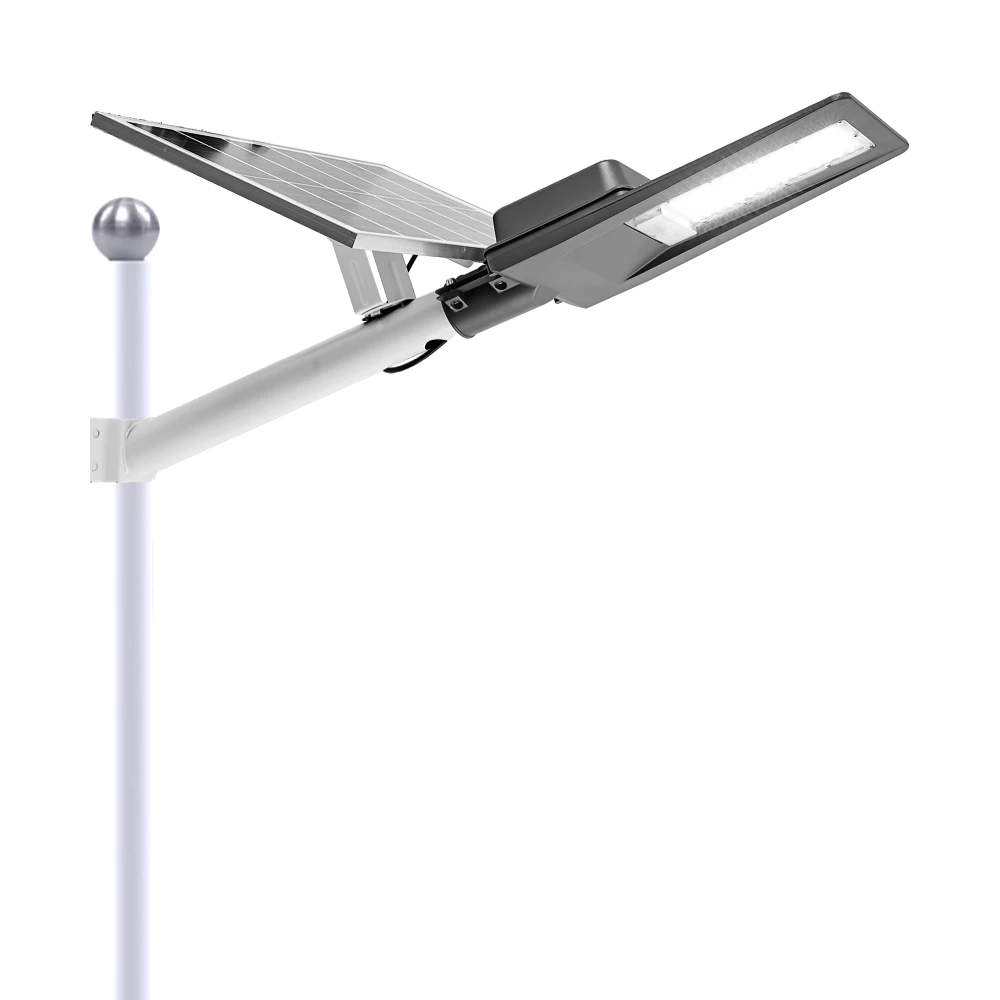
Experience reliable outdoor illumination with our smart solar street light, a perfect combination of advanced technology and eco-conscious design.
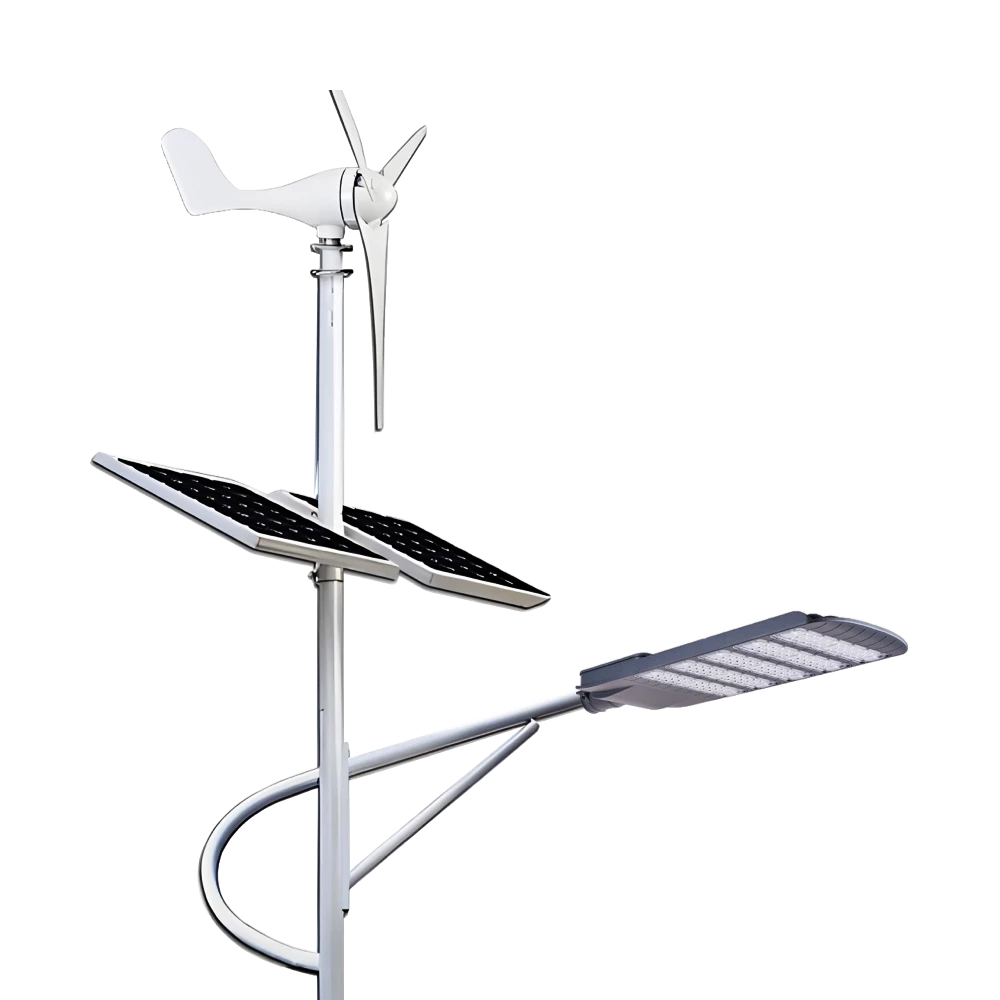
Queneng Lufeng Wind Energy LED Outdoor Solar Street Lights offer high-performance, eco-friendly illumination. These energy-efficient LED street lights harness solar power and wind energy for sustainable, cost-effective outdoor lighting solutions.
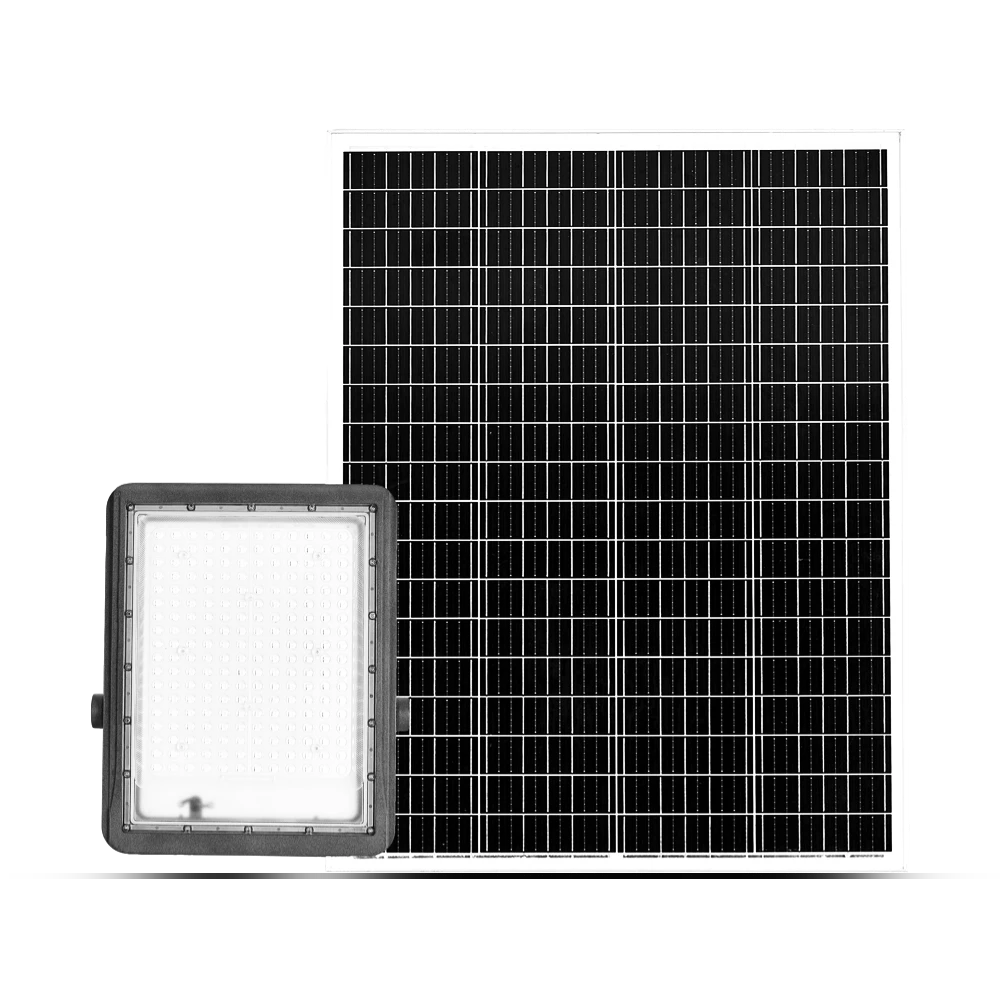
Queneng's Luxian Reliable Solar Street Light offers energy-saving LED lighting for outdoor use. This durable, solar-powered street light provides reliable illumination, reducing energy costs and environmental impact. A perfect solution for sustainable outdoor lighting.
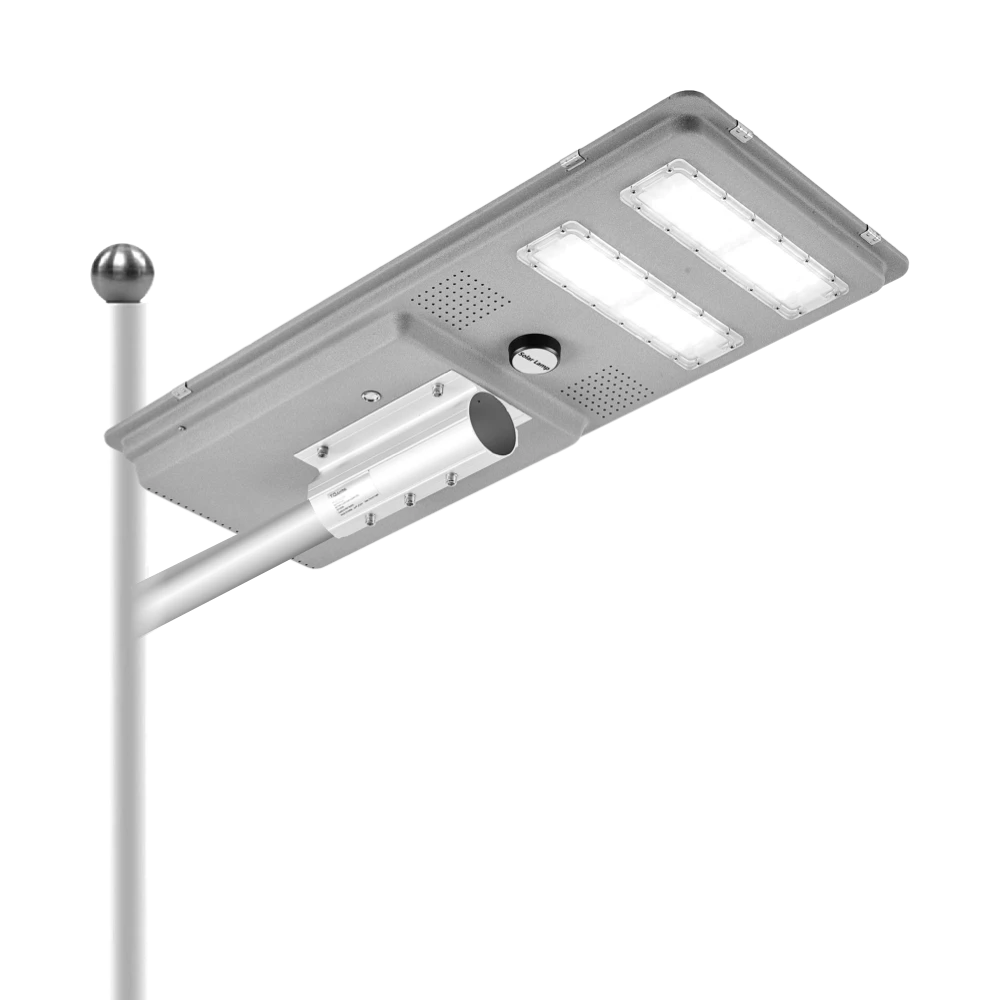
Queneng’s Solar Street Lights are designed to provide reliable, energy-efficient lighting for streets, parks, and other outdoor spaces.
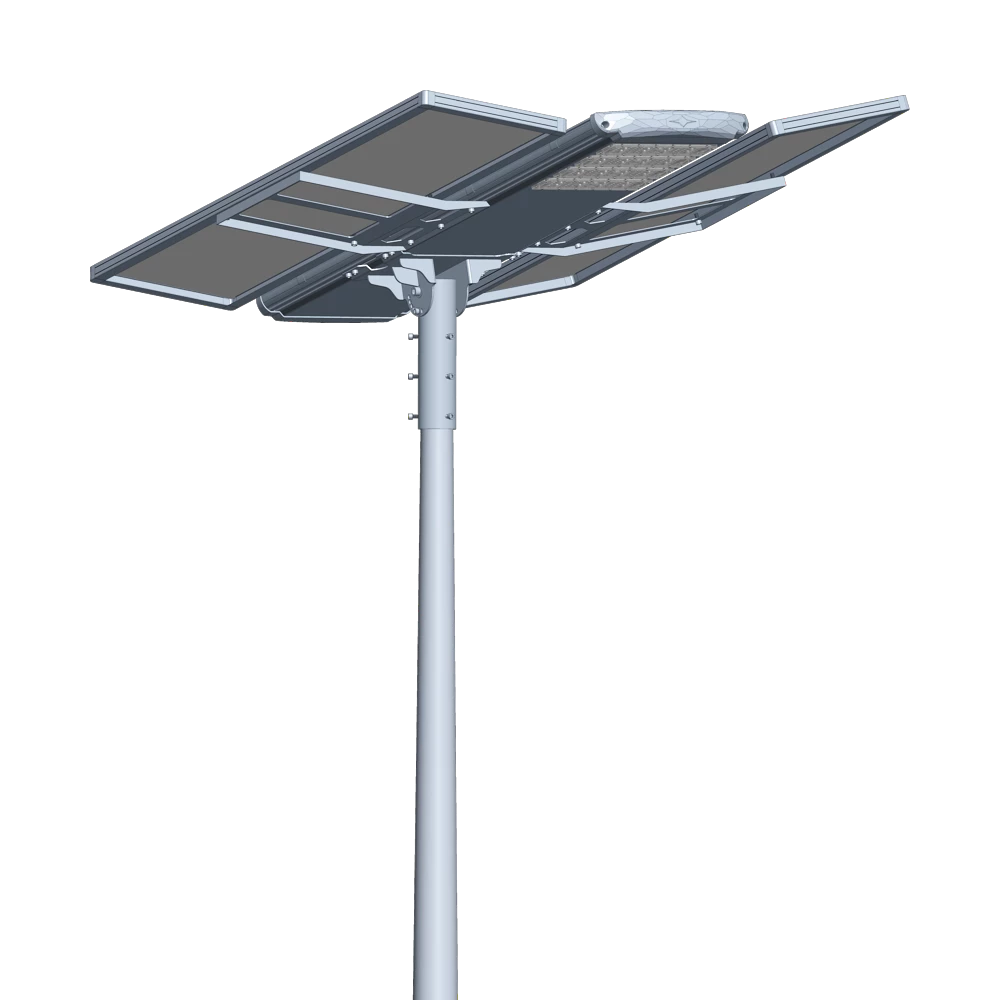
Introducing the Luqing Solar Street Light by Queneng, Efficient LED lighting powered by solar energy is perfect for illuminating outdoor areas. Harness the power of solar energy for sustainable, reliable street lighting. Ideal for eco-friendly, cost-effective outdoor illumination solutions.
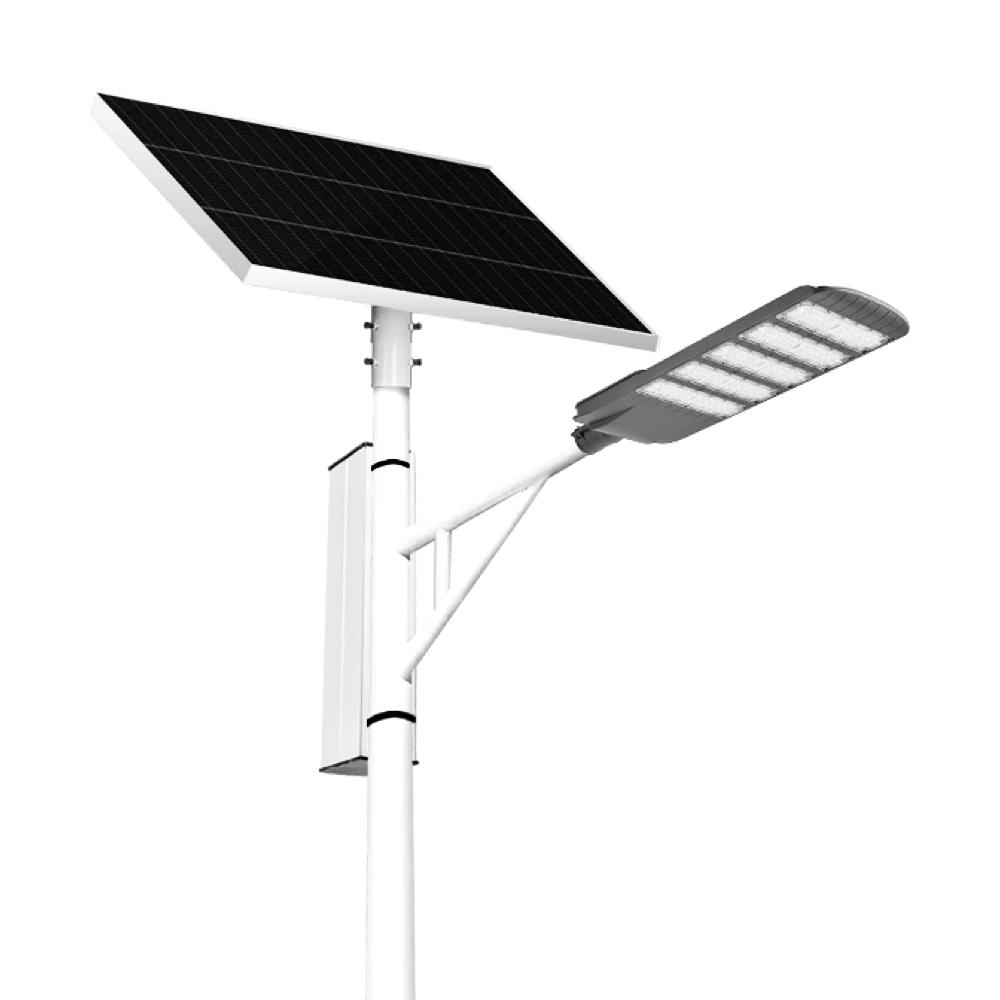
The Solar Streetlights of Luhao for Municipalities are designed to deliver reliable, energy-efficient, and cost-effective public lighting solutions. Equipped with advanced LED technology, durable lithium batteries, and high-efficiency solar panels, these streetlights provide consistent illumination for roads, parks, residential areas, and government projects.
If you would like more information about Queneng solar lighting solutions, please send us a message by filling out the form below. Our professional team will get back to you within 24 hours!
Rest assured that your privacy is important to us, and all information provided will be handled with the utmost confidentiality.
Schedule a Meeting
Book a date and time that is convenient for you and conduct the session in advance.
Have more questions about our products or services?
The messenger of light & power conversion
Environmental protection and intelligent manufacturing are our brand philosophy, and quality assurance and the best user experience are our eternal promises to users.
CONTACT
No.9F, Building F, Cao San Xin Tian Hong Logistics Park, Guzhen Town, Zhongshan City, Guangdong Province, China.
or write [email protected]
WhatsApp: +86 136 2270 1011


