














best solar street lights with motion sensor | Quenenglighting Expert Guide
Navigating the Essentials: Choosing the Best Solar Street Lights with Motion Sensors for Professional Procurement
For professional buyers in the solar lighting industry, selecting the 'best' solar street lights with motion sensors isn't merely about finding the brightest or cheapest option. It's about securing long-term reliability, optimal performance, and a compelling Total Cost of Ownership (TCO) for commercial, industrial, or municipal projects. As technology advances, understanding the nuances of key specifications becomes paramount. Based on common industry inquiries and procurement challenges, here are the top 5 questions professionals often ask:
1. Ensuring Optimal Performance: Lumens, Panel Efficiency, and Intelligent Power Management
What are the key performance indicators for brightness and charging efficiency?
For professional procurement, lumen output alone is insufficient. You need to consider Lux levels (lumens per square meter) at the target height and desired light distribution patterns (e.g., IESNA Type II, III, IV, V) to ensure uniform illumination. A typical street light for a residential street might require 3000-6000 lumens, while a main road could demand 10,000-15,000+ lumens. Always ask for photometric data (IES files).
Solar Panel Efficiency: Opt for high-efficiency monocrystalline silicon solar panels, which typically offer 18-22% conversion efficiency. This means more power generation from a smaller panel area, crucial in limited space or cloudy conditions. For instance, a 100W monocrystalline panel can generate more power than a polycrystalline panel of the same size. Coupled with an MPPT (Maximum Power Point Tracking) charge controller, energy harvest from the solar panel is maximized, ensuring faster charging and more consistent performance.
Intelligent Power Management: Modern systems use adaptive dimming and programmable lighting profiles. For example, a light might dim to 30% ambient brightness for 6 hours, then activate full power (100%) only upon motion detection, and then return to 10% for the remaining hours until dawn. This optimizes battery usage and extends autonomy, crucial for areas with inconsistent sunlight.
2. Maximizing Battery Lifespan: The Critical Role of LiFePO4 and BMS
What battery technologies offer the longest lifespan and best performance for solar street lights?
For long-term reliability, Lithium Iron Phosphate (LiFePO4) batteries are the industry standard for solar street lights. Unlike traditional lead-acid or even standard Lithium-ion (Li-ion) batteries, LiFePO4 offers superior cycle life (typically 2,000 to 6,000 charge/discharge cycles to 80% DoD), excellent thermal stability, and enhanced safety. A high-quality LiFePO4 battery can maintain over 80% of its original capacity after 5 years of daily cycling, whereas other chemistries degrade much faster.
A robust Battery Management System (BMS) is non-negotiable. The BMS protects the battery from overcharge, over-discharge, over-current, and extreme temperatures, while also balancing individual cells to ensure uniform degradation and maximum lifespan. A well-designed BMS can extend the battery's operational life significantly, reducing replacement frequency and TCO. Ensure the specified battery capacity provides sufficient autonomy, typically 2-3 nights of operation on a full charge even without solar input.
3. Durability & Weather Resistance: Investing in Longevity
How can I ensure the solar street lights withstand harsh environmental conditions and last for years?
Durability is paramount for outdoor infrastructure. Key factors include:
- IP Rating: Look for a minimum of IP65 (Ingress Protection) rating, indicating complete protection against dust ingress and protection against low-pressure water jets from any direction. For areas with heavy rain, dust storms, or coastal environments, IP66 or even IP67 is highly recommended, offering protection against powerful water jets or temporary immersion.
- Materials: The housing should be made of corrosion-resistant materials such as die-cast aluminum alloy, which also provides excellent heat dissipation for the LED chips, extending their life. Lenses should be made of durable, UV-stabilized polycarbonate or tempered glass to resist yellowing and impact. Fasteners should be stainless steel.
- Operating Temperature Range: Verify the product's specified operating temperature range covers the extreme high and low temperatures of the deployment location (e.g., -20°C to +60°C).
- Wind Load Resistance: Especially for taller poles, ensure the fixture is designed to withstand local wind loads.
4. Advanced Motion Sensing & Smart Functionality for Enhanced Security and Efficiency
What advanced motion sensor features and smart capabilities improve security and energy efficiency?
Beyond basic on/off, modern solar street lights offer sophisticated motion sensing:
- Sensor Types & Range: While Passive Infrared (PIR) sensors are common (typically 8-15 meters detection range, 120-180 degrees), some high-end units feature microwave/radar sensors that offer wider detection angles and longer ranges, less susceptible to temperature changes, making them ideal for larger areas.
- Customizable Profiles: Professional systems allow granular control over dimming levels (e.g., 10%, 30%, 50% ambient), activation brightness (100%), hold times after motion detection (e.g., 30s, 60s, 120s), and detection sensitivity. This fine-tuning is crucial for optimizing energy use while ensuring adequate security.
- Smart Features & IoT Integration: The most advanced systems integrate IoT (Internet of Things) capabilities. This enables remote monitoring of battery status, charging efficiency, light operational status, and even fault diagnosis from a central dashboard. Remote control allows adjustments to lighting profiles without site visits, significantly reducing maintenance costs for large deployments and providing valuable data for performance analysis.
5. Assessing Total Cost of Ownership (TCO) and Long-Term ROI
Beyond the initial purchase price, what factors contribute to the true long-term cost-effectiveness?
For professional procurement, TCO is far more critical than the upfront cost. Consider:
- Energy Savings: Solar street lights eliminate electricity bills entirely, offering immediate and continuous savings. For regions with high electricity costs, the ROI period can be surprisingly short, often 2-5 years.
- Installation Costs: No trenching, cabling, or grid connection means significantly lower installation labor and material costs compared to traditional grid-powered lights.
- Maintenance: High-quality solar street lights are low-maintenance. Regular cleaning of solar panels (every 6-12 months) is usually the most significant task. With long-life LiFePO4 batteries and LED chips (50,000+ hours), component replacement is infrequent.
- Lifespan & Warranty: A long lifespan for all components (LEDs 10+ years, batteries 5-10 years, solar panels 20-25 years) translates directly to better ROI. A comprehensive manufacturer warranty (typically 3-5 years for the entire system) provides peace of mind and guarantees support.
Calculating the TCO involves summing initial purchase, installation, and projected maintenance costs over the expected lifespan, then subtracting operational savings. This holistic view reveals the true economic advantage of quality solar street lighting.
Quenenglighting Advantage
Quenenglighting excels in providing professional-grade solar street lighting solutions that address these critical concerns. Our products feature high-efficiency monocrystalline solar panels with MPPT controllers, ensuring maximum energy capture. We exclusively utilize long-life, thermally stable LiFePO4 batteries protected by advanced BMS for extended operational lifespan and safety. Our robust designs boast IP66/IP67 ratings, using durable die-cast aluminum alloy and tempered glass to withstand harsh environments. Furthermore, Quenenglighting integrates smart IoT features, offering remote monitoring, intelligent dimming profiles, and customizable motion sensing for optimized energy efficiency and enhanced security. With a strong focus on TCO, Quenenglighting solutions are engineered for minimal maintenance, rapid ROI, and come with comprehensive warranties, providing professional buyers with reliable, sustainable, and cost-effective lighting infrastructure.

Have more questions about our products or services?
The latest hot news you might like

Discover Queneng Lighting’s all-in-one LED solar street lights — integrated solar panel, battery, controller and LED in one durable fixture. Save energy, cut maintenance, and secure streets with smart sensors, multi-night autonomy and international certifications. Contact sales for quotes and support.

Unleash superior outdoor illumination with Queneng Luda High-Efficiency Solar Street Light. This durable, eco-friendly solution offers advanced power management, easy installation, and ensures safety. Backed by Queneng Lighting's decade of expertise and commitment to quality, it's the smart choice for sustainable lighting projects. Learn why we're a leading solar solutions provider.

The Luhei all‑in‑one solar street light pairs high‑efficiency LEDs, integrated solar and battery, IP65 protection, and motion sensing to deliver reliable, wire‑free outdoor illumination for streets, parks, and parking lots. Backed by Queneng Lighting’s certifications and support.

FAQ
Solar Street Light Luyi
Can Luyi solar street lights function in areas with cloudy or rainy weather?
Yes, Luyi solar street lights are designed to function efficiently even in cloudy or rainy weather. The high-efficiency solar panels can still capture and store energy in low-light conditions, ensuring that the lights remain operational throughout the night. The system is equipped with a large enough battery to store energy for extended periods, making them reliable even on overcast days.
Municipal and Public Infrastructure
Can the lights be customized for specific municipal projects?
Yes, we offer tailored solutions to meet the unique requirements of different projects, including variations in design, brightness, height, and operation modes.
Remote Areas Rural Development
What is the maintenance requirement for solar lighting in rural areas?
Minimal maintenance is needed, primarily involving occasional cleaning of solar panels and checking battery performance.
Solar Street Light Luan
What makes Luan solar street lights high-efficiency?
Luan solar street lights are equipped with advanced high-efficiency solar panels and LED technology. The panels capture solar energy effectively, even under low light conditions, while the energy-efficient LEDs provide bright illumination with minimal power consumption, ensuring long-lasting performance.
Sustainability
Do Queneng solar street lights require a power connection?
No, our solar street lights operate independently of the power grid. They rely entirely on photovoltaic panels that charge the built-in battery, making an electrical connection unnecessary.
Distributors
Do I need previous experience in the solar industry to become a distributor?
While previous experience in renewable energy or lighting sectors is beneficial, it is not required. What matters most is your dedication to sustainability, willingness to learn, and ability to effectively serve your local market.
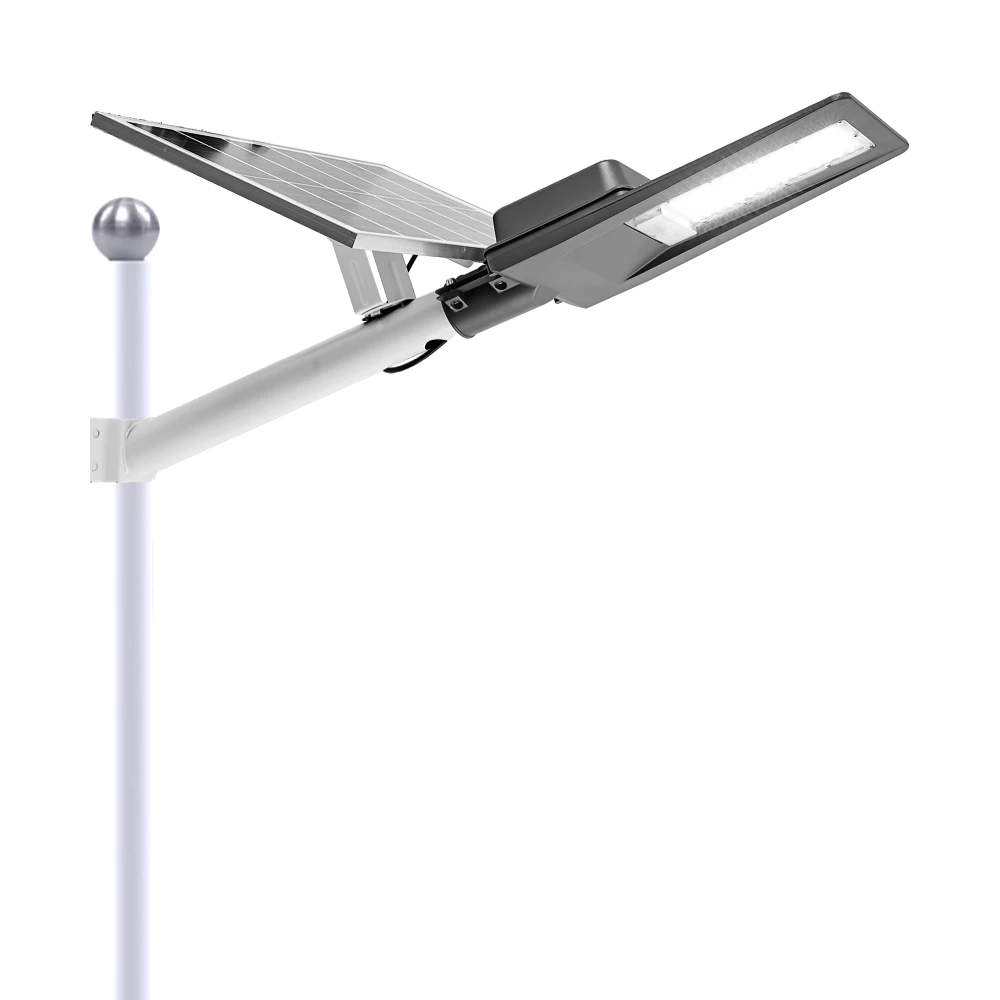
Experience reliable outdoor illumination with our smart solar street light, a perfect combination of advanced technology and eco-conscious design.
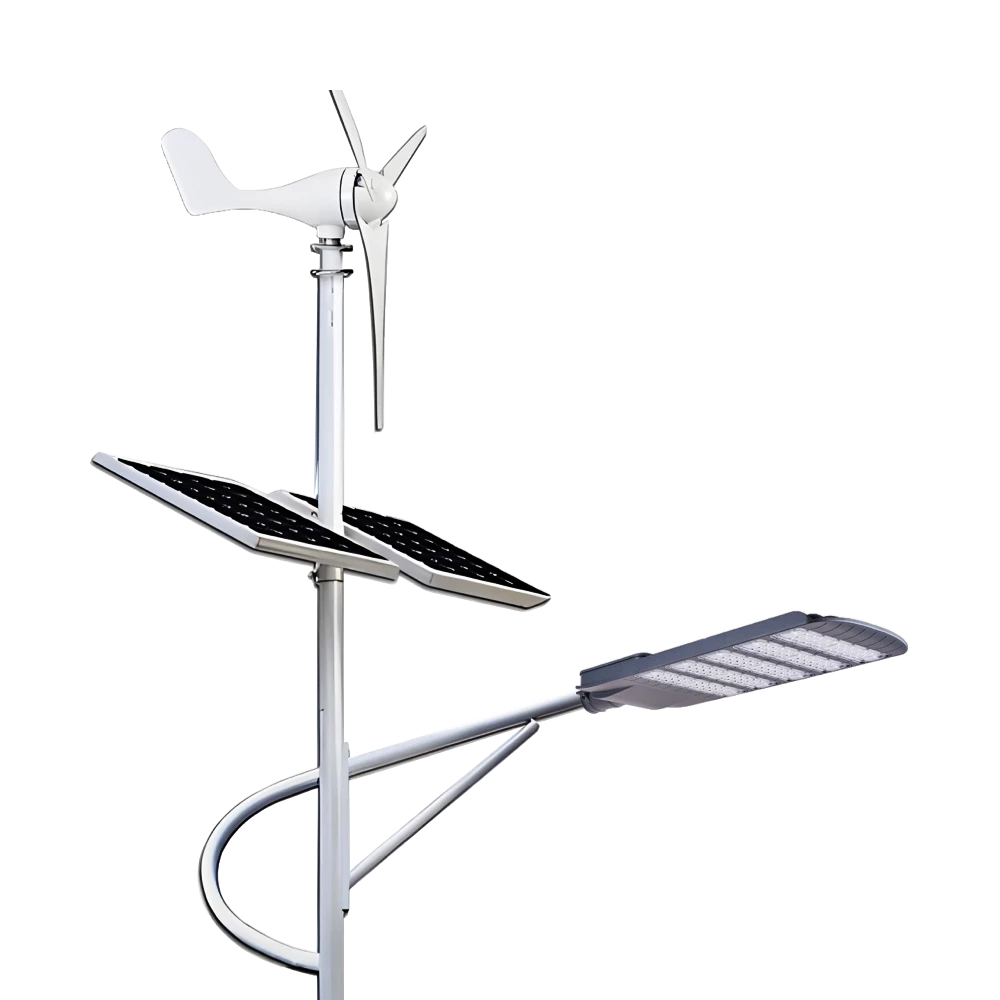
Queneng Lufeng Wind Energy LED Outdoor Solar Street Lights offer high-performance, eco-friendly illumination. These energy-efficient LED street lights harness solar power and wind energy for sustainable, cost-effective outdoor lighting solutions.
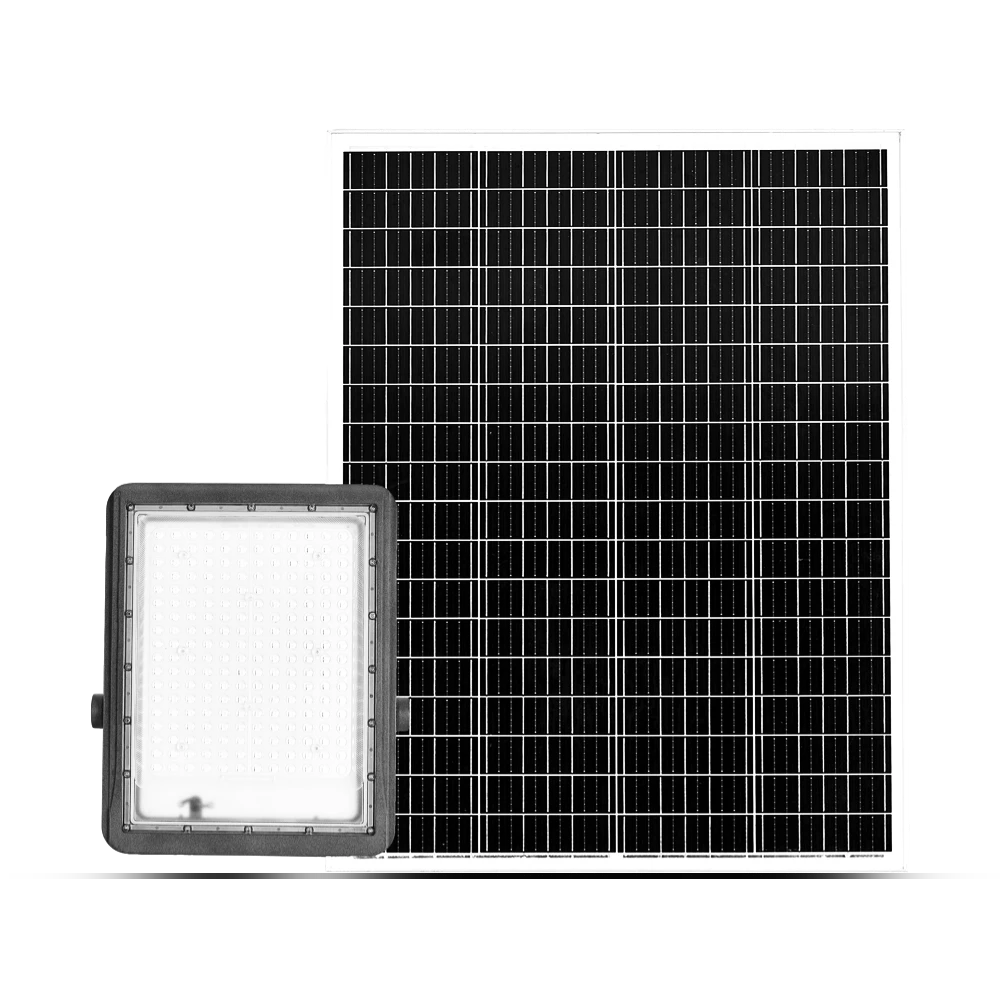
Queneng's Luxian Reliable Solar Street Light offers energy-saving LED lighting for outdoor use. This durable, solar-powered street light provides reliable illumination, reducing energy costs and environmental impact. A perfect solution for sustainable outdoor lighting.
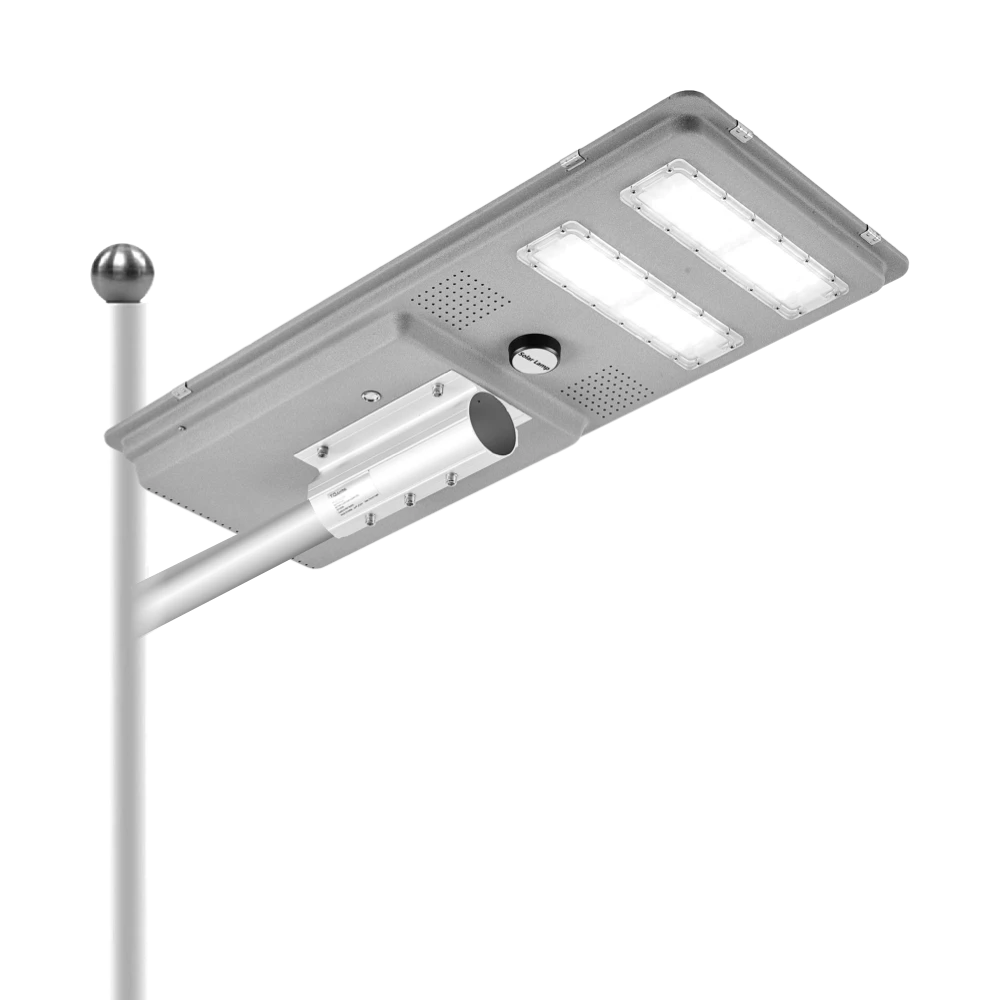
Queneng’s Solar Street Lights are designed to provide reliable, energy-efficient lighting for streets, parks, and other outdoor spaces.
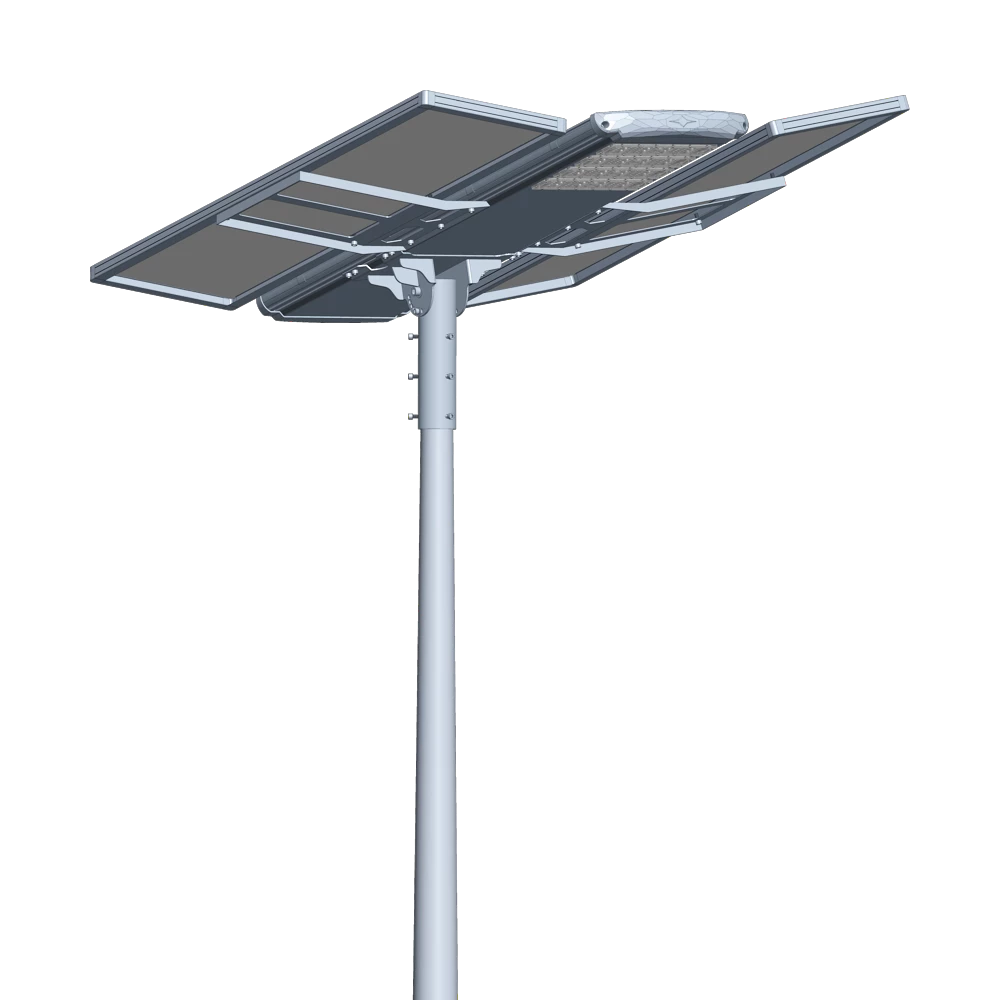
Introducing the Luqing Solar Street Light by Queneng, Efficient LED lighting powered by solar energy is perfect for illuminating outdoor areas. Harness the power of solar energy for sustainable, reliable street lighting. Ideal for eco-friendly, cost-effective outdoor illumination solutions.
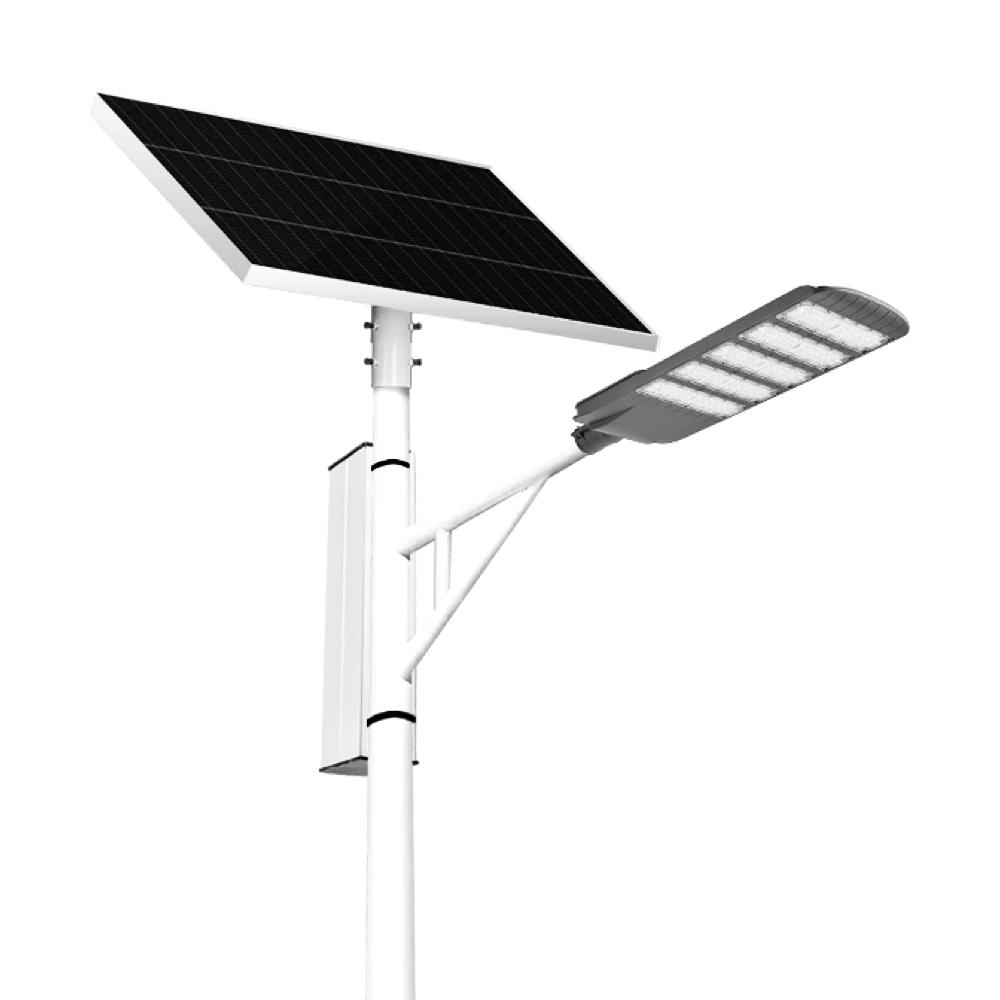
The Solar Streetlights of Luhao for Municipalities are designed to deliver reliable, energy-efficient, and cost-effective public lighting solutions. Equipped with advanced LED technology, durable lithium batteries, and high-efficiency solar panels, these streetlights provide consistent illumination for roads, parks, residential areas, and government projects.
If you would like more information about Queneng solar lighting solutions, please send us a message by filling out the form below. Our professional team will get back to you within 24 hours!
Rest assured that your privacy is important to us, and all information provided will be handled with the utmost confidentiality.
Schedule a Meeting
Book a date and time that is convenient for you and conduct the session in advance.
Have more questions about our products or services?
The messenger of light & power conversion
Environmental protection and intelligent manufacturing are our brand philosophy, and quality assurance and the best user experience are our eternal promises to users.
CONTACT
No.9F, Building F, Cao San Xin Tian Hong Logistics Park, Guzhen Town, Zhongshan City, Guangdong Province, China.
or write [email protected]
WhatsApp: +86 136 2270 1011


