














Can street lights be solar powered? | Queneng Guide
Can Street Lights Be Solar Powered?
Solar street lighting is increasingly becoming a viable option for municipalities and urban planners looking to reduce energy costs and carbon footprints. we'll explore the feasibility of using solar power for street lights, focusing on technology, efficiency, and practical considerations.
Technology Behind Solar Street Lights
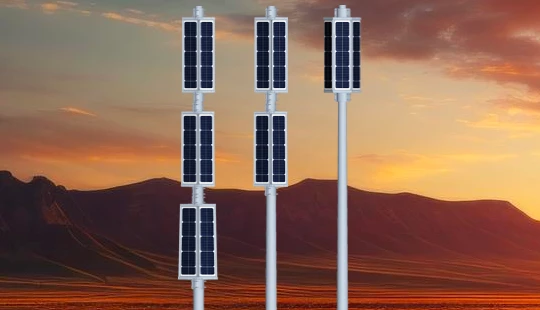
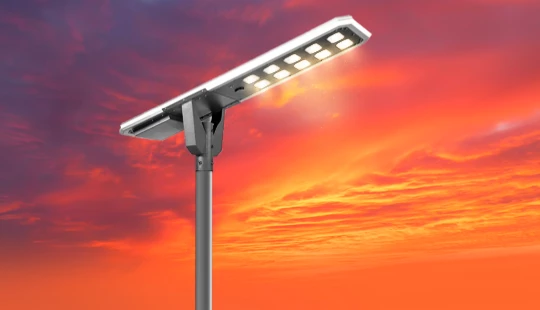
- Solar Panels: Solar street lights use photovoltaic (PV) panels to convert sunlight into electricity. The efficiency of these panels has significantly improved, with modern panels achieving up to 22% efficiency (Source: NREL).
- Battery Storage: Solar street lights require batteries to store excess energy generated during the day. Lithium-ion batteries are commonly used due to their high energy density and long lifespan (Source: SolarReviews).
- LED Lighting: Most solar street lights use LED bulbs due to their energy efficiency and long life. LEDs can last up to 50,000 hours, reducing maintenance needs (Source: DOE).
Efficiency and Performance
- Energy Conversion: Solar street lights can achieve an overall system efficiency of around 15-20%, considering losses in energy conversion and storage (Source: IRENA).
- Performance in Various Climates: Solar street lights are designed to operate efficiently in various climates. In areas with less sunlight, larger solar panels or additional batteries may be required (Source: Solar Energy).
- Lifespan and Maintenance: Solar street lights have a lifespan of 20-25 years with minimal maintenance required, primarily involving battery replacement every 5-7 years (Source: Solar Lighting International).
Installation and Costs
- Installation: Installing solar street lights is straightforward and does not require extensive electrical grid connections, reducing installation costs and time (Source: Solar Street Lights USA).
- Initial Costs: The initial cost for solar street lights can be higher than traditional lighting due to the need for solar panels and batteries. However, the costs have been decreasing, with prices dropping by 70% over the last decade (Source: BloombergNEF).
- Long-Term Savings: Despite higher initial costs, solar street lights offer significant long-term savings on energy bills and maintenance, with a payback period of 5-7 years (Source: EnergySage).
Benefits of Solar Street Lighting
- Environmental Impact: Solar street lights reduce carbon emissions by using renewable energy sources, contributing to a greener urban environment (Source: EPA).
- Energy Independence: By using solar power, cities can reduce their reliance on the grid, enhancing energy security and resilience (Source: IEA).
- Public Safety: Solar street lights provide consistent lighting, improving visibility and safety in public spaces (Source: Journal of Urban Planning and Development).
Challenges and Considerations
- Space Requirements: Solar street lights require sufficient space for solar panels, which can be a challenge in densely populated urban areas (Source: Urban Studies).
- Weather Dependence: Solar street lights depend on sunlight, which can be affected by weather conditions. Overcast days may reduce the effectiveness of the system (Source: Solar Energy Journal).
- Regulatory Hurdles: Local regulations and zoning laws may impact the installation of solar street lights, requiring careful planning and coordination (Source: Municipal Codes).
In conclusion, solar street lighting is a feasible and increasingly popular option for urban lighting. With advancements in technology and decreasing costs, solar-powered street lights offer a sustainable solution that aligns with the goals of modern urban planning.
By addressing the key aspects of solar street lighting, this article aims to provide professionals in the field with a comprehensive understanding of the technology, its benefits, and the challenges involved. Whether you're considering installing solar street lights or simply want to stay informed about the latest developments, this guide serves as a valuable resource.

Have more questions about our products or services?
The latest hot news you might like

Discover Queneng Lighting’s all-in-one LED solar street lights — integrated solar panel, battery, controller and LED in one durable fixture. Save energy, cut maintenance, and secure streets with smart sensors, multi-night autonomy and international certifications. Contact sales for quotes and support.

Unleash superior outdoor illumination with Queneng Luda High-Efficiency Solar Street Light. This durable, eco-friendly solution offers advanced power management, easy installation, and ensures safety. Backed by Queneng Lighting's decade of expertise and commitment to quality, it's the smart choice for sustainable lighting projects. Learn why we're a leading solar solutions provider.

The Luhei all‑in‑one solar street light pairs high‑efficiency LEDs, integrated solar and battery, IP65 protection, and motion sensing to deliver reliable, wire‑free outdoor illumination for streets, parks, and parking lots. Backed by Queneng Lighting’s certifications and support.

FAQ
Battery Types and Applications
What batteries will dominate the battery market?
What is a smart secondary battery?
Transportation and Highways
How long does the installation process take for a highway solar lighting system?
The installation time depends on the project size. Typically, a single solar streetlight can be installed in 1-2 hours, while larger highway projects may take several days or weeks.
Industry
How can I know if Queneng’s solar lighting system is suitable for my project?
Our team conducts a comprehensive analysis based on your project needs, location, and lighting requirements, ensuring that the system is both appropriate and cost-effective for your application.
Schools and Educational Institutions
Are solar lights adjustable for lighting angles or brightness?
Many of our solar lights feature adjustable heads, allowing you to change the lighting direction or angle. Some models also have brightness control, allowing you to adjust the light intensity.
Remote Areas Rural Development
How durable are solar streetlights in extreme rural conditions?
They are designed to withstand harsh weather, including heavy rains, strong winds, and extreme temperatures.
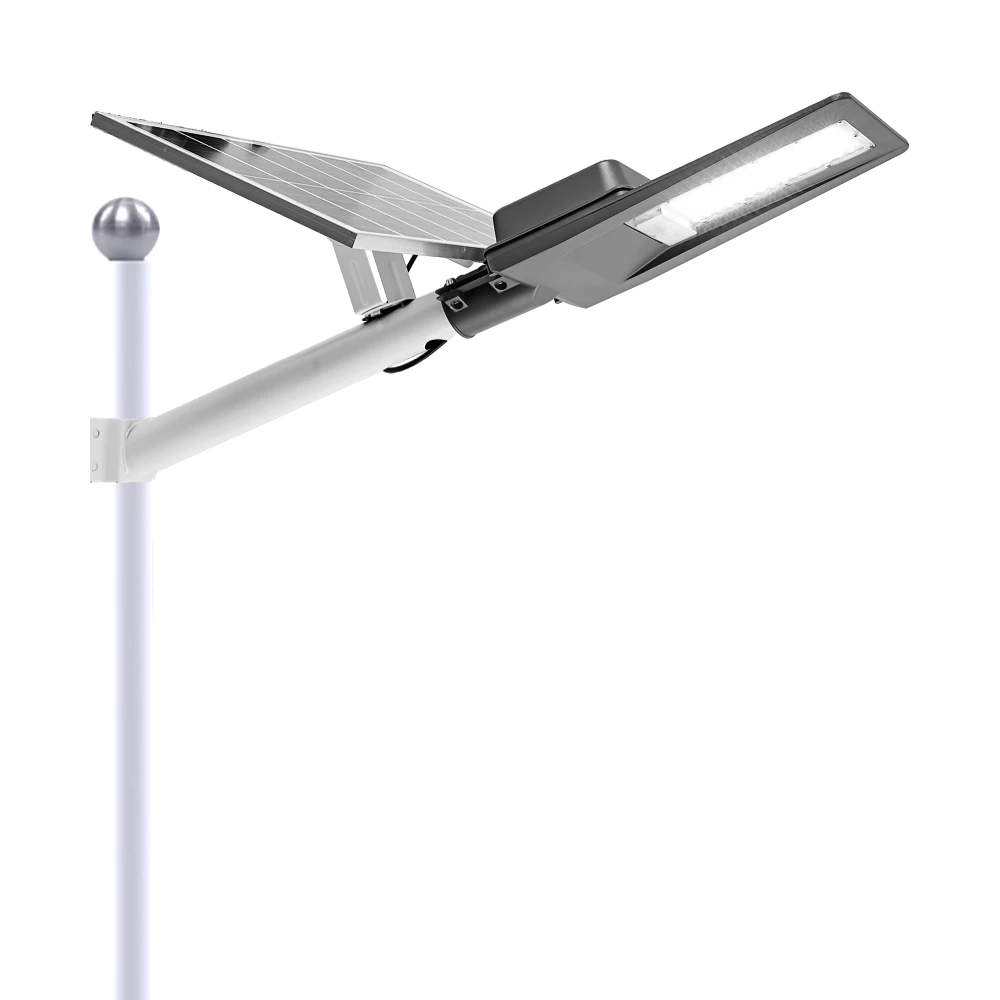
Experience reliable outdoor illumination with our smart solar street light, a perfect combination of advanced technology and eco-conscious design.
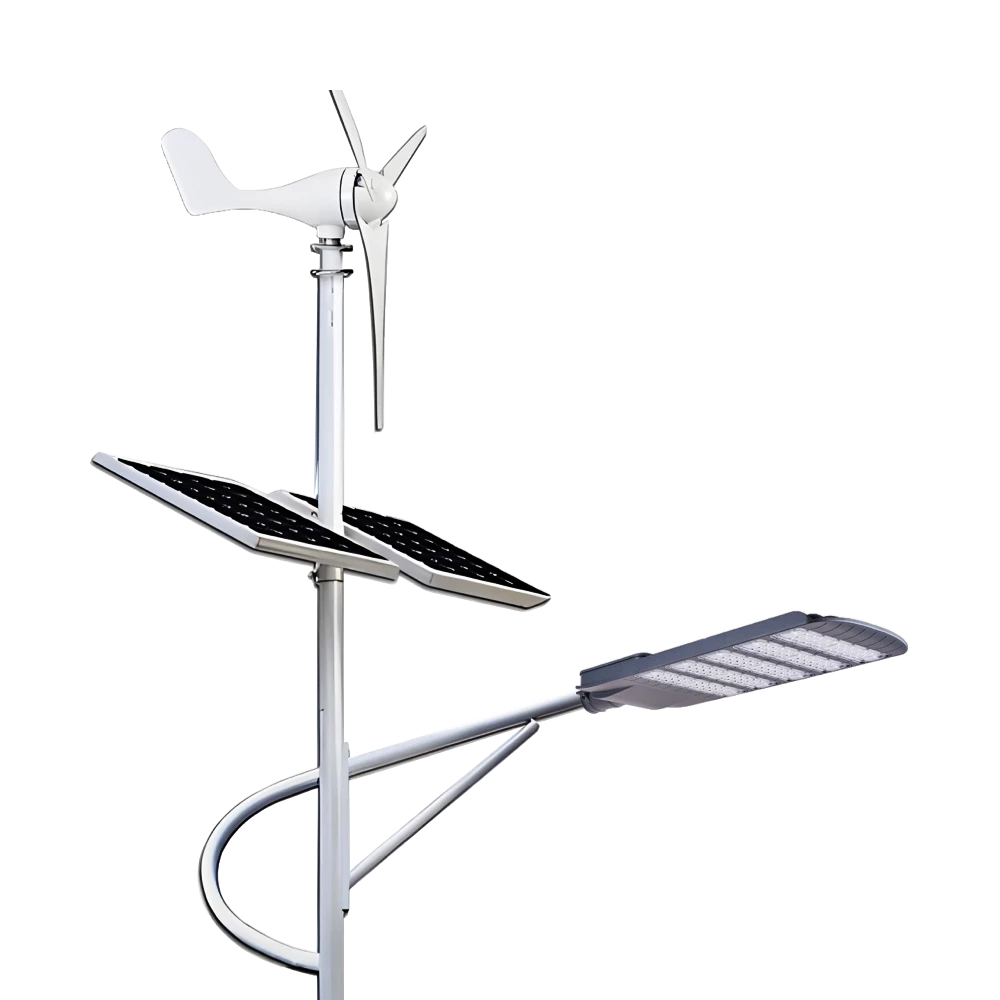
Queneng Lufeng Wind Energy LED Outdoor Solar Street Lights offer high-performance, eco-friendly illumination. These energy-efficient LED street lights harness solar power and wind energy for sustainable, cost-effective outdoor lighting solutions.
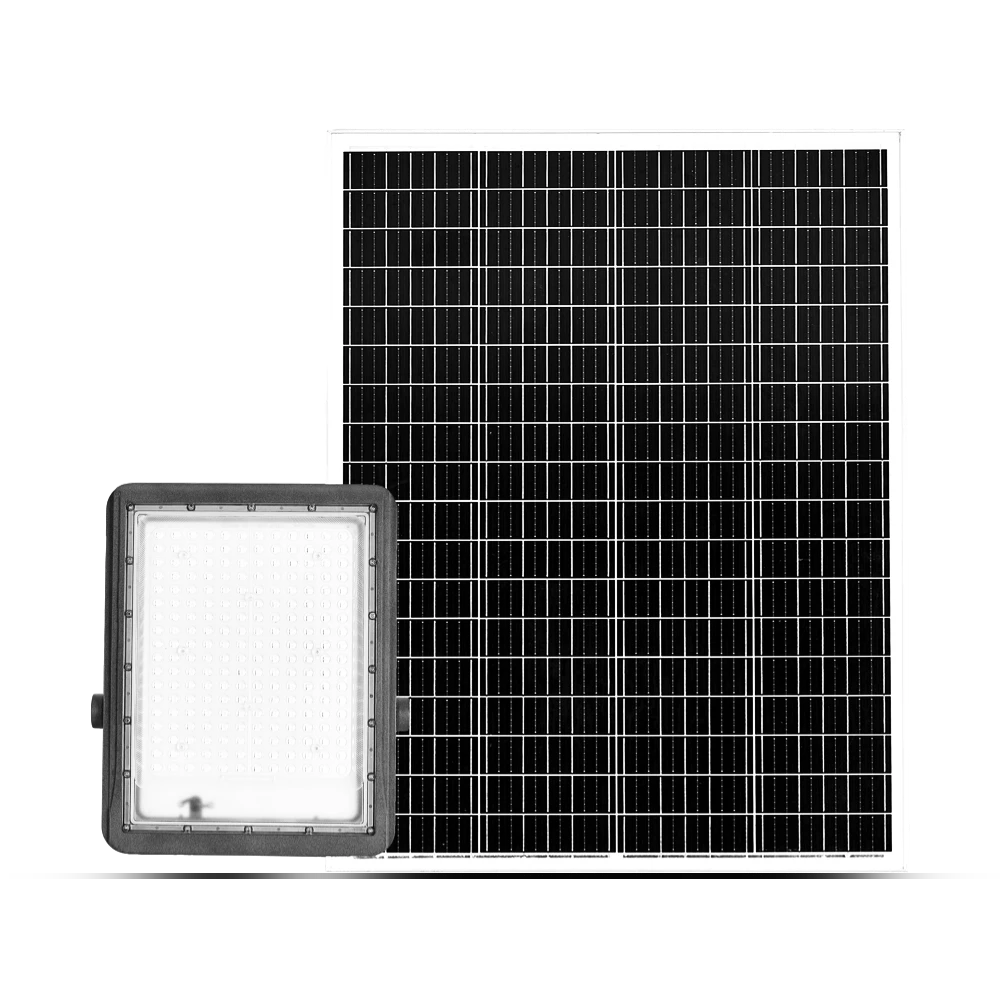
Queneng's Luxian Reliable Solar Street Light offers energy-saving LED lighting for outdoor use. This durable, solar-powered street light provides reliable illumination, reducing energy costs and environmental impact. A perfect solution for sustainable outdoor lighting.
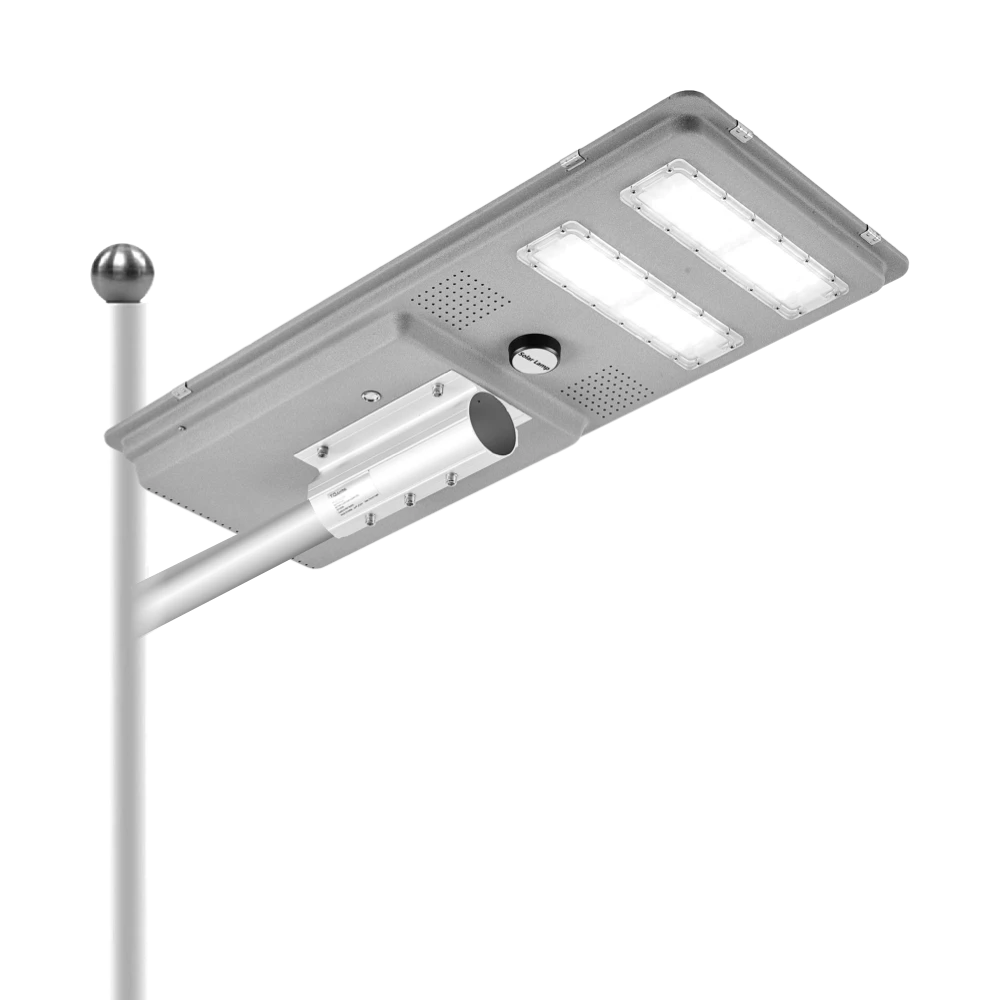
Queneng’s Solar Street Lights are designed to provide reliable, energy-efficient lighting for streets, parks, and other outdoor spaces.
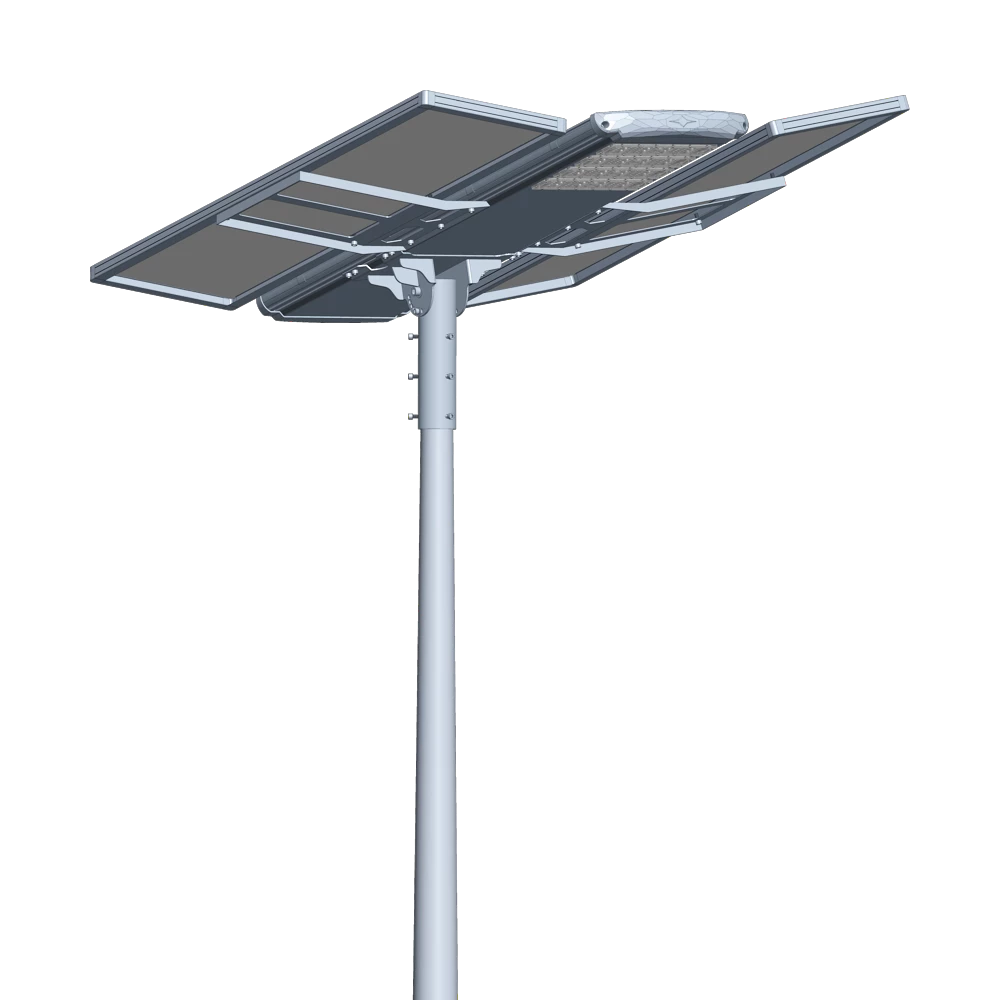
Introducing the Luqing Solar Street Light by Queneng, Efficient LED lighting powered by solar energy is perfect for illuminating outdoor areas. Harness the power of solar energy for sustainable, reliable street lighting. Ideal for eco-friendly, cost-effective outdoor illumination solutions.
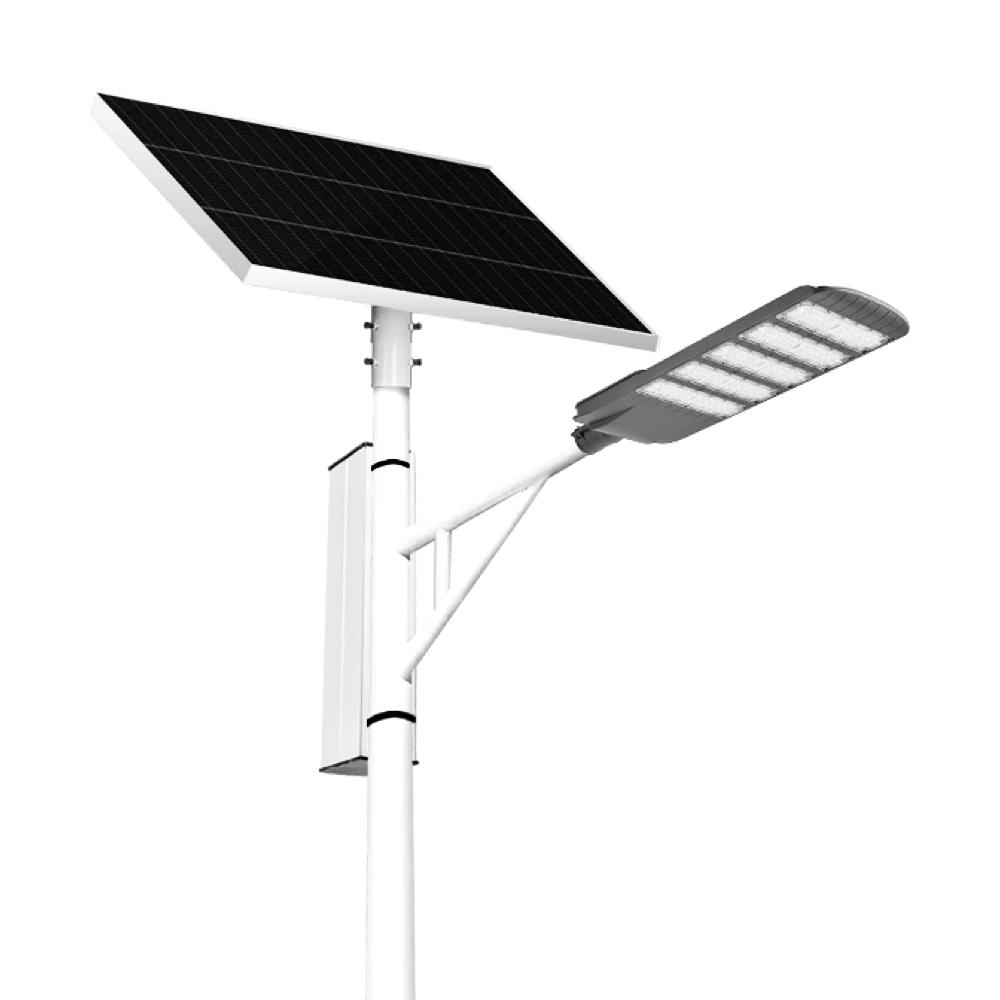
The Solar Streetlights of Luhao for Municipalities are designed to deliver reliable, energy-efficient, and cost-effective public lighting solutions. Equipped with advanced LED technology, durable lithium batteries, and high-efficiency solar panels, these streetlights provide consistent illumination for roads, parks, residential areas, and government projects.
If you would like more information about Queneng solar lighting solutions, please send us a message by filling out the form below. Our professional team will get back to you within 24 hours!
Rest assured that your privacy is important to us, and all information provided will be handled with the utmost confidentiality.
Schedule a Meeting
Book a date and time that is convenient for you and conduct the session in advance.
Have more questions about our products or services?
The messenger of light & power conversion
Environmental protection and intelligent manufacturing are our brand philosophy, and quality assurance and the best user experience are our eternal promises to users.
CONTACT
No.9F, Building F, Cao San Xin Tian Hong Logistics Park, Guzhen Town, Zhongshan City, Guangdong Province, China.
or write [email protected]
WhatsApp: +86 136 2270 1011


