

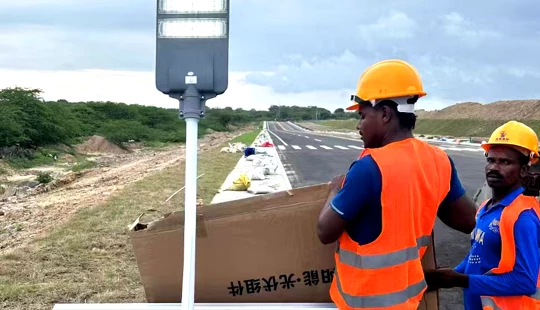
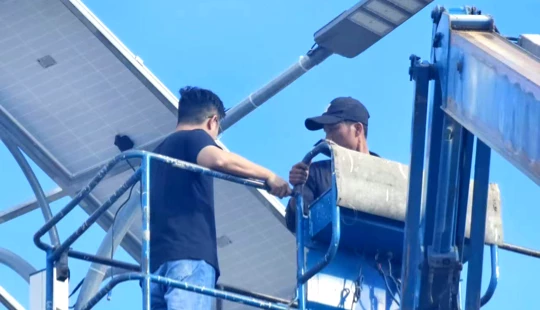













how to choose commercial solar street light provider | Queneng Guide
How to Choose a Commercial Solar Street Light Provider
Selecting the right commercial solar street light provider is crucial for project success. This guide helps professionals navigate the selection process, addressing common pain points like unreliable performance, high costs, and inadequate support. We’ll cover key factors to ensure a smooth installation and long-term operational efficiency.
Understanding Your Needs
Before contacting providers, define your project scope. This includes:
* Lighting Requirements: Lumen output, color temperature, and desired illumination levels for specific areas. Consider pedestrian walkways versus roadways.
* Site Assessment: Conduct a thorough site survey noting location, sun exposure, existing infrastructure, and potential obstructions. This informs pole height and solar panel placement.
* Budget: Establish a realistic budget encompassing initial investment, installation costs, and ongoing maintenance. Factor in potential incentives or rebates.
Evaluating Potential Commercial Solar Street Light Providers
Once you've defined your requirements, focus on these crucial provider aspects:
* Experience and Reputation: Seek providers with proven track records, verifiable case studies, and positive client reviews. Look for specialization in commercial solar lighting projects.
* Product Quality and Warranty: Investigate the specifications of the solar lights themselves. Pay attention to component quality (solar panels, batteries, LEDs), warranties offered, and expected lifespan. Look for certifications like UL or ETL.
* Technical Expertise and Support: Ensure the provider offers comprehensive design assistance, installation support, and post-installation maintenance and technical support.
* Project Management Capabilities: A strong project manager ensures efficient project execution, timely completion, and proactive communication throughout the process.
* Pricing and Payment Terms: Obtain detailed quotes that clearly outline all costs, including equipment, installation, and any additional services. Compare pricing fairly and consider long-term cost of ownership.
Due Diligence and Selection
Thorough due diligence is paramount. This includes:
* References: Request references from previous clients and contact them to gather firsthand accounts of their experiences.
* Insurance and Licensing: Verify the provider’s insurance coverage and relevant licenses to ensure legal compliance.
* Contract Review: Carefully examine the contract terms, including warranties, payment schedules, and service level agreements.
By following these steps, you can confidently choose a commercial solar street light provider who will deliver a successful and cost-effective project. Remember, the right partner ensures a long-lasting, efficient, and reliable lighting solution.

Have more questions about our products or services?
The latest hot news you might like

Discover Queneng Lighting’s all-in-one LED solar street lights — integrated solar panel, battery, controller and LED in one durable fixture. Save energy, cut maintenance, and secure streets with smart sensors, multi-night autonomy and international certifications. Contact sales for quotes and support.

Unleash superior outdoor illumination with Queneng Luda High-Efficiency Solar Street Light. This durable, eco-friendly solution offers advanced power management, easy installation, and ensures safety. Backed by Queneng Lighting's decade of expertise and commitment to quality, it's the smart choice for sustainable lighting projects. Learn why we're a leading solar solutions provider.

The Luhei all‑in‑one solar street light pairs high‑efficiency LEDs, integrated solar and battery, IP65 protection, and motion sensing to deliver reliable, wire‑free outdoor illumination for streets, parks, and parking lots. Backed by Queneng Lighting’s certifications and support.

FAQ
Solar Street Light Luan
How are Luan solar street lights installed?
Luan solar street lights are designed for easy installation. They come with all necessary mounting hardware and can be set up without the need for electrical connections. Most installations take just a few hours and can be done with basic tools, making them a great solution for DIY projects.
Battery and Analysis
What are the characteristics of rechargeable portable batteries?
There are rechargeable portable batteries in different electrochemical types, such as lead-acid type (2V/unit), nickel-cadmium type (1.2V/unit), nickel-hydrogen type (1.2V/unit), lithium-ion battery (3.6V/unit) ), the typical characteristic of these types of batteries is that they have a relatively constant discharge voltage (there is a voltage platform during discharge), and the voltage decays quickly at the beginning and end of discharge.
What are the main factors that affect battery life?
When selecting a charger, it is best to use a charger with proper termination devices (e.g., anti-overcharge time device, negative voltage difference (-dV) cut-off charging, and anti-overheating sensing device) to avoid shortening the service life of the battery due to overcharging. Generally speaking, slow charging can prolong the service life of the battery more than fast charging.
2. Discharge:
a.The depth of discharge is the main factor affecting the life of the battery, the higher the depth of discharge, the shorter the life of the battery. In other words, by reducing the depth of discharge, the life of the battery can be greatly extended. Therefore, we should avoid over-discharging the battery to a very low voltage.
b. When batteries are discharged at high temperatures, the life of the battery will be shortened.
c. If an electronic device is designed in such a way that all current cannot be completely stopped, and if the device is left unused for a long period of time without the batteries being removed, the residual current may sometimes cause the batteries to be over-consumed, resulting in over-discharge of the batteries.
d. Mixing batteries of different capacities, chemical structures, or charge levels, as well as old and new batteries, can also cause excessive battery discharge, or even reverse charging.
3. Storage:
Prolonged storage of batteries at high temperatures will reduce their electrode activity and shorten their service life.
Remote Areas Rural Development
What happens if a component of the solar lighting system fails?
Most systems have modular designs, so individual components like batteries or LED lights can be replaced without affecting the entire setup.
Solar Street Light Lufei
How long does it take to install a solar street light?
Installation typically takes 1-2 hours, depending on the complexity of the setup. No external wiring is required, which makes installation faster and simpler compared to traditional street lighting.
Battery fundamentals and basic terms
What is nominal voltage?
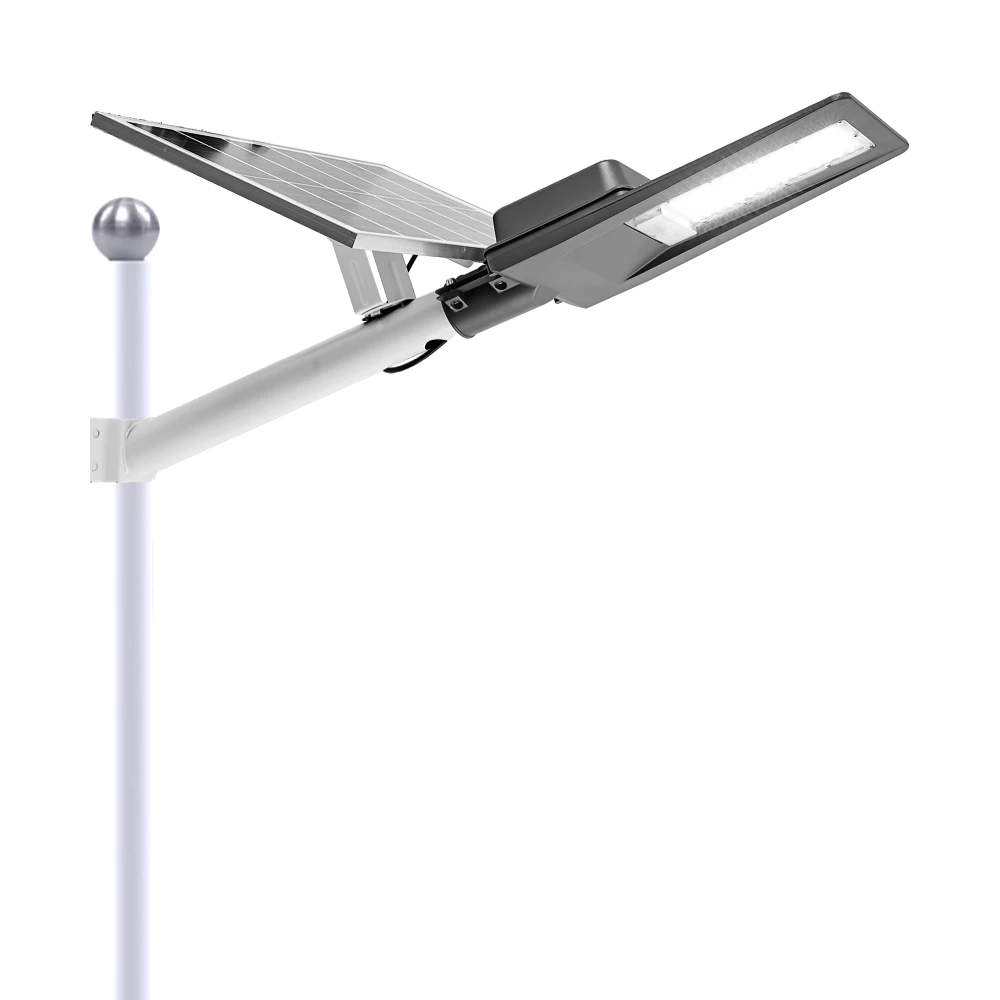
Experience reliable outdoor illumination with our smart solar street light, a perfect combination of advanced technology and eco-conscious design.
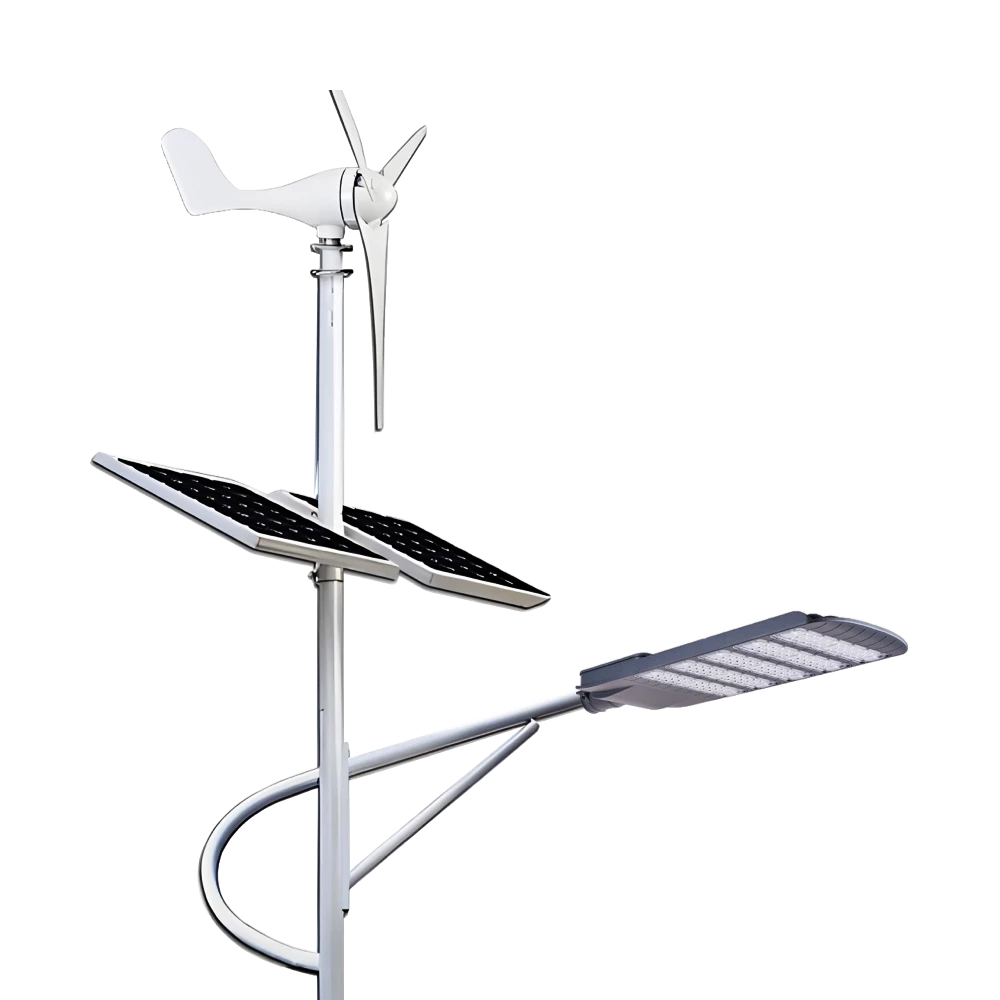
Queneng Lufeng Wind Energy LED Outdoor Solar Street Lights offer high-performance, eco-friendly illumination. These energy-efficient LED street lights harness solar power and wind energy for sustainable, cost-effective outdoor lighting solutions.
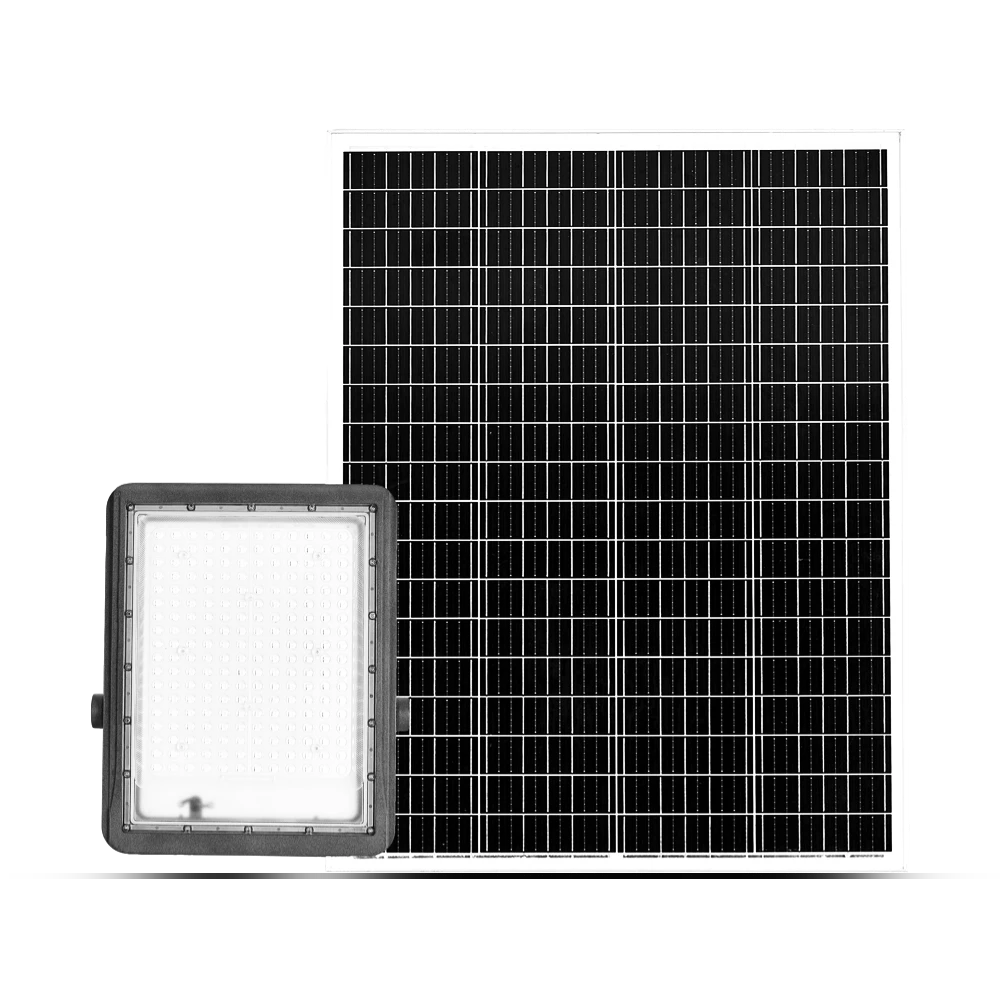
Queneng's Luxian Reliable Solar Street Light offers energy-saving LED lighting for outdoor use. This durable, solar-powered street light provides reliable illumination, reducing energy costs and environmental impact. A perfect solution for sustainable outdoor lighting.
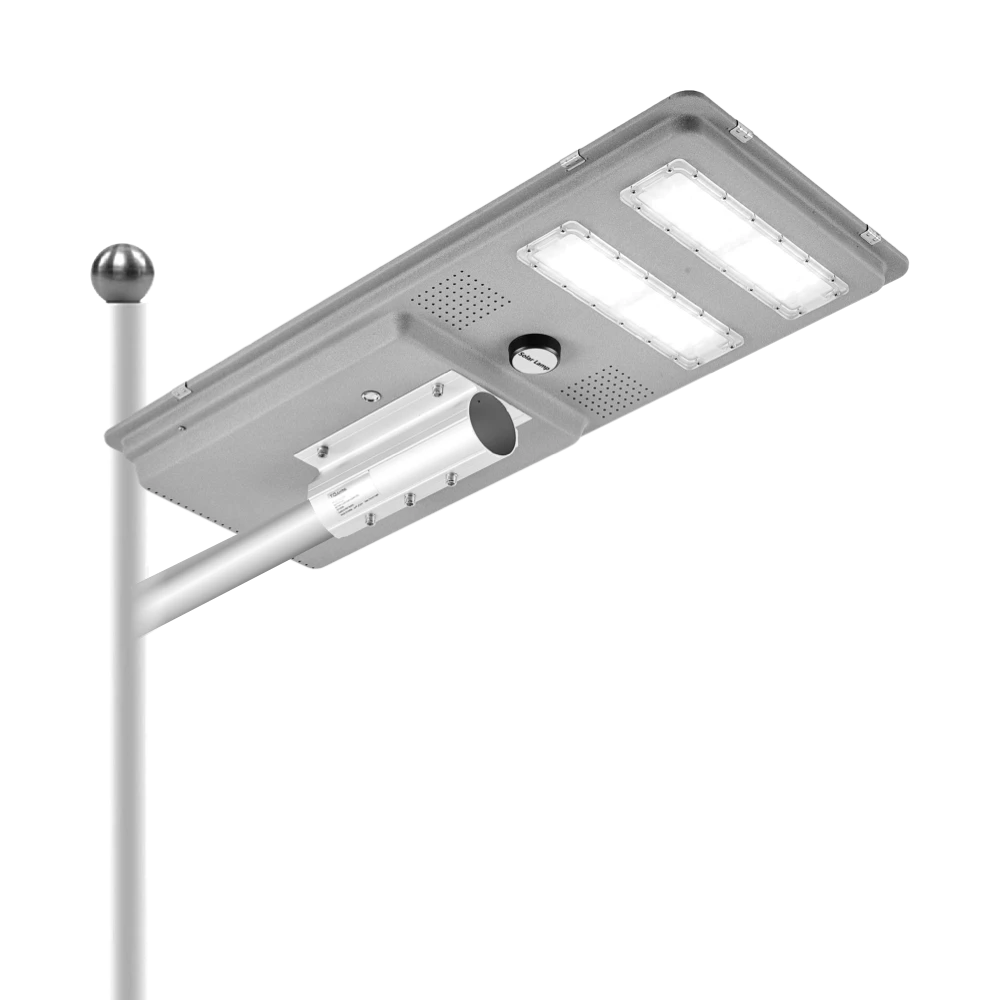
Queneng’s Solar Street Lights are designed to provide reliable, energy-efficient lighting for streets, parks, and other outdoor spaces.
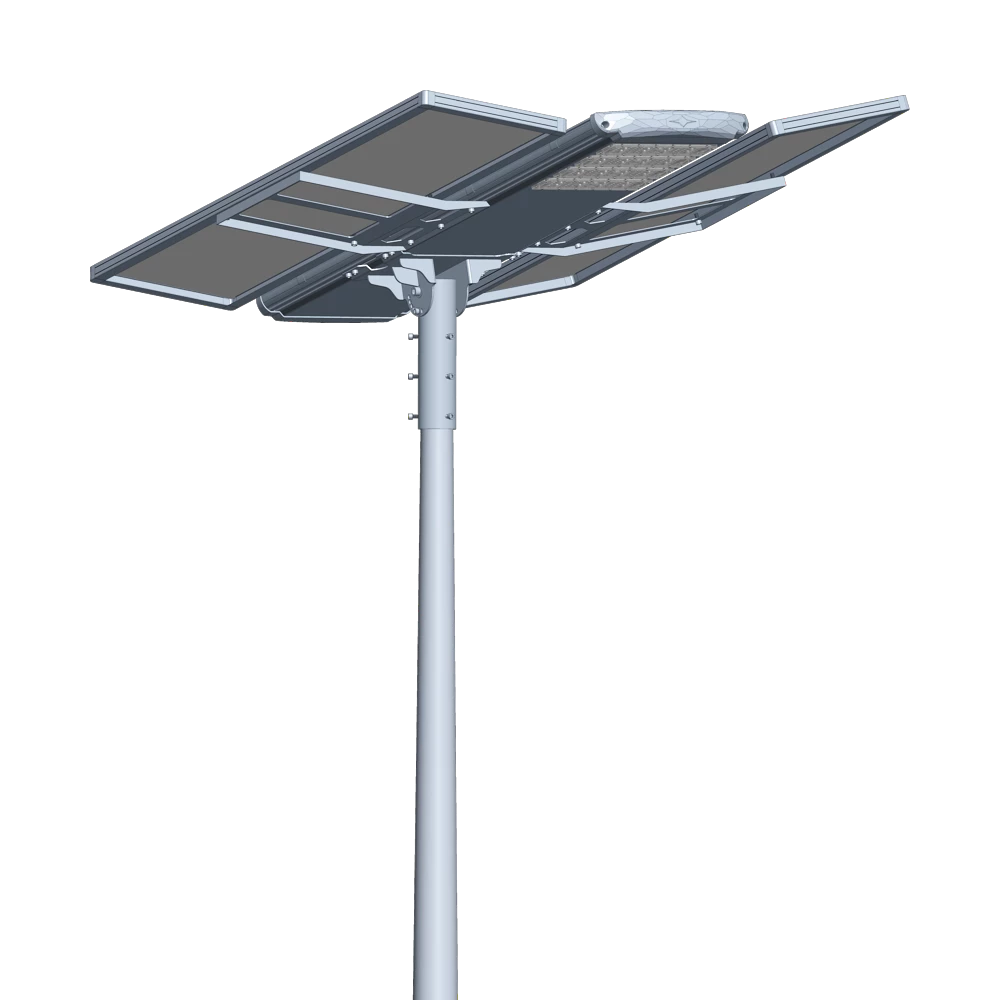
Introducing the Luqing Solar Street Light by Queneng, Efficient LED lighting powered by solar energy is perfect for illuminating outdoor areas. Harness the power of solar energy for sustainable, reliable street lighting. Ideal for eco-friendly, cost-effective outdoor illumination solutions.
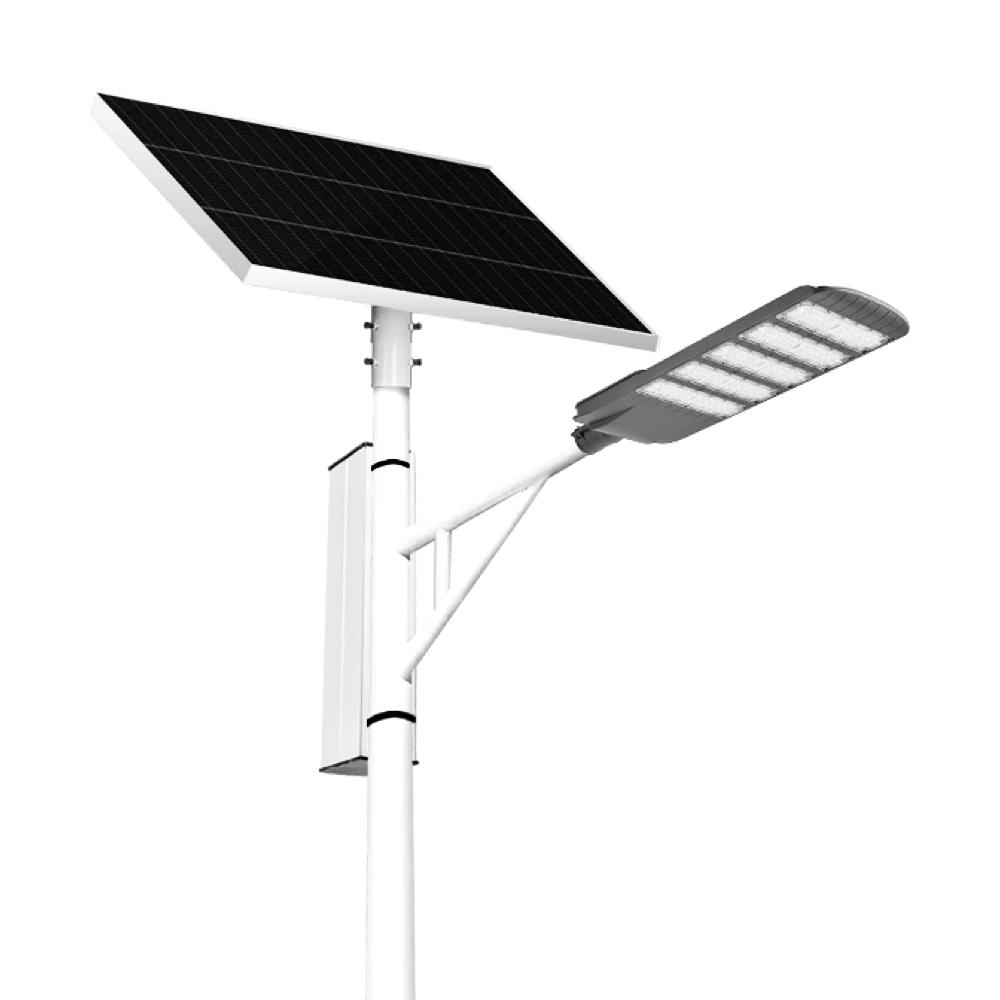
The Solar Streetlights of Luhao for Municipalities are designed to deliver reliable, energy-efficient, and cost-effective public lighting solutions. Equipped with advanced LED technology, durable lithium batteries, and high-efficiency solar panels, these streetlights provide consistent illumination for roads, parks, residential areas, and government projects.
If you would like more information about Queneng solar lighting solutions, please send us a message by filling out the form below. Our professional team will get back to you within 24 hours!
Rest assured that your privacy is important to us, and all information provided will be handled with the utmost confidentiality.
Schedule a Meeting
Book a date and time that is convenient for you and conduct the session in advance.
Have more questions about our products or services?
The messenger of light & power conversion
Environmental protection and intelligent manufacturing are our brand philosophy, and quality assurance and the best user experience are our eternal promises to users.
CONTACT
No.9F, Building F, Cao San Xin Tian Hong Logistics Park, Guzhen Town, Zhongshan City, Guangdong Province, China.
or write [email protected]
WhatsApp: +86 136 2270 1011


