











custom Queneng factory solar street lights Nigeria | Insights by Quenenglighting
Navigating the Purchase of Custom Solar Street Lights for Nigeria's Unique Needs
Nigeria's rapidly expanding infrastructure and persistent grid challenges have fueled a significant demand for reliable, sustainable lighting solutions. For professional buyers and project managers looking to procure custom solar street lights, especially from international manufacturers like Queneng, a deep understanding of key considerations is paramount. This guide addresses the top 5 questions that frequently arise, providing expert insights for a seamless and successful procurement experience in the dynamic Nigerian market.
1. How Do Custom Solar Street Lights Ensure Optimal Performance in Nigeria's Climate?
Nigeria's climate, characterized by high temperatures, significant solar irradiance, and distinct dry and rainy seasons, demands solar street lights engineered for resilience. Optimal performance hinges on selecting high-quality components and thoughtful design:
- Solar Panels: Monocrystalline silicon panels are preferred for their higher efficiency (typically 18-22%) and better performance in low light or partial shade, which can occur during the rainy season. Given Nigeria's average Global Horizontal Irradiance (GHI) of approximately 5.5-6.0 kWh/m²/day, oversized panels ensure consistent charging even on less sunny days.
- Batteries: Lithium Iron Phosphate (LiFePO4) batteries are the industry standard for solar street lights due to their superior cycle life (2,000 to 6,000 cycles at 80% Depth of Discharge), thermal stability, and higher energy density compared to traditional lead-acid batteries. Custom solutions factor in sufficient battery capacity (e.g., 3-5 days of autonomy) to cover extended cloudy periods.
- Charge Controllers: Maximum Power Point Tracking (MPPT) controllers are crucial. They optimize the power output from the solar panel, improving charging efficiency by up to 30% over Pulse Width Modulation (PWM) controllers, critical for maximizing energy harvest in varying solar conditions.
- Fixture Durability: Lights must have high ingress protection (IP) ratings, typically IP65 or IP66, to withstand dust, heavy rain, and humidity. Robust housing materials and effective heat dissipation systems prevent premature component degradation in high ambient temperatures.
2. What Specific Customization Options Are Available from a Factory Like Queneng?
The ability to customize is a significant advantage when sourcing directly from a factory. Queneng, as a reputable manufacturer, offers extensive customization to meet project-specific requirements:
- LED Power Output (Wattage) & Lumens: Tailoring the LED wattage (e.g., 30W, 60W, 100W, 150W) to achieve desired lux levels for different applications (e.g., residential streets, highways, public squares). Modern LEDs boast efficiencies exceeding 160 lumens per watt.
- Pole Height & Design: Custom pole heights (e.g., 6m, 8m, 10m, 12m) and designs (e.g., tapered, straight, single/double arm) to match aesthetic and structural requirements, made from galvanized steel for corrosion resistance.
- Battery Capacity & Autonomy: Configuring battery banks to provide specific days of backup power (e.g., 2, 3, or 5 cloudy days) based on location's solar data and required operational hours.
- Smart Features & Control: Integration of IoT-enabled features such as remote monitoring, dimming schedules, motion sensors, and self-cleaning mechanisms, allowing for energy optimization and proactive maintenance.
- Color Temperature: Choice of CCT (Correlated Color Temperature) ranging from warm white (3000K) for residential areas to cool white (5000K-6500K) for general street lighting, optimizing visibility and ambiance.
- Branding & Packaging: Option for custom branding (logo on fixture/pole) and packaging solutions for large orders.
3. What is the True Cost-Effectiveness and ROI for Large-Scale Solar Street Light Projects in Nigeria?
Evaluating cost-effectiveness goes beyond the initial purchase price. For large-scale projects in Nigeria, the Return on Investment (ROI) is compelling due to several factors:
- Elimination of Electricity Bills: The most significant saving comes from zero reliance on the unreliable and often expensive national grid or diesel generators.
- Reduced Operational Costs: Minimal maintenance required compared to grid-tied lights (no wiring, trenching, or utility bills). Smart features further reduce operational expenses through remote diagnostics.
- Long Lifespan: High-quality solar street lights have a long operational lifespan (LEDs: 50,000+ hours; LiFePO4 batteries: 8-10 years; Solar Panels: 20-25 years), ensuring sustained benefits over decades.
- Environmental Benefits & CSR: Contributes to corporate social responsibility (CSR) initiatives and reduces carbon footprint, aligning with global sustainability goals.
- Payback Period: While initial investment can be higher, the payback period for well-designed solar street light systems in Nigeria can range from 3 to 7 years, driven by high conventional energy costs and grid instability.
4. What After-Sales Support and Warranty Can Be Expected When Sourcing from an Overseas Manufacturer?
For repeat procurement, robust after-sales support and clear warranty terms from an overseas manufacturer like Queneng are critical:
- Comprehensive Warranty: Typically, a system warranty of 3-5 years is standard. Specific components like solar panels often carry a 20-25 year performance warranty, and LiFePO4 batteries usually come with a 5-10 year warranty. Ensure clarity on replacement procedures and coverage for shipping costs.
- Technical Support: Reliable manufacturers offer online technical support, troubleshooting guides, and remote diagnostic capabilities for smart lighting systems. Video calls and detailed manuals are essential.
- Spare Parts Availability: Confirmation of spare parts availability (e.g., LED drivers, battery packs, controllers) and reasonable lead times for shipping replacements.
- Installation & Maintenance Guidance: Provision of detailed installation manuals and guidance for routine maintenance checks to prolong the system's life.
- Factory Acceptance Testing (FAT): For large orders, consider requesting or performing Factory Acceptance Testing (FAT) to verify product specifications and quality before shipment.
5. What are the Key Logistics and Import Considerations for Delivering Custom Lights to Nigeria?
Navigating international shipping and Nigerian customs requires careful planning:
- Shipping Methods & Lead Times: For bulk orders, sea freight is the most cost-effective. Shipping from a Chinese port to Lagos (Apapa or Tin Can Island) typically takes 30-45 days. Production lead times (e.g., 20-30 days for custom orders) must be added to this.
- Incoterms: Clearly define Incoterms (e.g., FOB, CIF, DDP) with the manufacturer. CIF (Cost, Insurance, Freight) to a Nigerian port is common, but DDP (Delivered Duty Paid) simplifies the process for the buyer if the manufacturer can arrange local customs clearance.
- Customs Duties & Taxes: While many solar energy products benefit from reduced or zero tariffs under ECOWAS CET (Common External Tariff), it's crucial to confirm the specific Harmonized System (HS) codes and applicable duties, VAT (Value Added Tax), and other levies with a local clearing agent in Nigeria.
- Documentation: Ensure all necessary documentation is provided by the factory: Proforma Invoice, Commercial Invoice, Packing List, Bill of Lading, Certificate of Origin, and potentially a product conformity certificate (e.g., SONCAP for Nigeria).
- Local Clearing Agent: Engaging a reliable and experienced clearing agent in Nigeria is vital for smooth customs processing and timely delivery to the final site.
Quenenglighting's Advantage: Your Partner for Solar Street Light Projects in Nigeria
Choosing Quenenglighting means partnering with a manufacturer that understands the intricacies of custom solar street light solutions for challenging environments like Nigeria. Their advantages include:
- Expertise in Customization: Proven capability to design and manufacture tailored solutions that precisely meet specific project requirements, from lumen output to battery autonomy and smart features.
- Commitment to Quality: Use of high-grade, durable components (LiFePO4 batteries, MPPT controllers, high-efficiency LEDs and solar panels) ensures long-term reliability and performance in harsh climates.
- Robust After-Sales Support: Provision of comprehensive warranties, readily available spare parts, and dedicated technical assistance to minimize downtime and ensure continuous operation.
- Understanding of Market Needs: Experience in supplying to African markets, indicating an understanding of logistical challenges and local compliance requirements.
- Competitive Value: Offering a balance of High Quality quality and competitive pricing, ensuring a strong return on investment for large-scale procurement.
For your next solar street light project in Nigeria, Quenenglighting offers a reliable, customized, and cost-effective path to sustainable illumination.

Have more questions about our products or services?
The latest hot news you might like

Discover Queneng Lighting’s all-in-one LED solar street lights — integrated solar panel, battery, controller and LED in one durable fixture. Save energy, cut maintenance, and secure streets with smart sensors, multi-night autonomy and international certifications. Contact sales for quotes and support.

Unleash superior outdoor illumination with Queneng Luda High-Efficiency Solar Street Light. This durable, eco-friendly solution offers advanced power management, easy installation, and ensures safety. Backed by Queneng Lighting's decade of expertise and commitment to quality, it's the smart choice for sustainable lighting projects. Learn why we're a leading solar solutions provider.

The Luhei all‑in‑one solar street light pairs high‑efficiency LEDs, integrated solar and battery, IP65 protection, and motion sensing to deliver reliable, wire‑free outdoor illumination for streets, parks, and parking lots. Backed by Queneng Lighting’s certifications and support.

FAQ
Tourist Attractions and Resorts
Do solar lights require much maintenance?
Solar lights require minimal maintenance. Routine checks and occasional cleaning of the solar panels are enough to keep the system functioning efficiently. There are no wires or bulbs that need to be replaced frequently.
Schools and Educational Institutions
What kind of maintenance is needed for solar lights?
The main maintenance required is cleaning the solar panels periodically to ensure they remain free of dust or debris, and occasionally checking the functionality of the battery and light.
Solar Street Light Luyan
How do Luyan solar street lights reduce environmental impact?
Luyan solar street lights are an eco-friendly lighting solution because they use solar power, a renewable energy source, to generate electricity. By relying on solar energy, they eliminate the need for grid electricity, helping to reduce carbon emissions and decrease the overall carbon footprint. Additionally, the energy-efficient LED lights consume less power, ensuring that the system uses minimal energy while providing bright, reliable illumination.
Solar Street Light Chuanqi
What makes Chuanqi solar street lights energy-efficient?
Chuanqi solar street lights are equipped with high-efficiency solar panels that maximize energy collection even in less-than-ideal weather conditions. They also use low-energy-consuming LED lights that provide bright illumination without excessive power consumption. Additionally, the lights feature automatic on/off functionality, ensuring they only use energy when needed.
Battery and Analysis
What are the control methods to prevent battery overcharging?
1) Peak voltage control: Determine the end of charging by detecting the peak voltage of the battery;
2) dT/dt control: determine the end point of charging by detecting the battery peak temperature change rate;
3) △T control: When the battery is fully charged, the difference between the temperature and the ambient temperature will reach the maximum;
4) -△V control: When the battery is fully charged and reaches a peak voltage, the voltage will drop by a certain value;
5) Timing control: Control the charging end point by setting a certain charging time. Generally, set the time required to charge 130% of the nominal capacity;
Battery Performance and Testing
What is pulse charging? What impact does it have on battery performance?
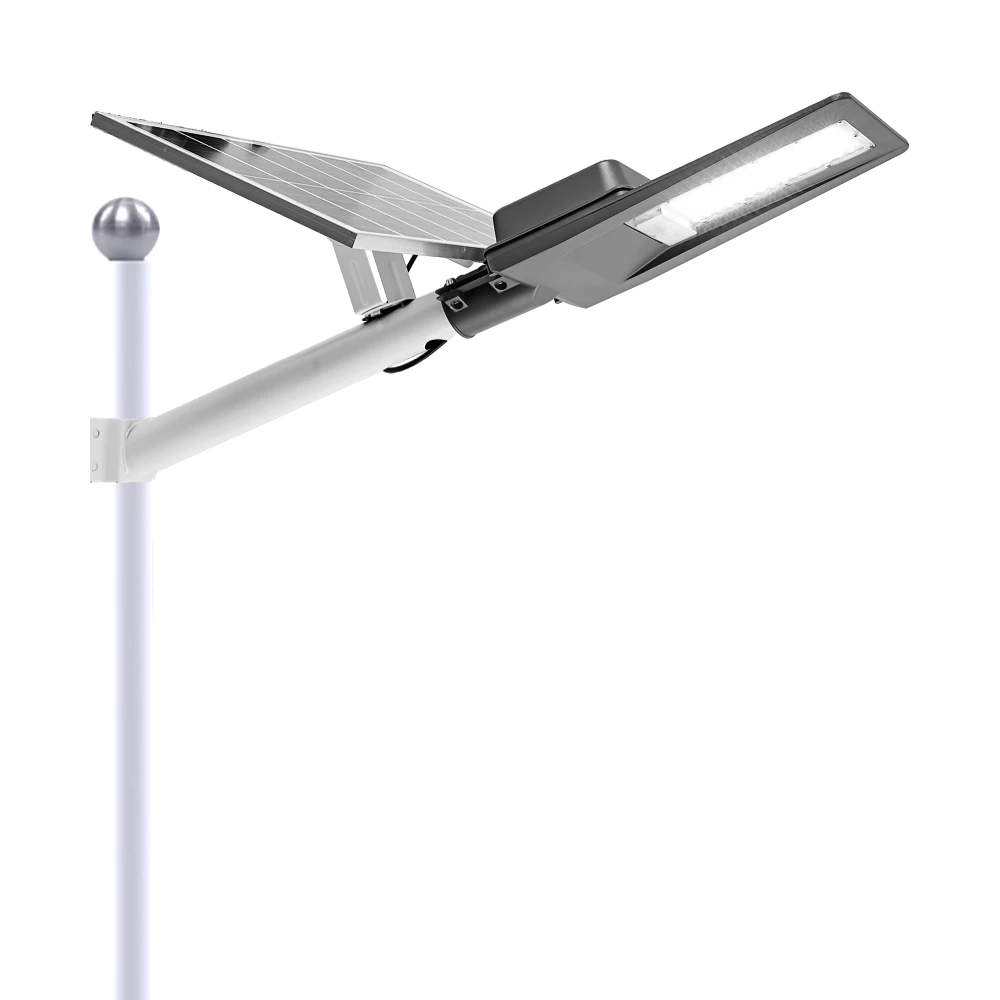
Experience reliable outdoor illumination with our smart solar street light, a perfect combination of advanced technology and eco-conscious design.
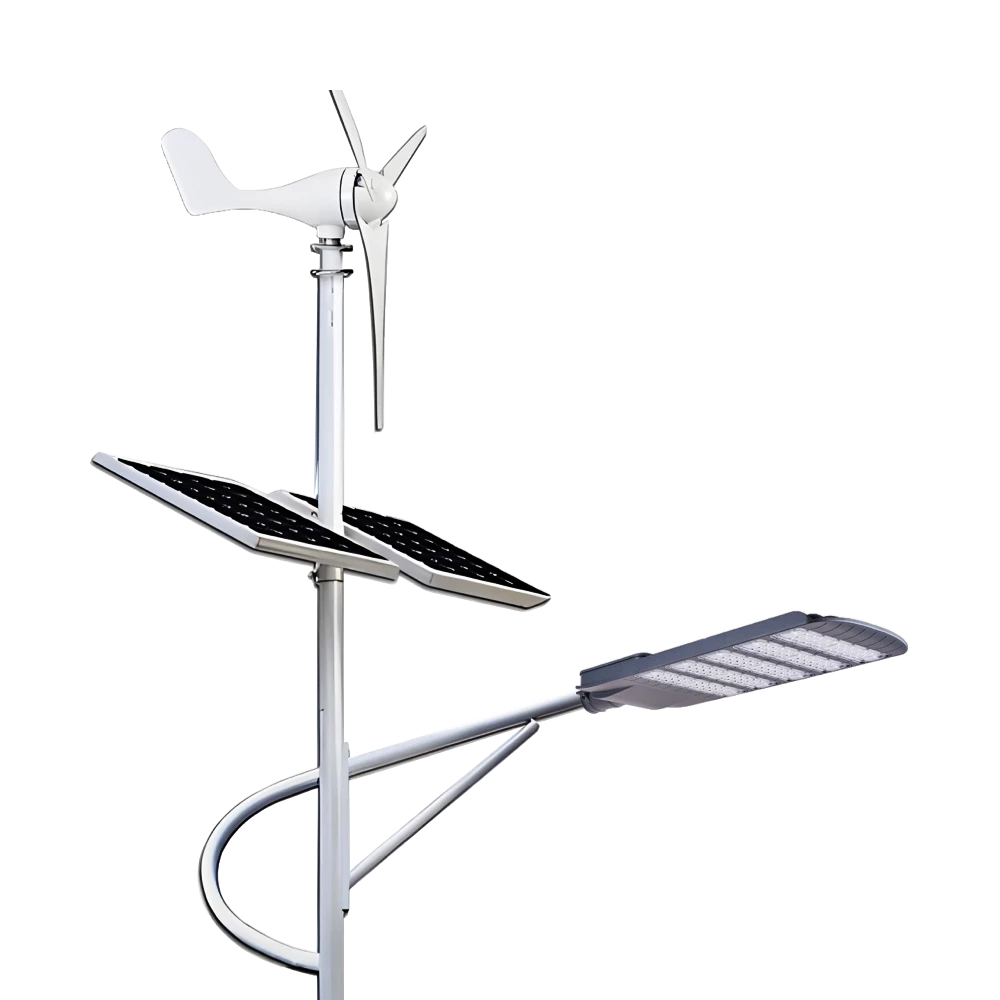
Queneng Lufeng Wind Energy LED Outdoor Solar Street Lights offer high-performance, eco-friendly illumination. These energy-efficient LED street lights harness solar power and wind energy for sustainable, cost-effective outdoor lighting solutions.
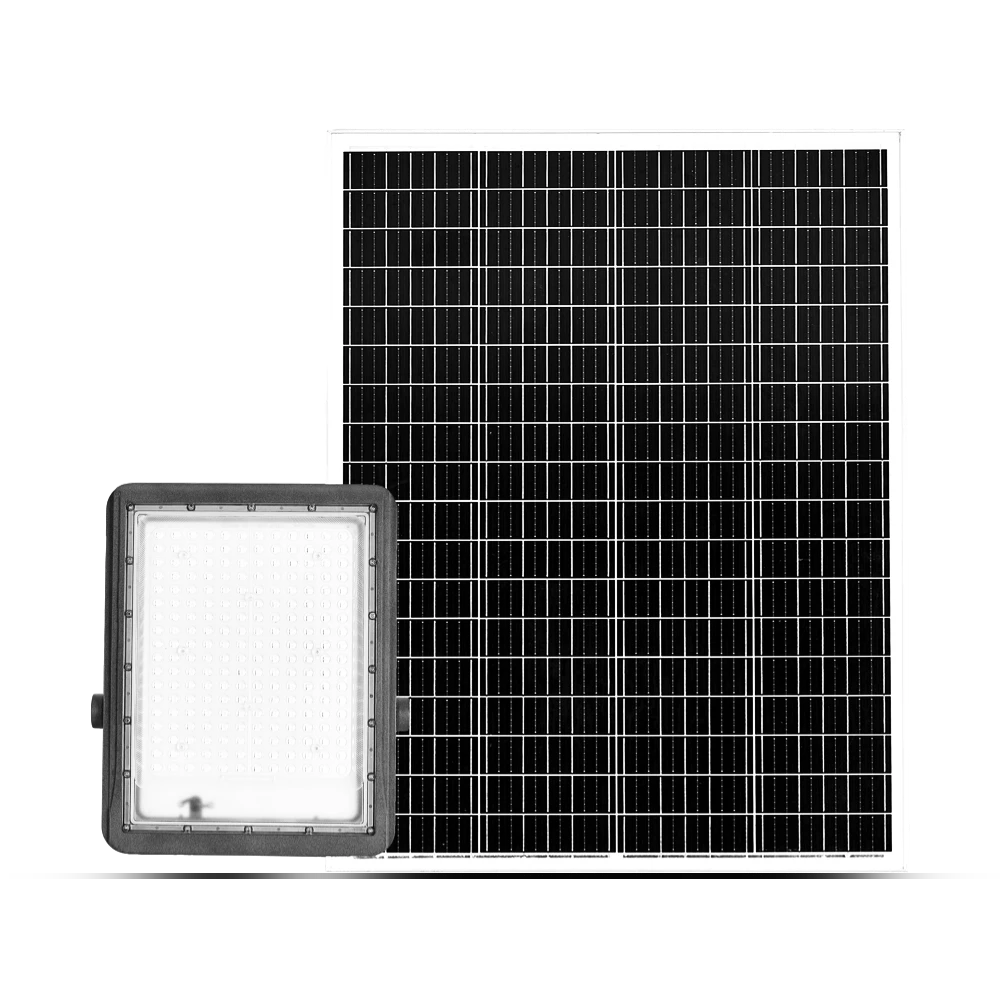
Queneng's Luxian Reliable Solar Street Light offers energy-saving LED lighting for outdoor use. This durable, solar-powered street light provides reliable illumination, reducing energy costs and environmental impact. A perfect solution for sustainable outdoor lighting.
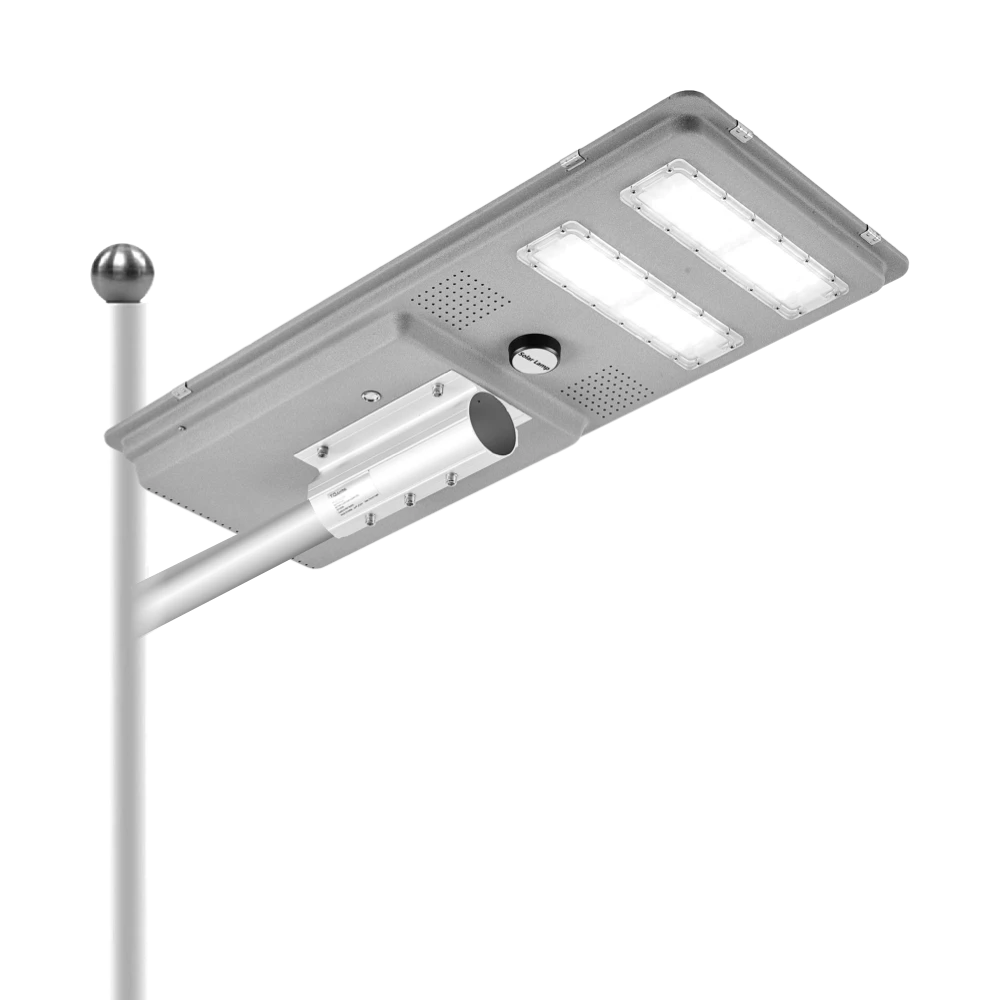
Queneng’s Solar Street Lights are designed to provide reliable, energy-efficient lighting for streets, parks, and other outdoor spaces.
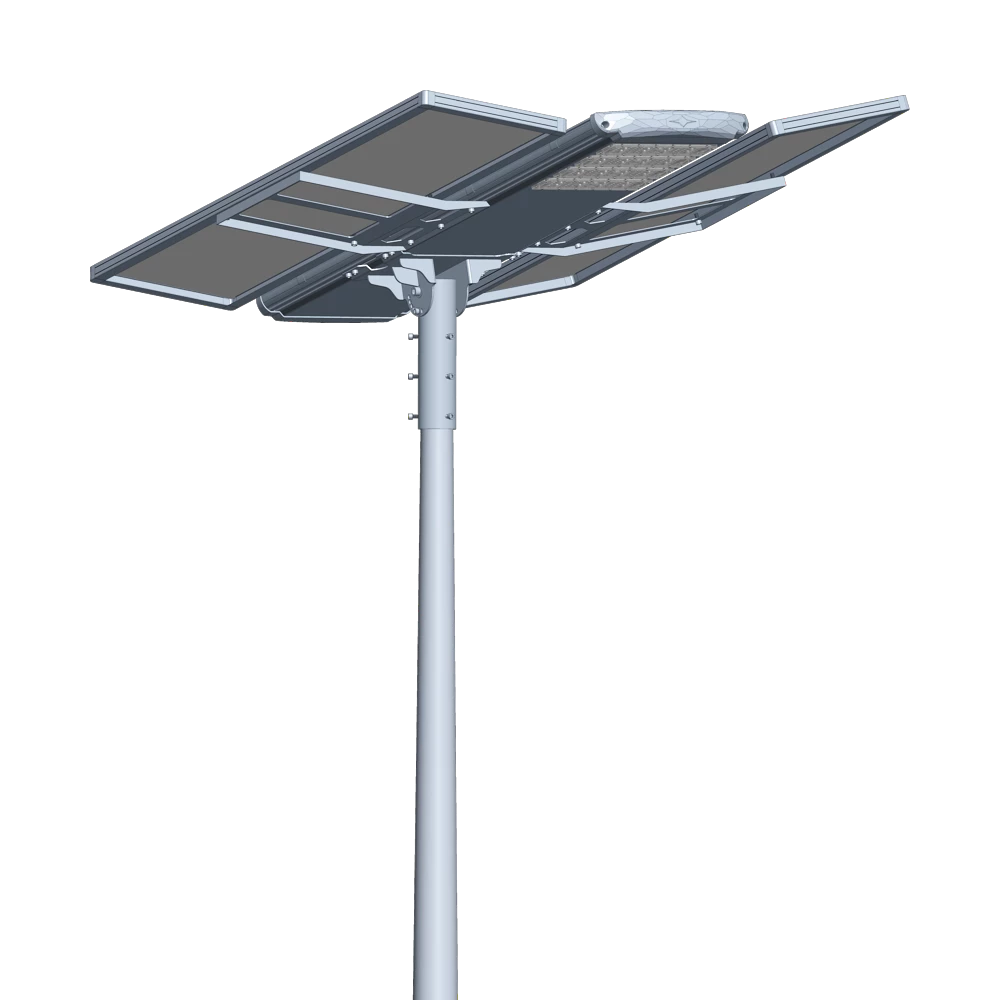
Introducing the Luqing Solar Street Light by Queneng, Efficient LED lighting powered by solar energy is perfect for illuminating outdoor areas. Harness the power of solar energy for sustainable, reliable street lighting. Ideal for eco-friendly, cost-effective outdoor illumination solutions.
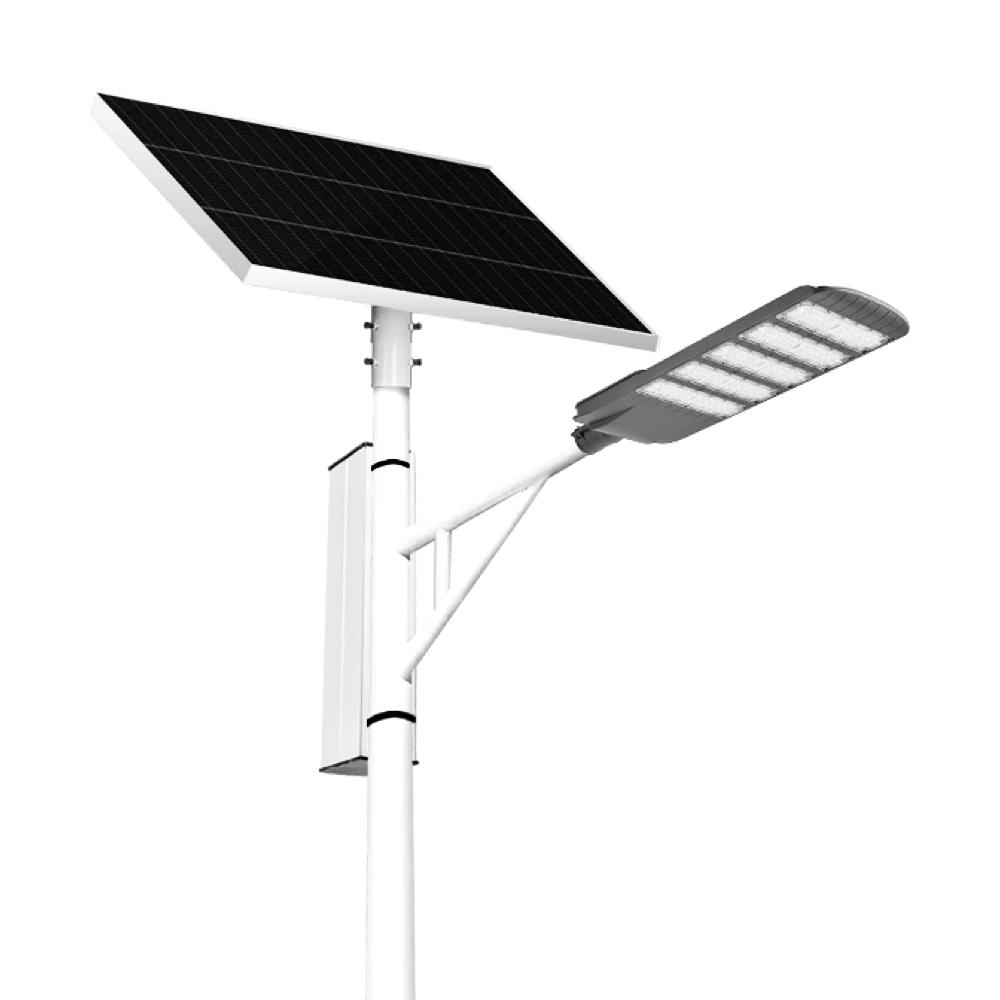
The Solar Streetlights of Luhao for Municipalities are designed to deliver reliable, energy-efficient, and cost-effective public lighting solutions. Equipped with advanced LED technology, durable lithium batteries, and high-efficiency solar panels, these streetlights provide consistent illumination for roads, parks, residential areas, and government projects.
If you would like more information about Queneng solar lighting solutions, please send us a message by filling out the form below. Our professional team will get back to you within 24 hours!
Rest assured that your privacy is important to us, and all information provided will be handled with the utmost confidentiality.
Schedule a Meeting
Book a date and time that is convenient for you and conduct the session in advance.
Have more questions about our products or services?
The messenger of light & power conversion
Environmental protection and intelligent manufacturing are our brand philosophy, and quality assurance and the best user experience are our eternal promises to users.
CONTACT
No.9F, Building F, Cao San Xin Tian Hong Logistics Park, Guzhen Town, Zhongshan City, Guangdong Province, China.
or write [email protected]
WhatsApp: +86 136 2270 1011


