

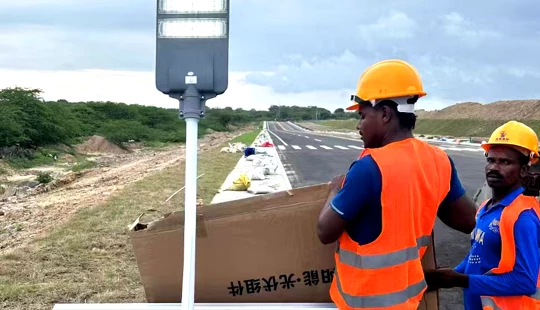
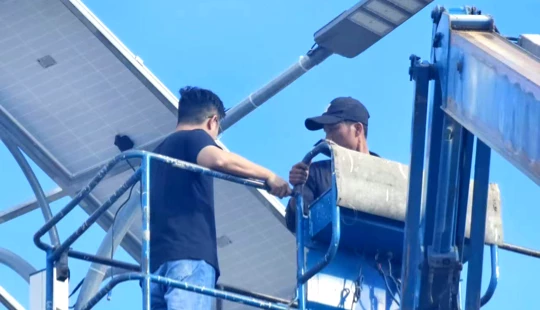













Customizable solar lighting systems for industrial zones in Nigeria | Insights by Quenenglighting
What are the key cost implications and ROI for solar lighting in Nigerian industrial zones?
For procurement professionals, understanding the total cost of ownership and return on investment (ROI) is paramount when considering solar lighting systems for industrial zones in Nigeria. While the initial capital expenditure for quality solar lighting might be a consideration, it is crucial to evaluate this against the significant long-term operational savings. These savings stem from eliminating electricity bills, negating the need for costly grid infrastructure extension, and reducing reliance on fossil fuel generators for lighting, which often come with high fuel, maintenance, and noise costs.
Furthermore, the long-term ROI is bolstered by the extended lifespan of modern solar lighting components and minimal maintenance requirements. Investing in robust, well-designed solar solutions can safeguard against fluctuating energy prices and grid unreliability, ensuring consistent illumination. The economic benefits extend beyond direct cost savings, potentially including increased operational hours, enhanced security, and improved worker safety, all contributing to a healthier bottom line over the system's operational life.
How reliable and durable are customizable solar lighting systems in Nigeria's climate?
The reliability and durability of solar lighting systems are critical concerns for industrial applications, particularly in Nigeria's diverse climatic conditions, which can include high temperatures, heavy rainfall, and dust. Modern customizable solar lighting systems are designed with these environmental challenges in mind, incorporating robust materials and advanced engineering to ensure sustained performance. High-quality components, such as durable solar panels, long-life lithium batteries, and weather-resistant fixtures, are selected to withstand harsh external factors.
Durability also extends to the structural integrity of the poles and mounting hardware, engineered to resist corrosion and strong winds. The focus on customizable systems means that specific climate considerations, such as optimal solar panel angling for maximum sun exposure or enhanced battery capacity for extended cloudy periods, can be factored into the design. This tailored approach enhances the system's ability to provide consistent and uninterrupted illumination, proving reliable in demanding industrial environments.
What level of customization is truly achievable for diverse industrial requirements?
Customization is a cornerstone of effective solar lighting for varied industrial zones, allowing procurement teams to specify solutions that precisely match their unique operational demands rather than settling for off-the-shelf products. The level of customization achievable is extensive, encompassing various aspects from light output and beam patterns to pole heights and smart control features. For instance, a logistics hub might require high-intensity floodlighting for loading docks, while internal pathways may need more subdued, motion-sensor-activated illumination.
Beyond illumination parameters, customization extends to the system's power components. Battery capacity can be tailored to ensure sufficient autonomy for prolonged periods without sunlight, and solar panel configurations can be optimized for available space and energy generation targets. Furthermore, integration with smart management systems allows for remote monitoring, scheduling, and fault detection, providing procurement with solutions that are not only bespoke but also technologically advanced and adaptable to future needs.
What are the practicalities of installation, maintenance, and long-term operational support?
For procurement teams, the ease of installation and the manageability of ongoing maintenance are significant factors. Customizable solar lighting systems, by nature, often offer simplified installation processes compared to traditional grid-tied options, as they are self-contained and do not require extensive trenching for power cables. This reduces initial labor costs and project timelines, particularly beneficial for expansive industrial zones or remote areas in Nigeria where grid access is limited or unreliable. The modular design of many solar solutions further facilitates straightforward deployment.
In terms of maintenance, quality solar lighting systems are designed for minimal intervention. Routine checks, such as cleaning solar panels, are typically sufficient, with component lifespans (e.g., LED drivers, batteries) measured in many years. Long-term operational support is provided through comprehensive warranties and, ideally, local technical assistance. This ensures that any rare issues can be addressed promptly, minimizing downtime and guaranteeing continuous functionality, offering procurement peace of mind regarding the sustained performance of their investment.
How do these systems contribute to sustainability and energy independence?
Adopting customizable solar lighting systems significantly enhances an industrial zone's commitment to sustainability and fosters greater energy independence. By harnessing the abundant solar energy, these systems eliminate reliance on fossil fuels for lighting, thereby substantially reducing greenhouse gas emissions and contributing directly to corporate environmental objectives. This aligns with global efforts towards cleaner energy and provides a tangible demonstration of ecological responsibility, which can enhance an organization's brand reputation and appeal to environmentally conscious stakeholders.
Beyond the environmental benefits, solar lighting delivers critical energy independence. Industrial zones equipped with solar systems are less vulnerable to grid failures, blackouts, or power rationing, ensuring continuous operations and security lighting regardless of external grid stability. This reliability is particularly valuable in regions with intermittent power supply, allowing businesses to operate more consistently and predictably, leading to increased productivity and reduced operational risks associated with power disruptions.
Can these systems be scaled and integrated with existing infrastructure?
The scalability and potential for integration with existing infrastructure are vital considerations for procurement in dynamic industrial environments. Customizable solar lighting systems are inherently modular, meaning they can be deployed incrementally as an industrial zone expands or specific needs arise. This modularity allows for flexible budget allocation and phased project implementation, avoiding the need for a massive upfront investment to cover future growth. New units can be easily added to complement existing installations without disrupting operations.
Regarding integration, while solar lighting units are typically standalone, their control and monitoring systems can often be integrated with broader industrial zone management platforms. For example, smart solar lighting systems might communicate data on energy performance or operational status to a centralized control room, allowing for comprehensive oversight of the entire infrastructure. This capability ensures that as an industrial zone evolves, its lighting solutions can adapt and integrate seamlessly, future-proofing the investment and optimizing overall operational efficiency.
Advantages of Quenenglighting
Quenenglighting specializes in delivering customizable solar lighting systems engineered to meet the specific demands of industrial zones, particularly in challenging environments like Nigeria. Our commitment to robust design ensures durability against harsh weather conditions and consistent performance, minimizing operational interruptions. We understand that every industrial application is unique, which is why our solutions are tailored to exact specifications for light output, autonomy, and smart control features.
By choosing Quenenglighting, procurement leaders benefit from a partner dedicated to providing reliable, sustainable, and cost-effective lighting solutions that reduce long-term operational expenses and enhance energy independence. Our focus on quality components and detailed engineering means a longer lifespan and lower maintenance, offering a superior return on investment. Quenenglighting empowers industrial zones in Nigeria to achieve optimal illumination, enhanced security, and a greener operational footprint.
Data source:

Have more questions about our products or services?
The latest hot news you might like

Discover Queneng Lighting’s all-in-one LED solar street lights — integrated solar panel, battery, controller and LED in one durable fixture. Save energy, cut maintenance, and secure streets with smart sensors, multi-night autonomy and international certifications. Contact sales for quotes and support.

Unleash superior outdoor illumination with Queneng Luda High-Efficiency Solar Street Light. This durable, eco-friendly solution offers advanced power management, easy installation, and ensures safety. Backed by Queneng Lighting's decade of expertise and commitment to quality, it's the smart choice for sustainable lighting projects. Learn why we're a leading solar solutions provider.

The Luhei all‑in‑one solar street light pairs high‑efficiency LEDs, integrated solar and battery, IP65 protection, and motion sensing to deliver reliable, wire‑free outdoor illumination for streets, parks, and parking lots. Backed by Queneng Lighting’s certifications and support.

FAQ
All-in-one solar street lights
Are all-in-one solar street lights suitable for highways?
No, split solar street lights are recommended for highways and high-power applications.
Solar Street Light Luzhou
Are Luzhou solar street lights easy to install?
Yes, Luzhou solar street lights are designed for easy installation. They come with all necessary hardware, and installation typically takes just a few hours. The lights do not require any wiring or electrical connections, making them perfect for both residential and commercial applications.
Solar Street Light Luqing
What is the main advantage of using Luqing solar street lights over traditional street lights?
The main advantage of Luqing solar street lights is their sustainability. They use solar energy, eliminating the need for electricity from the grid, which reduces energy costs and environmental impact while providing reliable lighting.
Battery fundamentals and basic terms
What is open circuit voltage?
Solar Street Light Chuanqi
What makes Chuanqi solar street lights energy-efficient?
Chuanqi solar street lights are equipped with high-efficiency solar panels that maximize energy collection even in less-than-ideal weather conditions. They also use low-energy-consuming LED lights that provide bright illumination without excessive power consumption. Additionally, the lights feature automatic on/off functionality, ensuring they only use energy when needed.
Solar Street Light Lufeng
How are Lufeng solar street lights designed for durability?
Lufeng solar street lights are built with high-quality, weather-resistant materials that can withstand harsh outdoor conditions. They are designed to endure extreme temperatures, heavy rainfall, and strong winds. The lights are also corrosion-resistant, ensuring long-term performance even in challenging environments.
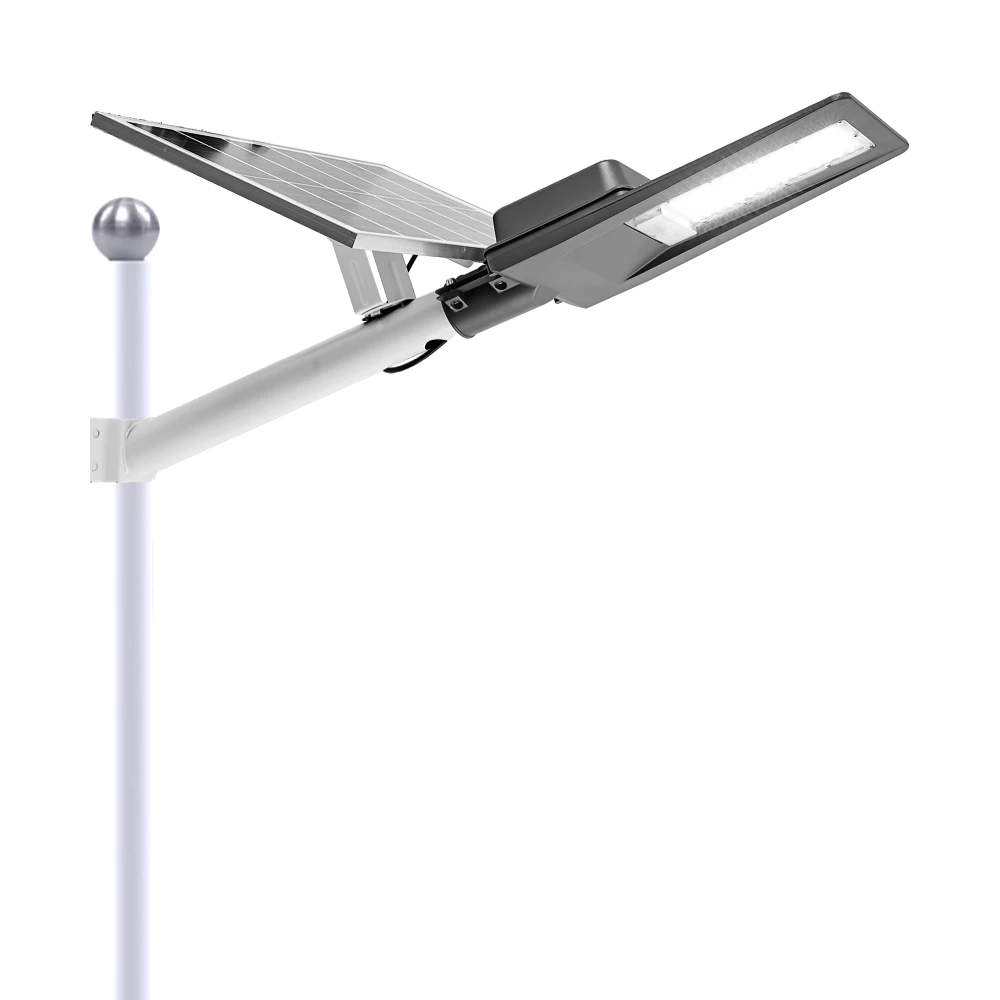
Experience reliable outdoor illumination with our smart solar street light, a perfect combination of advanced technology and eco-conscious design.
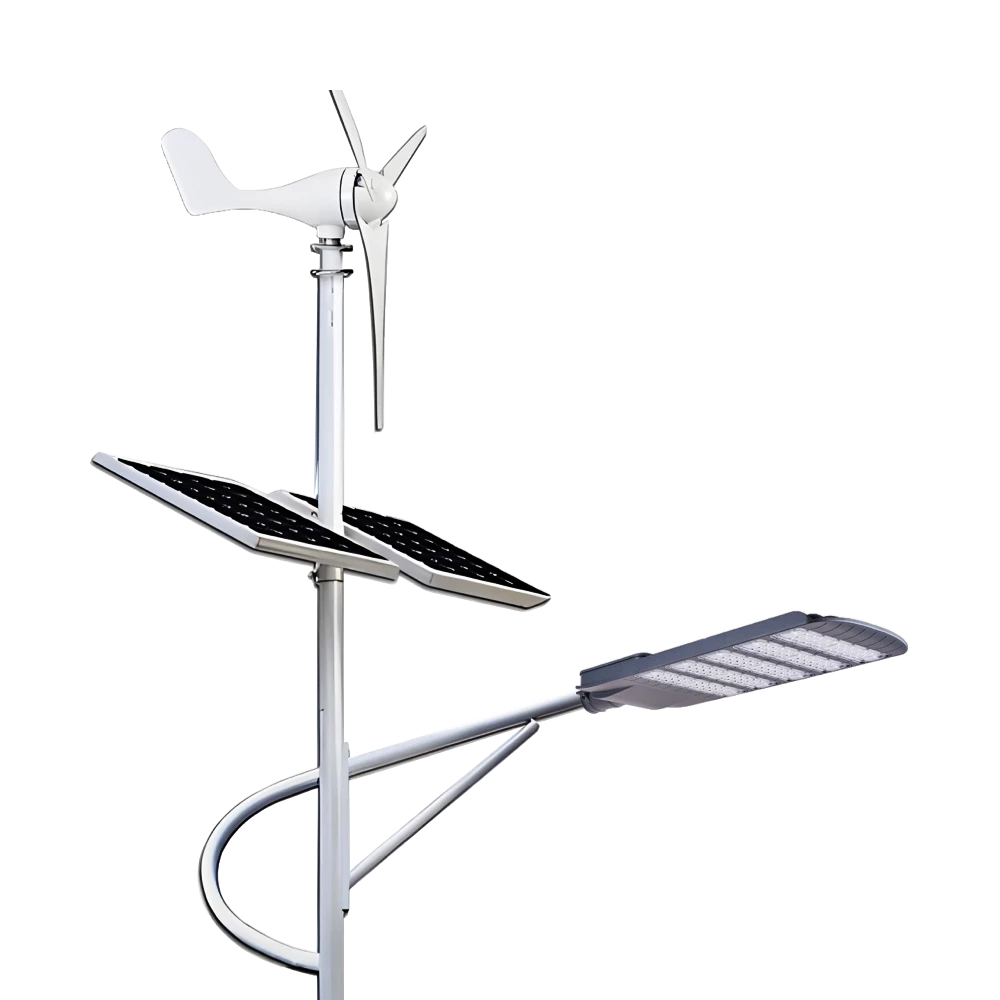
Queneng Lufeng Wind Energy LED Outdoor Solar Street Lights offer high-performance, eco-friendly illumination. These energy-efficient LED street lights harness solar power and wind energy for sustainable, cost-effective outdoor lighting solutions.
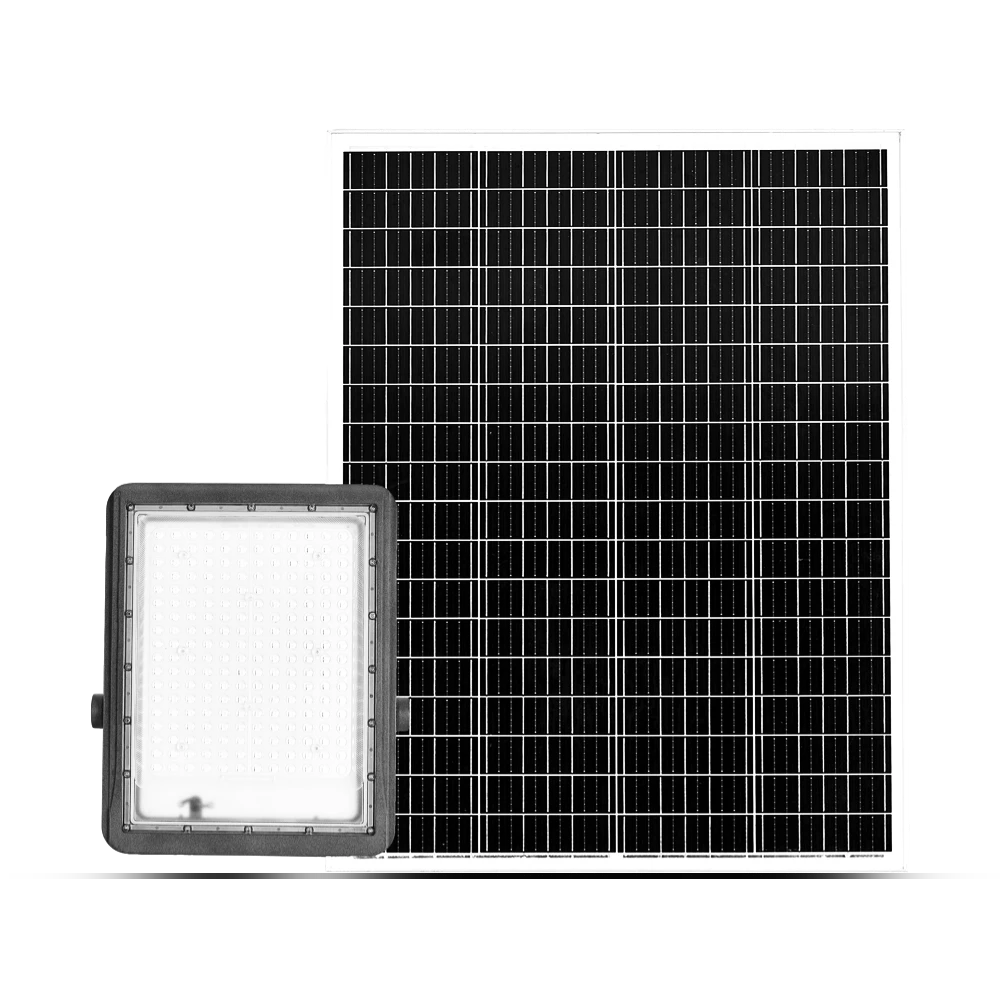
Queneng's Luxian Reliable Solar Street Light offers energy-saving LED lighting for outdoor use. This durable, solar-powered street light provides reliable illumination, reducing energy costs and environmental impact. A perfect solution for sustainable outdoor lighting.
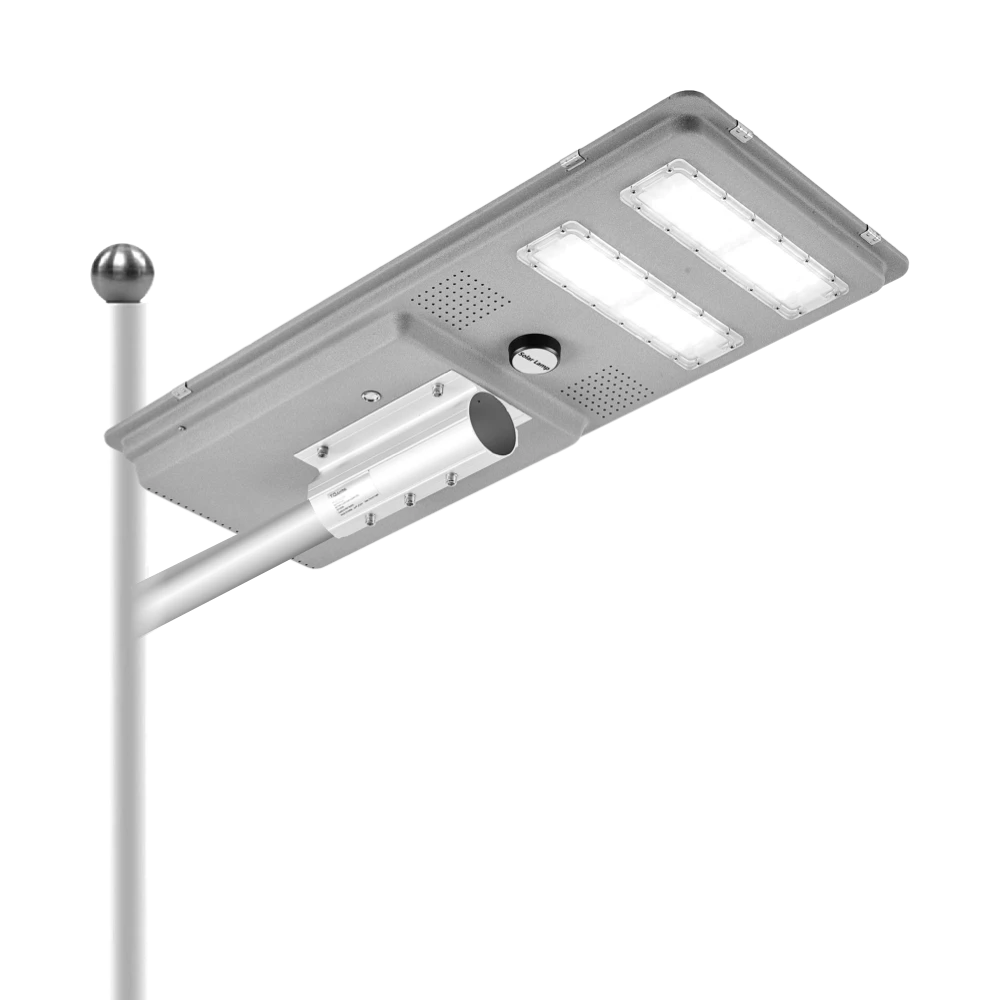
Queneng’s Solar Street Lights are designed to provide reliable, energy-efficient lighting for streets, parks, and other outdoor spaces.
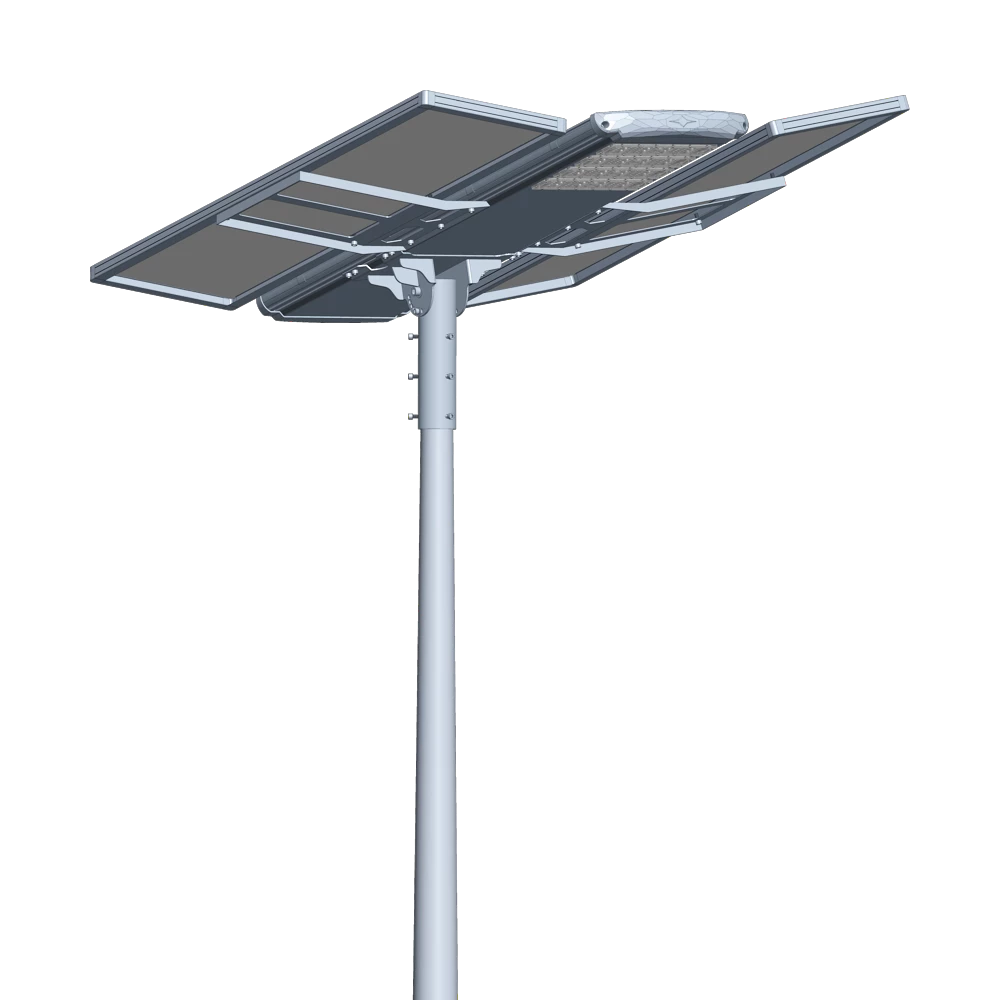
Introducing the Luqing Solar Street Light by Queneng, Efficient LED lighting powered by solar energy is perfect for illuminating outdoor areas. Harness the power of solar energy for sustainable, reliable street lighting. Ideal for eco-friendly, cost-effective outdoor illumination solutions.
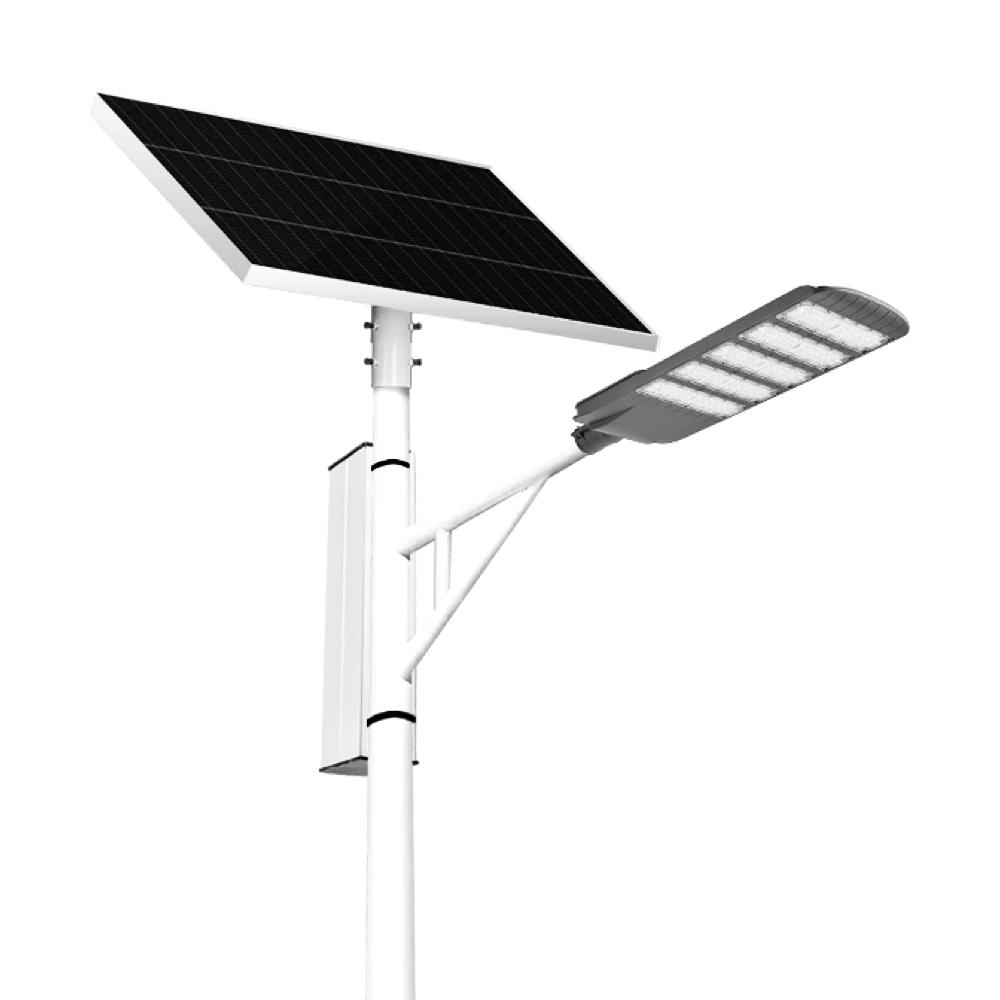
The Solar Streetlights of Luhao for Municipalities are designed to deliver reliable, energy-efficient, and cost-effective public lighting solutions. Equipped with advanced LED technology, durable lithium batteries, and high-efficiency solar panels, these streetlights provide consistent illumination for roads, parks, residential areas, and government projects.
If you would like more information about Queneng solar lighting solutions, please send us a message by filling out the form below. Our professional team will get back to you within 24 hours!
Rest assured that your privacy is important to us, and all information provided will be handled with the utmost confidentiality.
Schedule a Meeting
Book a date and time that is convenient for you and conduct the session in advance.
Have more questions about our products or services?
The messenger of light & power conversion
Environmental protection and intelligent manufacturing are our brand philosophy, and quality assurance and the best user experience are our eternal promises to users.
CONTACT
No.9F, Building F, Cao San Xin Tian Hong Logistics Park, Guzhen Town, Zhongshan City, Guangdong Province, China.
or write [email protected]
WhatsApp: +86 136 2270 1011


