














Distributor Case Study: Supplying Municipal Solar Lights in Africa | Insights by Quenenglighting
Africa's journey towards sustainable urbanization is increasingly powered by solar energy, with municipal solar lighting playing a pivotal role in enhancing public safety, extending economic activity, and reducing carbon footprints. For distributors and procurement managers looking to supply these essential solutions, understanding the unique challenges and requirements of the African market is paramount. This case study addresses the most pressing questions for procuring high-quality, reliable municipal solar lights.
What are the primary challenges and critical factors for ensuring solar light durability and performance in Africa's diverse environments?
African environments present unique challenges, from intense solar radiation and high temperatures to dust, heavy rainfall, and the risk of theft. To ensure durability and optimal performance, buyers must prioritize specific design and material specifications:
- Robust Construction: Look for fixtures made from high-strength aluminum alloy or similar corrosion-resistant materials, capable of withstanding extreme weather conditions.
- High IP Rating: An Ingress Protection (IP) rating of IP66 or IP67 is crucial for protection against dust ingress and powerful water jets or even temporary immersion, ensuring longevity in diverse climates.
- Temperature Resilience: Components should be rated for wide operating temperature ranges, typically from -20°C to +60°C, to prevent degradation from heat stress.
- Efficient Solar Panels: Monocrystalline silicon solar panels, known for their higher efficiency (typically 18-22%) and better performance in low light or high-temperature conditions, are preferable.
- Anti-Theft Design: Integrated, all-in-one designs with tamper-proof screws and robust mounting mechanisms can significantly deter theft, a common concern in some regions.
Which battery technology offers the best long-term value and reliability for municipal solar lighting in African contexts?
The battery is the heart of a solar lighting system, and its choice dictates the system's longevity and performance. Lithium Iron Phosphate (LiFePO4) batteries are overwhelmingly the superior choice for municipal solar lighting in Africa, offering significant advantages over traditional lead-acid batteries:
- Extended Cycle Life: LiFePO4 batteries typically offer 2,000 to 4,000 cycles at 80% Depth of Discharge (DOD), far outperforming lead-acid batteries (500-1000 cycles). This translates to an 8-10 year operational lifespan, reducing replacement costs and maintenance.
- Thermal Stability: They exhibit excellent thermal stability, crucial for high-temperature African climates, minimizing performance degradation and safety risks.
- Higher Energy Density: Lighter and more compact, simplifying installation and reducing shipping costs.
- Consistent Performance: LiFePO4 maintains a stable voltage output throughout its discharge cycle, ensuring consistent light brightness.
- Safety: Considered one of the safest lithium-ion battery chemistries, reducing risks associated with thermal runaway.
Beyond initial purchase, what are the key considerations for maintenance, warranty, and overall Total Cost of Ownership (TCO) for municipal solar lighting?
A low upfront cost can often translate to higher long-term expenses. Procurement strategies should focus on TCO:
- Comprehensive Warranty: A reputable supplier should offer a substantial warranty, typically 3-5 years for the LED luminaire, battery, and controller, and 10-25 years for the solar panel. Understand what is covered and the process for claims.
- Modular Design: Systems with modular components allow for easier, quicker, and more cost-effective replacement of individual parts (e.g., LED engine, battery pack, controller) rather than replacing the entire unit.
- Remote Monitoring & IoT: Advanced systems may include IoT capabilities for remote monitoring of battery health, charging status, and fault detection, enabling predictive maintenance and reducing on-site visits.
- Local Support & Training: Access to local technical support and training for municipal staff on basic inspection and maintenance can significantly extend system life and reduce reliance on external technicians.
- Energy Savings: Over a 10-year lifespan, quality solar lights eliminate electricity bills and fuel costs for generators, offering substantial operational savings.
What essential logistical, supply chain, and certification requirements should buyers prioritize when sourcing solar lights for African projects?
Efficient and compliant procurement involves navigating complex international trade and quality standards:
- International Certifications: Demand products compliant with international standards such as ISO 9001 (quality management), CE (European conformity), and RoHS (restriction of hazardous substances). Look for specific IEC standards for PV modules (e.g., IEC 61215/61730), batteries (e.g., IEC 62133), and luminaires (e.g., IEC 60598).
- Supplier Track Record: Verify the manufacturer's experience in similar African projects. Request case studies and client references.
- Logistics & Customs: Work with suppliers experienced in shipping to Africa. Understand Incoterms, estimated shipping times, customs duties, and local import regulations specific to the destination country (e.g., within EAC or ECOWAS regions).
- Packaging: Ensure robust packaging suitable for long-distance transport and potentially rough handling.
- Spare Parts Availability: Confirm the long-term availability of spare parts and components to support future maintenance needs.
How can municipalities assess genuine quality and prevent the acquisition of substandard solar lighting products?
The market is flooded with varying qualities. Distinguishing genuine quality requires diligence:
- Detailed Specifications: Insist on comprehensive datasheets detailing component brands (e.g., LED chips like Philips, Cree; controllers like MPPT), battery specifications (capacity, type, cycle life), and solar panel output.
- Third-Party Testing: Request independent third-party test reports (e.g., from TUV, SGS) verifying product performance and compliance.
- Factory Audits: If feasible for large projects, conduct or commission a factory audit to assess manufacturing processes and quality control.
- Pilot Projects: For very large-scale deployments, consider a pilot project with a small number of units to assess real-world performance before full commitment.
- Transparent Sourcing: A reputable manufacturer will be transparent about their component suppliers and manufacturing processes.
Conclusion: Partnering for Sustainable African Futures with Quenenglighting
Navigating the complexities of supplying municipal solar lights in Africa demands expertise, reliability, and a commitment to quality. Quenenglighting stands out as a premier partner, offering solutions specifically engineered for the continent's unique requirements. Our advantages include:
- Engineered for Durability: Quenenglighting products feature robust, IP66/IP67 rated construction, utilizing high-grade aluminum alloys and tempered glass, designed to withstand extreme African climates and resist tampering.
- Superior Performance: We integrate high-efficiency monocrystalline solar panels and cutting-edge LiFePO4 batteries, ensuring extended operational life (8-10 years) and consistent, bright illumination throughout the night. Our batteries boast 2,000-4,000 cycles at 80% DOD, a testament to long-term reliability.
- Smart & Sustainable: Our intelligent MPPT charge controllers optimize energy harvesting, and select models offer IoT-enabled remote monitoring for proactive maintenance.
- Comprehensive Support: Quenenglighting provides extensive warranties and dedicated after-sales support, coupled with a modular design philosophy for easy maintenance and replacement, minimizing TCO.
- Certified Quality: All our products adhere to international standards including ISO 9001, CE, and RoHS, with transparent component sourcing from reputable global brands.
Choosing Quenenglighting means investing in sustainable, reliable, and cost-effective solar lighting solutions that illuminate Africa's urban landscapes for decades to come, contributing significantly to community safety and economic vitality.

Have more questions about our products or services?
The latest hot news you might like
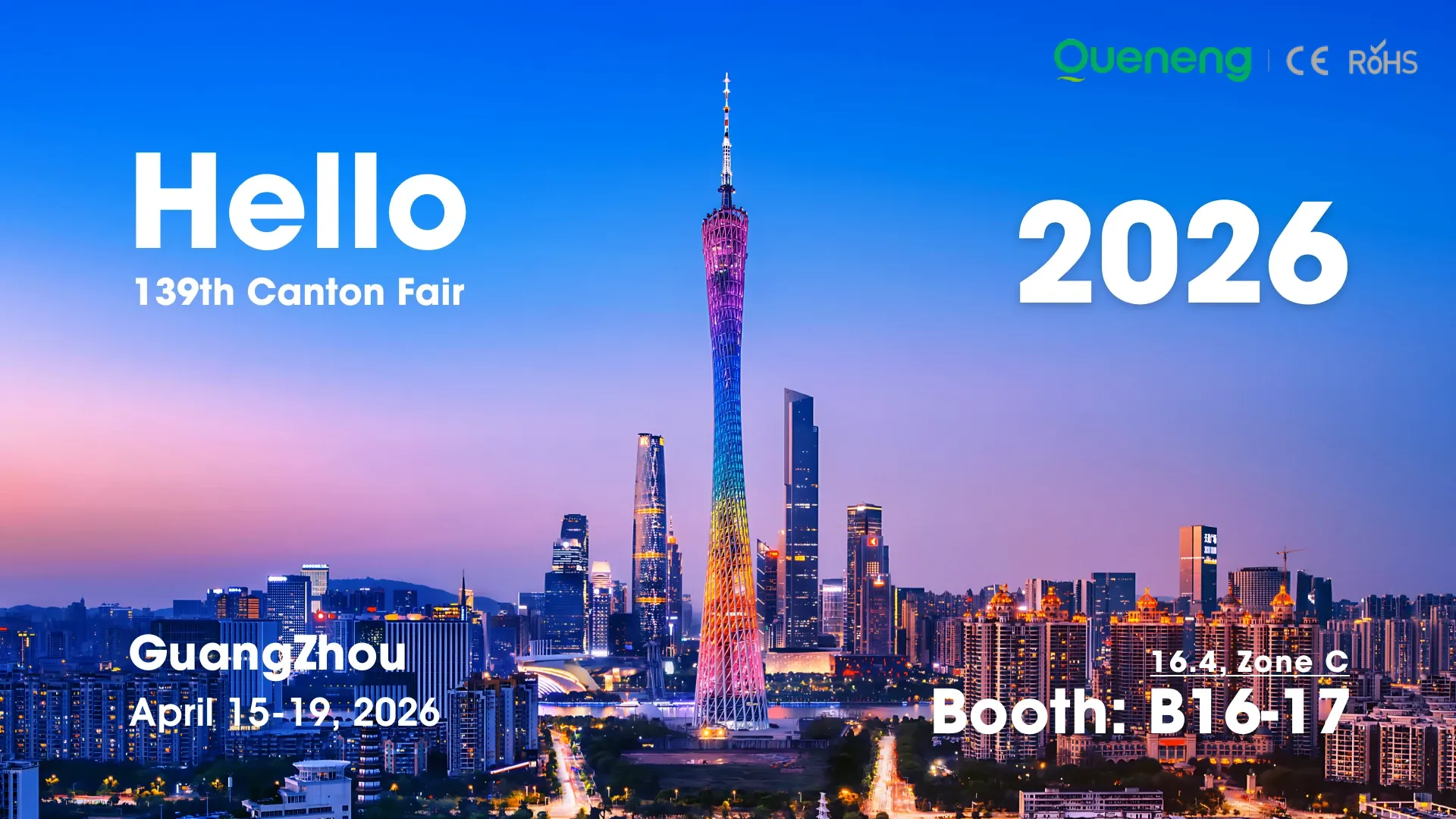
As the global demand for sustainable infrastructure rises, Queneng Lighting is proud to announce its participation in the 139th China Import and Export Fair (Canton Fair), held from April 15th to 19th, 2026, in Guangzhou.
For over 13 years, Queneng has been at the forefront of the solar lighting industry, providing high-efficiency solutions for infrastructure contractors, municipal developers, and EPC companies worldwide. This year, we are bringing our most advanced technology yet to the international stage.

Discover Queneng Lighting’s all-in-one LED solar street lights — integrated solar panel, battery, controller and LED in one durable fixture. Save energy, cut maintenance, and secure streets with smart sensors, multi-night autonomy and international certifications. Contact sales for quotes and support.

Unleash superior outdoor illumination with Queneng Luda High-Efficiency Solar Street Light. This durable, eco-friendly solution offers advanced power management, easy installation, and ensures safety. Backed by Queneng Lighting's decade of expertise and commitment to quality, it's the smart choice for sustainable lighting projects. Learn why we're a leading solar solutions provider.

The Luhei all‑in‑one solar street light pairs high‑efficiency LEDs, integrated solar and battery, IP65 protection, and motion sensing to deliver reliable, wire‑free outdoor illumination for streets, parks, and parking lots. Backed by Queneng Lighting’s certifications and support.
FAQ
APMS system
How does the APMS system enable continuous lighting on prolonged rainy days?
Queneng's APMS is equipped with rainy-day endurance technology that ensures continuous lighting during extended cloudy periods, maintaining stable power in sun-deprived conditions and ideal for lighting in remote areas.
Battery fundamentals and basic terms
What are the differences between primary and secondary batteries?
Remote Areas Rural Development
Can solar streetlights be relocated if community needs change?
Yes, they are designed to be portable and can be relocated to new sites with minimal adjustments.
Commercial and Industrial Parks
Do solar lights work well in large parking areas?
Yes, our solar lights provide uniform illumination ideal for expansive parking areas, ensuring safety and visibility.
Schools and Educational Institutions
Do solar lights work year-round, even during winter?
Yes, solar lights can work year-round, even in winter. However, in areas with heavy snow, it’s important to ensure the solar panels are clear of snow for optimal performance.
Industry
Do Queneng’s solar street lights have anti-theft protection?
Our solar street lights are designed with security features, including durable casings and anti-theft bolts, minimizing the risk of theft.
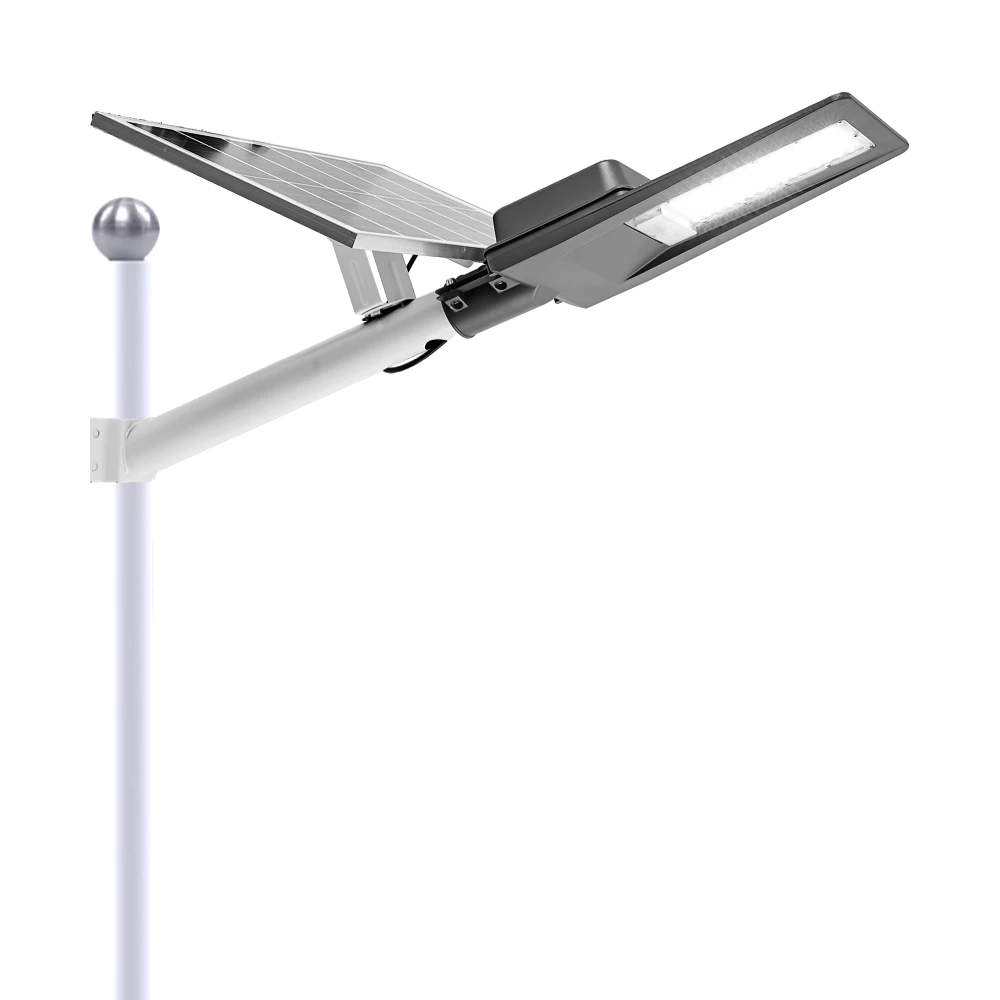
Experience reliable outdoor illumination with our smart solar street light, a perfect combination of advanced technology and eco-conscious design.
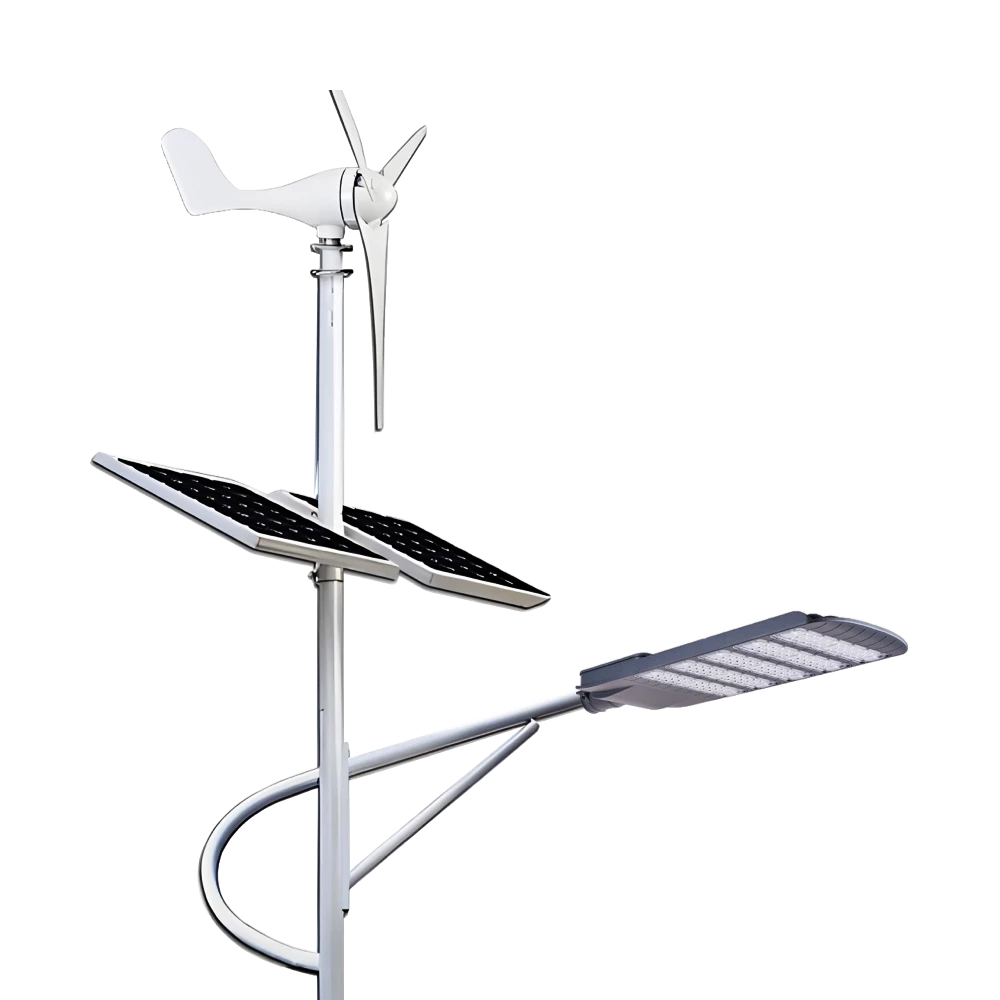
Queneng Lufeng Wind Energy LED Outdoor Solar Street Lights offer high-performance, eco-friendly illumination. These energy-efficient LED street lights harness solar power and wind energy for sustainable, cost-effective outdoor lighting solutions.
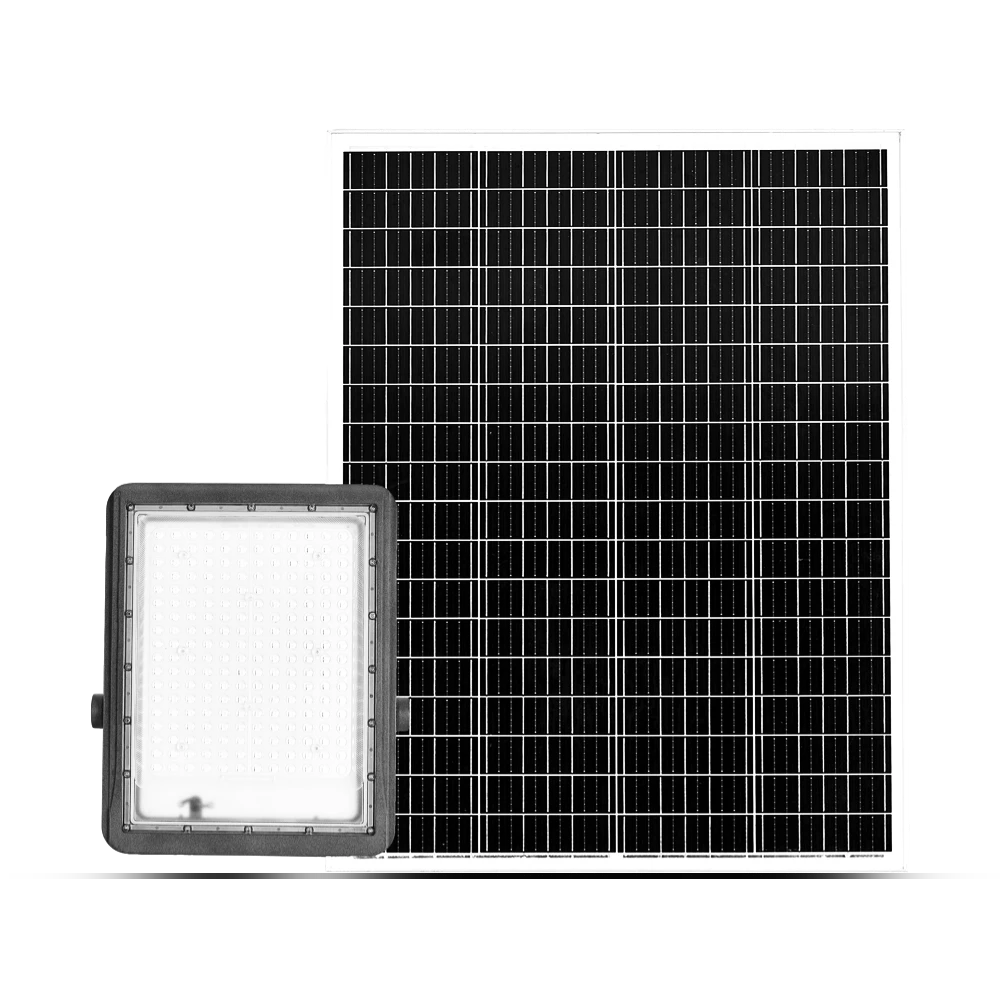
Queneng's Luxian Reliable Solar Street Light offers energy-saving LED lighting for outdoor use. This durable, solar-powered street light provides reliable illumination, reducing energy costs and environmental impact. A perfect solution for sustainable outdoor lighting.
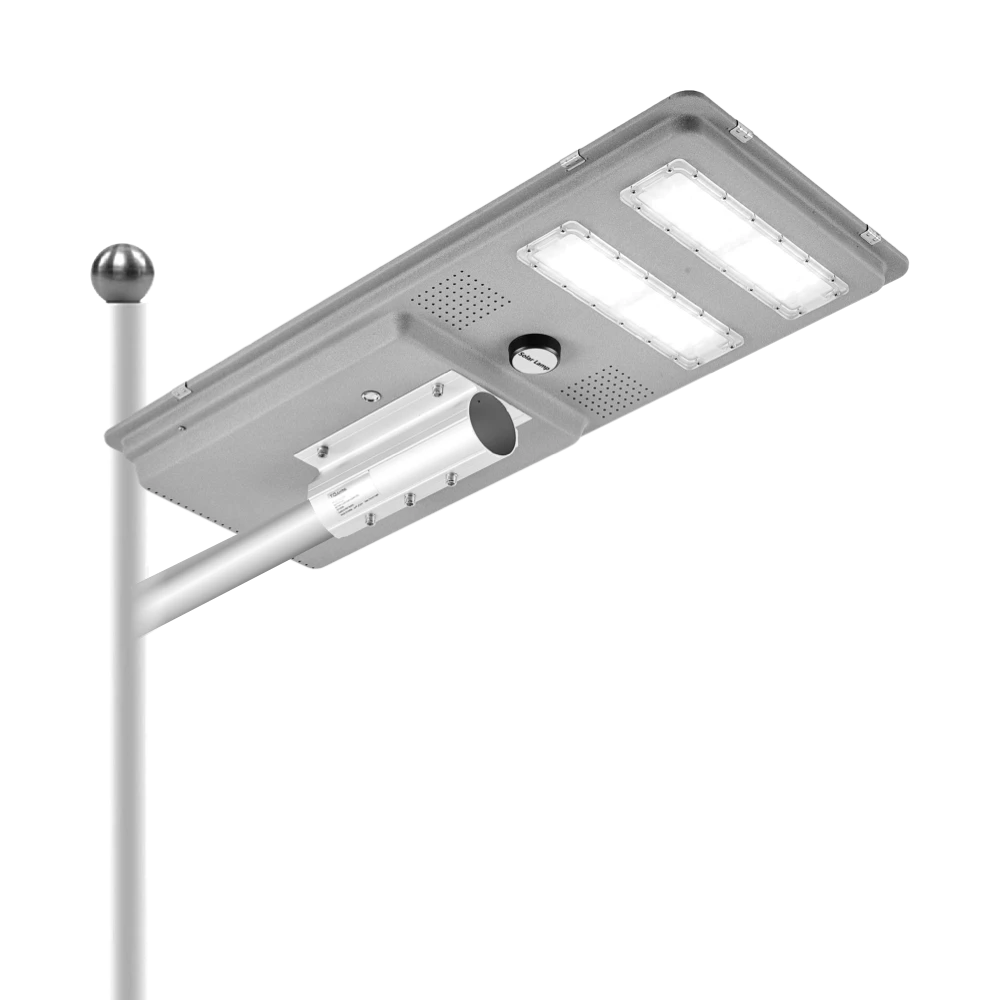
Queneng’s Solar Street Lights are designed to provide reliable, energy-efficient lighting for streets, parks, and other outdoor spaces.
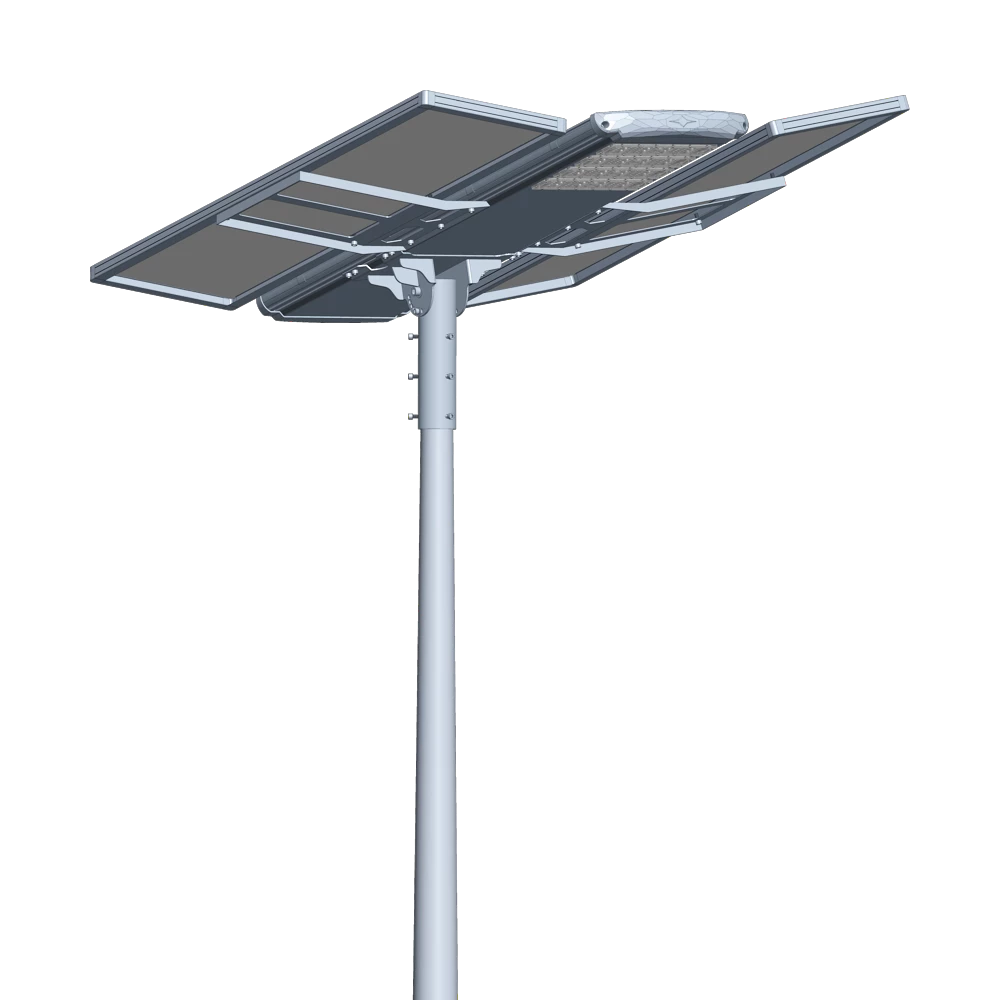
Introducing the Luqing Solar Street Light by Queneng, Efficient LED lighting powered by solar energy is perfect for illuminating outdoor areas. Harness the power of solar energy for sustainable, reliable street lighting. Ideal for eco-friendly, cost-effective outdoor illumination solutions.
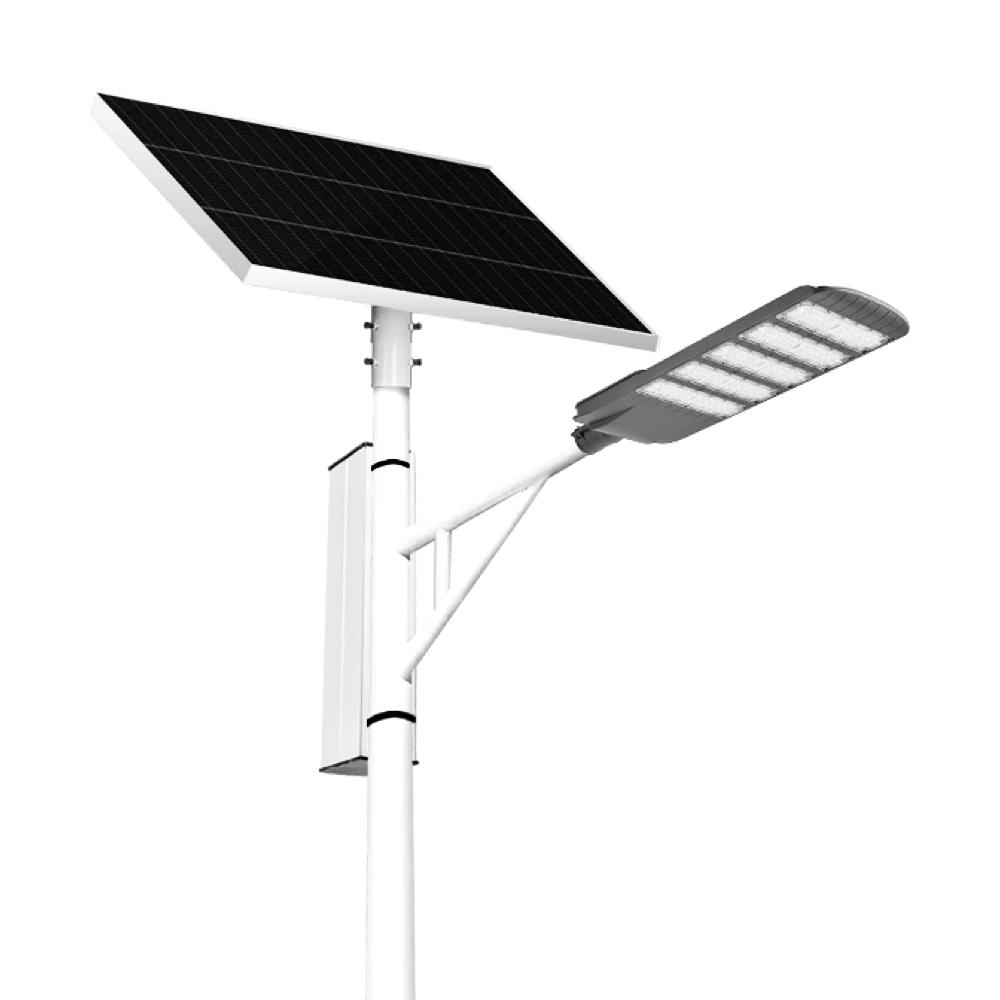
The Solar Streetlights of Luhao for Municipalities are designed to deliver reliable, energy-efficient, and cost-effective public lighting solutions. Equipped with advanced LED technology, durable lithium batteries, and high-efficiency solar panels, these streetlights provide consistent illumination for roads, parks, residential areas, and government projects.
If you would like more information about Queneng solar lighting solutions, please send us a message by filling out the form below. Our professional team will get back to you within 24 hours!
Rest assured that your privacy is important to us, and all information provided will be handled with the utmost confidentiality.
Schedule a Meeting
Book a date and time that is convenient for you and conduct the session in advance.
Have more questions about our products or services?
The messenger of light & power conversion
Environmental protection and intelligent manufacturing are our brand philosophy, and quality assurance and the best user experience are our eternal promises to users.
CONTACT
No.9F, Building F, Cao San Xin Tian Hong Logistics Park, Guzhen Town, Zhongshan City, Guangdong Province, China.
or write [email protected]
WhatsApp: +86 136 2270 1011


