














Distributor Role in Large-Scale Municipal Solar Projects | Insights by Quenenglighting
The Indispensable Role of Distributors in Large-Scale Municipal Solar Projects
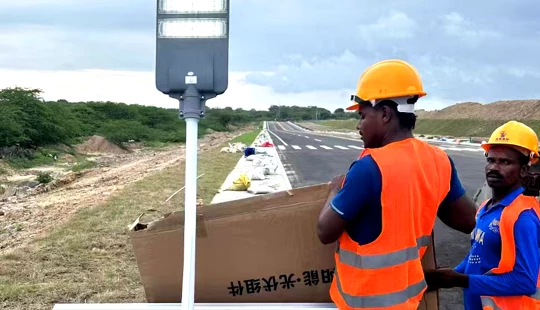
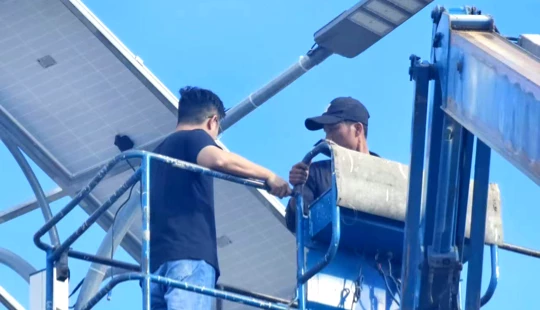
Large-scale municipal solar projects, especially those focusing on public solar lighting, are complex undertakings. They require meticulous planning, robust supply chains, and adherence to stringent quality and regulatory standards. While manufacturers produce the innovative solar lighting solutions, it's often the distributors who bridge the gap between production and deployment, playing a critical and often indispensable role. For procurement professionals in the solar lighting industry, understanding this role is key to successful project execution.
What Value Do Distributors Add to Large-Scale Municipal Solar Projects?
Distributors are far more than just intermediaries; they are strategic partners. They provide:
- Supply Chain Consolidation & Logistics: Distributors act as a single point of contact, streamlining procurement from multiple manufacturers. They manage complex logistics, including international shipping, warehousing, and just-in-time delivery to project sites. This significantly reduces municipal administrative burdens and inventory costs. The global solar market is projected to reach an estimated $360 billion by 2030 (source: Fortune Business Insights), highlighting the scale and complexity distributors help manage.
- Cost Efficiency & Bulk Purchasing: By aggregating demand from various projects, distributors secure better pricing from manufacturers, passing on volume discounts to municipalities. This can significantly reduce the Levelized Cost of Energy (LCOE) for the lighting components of a project.
- Local Support & Market Expertise: Distributors often have a local presence, offering on-the-ground support, understanding regional regulations, and providing rapid response times for technical queries or logistical challenges.
How Do Distributors Mitigate Risks and Ensure Project Success?
Project success hinges on minimizing risks. Distributors contribute by:
- Quality Assurance & Manufacturer Vetting: Reputable distributors rigorously vet manufacturers, ensuring products meet stringent quality standards (e.g., ISO 9001, CE, RoHS, IP ratings for outdoor lighting). They often conduct their own quality checks and manage warranties, acting as a buffer between the municipality and multiple product suppliers.
- Technical Expertise & System Design: Distributors provide crucial technical assistance, helping municipalities select appropriate solar lighting systems (e.g., correct wattage, battery capacity, pole height, lumen output) for specific applications like street lighting, park illumination, or public security. They ensure solutions are optimized for local solar insolation and energy consumption patterns.
- Compliance & Standards: They ensure all products comply with national and local electrical codes, environmental regulations, and specific standards for public infrastructure (e.g., dark sky compliance for lighting).
What Are the Key Criteria for Selecting a Distributor for Municipal Solar Lighting Projects?
Choosing the right partner is crucial. Consider these criteria:
- Proven Experience & Track Record: Look for distributors with a strong portfolio of successful large-scale municipal or public sector solar lighting projects. Request case studies and references.
- Comprehensive Product Portfolio: The distributor should offer a wide range of high-quality solar lighting solutions (streetlights, pathway lights, floodlights) from reputable manufacturers, providing flexibility and optimal choices.
- Financial Stability & Capacity: Ensure the distributor has the financial capacity to handle large orders, manage inventory, and potentially offer flexible payment terms or credit lines, which are crucial for municipal budgeting cycles.
- Technical Support & Engineering Capabilities: Evaluate their in-house technical team's expertise for design assistance, product customization, and troubleshooting.
- Logistics & After-Sales Service: Assess their supply chain efficiency, warranty management processes, availability of spare parts (e.g., high-quality LiFePO4 batteries with 5-8 year lifespans, LED modules lasting 50,000+ hours), and long-term maintenance support.
How Do Distributors Facilitate the Procurement Process for Municipalities?
Distributors simplify the often-complex municipal procurement landscape:
- Streamlined Procurement: Distributors simplify the often-complex municipal procurement process by consolidating multiple products into a single order, providing unified documentation, and assisting with bid specifications (RFPs/RFQs).
- Specification Matching & Customization: They help translate municipal lighting requirements into precise product specifications, ensuring that the proposed solar lighting solutions perfectly align with the project's goals, including light distribution, brightness levels, and smart city integration features.
- Compliance Documentation: Distributors provide all necessary certifications, technical data sheets, and compliance reports, easing the administrative burden on municipal purchasing departments.
What Post-Installation Support Can Municipalities Expect from Solar Distributors?
Long-term project success depends on ongoing support:
- Warranty Management: Distributors serve as the primary point of contact for all warranty claims, simplifying the process for municipalities dealing with multiple product components (e.g., solar panels, batteries, LED luminaires, controllers).
- Spare Parts & Upgrades: They maintain inventories of critical spare parts, ensuring long-term operational continuity for solar lighting systems. As technology evolves (e.g., more efficient LEDs, advanced LiFePO4 batteries), distributors can advise on and supply upgrade components.
- Technical Assistance & Training: Distributors often provide training for municipal staff on system operation, basic maintenance, and troubleshooting, empowering local teams to manage the solar lighting infrastructure effectively.
Are There Specific Financial Benefits or Models Distributors Can Offer to Municipal Projects?
Beyond upfront cost savings, distributors can offer broader financial advantages:
- Volume Discounts: Their ability to aggregate demand leads to significant cost savings on large orders.
- Flexible Payment Terms: Understanding municipal budget cycles, many distributors offer tailored payment schedules or credit options.
- Grant & Funding Assistance: Some distributors are knowledgeable about government grants, incentives (e.g., federal or state energy efficiency grants), or clean energy funding programs and can assist municipalities in identifying and applying for these, potentially reducing project costs by 20-30% depending on the program.
- Lifecycle Cost Optimization: By providing high-quality, durable products and efficient post-sales support, distributors help municipalities achieve lower total cost of ownership (TCO) over the lifespan of the solar lighting systems.
How Do Distributors Keep Up with Evolving Solar Technology and Regulations for Municipal Applications?
The solar industry is dynamic; distributors serve as vital knowledge hubs:
- Continuous Market Monitoring: Reputable distributors continuously research and evaluate new solar lighting technologies, including advancements in LED efficiency, battery storage (e.g., the widespread adoption of robust LiFePO4 batteries for their stability and longevity), smart control systems (IoT integration), and solar panel efficiency.
- Manufacturer Partnerships: They maintain close relationships with leading manufacturers, gaining early access to innovative products and technical training.
- Regulatory Watch: Distributors stay informed about changes in energy efficiency standards, environmental regulations, lighting pollution guidelines, and electrical codes, ensuring that the solutions they offer remain compliant and future-proof. This proactive approach helps municipalities avoid costly non-compliance issues and ensures long-term sustainability.
Quenenglighting Advantages:
Quenenglighting excels in providing comprehensive solar lighting solutions, standing out with its commitment to cutting-edge technology, superior product quality, and robust customer support. Our products, designed for durability and efficiency, integrate the latest LiFePO4 battery technology and high-lumen output LEDs, ensuring long operational lifespans and minimal maintenance. We offer extensive technical expertise, assisting with system design, customization, and compliance for various municipal applications. With a strong focus on reliable supply chains and dedicated after-sales service, Quenenglighting empowers municipalities to achieve sustainable, cost-effective, and brilliant public illumination.

Have more questions about our products or services?
The latest hot news you might like

Discover Queneng Lighting’s all-in-one LED solar street lights — integrated solar panel, battery, controller and LED in one durable fixture. Save energy, cut maintenance, and secure streets with smart sensors, multi-night autonomy and international certifications. Contact sales for quotes and support.

Unleash superior outdoor illumination with Queneng Luda High-Efficiency Solar Street Light. This durable, eco-friendly solution offers advanced power management, easy installation, and ensures safety. Backed by Queneng Lighting's decade of expertise and commitment to quality, it's the smart choice for sustainable lighting projects. Learn why we're a leading solar solutions provider.

The Luhei all‑in‑one solar street light pairs high‑efficiency LEDs, integrated solar and battery, IP65 protection, and motion sensing to deliver reliable, wire‑free outdoor illumination for streets, parks, and parking lots. Backed by Queneng Lighting’s certifications and support.

FAQ
Solar Street Light Luyan
How easy is it to install Luyan solar street lights?
Luyan solar street lights are designed for easy installation. They require no external wiring or complex electrical setups. The installation typically involves mounting the pole, securing the light fixture, and positioning the solar panel for optimal sun exposure. This makes them ideal for both residential and commercial installations.
Solar Street Light Luyi
Can Luyi solar street lights be integrated into smart city infrastructure?
Yes, Luyi solar street lights can be integrated into smart city infrastructure. With their advanced control systems, they can be connected to a central monitoring system for real-time performance tracking, remote control of lighting schedules, and energy management. This integration helps optimize energy use and allows for easy maintenance and monitoring of large-scale installations.
Battery Performance and Testing
What is trickle charging?
What is an impact test?
Schools and Educational Institutions
How long does the battery of solar lights last?
The battery typically lasts for 5-8 years depending on usage and environmental conditions.
Solar Street Light Luhui
Are Luhui solar street lights adjustable for different lighting needs?
Yes, many models feature adjustable settings, including dimming or motion sensor options, allowing you to customize the lighting based on the specific needs of the area being illuminated.
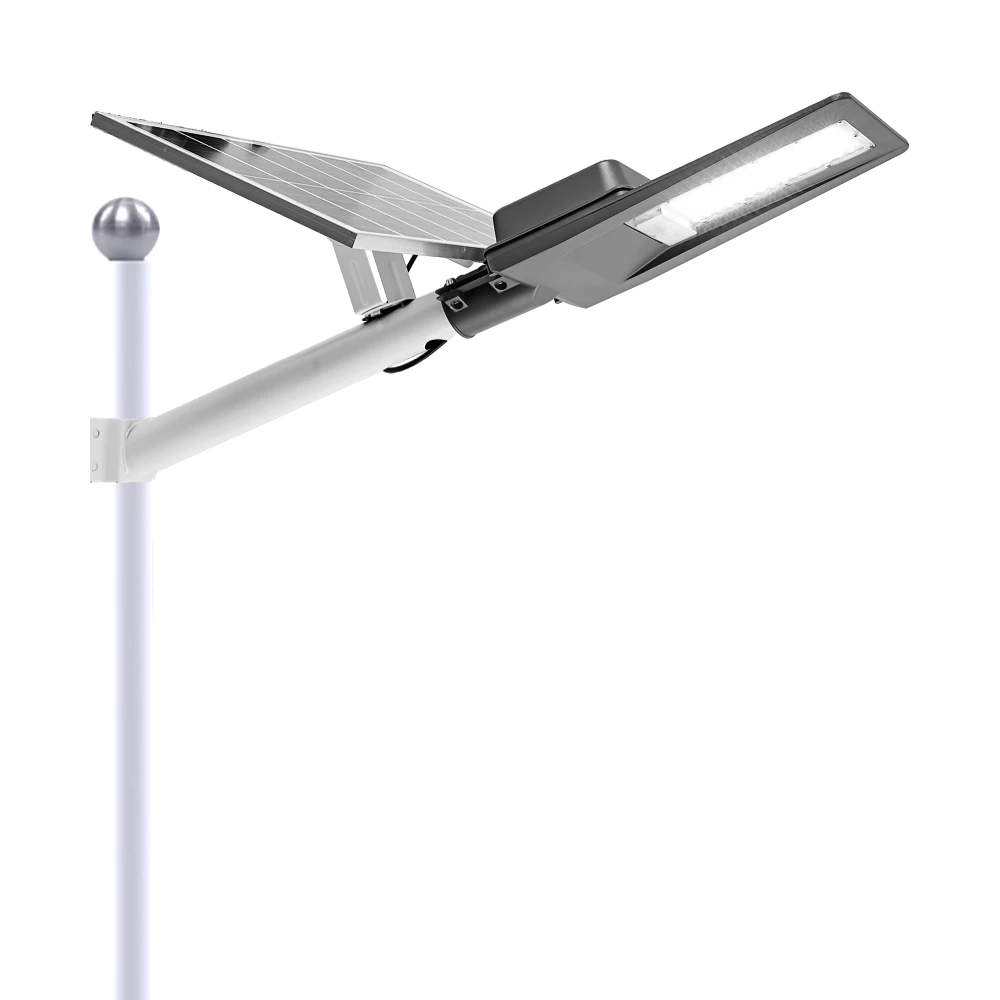
Experience reliable outdoor illumination with our smart solar street light, a perfect combination of advanced technology and eco-conscious design.
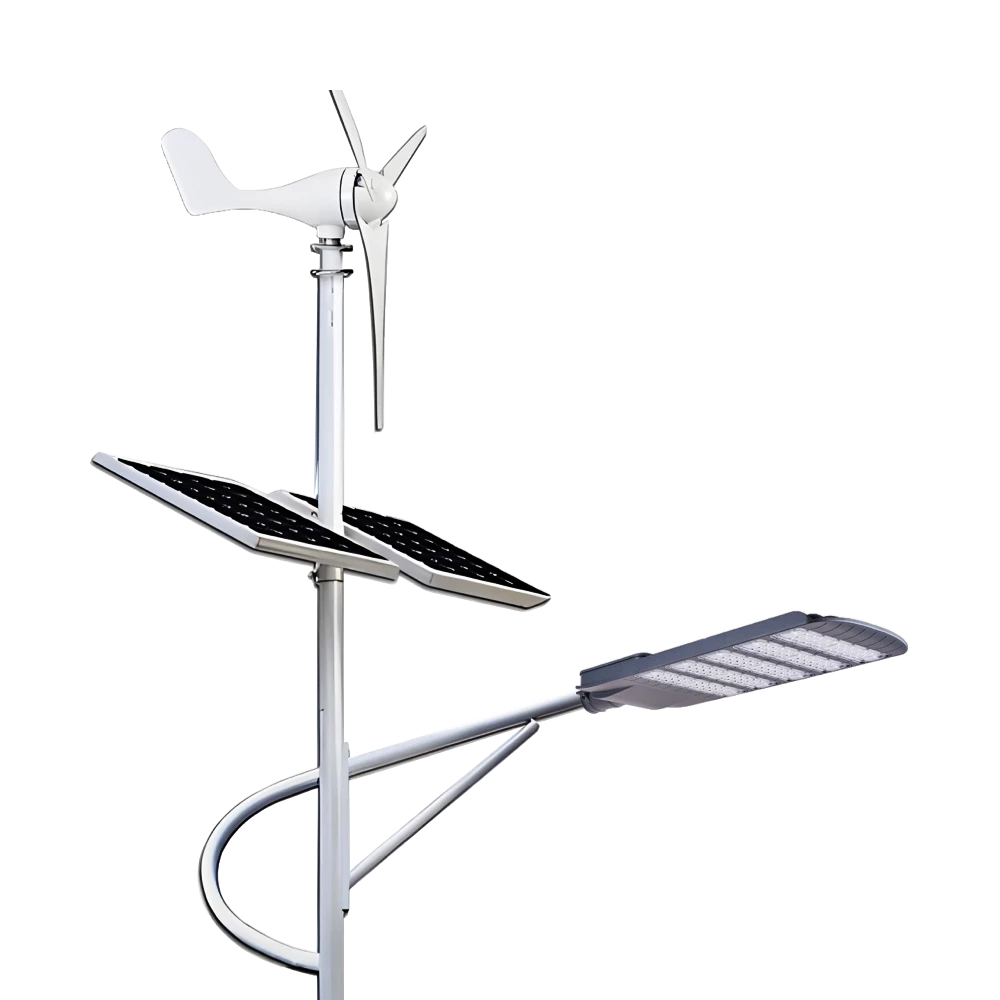
Queneng Lufeng Wind Energy LED Outdoor Solar Street Lights offer high-performance, eco-friendly illumination. These energy-efficient LED street lights harness solar power and wind energy for sustainable, cost-effective outdoor lighting solutions.
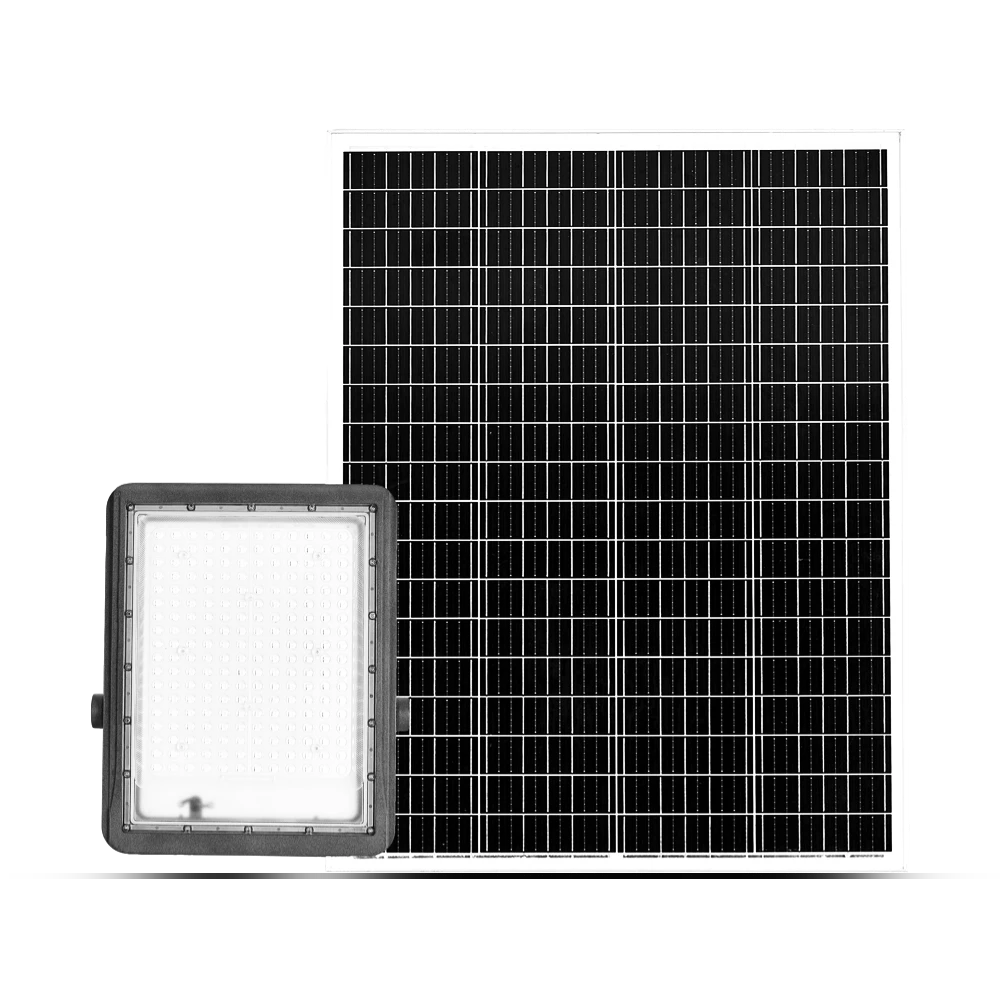
Queneng's Luxian Reliable Solar Street Light offers energy-saving LED lighting for outdoor use. This durable, solar-powered street light provides reliable illumination, reducing energy costs and environmental impact. A perfect solution for sustainable outdoor lighting.
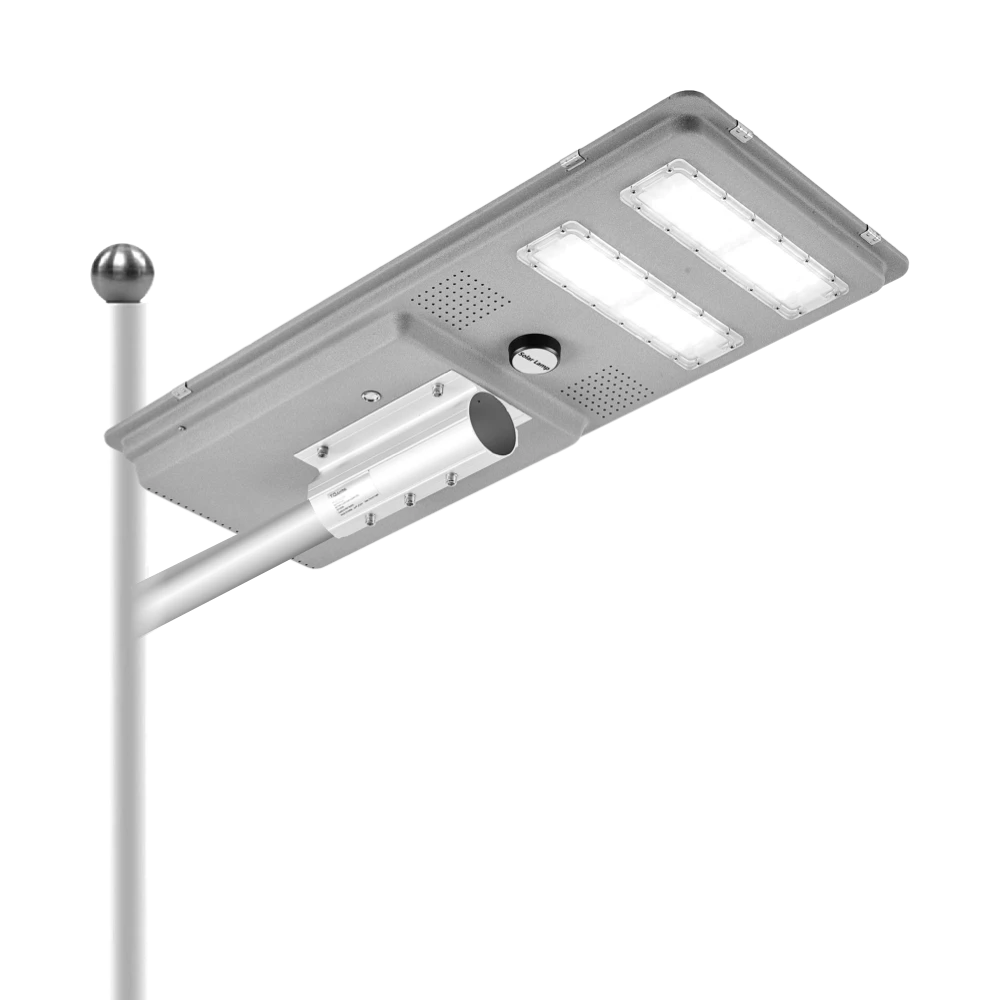
Queneng’s Solar Street Lights are designed to provide reliable, energy-efficient lighting for streets, parks, and other outdoor spaces.
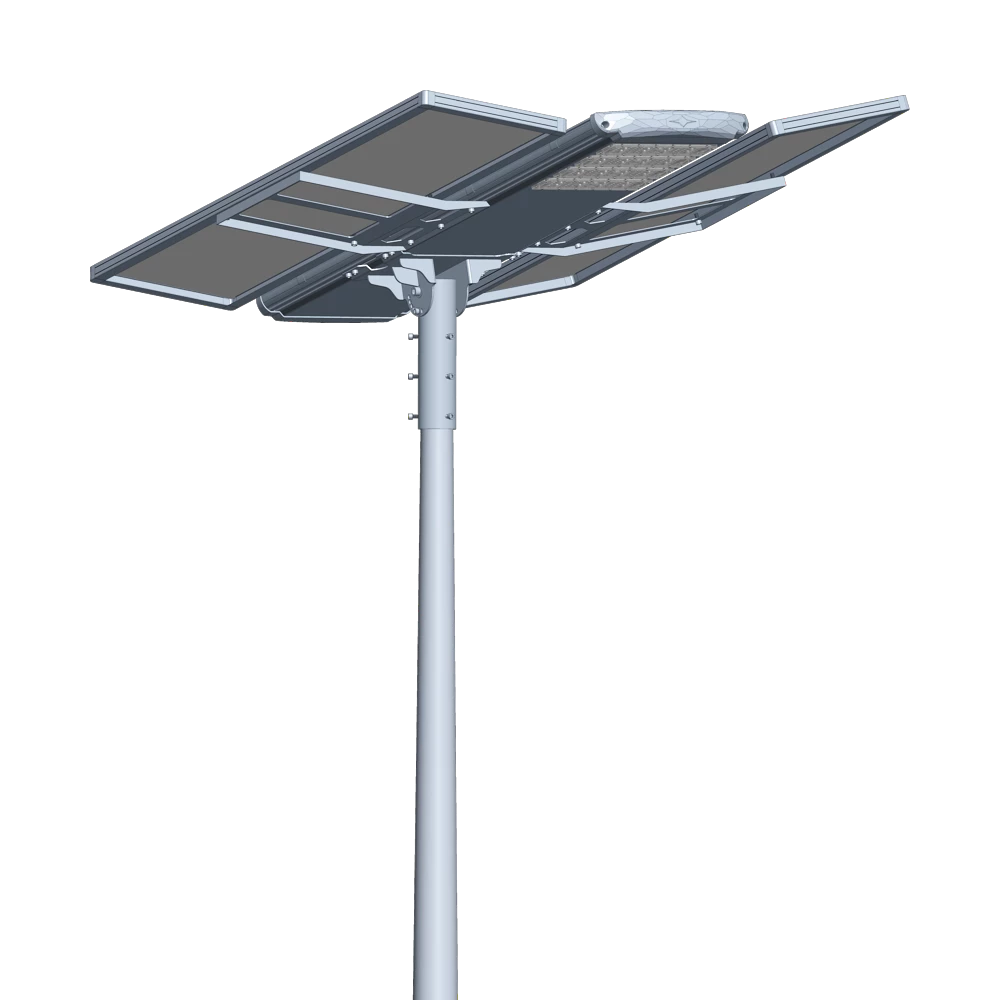
Introducing the Luqing Solar Street Light by Queneng, Efficient LED lighting powered by solar energy is perfect for illuminating outdoor areas. Harness the power of solar energy for sustainable, reliable street lighting. Ideal for eco-friendly, cost-effective outdoor illumination solutions.
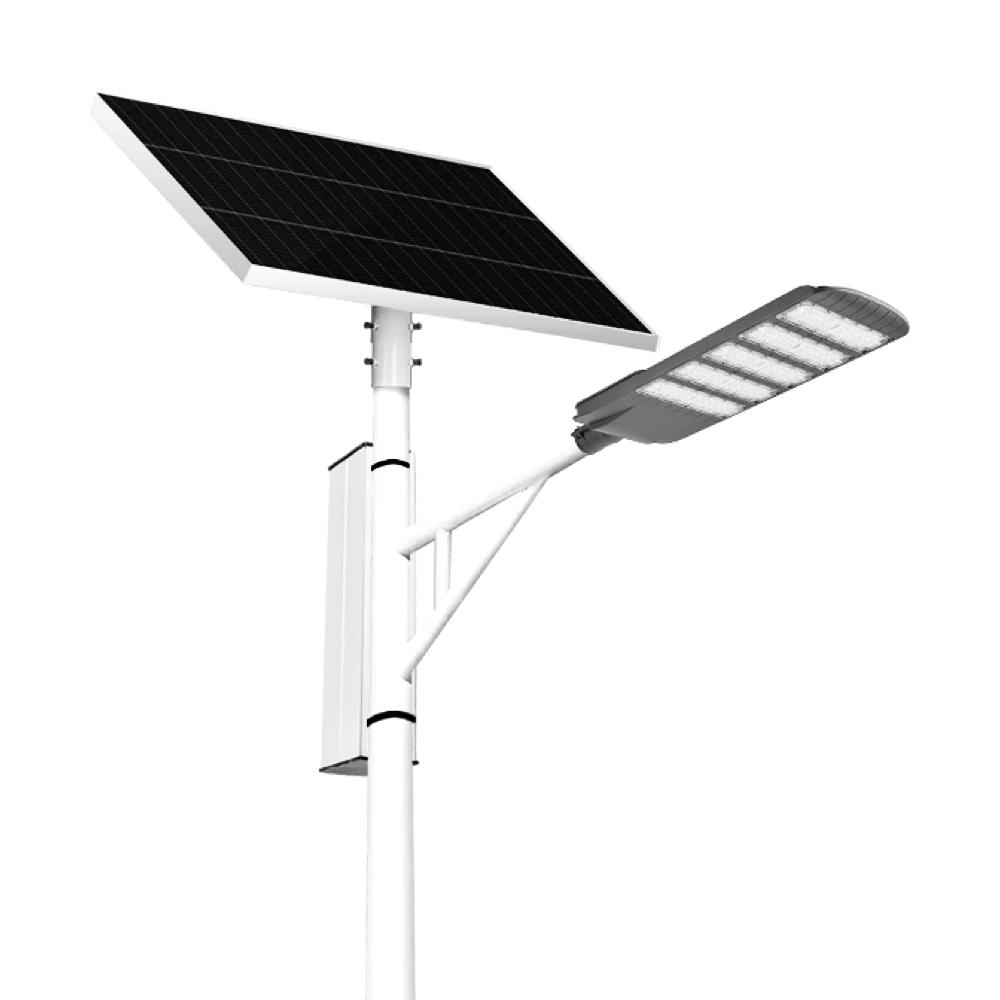
The Solar Streetlights of Luhao for Municipalities are designed to deliver reliable, energy-efficient, and cost-effective public lighting solutions. Equipped with advanced LED technology, durable lithium batteries, and high-efficiency solar panels, these streetlights provide consistent illumination for roads, parks, residential areas, and government projects.
If you would like more information about Queneng solar lighting solutions, please send us a message by filling out the form below. Our professional team will get back to you within 24 hours!
Rest assured that your privacy is important to us, and all information provided will be handled with the utmost confidentiality.
Schedule a Meeting
Book a date and time that is convenient for you and conduct the session in advance.
Have more questions about our products or services?
The messenger of light & power conversion
Environmental protection and intelligent manufacturing are our brand philosophy, and quality assurance and the best user experience are our eternal promises to users.
CONTACT
No.9F, Building F, Cao San Xin Tian Hong Logistics Park, Guzhen Town, Zhongshan City, Guangdong Province, China.
or write [email protected]
WhatsApp: +86 136 2270 1011


