














Cost-benefit analysis of sustainable street lighting for cities in Dubai | Insights by Quenenglighting
Navigating the Cost-Benefit Landscape: Sustainable Street Lighting in Dubai
Dubai, a city synonymous with innovation and ambition, is increasingly focused on sustainability. As urban areas expand, efficient and eco-friendly infrastructure becomes paramount. For procurement professionals in the solar lighting industry, understanding the cost-benefit analysis of sustainable street lighting—especially solar-powered solutions—is crucial for making informed decisions in this dynamic market.
What are the tangible financial returns (ROI, Payback Period) for investing in sustainable street lighting in Dubai?
Investing in sustainable street lighting in Dubai offers significant financial benefits, primarily driven by substantial reductions in energy consumption and maintenance costs. Traditional High-Pressure Sodium (HPS) or Metal Halide (MH) lamps are energy intensive. By contrast, modern LED street lights can reduce energy consumption by 50-70%, and solar-powered LED systems eliminate grid electricity costs entirely.
- Energy Savings: With average commercial electricity tariffs in Dubai ranging from approximately 30-35 fils per kWh (AED 0.30-0.35/kWh), the elimination or drastic reduction of electricity bills for street lighting translates into immediate and substantial operational savings. For a large-scale deployment, this can amount to millions of AED annually.
- Reduced Maintenance: LED luminaires have a lifespan of 50,000 to 100,000 hours, significantly longer than conventional lamps (typically 10,000-24,000 hours). This drastically cuts down on bulb replacement frequency, labor costs for maintenance crews, and associated equipment (e.g., cherry pickers). Solar street lights, being off-grid, also avoid issues related to grid infrastructure faults.
- Payback Period & ROI: While the initial capital investment for high-quality solar street lighting systems can be higher than traditional grid-connected LEDs (due to panels, batteries, and controllers), the payback period is often attractive, typically ranging from 3 to 7 years. This is accelerated by the complete elimination of electricity bills and reduced maintenance. The Return on Investment (ROI) becomes increasingly positive over the system's lifespan, which can exceed 20 years for well-maintained solar components.
How does sustainable street lighting contribute to Dubai's ambitious environmental and smart city objectives?
Sustainable street lighting is a cornerstone of Dubai's vision for a greener, smarter future, aligning directly with several key strategic initiatives:
- Dubai Clean Energy Strategy 2050: This ambitious strategy aims for Dubai to generate 25% of its energy from clean sources by 2030, 75% by 2050, and ly achieve 100% clean energy by 2050. Solar street lighting directly contributes to this goal by utilizing renewable energy.
- Carbon Emission Reduction: Switching from conventional lighting to LED or solar LED significantly reduces greenhouse gas emissions. A single conventional street light running 12 hours a day can emit over 0.5 tons of CO2 annually. Replacing thousands of such lights with sustainable alternatives can cut city-wide emissions by tens of thousands of tons, contributing to air quality improvement and combating climate change.
- Smart Dubai Initiative: Sustainable street lighting, especially when integrated with smart controls (IoT, sensors, remote monitoring), becomes a vital component of the 'Smart Dubai' vision. These systems can provide real-time data on energy consumption, fault detection, and even environmental parameters, enabling efficient city management and creating a more responsive urban environment. Adaptive lighting, which adjusts brightness based on traffic or pedestrian presence, further enhances energy efficiency and public safety.
What are the critical technical and operational challenges in deploying solar street lighting systems in Dubai's unique climate?
Dubai's arid, hot climate presents specific challenges that procurement professionals must address to ensure the longevity and performance of solar street lighting systems:
- High Ambient Temperatures: Extreme heat (often exceeding 45°C in summer) can impact battery performance and the efficiency of electronic components. LiFePO4 (Lithium Iron Phosphate) batteries are preferred due to their superior thermal stability and longer cycle life in high temperatures compared to other lithium-ion chemistries. Electronics must be rated for high operating temperatures.
- Dust Accumulation: The desert environment leads to significant dust accumulation on solar panels, which can reduce their energy generation efficiency by 15-30% or more if not regularly cleaned. Regular cleaning schedules (e.g., monthly or bi-monthly) must be factored into operational costs.
- Solar Panel Efficiency: While Dubai boasts high solar irradiance (averaging 5.5-6.0 kWh/m²/day), high temperatures can slightly decrease the efficiency of PV modules. Selecting high-quality, high-efficiency monocrystalline panels designed for hot climates is crucial.
- Battery Management: Proper sizing of batteries to ensure sufficient autonomy (days of backup power during cloudy weather or prolonged dust events) is essential. Advanced Battery Management Systems (BMS) are vital for protecting batteries from overcharge, over-discharge, and temperature extremes, extending their lifespan.
- Wind and Sandstorms: The structural integrity of poles and mounting hardware must be robust enough to withstand occasional strong winds and abrasive sandstorms.
Which specific sustainable street lighting technologies and smart features are best suited for optimal performance and efficiency in Dubai?
For optimal performance in Dubai, a combination of robust hardware and intelligent software is key:
- High-Efficiency LED Luminaires: Utilize LEDs with high lumen-per-watt efficacy (e.g., 150-180 lm/W) and appropriate light distribution patterns (Type II, Type III) to minimize light pollution and maximize illumination uniformity. Opt for CCTs (Correlated Color Temperatures) of 3000K-4000K for urban areas, balancing visibility with environmental considerations.
- Integrated Solar Power Systems: For areas where grid connection is costly or impractical, fully integrated solar street lights are ideal. These systems should feature:
- Monocrystalline Solar Panels: For higher efficiency and smaller footprint.
- LiFePO4 Batteries: As discussed, for superior thermal performance and longevity.
- MPPT Charge Controllers: Maximum Power Point Tracking controllers maximize energy harvest from the solar panels, especially under varying conditions.
- Smart Lighting Controls (IoT Integration): Essential for maximizing energy savings and operational efficiency:
- Adaptive Lighting/Dimming: Sensors (motion, presence, ambient light) to adjust light levels based on real-time needs, leading to significant energy savings (e.g., 30-50% additional savings).
- Remote Monitoring & Management (RMMS): Cloud-based platforms allow central control, fault detection, energy usage tracking, and scheduling, minimizing manual inspections and maintenance.
- Self-Cleaning Options: While advanced, some systems offer automated or semi-automated cleaning mechanisms for solar panels to combat dust, reducing manual intervention.
- Hybrid Solutions: For critical areas requiring guaranteed uptime, hybrid systems combining solar power with a grid backup connection offer the best of both worlds, ensuring reliability while maximizing renewable energy usage.
What government policies, incentives, or regulatory frameworks in Dubai support or mandate sustainable street lighting adoption?
Dubai's government and related entities have established a strong framework to encourage and, in some cases, mandate sustainable practices:
- DEWA Initiatives: The Dubai Electricity and Water Authority (DEWA) is a key driver. Their 'Smart Grid Strategy' includes initiatives for smart meters and promoting energy efficiency across the emirate. While specific direct incentives for solar street lighting per se might not always be publicized as cash rebates, the overarching policy environment strongly favors energy-efficient and renewable solutions, making them a preferred choice for new developments and upgrades.
- Dubai Municipality Regulations: Dubai Municipality sets standards for urban infrastructure, including lighting. Their focus on sustainable urban development and adherence to green building codes often implicitly or explicitly encourages the adoption of energy-efficient and low-carbon lighting solutions.
- Green Building Regulations: New developments in Dubai are often subject to green building regulations that require specific levels of energy efficiency in all building components, including external lighting.
- Vision 2021/2040 and Clean Energy Targets: The broader government vision and strategies create a powerful impetus. For any city department or developer, aligning with these top-level goals by choosing sustainable street lighting demonstrates commitment and forward-thinking. Procurement decisions that support these goals are generally well-received.
- Carbon Offset Programs: While less direct, participation in regional or international carbon offset markets could potentially be facilitated by large-scale renewable energy deployments like solar street lighting, though this is usually for larger projects.
For procurement professionals, understanding these frameworks means that specifying sustainable street lighting is not just about cost savings, but also about compliance, corporate social responsibility, and future-proofing urban infrastructure in alignment with Dubai's progressive vision.
Why Choose Quenenglighting for Your Dubai Sustainable Street Lighting Projects?
Quenenglighting offers a distinct advantage for your sustainable street lighting needs in Dubai. Our products are engineered for the demanding desert environment, featuring high-efficiency monocrystalline solar panels, robust LiFePO4 batteries, and advanced MPPT controllers, ensuring optimal performance even in extreme heat and dust. We integrate smart IoT solutions for remote monitoring, adaptive dimming, and predictive maintenance, aligning perfectly with Dubai's Smart City initiatives. With a focus on durability, long lifespan, and exceptional energy efficiency, Quenenglighting solutions deliver a superior ROI and significantly contribute to Dubai's clean energy goals, providing reliable, low-maintenance, and eco-friendly illumination for your urban landscapes.

Have more questions about our products or services?
The latest hot news you might like

Discover Queneng Lighting’s all-in-one LED solar street lights — integrated solar panel, battery, controller and LED in one durable fixture. Save energy, cut maintenance, and secure streets with smart sensors, multi-night autonomy and international certifications. Contact sales for quotes and support.

Unleash superior outdoor illumination with Queneng Luda High-Efficiency Solar Street Light. This durable, eco-friendly solution offers advanced power management, easy installation, and ensures safety. Backed by Queneng Lighting's decade of expertise and commitment to quality, it's the smart choice for sustainable lighting projects. Learn why we're a leading solar solutions provider.

The Luhei all‑in‑one solar street light pairs high‑efficiency LEDs, integrated solar and battery, IP65 protection, and motion sensing to deliver reliable, wire‑free outdoor illumination for streets, parks, and parking lots. Backed by Queneng Lighting’s certifications and support.

FAQ
Batteries and the environment
What impact do batteries have on the environment?
Battery Types and Applications
What is the lifespan of rechargeable batteries used in cordless phones?
1. After charging, the call time becomes shorter every time;
2. The call signal is not clear enough, the reception effect is blurry, and the noise is loud;
3. The distance between the cordless phone and the base needs to be closer and closer, that is, the range of use of the cordless phone is getting narrower and narrower.
Commercial and Industrial Parks
Are the lights customizable for different industrial park layouts?
Yes, we provide customized solutions tailored to the specific lighting requirements and layouts of your park.
Solar Street Light Luqing
Do Luqing solar street lights work in cold or snowy climates?
Yes, Luqing solar street lights are designed to work in various weather conditions, including cold and snowy climates. The solar panels are made to operate efficiently even in low temperatures, and the LED lights perform well in all weather.
What kind of battery is used in Luqing solar street lights?
Luqing solar street lights typically use lithium-ion batteries, known for their efficiency, long life, and ability to handle high numbers of charge cycles compared to other battery types like lead-acid.
Schools and Educational Institutions
How long does the battery of solar lights last?
The battery typically lasts for 5-8 years depending on usage and environmental conditions.
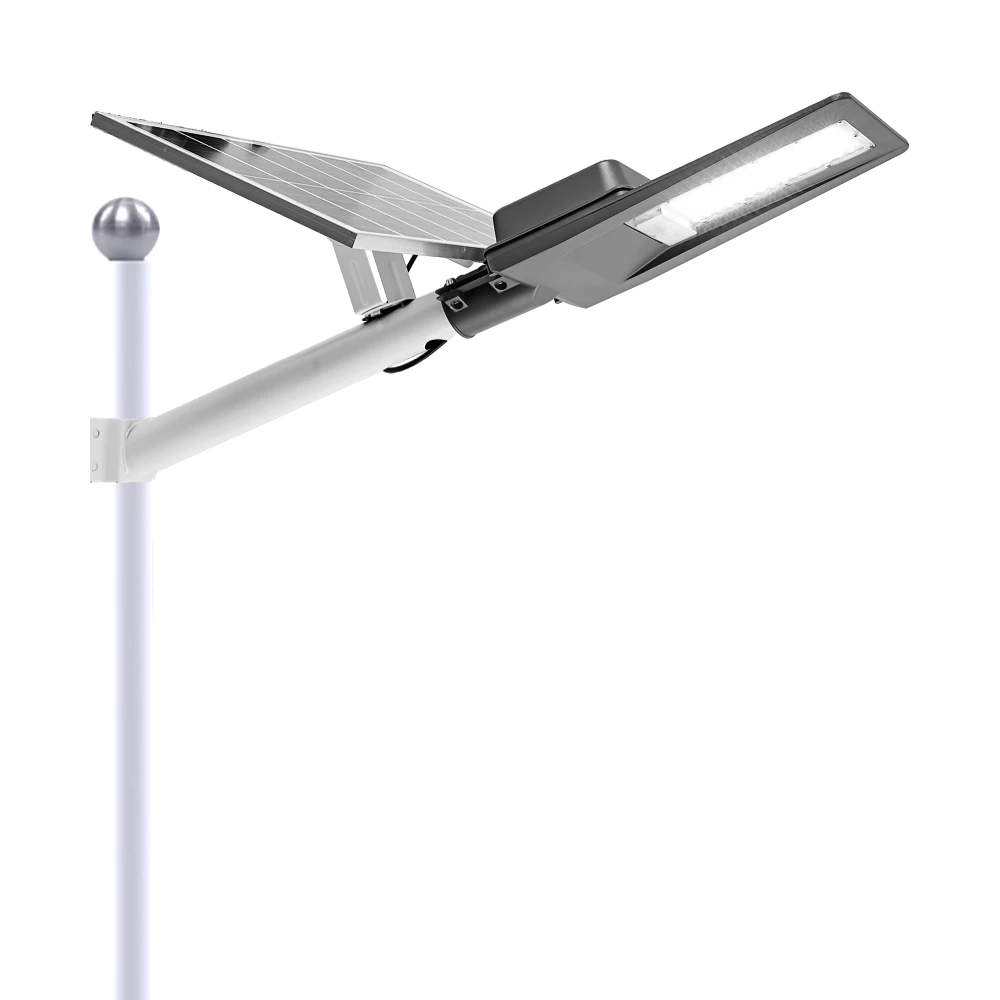
Experience reliable outdoor illumination with our smart solar street light, a perfect combination of advanced technology and eco-conscious design.
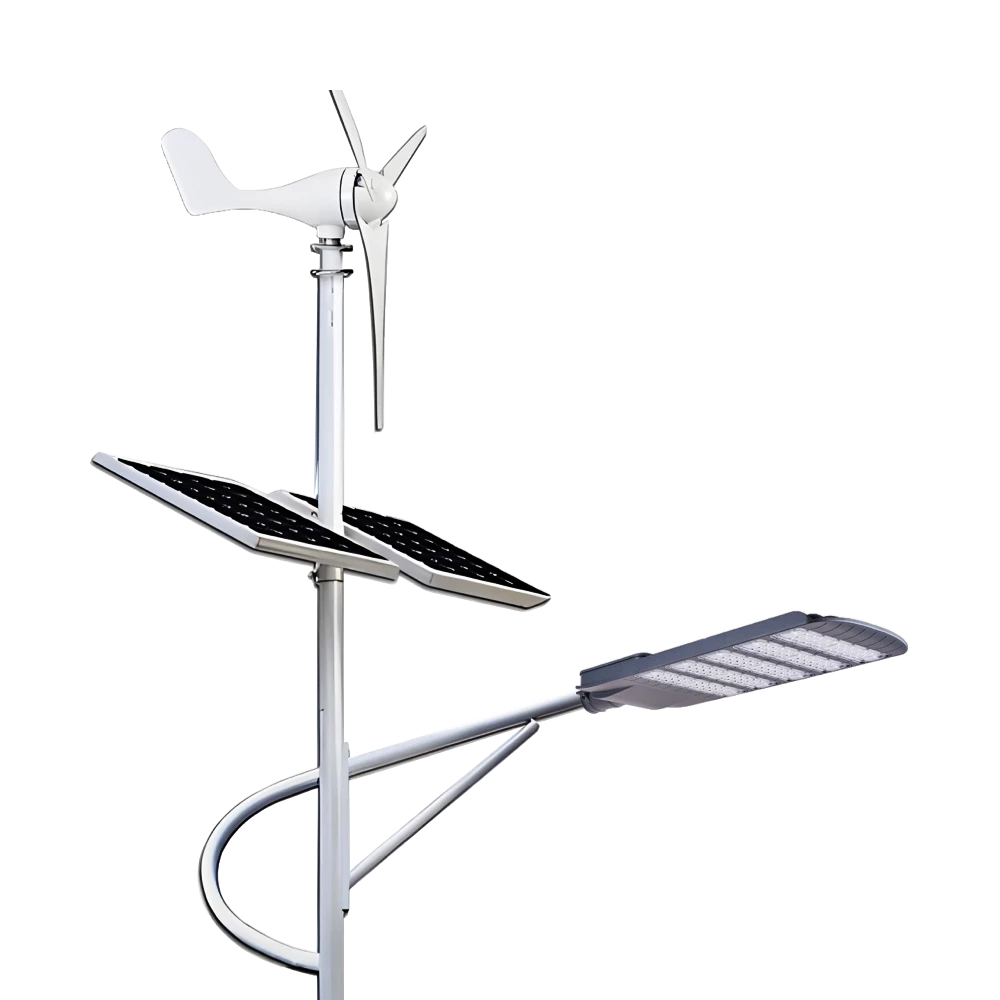
Queneng Lufeng Wind Energy LED Outdoor Solar Street Lights offer high-performance, eco-friendly illumination. These energy-efficient LED street lights harness solar power and wind energy for sustainable, cost-effective outdoor lighting solutions.
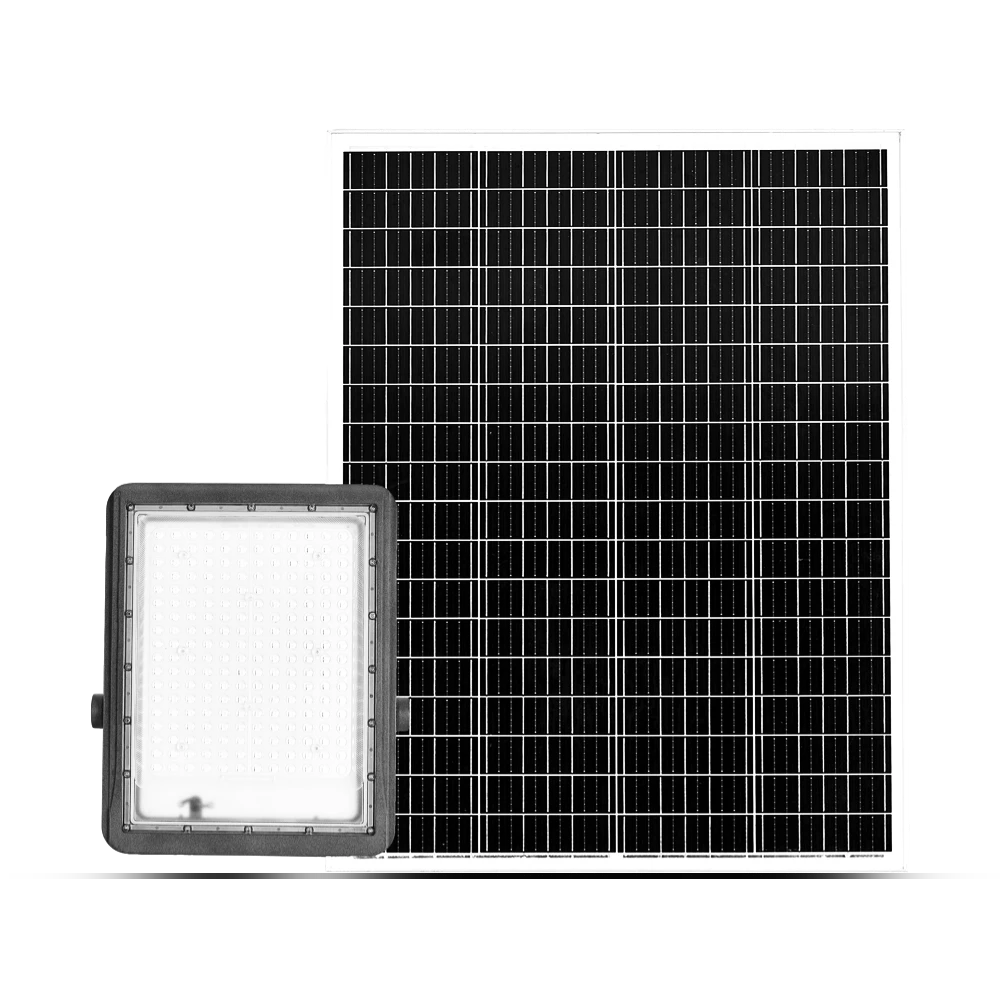
Queneng's Luxian Reliable Solar Street Light offers energy-saving LED lighting for outdoor use. This durable, solar-powered street light provides reliable illumination, reducing energy costs and environmental impact. A perfect solution for sustainable outdoor lighting.
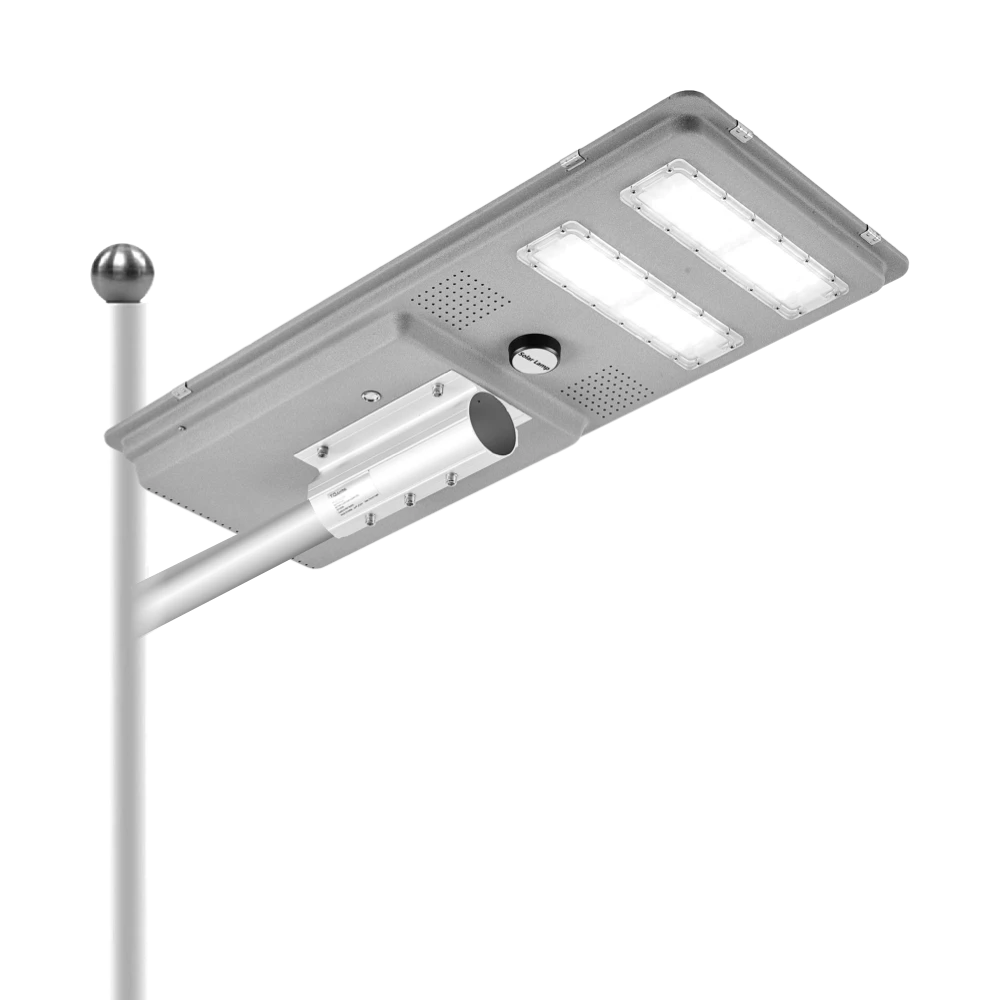
Queneng’s Solar Street Lights are designed to provide reliable, energy-efficient lighting for streets, parks, and other outdoor spaces.
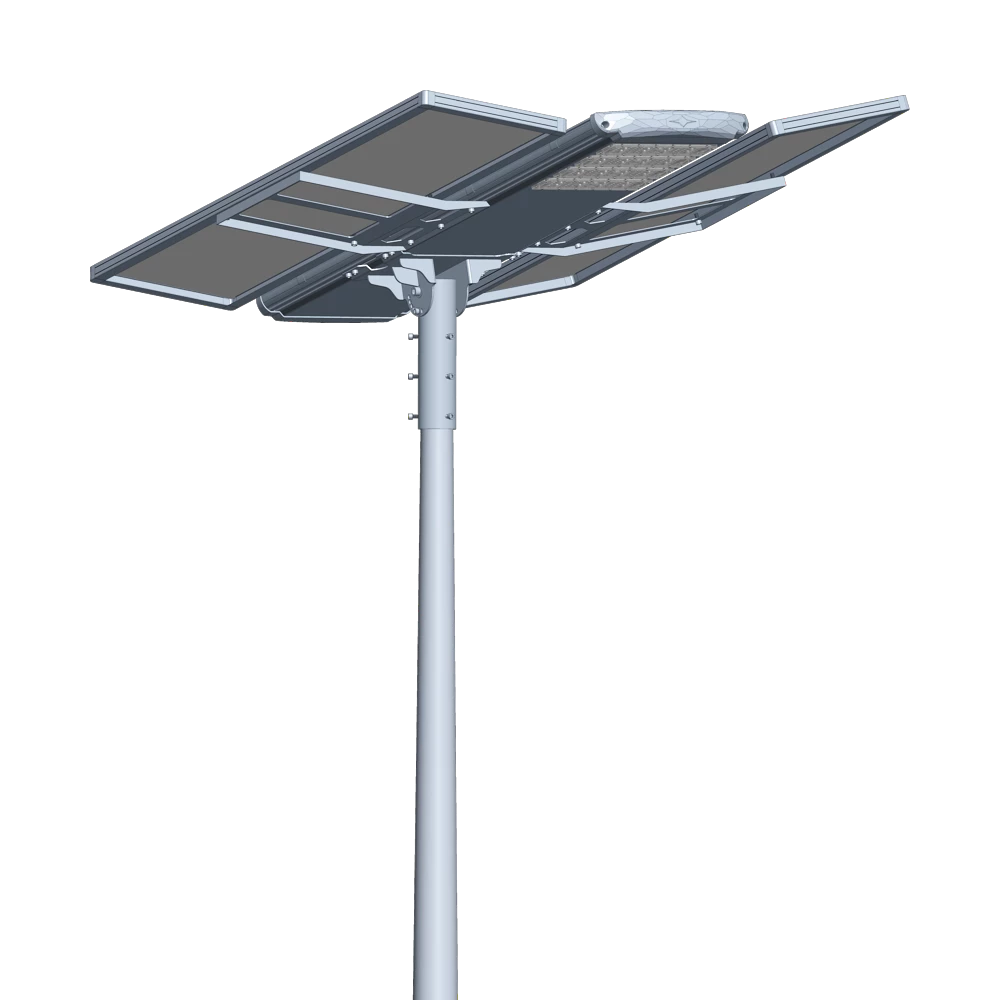
Introducing the Luqing Solar Street Light by Queneng, Efficient LED lighting powered by solar energy is perfect for illuminating outdoor areas. Harness the power of solar energy for sustainable, reliable street lighting. Ideal for eco-friendly, cost-effective outdoor illumination solutions.
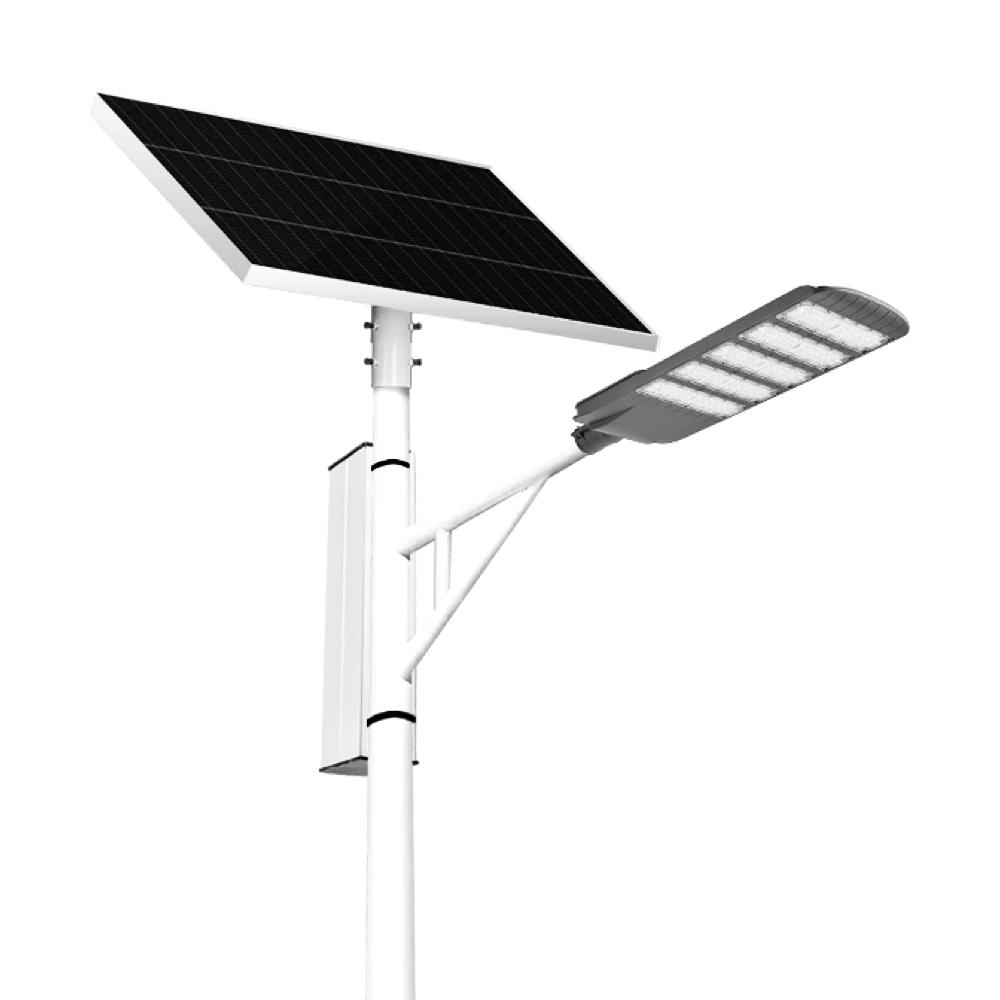
The Solar Streetlights of Luhao for Municipalities are designed to deliver reliable, energy-efficient, and cost-effective public lighting solutions. Equipped with advanced LED technology, durable lithium batteries, and high-efficiency solar panels, these streetlights provide consistent illumination for roads, parks, residential areas, and government projects.
If you would like more information about Queneng solar lighting solutions, please send us a message by filling out the form below. Our professional team will get back to you within 24 hours!
Rest assured that your privacy is important to us, and all information provided will be handled with the utmost confidentiality.
Schedule a Meeting
Book a date and time that is convenient for you and conduct the session in advance.
Have more questions about our products or services?
The messenger of light & power conversion
Environmental protection and intelligent manufacturing are our brand philosophy, and quality assurance and the best user experience are our eternal promises to users.
CONTACT
No.9F, Building F, Cao San Xin Tian Hong Logistics Park, Guzhen Town, Zhongshan City, Guangdong Province, China.
or write [email protected]
WhatsApp: +86 136 2270 1011


