













Durability testing of OEM solar streetlights for municipalities in Iran | Insights by Quenenglighting
Ensuring Longevity: Durability Testing of OEM Solar Streetlights for Iranian Municipalities
For municipalities across Iran, investing in solar streetlights represents a significant step towards sustainable, energy-independent urban infrastructure. However, the unique and often harsh environmental conditions – from scorching desert heat and pervasive dust storms to occasional sub-zero winters – demand that these investments are not just green, but also exceptionally robust. When procuring Original Equipment Manufacturer (OEM) solar streetlights, understanding the nuances of durability testing is paramount. This guide aims to equip procurement officers and engineers with the professional knowledge needed to make informed decisions, ensuring their solar lighting solutions deliver reliable performance and a long operational lifespan.
1. What are the critical durability tests and certifications OEM solar streetlights must pass for reliable operation in Iran's diverse climate?
Ensuring an OEM solar streetlight can withstand Iran's varied climate requires a robust testing regimen. Key durability tests and certifications include:
- Ingress Protection (IP) Rating: Essential for protection against dust and water. Given Iran's frequent dust storms, an IP65 or preferably IP66 rating (dust-tight, protected against powerful water jets) for the luminaire and battery enclosure is critical. For areas prone to extreme rain or even temporary submersion, IP67 offers superior protection.
- Impact Protection (IK) Rating: Measures resistance to mechanical impact, crucial for public installations where vandalism can be a concern. An IK08 rating (protection against 5 joules of impact) is a good baseline, with IK10 (20 joules) providing superior resilience for high-risk areas.
- Wind Load Testing: Streetlight poles and fixtures must withstand high wind speeds common in various regions of Iran. Testing should confirm structural integrity according to standards like ASTM D7777 or local building codes, ensuring stability against potential wind gusts up to 120-150 km/h.
- Thermal Cycling & Humidity Freeze Tests: For solar panels (per IEC 61215/61730), these tests simulate extreme temperature fluctuations and humidity, verifying the module's long-term reliability against cracking, delamination, and power degradation under Iran’s wide temperature swings (e.g., from occasional -20°C in winter to +50°C in summer in some regions).
- Salt Spray (Corrosion) Testing: Relevant for coastal cities (e.g., Persian Gulf coast) or industrial areas. ASTM B117 standards ensure components can resist corrosion, maintaining aesthetic and structural integrity.
- Vibration Testing: Especially important for pole-mounted systems to ensure components remain secure and functional under prolonged environmental vibrations (e.g., from traffic, wind).
Beyond these, look for international certifications like CE (safety, health, and environmental protection standards) and RoHS (restriction of hazardous substances). ISO 9001 for quality management and ISO 14001 for environmental management indicate a manufacturer's commitment to consistent quality and responsible practices.
2. How do extreme temperatures, dust storms, and high solar irradiance in Iran impact the lifespan and performance of key components (battery, solar panel, LED)?
Iran's climate presents specific challenges that can significantly affect the lifespan and performance of solar streetlight components:
- Extreme Temperatures:
- Batteries: High ambient temperatures (e.g., +40°C to +50°C in summer) accelerate the degradation rate of most battery chemistries. For example, the lifespan of a typical Li-ion battery can be halved for every 10°C increase above its optimal operating temperature. Conversely, very low temperatures (e.g., -10°C to -20°C in winter in some areas) reduce battery capacity and charging efficiency.
- Solar Panels: While high solar irradiance is beneficial, module efficiency decreases with increasing temperature – typically by 0.3% to 0.5% per °C above the Standard Test Condition (STC) of 25°C. This means a panel operating at 45°C could see a 6-10% efficiency drop.
- LEDs: High junction temperatures can lead to premature lumen depreciation (reduction in brightness) and a shortened lifespan. Effective heat dissipation design is crucial for LEDs to achieve their rated 50,000 to 100,000-hour L70 lifespan.
- Dust Storms:
- Solar Panels: Dust accumulation on solar panels is a major issue, especially in arid and semi-arid regions of Iran. Studies indicate that dust can reduce solar panel output by as much as 30-50% if not regularly cleaned. This directly impacts battery charging and overall system autonomy.
- Enclosures: Fine dust can penetrate poorly sealed enclosures, leading to short circuits, corrosion of electronic components, and fan failures (if present).
- High Solar Irradiance: While a positive for energy generation (Iran's average daily global horizontal irradiance ranges from 4.5-5.5 kWh/m²/day), prolonged exposure to intense UV radiation can degrade non-metallic components like cable insulation, seals, and plastic housings over time if not UV-stabilized.
3. What maintenance considerations and expected lifespan should municipalities factor in when evaluating OEM solar streetlights for long-term cost-effectiveness?
Long-term cost-effectiveness hinges on balancing initial investment with minimal maintenance and extended lifespan. Municipalities should consider:
- Expected Component Lifespan:
- Solar Panels: High-quality monocrystalline or polycrystalline panels typically come with a 20-25 year performance warranty, guaranteeing minimal degradation (e.g., no more than 0.5% annual degradation after the first year).
- Batteries: This is often the shortest-lived component. LiFePO4 (LFP) batteries are preferred, offering 5-10 years of life (2000-4000+ cycles at 80% Depth of Discharge, DoD), significantly outperforming traditional lead-acid batteries (3-5 years, 500-1500 cycles).
- LEDs: Rated for 50,000 to 100,000 hours (L70), meaning they should last well over 10-20 years with typical dusk-to-dawn operation.
- Controllers & Electronics: Generally robust, with an expected lifespan of 5-10 years.
- Maintenance Requirements:
- Panel Cleaning: Critical in dusty areas of Iran. Manual cleaning once a month or quarterly may be necessary to maintain optimal performance. Some advanced systems offer self-cleaning coatings, though these require evaluation for effectiveness.
- Battery Inspection: For LFP batteries, visual inspection every few years is usually sufficient. For lead-acid, regular electrolyte checks and watering are required, adding to maintenance costs and reducing their suitability for remote solar applications.
- Structural Checks: Periodic inspection of poles, brackets, and fixtures for corrosion, loosening, or damage due to wind/vandalism.
- Total Cost of Ownership (TCO): Factor in initial purchase, installation, maintenance labor/materials, and replacement costs over a 15-20 year period. While lead-acid batteries have a lower upfront cost, their shorter lifespan and higher maintenance often result in a much higher TCO compared to LFP solutions.
4. What specific battery technologies and charge controllers offer the best durability and performance for solar streetlights in demanding municipal applications?
The core of a durable solar streetlight lies in its energy storage and management:
- Battery Technology – LiFePO4 (LFP) is Superior:
- High Cycle Life: LFP batteries offer significantly more charge-discharge cycles (typically 2000-4000+ at 80% DoD) compared to lead-acid (500-1500 cycles). This translates to a 2-3x longer lifespan, reducing replacement frequency and TCO.
- Thermal Stability & Safety: LFP chemistry is inherently more thermally stable and less prone to thermal runaway than other lithium-ion chemistries (like NMC), making them safer for high-temperature environments common in Iran.
- Wider Operating Temperature Range: LFP batteries perform better across a broader temperature range, although extreme heat will still impact their overall lifespan.
- Consistent Performance: They maintain voltage more consistently throughout the discharge cycle, ensuring stable light output.
Avoid traditional lead-acid batteries (Gel, AGM) for municipal solar streetlights if long-term reliability and low maintenance are priorities, especially in Iran’s climate.
- Charge Controller Technology – MPPT is Essential:
- Maximum Power Point Tracking (MPPT): MPPT controllers are crucial for maximizing energy harvest from solar panels. They can increase charging efficiency by 20-30% (or even more in specific conditions like cold weather or partially shaded panels) compared to Pulse Width Modulation (PWM) controllers. This is vital in ensuring the battery gets fully charged, especially during shorter winter days or when panels are affected by dust.
- Smart Charging Algorithms: Advanced MPPT controllers incorporate multi-stage charging (bulk, absorption, float) to optimize battery health and prolong its lifespan.
- Protection Features: Look for controllers with robust protections against overcharge, over-discharge, reverse polarity, short circuit, and lightning.
An efficient MPPT controller ensures that even with varying solar irradiance or some dust accumulation, the system optimizes power transfer to the battery, thereby extending its life and guaranteeing reliable night-time operation.
5. How can municipalities ensure the quality control and reliability of OEM suppliers for solar streetlights, particularly regarding durability claims?
Vetting OEM suppliers is crucial to guarantee the promised durability. Municipalities should implement a stringent due diligence process:
- Request Detailed Specifications and Test Reports: Demand comprehensive datasheets for all major components (LEDs, solar panels, batteries, controllers), including independent third-party test reports for IP, IK, thermal performance, and salt spray where applicable. These should align with international standards (e.g., IEC, ASTM).
- Supplier Certifications and Audits: Verify the OEM holds ISO 9001 (Quality Management System) and ISO 14001 (Environmental Management System) certifications. Consider conducting or commissioning a factory audit to assess their manufacturing processes, quality control procedures, and testing facilities in person.
- Component Sourcing Transparency: Inquire about the origin and brand of critical components. Reputable OEMs often use well-known, high-quality brands for LEDs (e.g., Philips, Osram, Cree), solar cells (e.g., Jinko, Longi, Trina), and battery cells (e.g., CATL, EVE, BYD). Avoid suppliers using generic, unbranded components.
- Warranty and After-Sales Support: A strong warranty indicates supplier confidence in product durability. Look for comprehensive warranties – typically 5 years for the entire system, and 10-25 years for solar panel performance. Clarify after-sales support, availability of spare parts, and response times for technical issues.
- Reference Projects and Case Studies: Request references for similar projects, especially in climates comparable to Iran’s. Contacting these references can provide valuable insights into real-world performance and supplier reliability.
- Sample Testing: For larger procurements, consider obtaining a sample unit for independent testing and evaluation before committing to a bulk order.
Quenenglighting: Your Partner for Durable OEM Solar Streetlights in Iran
When selecting an OEM partner for solar streetlights in challenging environments like Iran, Quenenglighting stands out as a reliable choice. Our commitment to durability and performance is reflected in:
- Robust Engineering: Quenenglighting's products are designed with high-grade materials and advanced thermal management to withstand extreme temperatures and environmental stresses, achieving superior IP and IK ratings.
- Advanced Componentry: We exclusively integrate High Quality, high-cycle-life LiFePO4 batteries and efficient MPPT charge controllers, alongside top-tier LED chips, ensuring optimal energy harvesting, consistent illumination, and extended operational lifespans.
- Rigorous Quality Control: Adhering to ISO 9001 standards, our manufacturing process includes multi-stage inspections and comprehensive testing – from component validation to full system burn-in tests – to guarantee every unit meets stringent durability and performance benchmarks.
- Tailored Solutions: Understanding the diverse climatic zones of Iran, Quenenglighting offers customized solutions, factoring in specific environmental challenges like dust storms, high solar irradiance, and temperature extremes to ensure maximum resilience and efficiency.
- Comprehensive Support: We provide robust warranties and dedicated after-sales support, including technical assistance and spare parts availability, ensuring long-term peace of mind for municipal projects.
Partner with Quenenglighting to illuminate your cities with durable, reliable, and cost-effective OEM solar streetlights, built to last in Iran's unique conditions.

Have more questions about our products or services?
The latest hot news you might like

Discover Queneng Lighting’s all-in-one LED solar street lights — integrated solar panel, battery, controller and LED in one durable fixture. Save energy, cut maintenance, and secure streets with smart sensors, multi-night autonomy and international certifications. Contact sales for quotes and support.

Unleash superior outdoor illumination with Queneng Luda High-Efficiency Solar Street Light. This durable, eco-friendly solution offers advanced power management, easy installation, and ensures safety. Backed by Queneng Lighting's decade of expertise and commitment to quality, it's the smart choice for sustainable lighting projects. Learn why we're a leading solar solutions provider.

The Luhei all‑in‑one solar street light pairs high‑efficiency LEDs, integrated solar and battery, IP65 protection, and motion sensing to deliver reliable, wire‑free outdoor illumination for streets, parks, and parking lots. Backed by Queneng Lighting’s certifications and support.

FAQ
Solar Street Light Chuanqi
Are Chuanqi solar street lights suitable for both residential and commercial use?
Yes, Chuanqi solar street lights are suitable for a wide range of applications, including both residential and commercial use. Whether it's illuminating streets, pathways, parks, or parking lots, Chuanqi lights provide dependable outdoor lighting. Their ease of installation and low operational costs make them ideal for both private homes and large-scale commercial projects.
Battery Performance and Testing
What is a short circuit experiment?
Solar Street Light Luqing
Are Luqing solar street lights suitable for large areas like parking lots or highways?
Yes, Luqing solar street lights are suitable for a variety of outdoor environments, including parking lots, highways, and large public spaces. They offer sufficient brightness and coverage for these areas without the need for grid-based power.
Battery and Analysis
What is the rate of battery discharge? What is the battery's hourly discharge rate?
Solar Street Light Lufeng
Can Lufeng solar street lights be integrated with other smart systems?
Yes, Lufeng solar street lights can be integrated with smart systems for more advanced functionality. Some models can be connected to remote control units or smart city systems, allowing for real-time monitoring, remote management, and automated control of lighting schedules. This integration enhances efficiency and ease of use.
Schools and Educational Institutions
Can solar lights be used in areas with frequent rain or cloudy weather?
Yes, our solar lights are equipped with high-efficiency solar panels that can still charge even under cloudy or rainy conditions, although performance may be slightly reduced compared to sunny days.
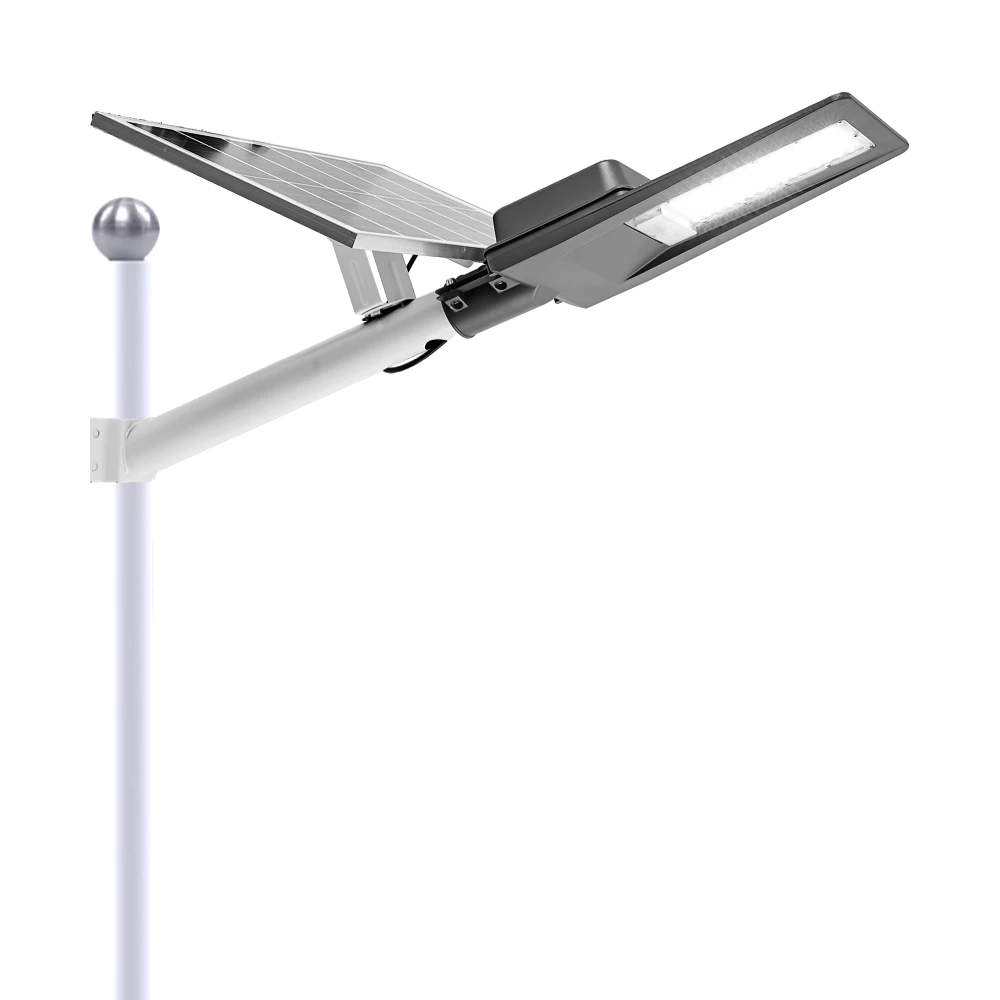
Experience reliable outdoor illumination with our smart solar street light, a perfect combination of advanced technology and eco-conscious design.
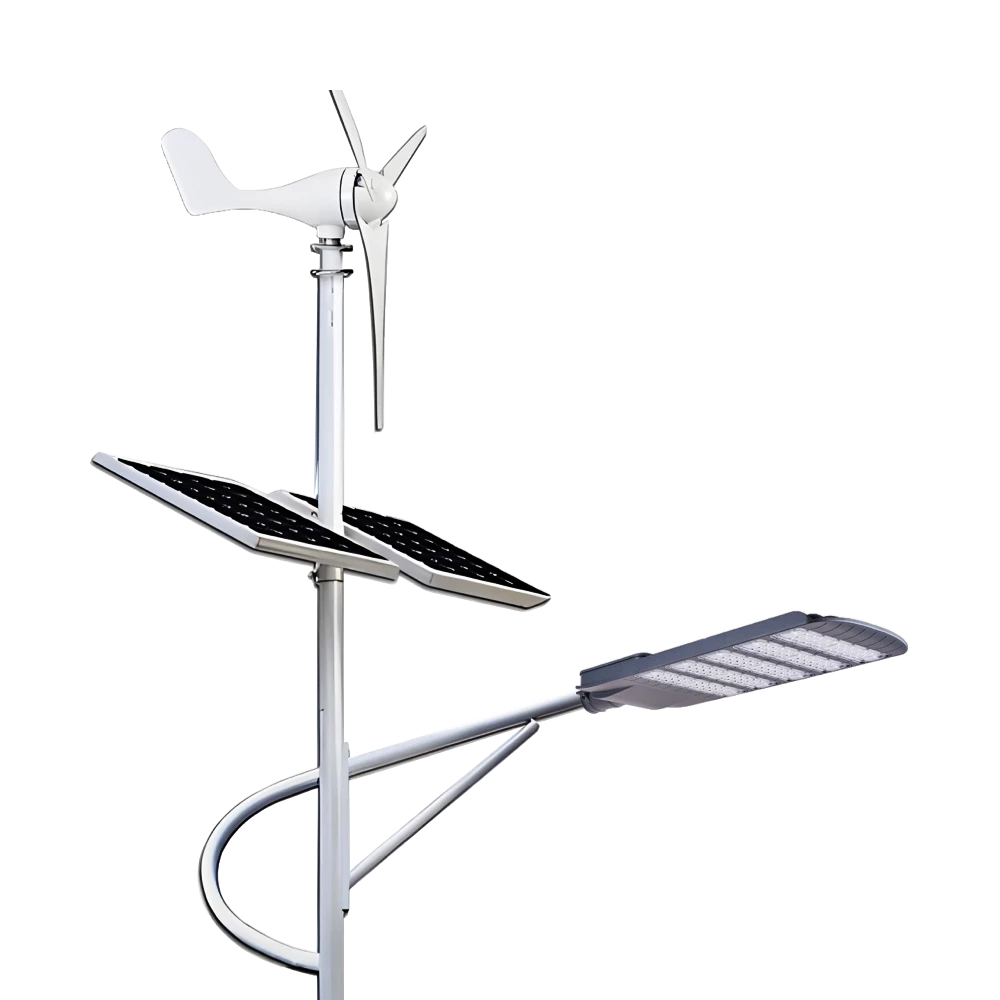
Queneng Lufeng Wind Energy LED Outdoor Solar Street Lights offer high-performance, eco-friendly illumination. These energy-efficient LED street lights harness solar power and wind energy for sustainable, cost-effective outdoor lighting solutions.
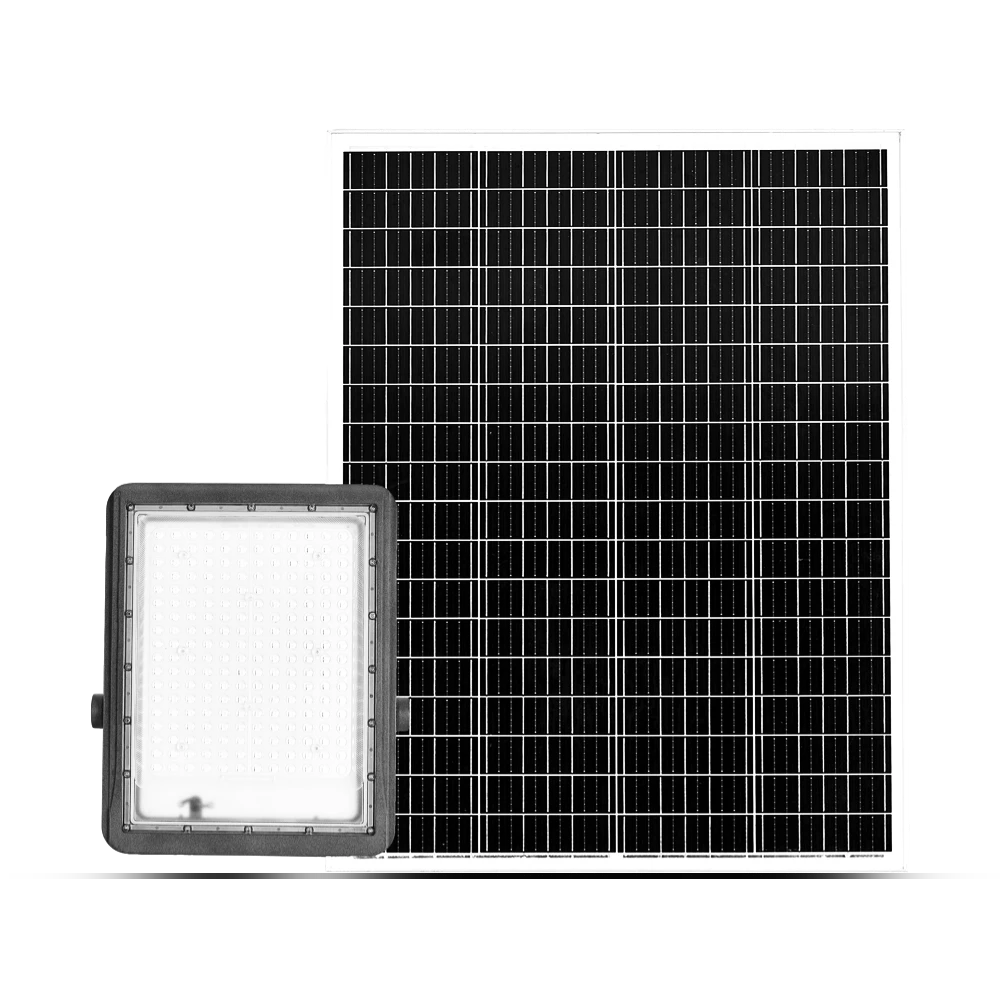
Queneng's Luxian Reliable Solar Street Light offers energy-saving LED lighting for outdoor use. This durable, solar-powered street light provides reliable illumination, reducing energy costs and environmental impact. A perfect solution for sustainable outdoor lighting.
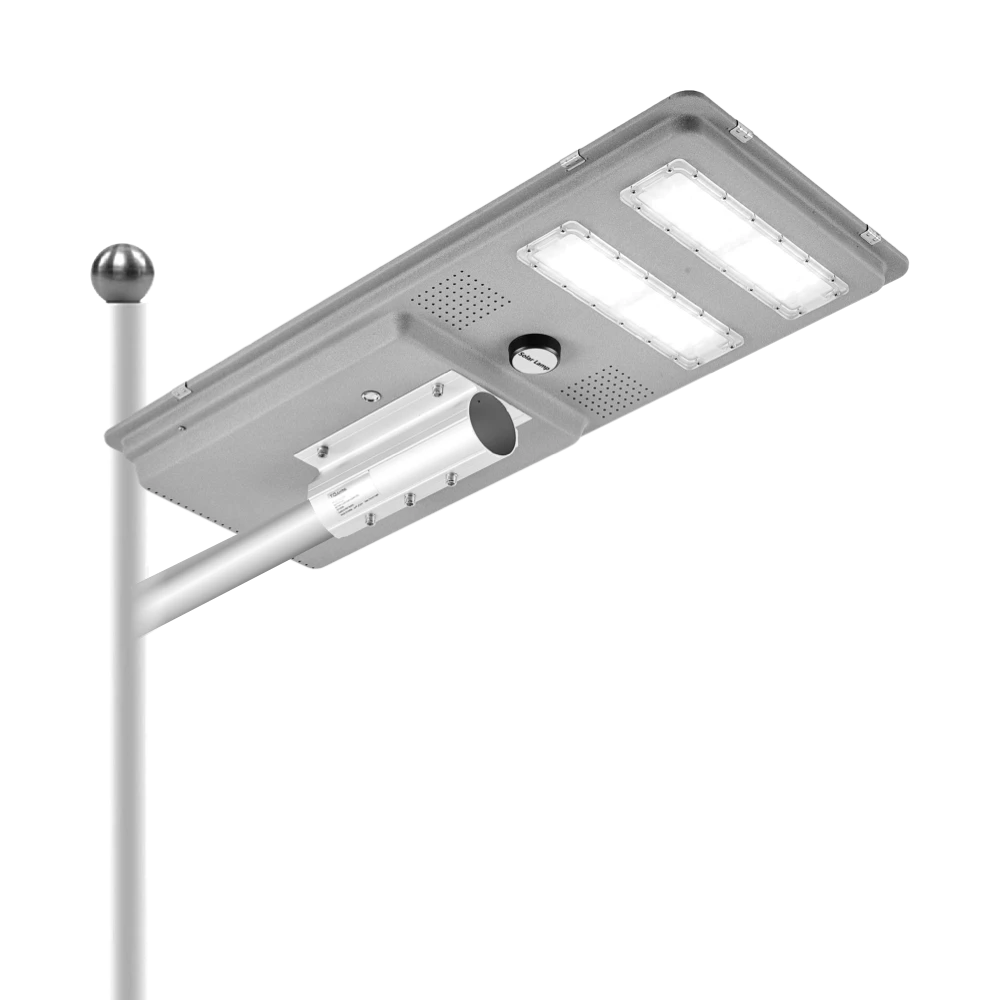
Queneng’s Solar Street Lights are designed to provide reliable, energy-efficient lighting for streets, parks, and other outdoor spaces.
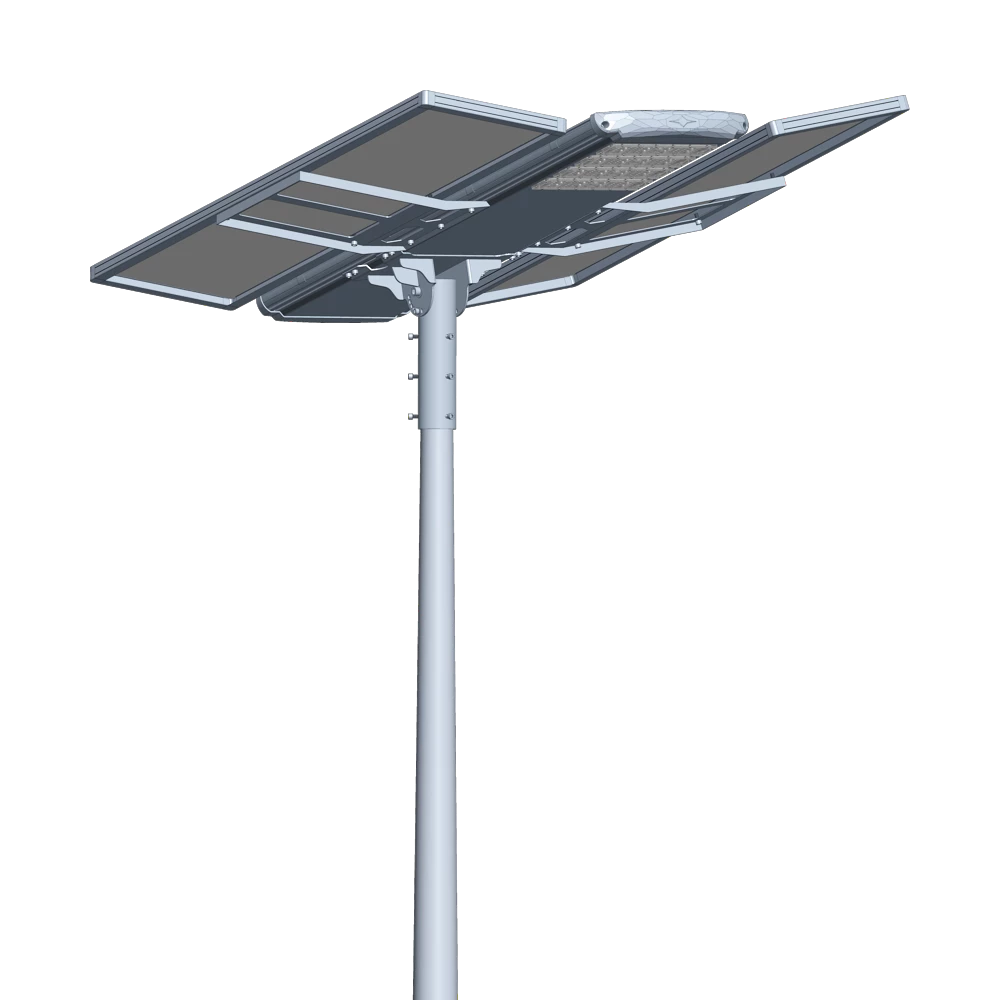
Introducing the Luqing Solar Street Light by Queneng, Efficient LED lighting powered by solar energy is perfect for illuminating outdoor areas. Harness the power of solar energy for sustainable, reliable street lighting. Ideal for eco-friendly, cost-effective outdoor illumination solutions.
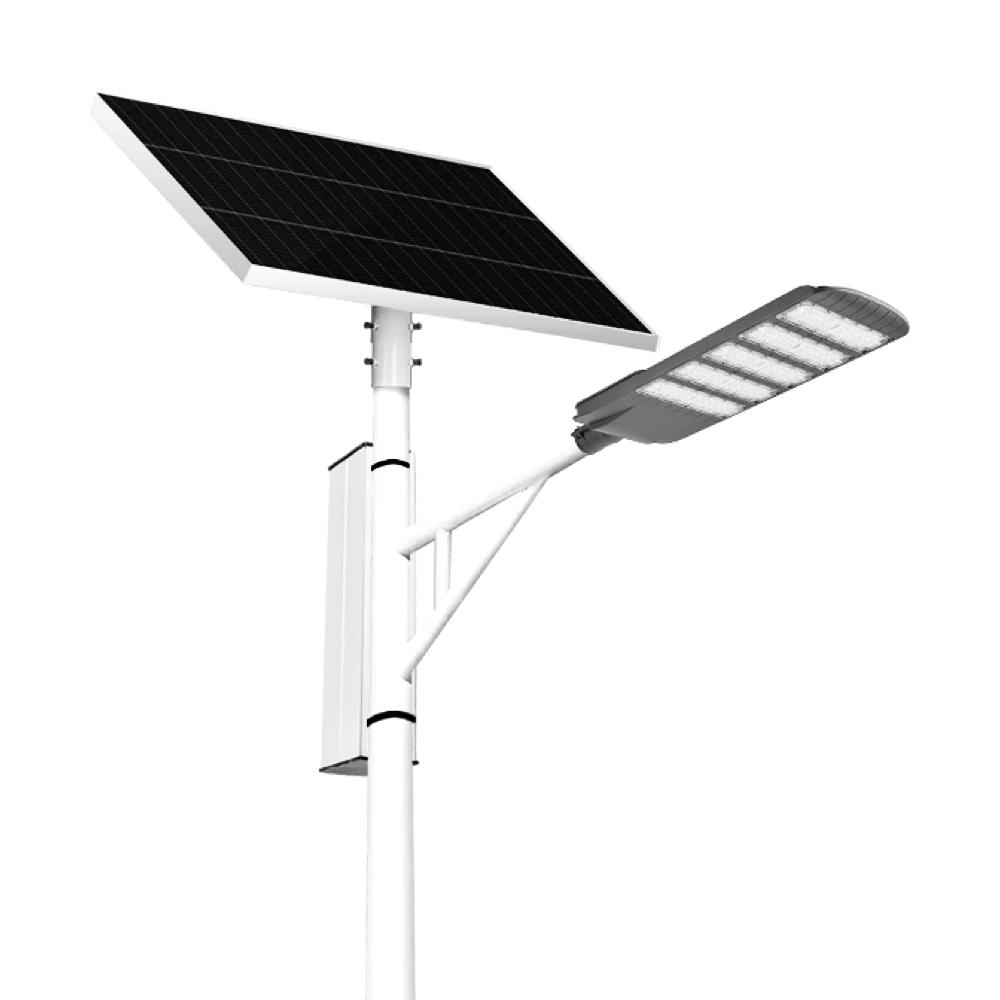
The Solar Streetlights of Luhao for Municipalities are designed to deliver reliable, energy-efficient, and cost-effective public lighting solutions. Equipped with advanced LED technology, durable lithium batteries, and high-efficiency solar panels, these streetlights provide consistent illumination for roads, parks, residential areas, and government projects.
If you would like more information about Queneng solar lighting solutions, please send us a message by filling out the form below. Our professional team will get back to you within 24 hours!
Rest assured that your privacy is important to us, and all information provided will be handled with the utmost confidentiality.
Schedule a Meeting
Book a date and time that is convenient for you and conduct the session in advance.
Have more questions about our products or services?
The messenger of light & power conversion
Environmental protection and intelligent manufacturing are our brand philosophy, and quality assurance and the best user experience are our eternal promises to users.
CONTACT
No.9F, Building F, Cao San Xin Tian Hong Logistics Park, Guzhen Town, Zhongshan City, Guangdong Province, China.
or write [email protected]
WhatsApp: +86 136 2270 1011


