












How to Export Solar-powered Street Lights to Global Markets | Insights by Quenenglighting
Understanding Global Market Demand and Opportunities
The global solar street lighting market is experiencing robust growth, driven by increasing urbanization, rural electrification initiatives, and a rising focus on sustainable infrastructure worldwide. According to Mordor Intelligence, the market size is projected to grow from USD 7.21 billion in 2023 to USD 16.03 billion by 2028, at a Compound Annual Growth Rate (CAGR) of 17.38%. This presents immense opportunities for both manufacturers and buyers. Key growth regions include Asia-Pacific, Africa, and Latin America, where governments are investing heavily in smart cities and green energy solutions. Understanding the specific needs of these markets – whether it's high lumen output for busy urban areas, robust designs for remote rural roads, or smart features for integrated city management – is crucial for successful procurement.
Navigating International Certifications and Regulations
For international trade, compliance is paramount. Buyers must ensure that the solar street lights they source meet the specific certifications and regulations of their target market to avoid delays, penalties, and product recalls. Essential international certifications include:
- CE (Conformité Européenne): Mandatory for products sold within the European Economic Area, indicating conformity with health, safety, and environmental protection standards.
- RoHS (Restriction of Hazardous Substances): Complies with EU directive limiting hazardous materials in electrical and electronic products.
- IEC (International Electrotechnical Commission): Provides globally recognized standards for electrical, electronic, and related technologies, such as IEC 60598 for luminaires and IEC 61215/61730 for PV modules.
- ISO 9001: Certifies a quality management system, ensuring consistent product quality.
- ISO 14001: Certifies an environmental management system, indicating sustainable practices.
Region-specific certifications are also critical:
- UL (Underwriters Laboratories): Essential for the North American market, ensuring product safety.
- FCC (Federal Communications Commission): Required for electronic products sold in the U.S. that might cause electromagnetic interference.
- SAA (Standards Australia): Mandatory for electrical products sold in Australia and New Zealand.
- PSE (Product Safety Electrical Appliance & Material): Required for Japan.
- SASO (Saudi Arabian Standards Organization): Applicable for products entering Saudi Arabia.
- SONCAP (Standard Organization of Nigeria Conformity Assessment Program): Required for exports to Nigeria.
Always verify the exact requirements for your destination country to ensure smooth customs clearance and market acceptance.
Mastering Logistics and Shipping for Solar Street Lights
Shipping solar street lights internationally presents unique logistical challenges due to the size, weight, and component types, especially batteries. Careful planning is essential:
- Battery Shipping: Lithium Iron Phosphate (LiFePO4) batteries, preferred for their long lifespan (typically 2,000-6,000 cycles) and safety, are classified as Dangerous Goods (DG cargo, UN3480/UN3481). They require special packaging, labeling, documentation (MSDS, UN38.3 test report), and must be handled by hazmat-certified carriers. Lead-acid batteries, while less restricted, are heavier and have a shorter lifespan.
- Component Optimization: Solar panels, poles, and luminaires are often shipped disassembled to optimize container space and reduce freight costs. Panels can be palletized, and poles might require open-top containers or specialized flat racks depending on length.
- Freight Method: Sea freight is generally the most cost-effective for large volumes and heavy components, though slower. Air freight is an option for urgent, smaller parts but comes at a higher cost.
- Incoterms: Clearly define Incoterms (e.g., FOB, CIF, DDP) with your supplier to understand who is responsible for costs and risks at each stage of the shipping process, from ex-works to final delivery.
Ensuring Product Quality, Reliability, and After-Sales Support
Long-term performance and minimal maintenance are critical for solar street light projects. Buyers should scrutinize several key aspects:
- Component Quality: Look for high-efficiency monocrystalline PV panels (18-22% efficiency), High Quality LiFePO4 batteries, reputable LED chips (e.g., Philips, Cree, Osram, Bridgelux with efficacy of 150-180 lm/W), and advanced MPPT (Maximum Power Point Tracking) controllers, which can improve charging efficiency by 15-30% compared to PWM controllers.
- Durability: Ensure the luminaires have an adequate Ingress Protection (IP) rating (IP65 or IP66) for dust and water resistance. Poles should be hot-dip galvanized and powder-coated for corrosion resistance and designed to withstand local wind loads (e.g., per ASTM standards).
- Warranty: A comprehensive warranty is a testament to product quality. Expect 3-5 years for the entire system and 10-25 years for PV panels.
- After-Sales Support: Verify the manufacturer's commitment to technical support, spare parts availability, and troubleshooting assistance. This is vital for maintaining system uptime and extending product life.
Key Technological Trends and Innovations in Solar Lighting
The solar lighting industry is rapidly evolving. Staying abreast of technological trends can provide a competitive edge and enhance project efficiency:
- IoT Integration and Smart Controls: Remote monitoring, adaptive dimming, scheduling, and fault detection via IoT platforms are becoming standard. This allows for centralized management, energy optimization, and proactive maintenance.
- Higher Efficiency Components: Continuous advancements in PV cell efficiency, LED luminous efficacy, and battery energy density are leading to more compact, powerful, and longer-lasting systems.
- AI-Powered Adaptive Lighting: Using AI to learn traffic patterns and environmental conditions to adjust lighting dynamically, further saving energy.
- Modular and Integrated Designs: All-in-one or semi-integrated designs simplify installation and reduce visual clutter, appealing to urban aesthetics.
- Hybrid Systems: Combining solar with small wind turbines or grid connection for enhanced reliability in challenging weather conditions or high-demand applications.
Comprehensive Cost Analysis and Project Financing
Beyond the unit price, buyers must consider the total landed cost of solar street lights. This includes:
- Product Cost: Varies significantly based on wattage, battery capacity, features (e.g., smart controls), and component quality. A 30W solar street light can range from $200-$800+.
- Shipping and Logistics: As discussed, these costs can be substantial, especially for DG cargo.
- Import Duties and Taxes: These vary widely by country and depend on the Harmonized System (HS) code of the components (e.g., 8541.40 for PV cells, 9405.40 for lamps). Research your specific country's tariff rates.
- Insurance: Crucial for protecting goods during transit.
- Installation Costs: Local labor, equipment, and foundation work.
- Maintenance Costs: Though solar street lights require less maintenance than grid-tied options, periodic cleaning of panels and battery checks are necessary.
For large projects, financing options can include government grants for renewable energy, private sector loans, or Public-Private Partnerships (PPPs). Exploring these avenues early can significantly impact project feasibility.
Addressing Environmental Challenges and Local Adaptations
Solar street lights operate in diverse environments, from deserts to coastal areas. Effective system design must account for local conditions:
- Temperature Extremes: LiFePO4 batteries generally perform well from -20°C to 60°C. In extremely cold climates, battery heaters or specialized cold-weather batteries might be needed. High temperatures can accelerate component degradation.
- Solar Irradiance: Areas with consistently low solar insolation or frequent cloudy days require larger solar panels and battery capacities to ensure adequate autonomy (days of backup power).
- Dust and Pollution: Heavy dust or industrial pollution can significantly reduce panel efficiency. Self-cleaning coatings or regular manual cleaning schedules are important.
- Corrosion: Coastal regions with high salinity require poles and fixtures with enhanced anti-corrosion treatments, such as thicker galvanization and marine-grade powder coatings.
- Wind Loads: Pole design must meet local wind speed ratings and structural codes to prevent collapse.
A reputable manufacturer will offer customized solutions based on detailed site analysis and local environmental data.
Quenenglighting's Advantage:
As a leading innovator in solar lighting, Quenenglighting offers a distinct advantage for global buyers. We pride ourselves on manufacturing high-quality, reliable solar-powered street lights equipped with High Quality LiFePO4 batteries, high-efficiency monocrystalline PV panels, and advanced LED luminaires. Our products boast comprehensive international certifications, including CE, RoHS, IEC, and ISO, ensuring seamless market entry. We provide robust after-sales support, custom design services to meet specific environmental and project requirements, and cutting-edge IoT integration for smart city solutions. With a strong focus on R&D and a commitment to competitive pricing, Quenenglighting ensures your projects receive the best in sustainable, efficient, and durable outdoor lighting, backed by extensive project experience and a global logistics network.

Have more questions about our products or services?
The latest hot news you might like

Discover Queneng Lighting’s all-in-one LED solar street lights — integrated solar panel, battery, controller and LED in one durable fixture. Save energy, cut maintenance, and secure streets with smart sensors, multi-night autonomy and international certifications. Contact sales for quotes and support.

Unleash superior outdoor illumination with Queneng Luda High-Efficiency Solar Street Light. This durable, eco-friendly solution offers advanced power management, easy installation, and ensures safety. Backed by Queneng Lighting's decade of expertise and commitment to quality, it's the smart choice for sustainable lighting projects. Learn why we're a leading solar solutions provider.

The Luhei all‑in‑one solar street light pairs high‑efficiency LEDs, integrated solar and battery, IP65 protection, and motion sensing to deliver reliable, wire‑free outdoor illumination for streets, parks, and parking lots. Backed by Queneng Lighting’s certifications and support.

FAQ
Transportation and Highways
Are the lights compliant with transportation safety standards?
Yes, our products meet international standards such as CE, RoHS, and ISO certifications.
Solar Street Light Lulin
Are Lulin solar street lights weatherproof?
Yes, Lulin solar street lights are designed to be weather-resistant and can function in extreme weather conditions. They are fully protected against water, dust, and other environmental factors, ensuring reliable operation even during heavy rain, snow, or high winds.
Battery Types and Applications
What are the voltages and usage areas of different types of batteries?
Lithium battery 6V camera, etc.
Lithium manganese button battery 3V pocket calculator, watch, remote control equipment, etc.
Silver oxygen button battery 1.5V watches, small clocks, etc.
Carbon manganese round battery 1.5V portable video equipment, cameras, game consoles, etc.
Carbon manganese button battery 1.5V pocket calculator, electric equipment, etc.
Zinc carbon round battery 1.5V alarm, flash light, toys, etc.
Zinc air button battery 1.4V hearing aids, etc.
MnO2 button battery 1.35V hearing aids, cameras, etc.
Nickel-cadmium battery 1.2V power tools, mobile phones, notebooks, emergency lamps, electric bicycles, etc.
Ni-MH battery 1.2V mobile phones, portable cameras, cordless phones, notebooks, household appliances, etc.
Lithium-ion battery 3.6V mobile phones, notebook computers, etc.
Sustainability
How should I maintain solar street lights for optimal performance?
To ensure optimal performance, we recommend cleaning and inspecting the lights every 6–12 months. Regularly cleaning the photovoltaic panels, checking the battery health, and confirming the integrity of the lights and control systems are essential for long-term reliable operation.
Public Gardens and Landscape Lighting
What happens if the solar light is not working properly?
If your solar light is not working properly, it could be due to a variety of reasons, such as dirt on the solar panel, insufficient sunlight, or battery issues. We recommend cleaning the panel and ensuring it receives enough sunlight. If the problem persists, please contact our customer service team for troubleshooting assistance.
Remote Areas Rural Development
Are solar streetlights scalable for larger rural projects?
Yes, solar streetlights are highly scalable and can be customized to meet the requirements of large-scale rural electrification projects.
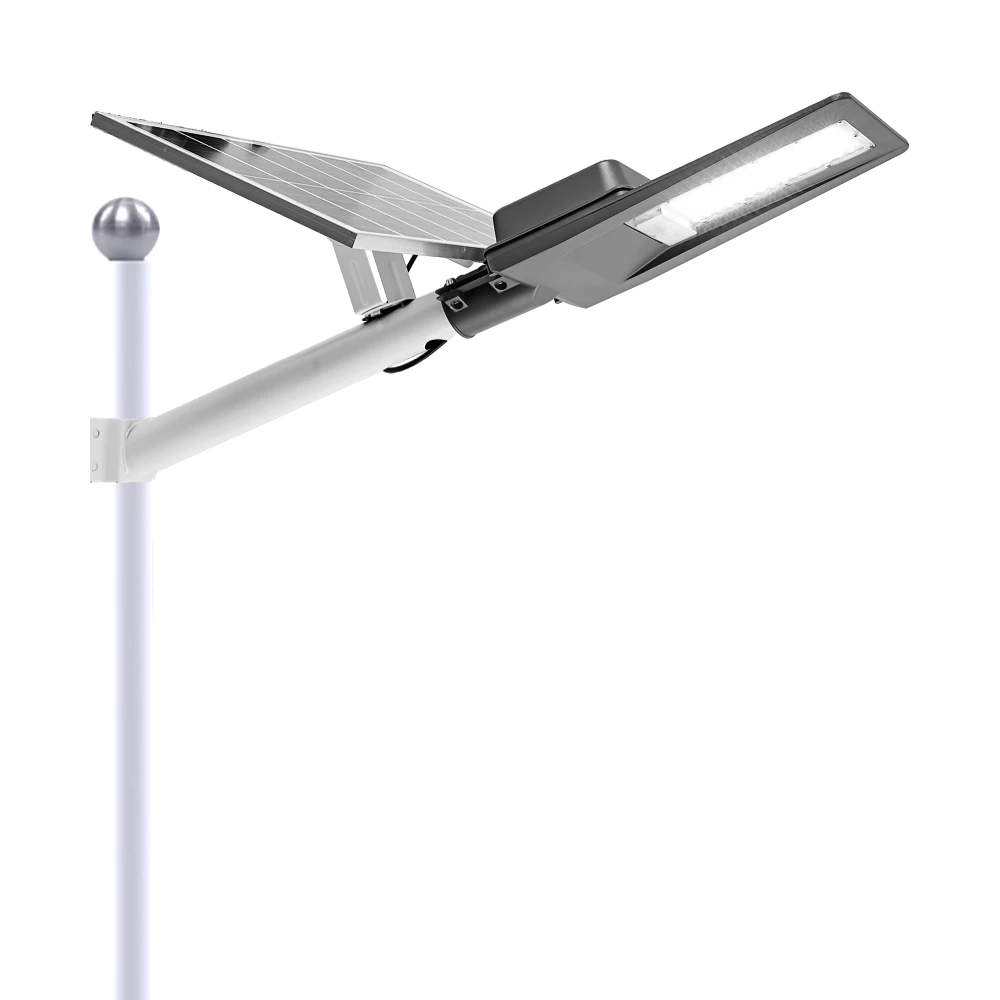
Experience reliable outdoor illumination with our smart solar street light, a perfect combination of advanced technology and eco-conscious design.
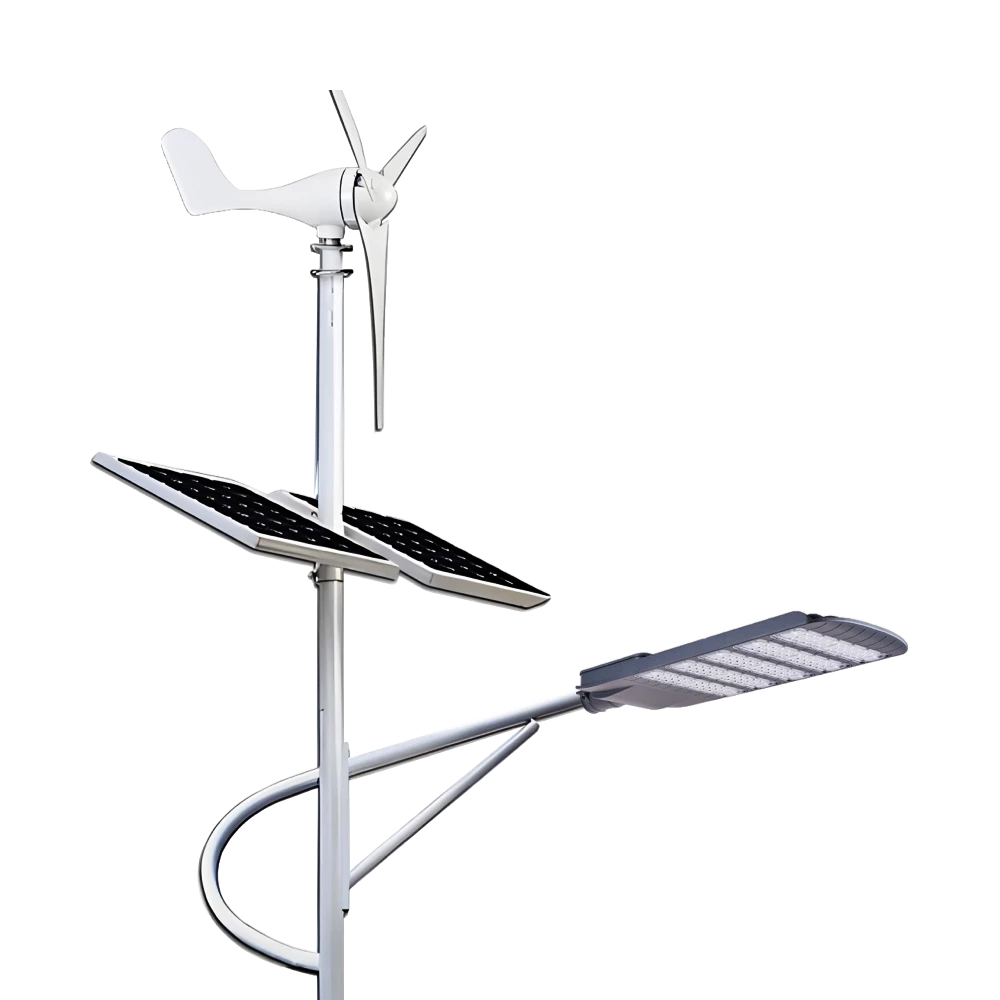
Queneng Lufeng Wind Energy LED Outdoor Solar Street Lights offer high-performance, eco-friendly illumination. These energy-efficient LED street lights harness solar power and wind energy for sustainable, cost-effective outdoor lighting solutions.
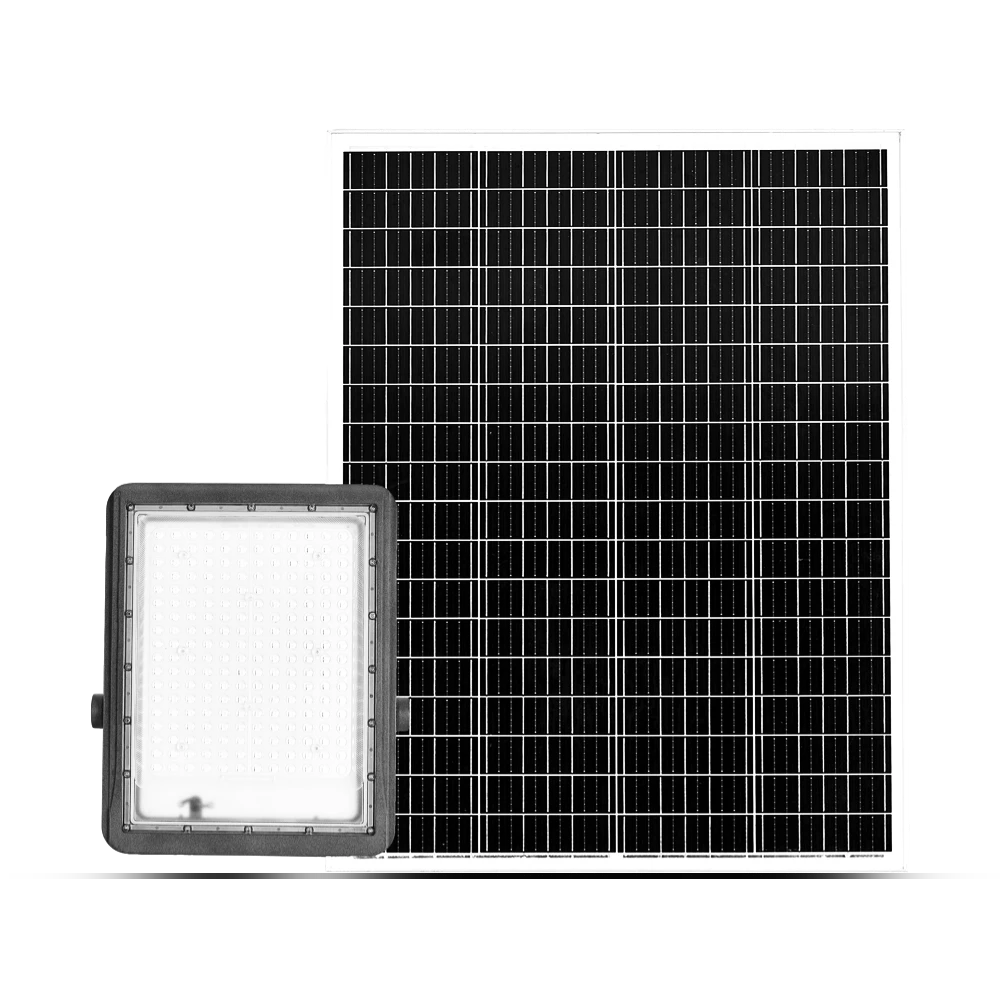
Queneng's Luxian Reliable Solar Street Light offers energy-saving LED lighting for outdoor use. This durable, solar-powered street light provides reliable illumination, reducing energy costs and environmental impact. A perfect solution for sustainable outdoor lighting.
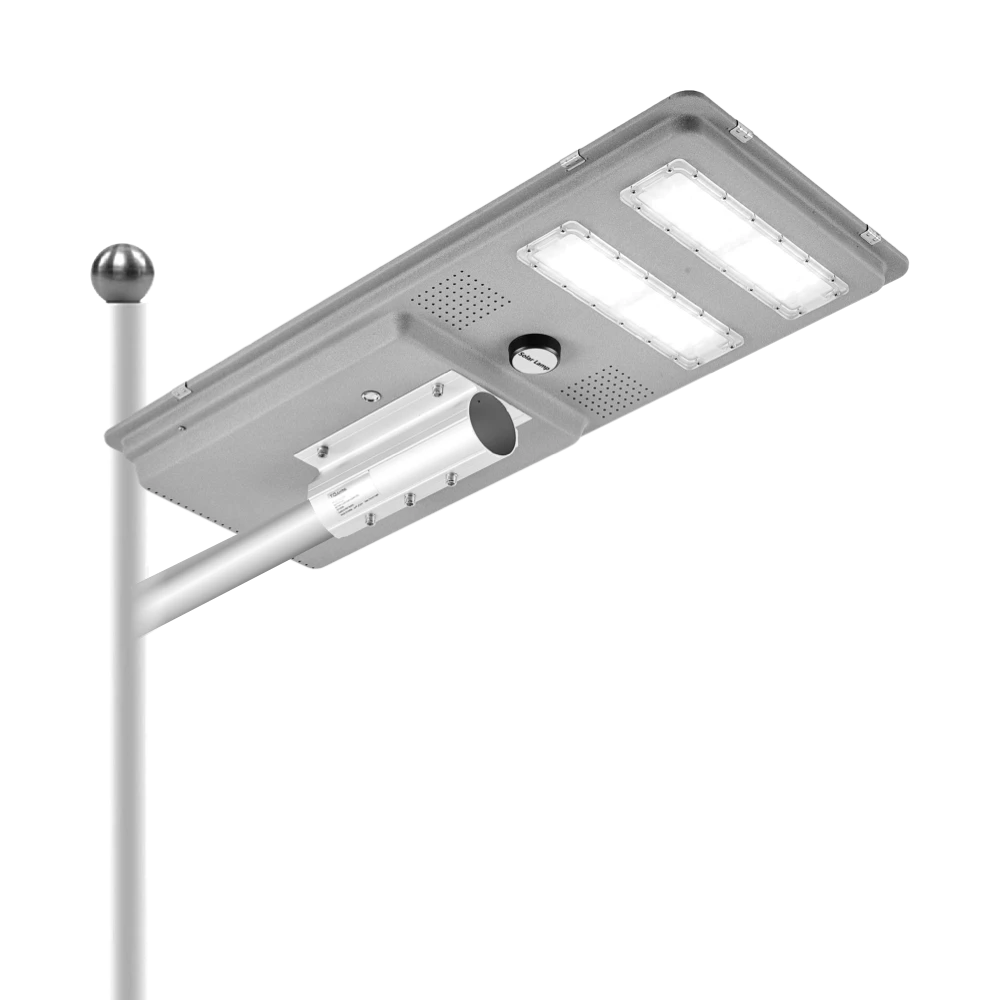
Queneng’s Solar Street Lights are designed to provide reliable, energy-efficient lighting for streets, parks, and other outdoor spaces.
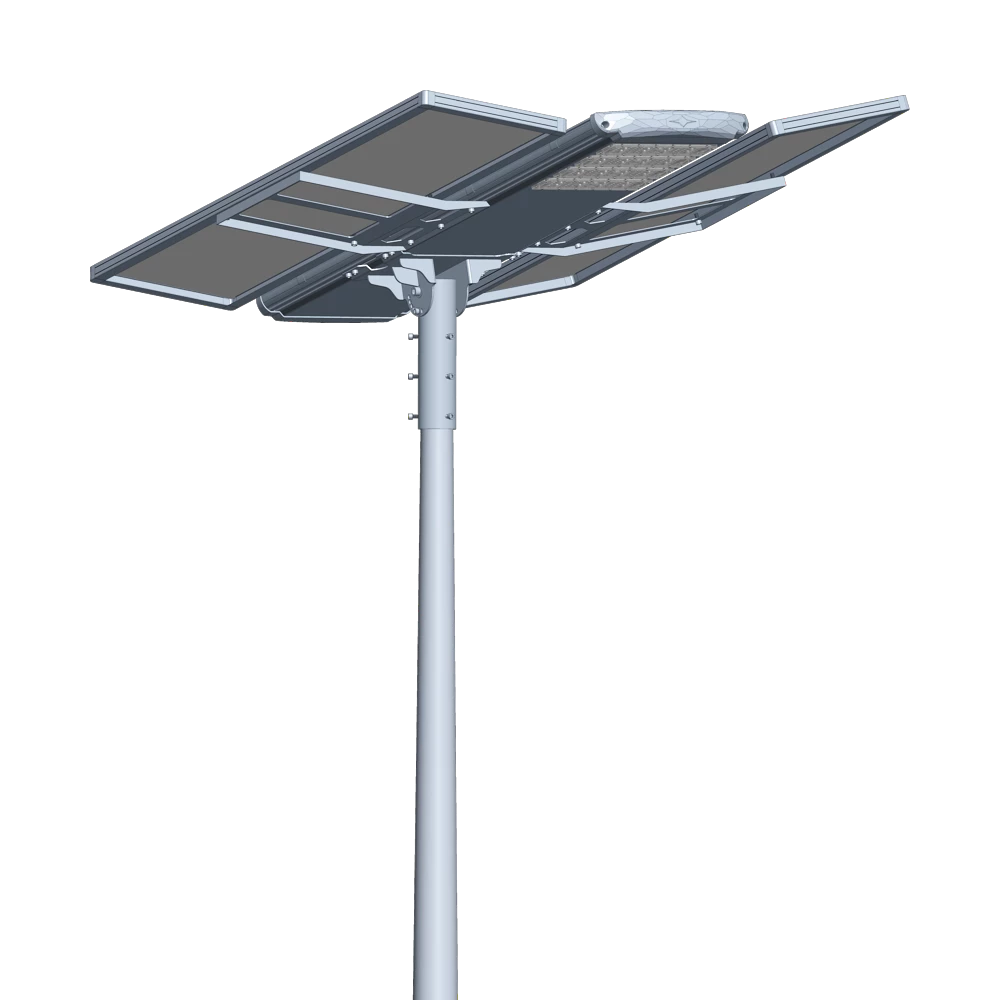
Introducing the Luqing Solar Street Light by Queneng, Efficient LED lighting powered by solar energy is perfect for illuminating outdoor areas. Harness the power of solar energy for sustainable, reliable street lighting. Ideal for eco-friendly, cost-effective outdoor illumination solutions.
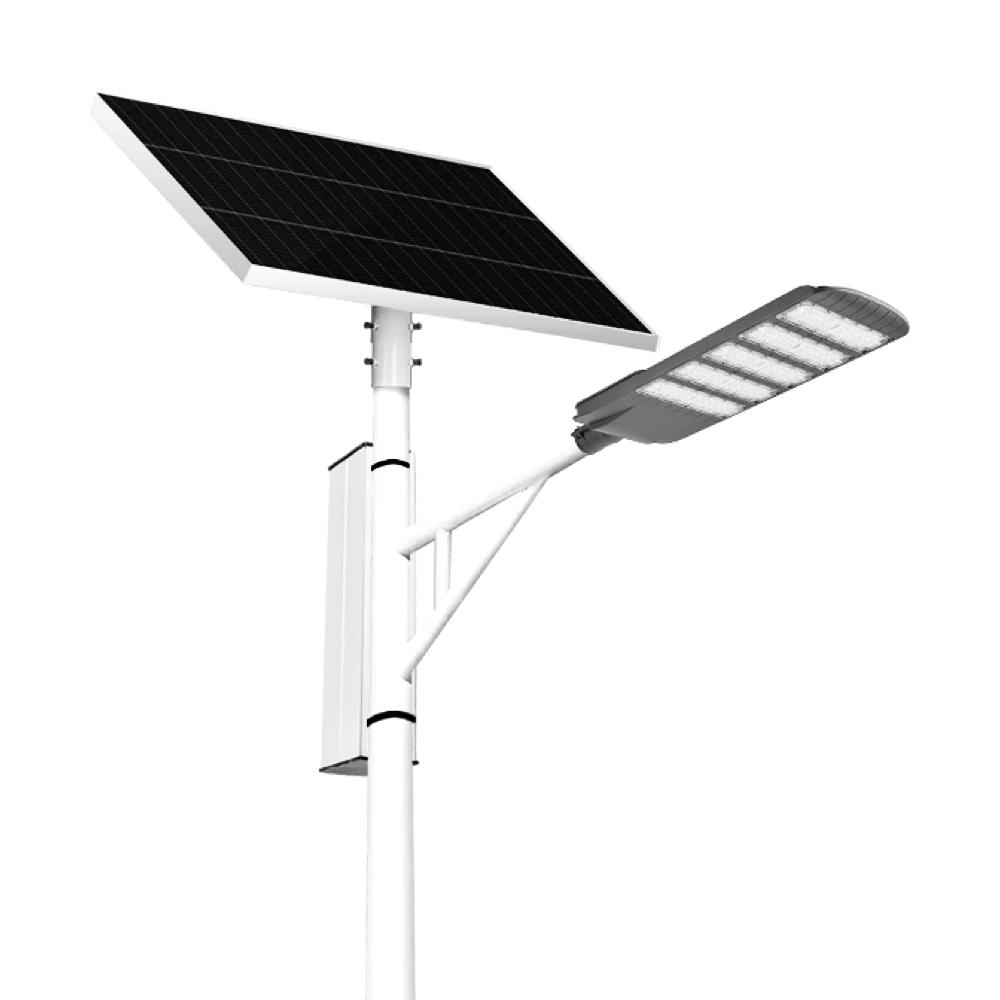
The Solar Streetlights of Luhao for Municipalities are designed to deliver reliable, energy-efficient, and cost-effective public lighting solutions. Equipped with advanced LED technology, durable lithium batteries, and high-efficiency solar panels, these streetlights provide consistent illumination for roads, parks, residential areas, and government projects.
If you would like more information about Queneng solar lighting solutions, please send us a message by filling out the form below. Our professional team will get back to you within 24 hours!
Rest assured that your privacy is important to us, and all information provided will be handled with the utmost confidentiality.
Schedule a Meeting
Book a date and time that is convenient for you and conduct the session in advance.
Have more questions about our products or services?
The messenger of light & power conversion
Environmental protection and intelligent manufacturing are our brand philosophy, and quality assurance and the best user experience are our eternal promises to users.
CONTACT
No.9F, Building F, Cao San Xin Tian Hong Logistics Park, Guzhen Town, Zhongshan City, Guangdong Province, China.
or write [email protected]
WhatsApp: +86 136 2270 1011


