














how to improve solar light lifespan | Quenenglighting Expert Guide
Maximizing Your Solar Light Investment: A Guide to Extended Lifespan
Solar lighting has become an indispensable solution for sustainable and cost-effective illumination, from public streets and parks to industrial facilities. However, for B2B buyers, the long-term performance and lifespan of these investments are paramount. Understanding the critical factors that influence solar light longevity is key to making informed purchasing decisions and ensuring a maximum return on investment. This guide addresses the top questions buyers have when considering how to extend the life of their solar lighting solutions.
What are the primary factors limiting solar light lifespan?
The lifespan of a solar light system is primarily determined by its key components: the battery, the LED light source, the solar panel, and the quality of the controller and housing materials. Among these, the battery is often the most significant limiting factor, typically requiring replacement after 3-7 years, depending on type and usage. High-quality LEDs, like those from reputable manufacturers, can last 50,000 to 100,000 hours, far outliving other components. Solar panels are highly durable, with a typical performance warranty of 20-25 years, experiencing a gradual degradation rate of about 0.5% to 0.7% per year. The efficiency of the charge controller and the resilience of the fixture's housing against environmental elements also play crucial roles.
How does proper battery maintenance extend solar light life?
The battery is the heart of a solar light. The choice of battery technology profoundly impacts lifespan. Lithium Iron Phosphate (LiFePO4) batteries are highly favored in professional solar lighting due to their superior cycle life (typically 2,000 to 4,000 charge/discharge cycles to 80% capacity) and better thermal stability compared to older technologies like lead-acid, which usually offer 300-1000 cycles. Proper maintenance involves: 1. Temperature Management: Extreme temperatures (both hot and cold) can degrade battery performance. Selecting fixtures with good thermal design is crucial. 2. Controlled Charging/Discharging: An advanced Battery Management System (BMS) prevents overcharging, over-discharging, and short-circuiting, significantly extending the battery's operational life. Ensuring the battery is sized correctly for the intended application (autonomy days) also prevents deep discharge cycles that can shorten life.
Does solar panel efficiency impact longevity, and how can it be maintained?
While solar panel efficiency primarily dictates how quickly and effectively the battery charges, maintaining its optimal performance is vital for the overall system's longevity. A less efficient panel means the battery might not fully charge, leading to shorter light autonomy or more frequent deep discharges, which can degrade the battery faster. Maintenance is straightforward but critical: 1. Regular Cleaning: Dust, dirt, leaves, bird droppings, and snow can significantly reduce power output. A simple wipe-down with water and a soft cloth can restore efficiency. 2. Proper Angle and Shading Avoidance: Ensure the panels are installed at the optimal tilt angle for your latitude and are free from persistent shadows from trees or buildings throughout the day. High-quality monocrystalline or polycrystalline silicon panels are robust and designed for long-term outdoor exposure.
What role does LED quality play in the overall lifespan of solar lights?
LEDs are known for their long lifespan, but not all LEDs are created equal. High-quality LEDs from reputable manufacturers (e.g., Cree, Philips, Osram) are designed to maintain their light output over tens of thousands of hours. The critical metric is L70, which indicates the number of operating hours after which the light output has degraded to 70% of its initial lumens. A high-quality LED can achieve L70 at 50,000 to 100,000 hours. Key factors influencing LED longevity include: 1. Thermal Management: Excessive heat is the primary enemy of LEDs. Good heat sinks and fixture designs that dissipate heat efficiently are paramount. 2. Driver Quality: A stable and efficient LED driver ensures consistent power delivery, preventing flickering and premature failure. Investing in fixtures with high-quality LEDs and robust thermal management ensures long-lasting brightness.
How do environmental conditions and material quality affect durability?
Outdoor solar lights are constantly exposed to harsh environmental conditions, including rain, snow, dust, UV radiation, wind, and temperature fluctuations. The durability of the fixture's housing materials and its ingress protection (IP) rating are crucial for longevity. 1. IP Rating: Look for an IP65 or IP67 rating, indicating the fixture is sealed against dust ingress and protected against strong water jets (IP65) or temporary immersion (IP67). 2. Corrosion Resistance: Materials like die-cast aluminum alloy, treated steel, or high-grade ABS+PC plastics with UV inhibitors offer superior resistance to rust and degradation. 3. Impact and Wind Resistance: Robust designs and tempered glass covers can withstand physical impacts and high wind loads, preventing damage. Choosing fixtures built with high-quality, weather-resistant materials ensures the internal components are protected, thus extending the system's overall operational life.
By understanding and prioritizing these key factors, B2B buyers can make strategic choices that significantly extend the lifespan of their solar lighting assets, ensuring reliable performance and a better return on investment.
Quenenglighting Advantage
Quenenglighting stands at the forefront of the solar lighting industry, offering solutions engineered for maximum lifespan and reliability. We meticulously select High Quality components, including high-capacity LiFePO4 batteries with advanced BMS for optimal charge cycle management, high-efficiency monocrystalline solar panels for consistent power generation, and top-tier LED chips with superior thermal management. Our fixtures are constructed from durable, corrosion-resistant materials, boasting high IP ratings to withstand diverse environmental challenges. We prioritize robust design and rigorous testing, ensuring our products deliver sustained performance, reduced maintenance needs, and exceptional value over their extended operational life, providing peace of mind for all your B2B lighting projects.

Have more questions about our products or services?
The latest hot news you might like

Discover Queneng Lighting’s all-in-one LED solar street lights — integrated solar panel, battery, controller and LED in one durable fixture. Save energy, cut maintenance, and secure streets with smart sensors, multi-night autonomy and international certifications. Contact sales for quotes and support.

Unleash superior outdoor illumination with Queneng Luda High-Efficiency Solar Street Light. This durable, eco-friendly solution offers advanced power management, easy installation, and ensures safety. Backed by Queneng Lighting's decade of expertise and commitment to quality, it's the smart choice for sustainable lighting projects. Learn why we're a leading solar solutions provider.

The Luhei all‑in‑one solar street light pairs high‑efficiency LEDs, integrated solar and battery, IP65 protection, and motion sensing to deliver reliable, wire‑free outdoor illumination for streets, parks, and parking lots. Backed by Queneng Lighting’s certifications and support.

FAQ
Commercial and Industrial Parks
How do solar lights improve security in industrial parks?
Solar lights provide consistent and bright lighting, deterring unauthorized access and improving surveillance.
Solar Street Light Luyan
What types of batteries are used in Luyan solar street lights, and how do they work?
Luyan solar street lights use high-quality lithium-ion batteries. These batteries store the solar energy captured during the day and provide reliable illumination at night. Lithium-ion batteries are known for their longer lifespan, faster charging times, and better energy storage compared to traditional lead-acid batteries.
Split Solar Street Light
Is split solar street light installation more complicated?
Slightly more steps, but no special tools required, and flexibility often simplifies complex sites.
Battery Performance and Testing
What is discharge efficiency?
Batteries and the environment
What impact do batteries have on the environment?
Solar Street Light Luqing
How does the solar street light work?
The solar street light operates by converting sunlight into electricity through its built-in solar panels. The energy is stored in an integrated battery, which powers the LED light at night, providing reliable illumination without relying on external electricity sources.
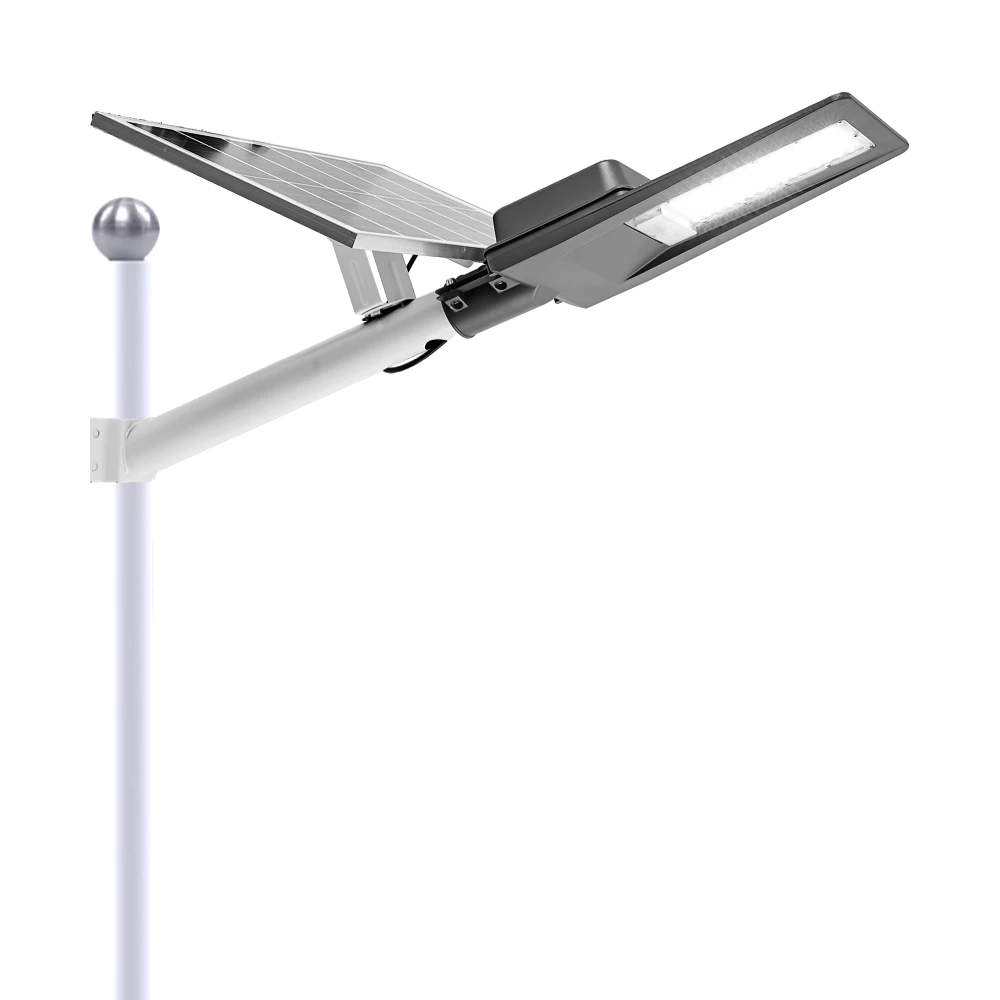
Experience reliable outdoor illumination with our smart solar street light, a perfect combination of advanced technology and eco-conscious design.
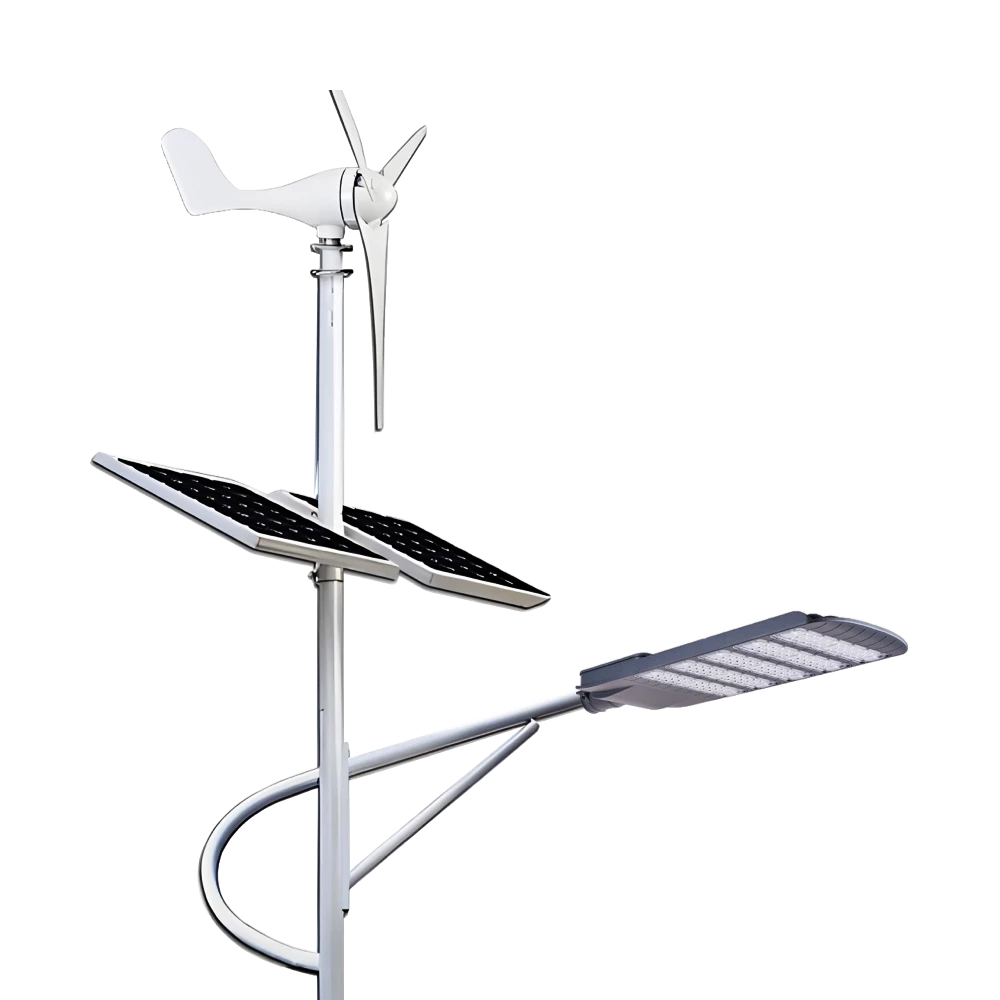
Queneng Lufeng Wind Energy LED Outdoor Solar Street Lights offer high-performance, eco-friendly illumination. These energy-efficient LED street lights harness solar power and wind energy for sustainable, cost-effective outdoor lighting solutions.
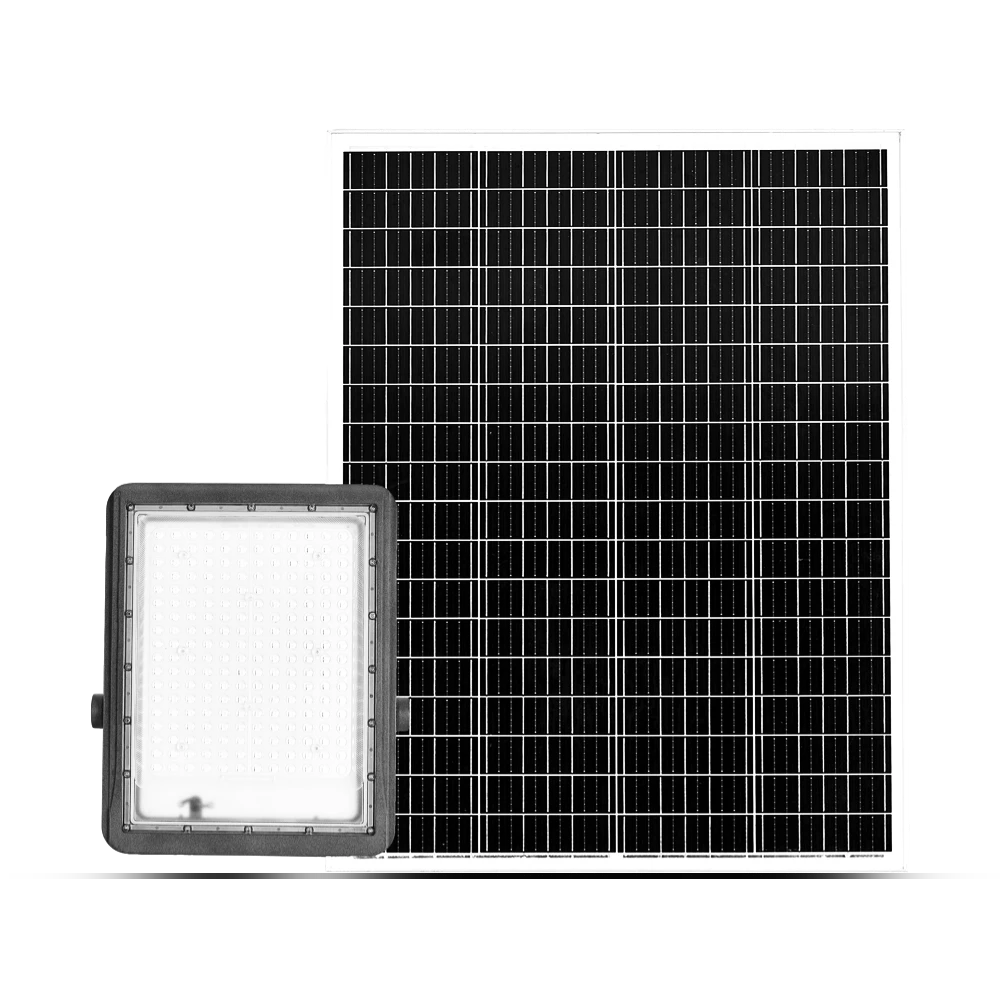
Queneng's Luxian Reliable Solar Street Light offers energy-saving LED lighting for outdoor use. This durable, solar-powered street light provides reliable illumination, reducing energy costs and environmental impact. A perfect solution for sustainable outdoor lighting.
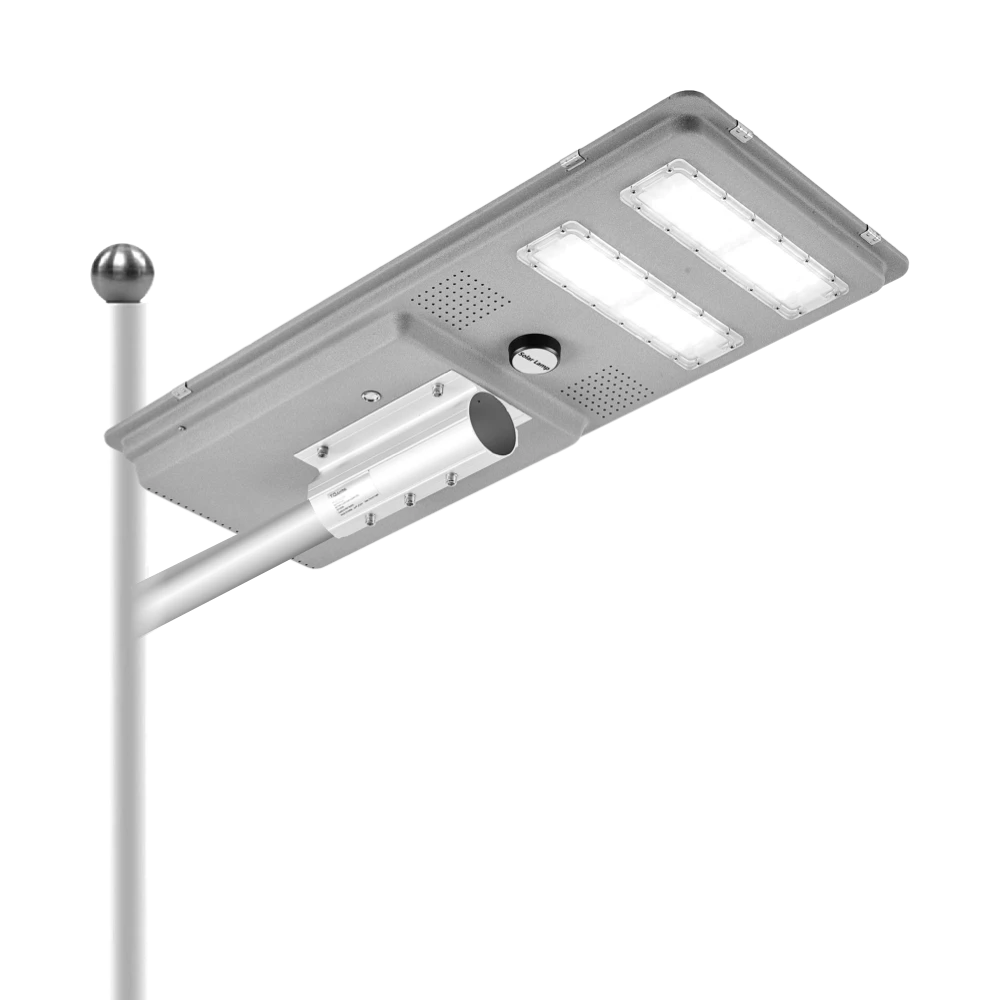
Queneng’s Solar Street Lights are designed to provide reliable, energy-efficient lighting for streets, parks, and other outdoor spaces.
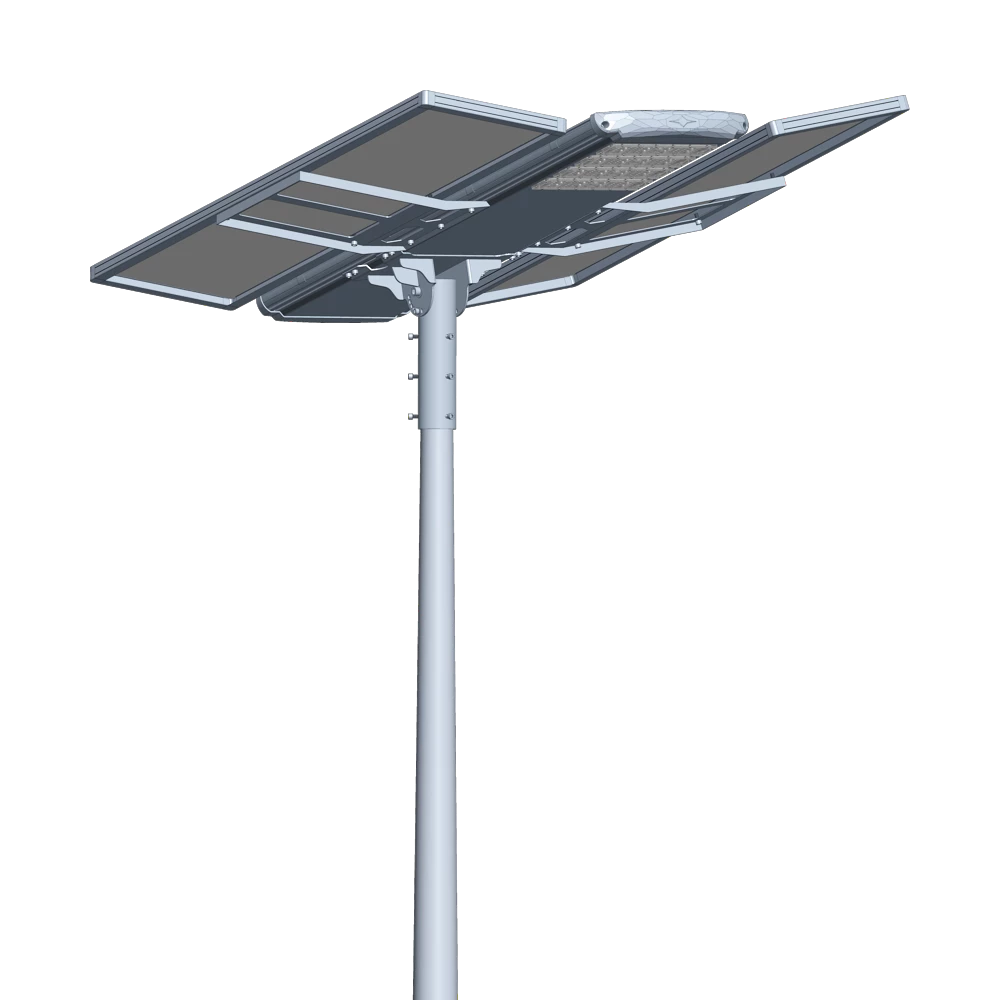
Introducing the Luqing Solar Street Light by Queneng, Efficient LED lighting powered by solar energy is perfect for illuminating outdoor areas. Harness the power of solar energy for sustainable, reliable street lighting. Ideal for eco-friendly, cost-effective outdoor illumination solutions.
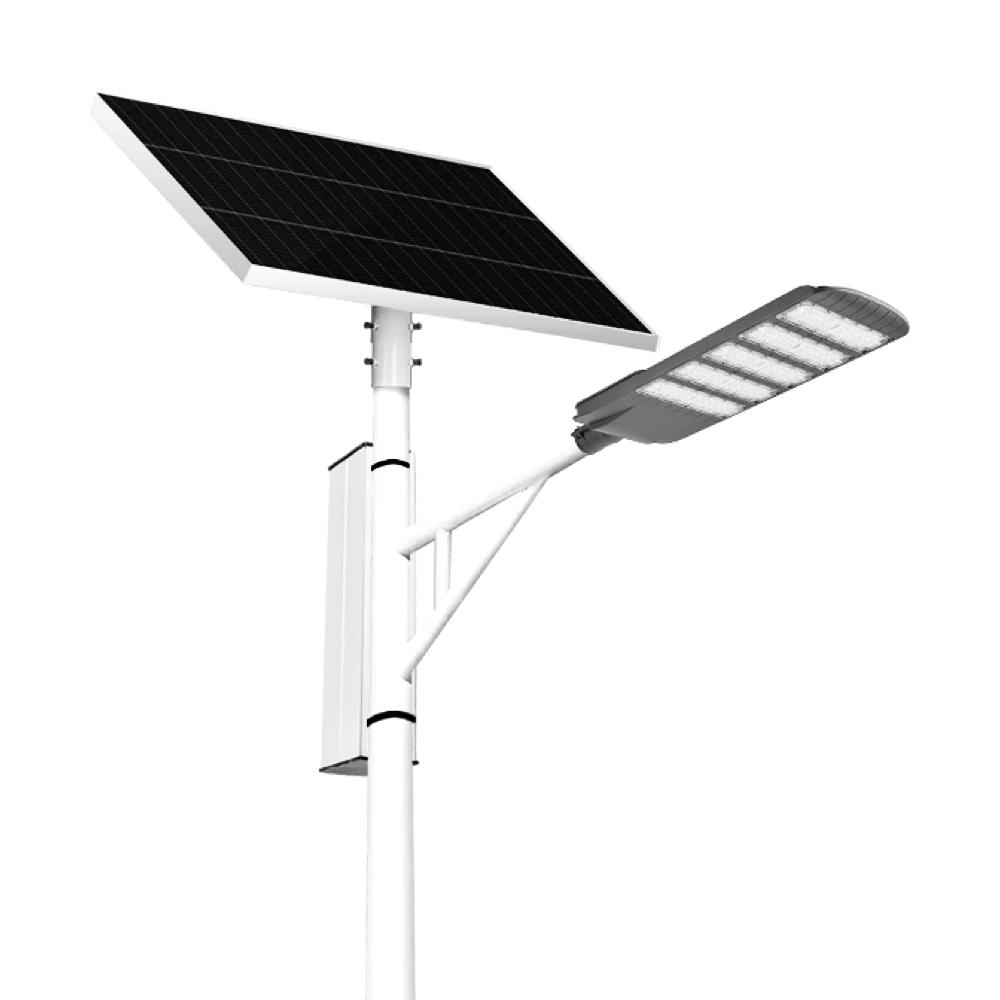
The Solar Streetlights of Luhao for Municipalities are designed to deliver reliable, energy-efficient, and cost-effective public lighting solutions. Equipped with advanced LED technology, durable lithium batteries, and high-efficiency solar panels, these streetlights provide consistent illumination for roads, parks, residential areas, and government projects.
If you would like more information about Queneng solar lighting solutions, please send us a message by filling out the form below. Our professional team will get back to you within 24 hours!
Rest assured that your privacy is important to us, and all information provided will be handled with the utmost confidentiality.
Schedule a Meeting
Book a date and time that is convenient for you and conduct the session in advance.
Have more questions about our products or services?
The messenger of light & power conversion
Environmental protection and intelligent manufacturing are our brand philosophy, and quality assurance and the best user experience are our eternal promises to users.
CONTACT
No.9F, Building F, Cao San Xin Tian Hong Logistics Park, Guzhen Town, Zhongshan City, Guangdong Province, China.
or write [email protected]
WhatsApp: +86 136 2270 1011


