

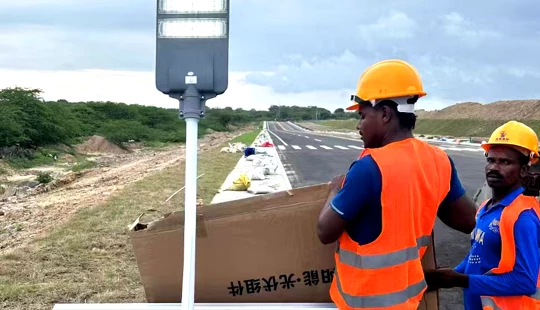
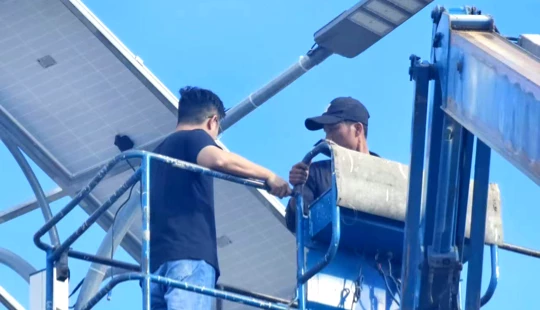













What procurement model reduces financial risk for municipalities?
Navigating Municipal Procurement: A Guide to Solar Street Light Costs, Manufacturers, and Risk Reduction
As cities worldwide strive for sustainability and operational efficiency, solar street lighting presents a compelling solution. However, for municipal procurement teams, navigating the complexities of cost, manufacturer selection, and financial risk can be challenging. This article addresses key concerns and provides professional insights to guide informed decision-making.
What is the True Cost of Solar Street Lights for Municipalities, Beyond the Upfront Purchase?
The “cost of solar street light” is often mistakenly viewed as just the initial purchase price. For municipalities, a comprehensive evaluation must consider the Total Cost of Ownership (TCO). While upfront costs for a quality solar street light can range from $1,000 to $3,500+ per unit (depending on wattage, battery capacity, pole height, and smart features), the long-term savings are substantial. These savings primarily come from:
- Elimination of Electricity Bills: No grid connection means zero monthly energy costs.
- Reduced Installation Costs: No trenching or extensive wiring required, significantly lowering labor and material expenses compared to traditional grid-tied lights.
- Lower Maintenance: Modern solar street lights, especially those with high-quality components like LiFePO4 batteries and efficient LEDs, require minimal maintenance.
The Return on Investment (ROI) for municipal solar street lighting projects can typically be achieved within 3-7 years, depending on local electricity rates and installation complexities.
How Do Municipalities Evaluate and Select a Reliable Solar Street Light Manufacturer?
Choosing the right “Solar Street Light Manufacturer” or “Manufacturer of Solar Street Lights” is paramount for project success and longevity. Municipalities should look beyond price and consider:
- Component Quality: Insist on reputable components: Tier 1 solar panels (e.g., monocrystalline with >20% efficiency), LiFePO4 batteries (8-10 year lifespan, >2000 cycles), and high-efficiency LED chips (e.g., Philips, Cree, with >150 lm/W and 50,000-100,000 hours lifespan).
- Certifications and Standards: Verify compliance with international standards (e.g., CE, RoHS, IP65/66 for dust and water protection, IK08/10 for impact resistance).
- Experience and Track Record: A manufacturer with a proven history of successful municipal projects demonstrates reliability and understanding of specific public sector needs. Request case studies and references.
- Warranty and After-Sales Support: A robust warranty (e.g., 5 years for the entire system, 10+ years for solar panels) and accessible technical support are crucial for long-term operational peace of mind.
- Customization Capabilities: Municipal projects often require specific pole heights, luminaire designs, or lighting profiles. A flexible manufacturer can meet these tailored requirements.
What Procurement Models Effectively Mitigate Financial Risk for Municipal Solar Lighting Projects?
“What procurement model reduces financial risk for municipalities?” is a critical question. Several models can be employed:
- Direct Purchase (Capital Expenditure): While this requires an upfront investment, it offers full ownership and long-term control. Risk is managed by thorough due diligence on manufacturers and warranties.
- Energy Performance Contracting (EPC): A private company designs, finances, installs, and maintains the solar lighting system. The municipality repays the investment over time through guaranteed energy savings. This model shifts performance and financial risk to the contractor.
- Power Purchase Agreements (PPAs): A third-party owner/operator installs and maintains the solar lighting system on municipal property. The municipality purchases the electricity generated at a fixed or escalating rate, often lower than grid electricity. This model eliminates upfront capital costs and transfers operational risk.
- Leasing Agreements: Municipalities can lease solar street lights, paying regular installments. This spreads the cost over several years and can include maintenance services, reducing immediate financial burden and operational risk.
Each model has pros and cons, and the best choice depends on the municipality's budget, risk tolerance, and long-term goals.
What Are the Key Performance Metrics and Technical Specifications Municipalities Should Prioritize?
Beyond basic illumination, municipalities should specify:
- Luminous Flux (Lumens) & Efficacy: Ensure sufficient light output for the application (e.g., 3,000-15,000 lumens for street lighting) and high efficacy (lumens per watt) for energy efficiency.
- Light Distribution (IESNA Type): Proper light distribution (e.g., Type II, Type III) is crucial for uniform illumination and minimizing light pollution.
- Color Temperature (CCT): Typically 3000K-5000K for street lighting, balancing visibility and minimizing glare/environmental impact.
- Autonomy: Specify the number of consecutive cloudy days the system must operate without sunlight (e.g., 3-5 days is common for reliability).
- Wind Load Resistance: Poles and fixtures must be engineered to withstand local wind conditions (e.g., up to 120 mph).
- Smart Control Features: Dimming, motion sensing, remote monitoring, and adaptive lighting can extend battery life, reduce light pollution, and facilitate predictive maintenance.
What Is the Expected Lifespan and Maintenance Burden of Municipal Solar Street Lights?
Modern solar street lights are designed for longevity with minimal maintenance:
- LED Lifespan: 50,000 to 100,000 operating hours, translating to 10-20+ years of typical nighttime use.
- Battery Lifespan (LiFePO4): 8-10 years, with some lasting up to 12 years before replacement.
- Solar Panel Lifespan: 20-25 years, with efficiency gradually degrading by about 0.5% per year.
- Controller Lifespan: 5-10 years.
- Maintenance: Primarily involves periodic cleaning of solar panels (annually or semi-annually, depending on environment) and occasional battery replacement after its useful life. Smart monitoring systems can significantly reduce inspection costs by alerting teams to issues proactively.
Are There Financing Options or Incentives Available for Municipalities Investing in Solar Street Lighting?
Yes, numerous incentives can significantly reduce the net cost and financial risk for municipalities:
- Federal Grants: Programs related to energy efficiency, infrastructure development, or environmental sustainability (e.g., specific DOT grants or EPA initiatives in the US).
- State and Local Programs: Many states and cities offer tax incentives, rebates, or low-interest loans for renewable energy projects.
- Utility Rebates: Some utility companies offer incentives for reducing grid load or adopting energy-efficient technologies.
- Green Bonds: Municipalities can issue green bonds to finance environmentally friendly projects, often at favorable interest rates.
It's crucial for municipalities to research specific programs available in their region and consult with financial advisors specializing in public sector renewable energy projects.
How Do Solar Street Lights Integrate with Smart City Initiatives and Existing Infrastructure?
Solar street lights are increasingly vital components of smart city frameworks:
- IoT Connectivity: Many modern solar street lights come with integrated sensors and communication modules (e.g., LoRaWAN, NB-IoT, 4G) that can monitor light performance, battery status, and even ambient conditions (air quality, traffic).
- Adaptive Lighting: By integrating with smart city platforms, solar lights can adjust brightness based on real-time traffic or pedestrian movement, optimizing energy use and enhancing safety.
- Data Collection: Embedded sensors can collect valuable data for urban planning, such as environmental conditions or pedestrian flow, contributing to broader smart city dashboards.
- Decentralized Power Grid: Solar street lights operate independently, offering resilience during grid outages and reducing stress on centralized power infrastructure.
Quenenglighting: Your Partner in Sustainable Municipal Illumination
Quenenglighting understands the unique challenges and requirements of municipal solar street lighting projects. We offer:
- High Quality Components: Utilizing only top-tier LiFePO4 batteries, high-efficiency solar panels, and leading LED chips for unparalleled durability and performance.
- Robust Design & Customization: Engineering lights to withstand diverse environmental conditions and offering tailored solutions for pole height, light distribution, and aesthetic integration.
- Advanced Smart Controls: Integrating IoT-enabled smart dimming, motion sensing, and remote monitoring for optimized energy management and predictive maintenance.
- Comprehensive Warranty & Support: Providing extensive warranties and responsive after-sales service to ensure long-term operational success and peace of mind.
- Competitive TCO: Our focus on quality and efficiency translates into significant long-term savings for municipalities, driving a faster ROI.
Partner with Quenenglighting to illuminate your city sustainably, efficiently, and with confidence.
Citations and Data Sources:
- U.S. Department of Energy. (2020). Solid-State Lighting R&D Plan. Retrieved from https://www.energy.gov/eere/ssl/downloads/solid-state-lighting-rd-plan-2020 (Accessed: October 26, 2023) - *General lifespan data for LEDs.*
- Clean Energy States Alliance (CESA). (Ongoing). Solar Policy Guide. Retrieved from https://www.cesa.org/solar-policy-guide/ (Accessed: October 26, 2023) - *Information on state and local incentives.*
- NREL (National Renewable Energy Laboratory). (2020). Solar PV System Cost Benchmark: Q1 2020. Retrieved from https://www.nrel.gov/docs/fy20osti/77322.pdf (Accessed: October 26, 2023) - *Provides context for solar component costs and efficiency.*
- Industry reports and market analysis for solar street lighting, which often quote average pricing and ROI ranges, e.g., from Grand View Research or Allied Market Research. (Specific reports vary, general market data is consistent across major analyses).

Have more questions about our products or services?
The latest hot news you might like

Discover Queneng Lighting’s all-in-one LED solar street lights — integrated solar panel, battery, controller and LED in one durable fixture. Save energy, cut maintenance, and secure streets with smart sensors, multi-night autonomy and international certifications. Contact sales for quotes and support.

Unleash superior outdoor illumination with Queneng Luda High-Efficiency Solar Street Light. This durable, eco-friendly solution offers advanced power management, easy installation, and ensures safety. Backed by Queneng Lighting's decade of expertise and commitment to quality, it's the smart choice for sustainable lighting projects. Learn why we're a leading solar solutions provider.

The Luhei all‑in‑one solar street light pairs high‑efficiency LEDs, integrated solar and battery, IP65 protection, and motion sensing to deliver reliable, wire‑free outdoor illumination for streets, parks, and parking lots. Backed by Queneng Lighting’s certifications and support.

FAQ
Battery Performance and Testing
What is an impact test?
Municipal and Public Infrastructure
Can solar streetlights be integrated with smart city solutions?
Yes, our solar streetlights can be integrated with IoT systems for smart monitoring, remote control, and data analytics, making them ideal for modern smart cities.
Schools and Educational Institutions
How are the solar lights maintained?
Solar lights require minimal maintenance, typically only occasional cleaning of the solar panels and checking the battery and light functions.
Battery and Analysis
What are the advantages of lithium polymer batteries? What are the advantages?
2) Can be made into a thin battery: with a capacity of 3.6V and 400mAh, its thickness can be as thin as 0.5mm;
3) Batteries can be designed in various shapes;
4) The battery can be bent and deformed: the polymer battery can be bent up to about 900 degrees;
5) Can be made into a single high-voltage battery: a battery with liquid electrolyte can only produce a high-voltage polymer battery by connecting several batteries in series;
6) Since it is liquid-free, it can be combined into multiple layers within a single chip to achieve high voltage;
7) The capacity will be twice that of a lithium-ion battery of the same size.
Battery fundamentals and basic terms
What is the electrochemistry of NiMH batteries?
Nickel-metal hydride batteries use Ni oxide as the positive electrode, hydrogen storage metal as the negative electrode, and alkaline solution (mainly KOH) as the electrolyte, when charging nickel-metal hydride batteries:
Positive reaction: Ni(OH)2 + OH- → NiOOH + H2O-e-
Negative reaction: M+H2O +e-→ MH+ OH-
Nickel-metal hydride battery discharge:
Positive pole reaction: NiOOH + H2O + e- → Ni(OH)2 + OH-
Negative reaction: MH+OH- → M+H2O+e-
Remote Areas Rural Development
Can solar streetlights be relocated if community needs change?
Yes, they are designed to be portable and can be relocated to new sites with minimal adjustments.
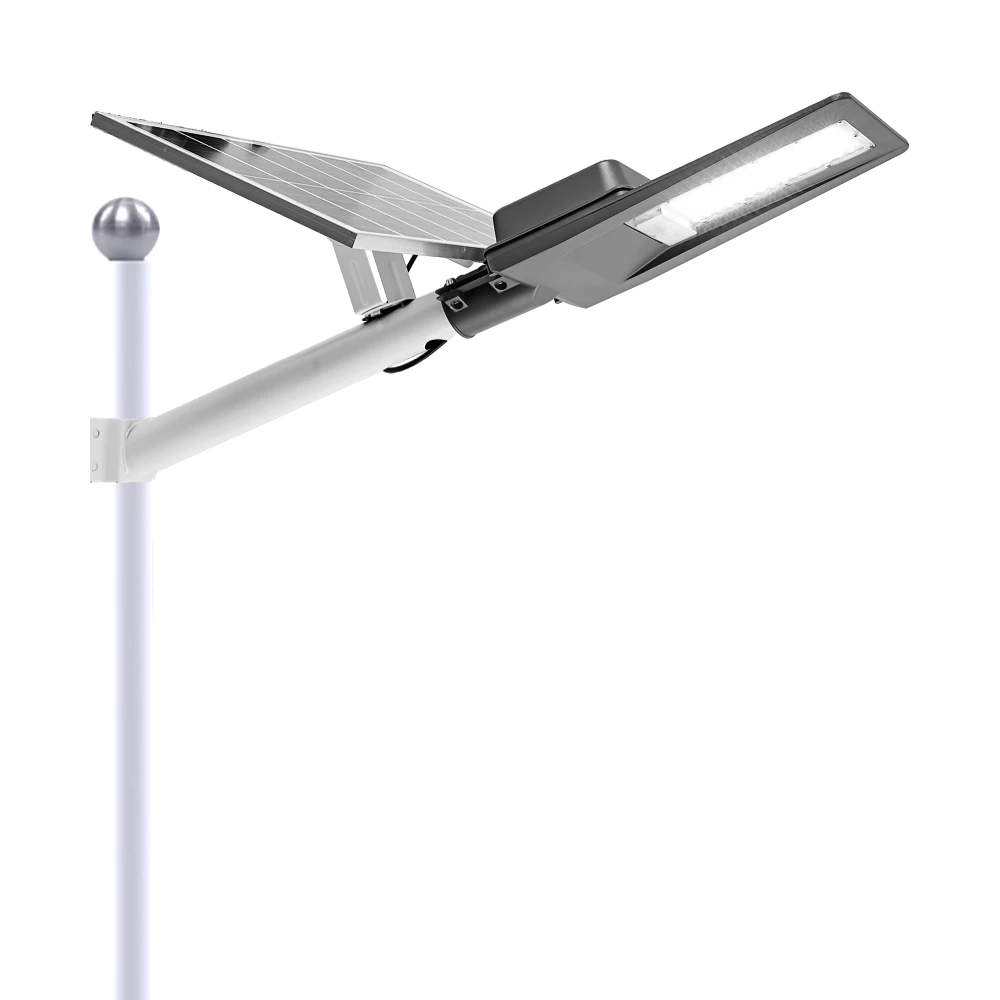
Experience reliable outdoor illumination with our smart solar street light, a perfect combination of advanced technology and eco-conscious design.
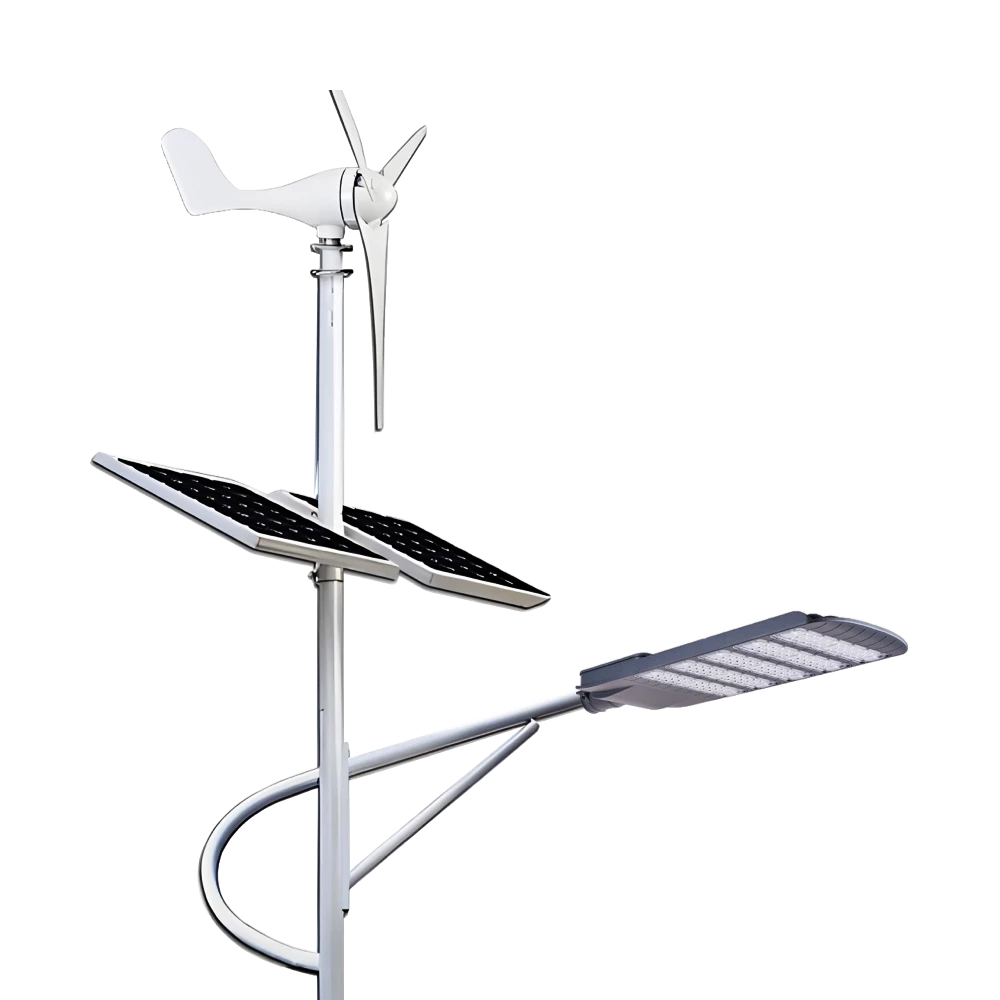
Queneng Lufeng Wind Energy LED Outdoor Solar Street Lights offer high-performance, eco-friendly illumination. These energy-efficient LED street lights harness solar power and wind energy for sustainable, cost-effective outdoor lighting solutions.
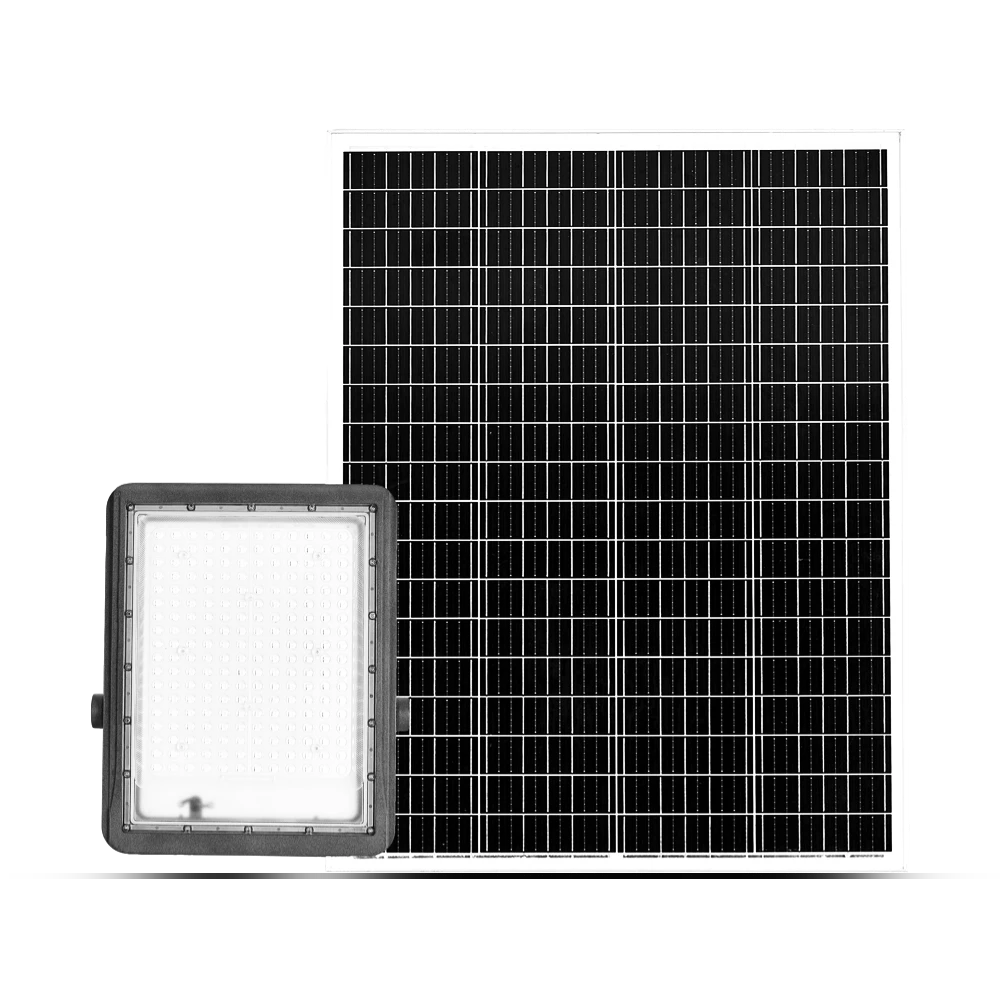
Queneng's Luxian Reliable Solar Street Light offers energy-saving LED lighting for outdoor use. This durable, solar-powered street light provides reliable illumination, reducing energy costs and environmental impact. A perfect solution for sustainable outdoor lighting.
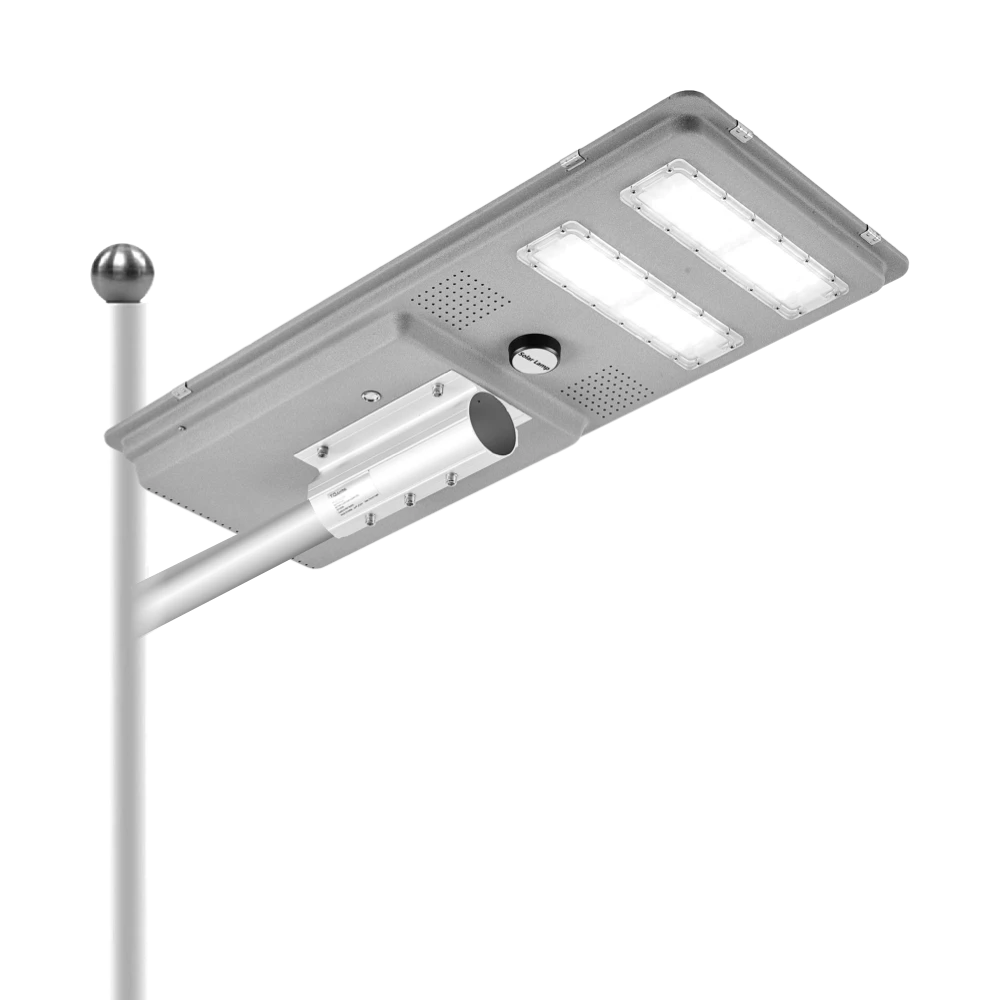
Queneng’s Solar Street Lights are designed to provide reliable, energy-efficient lighting for streets, parks, and other outdoor spaces.
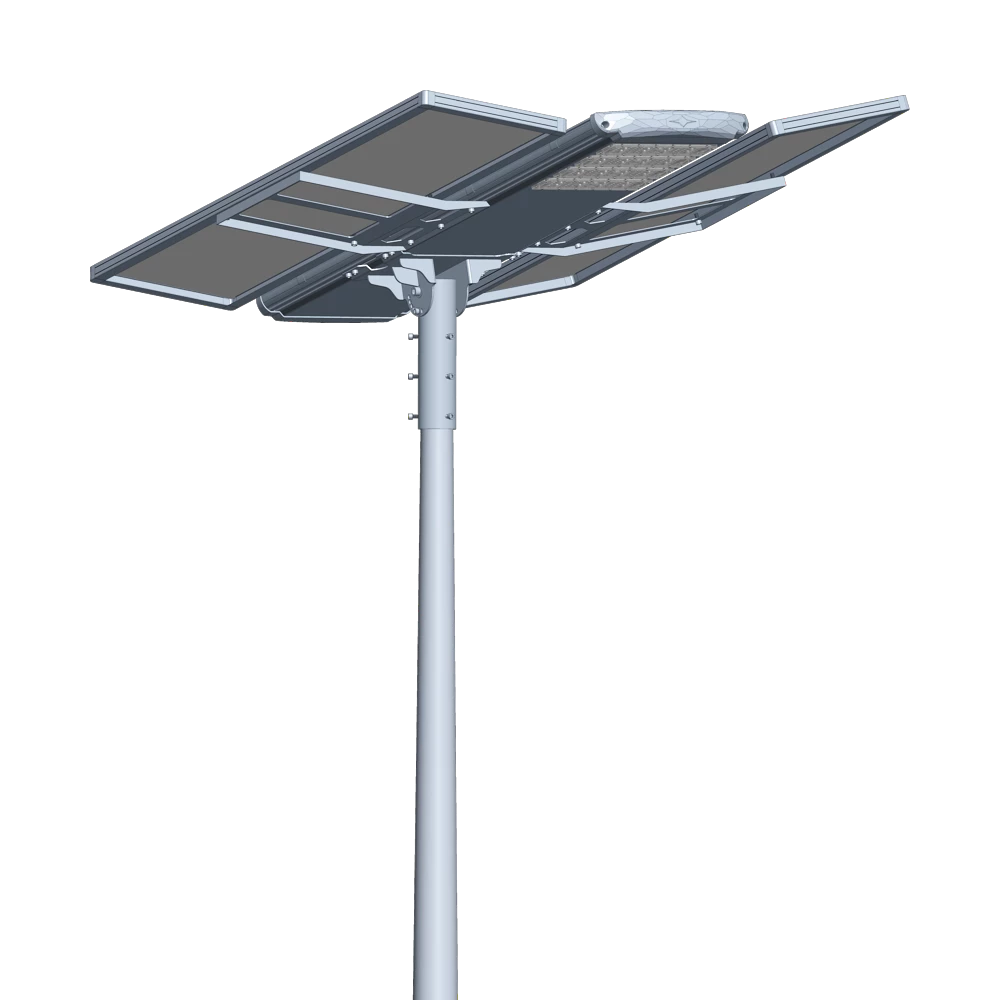
Introducing the Luqing Solar Street Light by Queneng, Efficient LED lighting powered by solar energy is perfect for illuminating outdoor areas. Harness the power of solar energy for sustainable, reliable street lighting. Ideal for eco-friendly, cost-effective outdoor illumination solutions.
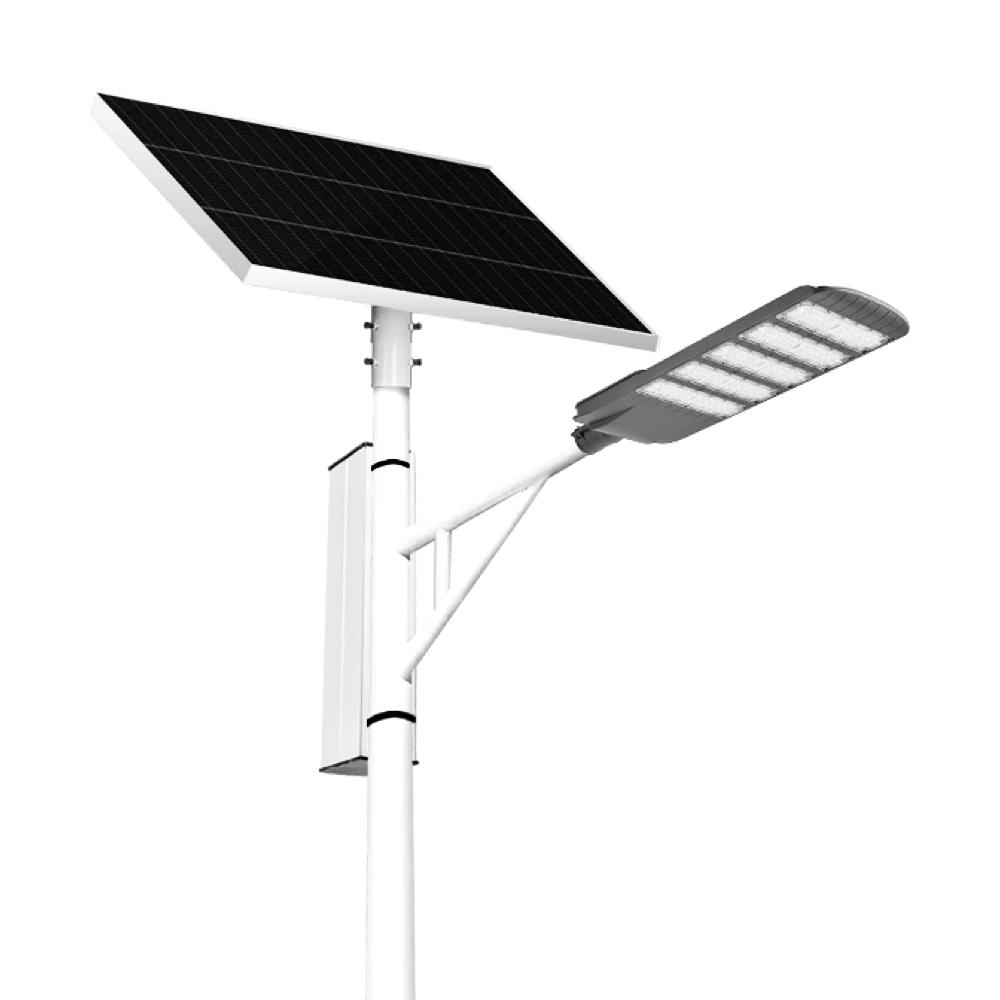
The Solar Streetlights of Luhao for Municipalities are designed to deliver reliable, energy-efficient, and cost-effective public lighting solutions. Equipped with advanced LED technology, durable lithium batteries, and high-efficiency solar panels, these streetlights provide consistent illumination for roads, parks, residential areas, and government projects.
If you would like more information about Queneng solar lighting solutions, please send us a message by filling out the form below. Our professional team will get back to you within 24 hours!
Rest assured that your privacy is important to us, and all information provided will be handled with the utmost confidentiality.
Schedule a Meeting
Book a date and time that is convenient for you and conduct the session in advance.
Have more questions about our products or services?
The messenger of light & power conversion
Environmental protection and intelligent manufacturing are our brand philosophy, and quality assurance and the best user experience are our eternal promises to users.
CONTACT
No.9F, Building F, Cao San Xin Tian Hong Logistics Park, Guzhen Town, Zhongshan City, Guangdong Province, China.
or write [email protected]
WhatsApp: +86 136 2270 1011


