














What are common mistakes when buying solar street lights?
Demystifying Solar Street Light Procurement for Professional Buyers
As urban development and remote infrastructure projects increasingly embrace sustainable solutions, solar street lights have emerged as a cornerstone of modern lighting. For professional buyers and project managers, understanding the nuances of this technology is crucial for making informed, cost-effective, and long-lasting investments. This guide addresses your most pressing questions, from cost implications to technical specifications and common pitfalls, ensuring you procure the best solar street light solution for your needs.
What is the average cost of solar street lights and what factors influence it?
The cost of solar street lights varies significantly, typically ranging from $200 for basic residential units to over $2,000 for high-power commercial or industrial-grade systems (excluding installation). Several key factors dictate this price:
- LED Luminaire Power: Higher wattage LEDs (e.g., 60W-120W for commercial) mean higher costs. Lumens per watt efficiency also plays a role.
- Solar Panel Capacity: Larger, higher-wattage solar panels (e.g., 80W-300W for split systems) are needed for greater power generation, directly impacting price.
- Battery Type and Capacity: Lithium Iron Phosphate (LiFePO4) batteries are now standard due to their longer lifespan (7-10 years) and better performance compared to older Lead-Acid batteries. Higher Ah (Ampere-hour) capacity for extended autonomy (e.g., 3-5 nights without sun) increases cost.
- Pole Height and Material: Taller poles (e.g., 6m-12m for street lighting) and materials like galvanized steel or aluminum are more expensive.
- Charge Controller: MPPT (Maximum Power Point Tracking) controllers are more efficient (15-30% more power capture) than PWM (Pulse Width Modulation) and generally cost more.
- Smart Features & Sensors: Motion sensors, dimming capabilities, IoT connectivity, and remote monitoring add to the overall cost.
- Brand and Warranty: Reputable manufacturers offering longer warranties and robust after-sales support may have higher initial prices but offer better long-term value.
All-in-One vs. Split Solar Street Lights: Which is better for my project?
Choosing between All-in-One (integrated) and Split (separated) solar street lights depends on specific project requirements and environmental conditions.
All-in-One Solar Street Lights:
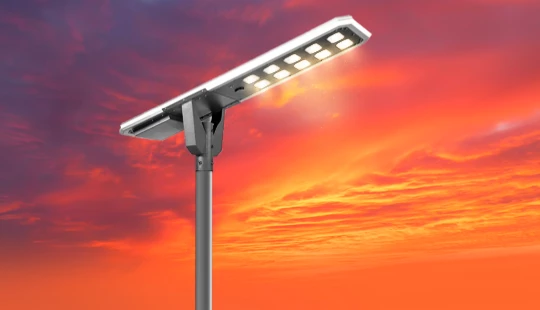
- Pros: Compact design, easier and faster installation (no complex wiring), lower installation cost, aesthetically pleasing, ideal for lower to medium power requirements (e.g., pathways, parking lots, residential areas).
- Cons: Limited flexibility in panel and battery sizing (components are integrated into a single housing), heat from LED can impact battery lifespan if not well-designed, less efficient in challenging solar conditions (e.g., partial shading), typically lower pole heights.
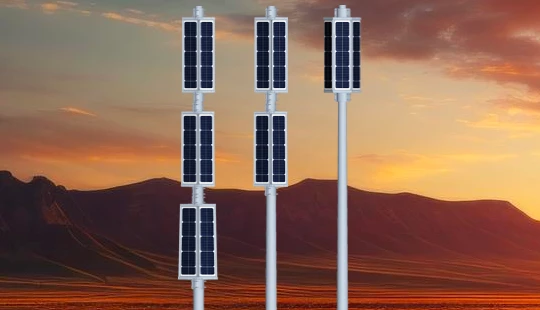
Split Solar Street Lights (e.g., with separate panel, battery box, and LED head):
- Pros: High flexibility in design and component sizing (larger panels and batteries can be used), ideal for high-power applications, higher poles (e.g., main roads, highways), and harsh environments with extreme temperatures or specific solar irradiance challenges. The battery can be placed at the pole's base for easier maintenance and better thermal management. Panel can be angled optimally.
- Cons: More complex installation due to separate components and wiring, higher installation cost, potentially less aesthetically integrated.
Professional Verdict: For robust, high-lumen, and long-duration lighting on main roads, industrial zones, or areas with limited sun exposure, split solar street lights often provide superior performance and longevity due to their customizable power systems. All-in-One units are excellent for simpler, lower-demand applications where ease of installation is paramount.
What are the critical specifications to look for when evaluating a Solar Street Light Manufacturer?
Selecting the right manufacturer is paramount for project success. Focus on these aspects:
- R&D and Innovation: A manufacturer with strong R&D capabilities will offer innovative, efficient, and reliable products using the latest technologies (e.g., advanced MPPT controllers, high-efficiency LEDs, smart energy management systems).
- Quality Control & Certifications: Look for ISO 9001, CE, RoHS, IP65/IP66 ratings for waterproof and dustproof performance, and potentially UL/ETL for specific markets. Ask about their testing procedures (e.g., aging tests, vibration tests, temperature tests).
- Component Quality: Inquire about the brand and specifications of their core components: LED chips (e.g., Philips, Osram, Cree), solar cells (e.g., Monocrystalline PERC), battery cells (e.g., CATL, BYD, EVE for LiFePO4), and controllers.
- Customization Capabilities: For large-scale projects, the ability to customize pole height, lumen output, battery autonomy, and control features is invaluable.
- Warranty and After-Sales Support: A comprehensive warranty (e.g., 3-5 years for the entire system, 10-25 years for solar panels) and accessible technical support demonstrate confidence in their product and commitment to customer satisfaction.
- Project References and Experience: Check their portfolio for similar projects in scale and environment to yours.
What are the most common mistakes to avoid when purchasing solar street lights?
Avoiding these common errors will save you time, money, and headaches:
- Undersizing the System: This is the most frequent mistake. Failing to accurately calculate required lumen output, desired autonomy days, and local solar insolation (peak sun hours) leads to insufficient lighting or premature battery degradation. Always over-spec slightly to ensure reliability.
- Prioritizing Price Over Quality: Cheap components (especially batteries and controllers) lead to poor performance, shorter lifespan, and frequent failures, costing more in the long run. Invest in reputable brands and proven technology.
- Ignoring Local Climate Data: Solar panel size and battery capacity must be tailored to the specific geographical location's average daily peak sun hours and expected cloudy days. A system designed for a sunny desert won't perform well in a consistently overcast region.
- Inadequate IP Rating: For outdoor installations, an IP65 or IP66 rating is essential to protect against dust and water ingress, ensuring longevity in harsh weather.
- Poor Battery Management System (BMS): A robust BMS is critical for LiFePO4 batteries, protecting against overcharge, over-discharge, over-current, and extreme temperatures, thereby extending battery life.
- Lack of Comprehensive Warranty: A piecemeal warranty or a very short one indicates a lack of confidence from the manufacturer. Demand a clear, comprehensive warranty covering all major components.
- Overlooking Installation Complexity for Split Systems: While split systems offer flexibility, their installation requires more planning and skilled labor. Account for this in your project budget and timeline.
How do battery technology and capacity impact the performance and lifespan of solar street lights?
The battery is the heart of a solar street light system, storing energy collected by the solar panel. Its technology and capacity directly determine the light's operational hours and overall lifespan.
Battery Technology:
- LiFePO4 (Lithium Iron Phosphate): Dominates the market due to its superior characteristics: longer cycle life (2000-4000 cycles, translating to 7-10+ years), higher energy density, faster charging, wider operating temperature range, and enhanced safety compared to other lithium-ion chemistries.
- Lead-Acid: Older, cheaper technology with significantly shorter cycle life (300-1000 cycles, 2-3 years), lower energy density, and poorer performance in extreme temperatures. Largely being phased out for new solar street light projects.
Battery Capacity (Ah/Wh):
- Determines the autonomy days – how many nights the light can operate without sufficient solar charging. Professional buyers typically aim for 3-5 nights of autonomy to ensure reliable operation during extended cloudy periods.
- Higher capacity batteries directly support higher wattage LEDs for longer durations.
- The Battery Management System (BMS) is crucial here. A good BMS ensures balanced charging/discharging, prevents deep discharge, and prolongs the battery's health and lifespan.
What is the typical lifespan and warranty for solar street lights, and why is it important?
Understanding the lifespan of individual components and the overall system, coupled with a robust warranty, is vital for long-term project planning and ROI calculation.
- LED Luminaire: High-quality LED chips typically have a lifespan of 50,000 to 100,000 hours, meaning 10-20 years of operation at 10-12 hours/night.
- Solar Panel: Monocrystalline solar panels are highly durable, with a performance warranty guaranteeing 80% or more power output after 20-25 years.
- Battery (LiFePO4): As mentioned, 7-10 years or 2000-4000 charge cycles, depending on usage and environmental factors.
- Controller: Generally very reliable, with a lifespan matching other electronic components, often 5-10 years.
- Pole: Galvanized steel poles can last 20-30+ years with proper maintenance.
Why Warranty is Important: A comprehensive warranty mitigates risks. It assures the buyer that the manufacturer stands behind their product's quality and will replace or repair faulty components within a specified period. Look for full system warranties (e.g., 3-5 years) that cover all major components, demonstrating manufacturer confidence.
How do I calculate the correct solar street light wattage and pole height for my application?
Accurate calculation is fundamental to achieving desired illumination levels and cost-efficiency. This involves a multi-step process:
- Determine Lighting Standards: Consult relevant local or international lighting standards (e.g., IESNA, CIE) for the specific application (e.g., M-class for roads, P-class for pedestrian areas). These standards specify minimum average illuminance (Lux) and uniformity ratios.
- Required Lumen Output: Based on the desired Lux level, pole height, and pole spacing, calculate the total lumen output needed from the LED luminaire. Software simulations (e.g., Dialux) are invaluable here. A typical 8-meter pole for a secondary road might require a 40-60W LED luminaire producing 6,000-9,000 lumens.
- Pole Height & Spacing: Taller poles spread light over a wider area but reduce intensity directly below. The ratio of pole height to spacing (e.g., 3:1 to 4:1) is crucial for uniform illumination. Common heights range from 6m for pathways to 12m for main roads.
- Solar Irradiance & Autonomy: Obtain accurate historical peak sun hour data for the project location. Then, calculate the solar panel wattage needed to fully charge the battery during the shortest sun day while also accounting for 3-5 days of battery autonomy (backup for cloudy days). This is where split systems offer an advantage, allowing larger panels for challenging conditions.
- System Efficiency: Account for losses in the system (e.g., panel efficiency, controller efficiency, battery discharge efficiency, cabling losses).
Queneng Lighting: Your Trusted Partner in Sustainable Illumination
At Queneng Lighting, we understand the intricate demands of professional solar street light procurement. Our commitment to quality, innovation, and customer satisfaction positions us as a leading manufacturer. We specialize in robust split solar street light systems designed for high-performance and longevity, ideal for complex infrastructure projects requiring customized solutions, higher lumen output, and extended autonomy.
Our advantages include:
- Advanced R&D: Continuously integrating the latest solar and LED technologies for superior efficiency and reliability.
- High Quality Components: Utilizing only top-tier components like high-efficiency monocrystalline solar panels, long-life LiFePO4 batteries with intelligent BMS, and high-lumen LED chips from globally recognized brands.
- Custom Engineering: Our expertise allows us to engineer bespoke solutions, perfectly matching your project's specific lumen, autonomy, and environmental requirements.
- Rigorous Quality Control: Every product undergoes stringent testing and adheres to international certifications (CE, RoHS, IP66) to ensure unparalleled durability and performance.
- Comprehensive Warranty & Support: We offer extensive warranties and dedicated after-sales service, providing peace of mind and protecting your investment for years to come.
Choose Queneng Lighting for sustainable, high-performance solar street lighting solutions that illuminate your projects efficiently and reliably, standing the test of time and environment.

Have more questions about our products or services?
The latest hot news you might like

Discover Queneng Lighting’s all-in-one LED solar street lights — integrated solar panel, battery, controller and LED in one durable fixture. Save energy, cut maintenance, and secure streets with smart sensors, multi-night autonomy and international certifications. Contact sales for quotes and support.

Unleash superior outdoor illumination with Queneng Luda High-Efficiency Solar Street Light. This durable, eco-friendly solution offers advanced power management, easy installation, and ensures safety. Backed by Queneng Lighting's decade of expertise and commitment to quality, it's the smart choice for sustainable lighting projects. Learn why we're a leading solar solutions provider.

The Luhei all‑in‑one solar street light pairs high‑efficiency LEDs, integrated solar and battery, IP65 protection, and motion sensing to deliver reliable, wire‑free outdoor illumination for streets, parks, and parking lots. Backed by Queneng Lighting’s certifications and support.

FAQ
Solar Street Light Luqing
Are Luqing solar street lights suitable for large areas like parking lots or highways?
Yes, Luqing solar street lights are suitable for a variety of outdoor environments, including parking lots, highways, and large public spaces. They offer sufficient brightness and coverage for these areas without the need for grid-based power.
APMS system
What scenarios is the APMS system suitable for?
The APMS system is widely applicable in remote off-grid areas, extremely cold climates, and industrial sites with high energy stability requirements, such as mines and oil fields.
Tourist Attractions and Resorts
Do solar lights require much maintenance?
Solar lights require minimal maintenance. Routine checks and occasional cleaning of the solar panels are enough to keep the system functioning efficiently. There are no wires or bulbs that need to be replaced frequently.
Commercial and Industrial Parks
Can the lighting systems be upgraded in the future?
Yes, our modular designs allow for easy upgrades, such as adding smart features or higher capacity batteries.
Remote Areas Rural Development
How long does it take to install solar streetlights in a rural area?
Installation time varies, but on average, it takes about 2-3 hours per light, with complete project timelines depending on the scale and terrain.
Battery fundamentals and basic terms
What is a discharge platform?
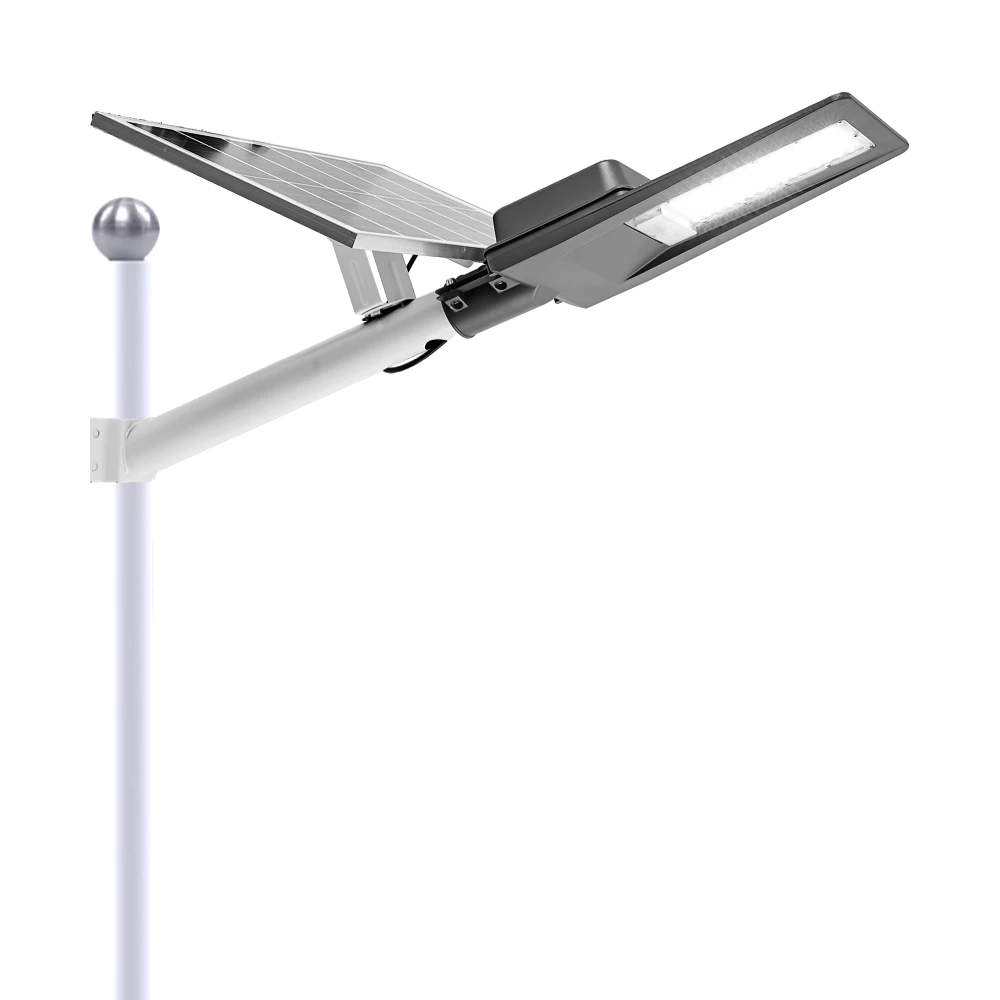
Experience reliable outdoor illumination with our smart solar street light, a perfect combination of advanced technology and eco-conscious design.
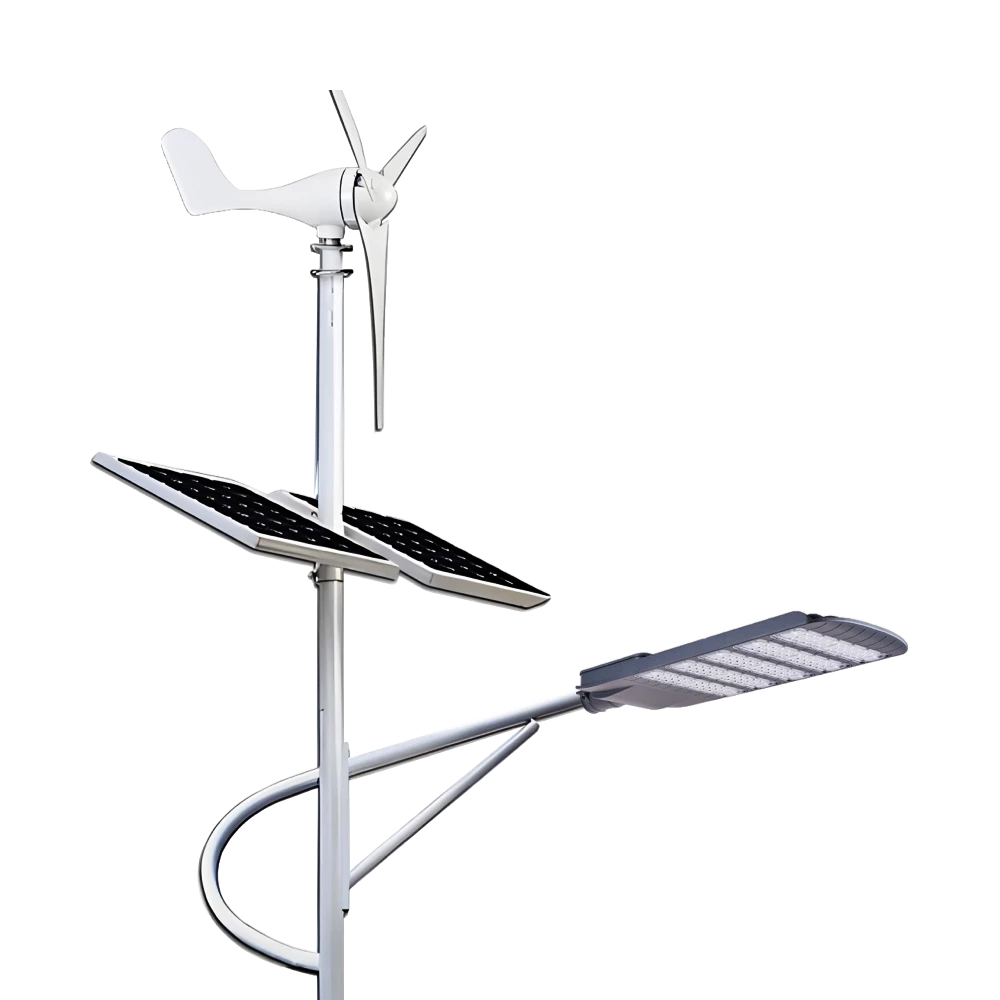
Queneng Lufeng Wind Energy LED Outdoor Solar Street Lights offer high-performance, eco-friendly illumination. These energy-efficient LED street lights harness solar power and wind energy for sustainable, cost-effective outdoor lighting solutions.
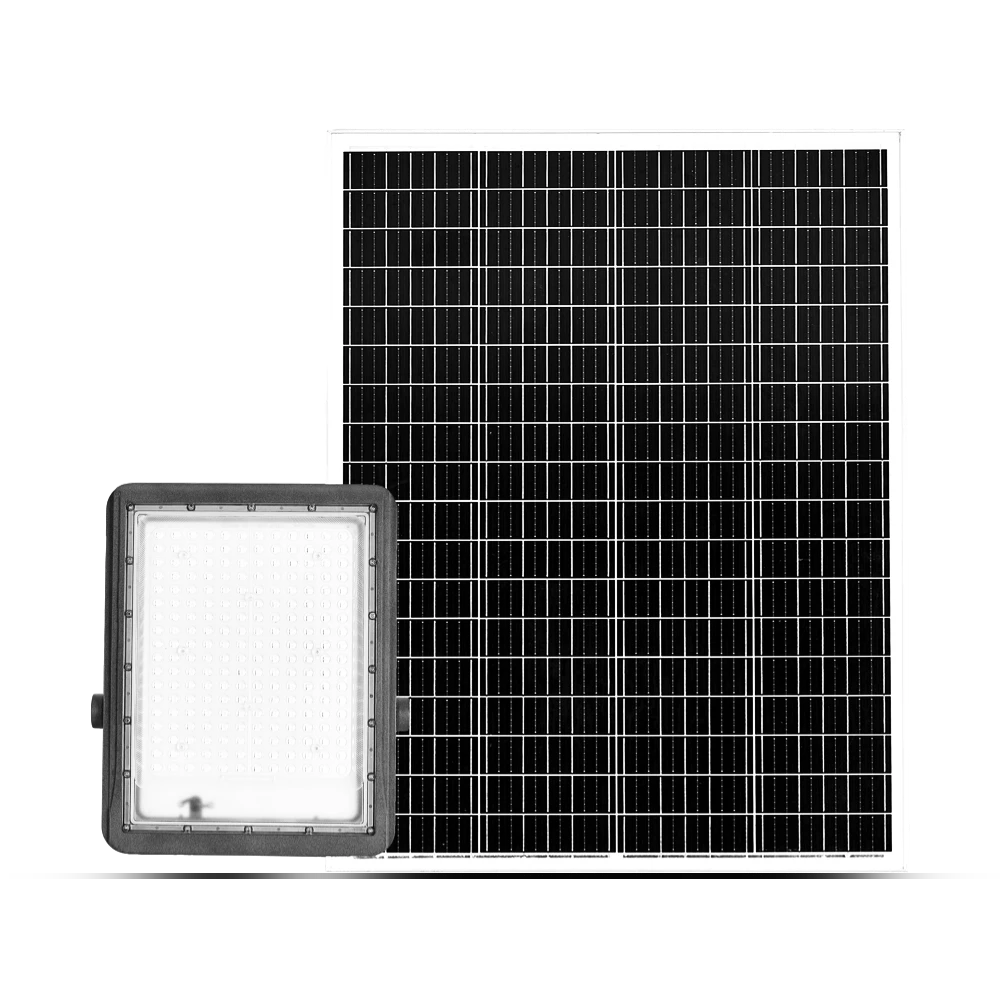
Queneng's Luxian Reliable Solar Street Light offers energy-saving LED lighting for outdoor use. This durable, solar-powered street light provides reliable illumination, reducing energy costs and environmental impact. A perfect solution for sustainable outdoor lighting.
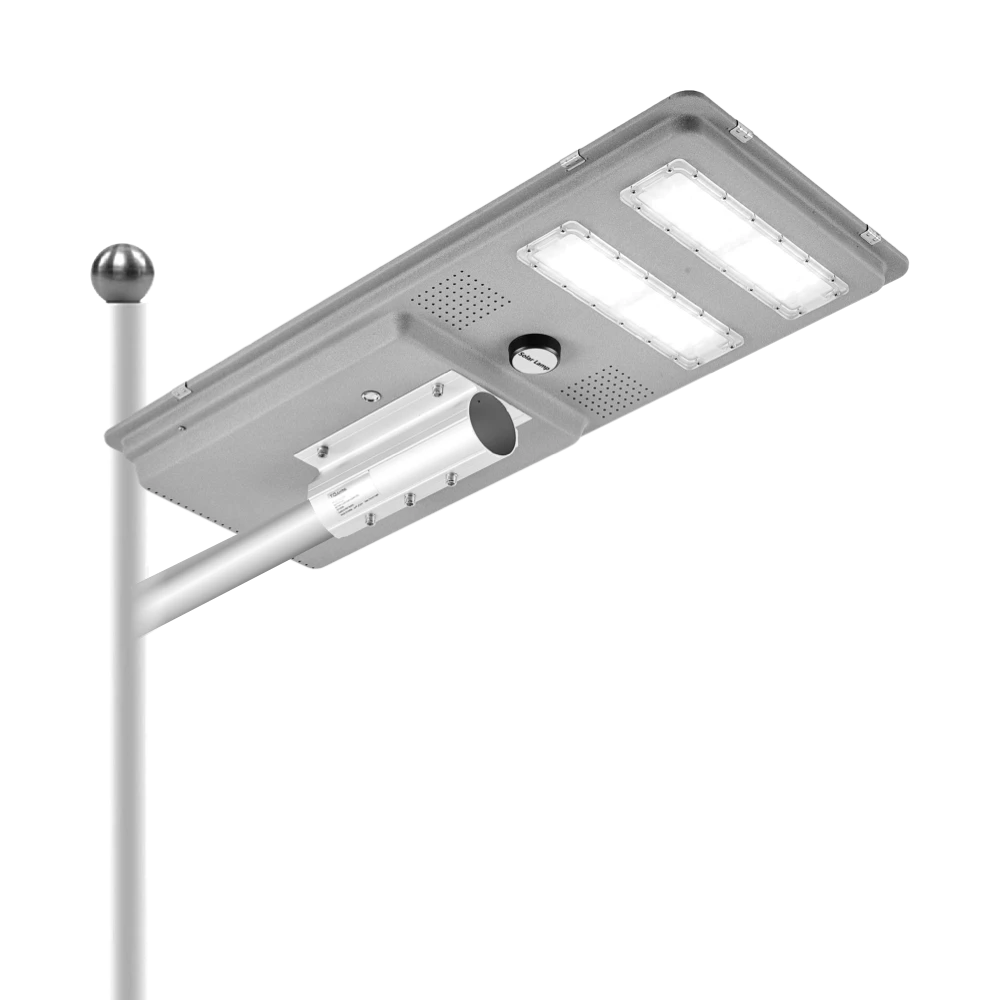
Queneng’s Solar Street Lights are designed to provide reliable, energy-efficient lighting for streets, parks, and other outdoor spaces.
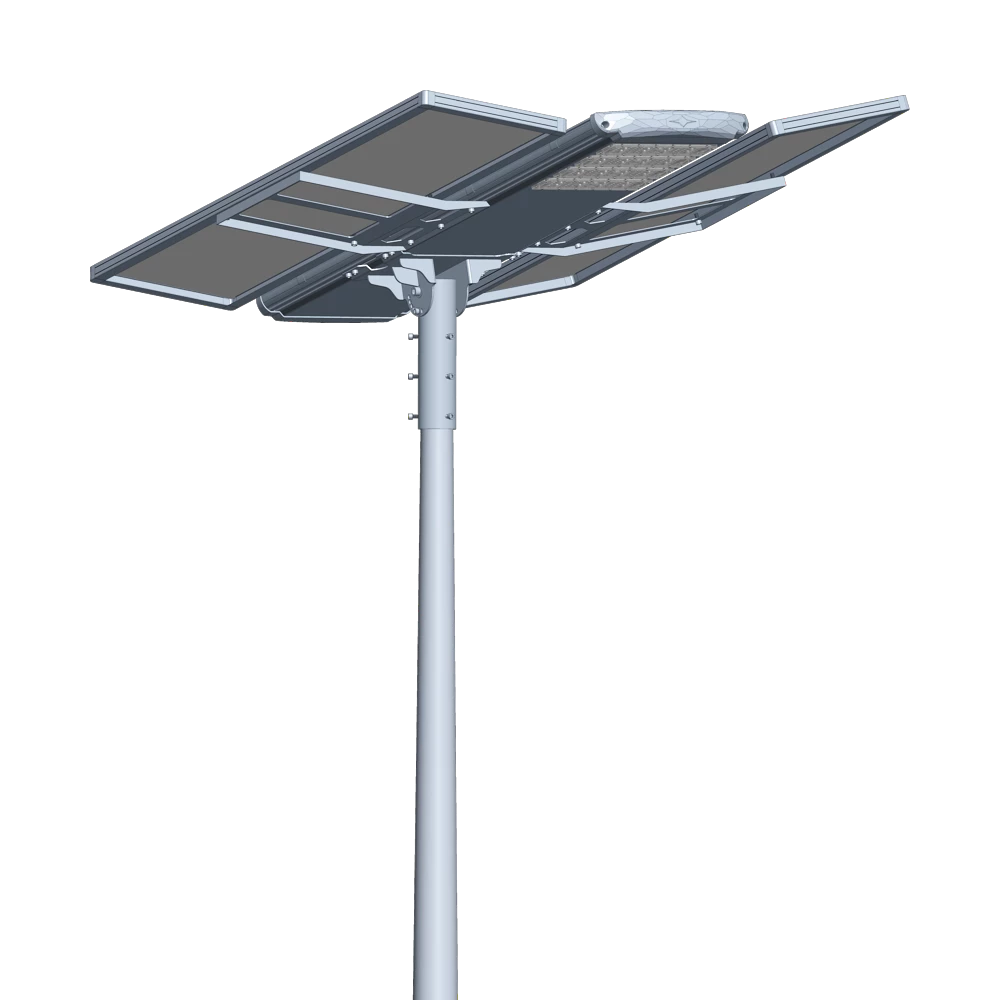
Introducing the Luqing Solar Street Light by Queneng, Efficient LED lighting powered by solar energy is perfect for illuminating outdoor areas. Harness the power of solar energy for sustainable, reliable street lighting. Ideal for eco-friendly, cost-effective outdoor illumination solutions.
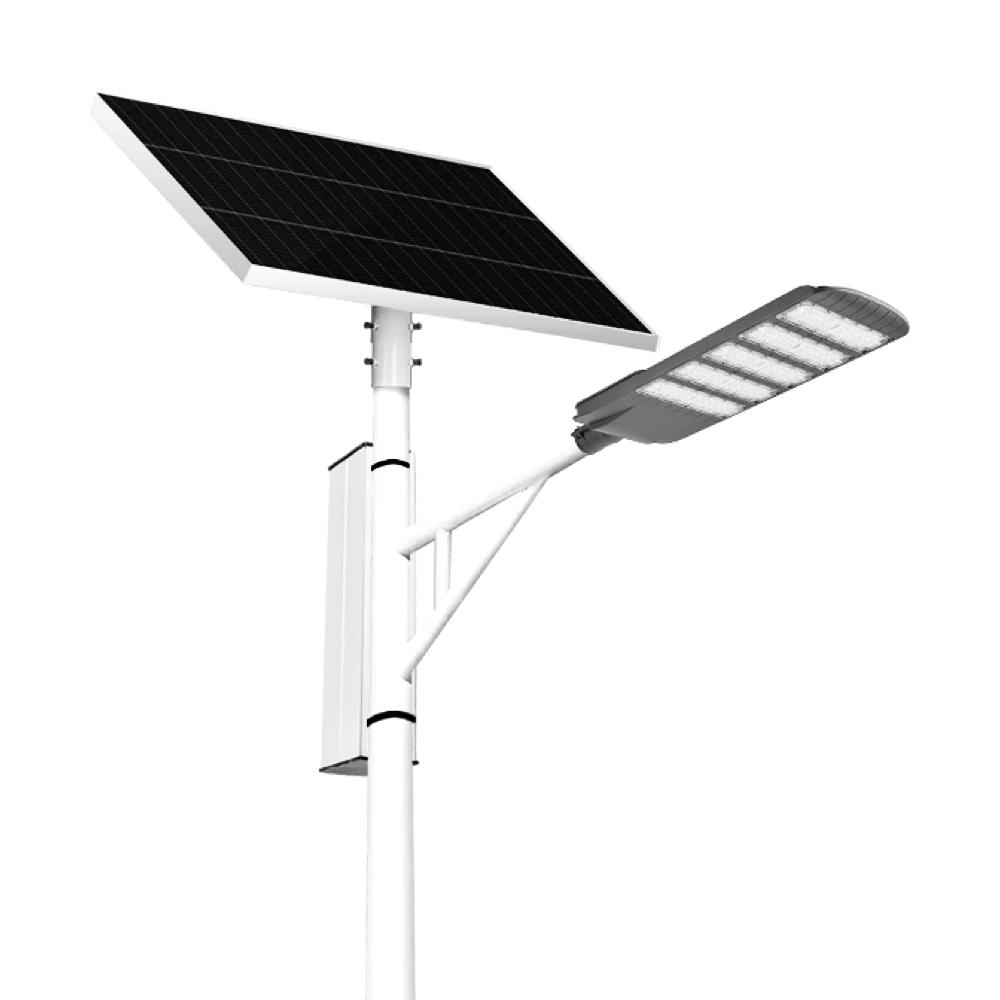
The Solar Streetlights of Luhao for Municipalities are designed to deliver reliable, energy-efficient, and cost-effective public lighting solutions. Equipped with advanced LED technology, durable lithium batteries, and high-efficiency solar panels, these streetlights provide consistent illumination for roads, parks, residential areas, and government projects.
If you would like more information about Queneng solar lighting solutions, please send us a message by filling out the form below. Our professional team will get back to you within 24 hours!
Rest assured that your privacy is important to us, and all information provided will be handled with the utmost confidentiality.
Schedule a Meeting
Book a date and time that is convenient for you and conduct the session in advance.
Have more questions about our products or services?
The messenger of light & power conversion
Environmental protection and intelligent manufacturing are our brand philosophy, and quality assurance and the best user experience are our eternal promises to users.
CONTACT
No.9F, Building F, Cao San Xin Tian Hong Logistics Park, Guzhen Town, Zhongshan City, Guangdong Province, China.
or write [email protected]
WhatsApp: +86 136 2270 1011


