

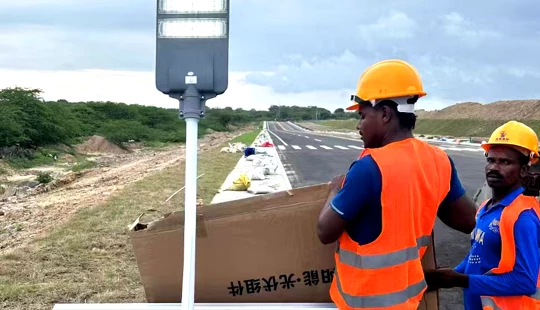
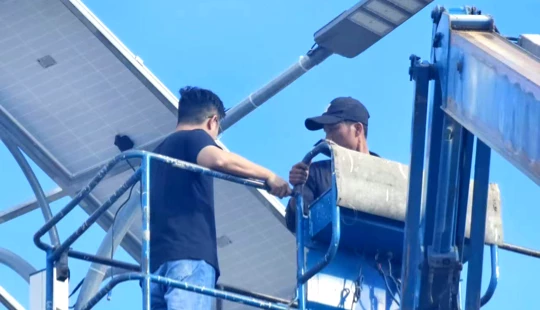













How can local governments ensure solar street lights meet lighting uniformity standards?
Navigating Solar Street Light Procurement: A Comprehensive Guide for Local Governments and Manufacturers
Investing in solar street lights presents a compelling opportunity for local governments to enhance public safety, reduce operational costs, and promote environmental sustainability. However, successful procurement requires a deep understanding of market dynamics, technical specifications, and regulatory standards. This guide aims to equip procurement professionals with the knowledge needed to make informed decisions.
What are the key cost components of a solar street light system, and how do they impact the overall investment for local governments?
Understanding the cost structure is paramount for budget planning. The total investment for a solar street light system typically ranges from $1,500 to $4,000 per unit for a comprehensive setup, excluding installation. This range is influenced by several core components:
- Solar Panel: Monocrystalline panels are preferred for their higher efficiency (typically 20-23%). Larger wattage panels (e.g., 80W to 200W) increase costs but ensure consistent power generation, especially in regions with less sunlight.
- Battery: The battery, often the most expensive component, determines the light's autonomy (how long it can operate without sunlight). Lithium Iron Phosphate (LiFePO4) batteries are now standard due to their longer cycle life (2,000-4,000 cycles at 80% Depth of Discharge (DOD)), wider operating temperature range (typically -20°C to 60°C), and enhanced safety. A higher capacity (e.g., 100Ah vs. 200Ah) significantly impacts cost.
- LED Luminaire: The light fixture's wattage, lumen output (efficacy often 150-180 lumens per watt (lm/W)), and optical design (lens type for light distribution) affect cost and performance. Higher efficiency LEDs reduce the overall power requirement.
- Charge Controller: Maximum Power Point Tracking (MPPT) controllers are recommended over Pulse Width Modulation (PWM) for their 15-30% higher efficiency in optimizing power harvest from the solar panel.
- Pole and Mounting Hardware: The height (e.g., 6m to 12m), material (steel, aluminum), and wind resistance rating of the pole are crucial for structural integrity and contribute significantly to costs.
- Smart Features: Integration of IoT, motion sensors, and remote monitoring capabilities adds to the initial cost but offers long-term operational savings and enhanced control.
Installation costs, typically ranging from $300 to $1,000 per unit, must also be factored in, though these are often offset by the elimination of expensive trenching and grid connection for off-grid systems.
How can local governments effectively evaluate and select a reputable solar street light manufacturer?
Selecting the right manufacturer is critical for project success and longevity. Local governments should consider the following criteria:
- Experience and Reputation: Look for manufacturers with a proven track record in large-scale public lighting projects and positive client testimonials.
- R&D and Manufacturing Capabilities: Inquire about their in-house research and development, and whether their manufacturing facilities are certified (e.g., ISO 9001 for quality management). This indicates a commitment to innovation and consistent quality.
- Product Range and Customization: A good manufacturer offers a diverse product portfolio and the flexibility to customize solutions (e.g., specific pole heights, luminaire optics, battery autonomy) to meet unique project requirements and local environmental conditions.
- Quality Control and Assurance: Request details on their quality control processes, including testing protocols for components and finished products. Ask for independent testing reports (e.g., IESNA LM-79 for photometric performance, LM-80 for LED lumen maintenance).
- Certifications: Verify product certifications such as CE, RoHS, FCC, and specific country/region standards like UL for North America. Ensure batteries meet transport safety standards like UN38.3 and panels comply with IEC 61215/61730.
- Warranty and After-Sales Support: A robust warranty (typically 3-5 years for the system, 10-25 years for solar panels, and 5-10 years for batteries) and accessible technical support are essential for long-term peace of mind.
- Project References: Request case studies or contact information for previous government or municipal projects to assess their past performance.
What specific lighting uniformity standards must solar street lights meet, and what strategies ensure compliance for public safety and comfort?
Ensuring adequate lighting uniformity is crucial for public safety, preventing accidents, and enhancing visual comfort. Local governments primarily adhere to international standards such as IESNA RP-8-18 (Recommended Practice for Design and Maintenance of Roadway Lighting) in North America and EN 13201 (Road Lighting) in Europe.
Key metrics for uniformity include:
- Average Illuminance (Eavg): The average light level on the road surface.
- Minimum Illuminance (Emin): The lowest light level on the road surface.
- Overall Uniformity Ratio (Uo): Calculated as Emin / Eavg. For arterial roads, a Uo of 0.33 to 0.4 is often required, while residential streets might require 0.4 to 0.5.
- Longitudinal Uniformity Ratio (Ul): Emin / Emax along the centerline of a driving lane. This helps prevent alternating bright and dark spots.
Strategies to ensure compliance:
- Precise Optical Design: Luminaires must feature specific light distribution patterns (e.g., Type II, Type III, Type IV optics) that direct light effectively onto the road surface and minimize spill light, ensuring even illumination across the intended area.
- Optimal Pole Height and Spacing: The ratio of pole height to spacing (HSR) is critical. For instance, with Type III optics, an HSR of 3:1 to 4:1 might be suitable for achieving good uniformity.
- Tilt Angle Optimization: Adjusting the luminaire's tilt angle can fine-tune light distribution to eliminate dark spots and improve uniformity, especially on wider roads.
- Lighting Simulation Software: Tools like Dialux evo or AGI32 are indispensable for designing and verifying lighting layouts. These software platforms allow engineers to simulate various configurations and predict photometric performance against specified standards before installation.
- Site-Specific Design: Each installation should be treated as unique, considering road width, curvature, adjacent buildings, and local regulations. A generic solution rarely meets strict uniformity requirements.
What are the essential technical specifications and certifications local governments should prioritize when procuring solar street lights?
To guarantee reliable and high-performance solar street lights, governments should focus on these technical aspects:
- Solar Panel Efficiency: Look for monocrystalline panels with efficiency ratings of 20% or higher to maximize energy harvest, especially in space-constrained designs.
- Battery Technology and Capacity: Insist on LiFePO4 batteries with a specified capacity (Wh or Ah) that provides at least 3-5 days of autonomy (backup power in cloudy weather) and a high cycle life (e.g., 2,000-4,000 cycles at 80% DOD).
- LED Efficacy and Lifespan: Specify LED luminaires with an efficacy of at least 150 lm/W and a rated lifespan (L70) of 50,000 to 100,000 hours, ensuring long-term brightness and reduced maintenance.
- Charge Controller Type:*MPPT (Maximum Power Point Tracking) controllers are preferred for their superior efficiency in extracting power from the solar panel under varying conditions.
- Ingress Protection (IP) Rating: A minimum of IP65 or IP66 for both the luminaire and the battery/controller enclosure is essential to protect against dust and water ingress, crucial for outdoor environments.
- Wind Resistance: The pole and fixture must be designed to withstand local wind loads (e.g., up to 120-160 km/h), often specified by local building codes.
- Certifications: Beyond general product certifications (CE, RoHS, FCC), look for specific component certifications: IEC 61215/61730 for solar panels, UN38.3 for battery safety, and ISO 9001 for the manufacturer's quality management system.
What are the long-term operational savings and environmental benefits of investing in solar street lighting for municipalities?
Beyond initial investment, solar street lighting offers significant long-term financial and environmental advantages:
Operational Savings:
- Zero Electricity Bills: The most immediate and significant saving. Once installed, solar street lights operate entirely off-grid, eliminating monthly electricity charges for lighting.
- Reduced Infrastructure Costs: Avoids the expense of trenching, cabling, and connecting to the electrical grid, which can be substantial in remote areas or new developments.
- Lower Maintenance: While batteries and LEDs require eventual replacement, the overall maintenance is significantly lower than traditional grid-tied lighting, especially for underground infrastructure. Remote monitoring via IoT further optimizes maintenance schedules.
- Energy Independence and Resilience: Municipalities gain independence from fluctuating energy prices and enhance resilience against power outages, ensuring consistent public lighting.
Environmental Benefits:
- Reduced Carbon Footprint: By using renewable energy, each solar street light can offset approximately 1-2 tons of CO2 emissions annually compared to grid-powered alternatives over its lifespan, depending on the local grid's energy mix.
- Sustainable Development: Aligns with municipal sustainability goals and demonstrates a commitment to green initiatives, potentially attracting grants and funding for eco-friendly projects.
- Minimized Light Pollution: With proper optical design and smart dimming capabilities, solar street lights can be configured to minimize upward light spill, contributing to dark-sky preservation efforts.
- Reduced Heat Island Effect: LEDs produce less heat than traditional lamps, contributing marginally to reducing urban heat island effects.
Payback periods for solar street light investments can range from 3 to 7 years, depending on factors like local electricity costs, government incentives, and project scale.
How do advanced battery and smart control technologies enhance the performance and reliability of modern solar street lights?
Modern solar street lights leverage cutting-edge technologies to overcome traditional limitations, offering enhanced performance, reliability, and functionality:
Advanced LiFePO4 Batteries:
- Longer Lifespan: LiFePO4 batteries boast a significantly longer cycle life (2,000-4,000 cycles or 10+ years) compared to lead-acid batteries, reducing replacement frequency.
- Improved Safety: They are inherently more thermally stable, reducing the risk of overheating or fire.
- Wider Temperature Range: Capable of operating efficiently in extreme temperatures (e.g., -20°C to 60°C), making them suitable for diverse climates.
- Consistent Performance: Maintain stable voltage throughout their discharge cycle, ensuring consistent light output.
Smart Control and IoT Integration:
- Adaptive Dimming: Motion sensors or pre-programmed schedules allow lights to dim to lower levels (e.g., 30% brightness during off-peak hours) and brighten upon detecting pedestrians or vehicles, saving energy by 30-50% and extending battery life.
- Remote Monitoring and Management: IoT platforms enable real-time monitoring of battery status, solar panel performance, LED functionality, and fault detection from a central dashboard. This facilitates predictive maintenance and rapid issue resolution.
- Energy Reporting: Provides detailed data on energy consumption and generation, helping municipalities track savings and system efficiency.
- Over-the-Air (OTA) Updates: Allows for remote firmware updates to improve functionality or address issues without physical intervention.
- Security Integration: Some advanced systems can integrate with CCTV cameras or environmental sensors, transforming streetlights into smart urban infrastructure hubs.
These technologies collectively optimize energy consumption, extend system lifespan, minimize maintenance, and provide unprecedented control over public lighting networks.
*
Quenenglighting: Your Partner in Sustainable Urban Illumination
At Quenenglighting, we understand the complexities and demands of modern municipal lighting projects. We pride ourselves on delivering high-performance, durable, and intelligent solar street lighting solutions. Our commitment to excellence is reflected in our use of high-efficiency monocrystalline solar panels (22%+ efficiency), long-life LiFePO4 batteries (4000+ cycles), and cutting-edge LED luminaires (170+ lm/W efficacy). We offer customizable designs to meet precise photometric requirements and adhere to international standards like IESNA RP-8-18 and EN 13201, ensuring optimal lighting uniformity and safety. With ISO 9001 certified manufacturing, comprehensive CE, RoHS, FCC, and UN38.3 certifications, and advanced IoT-enabled smart controls, Quenenglighting provides not just lights, but a reliable, sustainable, and intelligent infrastructure investment for your community. Our dedicated support team and extensive warranty guarantee peace of mind, making us the ideal manufacturer for your next solar street lighting endeavor.
*
References:
- International Dark-Sky Association. (2023). Light Pollution. Retrieved from https://www.darksky.org/light-pollution/
- U.S. Department of Energy. (2022). LED Lighting. Retrieved from https://www.energy.gov/energysaver/led-lighting
- IESNA. (2018). IESNA RP-8-18: Recommended Practice for Design and Maintenance of Roadway Lighting. (Accessed via IES Store/Membership, publication details from IESNA website).
- European Committee for Standardization (CEN). (2014). EN 13201: Road Lighting. (Accessed via national standards bodies, e.g., BSI, DIN).
- Solar Power World Online. (2023). Market Trends and Technologies in Solar Lighting. Retrieved from https://www.solarpowerworldonline.com/category/solar-lighting/ (Specific articles may vary over time, general category link provided).
- Energy Information Administration (EIA). (2023). Electric Power Monthly. (Data on electricity generation and costs relevant to CO2 calculations). Retrieved from https://www.eia.gov/electricity/monthly/
- Battery University. (2023). Types of Lithium-ion Batteries. Retrieved from https://batteryuniversity.com/article/bu-205-types-of-lithium-ion-batteries/ (Information on LiFePO4 cycle life and characteristics).

Have more questions about our products or services?
The latest hot news you might like

Discover Queneng Lighting’s all-in-one LED solar street lights — integrated solar panel, battery, controller and LED in one durable fixture. Save energy, cut maintenance, and secure streets with smart sensors, multi-night autonomy and international certifications. Contact sales for quotes and support.

Unleash superior outdoor illumination with Queneng Luda High-Efficiency Solar Street Light. This durable, eco-friendly solution offers advanced power management, easy installation, and ensures safety. Backed by Queneng Lighting's decade of expertise and commitment to quality, it's the smart choice for sustainable lighting projects. Learn why we're a leading solar solutions provider.

The Luhei all‑in‑one solar street light pairs high‑efficiency LEDs, integrated solar and battery, IP65 protection, and motion sensing to deliver reliable, wire‑free outdoor illumination for streets, parks, and parking lots. Backed by Queneng Lighting’s certifications and support.

FAQ
Commercial and Industrial Parks
Can your solar lights operate in extreme weather conditions?
Yes, our lights are designed to withstand harsh environments, including heavy rain, high winds, and extreme temperatures.
Distributors
Can I get exclusive distribution rights in my region?
-
Exclusive distribution rights are available in select regions based on market conditions and your business capabilities. Please contact us to discuss opportunities for exclusive distribution in your area.
-
Battery and Analysis
Can any charger be used for rechargeable portable batteries?
Remote Areas Rural Development
Can the system operate in areas with limited sunlight?
Yes, advanced batteries store sufficient energy to function during cloudy days or extended low-sunlight periods.
Solar Street Light Lulin
What makes Lulin solar street lights high-performance and energy-saving?
Lulin solar street lights are designed with high-efficiency solar panels and cutting-edge LED technology, providing optimal brightness with minimal energy consumption. The LED lights consume less power while offering superior illumination, and the solar panels capture and store sunlight efficiently, ensuring the lights perform well even in low sunlight conditions.
Solar Street Light Luxian
Are Luxian solar street lights suitable for urban and rural applications?
Yes, Luxian solar street lights are versatile and suitable for both urban and rural applications. Whether you need to light busy city streets or quiet rural pathways, Luxian lights offer a reliable, energy-efficient solution. Their easy installation and low maintenance make them ideal for a wide range of outdoor spaces, including parks, parking lots, streets, and private properties.
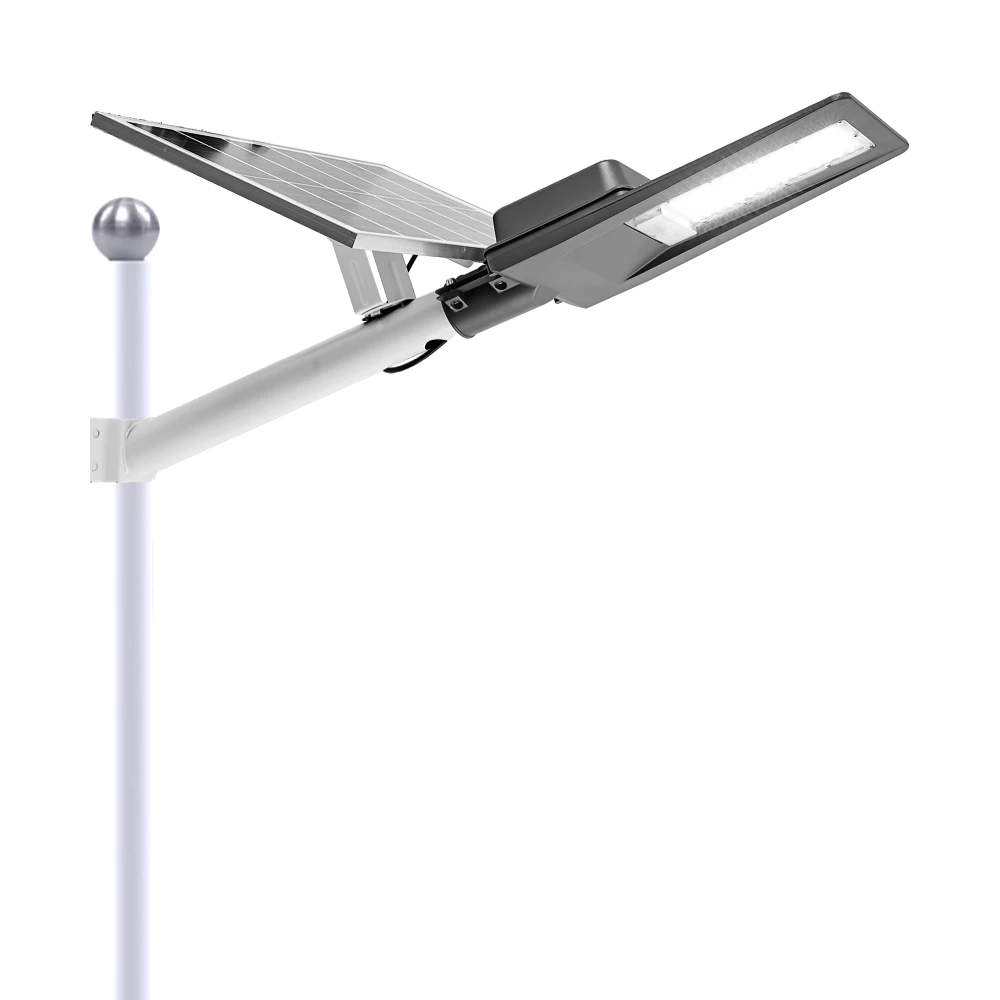
Experience reliable outdoor illumination with our smart solar street light, a perfect combination of advanced technology and eco-conscious design.
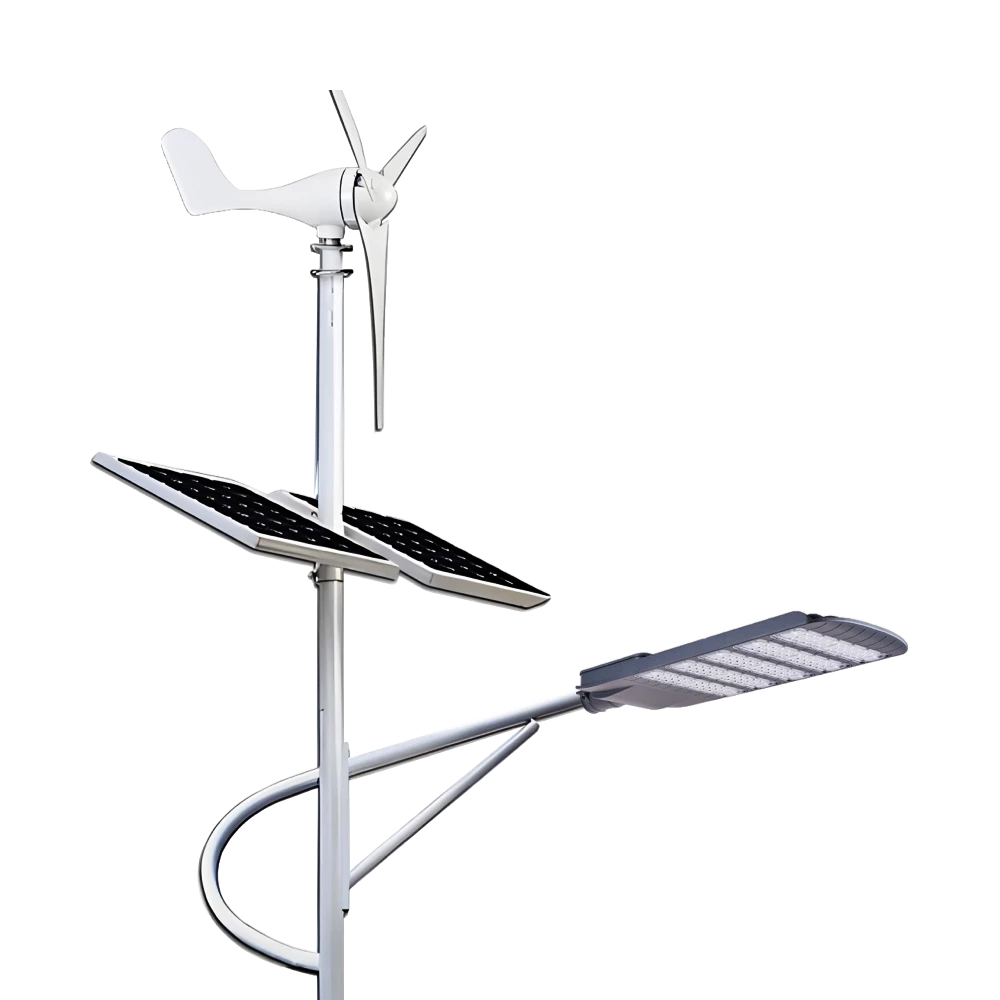
Queneng Lufeng Wind Energy LED Outdoor Solar Street Lights offer high-performance, eco-friendly illumination. These energy-efficient LED street lights harness solar power and wind energy for sustainable, cost-effective outdoor lighting solutions.
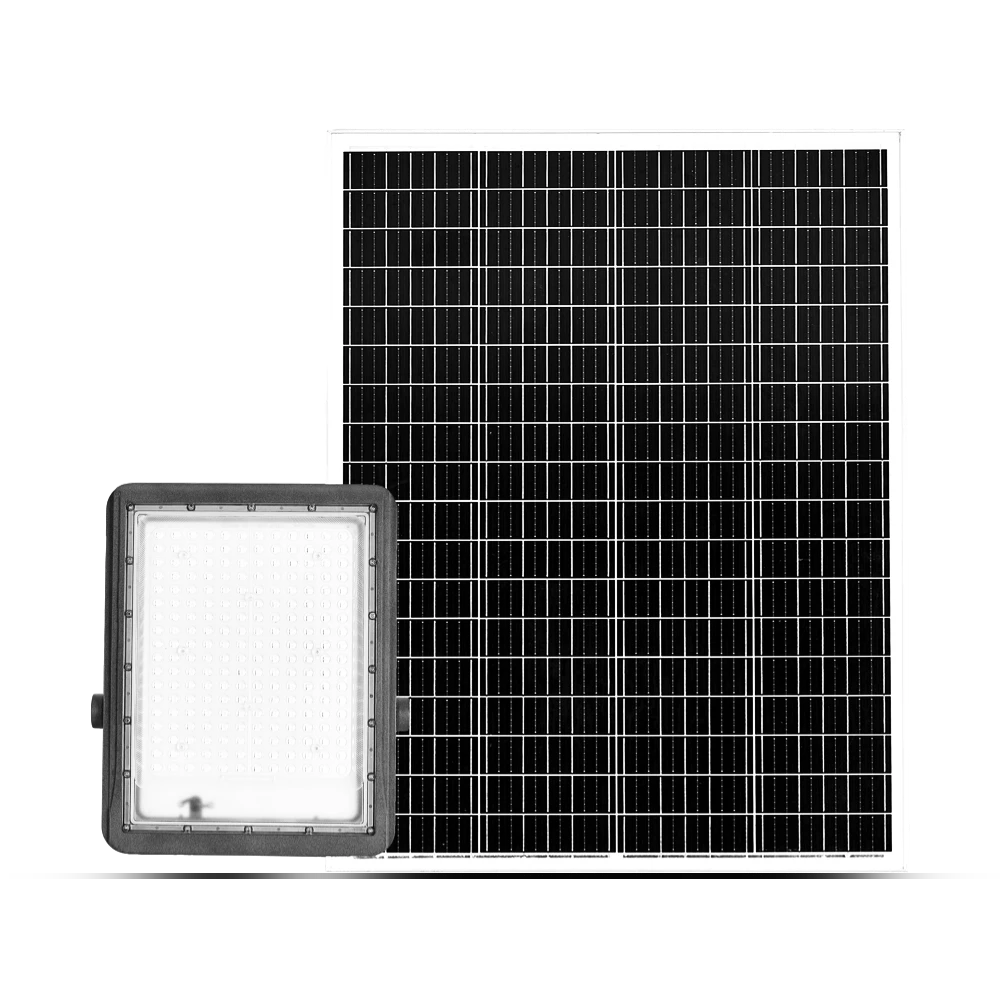
Queneng's Luxian Reliable Solar Street Light offers energy-saving LED lighting for outdoor use. This durable, solar-powered street light provides reliable illumination, reducing energy costs and environmental impact. A perfect solution for sustainable outdoor lighting.
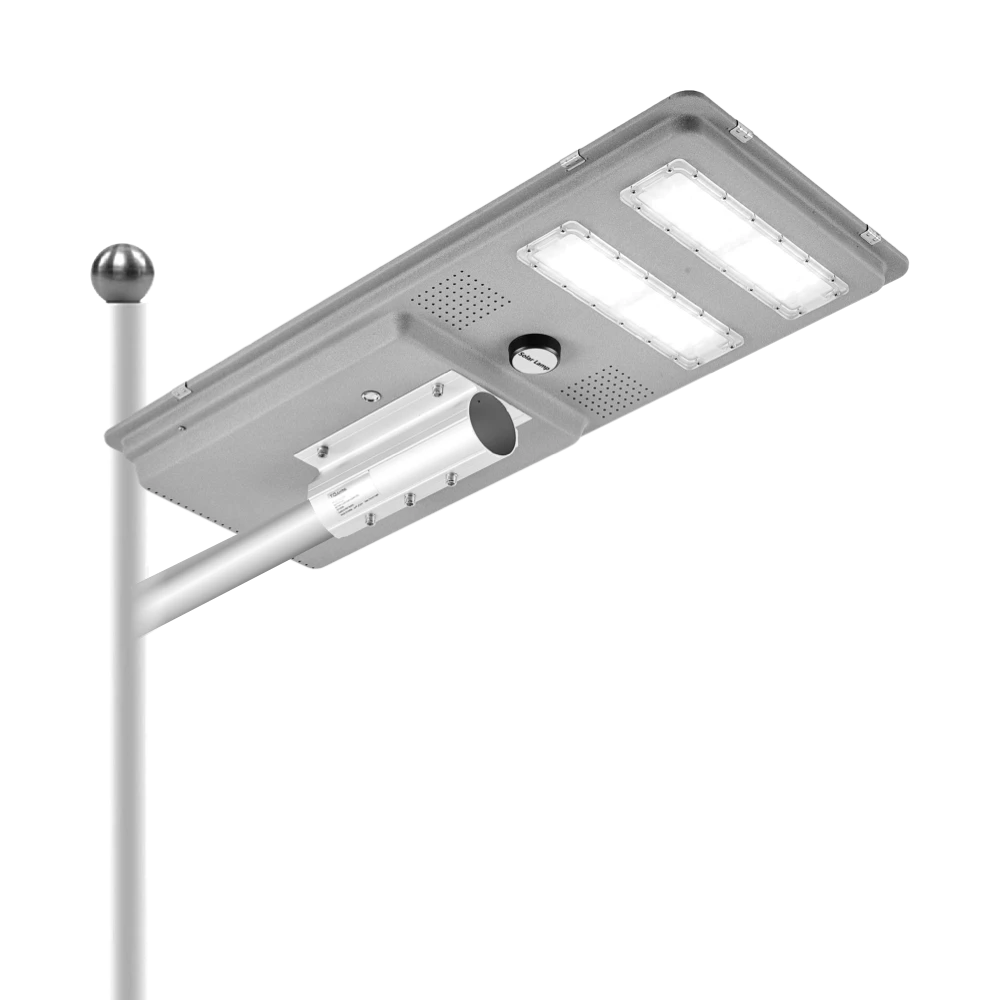
Queneng’s Solar Street Lights are designed to provide reliable, energy-efficient lighting for streets, parks, and other outdoor spaces.
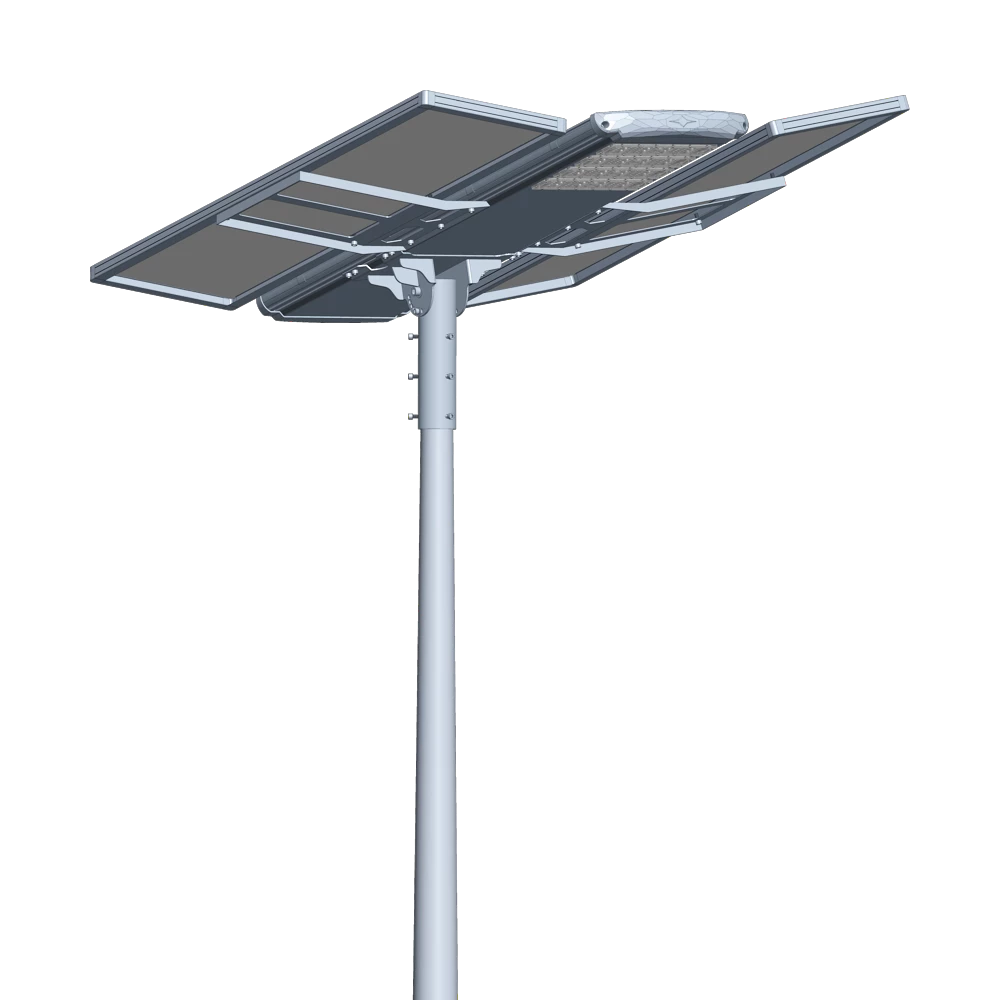
Introducing the Luqing Solar Street Light by Queneng, Efficient LED lighting powered by solar energy is perfect for illuminating outdoor areas. Harness the power of solar energy for sustainable, reliable street lighting. Ideal for eco-friendly, cost-effective outdoor illumination solutions.
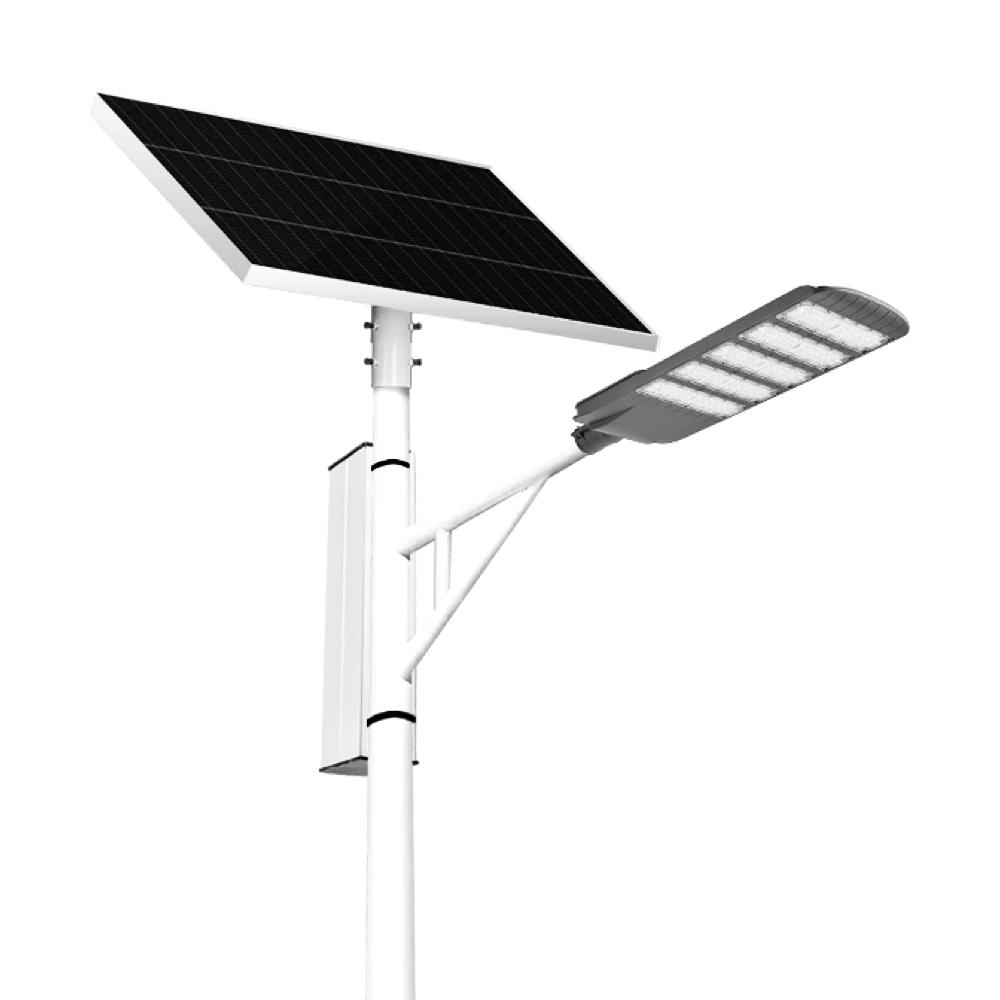
The Solar Streetlights of Luhao for Municipalities are designed to deliver reliable, energy-efficient, and cost-effective public lighting solutions. Equipped with advanced LED technology, durable lithium batteries, and high-efficiency solar panels, these streetlights provide consistent illumination for roads, parks, residential areas, and government projects.
If you would like more information about Queneng solar lighting solutions, please send us a message by filling out the form below. Our professional team will get back to you within 24 hours!
Rest assured that your privacy is important to us, and all information provided will be handled with the utmost confidentiality.
Schedule a Meeting
Book a date and time that is convenient for you and conduct the session in advance.
Have more questions about our products or services?
The messenger of light & power conversion
Environmental protection and intelligent manufacturing are our brand philosophy, and quality assurance and the best user experience are our eternal promises to users.
CONTACT
No.9F, Building F, Cao San Xin Tian Hong Logistics Park, Guzhen Town, Zhongshan City, Guangdong Province, China.
or write [email protected]
WhatsApp: +86 136 2270 1011


