














How Long Does a Solar Battery Last? | Queneng
How Long Does a Solar Battery Last? Understanding Lifespan and Factors
When considering solar energy solutions, one of the most common questions is, "How long does a solar battery last?" The lifespan of a solar battery can vary based on several factors, including the type of battery, usage patterns, and maintenance. In this article, we'll explore the typical lifespan of solar batteries, factors that affect their longevity, and tips for extending their life.
What is the Average Lifespan of a Solar Battery?
The average lifespan of a solar battery typically ranges from 5 to 15 years. However, this can vary significantly depending on the type of battery used.
- Lead-Acid Batteries: These are among the most common and affordable options. They typically last between 3 to 7 years.
- Lithium-Ion Batteries: These are more expensive but offer a longer lifespan, often lasting between 10 to 15 years.
- Saltwater Batteries: A newer technology, these batteries can last around 5 to 15 years, depending on usage and maintenance.
What Factors Affect the Lifespan of a Solar Battery?
Several factors can influence how long a solar battery will last:
- Depth of Discharge (DoD): The more deeply a battery is discharged, the shorter its lifespan. For example, discharging a lead-acid battery to 50% regularly can significantly reduce its life compared to discharging it to 20%.
- Temperature: High temperatures can accelerate the degradation of battery materials. Keeping batteries in a cool, well-ventilated area can extend their life.
- Maintenance: Regular maintenance, such as checking electrolyte levels in lead-acid batteries and ensuring proper charging, can help prolong battery life.
- Quality of the Battery: Higher-quality batteries often come with better materials and construction, leading to a longer lifespan.
How Can You Extend the Life of Your Solar Battery?
To maximize the lifespan of your solar battery, consider the following tips:
- Avoid Deep Discharges: Try to keep the battery from being fully discharged. For lead-acid batteries, maintaining a discharge level of no more than 50% can significantly extend their life.
- Maintain Optimal Temperature: Keep the battery in a location where it is not exposed to extreme temperatures. Ideal temperatures are between 20°C to 25°C (68°F to 77°F).
- Regular Maintenance: Follow the manufacturer's guidelines for maintenance. This may include checking and topping up electrolyte levels, cleaning terminals, and ensuring the battery is properly charged.
- Use a Quality Charger: A good-quality charger can help maintain the health of the battery by preventing overcharging and undercharging.
How Do You Know When to Replace Your Solar Battery?
Knowing when to replace your solar battery is crucial for maintaining the efficiency of your solar system. Here are some signs that it might be time for a replacement:
- Reduced Capacity: If the battery no longer holds a charge as well as it used to, it may be nearing the end of its life.
- Increased Maintenance: If you find yourself needing to perform maintenance more frequently, it could be a sign that the battery is failing.
- Age: If the battery is approaching or has exceeded its expected lifespan, it's wise to consider a replacement.
Can You Recycle Solar Batteries?
Yes, solar batteries can and should be recycled. Many types of batteries, including lead-acid and lithium-ion, contain materials that can be harmful to the environment if not disposed of properly. Recycling facilities can safely handle these materials and often reclaim valuable components for reuse.
- Lead-Acid Batteries: These can be recycled at many auto parts stores or recycling centers.
- Lithium-Ion Batteries: These should be taken to specialized recycling facilities that handle lithium-ion batteries.
Conclusion
Understanding the lifespan of a solar battery and the factors that affect it can help you make informed decisions about your solar energy system. By following proper maintenance and usage guidelines, you can extend the life of your battery and ensure your solar system remains efficient and effective.

Have more questions about our products or services?
The latest hot news you might like

Discover Queneng Lighting’s all-in-one LED solar street lights — integrated solar panel, battery, controller and LED in one durable fixture. Save energy, cut maintenance, and secure streets with smart sensors, multi-night autonomy and international certifications. Contact sales for quotes and support.

Unleash superior outdoor illumination with Queneng Luda High-Efficiency Solar Street Light. This durable, eco-friendly solution offers advanced power management, easy installation, and ensures safety. Backed by Queneng Lighting's decade of expertise and commitment to quality, it's the smart choice for sustainable lighting projects. Learn why we're a leading solar solutions provider.

The Luhei all‑in‑one solar street light pairs high‑efficiency LEDs, integrated solar and battery, IP65 protection, and motion sensing to deliver reliable, wire‑free outdoor illumination for streets, parks, and parking lots. Backed by Queneng Lighting’s certifications and support.

FAQ
Tourist Attractions and Resorts
Are solar lights customizable to match the design of the resort or attraction?
Yes, solar lights come in various designs, colors, and sizes, and can be customized to match the theme or aesthetic of the resort or attraction. This makes them a versatile solution for any outdoor space.
Can solar lights be used for both functional and decorative purposes?
Yes, solar lighting is versatile and can be used for both functional purposes, such as illuminating pathways and parking lots, and decorative purposes, such as enhancing garden features or architectural details.
who we are
Can Queneng provide custom solar lighting solutions?
Yes, we specialize in providing customized solar lighting systems based on your specific needs. Whether it’s for residential, commercial, or industrial applications, our team works with you to design and deliver tailored solutions that meet your requirements.
What sets Queneng apart from other solar lighting companies?
Our strong focus on innovation, quality, and customer satisfaction sets us apart. We have over a decade of experience in the solar industry and are committed to delivering high-quality, energy-efficient solutions that meet international standards. Our products are designed for durability, and our customer service ensures reliable support at every stage.
OEM&ODM
Can I get free samples before placing an order?
Free samples are available for serious OEM/ODM inquiries. Shipping charges may apply.
Municipal and Public Infrastructure
How do solar streetlights perform in extreme weather conditions?
Solar streetlights are designed to withstand harsh environments, including high winds, heavy rain, snow, and extreme temperatures. Our products are IP65-rated for waterproofing and are built with corrosion-resistant materials.
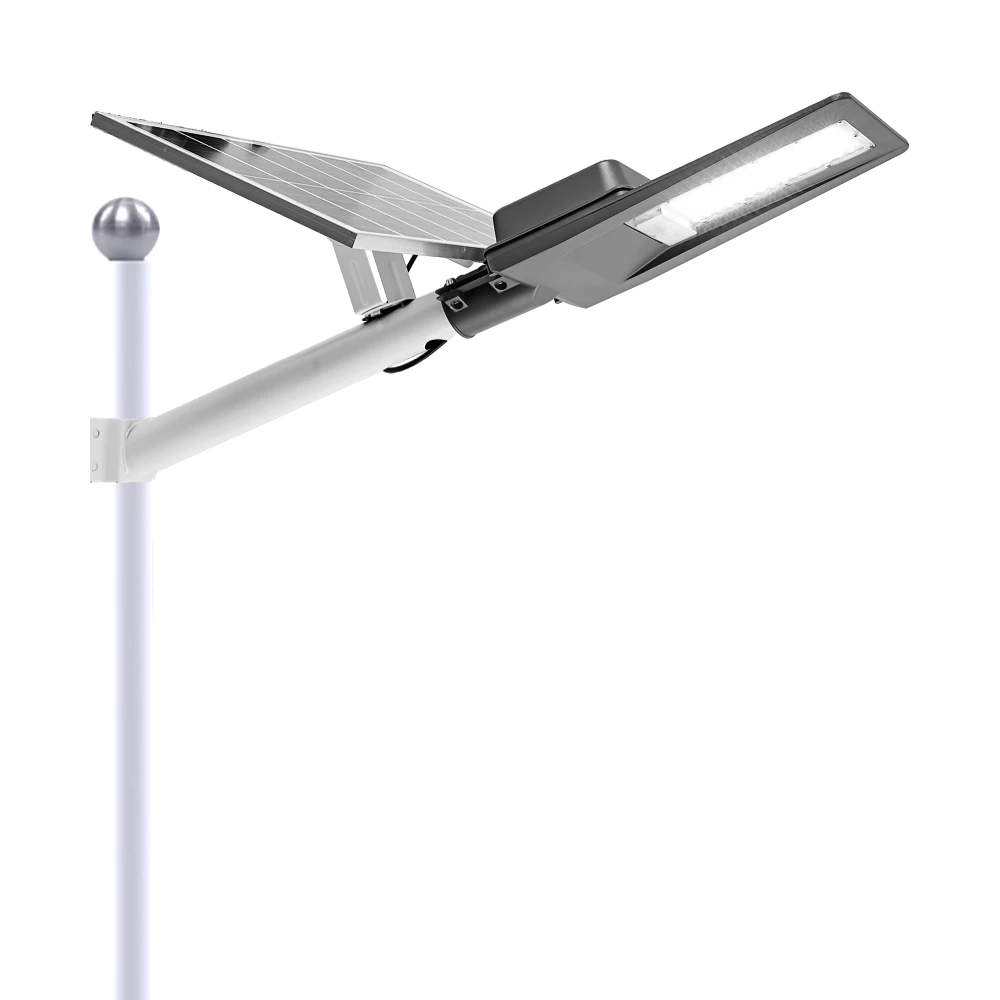
Experience reliable outdoor illumination with our smart solar street light, a perfect combination of advanced technology and eco-conscious design.
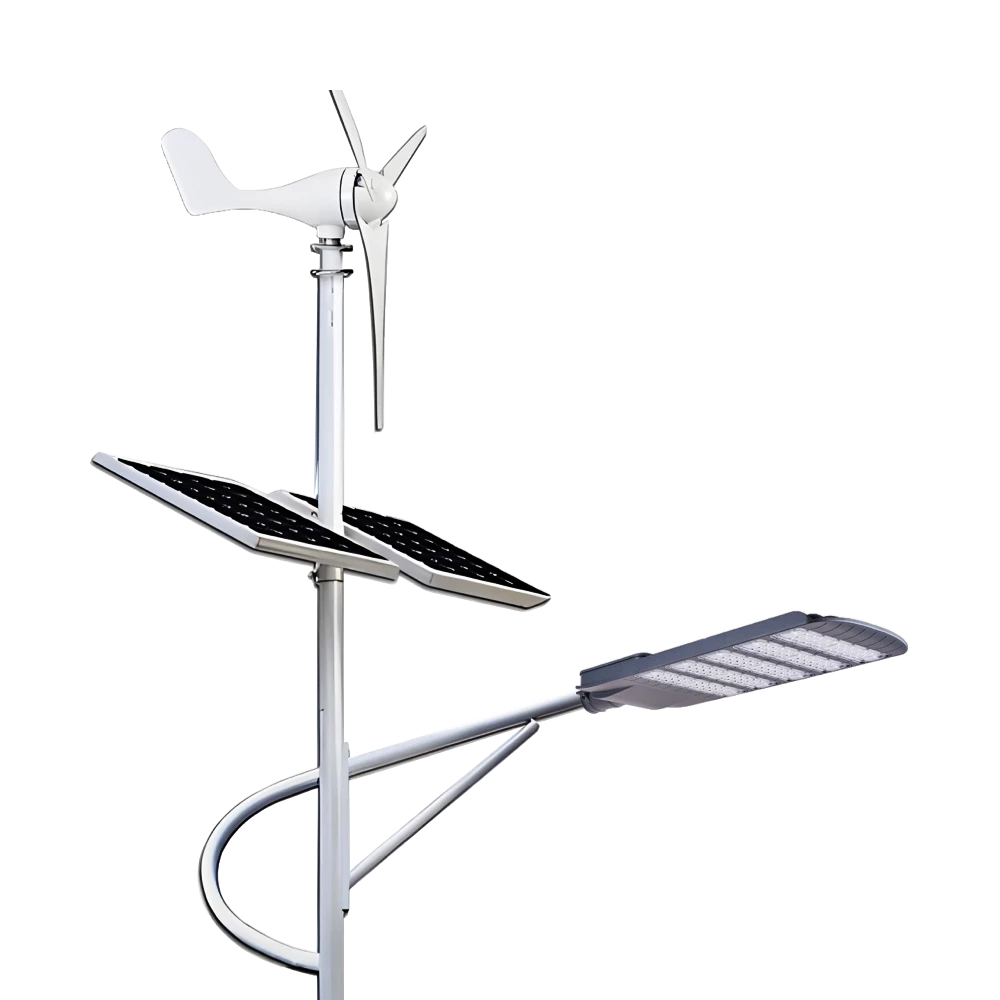
Queneng Lufeng Wind Energy LED Outdoor Solar Street Lights offer high-performance, eco-friendly illumination. These energy-efficient LED street lights harness solar power and wind energy for sustainable, cost-effective outdoor lighting solutions.
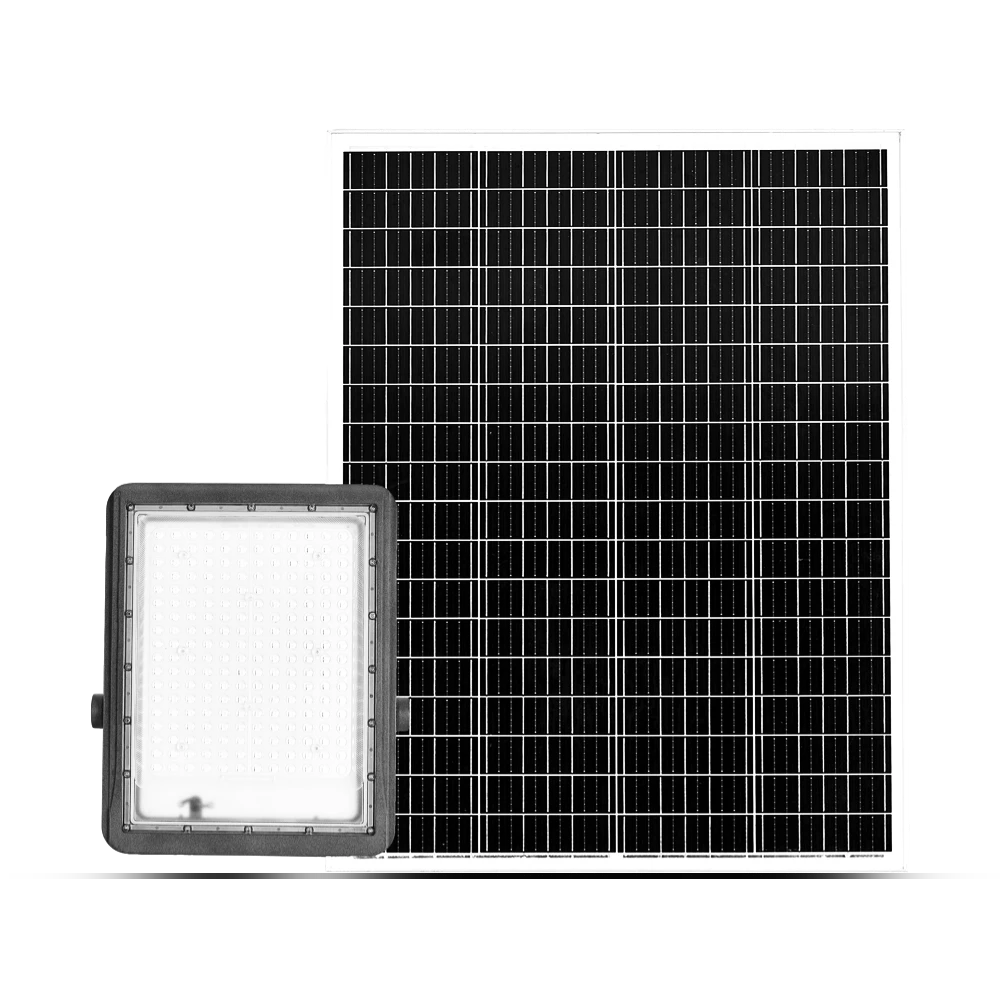
Queneng's Luxian Reliable Solar Street Light offers energy-saving LED lighting for outdoor use. This durable, solar-powered street light provides reliable illumination, reducing energy costs and environmental impact. A perfect solution for sustainable outdoor lighting.
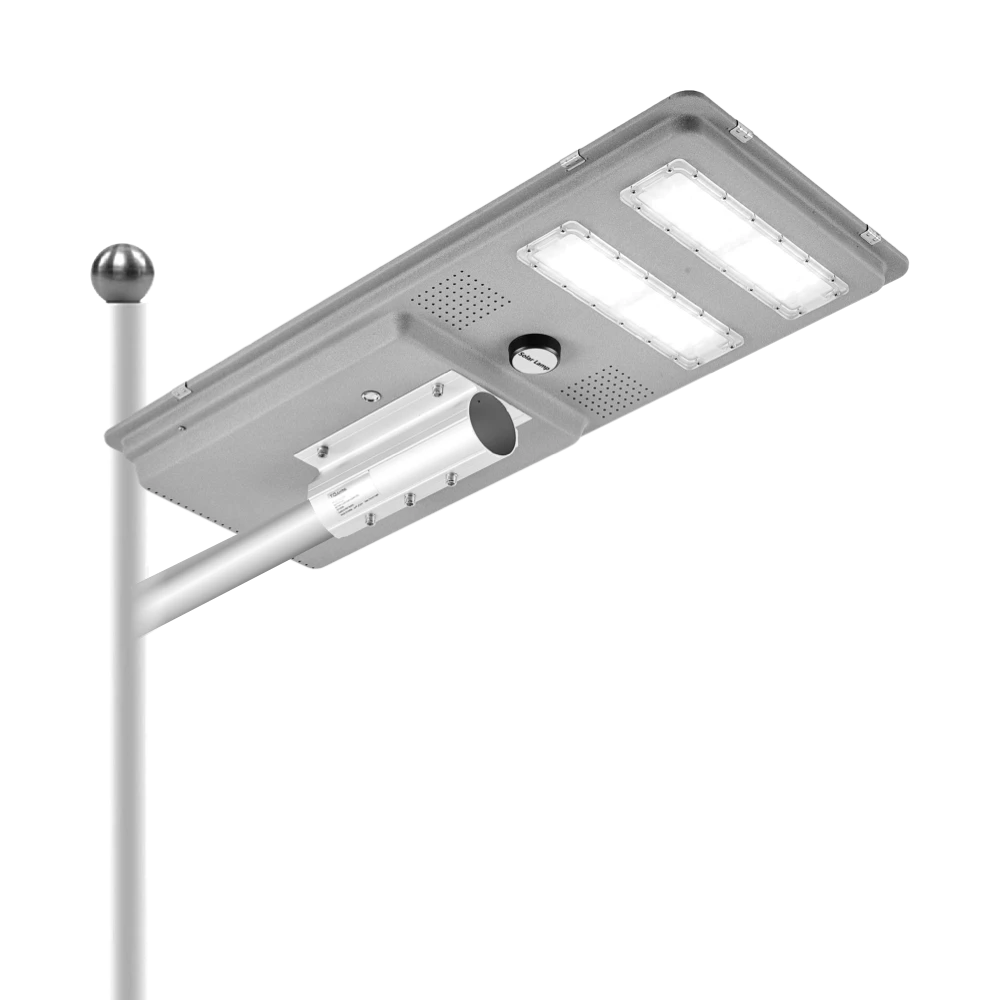
Queneng’s Solar Street Lights are designed to provide reliable, energy-efficient lighting for streets, parks, and other outdoor spaces.
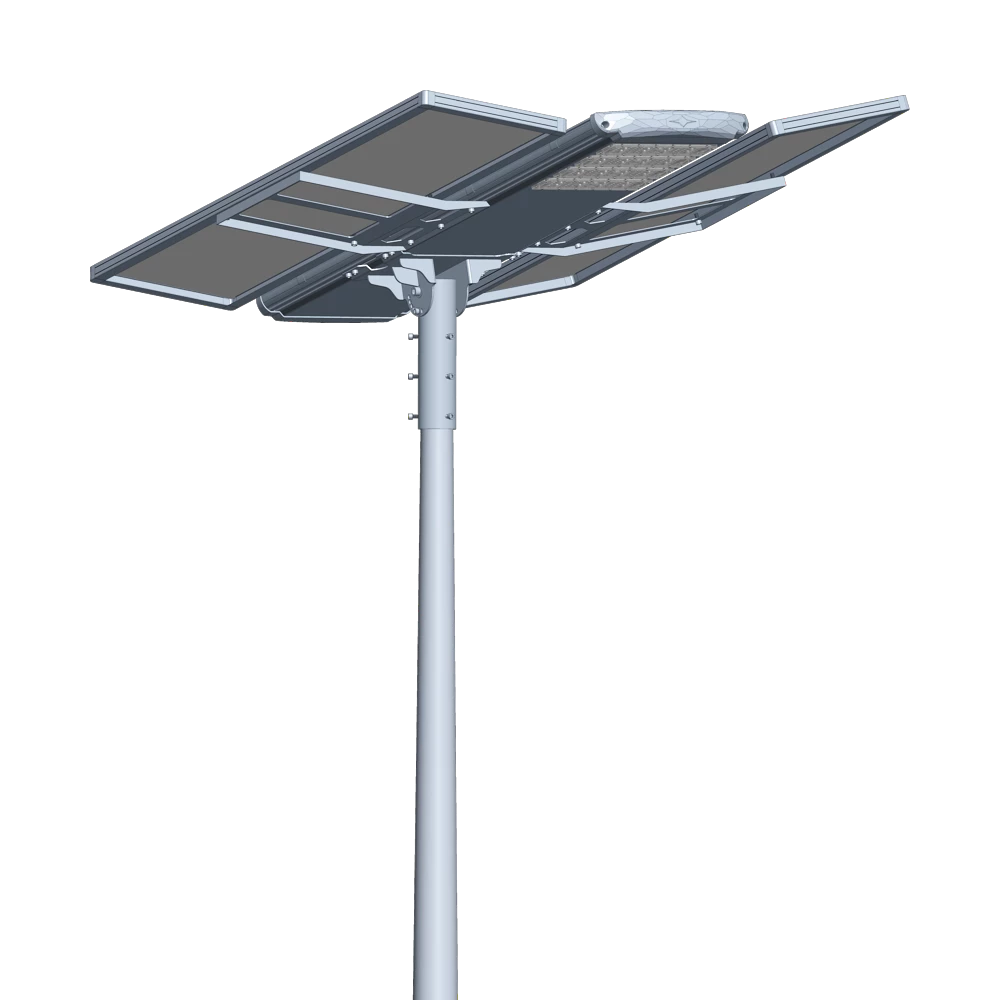
Introducing the Luqing Solar Street Light by Queneng, Efficient LED lighting powered by solar energy is perfect for illuminating outdoor areas. Harness the power of solar energy for sustainable, reliable street lighting. Ideal for eco-friendly, cost-effective outdoor illumination solutions.
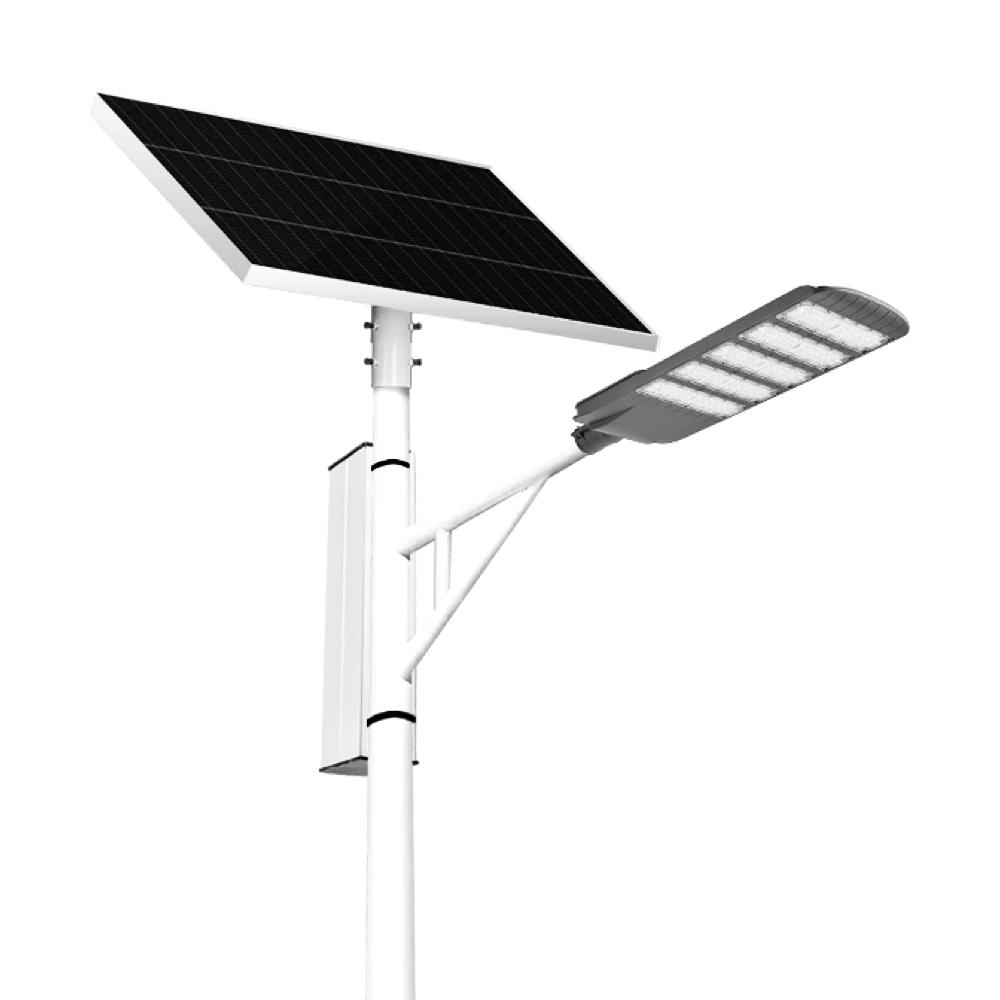
The Solar Streetlights of Luhao for Municipalities are designed to deliver reliable, energy-efficient, and cost-effective public lighting solutions. Equipped with advanced LED technology, durable lithium batteries, and high-efficiency solar panels, these streetlights provide consistent illumination for roads, parks, residential areas, and government projects.
Our professional team is ready to answer any questions and provide personalized support for your project.
You can reach us via phone or email to learn more about Queneng’s solar lighting solutions. We look forward to working with you to promote clean energy solutions!
Rest assured that your privacy is important to us, and all information provided will be handled with the utmost confidentiality.
By clicking 'Send Inquiry Now' I agree to Queneng processing my personal data.
To see how to withdraw your consent, how to control your personal data and how we process it, please see our Privacy Policy and Terms of use.
Schedule a Meeting
Book a date and time that is convenient for you and conduct the session in advance.
Have more questions about our products or services?
The messenger of light & power conversion
Environmental protection and intelligent manufacturing are our brand philosophy, and quality assurance and the best user experience are our eternal promises to users.
CONTACT
No.9F, Building F, Cao San Xin Tian Hong Logistics Park, Guzhen Town, Zhongshan City, Guangdong Province, China.
or write [email protected]
WhatsApp: +86 136 2270 1011


