


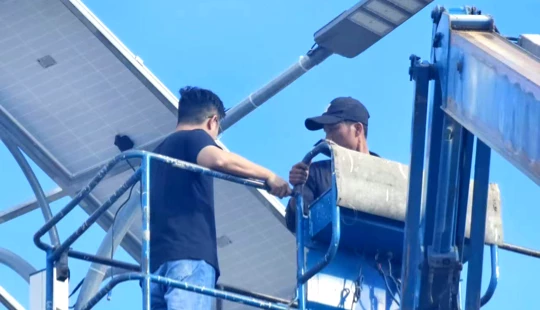













how to connect solar street light | Queneng Guide
Google Page Meta Information
H2: How to Connect Solar Street Light
Connecting a solar street light effectively is crucial for ensuring optimal performance and longevity of the system. This guide is designed for professionals in the solar lighting field, providing clear and concise steps to connect solar street lights efficiently.
H3: Understanding the Components
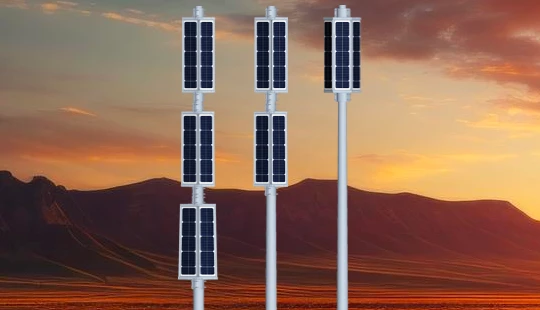
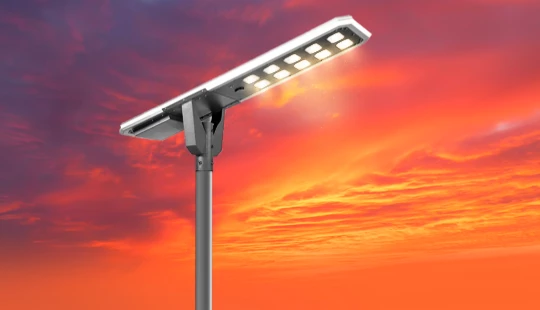
Before connecting a solar street light, it's essential to understand the primary components involved:
- Solar Panel: Converts sunlight into electricity.
- Battery: Stores the electricity generated by the solar panel.
- Controller: Manages the charging and discharging of the battery.
- LED Light: The light source powered by the stored energy.
- Pole and Mounting Hardware: Supports the system components.
H3: Step-by-Step Connection Process
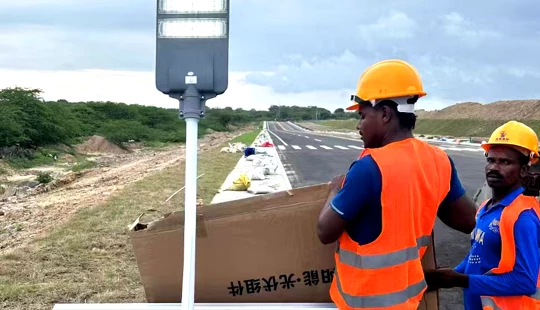
Follow these steps to connect your solar street light:
- Mount the Solar Panel: Secure the solar panel to the top of the pole, ensuring it faces the sun for maximum exposure. Optimal tilt angles can be determined based on your location's latitude (Source: National Renewable Energy Laboratory, NREL).
- Install the Battery: Place the battery in a weather-resistant enclosure near the base of the pole. Ensure it's safely connected to the system.
- Connect the Controller: The controller should be connected between the solar panel and the battery. It regulates the energy flow to prevent overcharging or deep discharging of the battery.
- Attach the LED Light: Connect the LED light to the controller. Ensure all connections are secure and protected from the elements.
- Secure All Wiring: Use weather-resistant cables and ensure all connections are tightly secured to prevent water ingress and electrical issues.
- Final Checks: Before powering on, double-check all connections and ensure the system is correctly assembled.
H3: Best Practices for Optimal Performance
To ensure your solar street light system performs optimally, consider these best practices:
- Regular Maintenance: Clean the solar panel regularly to remove dust and debris that can reduce efficiency. Perform periodic checks on all connections and components.
- Optimal Placement: Place the solar street light in an area free from shadows and obstructions. Consider the path of the sun throughout the year (Source: Solar Energy Industries Association, SEIA).
- Battery Care: Monitor the battery's state of charge and ensure it's operating within the recommended temperature range to prolong its lifespan.
- Use Quality Components: Invest in high-quality solar panels, batteries, and LED lights to ensure long-term reliability and performance.
H3: Troubleshooting Common Issues
If your solar street light is not functioning correctly, consider these common issues:
- Insufficient Sunlight: Ensure the solar panel is correctly angled and free from obstructions. Check for any nearby buildings or trees casting shadows.
- Battery Issues: Verify the battery is correctly connected and charged. Replace if necessary.
- Controller Malfunction: Inspect the controller for any visible damage or signs of failure. Replace if it's not functioning properly.
- LED Light Failure: Check the connections to the LED light. If the light is not working, the LED may need to be replaced.
By following these guidelines, professionals in the solar lighting industry can effectively connect and maintain solar street lights, ensuring they provide reliable and efficient lighting solutions.
Note: The information provided in this article is based on industry best practices and data from reputable sources such as the National Renewable Energy Laboratory (NREL) and the Solar Energy Industries Association (SEIA).

Have more questions about our products or services?
The latest hot news you might like

Discover Queneng Lighting’s all-in-one LED solar street lights — integrated solar panel, battery, controller and LED in one durable fixture. Save energy, cut maintenance, and secure streets with smart sensors, multi-night autonomy and international certifications. Contact sales for quotes and support.

Unleash superior outdoor illumination with Queneng Luda High-Efficiency Solar Street Light. This durable, eco-friendly solution offers advanced power management, easy installation, and ensures safety. Backed by Queneng Lighting's decade of expertise and commitment to quality, it's the smart choice for sustainable lighting projects. Learn why we're a leading solar solutions provider.

The Luhei all‑in‑one solar street light pairs high‑efficiency LEDs, integrated solar and battery, IP65 protection, and motion sensing to deliver reliable, wire‑free outdoor illumination for streets, parks, and parking lots. Backed by Queneng Lighting’s certifications and support.

FAQ
who we are
What sets Queneng apart from other solar lighting companies?
Our strong focus on innovation, quality, and customer satisfaction sets us apart. We have over a decade of experience in the solar industry and are committed to delivering high-quality, energy-efficient solutions that meet international standards. Our products are designed for durability, and our customer service ensures reliable support at every stage.
Battery Types and Applications
What is a photovoltaic cell?
Battery Performance and Testing
What are the battery safety test items?
2) Overcharge and over-discharge test
3) Withstand voltage test
4) Impact test
5) Vibration test
6) Heating test
7) Fire test
9) Temperature changing cycle test
10) Trickle charging test
11) Free drop test
12) Low pressure test
13) Forced discharge test
15) Electric hot plate test
17) Thermal shock test
19) Needle prick test
20) Extrusion test
21) Heavy object impact test
Municipal and Public Infrastructure
Can solar streetlights be integrated with smart city solutions?
Yes, our solar streetlights can be integrated with IoT systems for smart monitoring, remote control, and data analytics, making them ideal for modern smart cities.
Battery and Analysis
What are the possible reasons for zero or low voltage in a single battery?
2) The battery is continuously overcharged by high-rate and large current, causing the battery core to expand and the positive and negative electrodes to directly contact and short-circuit, etc.;
3) There is an internal short circuit or micro-short circuit in the battery, such as improper placement of the positive and negative electrode plates, resulting in a short circuit between the electrode plates, or contact between the positive and negative electrode plates, etc.
What are the control methods to prevent battery overcharging?
1) Peak voltage control: Determine the end of charging by detecting the peak voltage of the battery;
2) dT/dt control: determine the end point of charging by detecting the battery peak temperature change rate;
3) △T control: When the battery is fully charged, the difference between the temperature and the ambient temperature will reach the maximum;
4) -△V control: When the battery is fully charged and reaches a peak voltage, the voltage will drop by a certain value;
5) Timing control: Control the charging end point by setting a certain charging time. Generally, set the time required to charge 130% of the nominal capacity;
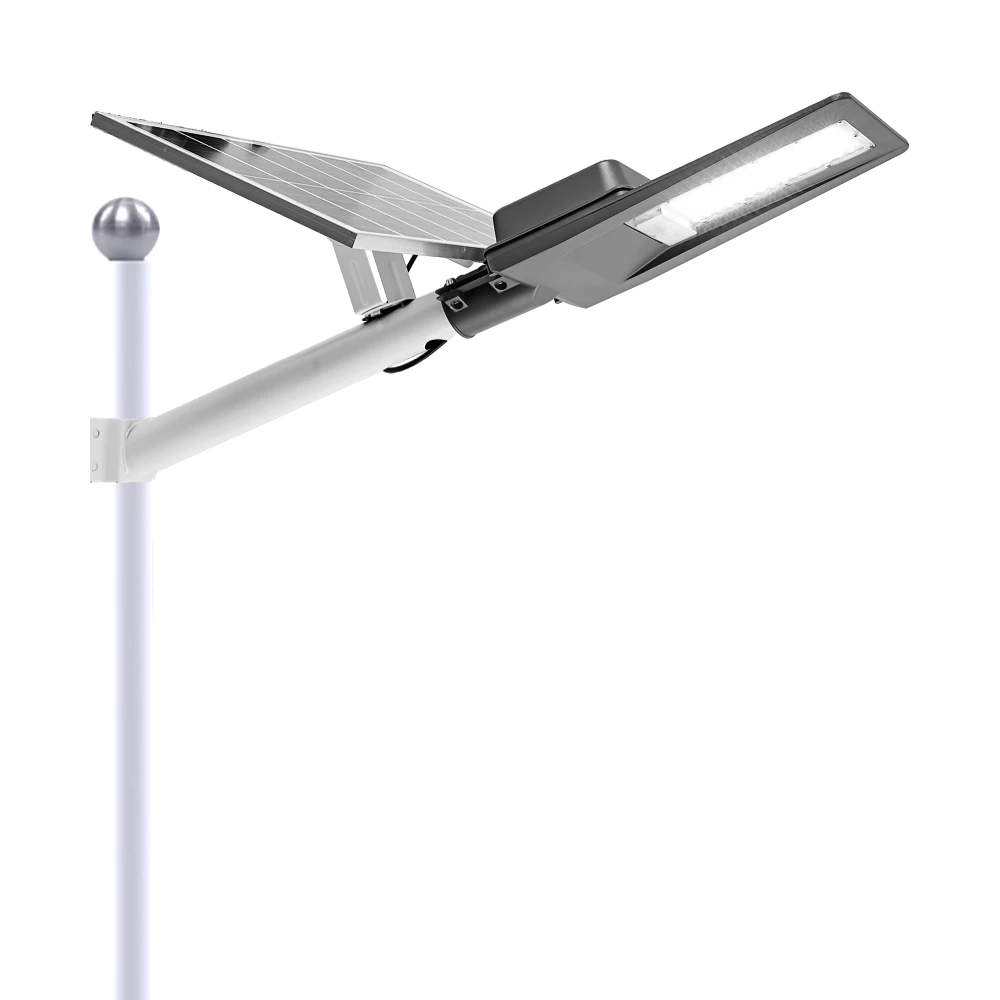
Experience reliable outdoor illumination with our smart solar street light, a perfect combination of advanced technology and eco-conscious design.
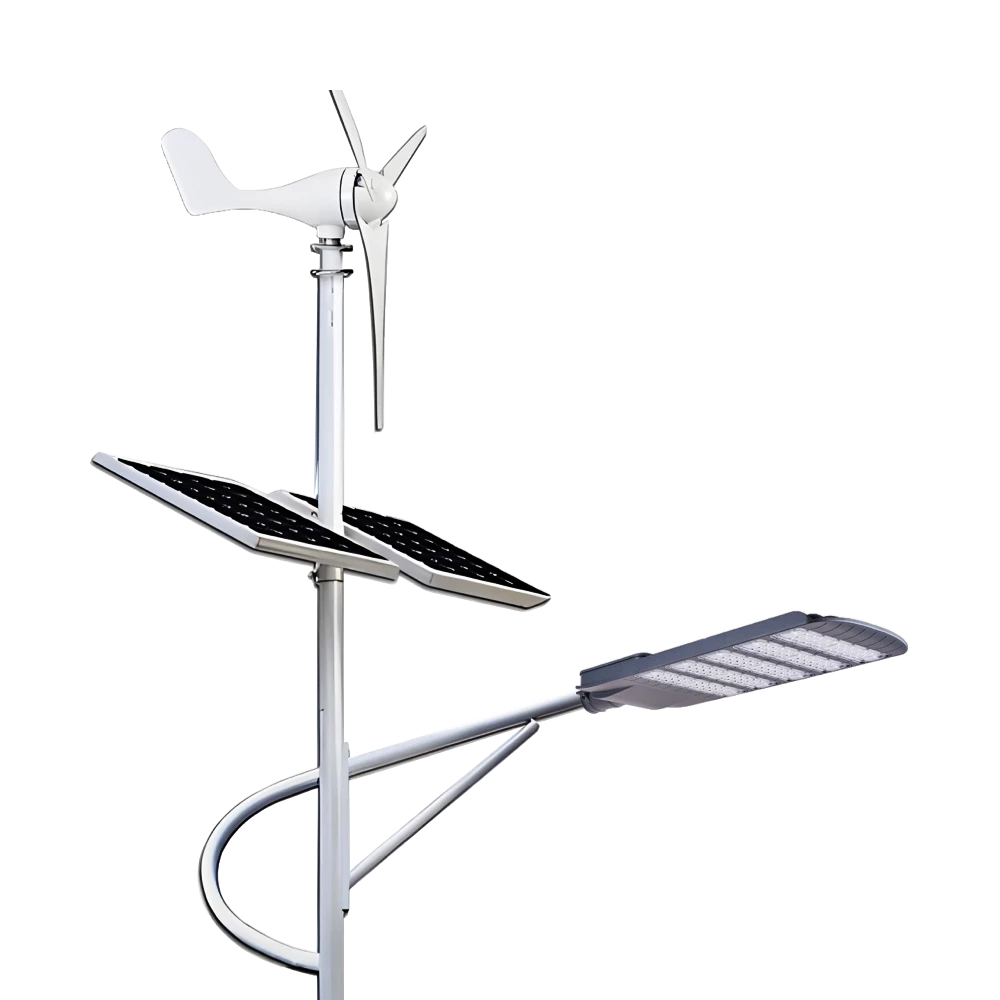
Queneng Lufeng Wind Energy LED Outdoor Solar Street Lights offer high-performance, eco-friendly illumination. These energy-efficient LED street lights harness solar power and wind energy for sustainable, cost-effective outdoor lighting solutions.
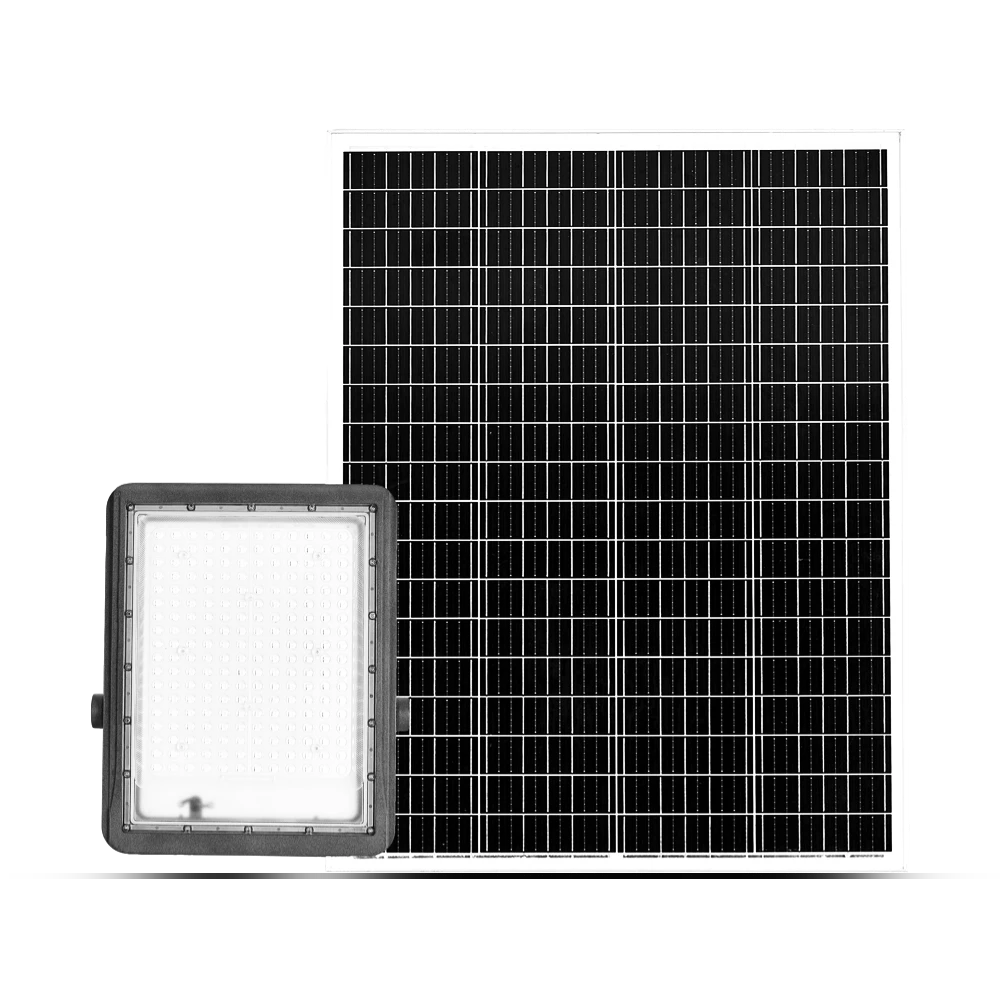
Queneng's Luxian Reliable Solar Street Light offers energy-saving LED lighting for outdoor use. This durable, solar-powered street light provides reliable illumination, reducing energy costs and environmental impact. A perfect solution for sustainable outdoor lighting.
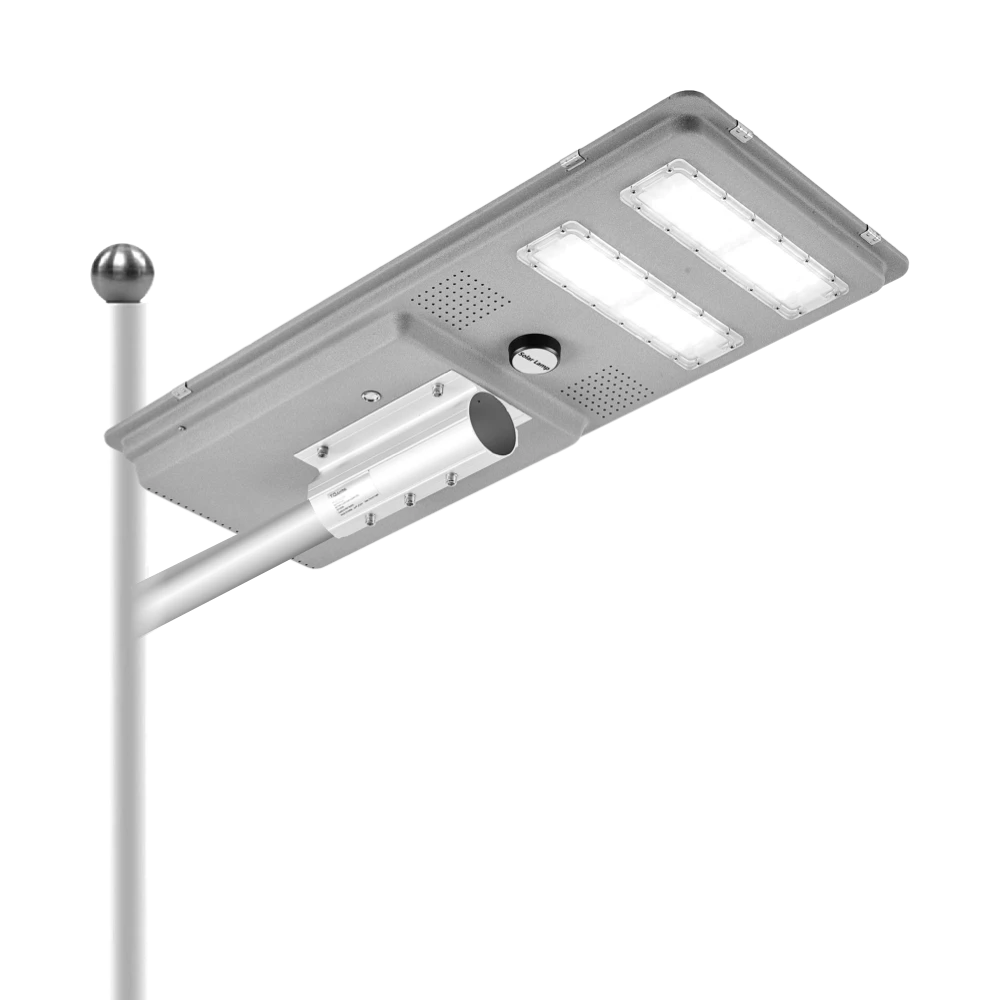
Queneng’s Solar Street Lights are designed to provide reliable, energy-efficient lighting for streets, parks, and other outdoor spaces.
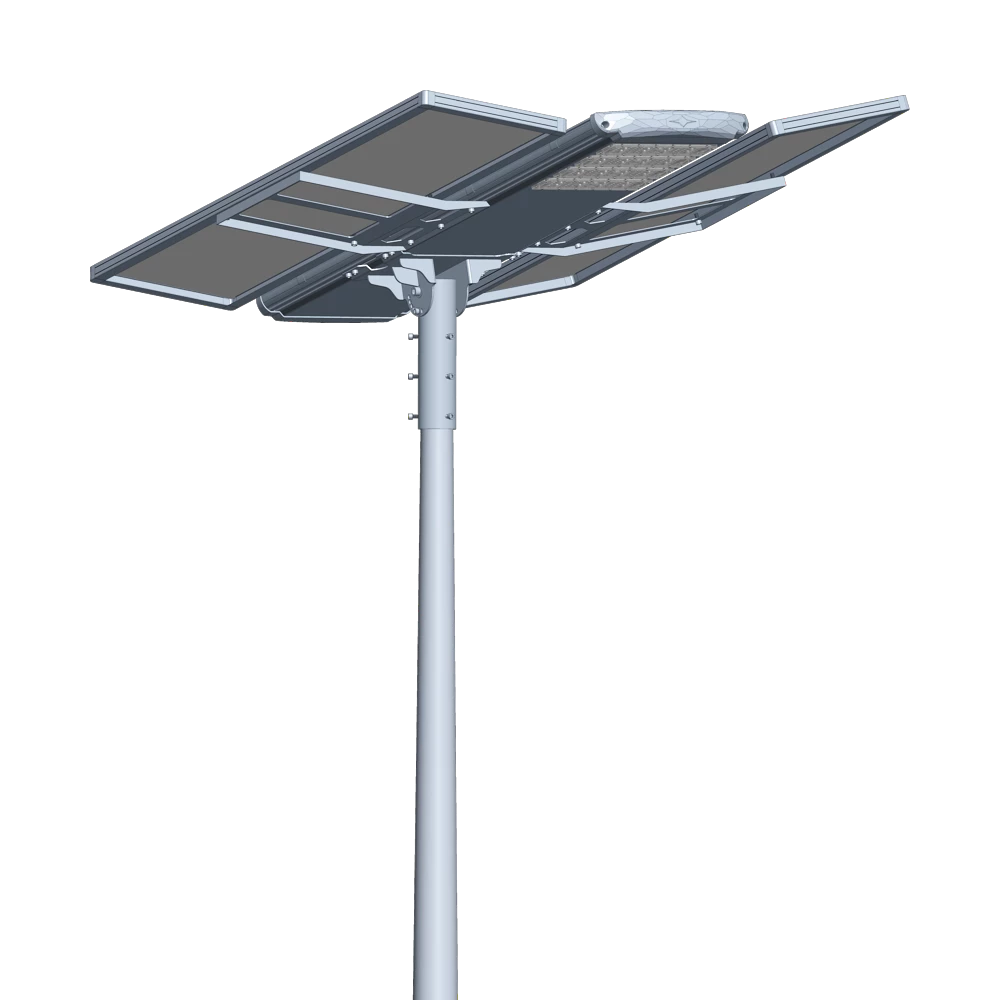
Introducing the Luqing Solar Street Light by Queneng, Efficient LED lighting powered by solar energy is perfect for illuminating outdoor areas. Harness the power of solar energy for sustainable, reliable street lighting. Ideal for eco-friendly, cost-effective outdoor illumination solutions.
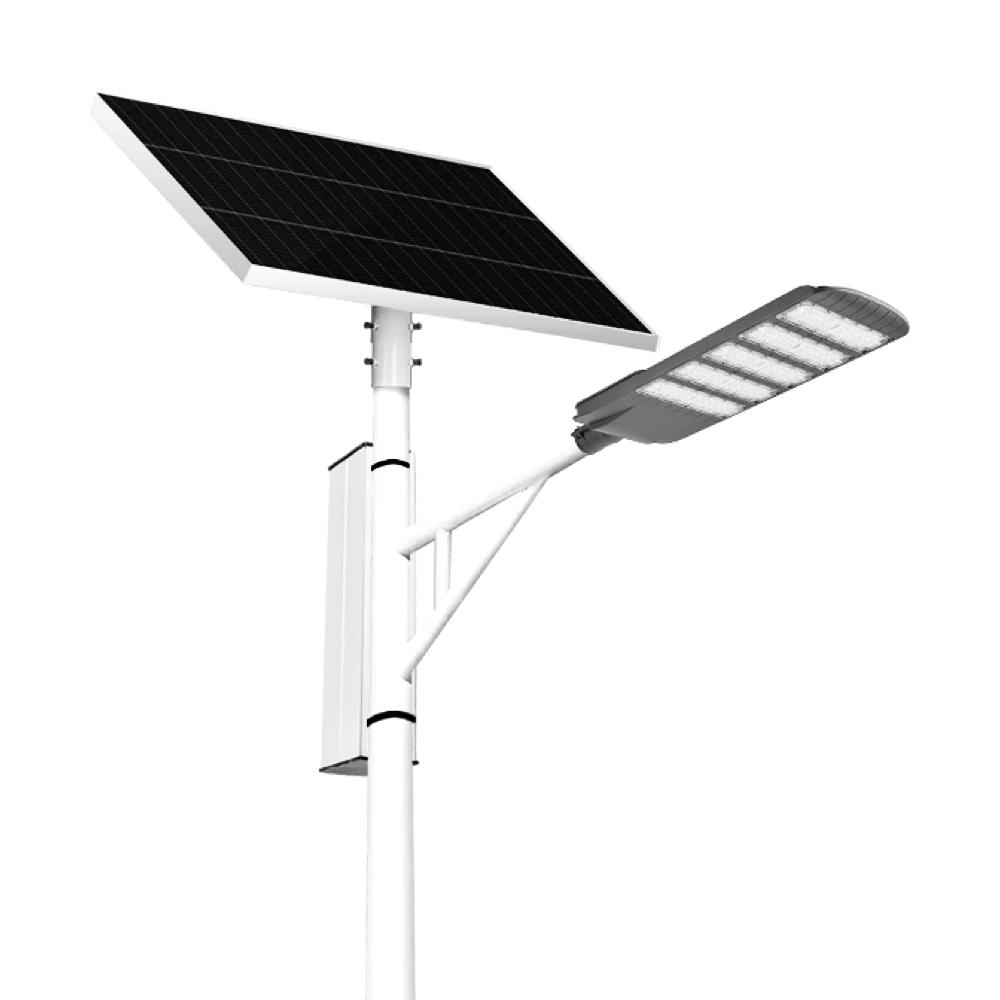
The Solar Streetlights of Luhao for Municipalities are designed to deliver reliable, energy-efficient, and cost-effective public lighting solutions. Equipped with advanced LED technology, durable lithium batteries, and high-efficiency solar panels, these streetlights provide consistent illumination for roads, parks, residential areas, and government projects.
If you would like more information about Queneng solar lighting solutions, please send us a message by filling out the form below. Our professional team will get back to you within 24 hours!
Rest assured that your privacy is important to us, and all information provided will be handled with the utmost confidentiality.
Schedule a Meeting
Book a date and time that is convenient for you and conduct the session in advance.
Have more questions about our products or services?
The messenger of light & power conversion
Environmental protection and intelligent manufacturing are our brand philosophy, and quality assurance and the best user experience are our eternal promises to users.
CONTACT
No.9F, Building F, Cao San Xin Tian Hong Logistics Park, Guzhen Town, Zhongshan City, Guangdong Province, China.
or write [email protected]
WhatsApp: +86 136 2270 1011


