














how to make a solar street light model | Queneng Guide
How to Make a Solar Street Light Model
Creating a solar street light model is a valuable skill for professionals in the solar lighting industry. This guide offers a comprehensive overview of the process, highlighting key components, assembly techniques, and optimization tips to ensure a functional and efficient model.
Components of a Solar Street Light Model
- Solar Panel: Converts sunlight into electrical energy. High-efficiency panels are recommended for better performance (Source: National Renewable Energy Laboratory, NREL).
- Battery: Stores the energy generated by the solar panel. Lithium-ion batteries are preferred due to their longevity and efficiency (Source: Battery University).
- LED Light: Provides illumination using the stored energy. LEDs are chosen for their energy efficiency and long lifespan (Source: U.S. Department of Energy, DOE).
- Controller: Manages the energy flow between the solar panel, battery, and LED light, ensuring optimal operation and protection of the system (Source: Solar Energy Industries Association, SEIA).
- Pole and Mounting Hardware: Supports the solar panel and LED light. Durable materials like steel or aluminum are commonly used (Source: American Iron and Steel Institute, AISI).
Assembly Steps
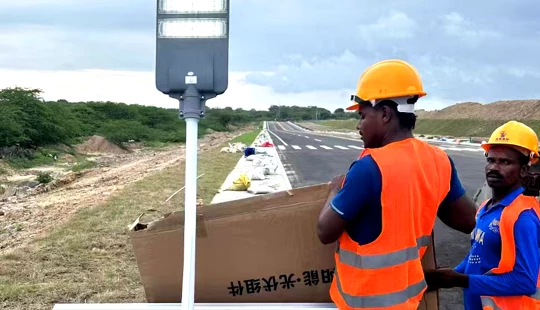
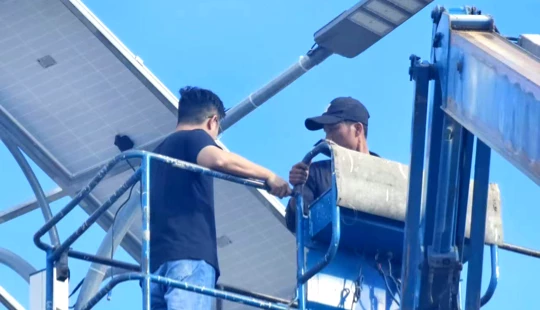
- Mount the Solar Panel: Secure the solar panel to the top of the pole using the appropriate mounting hardware. Ensure the panel faces the optimal direction for maximum sunlight exposure (Source: NREL).
- Install the Battery: Place the battery in a secure, weather-resistant enclosure near the base of the pole. Connect it to the controller (Source: Battery University).
- Attach the LED Light: Fix the LED light to the pole at an appropriate height for street lighting. Connect it to the controller (Source: DOE).
- Connect the Controller: Wire the controller to the solar panel and battery, ensuring all connections are secure and insulated (Source: SEIA).
Optimization Tips
- Angle and Orientation: Adjust the solar panel's angle and orientation based on your location's latitude and longitude for maximum sunlight capture (Source: NREL).
- Battery Capacity: Select a battery with sufficient capacity to store enough energy for the required lighting duration, considering seasonal variations in sunlight (Source: Battery University).
- LED Efficiency: Choose high-efficiency LEDs to maximize the use of stored energy and extend the system's lifespan (Source: DOE).
- Regular Maintenance: Schedule regular checks on the system to ensure all components are functioning correctly and to clean the solar panel for optimal performance (Source: SEIA).
Testing and Evaluation
- Initial Testing: After assembly, test the system under different lighting conditions to ensure it meets the required performance standards (Source: NREL).
- Performance Monitoring: Use data logging to monitor the system's performance over time, identifying any areas for improvement (Source: DOE).
- Adjustments: Make necessary adjustments to the system based on the data collected to optimize its efficiency and effectiveness (Source: SEIA).
By following these steps and tips, professionals in the solar lighting industry can create a reliable and efficient solar street light model, contributing to sustainable lighting solutions worldwide.
This article provides a comprehensive guide on how to make a solar street light model, focusing on essential components, assembly techniques, and optimization strategies. It aims to address common pain points such as component selection, efficient assembly, and performance optimization, offering practical solutions for professionals in the solar lighting field.

Have more questions about our products or services?
The latest hot news you might like

Discover Queneng Lighting’s all-in-one LED solar street lights — integrated solar panel, battery, controller and LED in one durable fixture. Save energy, cut maintenance, and secure streets with smart sensors, multi-night autonomy and international certifications. Contact sales for quotes and support.

Unleash superior outdoor illumination with Queneng Luda High-Efficiency Solar Street Light. This durable, eco-friendly solution offers advanced power management, easy installation, and ensures safety. Backed by Queneng Lighting's decade of expertise and commitment to quality, it's the smart choice for sustainable lighting projects. Learn why we're a leading solar solutions provider.

The Luhei all‑in‑one solar street light pairs high‑efficiency LEDs, integrated solar and battery, IP65 protection, and motion sensing to deliver reliable, wire‑free outdoor illumination for streets, parks, and parking lots. Backed by Queneng Lighting’s certifications and support.

FAQ
Solar Street Light Luqiu
How do the smart sensors in Luqiu solar street lights work?
Luqiu solar street lights are equipped with motion and ambient light sensors. The motion sensor detects movement and adjusts the brightness accordingly, while the ambient light sensor automatically turns the light on at dusk and off at dawn to optimize energy use.
Battery Performance and Testing
What is a temperature rise experiment?
APMS system
What scenarios is the APMS system suitable for?
The APMS system is widely applicable in remote off-grid areas, extremely cold climates, and industrial sites with high energy stability requirements, such as mines and oil fields.
Solar Street Light Luqing
How long does the solar street light last?
The lifespan of a solar street light depends on the quality of the components, but typically, the solar panels can last up to 25 years, and the LED lights last 50,000 hours or more. The battery generally lasts between 3-5 years, after which it may need to be replaced.
Battery and Analysis
What is the principle of charger? What are the main categories?
Solar Street Light Luzhou
How efficient are the solar panels in Luzhou solar street lights?
Luzhou solar street lights are equipped with high-efficiency solar panels that are designed to capture maximum sunlight, even in low-light conditions. This ensures optimal performance even on cloudy or overcast days.
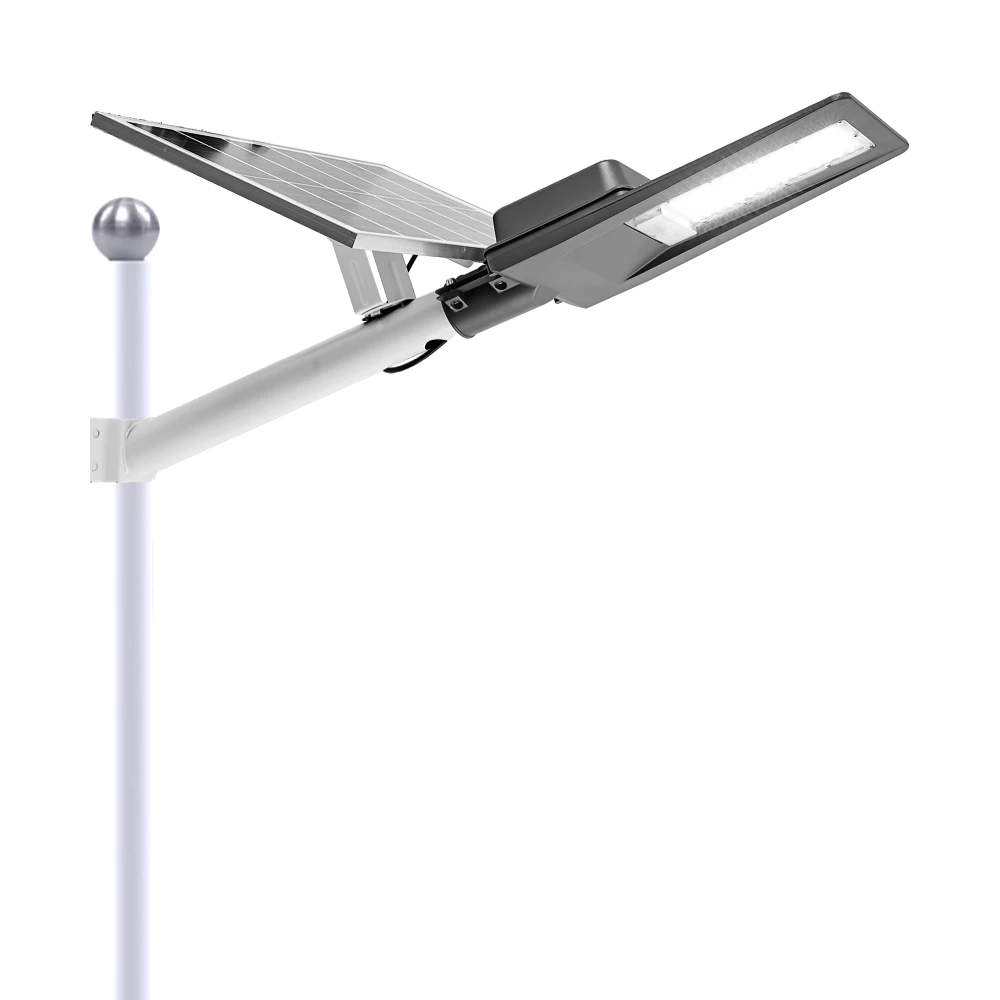
Experience reliable outdoor illumination with our smart solar street light, a perfect combination of advanced technology and eco-conscious design.
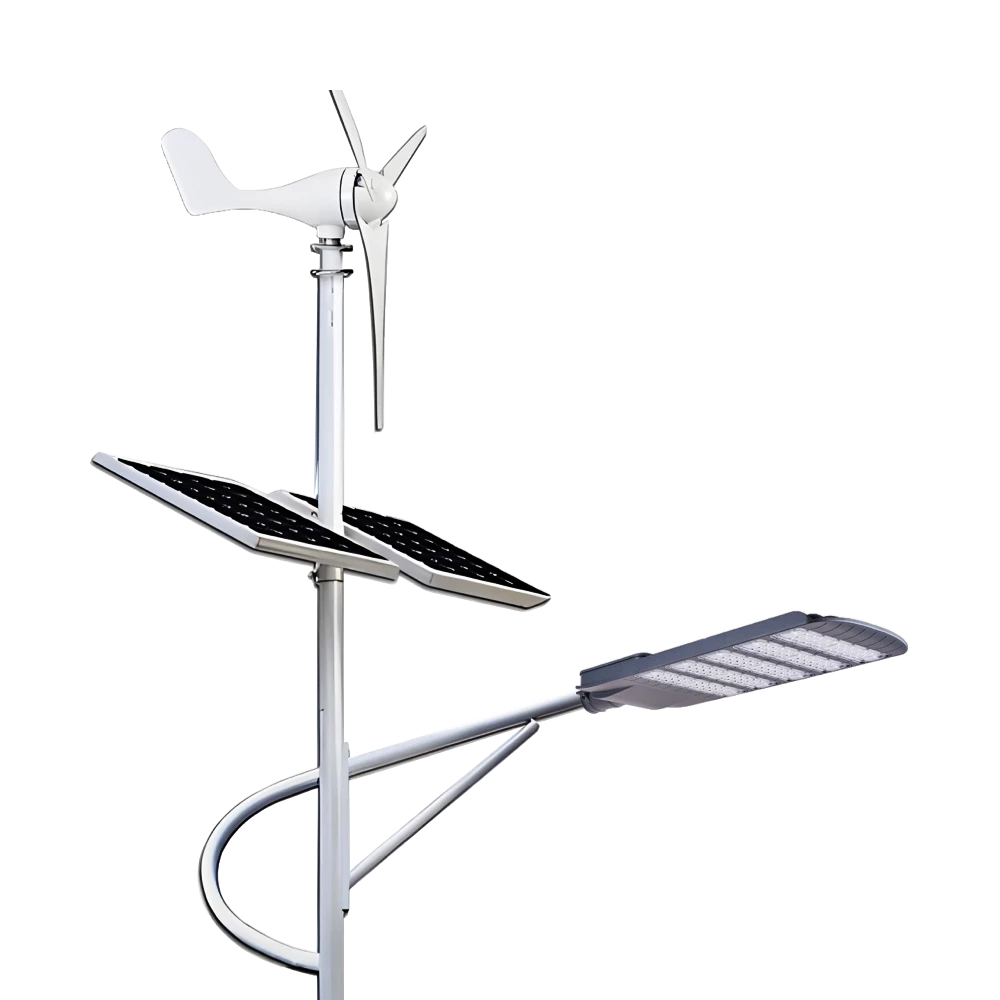
Queneng Lufeng Wind Energy LED Outdoor Solar Street Lights offer high-performance, eco-friendly illumination. These energy-efficient LED street lights harness solar power and wind energy for sustainable, cost-effective outdoor lighting solutions.
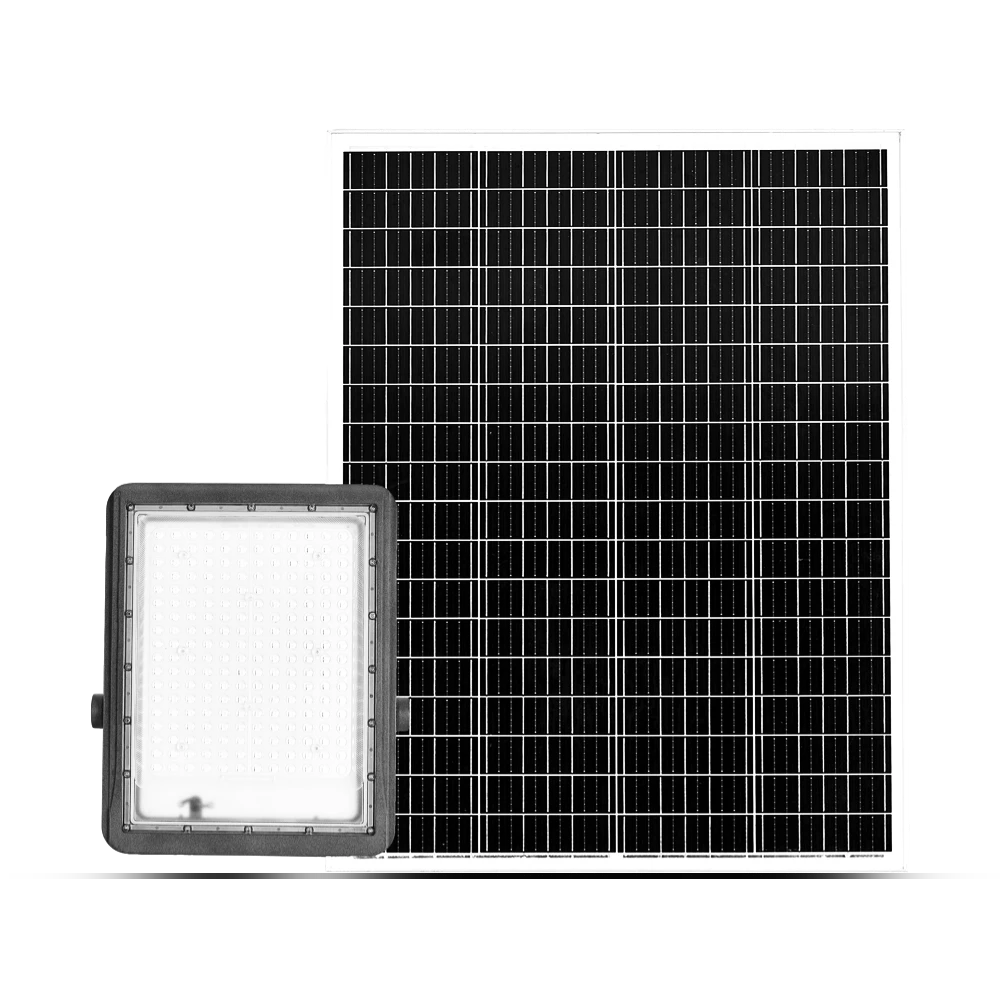
Queneng's Luxian Reliable Solar Street Light offers energy-saving LED lighting for outdoor use. This durable, solar-powered street light provides reliable illumination, reducing energy costs and environmental impact. A perfect solution for sustainable outdoor lighting.
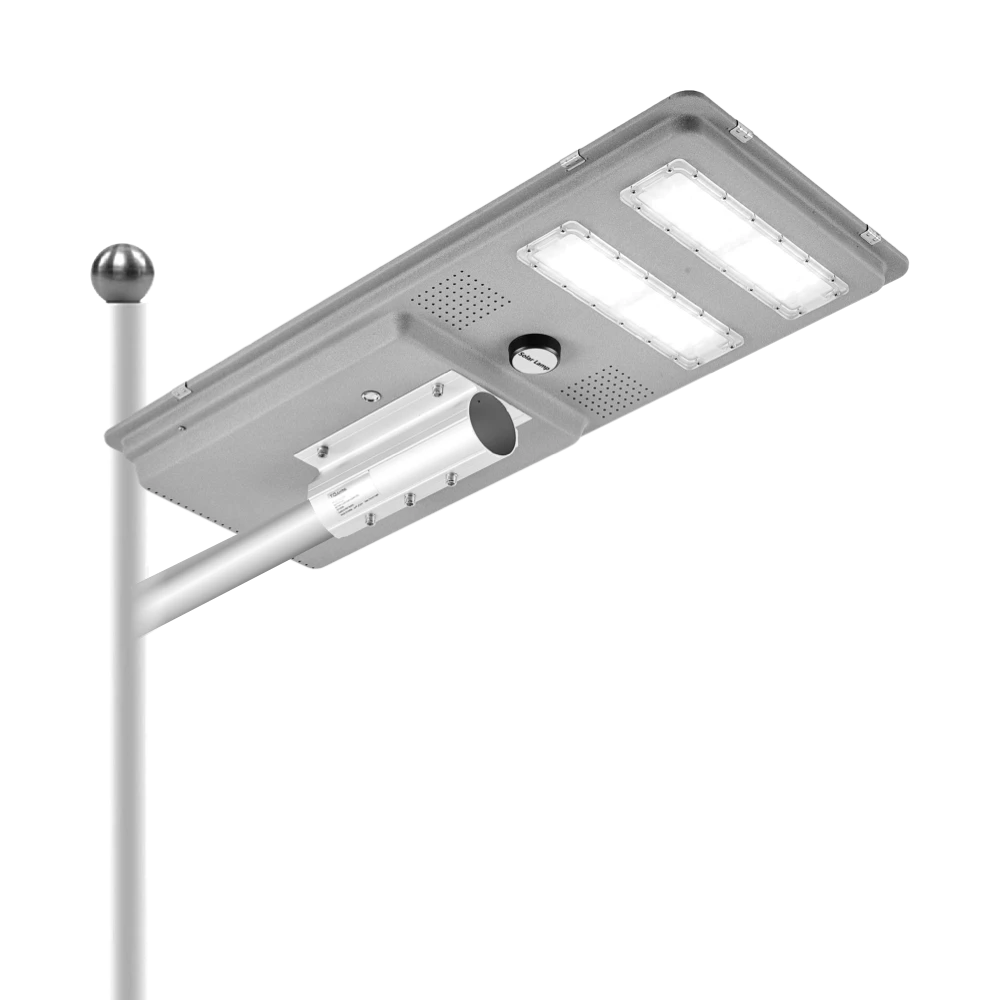
Queneng’s Solar Street Lights are designed to provide reliable, energy-efficient lighting for streets, parks, and other outdoor spaces.
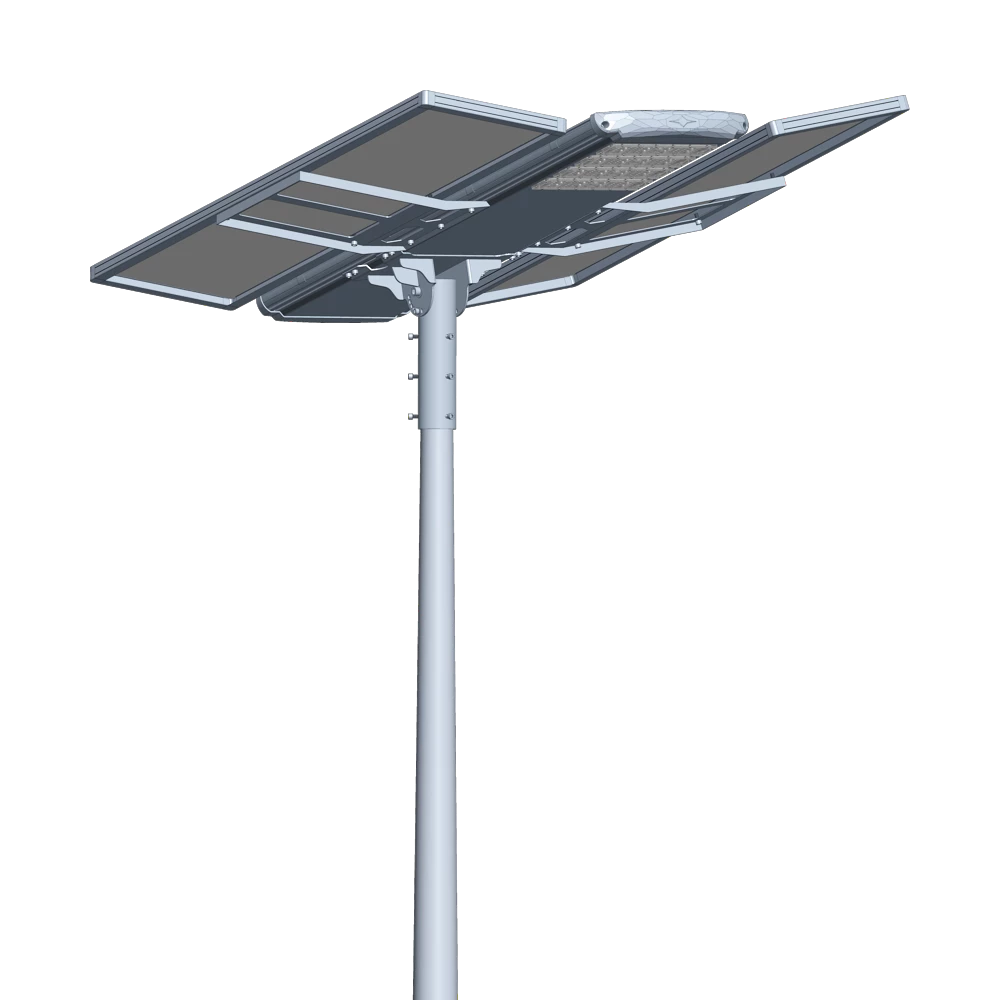
Introducing the Luqing Solar Street Light by Queneng, Efficient LED lighting powered by solar energy is perfect for illuminating outdoor areas. Harness the power of solar energy for sustainable, reliable street lighting. Ideal for eco-friendly, cost-effective outdoor illumination solutions.
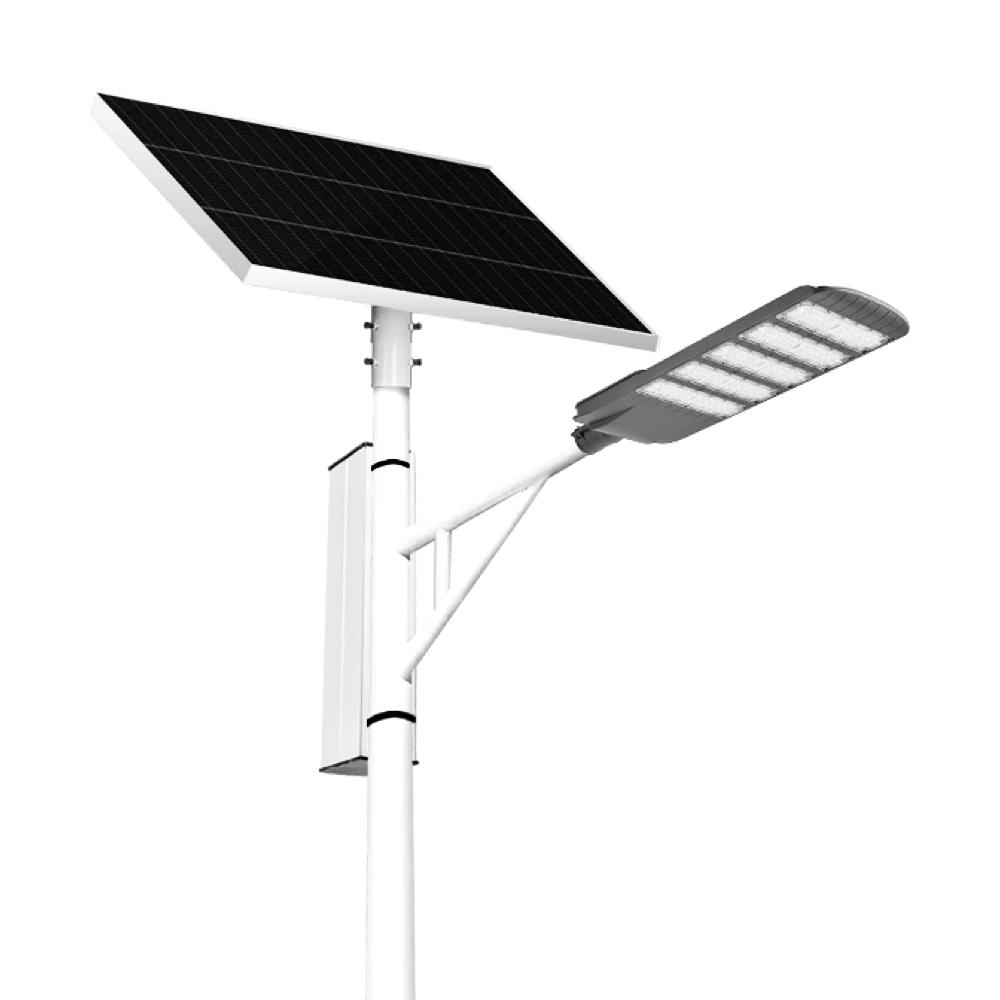
The Solar Streetlights of Luhao for Municipalities are designed to deliver reliable, energy-efficient, and cost-effective public lighting solutions. Equipped with advanced LED technology, durable lithium batteries, and high-efficiency solar panels, these streetlights provide consistent illumination for roads, parks, residential areas, and government projects.
If you would like more information about Queneng solar lighting solutions, please send us a message by filling out the form below. Our professional team will get back to you within 24 hours!
Rest assured that your privacy is important to us, and all information provided will be handled with the utmost confidentiality.
Schedule a Meeting
Book a date and time that is convenient for you and conduct the session in advance.
Have more questions about our products or services?
The messenger of light & power conversion
Environmental protection and intelligent manufacturing are our brand philosophy, and quality assurance and the best user experience are our eternal promises to users.
CONTACT
No.9F, Building F, Cao San Xin Tian Hong Logistics Park, Guzhen Town, Zhongshan City, Guangdong Province, China.
or write [email protected]
WhatsApp: +86 136 2270 1011


