














how to make solar street light at home | Queneng Guide
How to Make Solar Street Light at Home
Introduction
In the solar lighting industry, understanding how to create functional solar street lights at home can be a valuable skill for professionals. This guide aims to provide detailed steps and insights for assembling a DIY solar street light, tailored to the expertise and needs of solar lighting professionals.
Components of a Solar Street Light
- Solar Panel: Converts sunlight into electricity. A typical panel for a home-made street light might be around 100 watts (Source: SolarReviews).
- Battery: Stores the energy generated by the solar panel. Lithium-ion batteries are recommended for their efficiency and lifespan.
- LED Light: Illuminates the area. LEDs are preferred for their energy efficiency and longevity.
- Charge Controller: Manages the power going into the battery and prevents overcharging.
- Pole and Mounting Hardware: Used to elevate the light and position the solar panel correctly.
Assembly Steps
- Step 1: Assemble the Solar Panel
- Mount the solar panel on a sturdy frame and ensure it faces the sun's path for maximum exposure.
- Step 2: Install the Battery
- Place the battery in a weatherproof enclosure near the base of the pole to protect it from the elements.
- Step 3: Connect the Charge Controller
- Wire the solar panel to the charge controller, then connect the controller to the battery. This regulates the flow of electricity and protects the battery.
- Step 4: Mount the LED Light
- Attach the LED light to the top of the pole, ensuring it is securely fastened and directed to cover the desired area.
- Step 5: Wiring
- Connect the LED light to the battery via the charge controller. Use weather-resistant cables to withstand outdoor conditions.
- Step 6: Testing and Installation
- Once assembled, test the system during the day to ensure it charges properly. Install the pole in a suitable location, ensuring the solar panel is not shaded.
Best Practices and Considerations
- Optimal Angle for Solar Panel: The panel should be tilted at an angle equal to the latitude of your location for optimal sunlight capture (Source: U.S. Department of Energy).
- Battery Capacity: Choose a battery with sufficient capacity to power the light through the night, typically around 12-24V and 50-100Ah.
- Durability: Use weather-resistant materials to ensure longevity and performance in various outdoor conditions.
Safety and Maintenance
- Safety: Always disconnect the battery before performing maintenance or adjustments to prevent short circuits.
- Maintenance: Regularly check connections for corrosion and clean the solar panel to ensure maximum efficiency.
Conclusion
Creating a solar street light at home can be a rewarding project for professionals in the solar lighting industry. By following these steps and best practices, you can successfully assemble a functional and efficient solar street light that meets professional standards.
By mastering the art of making solar street lights at home, professionals can gain deeper insights into the components and technologies that drive the solar lighting industry forward.

Have more questions about our products or services?
The latest hot news you might like

Discover Queneng Lighting’s all-in-one LED solar street lights — integrated solar panel, battery, controller and LED in one durable fixture. Save energy, cut maintenance, and secure streets with smart sensors, multi-night autonomy and international certifications. Contact sales for quotes and support.

Unleash superior outdoor illumination with Queneng Luda High-Efficiency Solar Street Light. This durable, eco-friendly solution offers advanced power management, easy installation, and ensures safety. Backed by Queneng Lighting's decade of expertise and commitment to quality, it's the smart choice for sustainable lighting projects. Learn why we're a leading solar solutions provider.

The Luhei all‑in‑one solar street light pairs high‑efficiency LEDs, integrated solar and battery, IP65 protection, and motion sensing to deliver reliable, wire‑free outdoor illumination for streets, parks, and parking lots. Backed by Queneng Lighting’s certifications and support.

FAQ
Solar Street Light Luqing
How bright are solar street lights?
Solar street lights are equipped with high-efficiency LED lights that provide bright, consistent illumination. The brightness typically ranges from 2,000 to 12,000 lumens, depending on the model, providing clear and effective lighting for streets, parks, and public areas.
Battery fundamentals and basic terms
What are the main structural components of a NiMH battery?
who we are
What products does Queneng offer?
We offer a wide range of solar energy products, including solar lighting fixtures (street lights, garden lights, etc.), high-performance solar photovoltaic panels, energy storage batteries, and custom solar systems for various applications. We also provide installation and after-sales support.
APMS system
How does the dual-system management mode in the APMS system work?
The APMS system uses intelligent algorithms to automatically charge during the day and discharge at night. The dual-system management mode monitors battery status in real-time and adjusts the charge/discharge mode to ensure optimal efficiency under any condition.
Battery Types and Applications
Why do fuel cells have great development potential?
1) High efficiency. Because the chemical energy of the fuel is directly converted into electrical energy without thermal energy conversion in the middle, the conversion efficiency is not limited by the thermodynamic Carnot cycle; because there is no conversion of mechanical energy, mechanical transmission losses can be avoided, and the conversion efficiency does not depend on the size of the power generation. And change, so the fuel cell has higher conversion efficiency;
2) Low noise and low pollution. In the process of converting chemical energy into electrical energy, the fuel cell has no mechanical moving parts, but the control system has some small moving parts, so it is low-noise. In addition, fuel cells are low-pollution energy sources. Taking phosphoric acid fuel cells as an example, the sulfur oxides and nitrogen compounds they emit are two orders of magnitude lower than the U.S. regulations;
3) Strong adaptability. Fuel cells can use various hydrogen-containing fuels, such as methane, methanol, ethanol, biogas, petroleum gas, natural gas and synthetic gas, etc. The oxidant is inexhaustible air. Fuel cells can be made into standard components with a certain power (such as 40 kilowatts), assembled into different powers and types according to the user's needs, and installed in the most convenient place for the user. If necessary, it can also be installed into a large power station and used in connection with the conventional power supply system, which will help regulate the power load;
4) Short construction period and easy maintenance. After the industrial production of fuel cells is established, various standard components of power generation devices can be continuously produced in factories. It is easy to transport and can be assembled on-site at the power station. Some people estimate that the maintenance required for a 40-kilowatt phosphoric acid fuel cell is only 25% of that of a diesel generator of the same power.
Because fuel cells have so many advantages, both the United States and Japan attach great importance to its development.
Solar Street Light Luhui
How much energy can Luhui solar street lights save compared to traditional street lighting?
Luhui solar street lights can save up to 80% in energy costs compared to conventional street lighting, as they use solar power and have energy-efficient LEDs that consume significantly less power than traditional lighting systems.
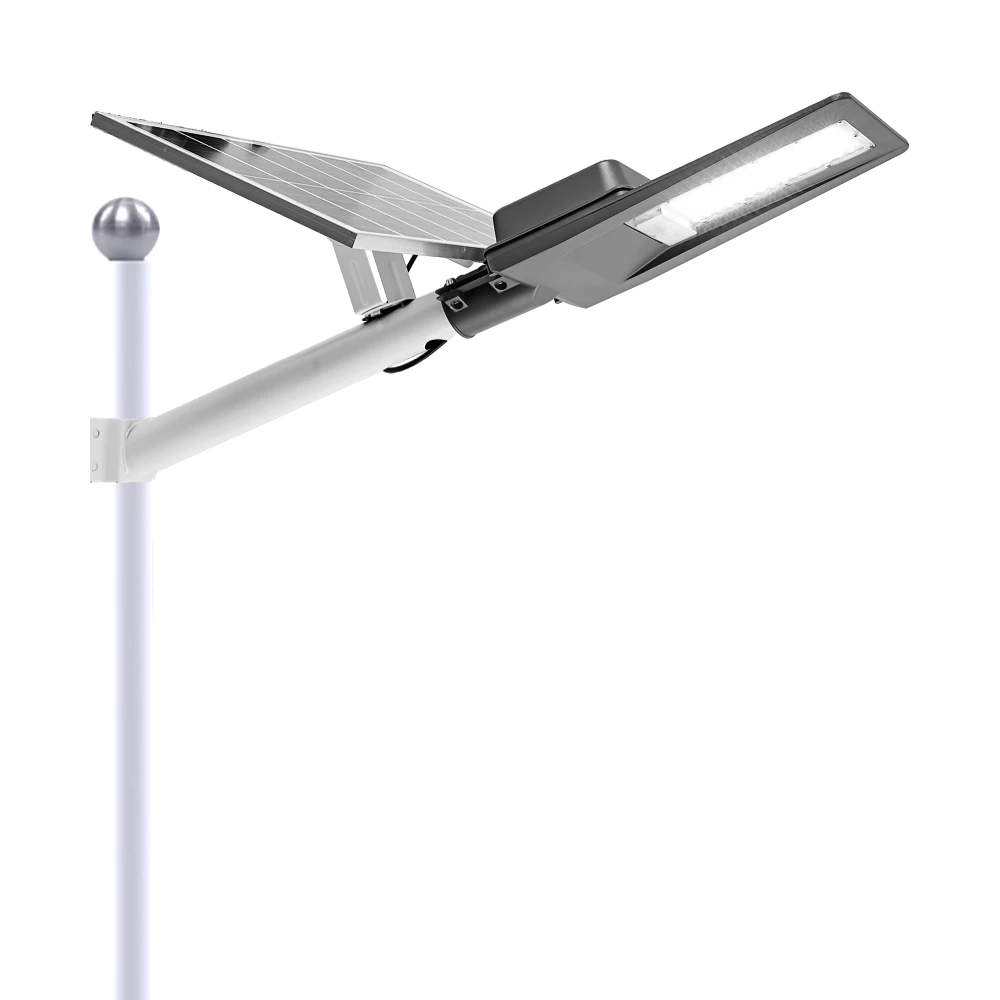
Experience reliable outdoor illumination with our smart solar street light, a perfect combination of advanced technology and eco-conscious design.
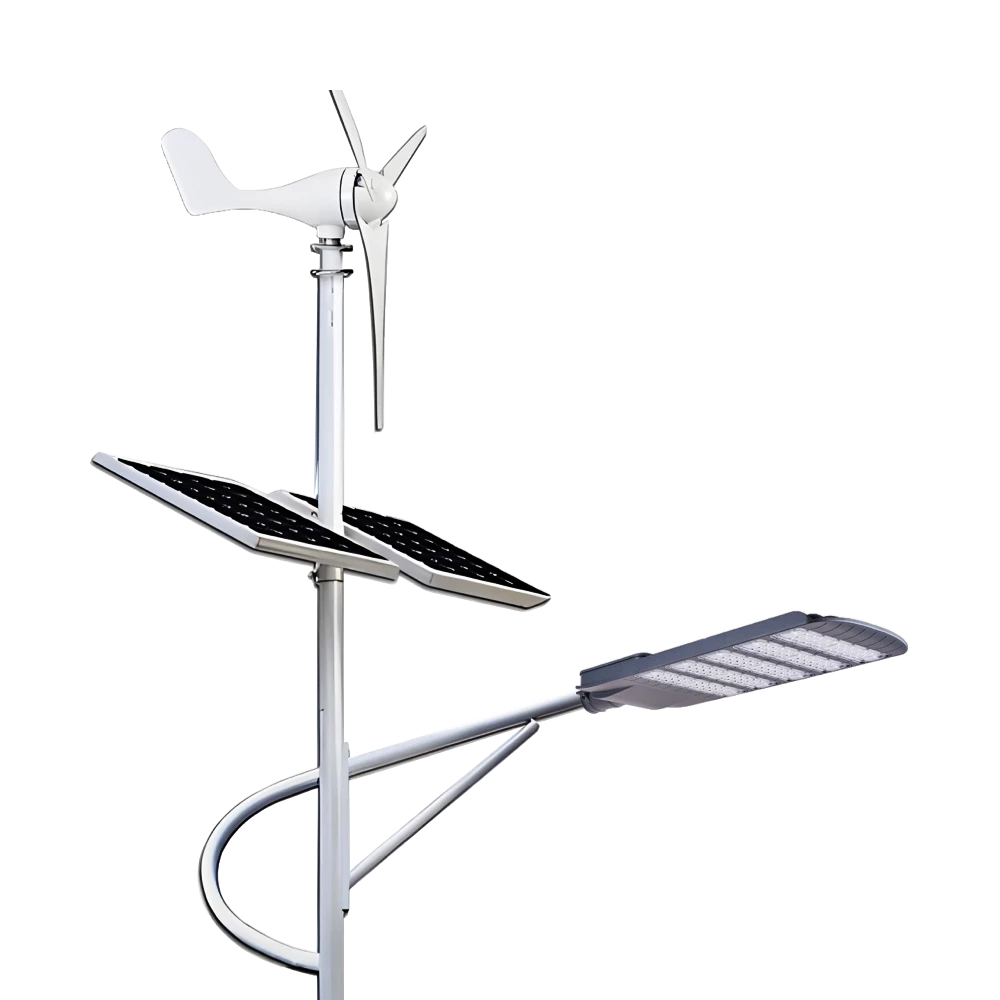
Queneng Lufeng Wind Energy LED Outdoor Solar Street Lights offer high-performance, eco-friendly illumination. These energy-efficient LED street lights harness solar power and wind energy for sustainable, cost-effective outdoor lighting solutions.
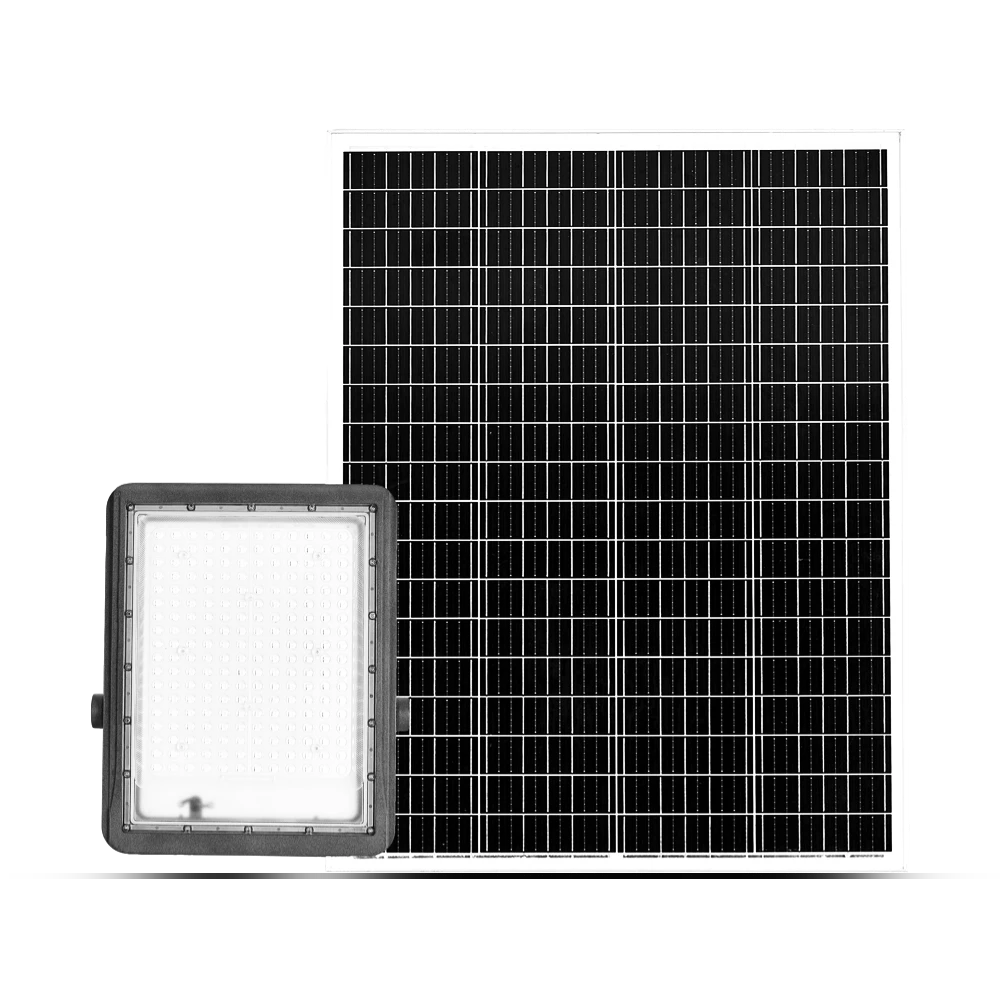
Queneng's Luxian Reliable Solar Street Light offers energy-saving LED lighting for outdoor use. This durable, solar-powered street light provides reliable illumination, reducing energy costs and environmental impact. A perfect solution for sustainable outdoor lighting.
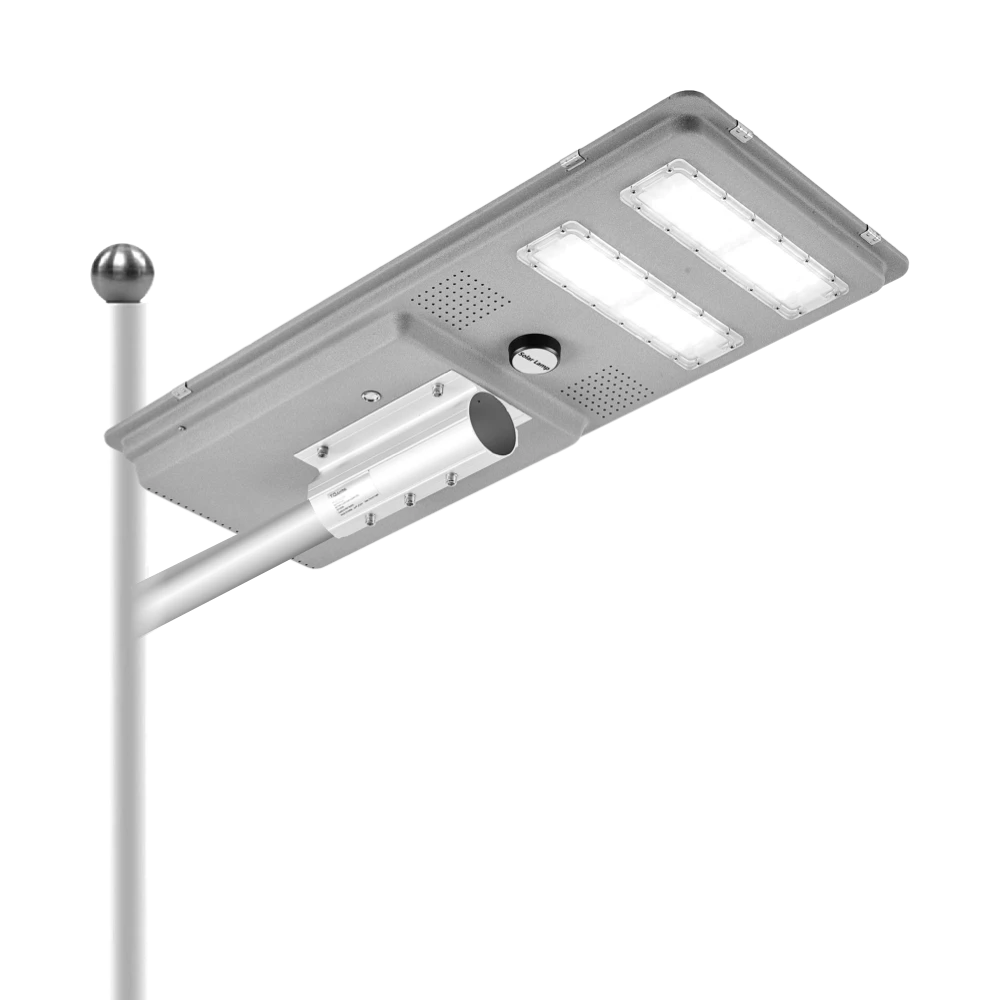
Queneng’s Solar Street Lights are designed to provide reliable, energy-efficient lighting for streets, parks, and other outdoor spaces.
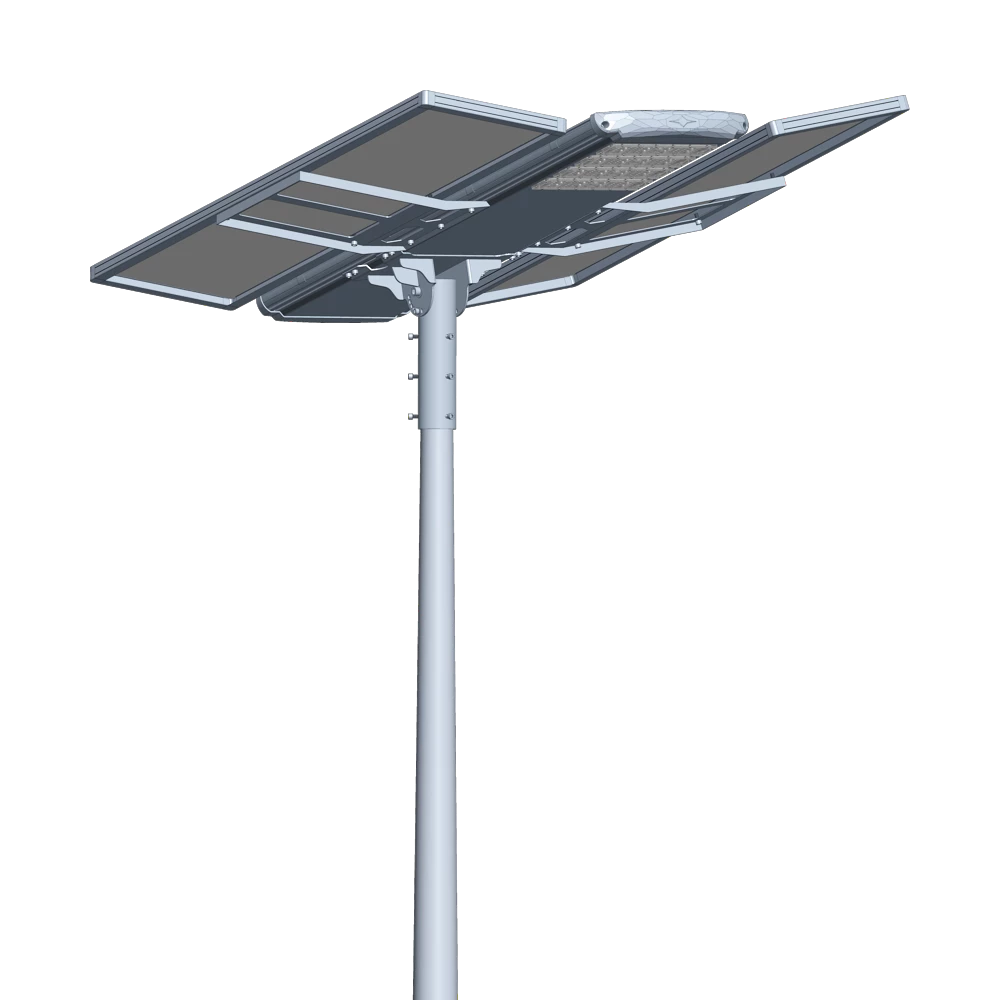
Introducing the Luqing Solar Street Light by Queneng, Efficient LED lighting powered by solar energy is perfect for illuminating outdoor areas. Harness the power of solar energy for sustainable, reliable street lighting. Ideal for eco-friendly, cost-effective outdoor illumination solutions.
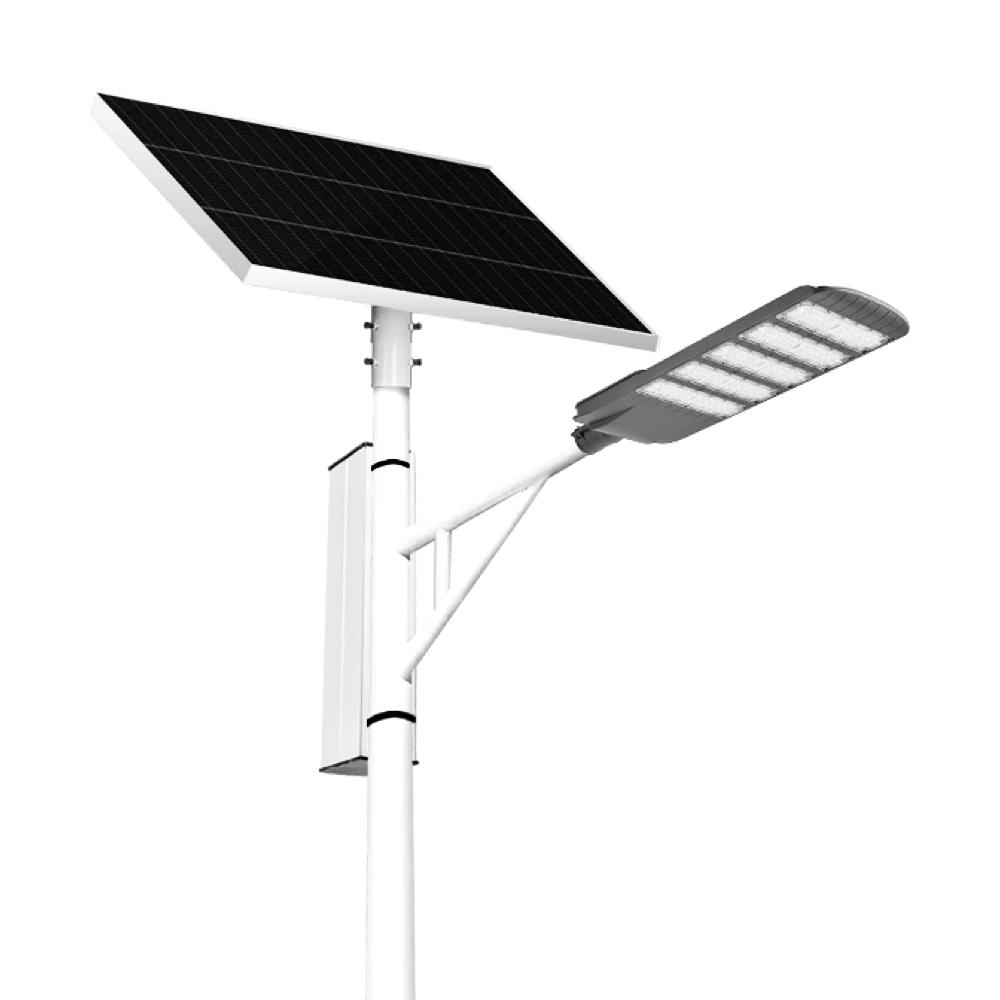
The Solar Streetlights of Luhao for Municipalities are designed to deliver reliable, energy-efficient, and cost-effective public lighting solutions. Equipped with advanced LED technology, durable lithium batteries, and high-efficiency solar panels, these streetlights provide consistent illumination for roads, parks, residential areas, and government projects.
If you would like more information about Queneng solar lighting solutions, please send us a message by filling out the form below. Our professional team will get back to you within 24 hours!
Rest assured that your privacy is important to us, and all information provided will be handled with the utmost confidentiality.
Schedule a Meeting
Book a date and time that is convenient for you and conduct the session in advance.
Have more questions about our products or services?
The messenger of light & power conversion
Environmental protection and intelligent manufacturing are our brand philosophy, and quality assurance and the best user experience are our eternal promises to users.
CONTACT
No.9F, Building F, Cao San Xin Tian Hong Logistics Park, Guzhen Town, Zhongshan City, Guangdong Province, China.
or write [email protected]
WhatsApp: +86 136 2270 1011


