














how to make solar street light at home | Queneng Guide
How to Make Solar Street Light at Home: A Guide for Professionals
Creating solar street lights at home can be a rewarding project for professionals in the solar lighting industry. This guide provides a comprehensive overview of the process, components, and best practices to ensure successful implementation.
Components Needed for a Solar Street Light
- Solar Panel: Choose a panel with an appropriate wattage to meet the light's energy requirements. A typical panel for street lights ranges from 50W to 300W (Source: Solar Energy Industries Association).
- Battery: Use a deep-cycle battery suitable for solar applications. Common options include lead-acid or lithium-ion batteries with capacities ranging from 12V to 48V.
- LED Light: Opt for energy-efficient LED lights designed for outdoor use. Look for lights with a high lumen output for better visibility.
- Charge Controller: Essential for regulating the power flow from the solar panel to the battery. A PWM or MPPT controller can be used based on efficiency needs.
- Pole and Mounting Hardware: Ensure the pole is sturdy and the mounting hardware is designed to withstand outdoor conditions.
Steps to Assemble a Solar Street Light
- Step 1: Site Assessment
- Determine the location and assess the amount of sunlight available daily. A minimum of 4-6 hours of direct sunlight is recommended for optimal performance (Source: U.S. Department of Energy).
- Step 2: Assemble Components
- Connect the solar panel to the charge controller, then connect the charge controller to the battery. Finally, connect the LED light to the battery.
- Step 3: Installation
- Mount the solar panel on the pole at an angle that maximizes sunlight exposure. Install the LED light at the desired height, typically between 4-12 meters depending on the application.
- Step 4: Testing and Adjustment
- Test the system to ensure all components are functioning correctly. Adjust the angle of the solar panel if necessary to optimize energy collection.
Best Practices and Maintenance
- Regular Cleaning: Keep the solar panel clean to ensure maximum efficiency. Dust and debris can significantly reduce the panel's output.
- Battery Maintenance: Check the battery regularly for signs of wear or damage. Replace batteries every 3-5 years depending on usage and type.
- System Monitoring: Use a monitoring system to track the performance of your solar street light. This can help identify issues before they become major problems.
Common Challenges and Solutions
- Insufficient Sunlight: If the location does not receive enough sunlight, consider using a higher capacity battery or an additional solar panel.
- Battery Life: To extend battery life, ensure the system is not over-discharged. Use a charge controller with a low-voltage disconnect feature.
- Durability: Choose weather-resistant components to withstand harsh outdoor conditions. Regular inspections can help identify and address wear and tear.
By following these guidelines and leveraging your professional knowledge in the solar lighting industry, you can successfully create and maintain solar street lights at home. This not only enhances your skills but also contributes to sustainable lighting solutions.
For more insights and professional resources, visit the Queneng website and stay updated with the latest in the solar lighting field.

Have more questions about our products or services?
The latest hot news you might like

Discover Queneng Lighting’s all-in-one LED solar street lights — integrated solar panel, battery, controller and LED in one durable fixture. Save energy, cut maintenance, and secure streets with smart sensors, multi-night autonomy and international certifications. Contact sales for quotes and support.

Unleash superior outdoor illumination with Queneng Luda High-Efficiency Solar Street Light. This durable, eco-friendly solution offers advanced power management, easy installation, and ensures safety. Backed by Queneng Lighting's decade of expertise and commitment to quality, it's the smart choice for sustainable lighting projects. Learn why we're a leading solar solutions provider.

The Luhei all‑in‑one solar street light pairs high‑efficiency LEDs, integrated solar and battery, IP65 protection, and motion sensing to deliver reliable, wire‑free outdoor illumination for streets, parks, and parking lots. Backed by Queneng Lighting’s certifications and support.

FAQ
Industry
Does Queneng offer off-grid solar systems?
Yes, we provide off-grid solar lighting systems designed for remote areas or regions without grid coverage, meeting the specific lighting needs in these areas.
Solar Street Light Luhua
How do Luhua solar street lights work?
Luhua solar street lights use high-efficiency solar panels to capture sunlight during the day and store it in lithium-ion batteries. These batteries then power the LED lights at night. The intelligent control system adjusts the light output based on ambient light conditions and detects motion to maximize energy savings by dimming when no motion is detected and increasing brightness when movement is sensed.
Solar Street Light Luqing
What kind of battery is used in Luqing solar street lights?
Luqing solar street lights typically use lithium-ion batteries, known for their efficiency, long life, and ability to handle high numbers of charge cycles compared to other battery types like lead-acid.
Battery Types and Applications
What is a smart secondary battery?
Solar Street Light Lufeng
Can Lufeng solar street lights operate during the winter?
Yes, Lufeng solar street lights are designed to operate year-round, including during the winter. They are equipped with high-efficiency solar panels that continue to collect solar energy even in cold or overcast conditions. The lights are also built to withstand freezing temperatures and provide reliable illumination in all seasons.
Transportation and Highways
Are there options for aesthetic customization to match the local environment?
Yes, we offer customizable pole designs, color finishes, and lighting styles to blend seamlessly with the surrounding environment.
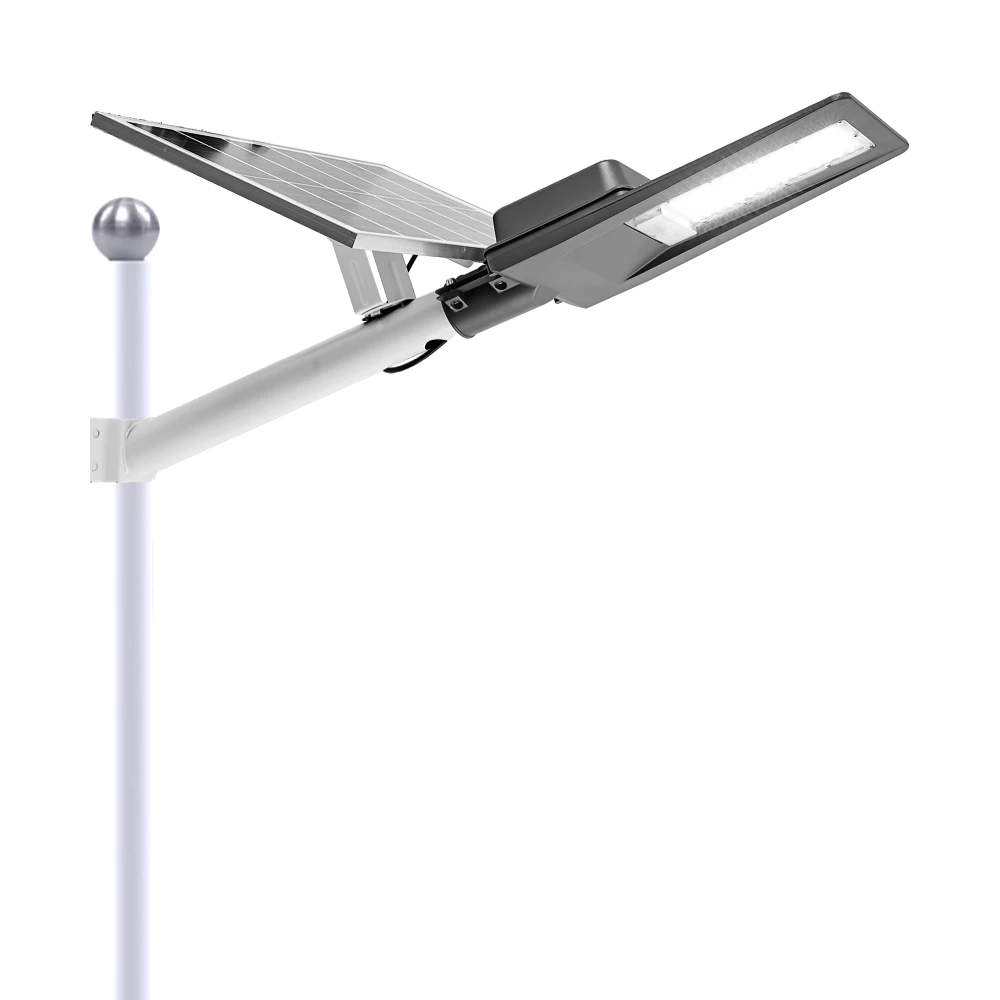
Experience reliable outdoor illumination with our smart solar street light, a perfect combination of advanced technology and eco-conscious design.
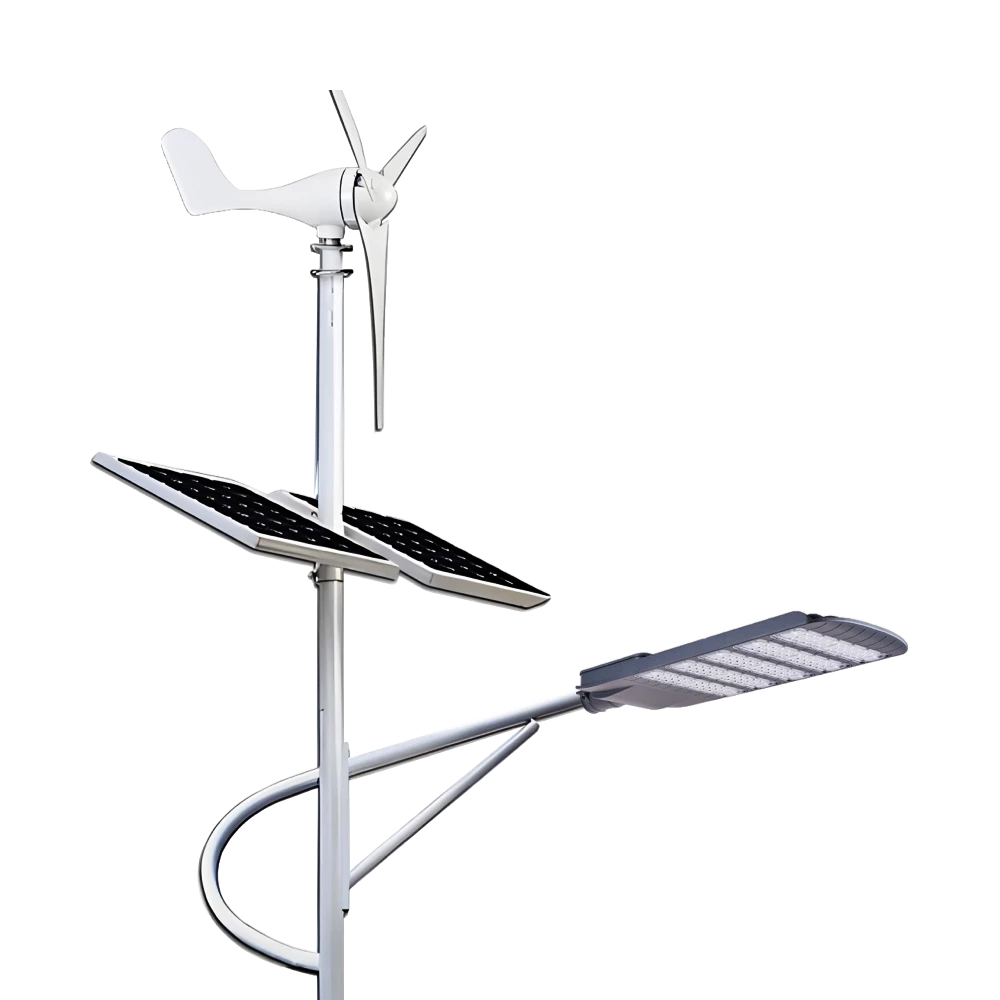
Queneng Lufeng Wind Energy LED Outdoor Solar Street Lights offer high-performance, eco-friendly illumination. These energy-efficient LED street lights harness solar power and wind energy for sustainable, cost-effective outdoor lighting solutions.
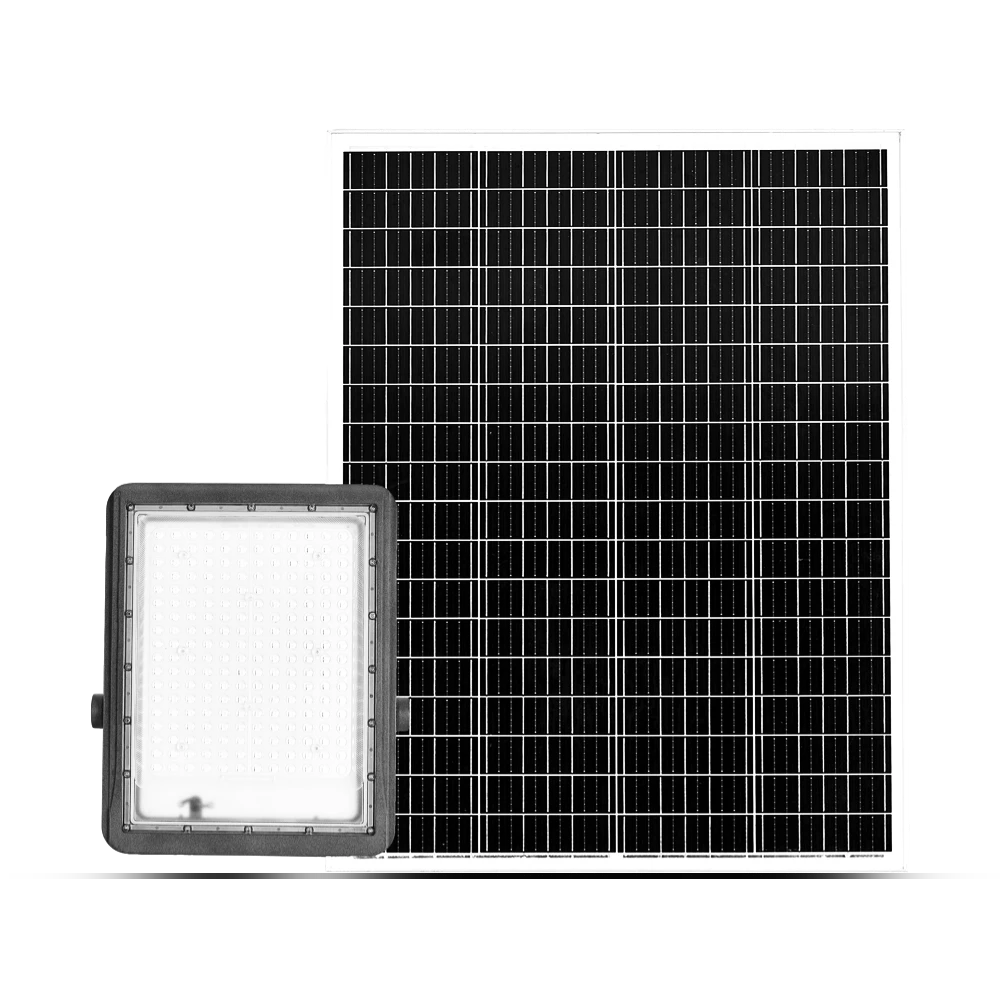
Queneng's Luxian Reliable Solar Street Light offers energy-saving LED lighting for outdoor use. This durable, solar-powered street light provides reliable illumination, reducing energy costs and environmental impact. A perfect solution for sustainable outdoor lighting.
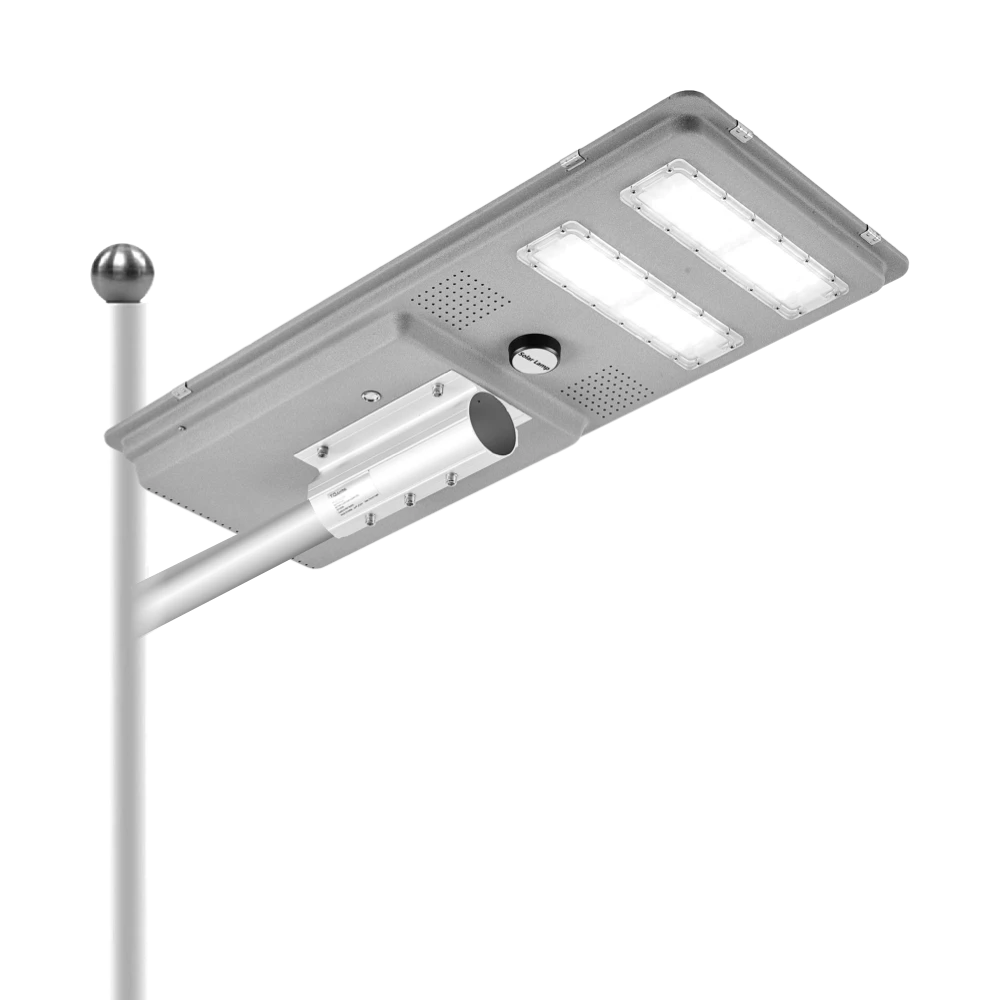
Queneng’s Solar Street Lights are designed to provide reliable, energy-efficient lighting for streets, parks, and other outdoor spaces.
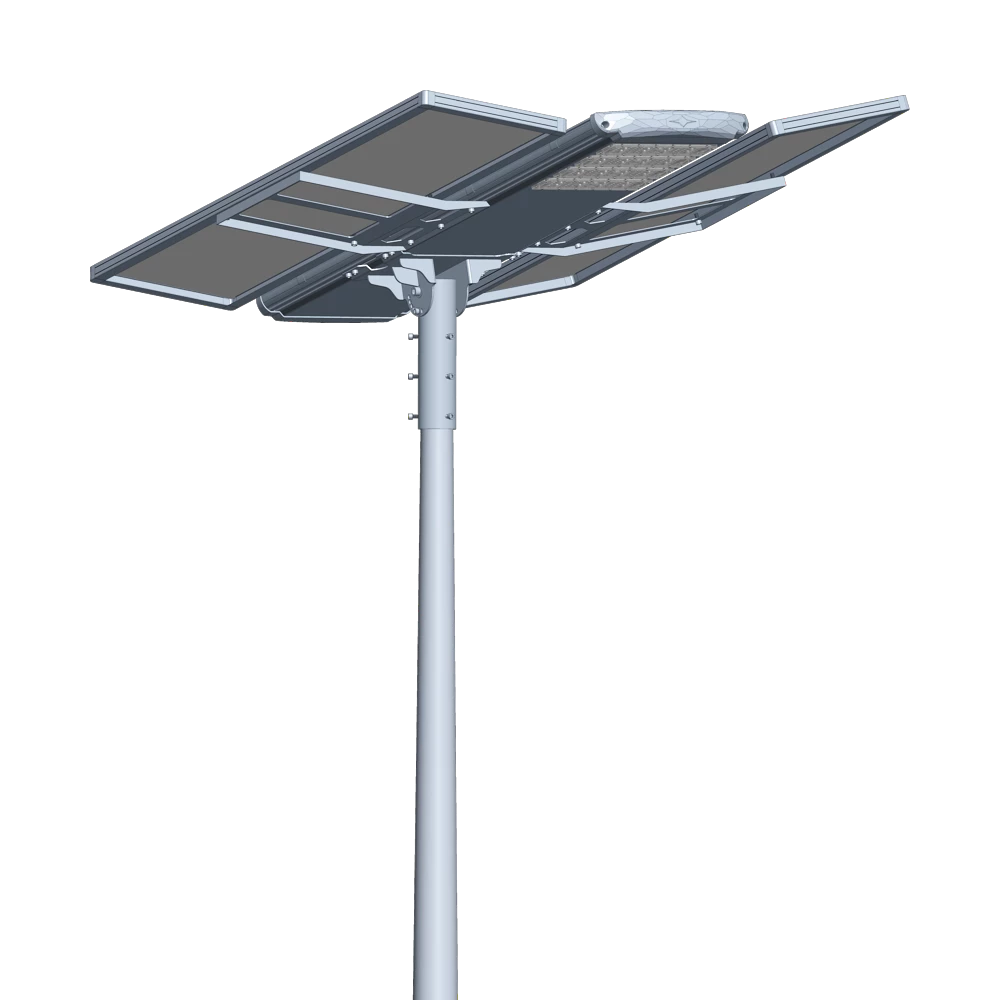
Introducing the Luqing Solar Street Light by Queneng, Efficient LED lighting powered by solar energy is perfect for illuminating outdoor areas. Harness the power of solar energy for sustainable, reliable street lighting. Ideal for eco-friendly, cost-effective outdoor illumination solutions.
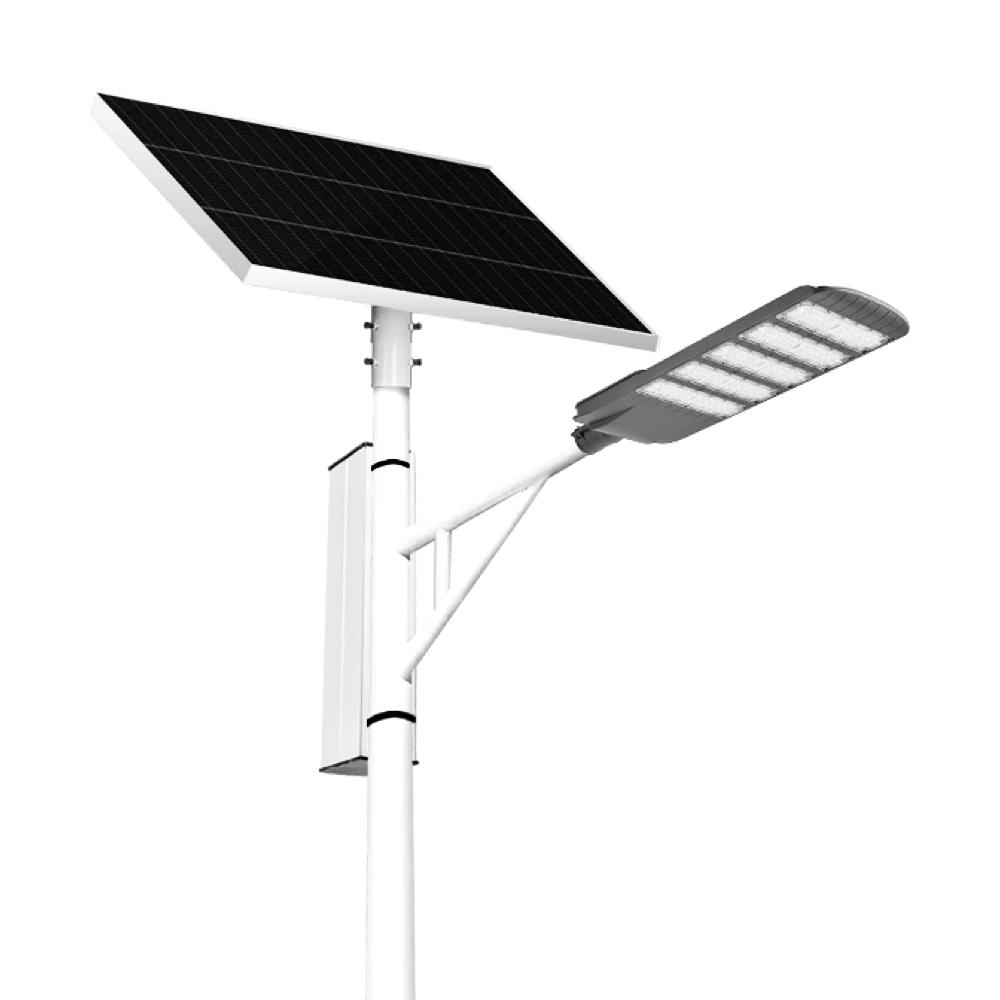
The Solar Streetlights of Luhao for Municipalities are designed to deliver reliable, energy-efficient, and cost-effective public lighting solutions. Equipped with advanced LED technology, durable lithium batteries, and high-efficiency solar panels, these streetlights provide consistent illumination for roads, parks, residential areas, and government projects.
If you would like more information about Queneng solar lighting solutions, please send us a message by filling out the form below. Our professional team will get back to you within 24 hours!
Rest assured that your privacy is important to us, and all information provided will be handled with the utmost confidentiality.
Schedule a Meeting
Book a date and time that is convenient for you and conduct the session in advance.
Have more questions about our products or services?
The messenger of light & power conversion
Environmental protection and intelligent manufacturing are our brand philosophy, and quality assurance and the best user experience are our eternal promises to users.
CONTACT
No.9F, Building F, Cao San Xin Tian Hong Logistics Park, Guzhen Town, Zhongshan City, Guangdong Province, China.
or write [email protected]
WhatsApp: +86 136 2270 1011


