














How to Reduce the Cost of a Solar Street Lighting Project Without Compromising Quality
Discover proven ways to lower the cost of solar street lighting projects while maintaining performance, durability, and efficiency. Learn how to choose smart components, suppliers, and designs.
Solar street lighting is an eco-friendly and efficient solution for public and commercial outdoor lighting, but the initial cost can be a concern. Fortunately, there are proven ways to significantly cut costs without compromising quality or performance.
1. Choose the Right Lighting Design
Optimizing lighting layout helps avoid over-specification. Use lower wattage lights in low-traffic areas and consider:
- Spacing poles strategically to reduce quantity
- Installing motion sensors to dim during inactivity
- Using professional lighting simulation to match real needs
2. Use Integrated Solar Street Light Designs
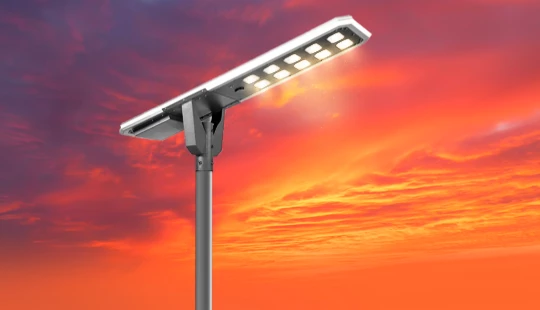
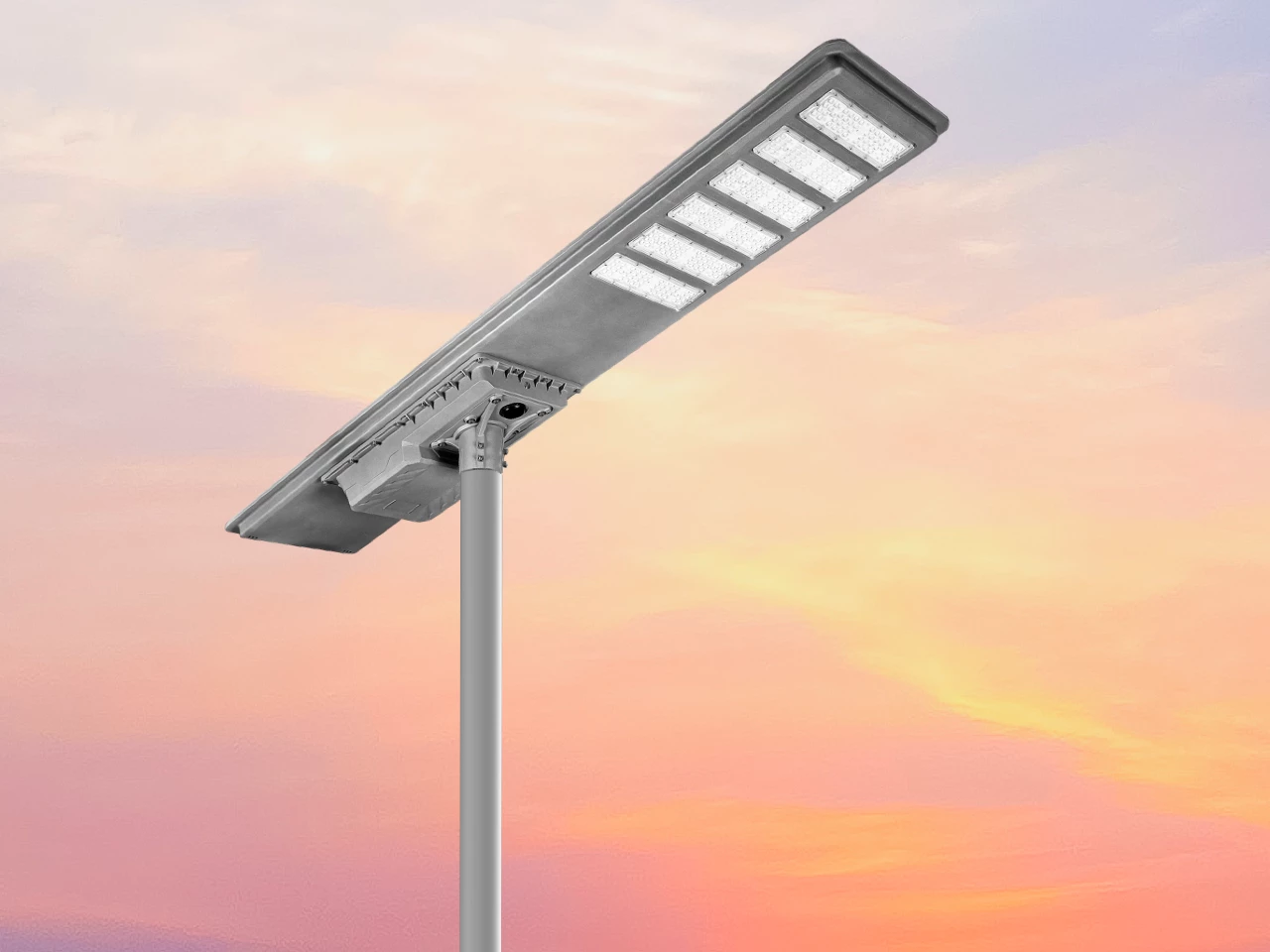
All-in-one solar street lights combine LED, battery, controller, and solar panel in one unit. Benefits include:
- Lower installation costs
- Faster logistics and deployment
- Streamlined maintenance
3. Select High-Efficiency Components
Investing in premium components leads to long-term savings:
| Component | Recommended Option | Cost-Saving Advantage |
|---|---|---|
| Solar Panel | Monocrystalline PERC (22%+) | Smaller size, higher output |
| Battery | LiFePO₄ | 7–10 year lifespan, low maintenance |
| LED Chip | Philips / Bridgelux | High brightness with less energy |
| Controller | MPPT | Efficient charging, longer battery life |
4. Work Directly with Certified Manufacturers
Partnering with experienced manufacturers like GuangDong Queneng Lighting Technology Co., Ltd. ensures:
- Better pricing without intermediaries
- Customization flexibility
- Access to CE, UL, ISO, TUV certifications
5. Focus on Long-Term Value, Not Just Price
Cheap products may have high hidden costs. Always consider total cost of ownership (TCO), including durability, maintenance, and performance over time.
6. Right-Size the Battery
A properly sized battery based on consumption and local weather avoids waste and cost inflation. Oversized or undersized batteries can both lead to inefficiency.
7. Optimize Installation & Labor
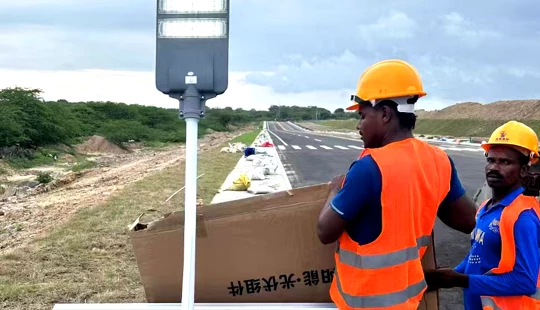
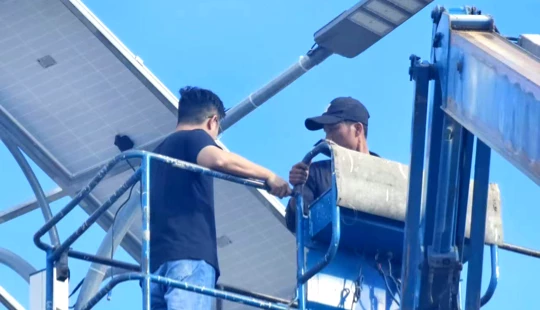
Labor can account for up to 30% of costs. Use trained local teams familiar with solar lighting installation standards to ensure fast and safe deployment.
8. Explore Government Subsidies
Many governments offer grants or tax incentives for renewable energy. Ensure your project uses certified components to qualify.
Conclusion
Reducing cost doesn’t mean compromising on quality. By using smart design, efficient components, and working with experienced suppliers like GuangDong Queneng Lighting Technology Co., Ltd., you can deliver reliable solar lighting at an affordable price.
Frequently Asked Questions (FAQ)
1. What is the biggest cost driver in a solar street lighting project?
The most expensive components are usually the battery, solar panel, and pole installation.
2. Are cheaper solar street lights suitable for large projects?
Not always. Extremely cheap lights often compromise on durability and brightness, leading to higher maintenance costs.
3. How much can motion sensors save?
Motion sensors can reduce energy use by up to 50%, enabling smaller battery and panel size and lowering costs.
4. Can I install solar street lights myself?
Yes, for small-scale or rural projects. For commercial installations, hire qualified professionals for safety and performance.
5. Are integrated solar lights more cost-effective?
Yes, they reduce installation complexity, require fewer materials, and are easier to maintain.
6. How do I find a reliable Chinese manufacturer?
Look for ISO/CE/TUV-certified suppliers with export experience, such as GuangDong Queneng Lighting Technology Co., Ltd.
7. Can bulk orders lower the price?
Yes, most manufacturers offer discounts for orders over 100 units and combined shipping benefits.
8. Are there subsidies for solar lighting projects?
Yes. Many countries offer financial incentives for renewable energy projects. Check with your local energy authority.

Have more questions about our products or services?
The latest hot news you might like

Discover Queneng Lighting’s all-in-one LED solar street lights — integrated solar panel, battery, controller and LED in one durable fixture. Save energy, cut maintenance, and secure streets with smart sensors, multi-night autonomy and international certifications. Contact sales for quotes and support.

Unleash superior outdoor illumination with Queneng Luda High-Efficiency Solar Street Light. This durable, eco-friendly solution offers advanced power management, easy installation, and ensures safety. Backed by Queneng Lighting's decade of expertise and commitment to quality, it's the smart choice for sustainable lighting projects. Learn why we're a leading solar solutions provider.

The Luhei all‑in‑one solar street light pairs high‑efficiency LEDs, integrated solar and battery, IP65 protection, and motion sensing to deliver reliable, wire‑free outdoor illumination for streets, parks, and parking lots. Backed by Queneng Lighting’s certifications and support.

FAQ
Solar Street Light Luhao
How long does it take to install the Luhao solar street light?
Installation of the Luhao solar street light is quick and easy. It typically takes only a few hours to install the light, and no electrical wiring is required, making it a straightforward solution for both residential and commercial use.
Battery and Analysis
What are the advantages of lithium-ion batteries?
2) High working voltage;
3) No memory effect;
4) Long cycle life;
5) No pollution;
6) Light weight;
7) Small self-discharge.
Solar Street Light Chuanqi
How do the solar panels in Chuanqi street lights store energy?
The solar panels in Chuanqi solar street lights collect sunlight during the day and convert it into electrical energy, which is stored in high-capacity lithium-ion batteries. The stored energy is then used to power the LED lights at night, ensuring continuous illumination even when the sun is not shining. This energy storage system ensures the lights work autonomously without relying on an external power source.
Solar Street Light Luhua
What is the main advantage of using Luhua Smart Solar Street Lights over traditional street lights?
The main advantage of Luhua Smart Solar Street Lights is their reliance on renewable solar energy, which reduces dependency on the electrical grid. This makes them not only more eco-friendly but also more cost-effective in the long term. Additionally, the smart features such as motion detection and adaptive brightness make them highly energy-efficient compared to conventional street lights.
Battery Types and Applications
What is a smart secondary battery?
Remote Areas Rural Development
How durable are solar streetlights in extreme rural conditions?
They are designed to withstand harsh weather, including heavy rains, strong winds, and extreme temperatures.
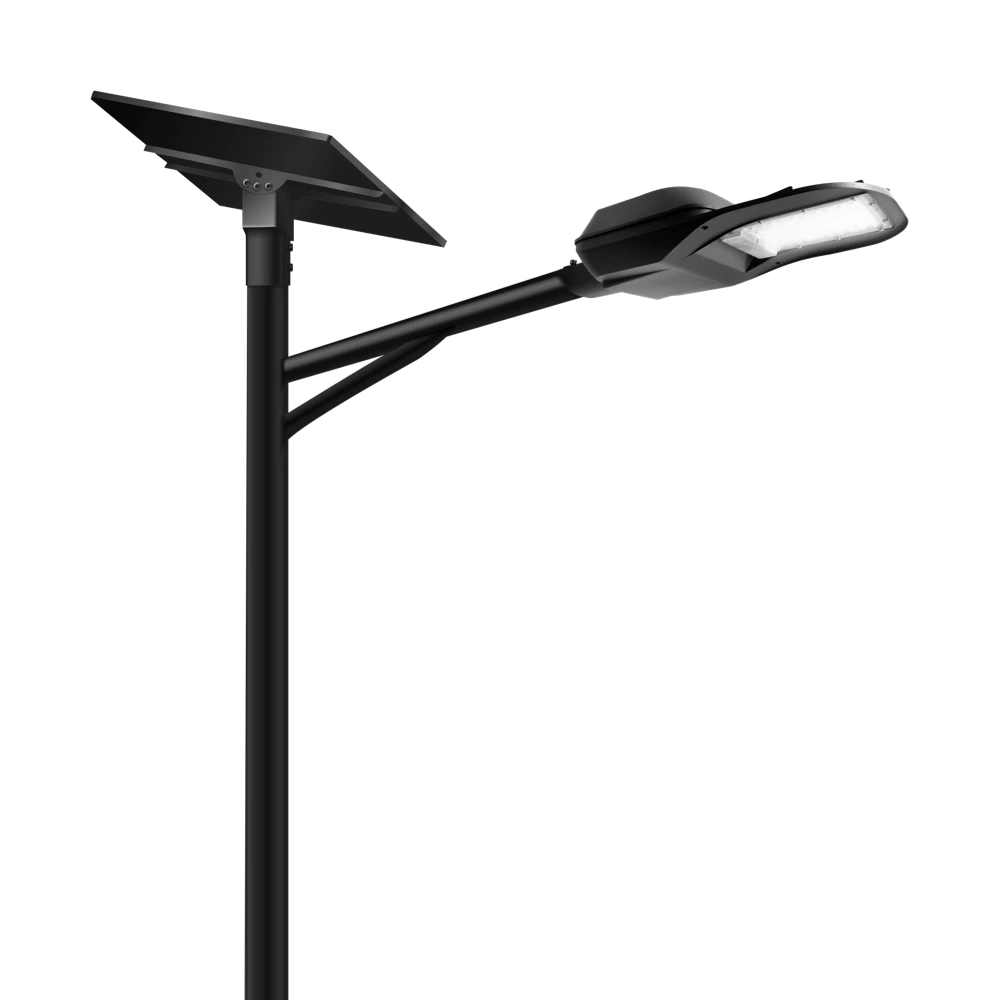
If you would like more information about Queneng solar lighting solutions, please send us a message by filling out the form below. Our professional team will get back to you within 24 hours!
Rest assured that your privacy is important to us, and all information provided will be handled with the utmost confidentiality.
Schedule a Meeting
Book a date and time that is convenient for you and conduct the session in advance.
Have more questions about our products or services?
The messenger of light & power conversion
Environmental protection and intelligent manufacturing are our brand philosophy, and quality assurance and the best user experience are our eternal promises to users.
CONTACT
No.9F, Building F, Cao San Xin Tian Hong Logistics Park, Guzhen Town, Zhongshan City, Guangdong Province, China.
or write [email protected]
WhatsApp: +86 136 2270 1011


