














integrated solar street light | Queneng Expert Guide
What Are Integrated Solar Street Lights and How Do They Work?
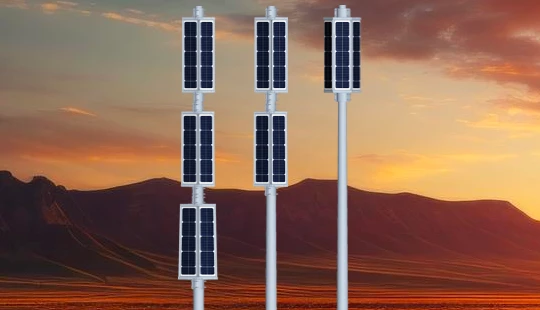
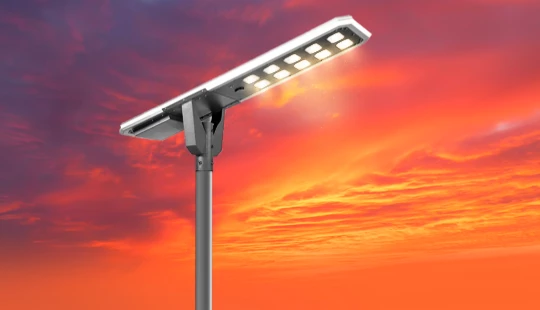
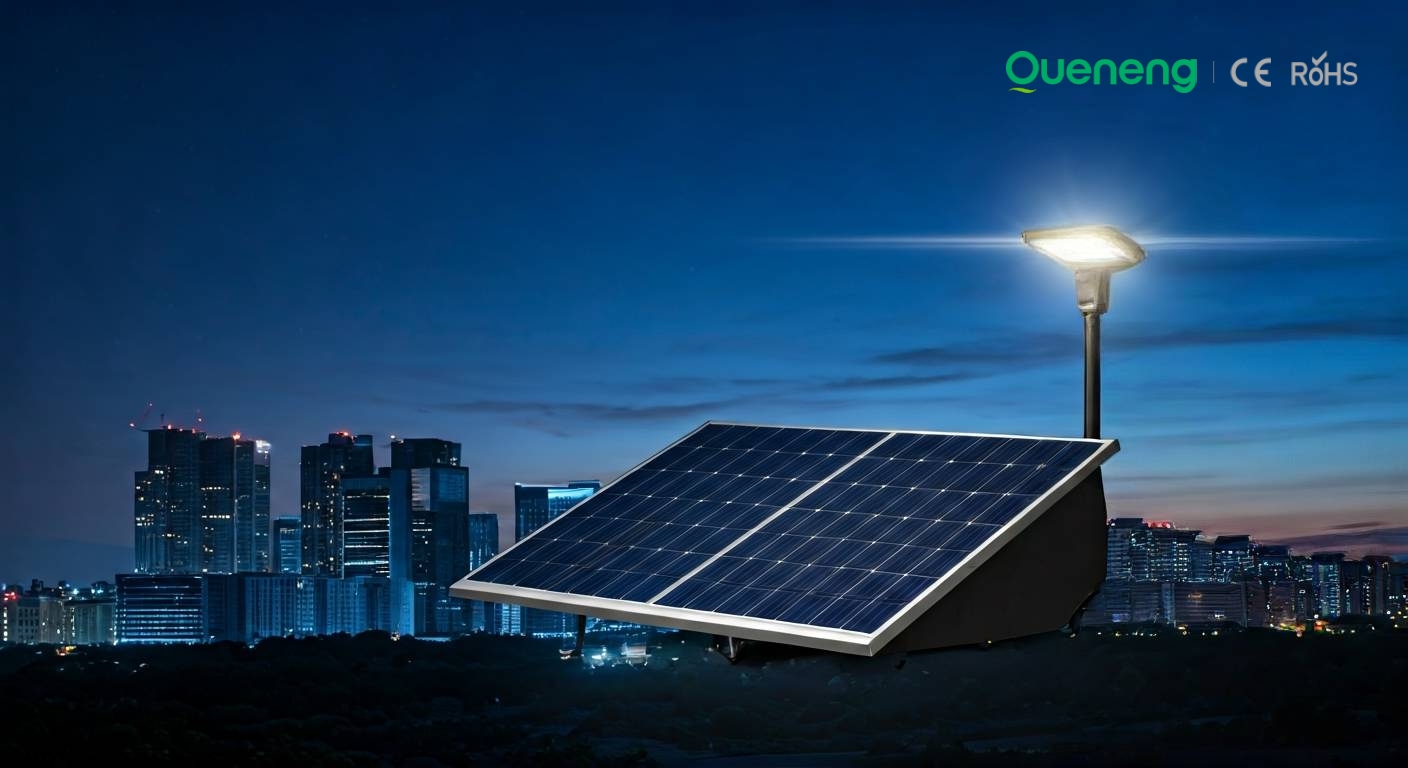
Integrated solar street lights combine solar panels, LED lights, lithium batteries, and smart controllers into a single, compact unit. The solar panel converts sunlight into electrical energy stored in the lithium battery. The LED emits light automatically based on sensor data or timer settings, offering efficient, off-grid illumination. According to the 2023 IEA report, integrated solar street lights improve energy efficiency by up to 70% compared to traditional lighting.
How Long Do Integrated Solar Street Lights' Batteries Typically Last?
Modern lithium-ion batteries, commonly used in integrated solar street lights, generally last between 5 to 8 years depending on quality and usage conditions. Battery lifespan can be affected by temperature, discharge cycles, and charging rates. Industry leaders such as BYD and CATL offer batteries designed for up to 3000 charge cycles, enabling optimal performance over many years.
What Is the Typical Cost Range for Integrated Solar Street Lights?
Prices vary based on wattage, battery capacity, and additional features like motion sensors or remote monitoring. As of 2024, average unit costs range from $150 for smaller 20W models to over $500 for advanced 100W systems with IoT integration. Bulk procurement typically reduces per-unit costs by 15-25%. Consider total cost of ownership, as lower maintenance and energy costs often offset higher upfront prices.
How Easy Is the Installation and Maintenance Process?
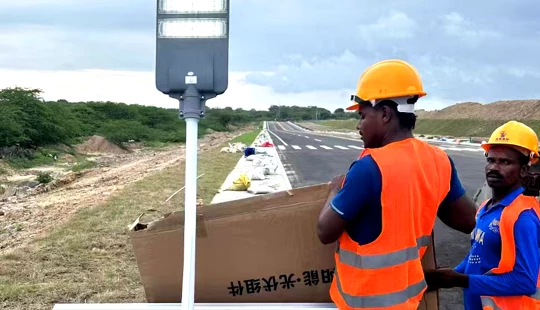
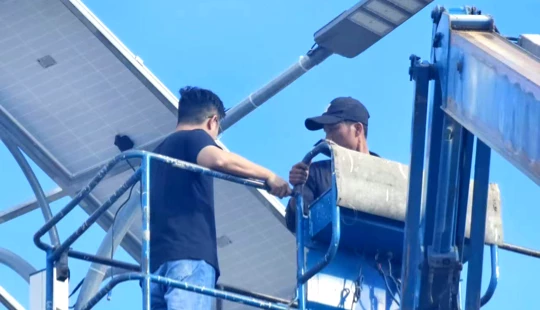
Integrated solar street lights simplify installation because they require no external wiring or trenching. Most models are plug-and-play and can be mounted on existing poles within one to two hours by skilled technicians. Maintenance is minimal: periodic cleaning of solar panels and battery health checks every 6-12 months suffice. Using corrosion-resistant materials and IP65 or higher ratings ensures longevity, especially in harsh weather conditions.
Which Certifications and Quality Standards Should Buyers Look For?
Buyers should ensure products comply with international standards such as IEC 62722 for solar lighting and batteries certified by UN 38.3 for safe transport. Certifications like CE, RoHS, and TÜV enhance confidence in product safety and sustainability. Additionally, compliance with relevant regional standards, such as UL for the US market or BIS for India, is essential to guarantee product authenticity and regulatory acceptance.

Have more questions about our products or services?
The latest hot news you might like

Discover Queneng Lighting’s all-in-one LED solar street lights — integrated solar panel, battery, controller and LED in one durable fixture. Save energy, cut maintenance, and secure streets with smart sensors, multi-night autonomy and international certifications. Contact sales for quotes and support.

Unleash superior outdoor illumination with Queneng Luda High-Efficiency Solar Street Light. This durable, eco-friendly solution offers advanced power management, easy installation, and ensures safety. Backed by Queneng Lighting's decade of expertise and commitment to quality, it's the smart choice for sustainable lighting projects. Learn why we're a leading solar solutions provider.

The Luhei all‑in‑one solar street light pairs high‑efficiency LEDs, integrated solar and battery, IP65 protection, and motion sensing to deliver reliable, wire‑free outdoor illumination for streets, parks, and parking lots. Backed by Queneng Lighting’s certifications and support.

FAQ
Solar Street Light Luda
What are the installation requirements for Luda solar street lights?
Installing Luda solar street lights is straightforward and does not require complex wiring. The lights come with easy-to-follow installation instructions, typically involving mounting the pole, securing the light fixture, and positioning the solar panel for optimal sunlight exposure. Since they don’t require any electrical wiring, the installation is quick and cost-effective.
Municipal and Public Infrastructure
Can solar streetlights be integrated with smart city solutions?
Yes, our solar streetlights can be integrated with IoT systems for smart monitoring, remote control, and data analytics, making them ideal for modern smart cities.
Industry
How can I know if Queneng’s solar lighting system is suitable for my project?
Our team conducts a comprehensive analysis based on your project needs, location, and lighting requirements, ensuring that the system is both appropriate and cost-effective for your application.
who we are
What products does Queneng offer?
We offer a wide range of solar energy products, including solar lighting fixtures (street lights, garden lights, etc.), high-performance solar photovoltaic panels, energy storage batteries, and custom solar systems for various applications. We also provide installation and after-sales support.
Battery Performance and Testing
What is a fire experiment?
Solar Street Light Luyi
Are Luyi solar street lights suitable for all outdoor environments?
Yes, Luyi solar street lights are highly versatile and suitable for a wide range of outdoor environments. Whether for urban streets, rural roads, parking lots, parks, or pathways, Luyi lights provide reliable illumination in any setting. Their weatherproof and durable construction makes them ideal for harsh outdoor conditions, including extreme heat, cold, rain, and snow.
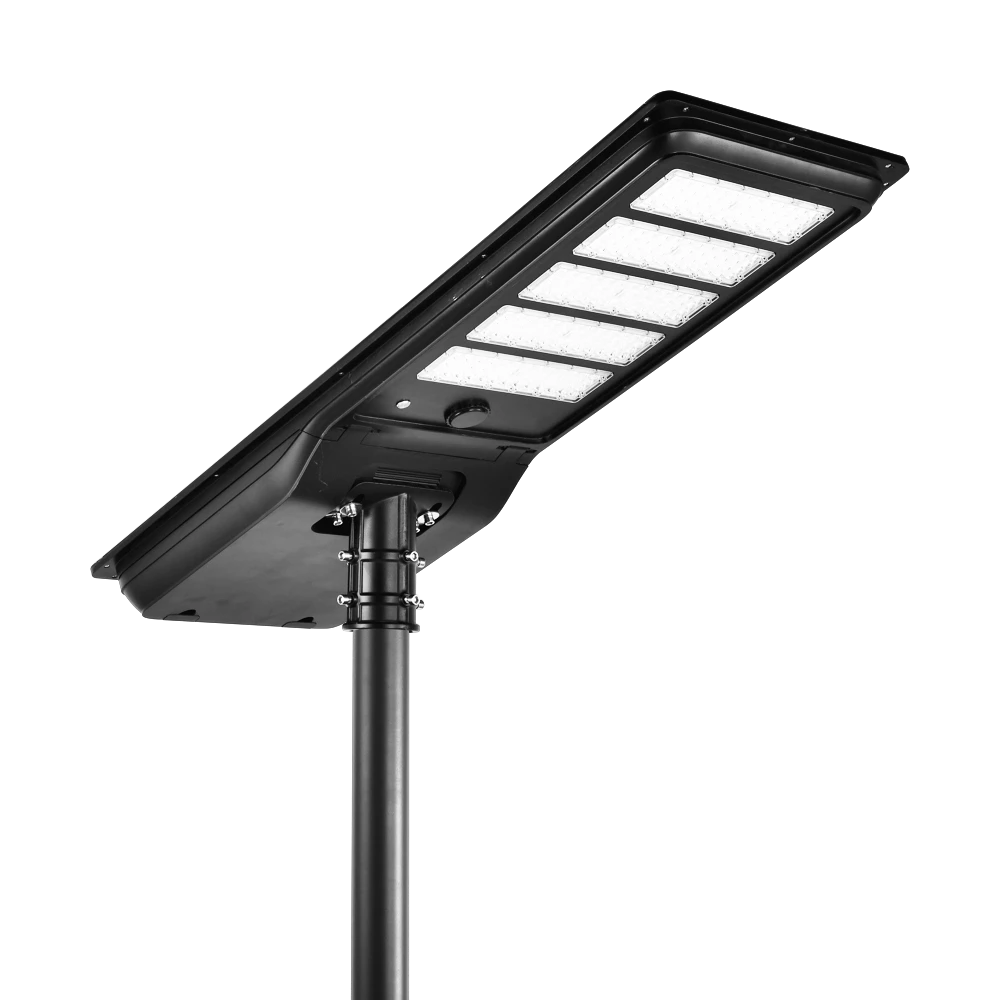
High-efficiency all-in-one solar street light with a monocrystalline solar panel and LiFePO₄ battery. Delivers brighter illumination, wider outdoor coverage, and safer lighting performance for streets and public areas.
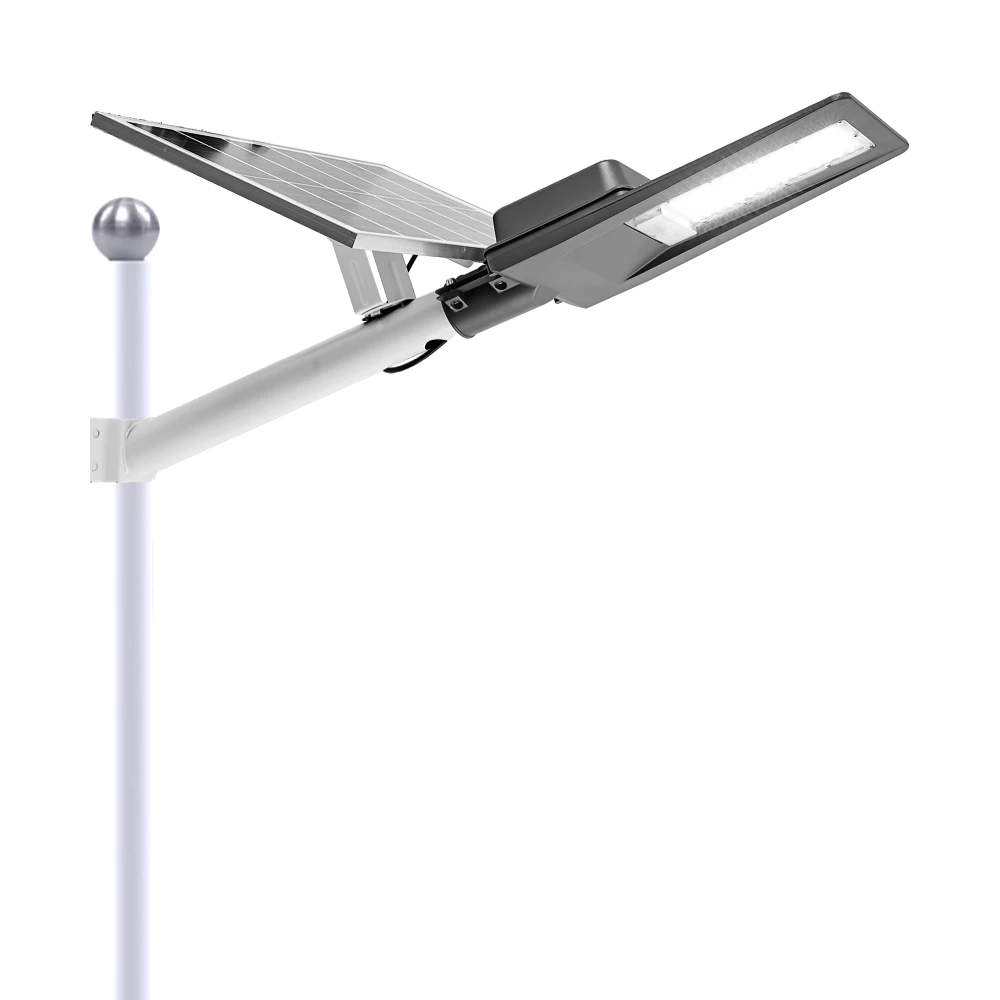
Experience reliable outdoor illumination with our smart solar street light, a perfect combination of advanced technology and eco-conscious design.
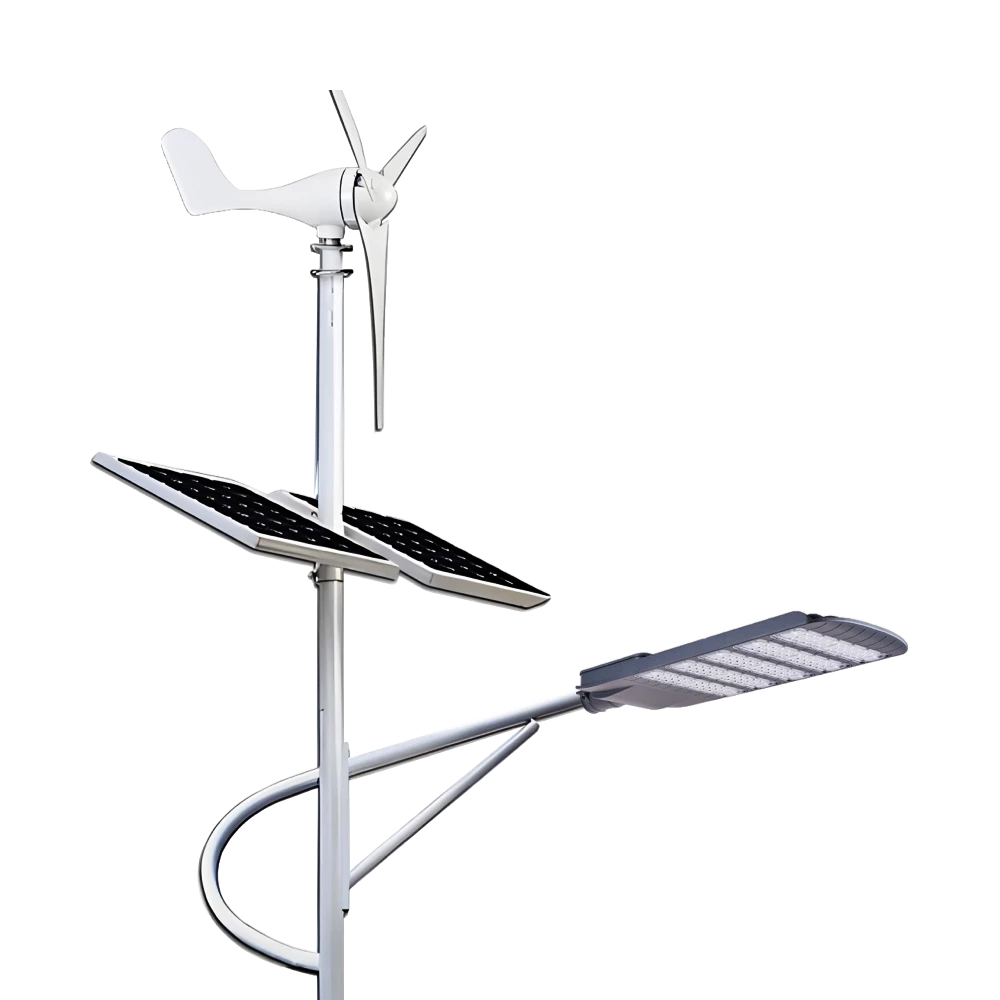
Queneng Lufeng Wind Energy LED Outdoor Solar Street Lights offer high-performance, eco-friendly illumination. These energy-efficient LED street lights harness solar power and wind energy for sustainable, cost-effective outdoor lighting solutions.
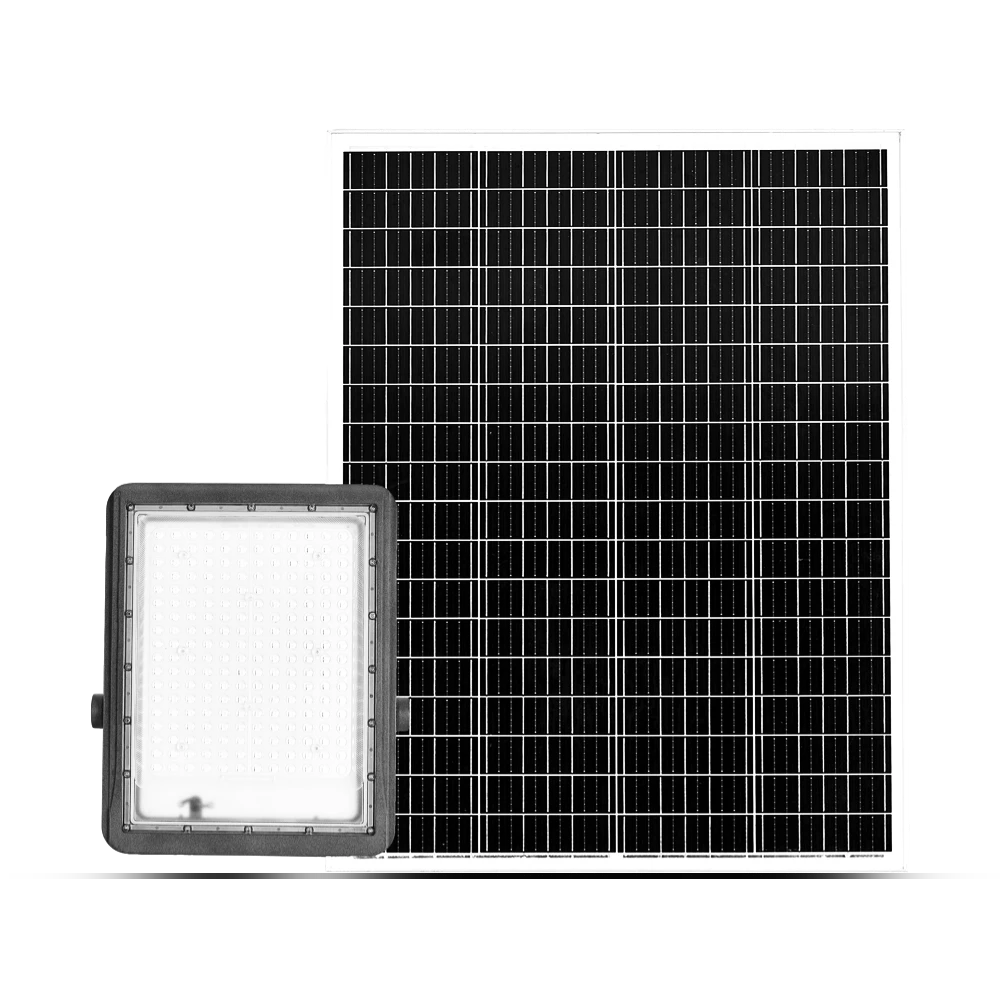
Queneng's Luxian Reliable Solar Street Light offers energy-saving LED lighting for outdoor use. This durable, solar-powered street light provides reliable illumination, reducing energy costs and environmental impact. A perfect solution for sustainable outdoor lighting.
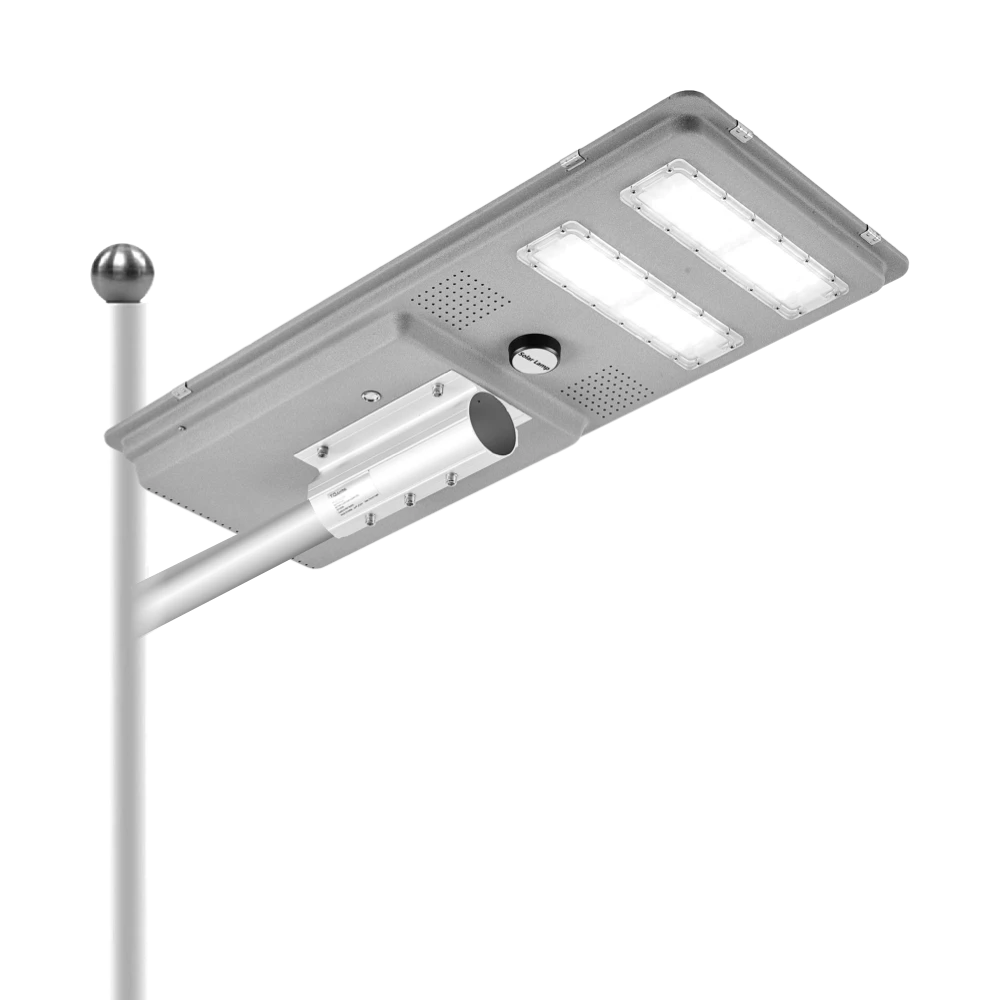
Queneng’s Solar Street Lights are designed to provide reliable, energy-efficient lighting for streets, parks, and other outdoor spaces.
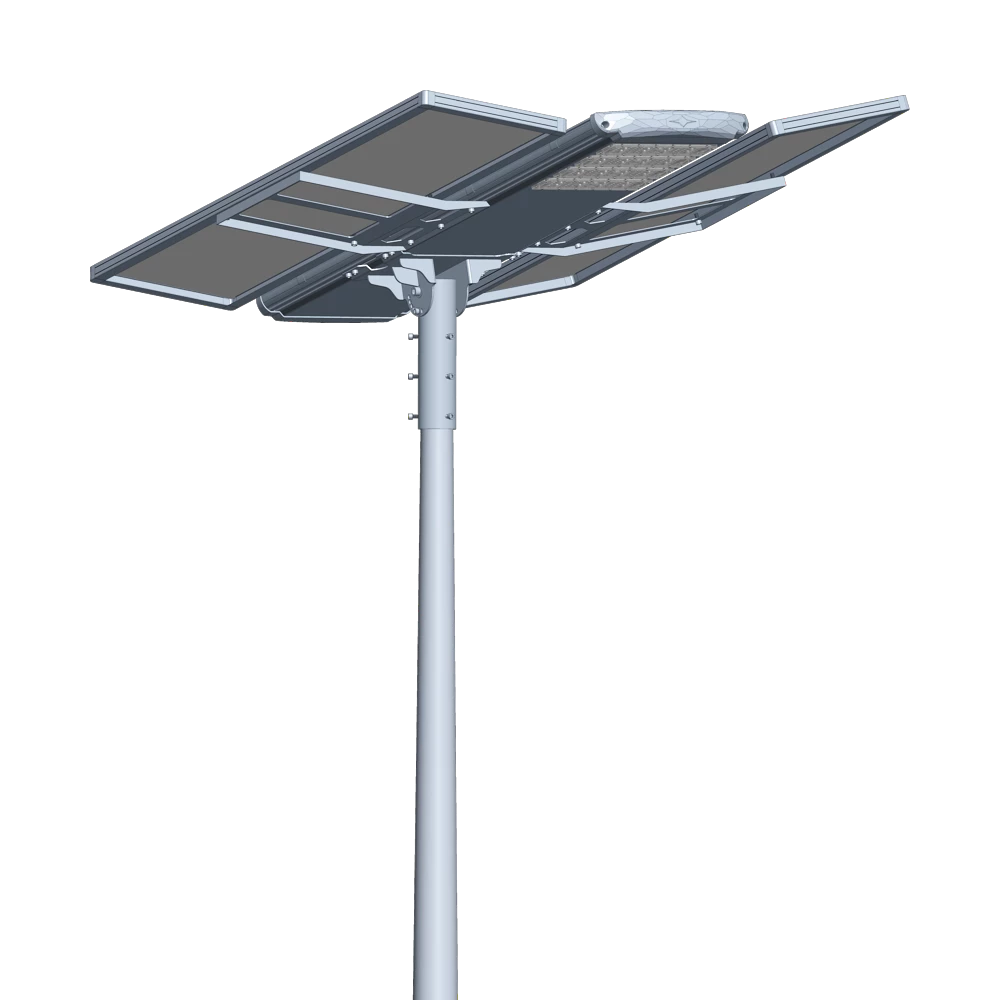
Introducing the Luqing Solar Street Light by Queneng, Efficient LED lighting powered by solar energy is perfect for illuminating outdoor areas. Harness the power of solar energy for sustainable, reliable street lighting. Ideal for eco-friendly, cost-effective outdoor illumination solutions.
If you would like more information about Queneng solar lighting solutions, please send us a message by filling out the form below. Our professional team will get back to you within 24 hours!
Rest assured that your privacy is important to us, and all information provided will be handled with the utmost confidentiality.
Schedule a Meeting
Book a date and time that is convenient for you and conduct the session in advance.
Have more questions about our products or services?
The messenger of light & power conversion
Environmental protection and intelligent manufacturing are our brand philosophy, and quality assurance and the best user experience are our eternal promises to users.
CONTACT
No.9F, Building F, Cao San Xin Tian Hong Logistics Park, Guzhen Town, Zhongshan City, Guangdong Province, China.
or write [email protected]
WhatsApp: +86 136 2270 1011


