














Introduction to Lithium Batteries (For Solar Street Lights) | Queneng
Lithium batteries have become the preferred power source for solar street lights due to their high energy density, long lifespan, lightweight design, and environmental friendliness. Compared to traditional lead-acid batteries, lithium batteries offer a higher voltage platform (3.2–3.7V), longer cycle life (up to 1500 cycles), and zero pollution, making them ideal for modern green lighting solutions.
The most commonly used types in solar street lights are LiFePO₄ (Lithium Iron Phosphate) and NCM (Nickel Cobalt Manganese) batteries, each suitable for different safety and performance requirements. Equipped with an intelligent Battery Management System (BMS), lithium batteries can operate reliably under harsh conditions such as high temperature, overcharge, and deep discharge, ensuring stable long-term performance.
1. Structure of Lithium Batteries
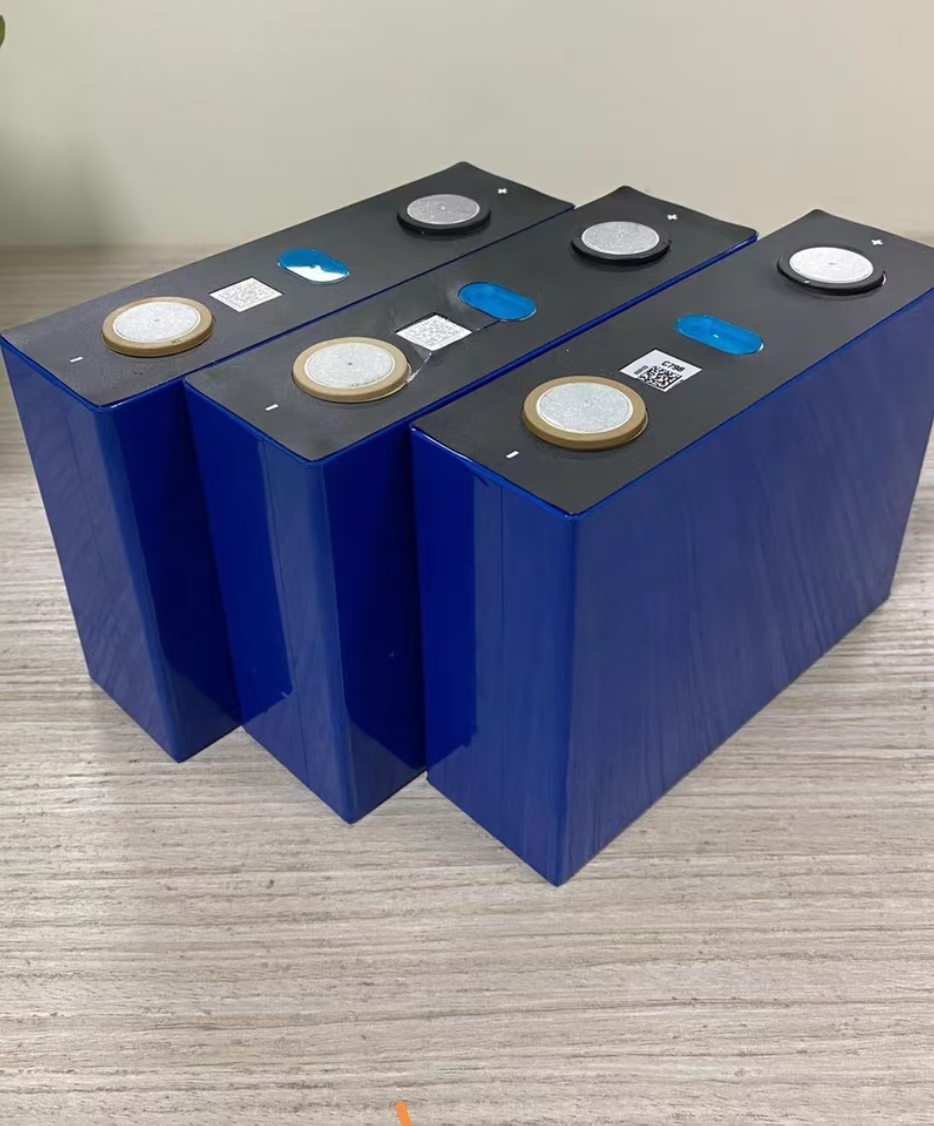
In solar street light systems, lithium batteries consist mainly of two parts: the battery cell and the protection circuit board (PCM, or BMS—Battery Management System in power applications).
- Battery Cell – The "heart" of the lithium battery, comprising:
- Cathode material
- Anode material
- Electrolyte
- Separator
- Shell or casing
In solar street lights, the energy density and charge/discharge efficiency of the cell directly impact lighting duration and system reliability. - Protection Circuit (PCM/BMS) – The "brain" of the battery, responsible for safety and control:
- Protection or management IC
- MOSFETs
- Resistors and capacitors
- PCB board
In solar LED street lights, the BMS ensures safe operation under high temperature, overcharge, or deep discharge conditions.
2. Advantages and Disadvantages of Lithium Batteries
✅ Key Advantages
- High voltage platform (typically 3.2V to 3.7V)
- High energy density – Compact and lightweight, ideal for solar light housings
- Long cycle life – Often lasts 5–8 years in solar lighting applications
- Environmentally friendly – No heavy metal pollution, aligned with the green energy principles of solar lighting
❌ Limitations
- Higher cost (though still cost-effective for solar applications)
- Narrower optimal working temperature range (0~45°C recommended)
- Requires protection circuitry for safety in outdoor environments
🔍 Comparison with Other Battery Types
|
Parameter |
Lead-Acid |
Ni-Cd |
Ni-MH |
Lithium (for Solar Street Lights) |
|
Nominal Voltage (V) |
2.0 |
1.2 |
1.2 |
3.2 / 3.6 / 3.7 |
|
Energy Density (Wh/kg) |
25–30 |
40–45 |
60–65 |
120–200 |
|
Operating Temp (°C) |
-40~70 |
-20~60 |
-20~45 |
0~45 |
|
Cycle Life (times) |
200–300 |
500 |
1000 |
500–1500 |
|
Battery Cost (RMB/Wh) |
0.6–1.0 |
2.0–2.6 |
2.5–3.8 |
2.0–3.5 |
|
Suitability for Solar Lights |
Low cost but short life |
Rarely used |
Optional |
Preferred for performance and lifespan |
3. Classification of Lithium Batteries (for Solar Street Light Use)
Lithium batteries are classified by multiple factors, many of which are directly relevant to solar street light battery systems:
▶ By Rechargeability:
- Primary (non-rechargeable) – Not suitable for solar lighting
- Secondary (rechargeable) – Widely used in solar street lights and energy storage systems
▶ By Shape:
- Prismatic batteries – Used in slim or compact solar light designs
- Cylindrical batteries (e.g., 18650) – Common in modular solar street lighting setups
▶ By Casing Material:
- Aluminum-shell – Durable for outdoor solar applications
- Soft-pack (polymer) – Lightweight, used in portable or garden solar lights
▶ By Cathode Chemistry:
- Lithium Iron Phosphate (LiFePO₄) –
The most common in solar street light lithium battery systems, known for high safety, long life, and heat resistance - Ternary lithium (NCM/NCA) – Higher energy density, suitable for long-hour lighting demands
▶ By Electrolyte Type:
- Lithium-ion batteries (LIB) – Standard in most solar lighting products
- Lithium-polymer batteries (PLB) – Ideal for ultra-thin designs
▶ By Application:
- Consumer electronics
- Power batteries – e.g., solar street lights, solar surveillance, and hybrid lighting systems
▶ By Performance Feature:
- High capacity – For extended nighttime lighting hours
- High temperature / Low temperature variants – For extreme environments (desert, alpine regions)
- High rate discharge – Suitable for smart solar lights with sensors or motion-triggered LEDs
-

Have more questions about our products or services?
The latest hot news you might like

Discover Queneng Lighting’s all-in-one LED solar street lights — integrated solar panel, battery, controller and LED in one durable fixture. Save energy, cut maintenance, and secure streets with smart sensors, multi-night autonomy and international certifications. Contact sales for quotes and support.

Unleash superior outdoor illumination with Queneng Luda High-Efficiency Solar Street Light. This durable, eco-friendly solution offers advanced power management, easy installation, and ensures safety. Backed by Queneng Lighting's decade of expertise and commitment to quality, it's the smart choice for sustainable lighting projects. Learn why we're a leading solar solutions provider.

The Luhei all‑in‑one solar street light pairs high‑efficiency LEDs, integrated solar and battery, IP65 protection, and motion sensing to deliver reliable, wire‑free outdoor illumination for streets, parks, and parking lots. Backed by Queneng Lighting’s certifications and support.

FAQ
Solar Street Light Luqing
How does the solar street light work?
The solar street light operates by converting sunlight into electricity through its built-in solar panels. The energy is stored in an integrated battery, which powers the LED light at night, providing reliable illumination without relying on external electricity sources.
Solar Street Light Luhao
Is the Luhao solar street light weatherproof?
Yes, the Luhao solar street light is designed to withstand all weather conditions. It is made with durable, weather-resistant materials that can handle rain, snow, heat, and cold, ensuring reliable performance year-round.
Battery and Analysis
What is over-discharge and what effect does it have on battery performance?
Solar Street Light Lufeng
Can Lufeng solar street lights operate during the winter?
Yes, Lufeng solar street lights are designed to operate year-round, including during the winter. They are equipped with high-efficiency solar panels that continue to collect solar energy even in cold or overcast conditions. The lights are also built to withstand freezing temperatures and provide reliable illumination in all seasons.
Solar Street Light Lulin
How durable are Lulin solar street lights?
Lulin solar street lights are built to last. They are constructed using corrosion-resistant aluminum and high-strength tempered glass, making them durable enough to withstand harsh weather conditions, including rain, snow, and extreme temperatures. The lights are also designed to resist UV rays, dust, and other environmental factors, offering a long service life in both urban and rural settings.
Solar Street Light Luxian
What are the primary benefits of using Luxian solar street lights for outdoor lighting?
Luxian solar street lights offer several key benefits, including energy savings, environmental friendliness, and independence from the electrical grid. They use solar energy to power LED lights, reducing electricity costs while providing reliable, high-quality lighting for outdoor spaces. The durable construction and low maintenance needs make them ideal for long-term use in various outdoor environments.
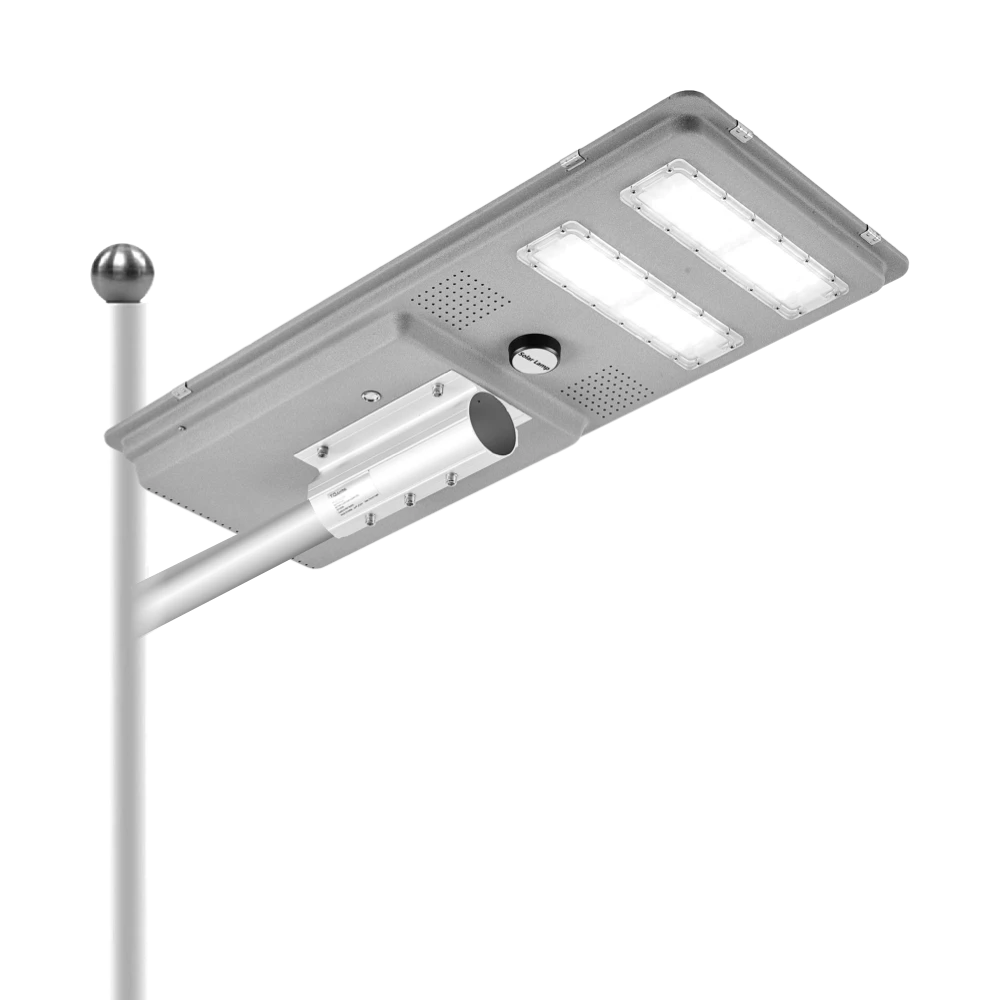
Queneng’s Solar Street Lights are designed to provide reliable, energy-efficient lighting for streets, parks, and other outdoor spaces.
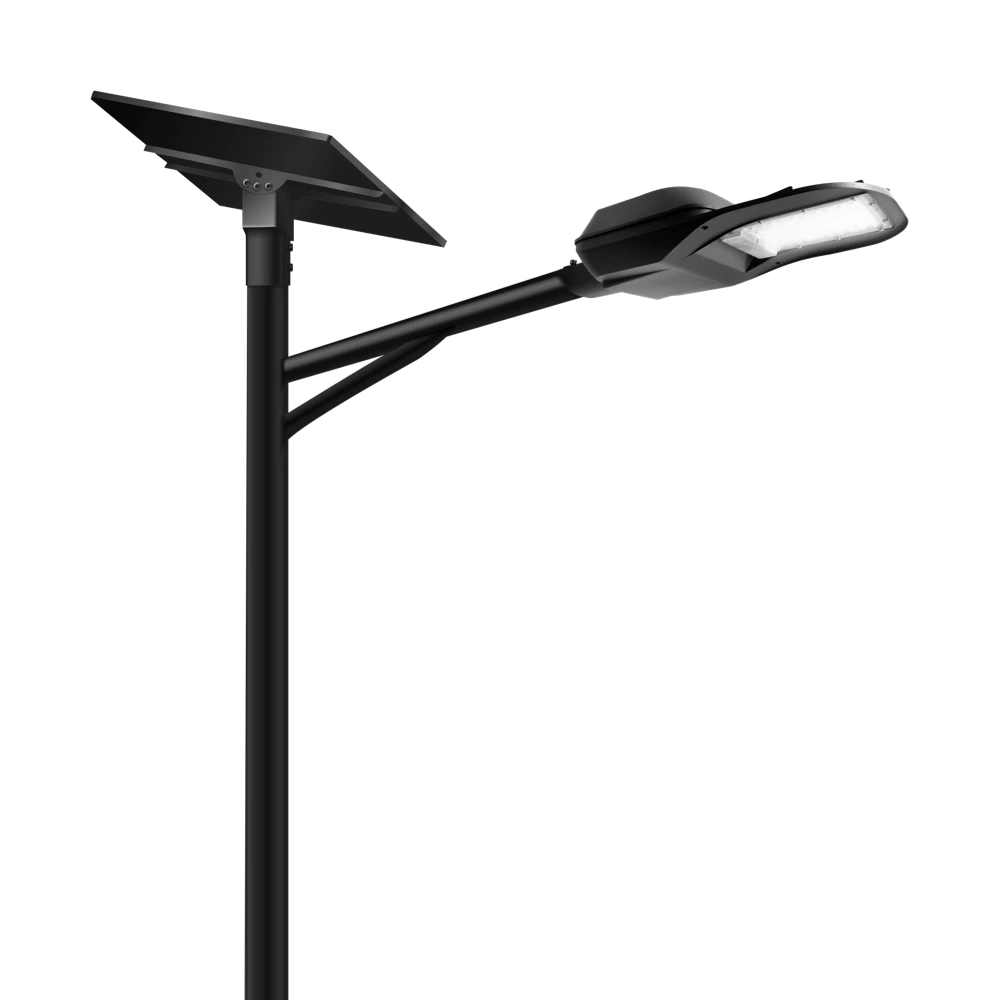
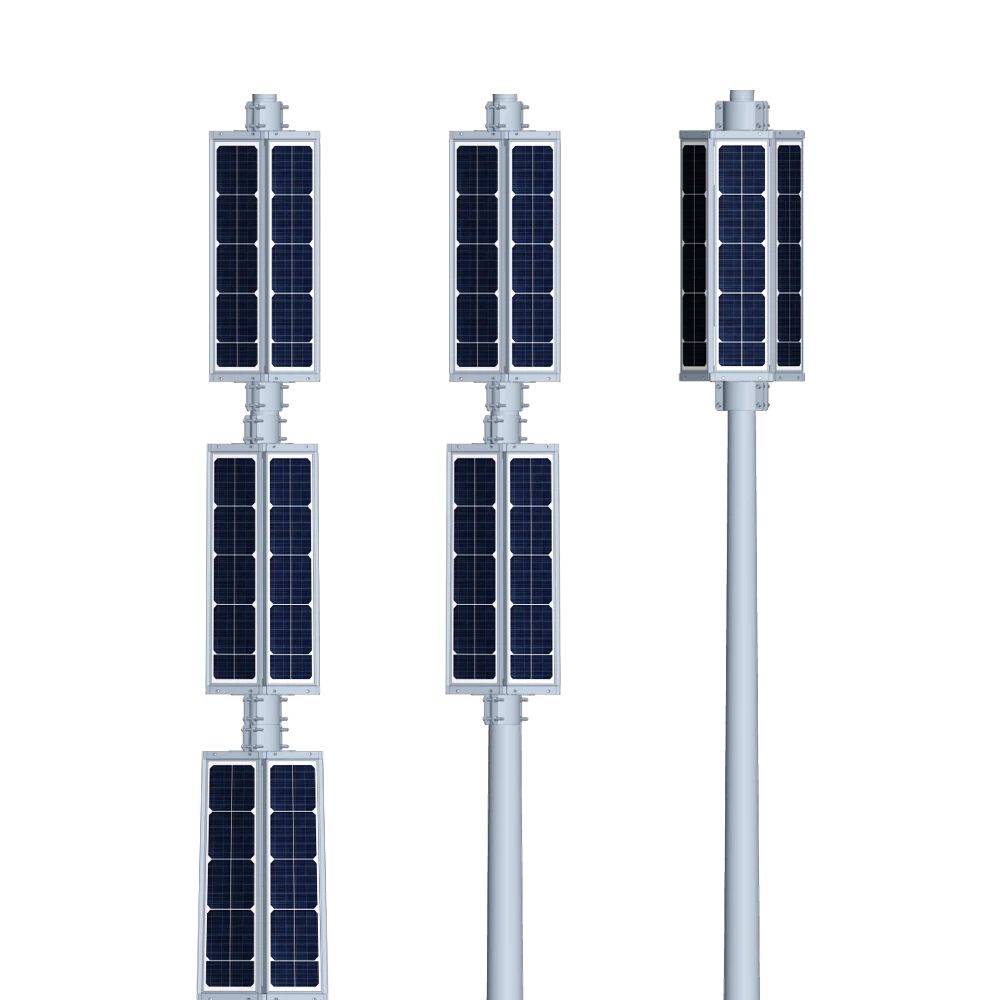
Queneng's Luzhou Solar Street Light provides sustainable, energy-efficient outdoor LED lighting. Powered by solar energy, it's a cost-effective and eco-friendly solution for illuminating streets and pathways. A reliable and durable LED solar street light.
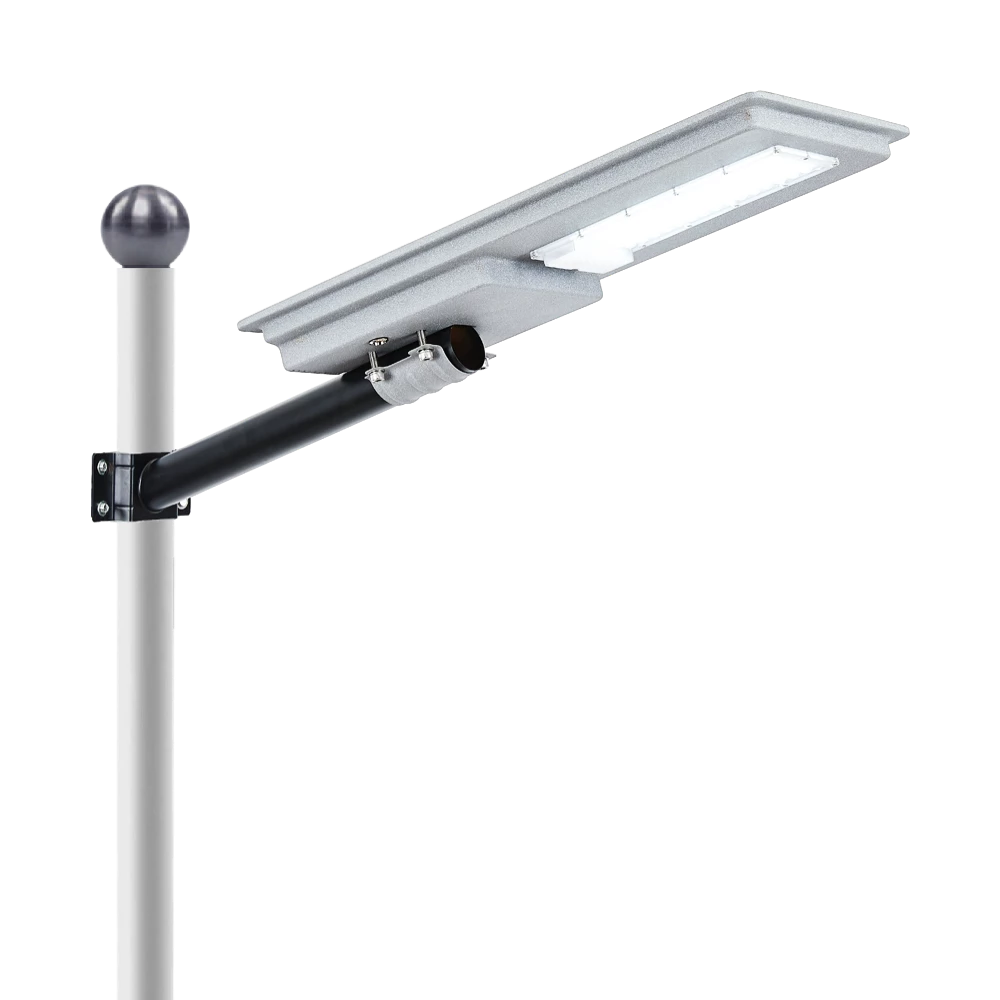
Introducing the Luda Solar Street Light by Queneng: the ultimate in outdoor lighting. This durable, eco-friendly solar street light offers high efficiency and sustainability. Perfect for illuminating streets, pathways and public spaces, it harnesses solar power to reduce energy costs and environmental impact.
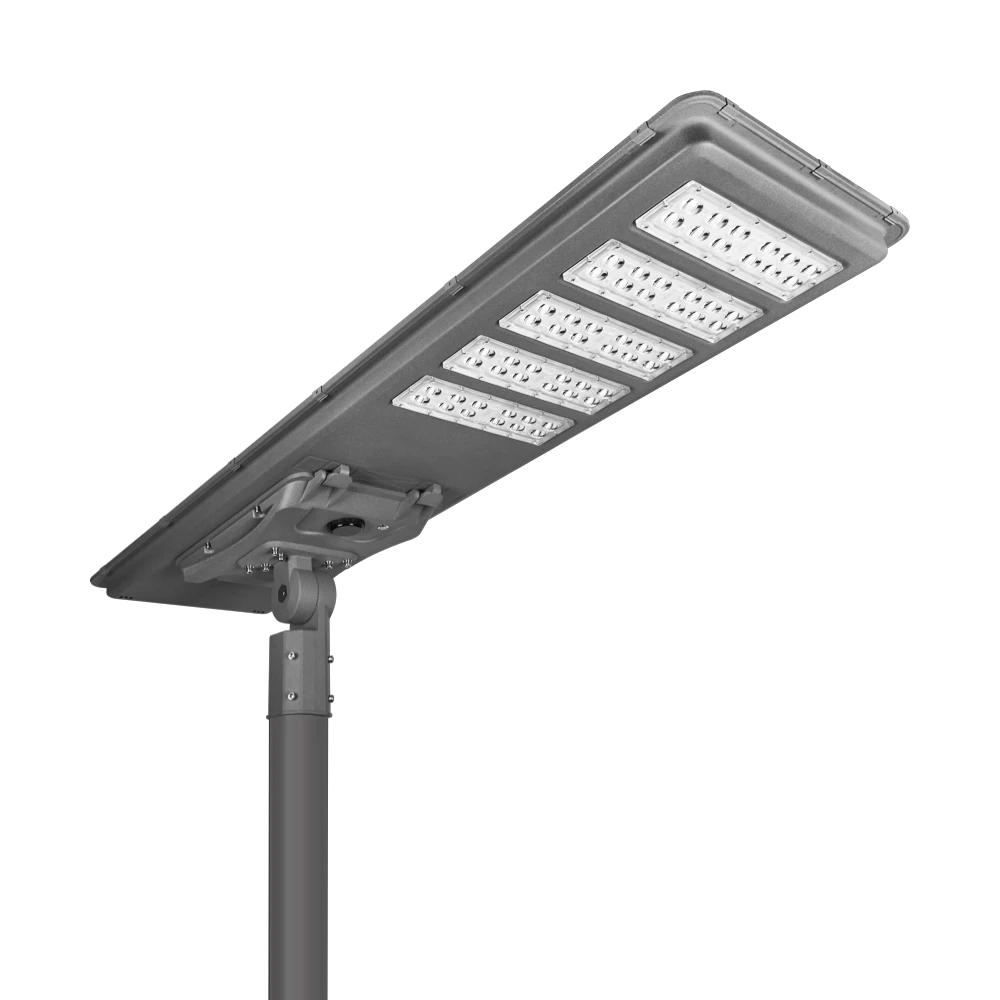
Discover the Lulin High-Performance Solar Street Light by Queneng, a durable and energy-saving outdoor lighting solution. Designed for efficiency and reliability, it harnesses solar power to sustainably illuminate streets and pathways. Optimize your outdoor spaces today with Queneng's innovative solar street lighting technology.
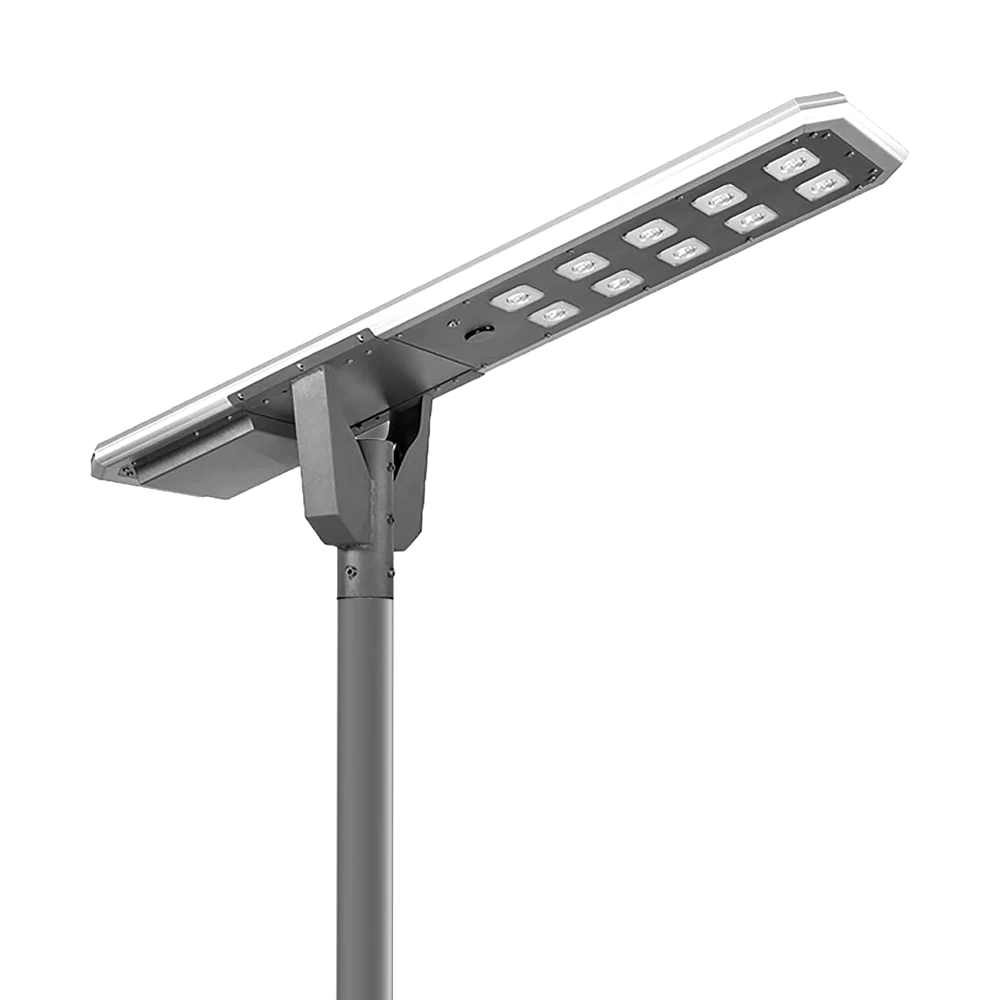
Illuminate your outdoor spaces with the Solar Street Light, a cutting-edge solution combining advanced solar technology and energy-saving LED lighting.
If you would like more information about Queneng solar lighting solutions, please send us a message by filling out the form below. Our professional team will get back to you within 24 hours!
Rest assured that your privacy is important to us, and all information provided will be handled with the utmost confidentiality.
Schedule a Meeting
Book a date and time that is convenient for you and conduct the session in advance.
Have more questions about our products or services?
The messenger of light & power conversion
Environmental protection and intelligent manufacturing are our brand philosophy, and quality assurance and the best user experience are our eternal promises to users.
CONTACT
No.9F, Building F, Cao San Xin Tian Hong Logistics Park, Guzhen Town, Zhongshan City, Guangdong Province, China.
or write [email protected]
WhatsApp: +86 136 2270 1011


