













Ingress protection (IP65/IP67) analysis in city solar streetlights in the Philippines | Insights by Quenenglighting
Understanding IP65 and IP67 for City Solar Streetlights in the Philippines
In a tropical archipelago like the Philippines, where the climate is characterized by high temperatures, significant humidity, and an average of 20 typhoons per year, the resilience of outdoor infrastructure is paramount. For city solar streetlights, this resilience is largely determined by their Ingress Protection (IP) rating, a standard defined by the International Electrotechnical Commission (IEC 60529). This rating indicates how well an electrical enclosure protects its contents against solids (like dust) and liquids (like water).
Let's break down what IP65 and IP67 specifically mean:
- First Digit (6): This digit indicates protection against solid objects. A '6' signifies that the enclosure is "dust-tight." This means no ingress of dust; complete protection against contact. In the often dusty urban and rural environments of the Philippines, this is crucial for preventing fine particles from affecting sensitive electronics.
- Second Digit (5): For IP65, this digit indicates protection against liquids. A '5' means the equipment is protected against "water jets" projected by a nozzle from any direction. This level of protection is sufficient for heavy rainfall, regular washing, and most everyday weather conditions, effectively preventing water from entering the enclosure in typical downpours.
- Second Digit (7): For IP67, this digit offers a higher level of liquid protection. A '7' means the equipment is protected against the effects of "temporary immersion in water" up to 1 meter for 30 minutes. This is a critical feature for areas prone to flooding or where streetlights might be temporarily submerged during extreme weather events, providing a robust shield against water ingress even under challenging conditions.
Why is a High IP Rating Crucial for Solar Streetlights in the Philippines' Climate?
The Philippines' unique geographical and climatic conditions make robust ingress protection an absolute necessity for solar streetlights:
- Torrential Rains and Typhoons: The country experiences frequent and often intense rainfall, especially during monsoon and typhoon seasons (June to November). Typhoons can bring rainfall exceeding 200mm in 24 hours. Without adequate IP protection, water ingress can lead to short circuits, component corrosion, and complete system failure.
- High Humidity and Salt Spray: The tropical maritime climate results in consistently high humidity, typically averaging 70-85% annually. In coastal areas, salt spray from the sea can accelerate corrosion if sensitive components are not hermetically sealed. A high IP rating prevents moisture and corrosive elements from reaching the internal electronics.
- Dust and Urban Pollution: While water is a primary concern, dust and air pollution in bustling cities like Metro Manila can also pose a significant threat. Dust accumulation inside enclosures can lead to overheating, interfere with electrical contacts, and reduce the efficiency of heat dissipation from LED modules.
- Reduced Maintenance & Increased Reliability: Investing in higher IP-rated streetlights means fewer failures due to environmental factors. This translates directly to reduced maintenance costs, less downtime, and greater reliability of public lighting infrastructure, which is vital for safety and urban development.
IP65 vs. IP67: Choosing the Right Protection for Your Philippine Solar Streetlight Project
Deciding between IP65 and IP67 depends largely on the specific environmental challenges of the deployment location:
- IP65: The Workhorse for General Conditions. IP65 solar streetlights are an excellent choice for most urban and rural applications across the Philippines where heavy rain and dust are prevalent, but significant, prolonged flooding is not a routine concern. They offer a cost-effective balance of protection for main roads, parks, residential areas, and commercial premises not directly on flood plains. Their protection against powerful water jets makes them suitable for surviving intense tropical downpours.
- IP67: For Extreme Resilience. IP67 solar streetlights are recommended for critical infrastructure or areas highly susceptible to flooding, storm surges, or temporary submersion. This includes low-lying areas, waterfront promenades, bridges, or any location historically prone to deep water accumulation during typhoons. While potentially a slightly higher upfront investment, the enhanced protection against immersion significantly reduces the risk of failure in the most challenging conditions, ensuring continuous operation when it's needed most.
Project managers should conduct a thorough site assessment, considering historical flood data and proximity to coastal areas, to make an informed decision.
How IP Protection Impacts the Lifespan and Maintenance of Solar Streetlights
The IP rating of a solar streetlight is a direct indicator of its potential lifespan and long-term maintenance requirements:
- Extended Lifespan: By effectively sealing out water, dust, and corrosive elements, a high IP rating ensures that sensitive electronic components – such as LED drivers, batteries, and charge controllers – operate within their optimal environmental conditions. This significantly prevents premature degradation, corrosion, and short-circuiting, allowing components like LED modules to achieve their designed lifespan, often exceeding 10-15 years, and batteries 5-7 years, with proper management.
- Reduced Maintenance Costs: Fewer environmental failures mean fewer service calls for repairs or replacements. This dramatically lowers operational expenditures over the system's lifetime. Maintenance efforts can then focus on routine checks rather than emergency repairs caused by water damage or dust accumulation. For municipalities, this translates to substantial savings in labor, parts, and downtime.
- Consistent Performance: A well-protected streetlight maintains its photometric performance (light output) and energy efficiency (battery charging) over time. Components are less likely to be compromised, ensuring consistent illumination levels and reliable operation, even during prolonged periods of adverse weather.
Key Components Benefiting Most from Robust IP Protection in Solar Streetlights
While the entire streetlight benefits, certain components are particularly vulnerable and gain the most from superior ingress protection:
- LED Module and Driver: The light source itself and its power supply are highly sensitive. Water or dust ingress can cause immediate failure of the driver, or gradual degradation of the LED chips and their heat sinks, leading to reduced light output, flickering, or complete failure. The housing around the LED array is often the most critical area for IP sealing.
- Battery Enclosure: Solar streetlight batteries (typically LiFePO4 or Lithium-ion) are sensitive to moisture and can experience reduced performance or catastrophic failure (e.g., short-circuiting, fire risk) if exposed to water. A robustly sealed, IP-rated battery enclosure protects against water ingress, rust on terminals, and helps maintain a stable internal temperature for optimal battery health.
- Solar Charge Controller: This is the 'brain' of the solar streetlight, managing the power flow between the solar panel, battery, and LED fixture. It's an electronic circuit board highly susceptible to water and dust, which can cause malfunctions or complete system shutdown if compromised.
- Wiring and Connectors: All electrical connections, cable glands, and wiring junctions must be IP-rated to prevent water from wicking into the system. Even a small breach here can compromise the integrity of the entire system.
- Overall Housing and Junction Boxes: The primary physical barrier. Its structural integrity and the quality of its seals (gaskets, O-rings) are fundamental to achieving and maintaining the specified IP rating for all internal components.
Conclusion: Quenenglighting's Advantage in the Philippine Market
For sustainable and reliable urban lighting in the challenging Philippine environment, choosing solar streetlights with superior Ingress Protection is not just an option, but a necessity. Brands like Quenenglighting understand these critical requirements, designing and manufacturing solar streetlights that meet stringent IP65 and IP67 standards. Their commitment to high IP ratings ensures that their products can withstand the Philippines' torrential rains, high humidity, typhoons, and dust, safeguarding sensitive components and guaranteeing long-term performance.
By leveraging advanced sealing technologies and robust construction, Quenenglighting offers solutions that minimize maintenance, extend operational lifespan, and reduce the total cost of ownership for city planners and developers. Investing in Quenenglighting's high IP-rated solar streetlights means investing in durability, reliability, and peace of mind, providing consistent illumination and contributing to safer, more sustainable cities across the Philippines.

Have more questions about our products or services?
The latest hot news you might like

Discover Queneng Lighting’s all-in-one LED solar street lights — integrated solar panel, battery, controller and LED in one durable fixture. Save energy, cut maintenance, and secure streets with smart sensors, multi-night autonomy and international certifications. Contact sales for quotes and support.

Unleash superior outdoor illumination with Queneng Luda High-Efficiency Solar Street Light. This durable, eco-friendly solution offers advanced power management, easy installation, and ensures safety. Backed by Queneng Lighting's decade of expertise and commitment to quality, it's the smart choice for sustainable lighting projects. Learn why we're a leading solar solutions provider.

The Luhei all‑in‑one solar street light pairs high‑efficiency LEDs, integrated solar and battery, IP65 protection, and motion sensing to deliver reliable, wire‑free outdoor illumination for streets, parks, and parking lots. Backed by Queneng Lighting’s certifications and support.

FAQ
Commercial and Industrial Parks
How do solar lights improve security in industrial parks?
Solar lights provide consistent and bright lighting, deterring unauthorized access and improving surveillance.
Battery Performance and Testing
What is a temperature rise experiment?
What is a temperature cycling experiment?
1) The battery is changed from normal temperature to 66±3℃ and 15±5% for 1 hour.
2) Place it for 1 hour at a temperature of 33±3℃ and a humidity of 90±5℃.
3) Change the condition to -40±3℃ and leave it for 1 hour
4) Leave the battery at 25℃ for 0.5 hours
These 4 steps complete a cycle. After these 27 cycle experiments, the battery should have no leakage, alkali creep, rust or other abnormal conditions.
Schools and Educational Institutions
Do solar lights work year-round, even during winter?
Yes, solar lights can work year-round, even in winter. However, in areas with heavy snow, it’s important to ensure the solar panels are clear of snow for optimal performance.
Solar Street Light Lufei
How long does it take to install a solar street light?
Installation typically takes 1-2 hours, depending on the complexity of the setup. No external wiring is required, which makes installation faster and simpler compared to traditional street lighting.
Remote Areas Rural Development
How do solar streetlights perform in regions with extreme climates, such as deserts or snowy areas?
Advanced materials and designs make them suitable for extreme conditions, including high heat, freezing temperatures, and heavy snow.
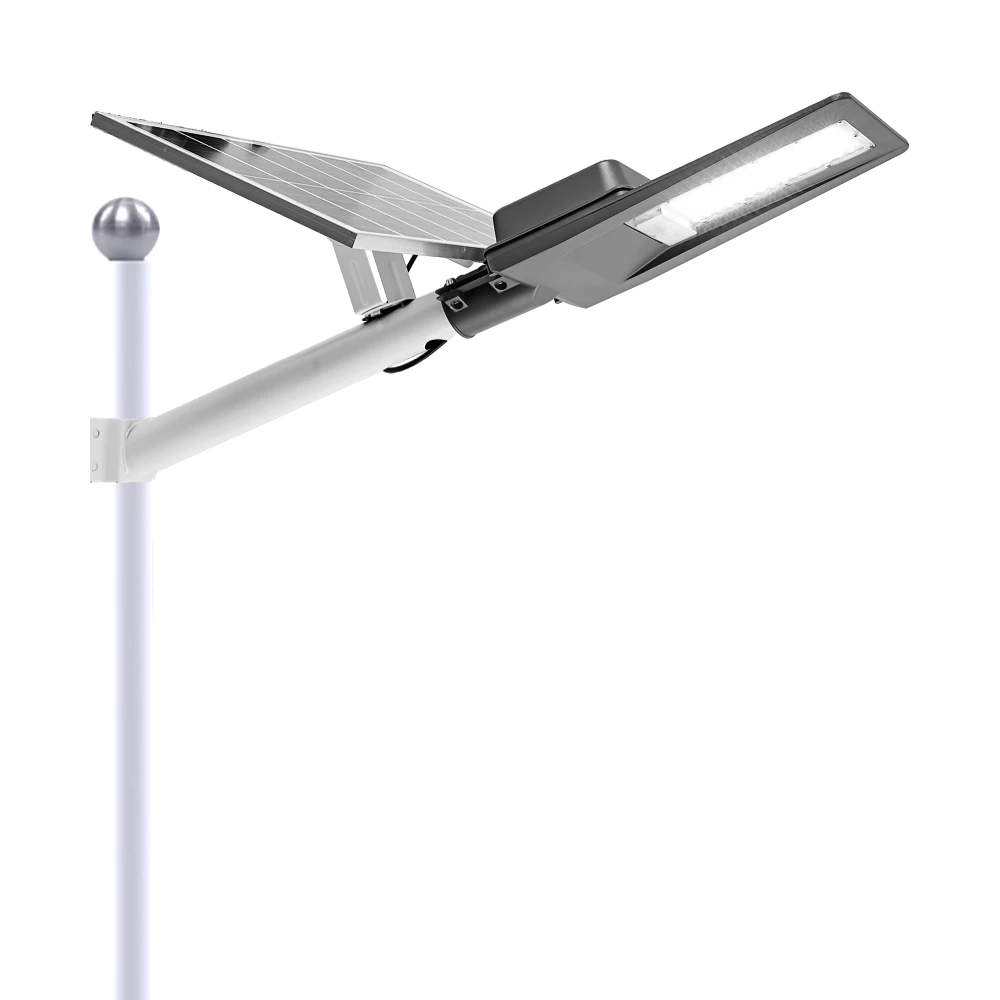
Experience reliable outdoor illumination with our smart solar street light, a perfect combination of advanced technology and eco-conscious design.
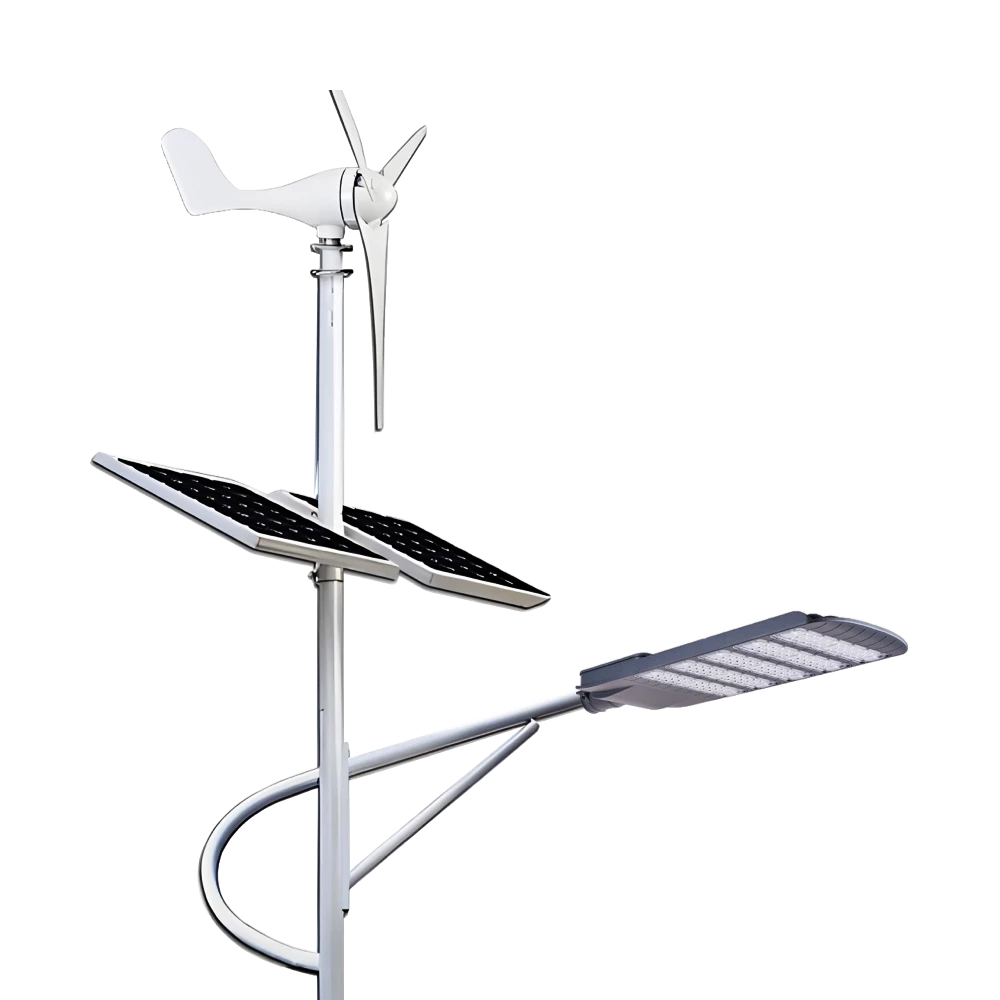
Queneng Lufeng Wind Energy LED Outdoor Solar Street Lights offer high-performance, eco-friendly illumination. These energy-efficient LED street lights harness solar power and wind energy for sustainable, cost-effective outdoor lighting solutions.
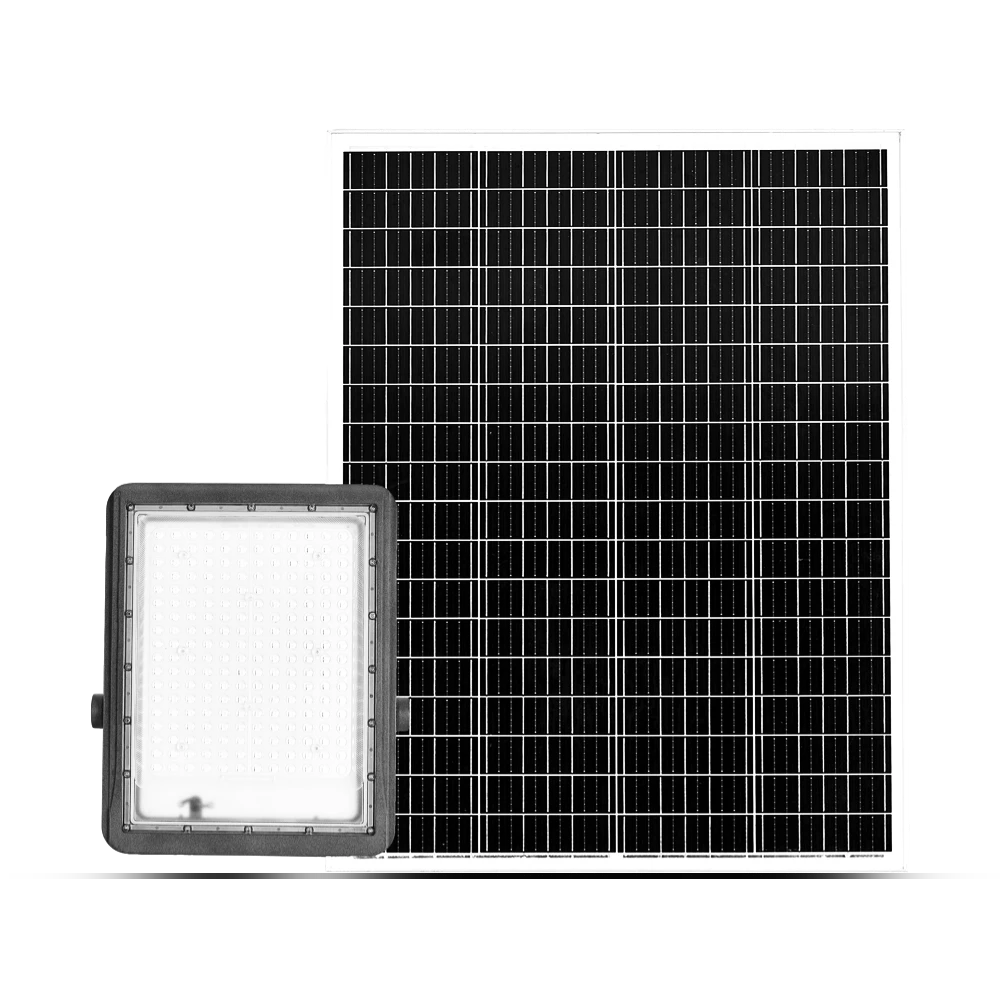
Queneng's Luxian Reliable Solar Street Light offers energy-saving LED lighting for outdoor use. This durable, solar-powered street light provides reliable illumination, reducing energy costs and environmental impact. A perfect solution for sustainable outdoor lighting.
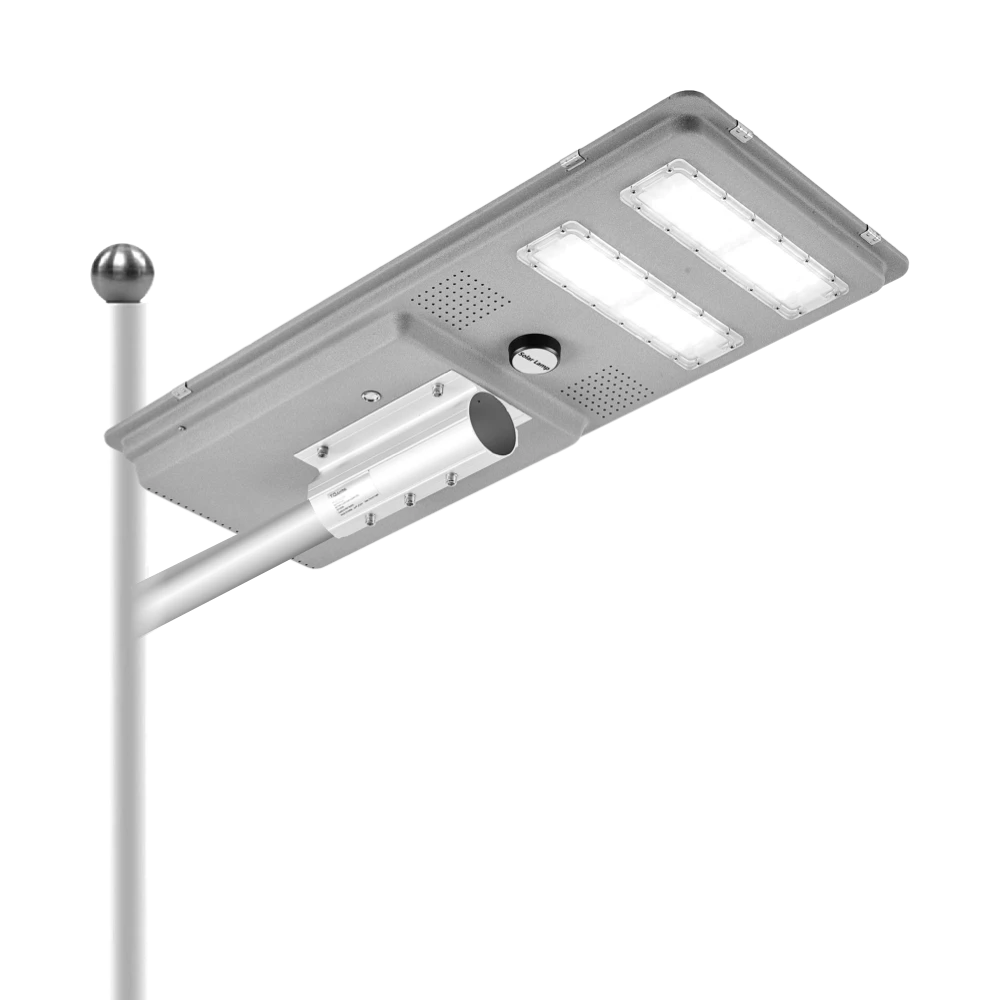
Queneng’s Solar Street Lights are designed to provide reliable, energy-efficient lighting for streets, parks, and other outdoor spaces.
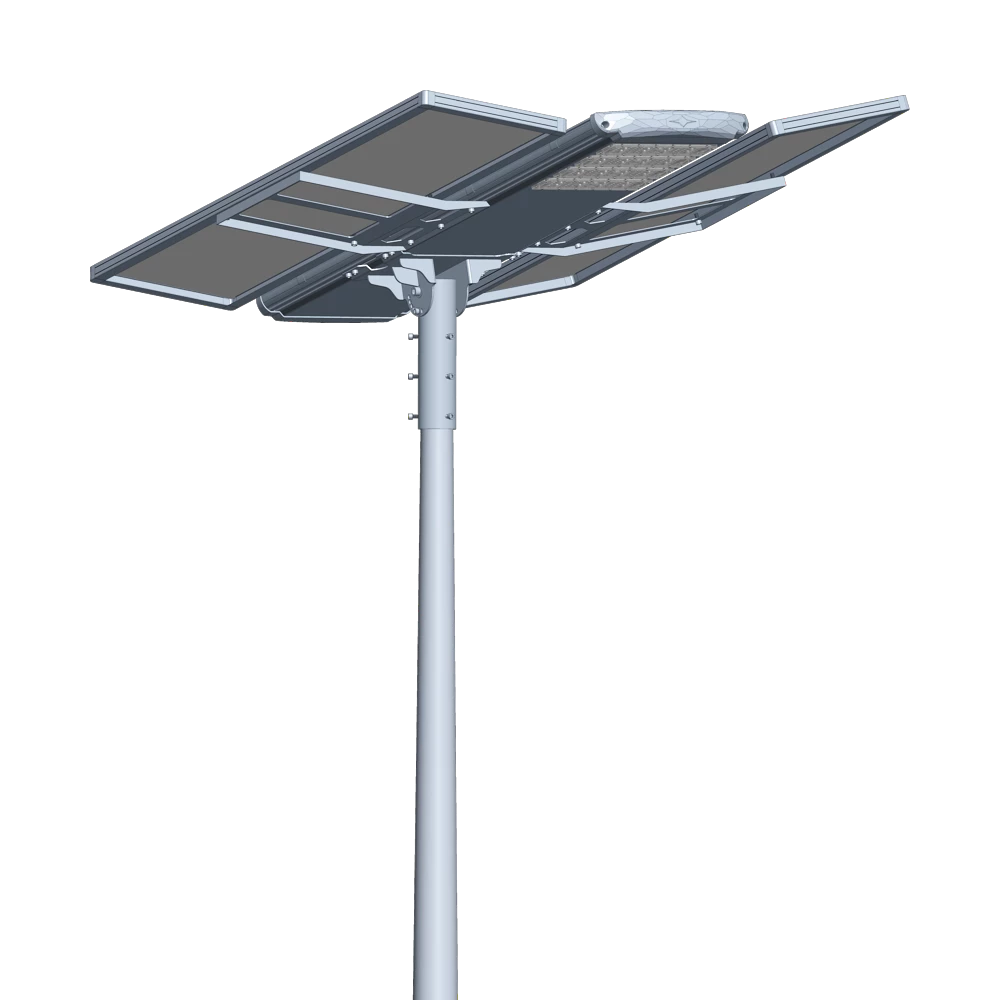
Introducing the Luqing Solar Street Light by Queneng, Efficient LED lighting powered by solar energy is perfect for illuminating outdoor areas. Harness the power of solar energy for sustainable, reliable street lighting. Ideal for eco-friendly, cost-effective outdoor illumination solutions.
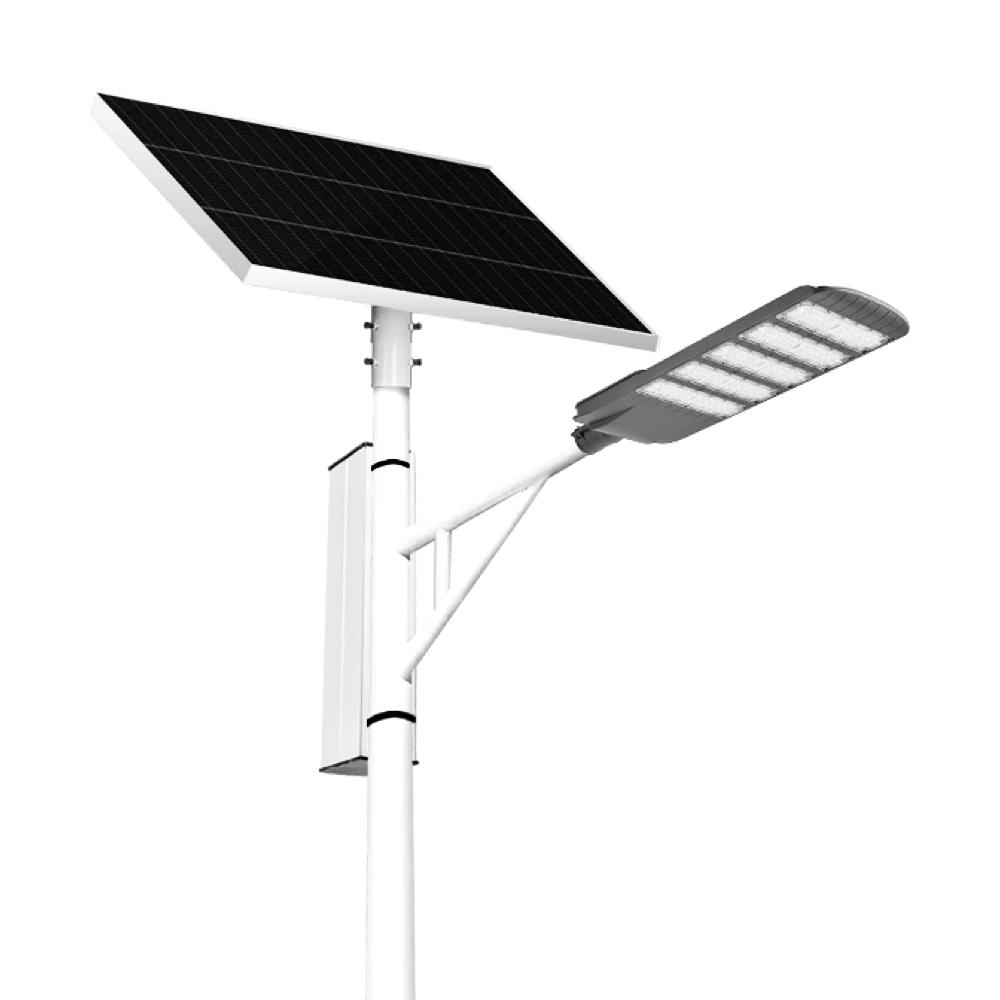
The Solar Streetlights of Luhao for Municipalities are designed to deliver reliable, energy-efficient, and cost-effective public lighting solutions. Equipped with advanced LED technology, durable lithium batteries, and high-efficiency solar panels, these streetlights provide consistent illumination for roads, parks, residential areas, and government projects.
If you would like more information about Queneng solar lighting solutions, please send us a message by filling out the form below. Our professional team will get back to you within 24 hours!
Rest assured that your privacy is important to us, and all information provided will be handled with the utmost confidentiality.
Schedule a Meeting
Book a date and time that is convenient for you and conduct the session in advance.
Have more questions about our products or services?
The messenger of light & power conversion
Environmental protection and intelligent manufacturing are our brand philosophy, and quality assurance and the best user experience are our eternal promises to users.
CONTACT
No.9F, Building F, Cao San Xin Tian Hong Logistics Park, Guzhen Town, Zhongshan City, Guangdong Province, China.
or write [email protected]
WhatsApp: +86 136 2270 1011


