














Iran engineer’s guide to solar-powered municipal projects | Insights by Quenenglighting
Key Considerations for Designing Solar-Powered Municipal Lighting Projects in Iran
Iran, with its abundant solar irradiation, presents an ideal landscape for solar-powered municipal projects, particularly for lighting. Engineers and procurement teams embarking on such ventures must consider several critical factors to ensure efficiency, longevity, and cost-effectiveness.
Firstly, precise system sizing is paramount. Iran boasts an average daily solar radiation of 4.5-5.5 kWh/m²/day, with some regions reaching up to 6-7 kWh/m²/day. Leveraging this high insolation requires accurate calculation of the solar panel array size, battery capacity, and LED luminaire wattage based on specific light intensity (lux levels), coverage areas, and operational hours. Furthermore, environmental resilience is crucial. Designs must account for Iran’s varied climate, including extreme temperatures (hot summers, cold winters in some areas), and importantly, frequent dust storms and sand accumulation. This necessitates robust enclosures (e.g., IP65/IP66 rated), materials resistant to corrosion, and consideration for panel cleaning or self-cleaning technologies. Finally, determining the required autonomy (backup days, typically 3-5 days) for continuous operation during cloudy periods or adverse weather is essential for uninterrupted public services. Adhering to local electrical codes and urban planning requirements is also a non-negotiable step in the design phase.
What are the Typical ROI and Cost-Effectiveness of Solar Lighting Solutions for Iranian Municipalities?
The return on investment (ROI) and cost-effectiveness of solar lighting for Iranian municipalities are compelling, especially when considering the long-term benefits beyond initial capital outlay. While the upfront investment for a high-quality solar lighting system can be 1.5 to 3 times higher than traditional grid-tied alternatives, the Lifecycle Cost (LCC) is significantly lower.
The primary driver of cost-effectiveness is the elimination of electricity bills and the substantial reduction in operational expenses. For remote areas or new developments where grid extension costs are prohibitive, solar lighting offers immense savings on infrastructure development and ongoing utility charges. Depending on the local electricity tariffs (which can be subsidized but still represent an ongoing cost), and avoided grid connection fees, the typical payback period for a well-designed solar lighting project in Iran can range from 3 to 7 years. Post-payback, municipalities benefit from virtually free lighting for the remainder of the system's operational life, which for quality components can exceed 15-20 years. Furthermore, the low maintenance requirements—primarily periodic panel cleaning and occasional battery checks—contribute to reduced operational expenditure. Beyond financial metrics, the environmental benefits of reduced carbon emissions and improved urban air quality offer intangible yet significant value, aligning with national and global sustainability goals.
What are the Most Suitable Solar Lighting Technologies and Components for Iran's Climate and Infrastructure?
Selecting the right technologies and components is vital for ensuring the reliability and performance of solar lighting systems in Iran's specific climate and infrastructure conditions.
- Solar Panels: High-efficiency monocrystalline solar panels (e.g., 20%+ efficiency) are recommended. They offer better power generation in limited space and perform well in low-light conditions. Coatings that resist dust accumulation can also extend efficiency between cleanings.
- Batteries: Lithium Iron Phosphate (LiFePO4) batteries are the superior choice. They offer a long cycle life (typically 2,000 to 5,000 cycles at 80% Depth of Discharge), excellent thermal stability across a wide temperature range, and are safer than other lithium-ion chemistries. This makes them ideal for Iran's significant temperature fluctuations.
- Charge Controllers: Maximum Power Point Tracking (MPPT) charge controllers are essential. They optimize the power harvest from solar panels by 15-30% compared to older Pulse Width Modulation (PWM) controllers, especially under varying sunlight conditions, ensuring maximum energy storage.
- LED Luminaires: High-lumen-per-watt LEDs (e.g., 150-180 lm/W) with appropriate optical lenses are critical for uniform light distribution and energy efficiency. An IP65 or IP66 rating is mandatory for protection against dust and water ingress.
- Poles and Fixtures: Robust, anti-corrosive materials such as hot-dip galvanized steel or aluminum alloy are necessary for structural integrity and longevity. Designs should account for high wind loads. Integrated (all-in-one) or split-system designs can be chosen based on site requirements and ease of installation/maintenance.
- Smart Controls: Incorporating features like dimming schedules, motion sensors, and remote monitoring capabilities can significantly enhance energy efficiency, extend battery life, and facilitate proactive maintenance.
How Can Iranian Municipalities Overcome Common Challenges in Implementing and Maintaining Solar Lighting Projects?
Implementing and maintaining solar lighting projects in Iran comes with specific challenges, but these can be effectively addressed with strategic planning and quality component selection.
- Dust Accumulation on Panels: This is a prevalent issue in many regions. Regular cleaning schedules for solar panels are crucial. Municipalities can explore manual cleaning teams or invest in panels with advanced self-cleaning or anti-dust hydrophobic coatings to minimize efficiency loss.
- Initial Capital Outlay: High upfront costs can be a barrier. Municipalities should explore various financing mechanisms, including public-private partnerships (PPPs) with Energy Service Companies (ESCOs), or seek out any available national grants or green financing options. Reputable suppliers often offer flexible payment terms.
- Component Sourcing and Quality: Ensuring a reliable supply chain for high-quality, certified components that can withstand local conditions is key. Partnering with experienced international manufacturers like Quenenglighting, who adhere to global standards, can mitigate risks associated with component failure and ensure long-term performance.
- Skilled Labor and Technical Expertise: Local capacity building is important. Investing in training programs for local technicians on installation, routine maintenance, and troubleshooting of solar lighting systems ensures sustainable operation. Choosing systems with intuitive designs and clear manuals also simplifies maintenance.
- Remote Monitoring and Maintenance: Implementing remote monitoring systems allows for real-time performance tracking, proactive fault detection, and optimization of system settings. This reduces the need for frequent site visits, especially in widespread municipal projects, saving time and resources.
Are There Specific Financing Options or Government Incentives Available for Solar Municipal Projects in Iran?
While direct, dedicated incentives specifically for municipal solar lighting can be dynamic due to economic and geopolitical factors, several avenues and general frameworks support renewable energy development in Iran.
- SATBA Initiatives: The Renewable Energy Organization of Iran (SATBA) is the primary governmental body responsible for promoting renewables. Historically, SATBA has implemented feed-in tariffs (FiTs) for larger renewable energy projects, which, while not directly for lighting, indicate governmental support for the sector and can influence market development. Municipalities should consult SATBA for any current or upcoming specific programs targeting urban sustainable infrastructure.
- Local Government Budgets: Many municipalities allocate budgets for urban development and infrastructure upgrades. With the growing global emphasis on sustainability, allocating a portion of these funds for energy-efficient solar lighting projects is becoming a priority.
- Public-Private Partnerships (PPPs): PPPs are a viable model where private companies finance, build, and operate solar lighting systems. The municipality then pays for the lighting service, often through energy savings or a performance-based contract, mitigating the upfront capital burden on the public sector.
- Energy Efficiency Loans/Green Bonds: Some domestic Iranian banks or financial institutions might offer specialized loans or financial products for energy-efficient or green projects. Enquiring directly with these institutions is advisable.
- International Green Funds (with caveats): While navigating international financing can be complex due to sanctions, global development banks or climate funds often have mandates to support sustainable projects in developing nations. Exploring these options, potentially through international partners, might be a long-term strategy.
Quenenglighting's Advantage in Iranian Municipal Solar Projects
For Iranian engineers and procurement specialists seeking reliable and high-performance solar lighting solutions, Quenenglighting stands out as a strategic partner. We leverage advanced technology, offering high-efficiency monocrystalline solar panels and long-life LiFePO4 batteries to ensure maximum reliability and extended operational cycles, perfectly suited for Iran's demanding climate. Our systems are engineered with robust IP65/IP66 ratings, providing superior protection against dust, water, and extreme temperatures, ensuring durability in harsh environmental conditions.
Furthermore, Quenenglighting integrates advanced MPPT charge controllers and smart control systems, guaranteeing optimal energy harvesting and intelligent power management. We offer customizable solutions, allowing municipalities to tailor lighting requirements, pole heights, and autonomy days to specific project needs. Backed by comprehensive warranties and global support, Quenenglighting delivers durable, low-maintenance solar lighting systems, making us an ideal choice for sustainable and cost-effective municipal infrastructure development in Iran and beyond.

Have more questions about our products or services?
The latest hot news you might like

Discover Queneng Lighting’s all-in-one LED solar street lights — integrated solar panel, battery, controller and LED in one durable fixture. Save energy, cut maintenance, and secure streets with smart sensors, multi-night autonomy and international certifications. Contact sales for quotes and support.

Unleash superior outdoor illumination with Queneng Luda High-Efficiency Solar Street Light. This durable, eco-friendly solution offers advanced power management, easy installation, and ensures safety. Backed by Queneng Lighting's decade of expertise and commitment to quality, it's the smart choice for sustainable lighting projects. Learn why we're a leading solar solutions provider.

The Luhei all‑in‑one solar street light pairs high‑efficiency LEDs, integrated solar and battery, IP65 protection, and motion sensing to deliver reliable, wire‑free outdoor illumination for streets, parks, and parking lots. Backed by Queneng Lighting’s certifications and support.

FAQ
Solar Street Light Luzhou
What is the brightness level of Luzhou solar street lights?
Luzhou solar street lights provide bright, high-quality illumination that is comparable to traditional street lighting. The LEDs used in these lights are designed to provide focused, powerful lighting that enhances visibility and safety in outdoor spaces.
Are Luzhou solar street lights suitable for urban and residential areas?
Yes, Luzhou solar street lights are versatile and suitable for both urban and residential settings. They can be installed along streets, pathways, parks, and other public spaces, providing reliable, energy-efficient lighting wherever it's needed.
Solar Street Light Luan
How are Luan solar street lights installed?
Luan solar street lights are designed for easy installation. They come with all necessary mounting hardware and can be set up without the need for electrical connections. Most installations take just a few hours and can be done with basic tools, making them a great solution for DIY projects.
All-in-one solar street lights
Are all-in-one solar street lights easy to maintain?
Yes, integrated design simplifies inspection and replacement.
Battery fundamentals and basic terms
What is the electrochemistry of NiMH batteries?
Nickel-metal hydride batteries use Ni oxide as the positive electrode, hydrogen storage metal as the negative electrode, and alkaline solution (mainly KOH) as the electrolyte, when charging nickel-metal hydride batteries:
Positive reaction: Ni(OH)2 + OH- → NiOOH + H2O-e-
Negative reaction: M+H2O +e-→ MH+ OH-
Nickel-metal hydride battery discharge:
Positive pole reaction: NiOOH + H2O + e- → Ni(OH)2 + OH-
Negative reaction: MH+OH- → M+H2O+e-
Solar Street Light Chuanqi
What makes Chuanqi solar street lights energy-efficient?
Chuanqi solar street lights are equipped with high-efficiency solar panels that maximize energy collection even in less-than-ideal weather conditions. They also use low-energy-consuming LED lights that provide bright illumination without excessive power consumption. Additionally, the lights feature automatic on/off functionality, ensuring they only use energy when needed.
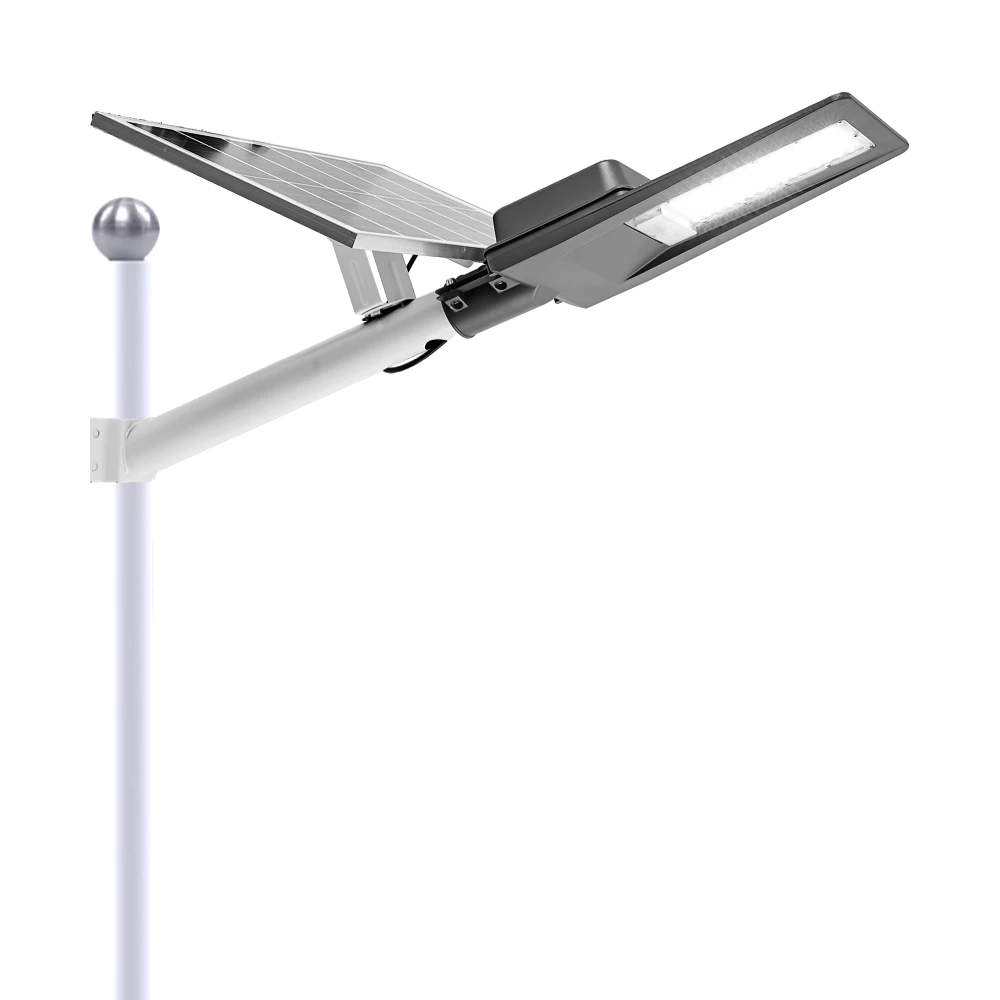
Experience reliable outdoor illumination with our smart solar street light, a perfect combination of advanced technology and eco-conscious design.
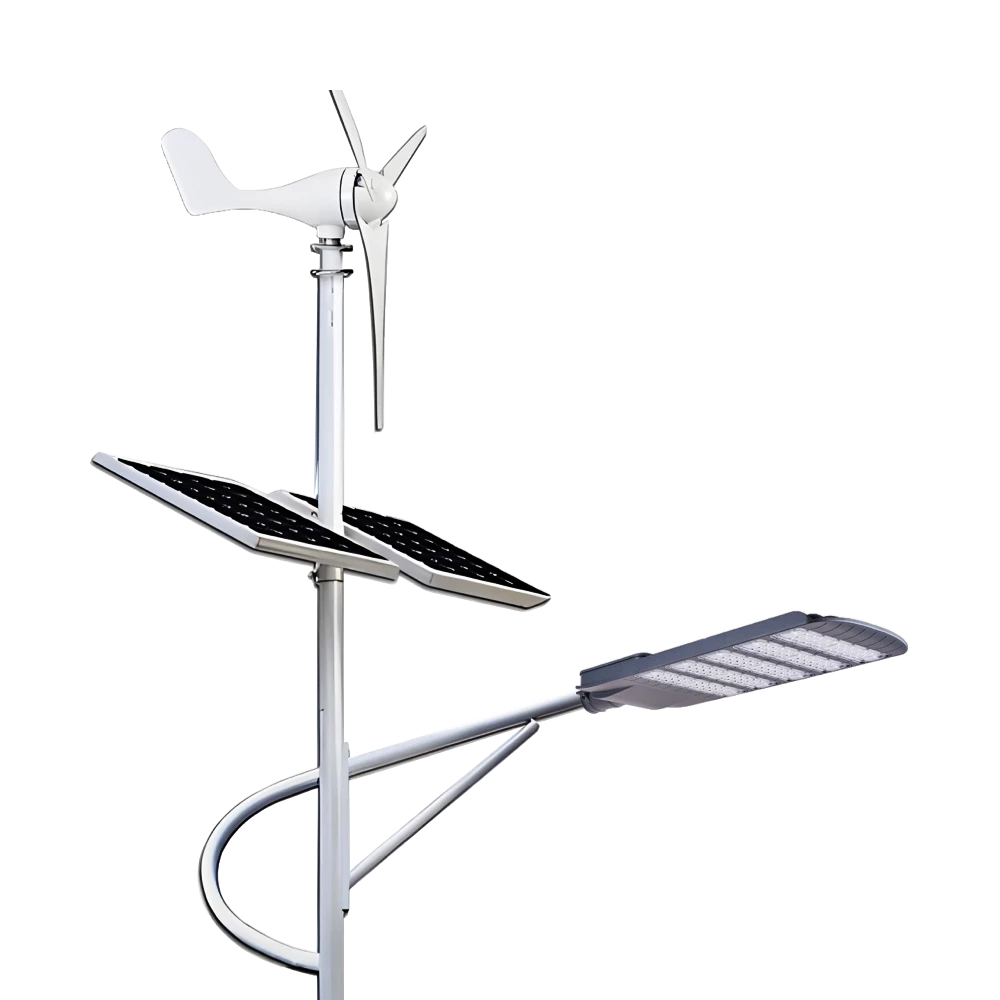
Queneng Lufeng Wind Energy LED Outdoor Solar Street Lights offer high-performance, eco-friendly illumination. These energy-efficient LED street lights harness solar power and wind energy for sustainable, cost-effective outdoor lighting solutions.
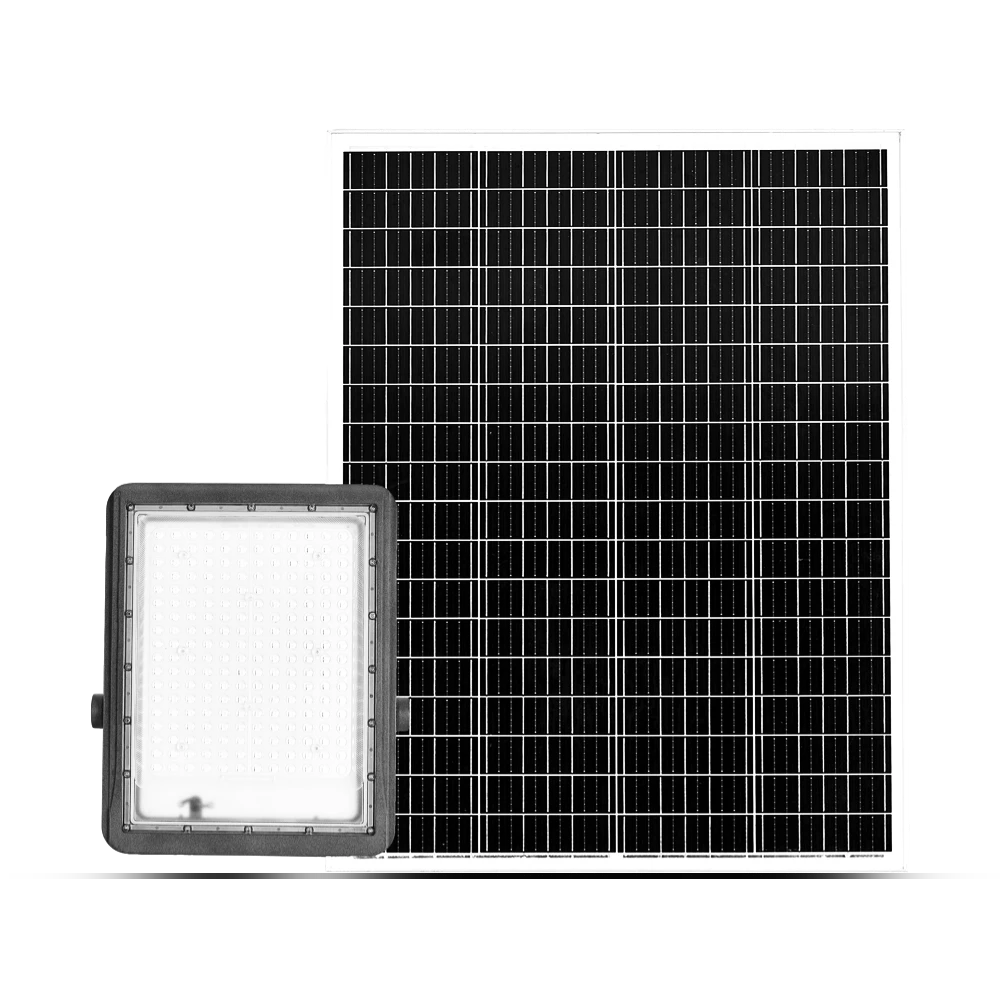
Queneng's Luxian Reliable Solar Street Light offers energy-saving LED lighting for outdoor use. This durable, solar-powered street light provides reliable illumination, reducing energy costs and environmental impact. A perfect solution for sustainable outdoor lighting.
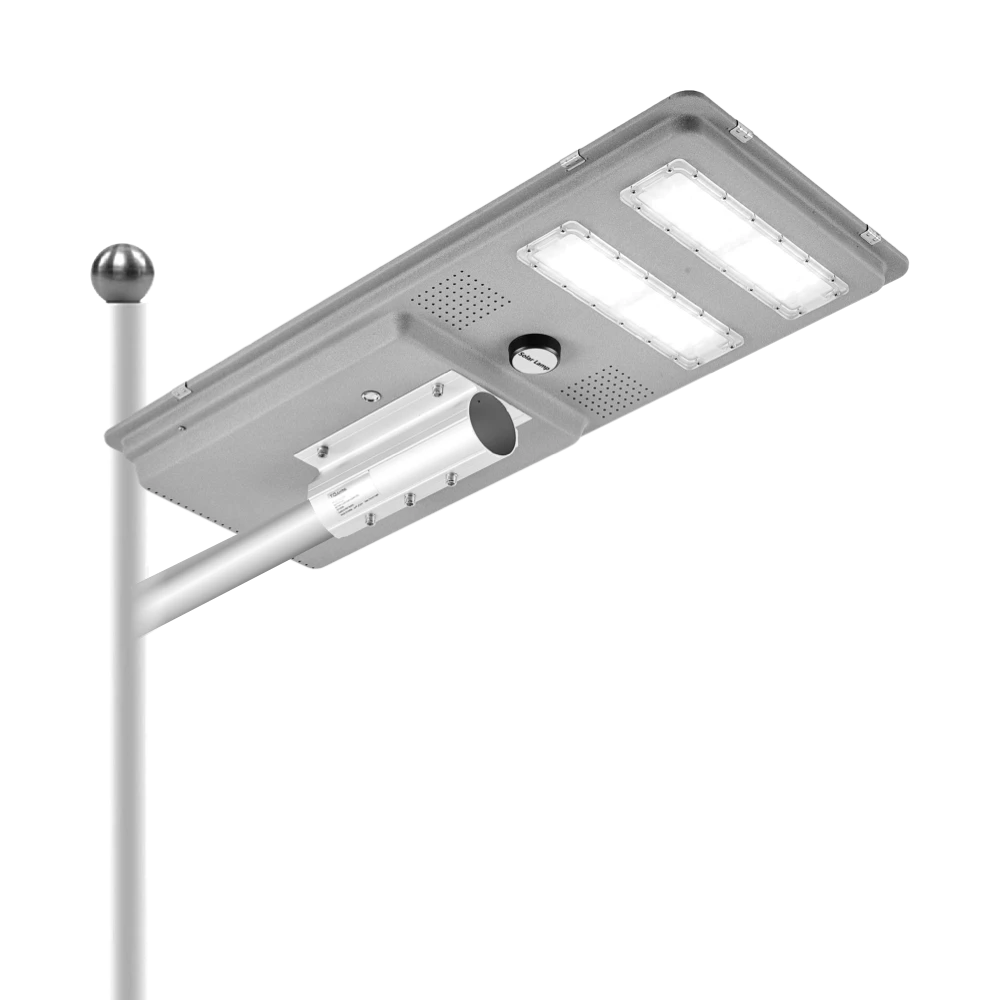
Queneng’s Solar Street Lights are designed to provide reliable, energy-efficient lighting for streets, parks, and other outdoor spaces.
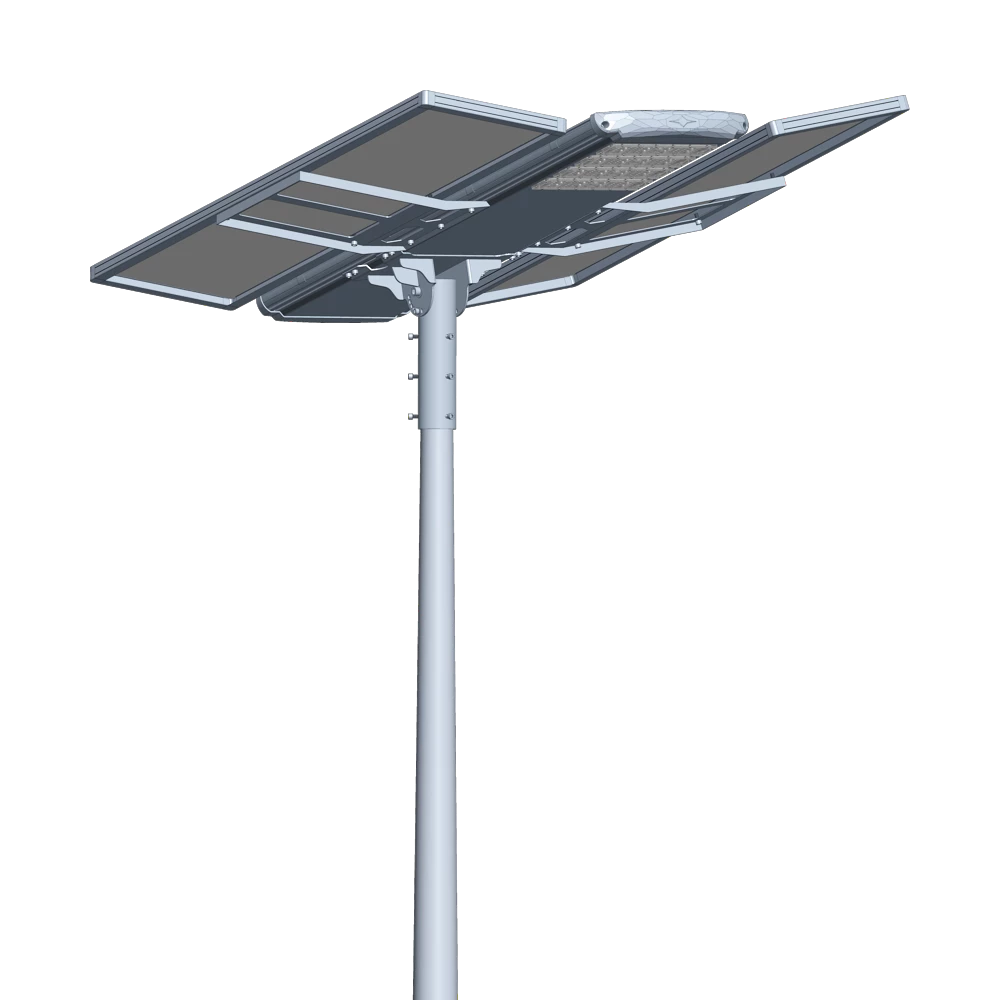
Introducing the Luqing Solar Street Light by Queneng, Efficient LED lighting powered by solar energy is perfect for illuminating outdoor areas. Harness the power of solar energy for sustainable, reliable street lighting. Ideal for eco-friendly, cost-effective outdoor illumination solutions.
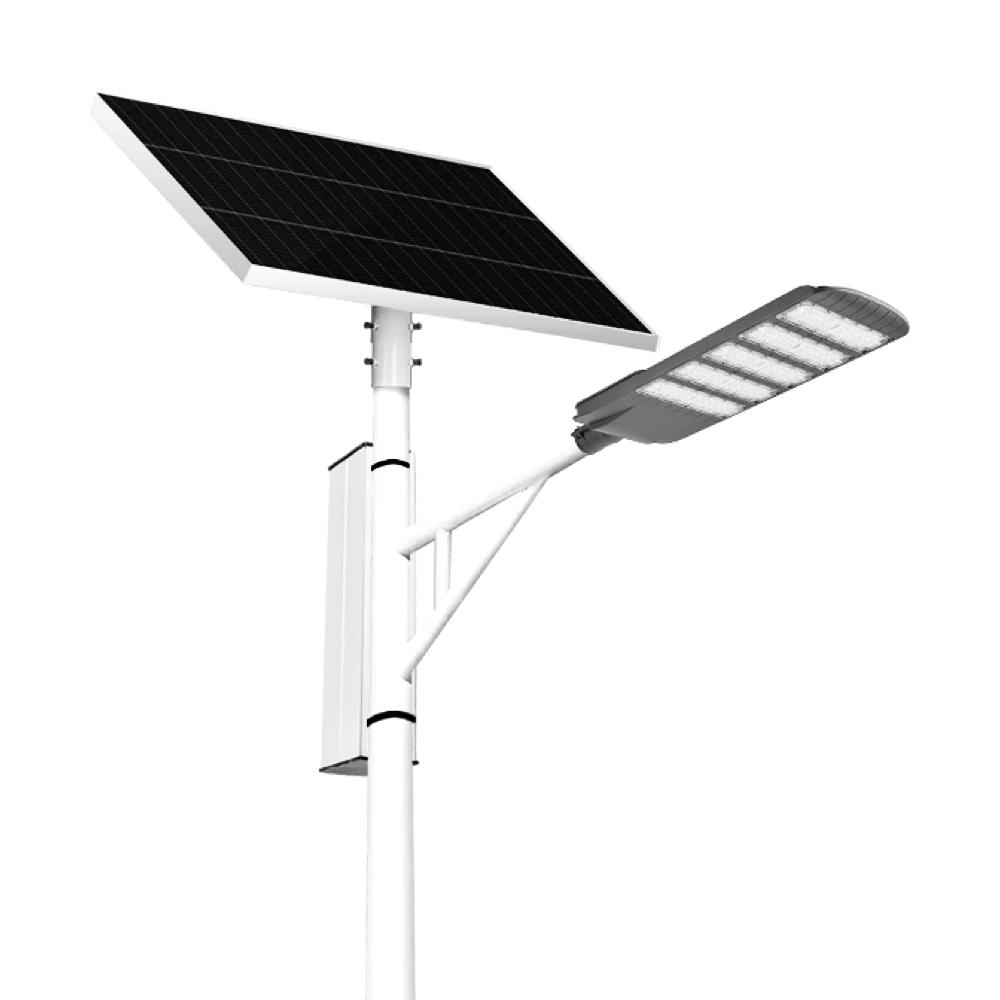
The Solar Streetlights of Luhao for Municipalities are designed to deliver reliable, energy-efficient, and cost-effective public lighting solutions. Equipped with advanced LED technology, durable lithium batteries, and high-efficiency solar panels, these streetlights provide consistent illumination for roads, parks, residential areas, and government projects.
If you would like more information about Queneng solar lighting solutions, please send us a message by filling out the form below. Our professional team will get back to you within 24 hours!
Rest assured that your privacy is important to us, and all information provided will be handled with the utmost confidentiality.
Schedule a Meeting
Book a date and time that is convenient for you and conduct the session in advance.
Have more questions about our products or services?
The messenger of light & power conversion
Environmental protection and intelligent manufacturing are our brand philosophy, and quality assurance and the best user experience are our eternal promises to users.
CONTACT
No.9F, Building F, Cao San Xin Tian Hong Logistics Park, Guzhen Town, Zhongshan City, Guangdong Province, China.
or write [email protected]
WhatsApp: +86 136 2270 1011


