

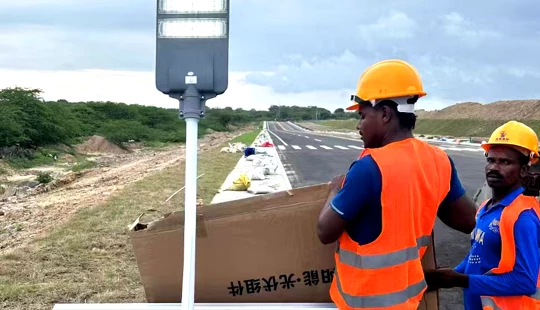
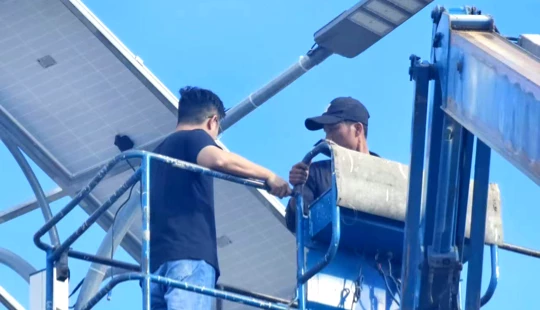













Localized tourist zone lighting with solar street lamps in Nigeria | Insights by Quenenglighting
As Nigeria continues to develop its vast tourism potential, ensuring safe, well-lit, and inviting localized tourist zones is paramount. Traditional grid-dependent lighting often presents challenges regarding reliability, infrastructure costs, and environmental impact. Solar street lamps offer a compelling alternative, providing sustainable, efficient, and autonomous lighting solutions perfectly suited for these unique environments.
This guide explores critical questions procurement teams face when considering solar street lighting projects in Nigeria, helping to inform strategic decisions for long-term success.
Why Consider Solar Street Lamps for Nigerian Tourist Zones?
Localized tourist zones, particularly those in remote or off-grid locations across Nigeria, frequently contend with inconsistent power supply and the high cost of extending traditional grid infrastructure. Solar street lamps circumvent these challenges by operating independently, harnessing the abundant solar energy available. This autonomy ensures reliable illumination, enhancing visitor safety and extending operational hours for tourist attractions, ly contributing to a more vibrant and appealing destination.
Beyond reliability, solar lighting aligns with global sustainability goals and Nigeria's commitment to renewable energy. By reducing reliance on fossil fuels, these systems lower carbon footprints and minimize operational expenses associated with electricity bills or generator fuel. For procurement, this translates into a long-term investment that offers both environmental stewardship and financial predictability, making it an attractive option for developing sustainable tourism infrastructure.
What Are the Key Technical Specifications Procurement Teams Should Prioritize?
When procuring solar street lamps, technical specifications are crucial for ensuring performance and longevity. Key considerations include the efficiency of the solar panel, the capacity and lifespan of the battery (e.g., LiFePO4 for extended cycles), and the lumen output and beam angle of the LED fixture. These elements must be carefully balanced to provide adequate illumination throughout the night, even during periods of reduced sunlight.
Furthermore, environmental durability and security features are paramount in Nigeria's diverse climate and specific security landscape. Procurement teams should look for high IP ratings (e.g., IP65/IP66) to protect against dust and water ingress, robust anti-corrosion finishes, and intelligent features such as motion sensors or remote monitoring capabilities. Anti-theft designs and sturdy mounting mechanisms are also vital to protect the investment and ensure continuous operation in potentially vulnerable locations.
How Does the Procurement Process for Solar Lighting Differ from Traditional Options?
Procuring solar street lighting requires a shift in focus from mere upfront cost to a comprehensive lifecycle cost analysis. Unlike traditional lighting, where recurring electricity bills are a major ongoing expense, solar solutions involve a higher initial capital outlay but significantly lower operational costs over their lifespan. Procurement professionals need to evaluate factors such as battery replacement cycles, panel degradation rates, and maintenance requirements as part of the total cost of ownership.
Supplier vetting is also more specialized. It's crucial to partner with manufacturers and integrators who possess deep expertise in solar technology, offer strong warranties, and demonstrate a track record of successful installations in similar environmental conditions. Procurement processes should therefore emphasize technical compliance, system design capabilities, and after-sales support, rather than solely focusing on the lowest bid for individual components.
What Are the Long-Term Operational and Maintenance Considerations?
While solar street lamps are known for their low maintenance, proactive strategies are essential for ensuring sustained performance. Regular cleaning of solar panels to remove dust, dirt, or bird droppings is important to maximize energy capture. Additionally, monitoring battery health and planning for eventual battery replacement (typically every 5-7 years for quality LiFePO4 batteries) are critical for maintaining the system's ability to provide consistent light throughout the night.
Many modern solar lighting systems incorporate smart technologies that allow for remote monitoring of performance, fault detection, and even dimming schedules. Procurement teams should assess the availability of local technical support and spare parts, as this significantly impacts system uptime and overall operational efficiency. A robust maintenance plan, ideally provided by the supplier, is a cornerstone of a successful long-term solar lighting deployment.
How Can Solar Lighting Contribute to Economic and Environmental Sustainability in These Zones?
Economically, solar lighting in tourist zones can stimulate local economies by extending evening activities, making areas safer and more attractive after dark, and potentially increasing visitor dwell time and spending. The reduction in energy costs frees up financial resources that can be reinvested into other tourism development initiatives. Furthermore, the installation and maintenance of solar systems can create local job opportunities, fostering community involvement and skill development.
Environmentally, the benefits are profound. Solar street lamps eliminate the need for grid electricity, often generated from fossil fuels, thereby significantly reducing greenhouse gas emissions. They also reduce light pollution by often being designed for localized illumination rather than broad, upward-scattering light. This commitment to green energy enhances the destination's appeal to eco-conscious travelers and contributes positively to Nigeria's national sustainability targets.
What Are the Financial Considerations and Potential ROI?
The initial investment for solar street lamps can be higher than conventional grid-connected lighting. However, the absence of trenching costs for cable laying, no electricity bills, and minimal operational expenses lead to a compelling return on investment (ROI) over the system's lifespan. Procurement teams should conduct detailed financial modeling, factoring in these savings against the capital expenditure.
Potential financing mechanisms for such projects may include government grants, international development funding, or public-private partnerships focused on sustainable infrastructure. High-quality solar lighting systems are designed for durability and efficiency, offering a predictable financial outlay compared to the volatile costs associated with traditional energy sources, providing long-term budgetary stability for tourist zone development.
The Quenenglighting Advantage: Reliable Solutions for Nigeria's Tourist Zones
Quenenglighting understands the unique demands of localized tourist zone lighting in Nigeria. We are committed to providing high-quality, durable, and energy-efficient solar street lamps designed for optimal performance in diverse conditions. Our solutions prioritize advanced battery technology, high-efficiency solar panels, and robust construction to ensure reliable illumination night after night.
By partnering with Quenenglighting, procurement professionals gain access to expert guidance, tailored system designs, and comprehensive support throughout the project lifecycle. We aim to deliver sustainable lighting solutions that enhance safety, extend visitor experiences, and contribute to the economic and environmental prosperity of Nigeria’s vibrant tourist destinations.
Data source
- Industry analysis of solar lighting trends in emerging markets (Qualitative, unspecified date)
- General principles of sustainable infrastructure development (Qualitative, unspecified date)
- Procurement best practices for renewable energy projects (Qualitative, unspecified date)
- Market overview of solar street lamp technology and applications (Qualitative, unspecified date)

Have more questions about our products or services?
The latest hot news you might like
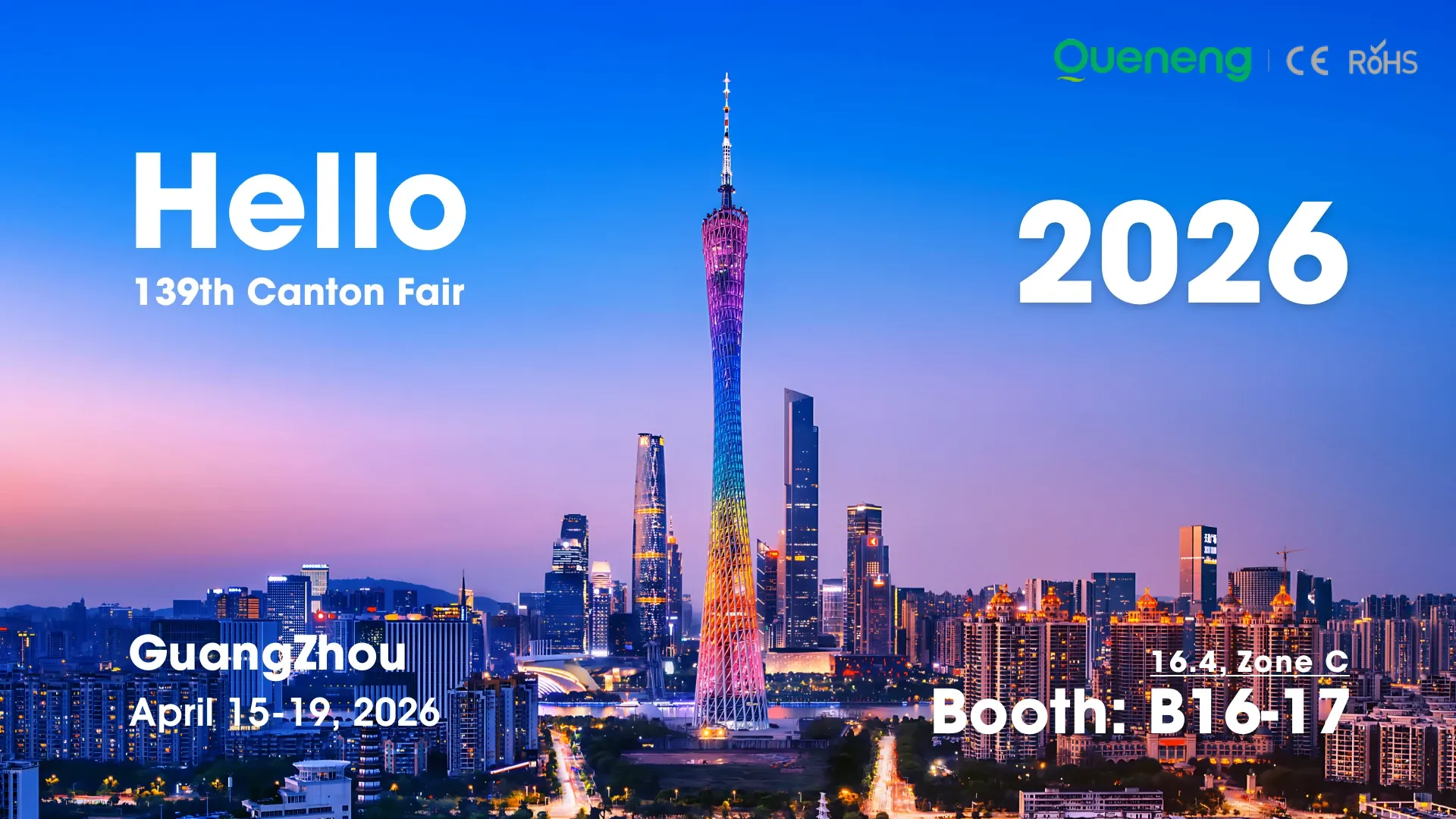
As the global demand for sustainable infrastructure rises, Queneng Lighting is proud to announce its participation in the 139th China Import and Export Fair (Canton Fair), held from April 15th to 19th, 2026, in Guangzhou.
For over 13 years, Queneng has been at the forefront of the solar lighting industry, providing high-efficiency solutions for infrastructure contractors, municipal developers, and EPC companies worldwide. This year, we are bringing our most advanced technology yet to the international stage.

Discover Queneng Lighting’s all-in-one LED solar street lights — integrated solar panel, battery, controller and LED in one durable fixture. Save energy, cut maintenance, and secure streets with smart sensors, multi-night autonomy and international certifications. Contact sales for quotes and support.

Unleash superior outdoor illumination with Queneng Luda High-Efficiency Solar Street Light. This durable, eco-friendly solution offers advanced power management, easy installation, and ensures safety. Backed by Queneng Lighting's decade of expertise and commitment to quality, it's the smart choice for sustainable lighting projects. Learn why we're a leading solar solutions provider.

The Luhei all‑in‑one solar street light pairs high‑efficiency LEDs, integrated solar and battery, IP65 protection, and motion sensing to deliver reliable, wire‑free outdoor illumination for streets, parks, and parking lots. Backed by Queneng Lighting’s certifications and support.
FAQ
Battery fundamentals and basic terms
What is a discharge platform?
Municipal and Public Infrastructure
Can the lights be customized for specific municipal projects?
Yes, we offer tailored solutions to meet the unique requirements of different projects, including variations in design, brightness, height, and operation modes.
Solar Street Light Luhua
What makes Luhua solar street lights energy-saving and eco-friendly?
Luhua solar street lights are energy-efficient because they use solar power, a renewable energy source, to generate electricity, reducing reliance on the grid. The LED lights consume very little energy while providing high brightness. The eco-friendly design helps reduce carbon emissions and lower electricity costs, making them a sustainable and green solution for outdoor lighting.
Battery Performance and Testing
What is a penetration test?
Solar Street Light Luqing
Can solar street lights be used in cloudy or rainy weather?
Yes, solar street lights can still function in cloudy or rainy conditions, though their performance may be reduced due to lower sunlight. The battery is designed to store enough energy to power the light for several days of overcast weather.
Public Gardens and Landscape Lighting
Are solar lights safe for use in public spaces?
Yes, solar lights are safe for public spaces. They use low-voltage LED lights that do not pose any electrical hazards. Additionally, our lights are designed with weather-resistant and durable materials to withstand outdoor conditions, making them reliable and safe for public use.
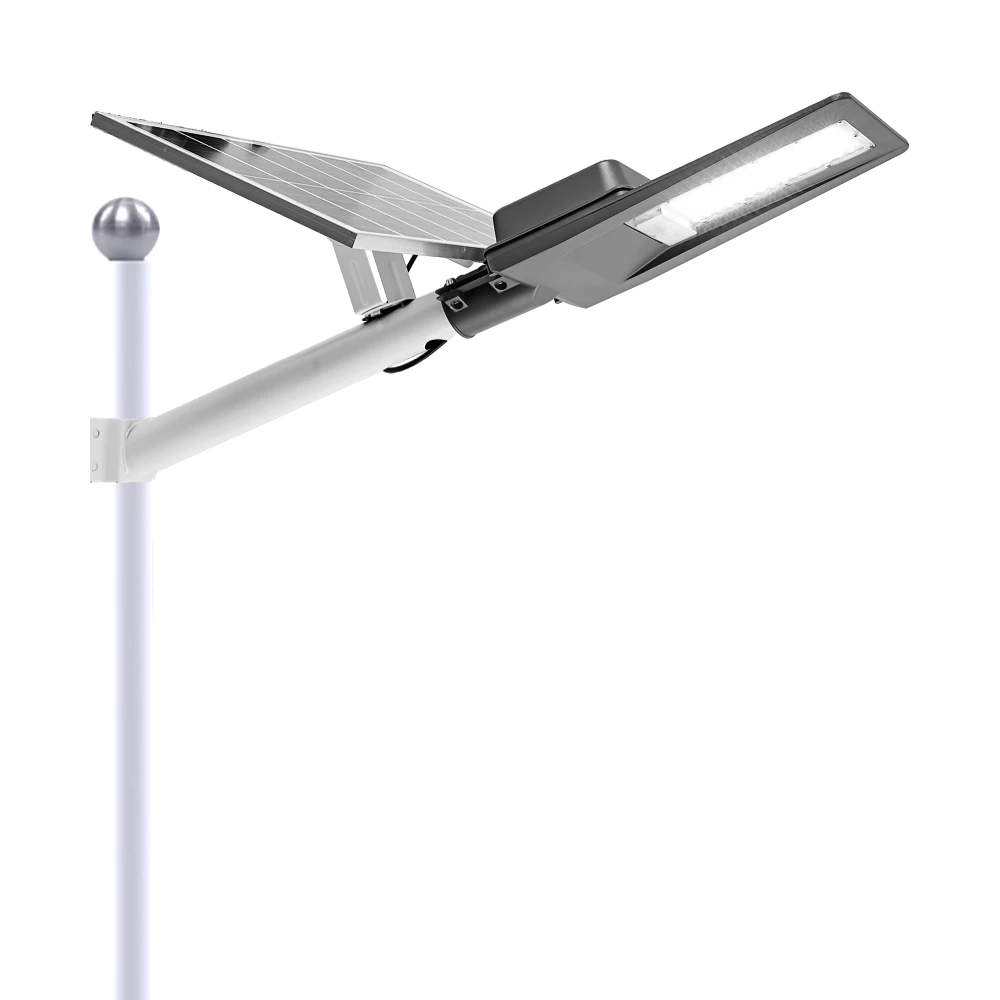
Experience reliable outdoor illumination with our smart solar street light, a perfect combination of advanced technology and eco-conscious design.
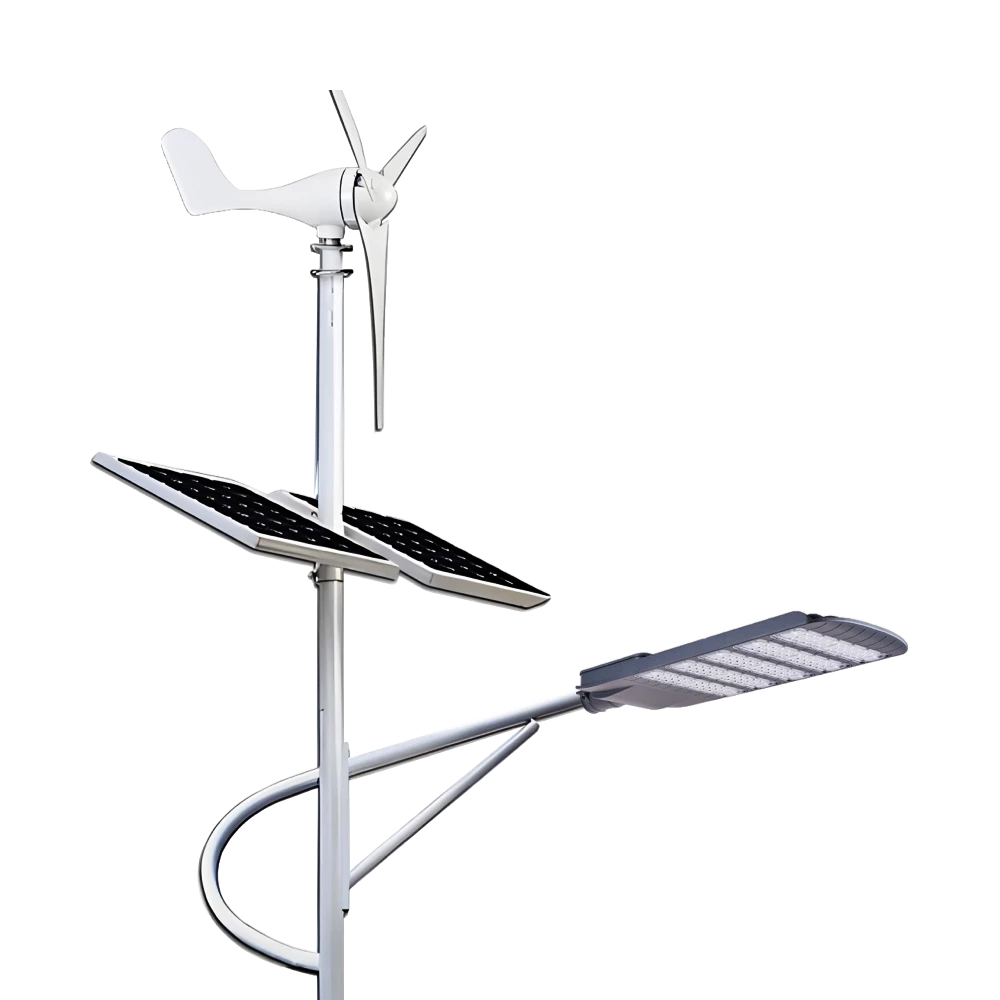
Queneng Lufeng Wind Energy LED Outdoor Solar Street Lights offer high-performance, eco-friendly illumination. These energy-efficient LED street lights harness solar power and wind energy for sustainable, cost-effective outdoor lighting solutions.
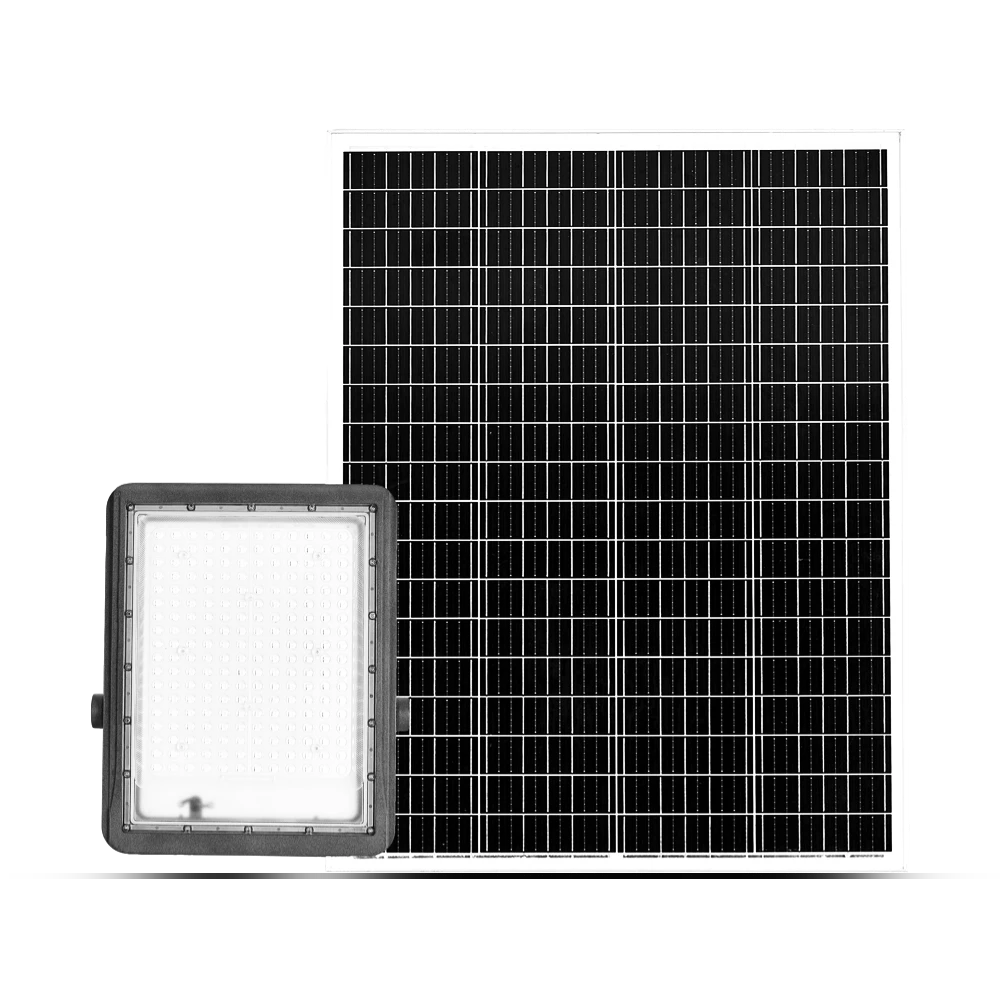
Queneng's Luxian Reliable Solar Street Light offers energy-saving LED lighting for outdoor use. This durable, solar-powered street light provides reliable illumination, reducing energy costs and environmental impact. A perfect solution for sustainable outdoor lighting.
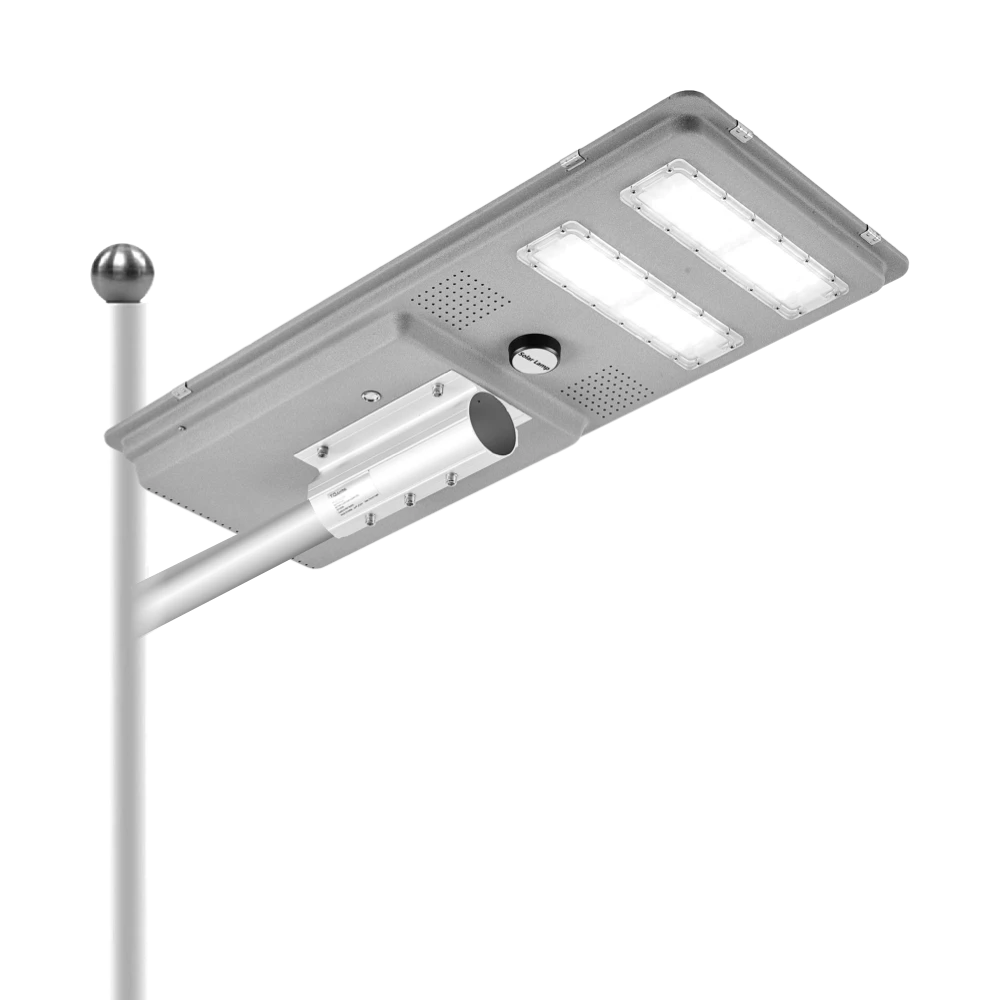
Queneng’s Solar Street Lights are designed to provide reliable, energy-efficient lighting for streets, parks, and other outdoor spaces.
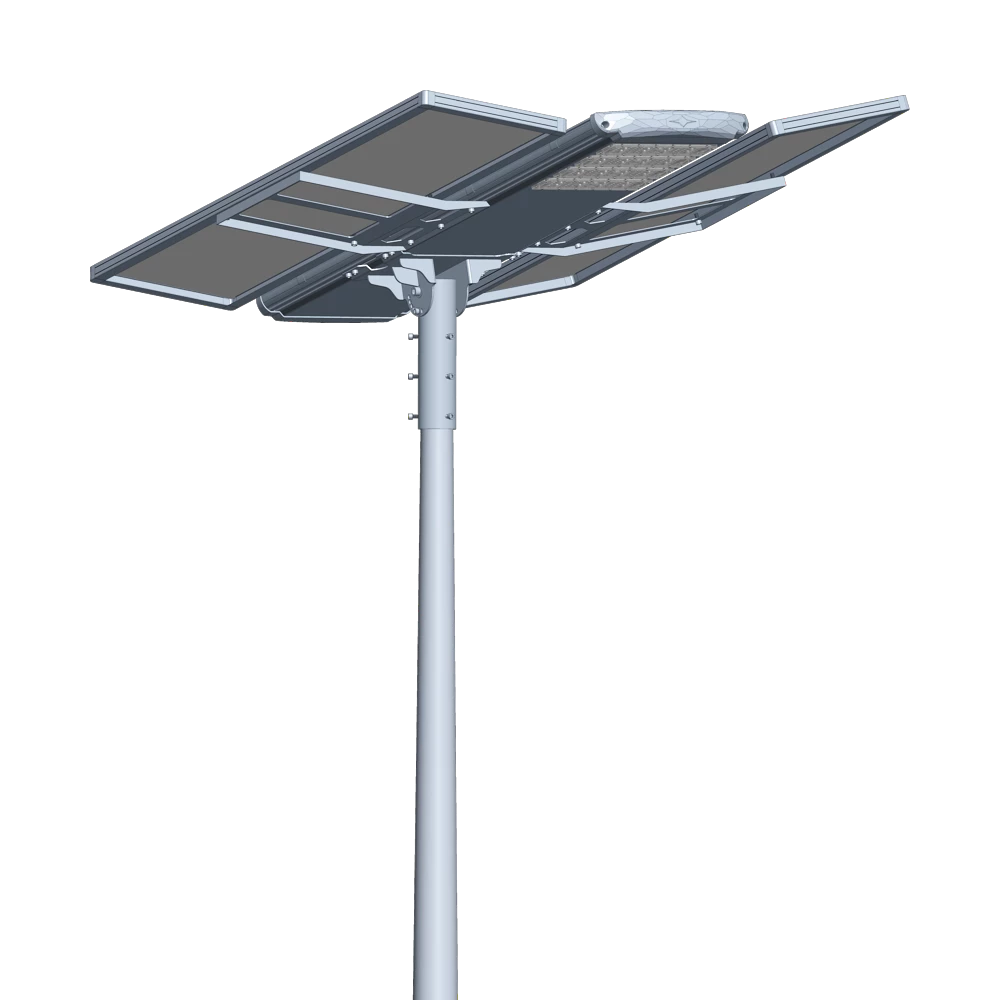
Introducing the Luqing Solar Street Light by Queneng, Efficient LED lighting powered by solar energy is perfect for illuminating outdoor areas. Harness the power of solar energy for sustainable, reliable street lighting. Ideal for eco-friendly, cost-effective outdoor illumination solutions.
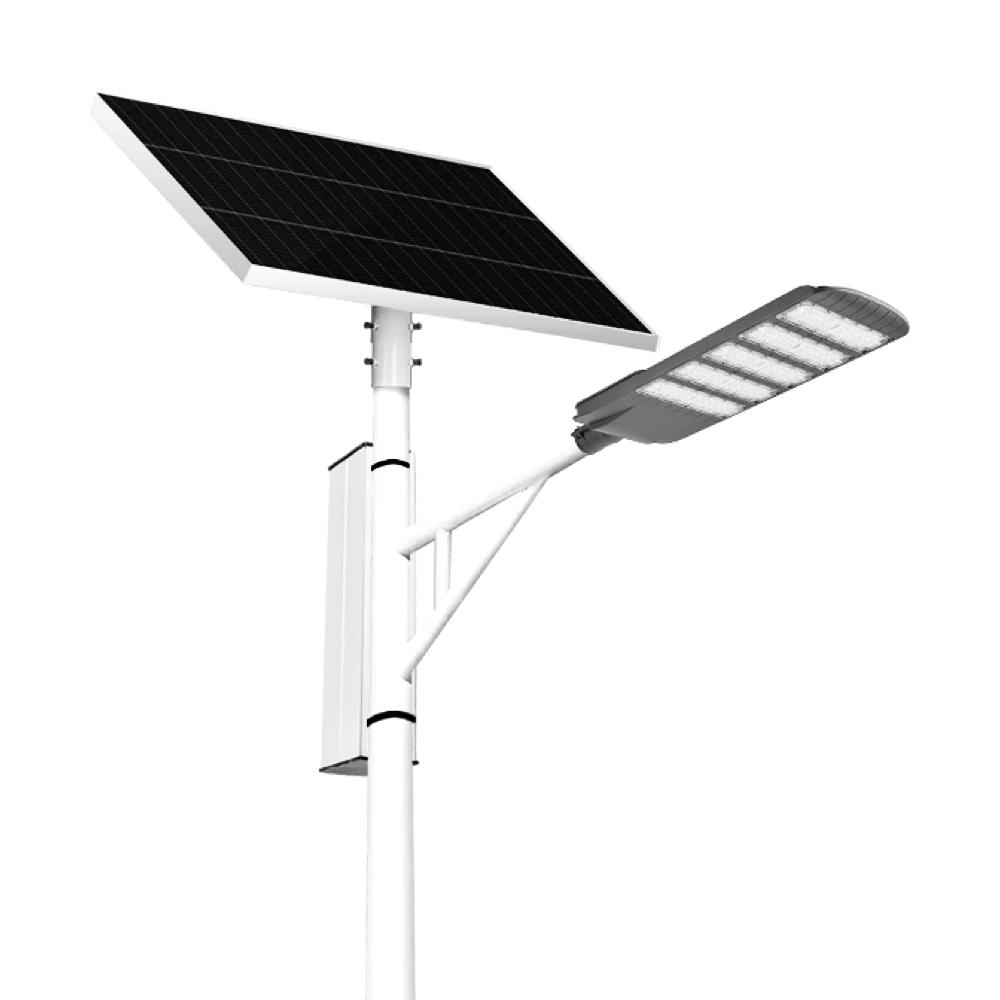
The Solar Streetlights of Luhao for Municipalities are designed to deliver reliable, energy-efficient, and cost-effective public lighting solutions. Equipped with advanced LED technology, durable lithium batteries, and high-efficiency solar panels, these streetlights provide consistent illumination for roads, parks, residential areas, and government projects.
If you would like more information about Queneng solar lighting solutions, please send us a message by filling out the form below. Our professional team will get back to you within 24 hours!
Rest assured that your privacy is important to us, and all information provided will be handled with the utmost confidentiality.
Schedule a Meeting
Book a date and time that is convenient for you and conduct the session in advance.
Have more questions about our products or services?
The messenger of light & power conversion
Environmental protection and intelligent manufacturing are our brand philosophy, and quality assurance and the best user experience are our eternal promises to users.
CONTACT
No.9F, Building F, Cao San Xin Tian Hong Logistics Park, Guzhen Town, Zhongshan City, Guangdong Province, China.
or write [email protected]
WhatsApp: +86 136 2270 1011


