














What are the main components of a solar street light system? | Queneng Guide
What are the main components of a solar street light system?
A solar street light system is an environmentally friendly and cost-effective solution for street lighting. Understanding the main components of such a system is crucial for professionals in the solar lighting industry. Let's break down these components and their roles.
Solar Panels
- Function: Convert sunlight into electrical energy.
- Key Features: Efficiency, durability, and capacity are crucial.
- Data Point: Modern solar panels can achieve efficiencies up to 22% (Source: NREL).
Batteries
- Function: Store the energy generated by solar panels for use during nighttime.
- Types: Commonly used are lead-acid, lithium-ion, and gel batteries.
- Consideration: Battery life and capacity are vital for system reliability.
Charge Controllers
- Function: Regulate the flow of electricity from solar panels to batteries, preventing overcharging and discharging.
- Importance: Essential for extending battery life and optimizing system performance.
Lighting Fixtures
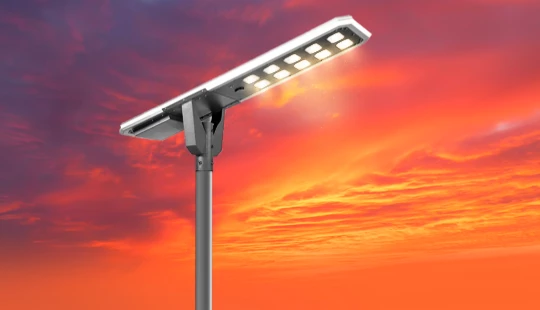
- Function: Emit light using the stored energy.
- Types: LED lights are preferred due to their efficiency and longevity.
- Data Point: LEDs can last up to 50,000 hours (Source: Department of Energy).
Poles and Mounting Systems
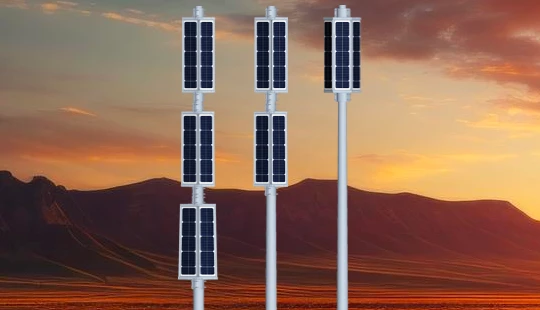
- Function: Provide structural support for solar panels and lighting fixtures.
- Considerations: Must be durable and withstand various weather conditions.
Inverters (if applicable)
- Function: Convert DC power from batteries to AC power if required by the lighting system.
- Usage: Not always necessary, as many modern systems use DC LED lights.
Understanding these components and their interactions is essential for designing and maintaining effective solar street lighting systems. By leveraging this knowledge, professionals can ensure optimal performance and longevity of their solar lighting installations.
This article provides a comprehensive overview of the main components of a solar street light system, catering to the needs of professionals in the solar lighting field. It addresses common pain points such as understanding system components for effective design and maintenance, using clear and factual information to enhance knowledge and application in real-world scenarios.

Have more questions about our products or services?
The latest hot news you might like

Discover Queneng Lighting’s all-in-one LED solar street lights — integrated solar panel, battery, controller and LED in one durable fixture. Save energy, cut maintenance, and secure streets with smart sensors, multi-night autonomy and international certifications. Contact sales for quotes and support.

Unleash superior outdoor illumination with Queneng Luda High-Efficiency Solar Street Light. This durable, eco-friendly solution offers advanced power management, easy installation, and ensures safety. Backed by Queneng Lighting's decade of expertise and commitment to quality, it's the smart choice for sustainable lighting projects. Learn why we're a leading solar solutions provider.

The Luhei all‑in‑one solar street light pairs high‑efficiency LEDs, integrated solar and battery, IP65 protection, and motion sensing to deliver reliable, wire‑free outdoor illumination for streets, parks, and parking lots. Backed by Queneng Lighting’s certifications and support.

FAQ
Solar Street Light Luan
What is the lifespan of Luan solar street lights?
Luan solar street lights have an impressive lifespan. The LEDs can last up to 50,000 hours, and the solar panels can perform efficiently for 25 years or more. The batteries typically last 3 to 5 years, depending on usage and environmental conditions, ensuring long-term value.
Solar Street Light Luqing
How long does the solar street light last?
The lifespan of a solar street light depends on the quality of the components, but typically, the solar panels can last up to 25 years, and the LED lights last 50,000 hours or more. The battery generally lasts between 3-5 years, after which it may need to be replaced.
OEM&ODM
What is your minimum order quantity (MOQ) for OEM services?
Our standard MOQ for OEM solar lights is 100 units. For ODM or special mold development, please contact our team.
Battery Types and Applications
What is a paper battery? What is a smart secondary battery?
Batteries and the environment
What effect does ambient temperature have on battery performance?
who we are
What sets Queneng apart from other solar lighting companies?
Our strong focus on innovation, quality, and customer satisfaction sets us apart. We have over a decade of experience in the solar industry and are committed to delivering high-quality, energy-efficient solutions that meet international standards. Our products are designed for durability, and our customer service ensures reliable support at every stage.
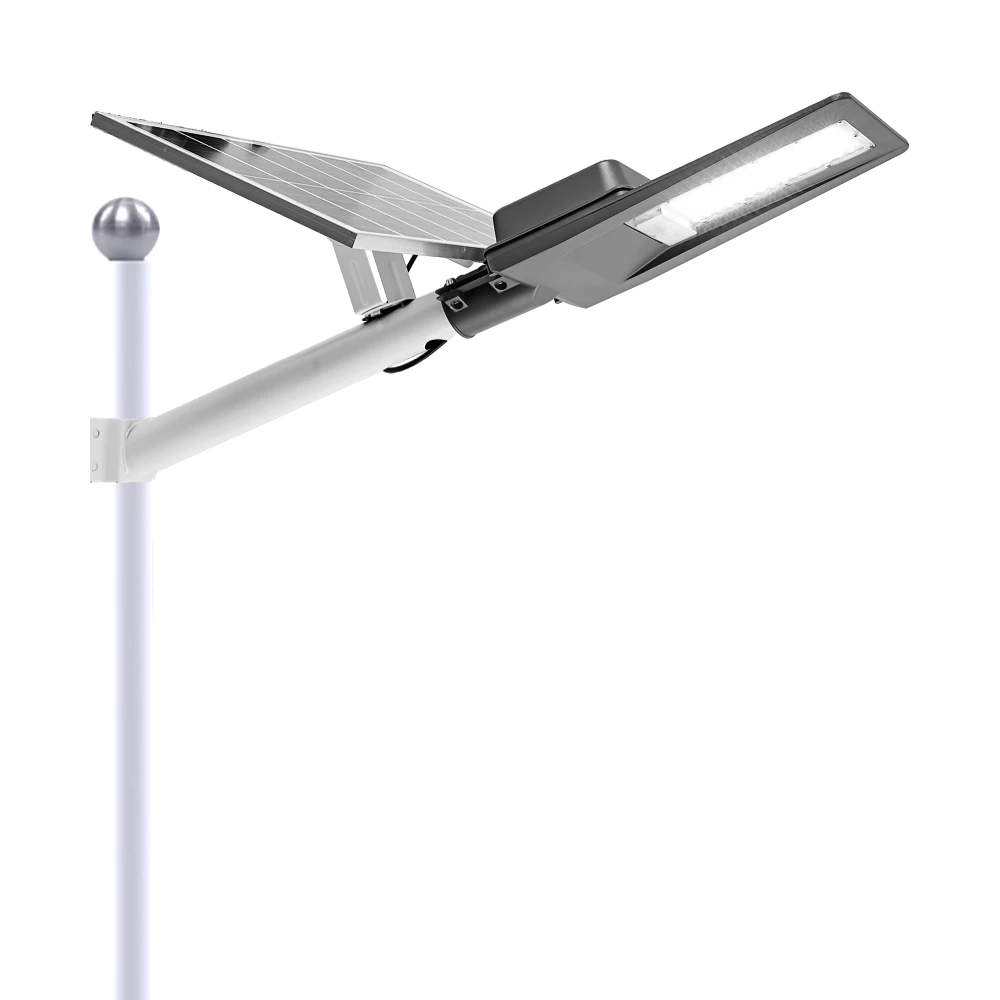
Experience reliable outdoor illumination with our smart solar street light, a perfect combination of advanced technology and eco-conscious design.
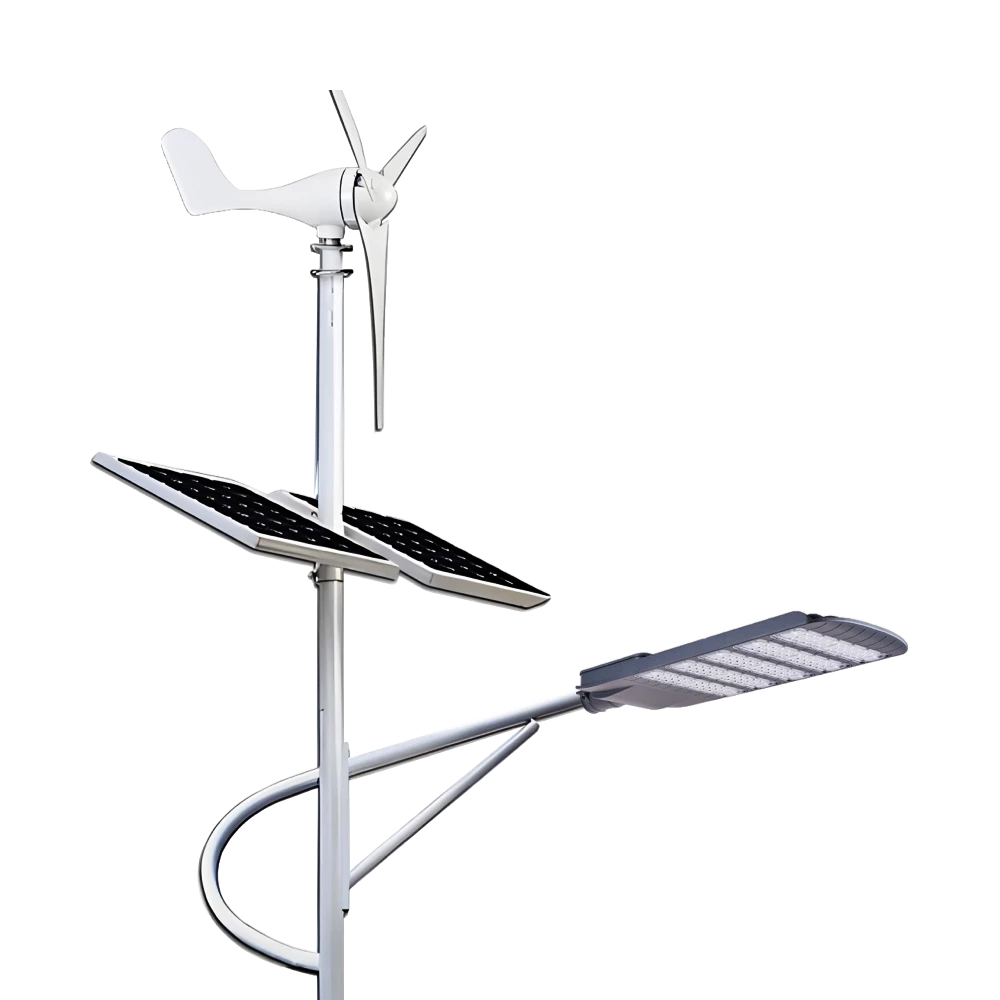
Queneng Lufeng Wind Energy LED Outdoor Solar Street Lights offer high-performance, eco-friendly illumination. These energy-efficient LED street lights harness solar power and wind energy for sustainable, cost-effective outdoor lighting solutions.
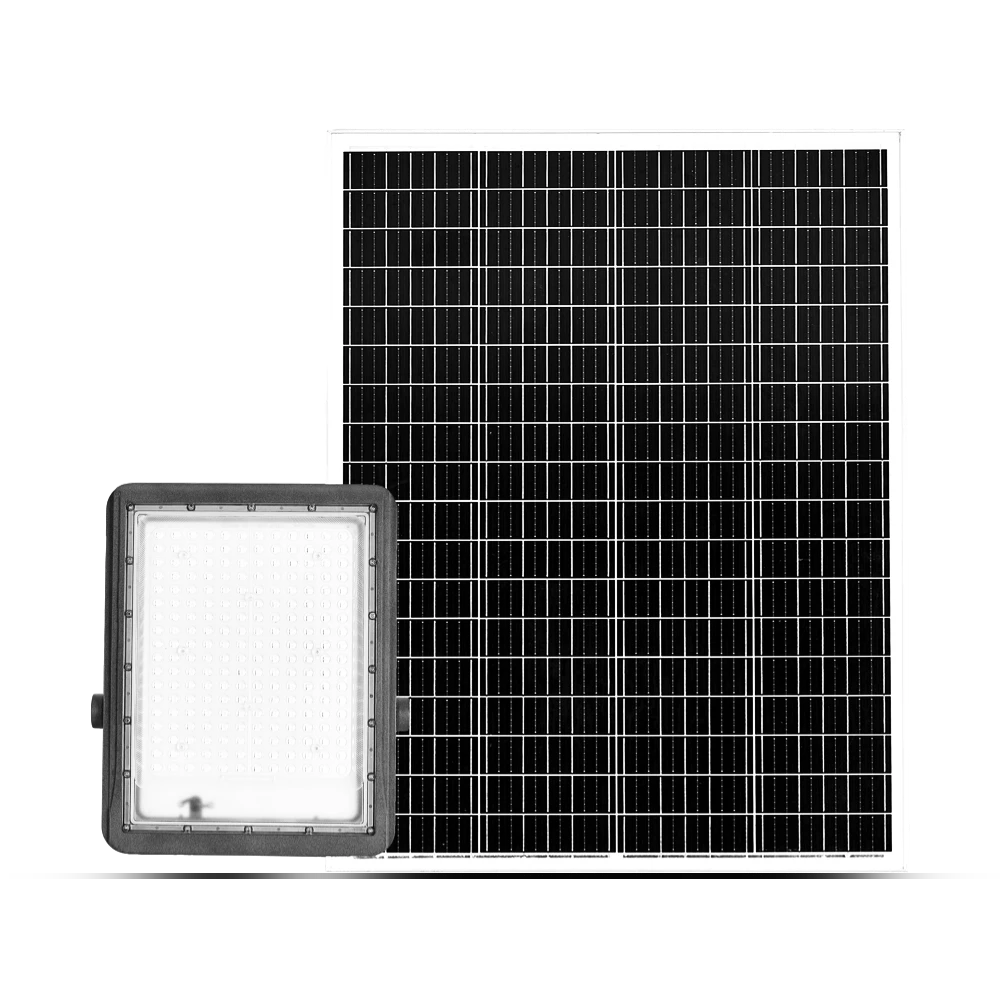
Queneng's Luxian Reliable Solar Street Light offers energy-saving LED lighting for outdoor use. This durable, solar-powered street light provides reliable illumination, reducing energy costs and environmental impact. A perfect solution for sustainable outdoor lighting.
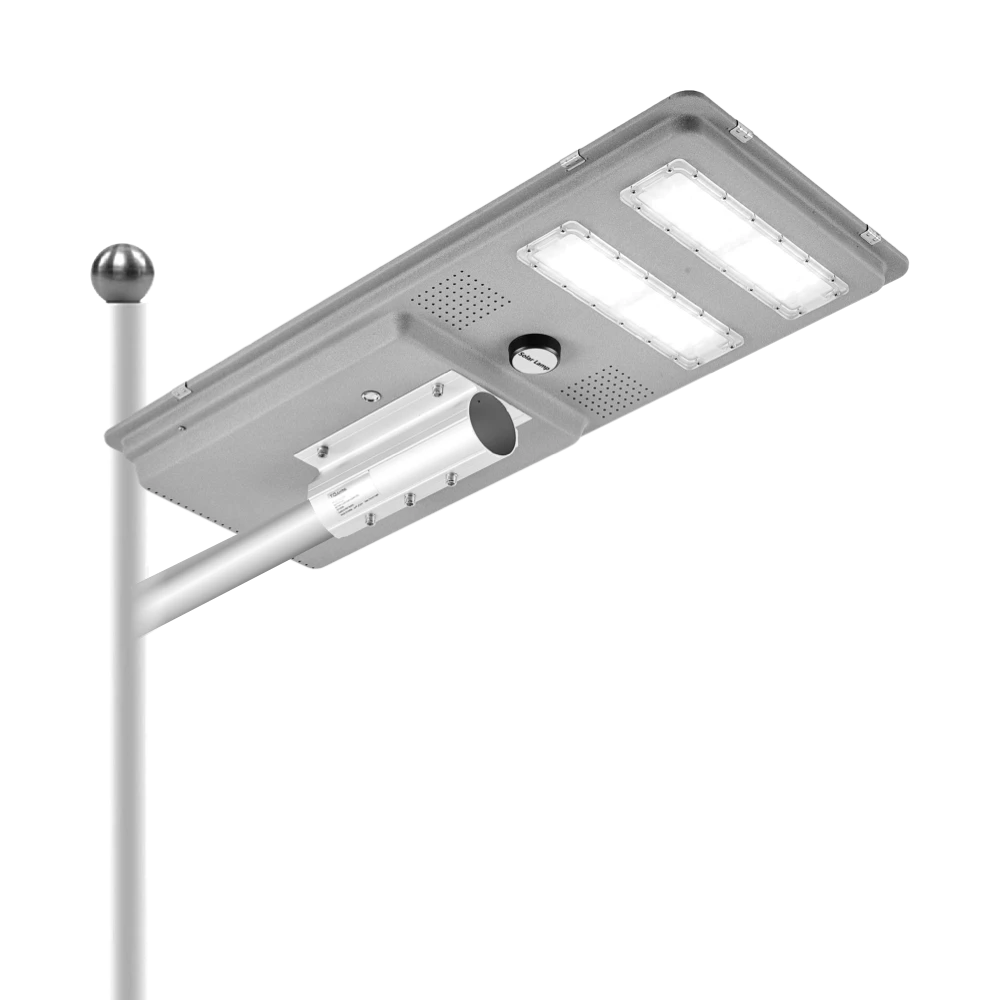
Queneng’s Solar Street Lights are designed to provide reliable, energy-efficient lighting for streets, parks, and other outdoor spaces.
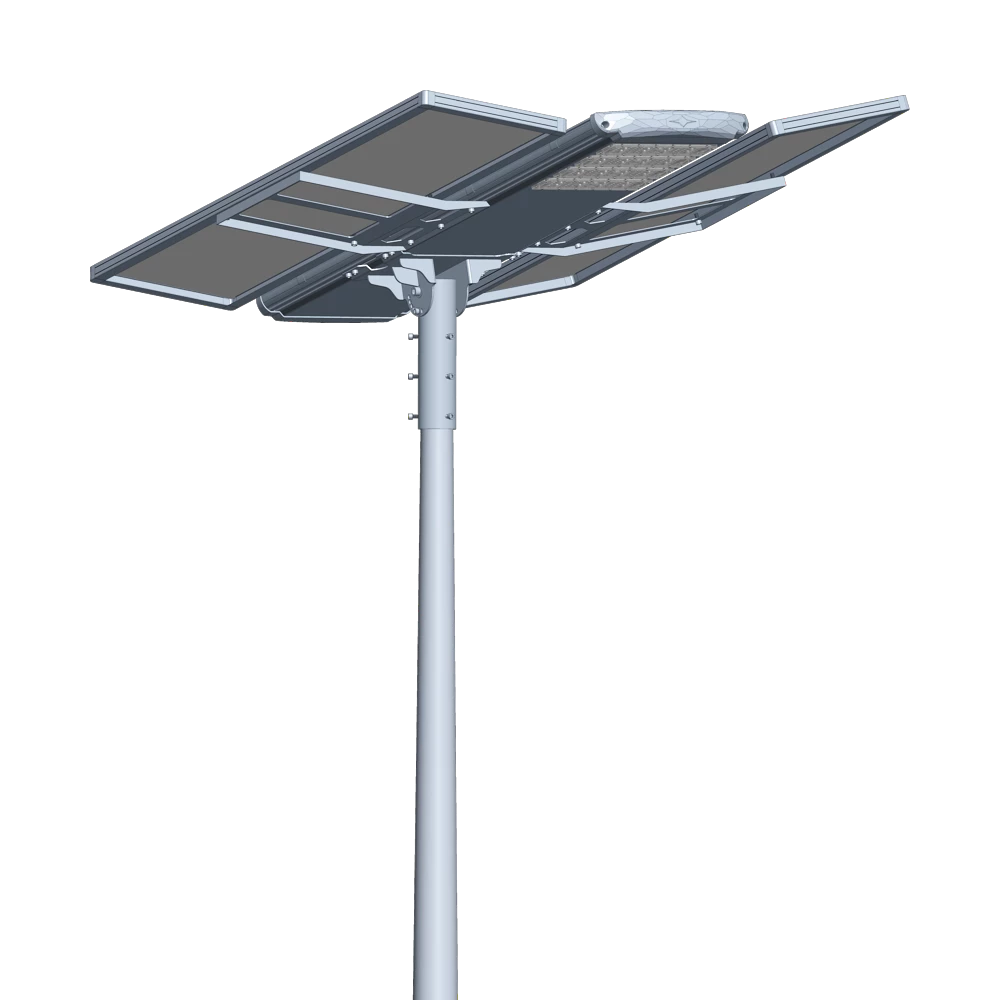
Introducing the Luqing Solar Street Light by Queneng, Efficient LED lighting powered by solar energy is perfect for illuminating outdoor areas. Harness the power of solar energy for sustainable, reliable street lighting. Ideal for eco-friendly, cost-effective outdoor illumination solutions.
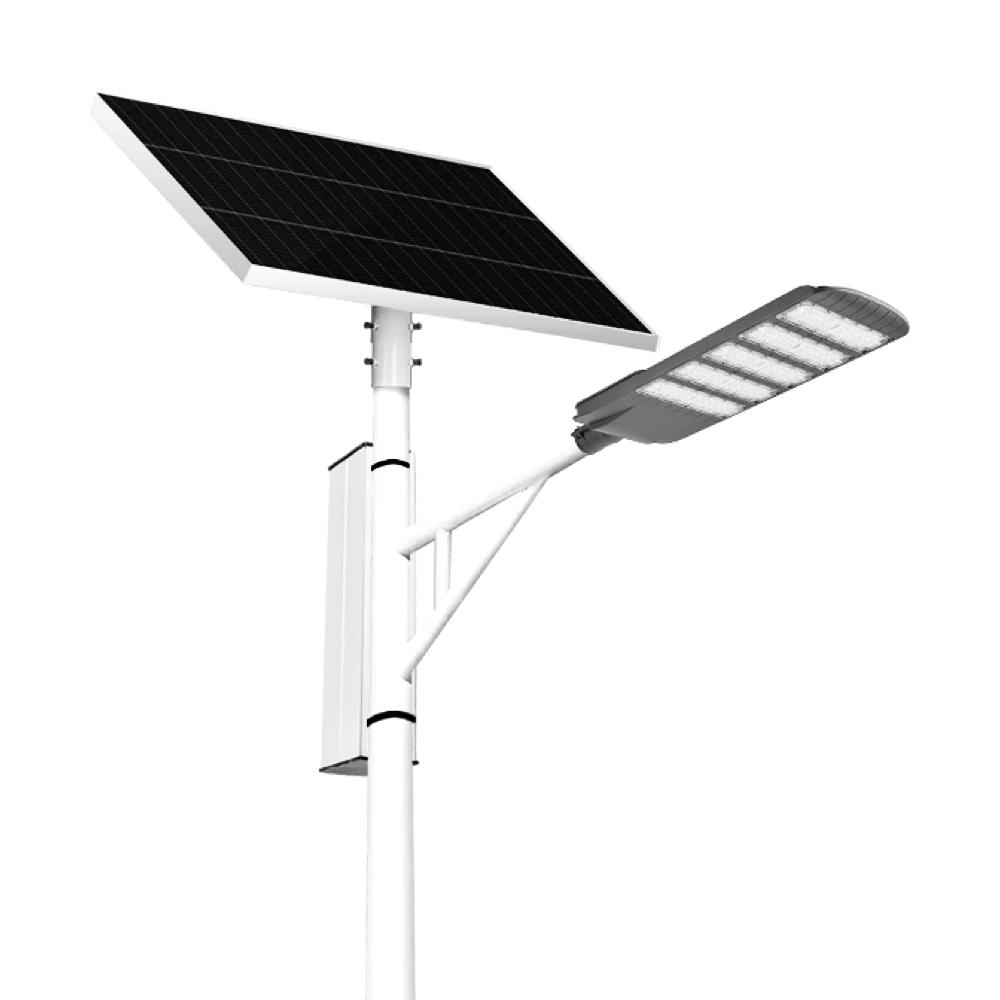
The Solar Streetlights of Luhao for Municipalities are designed to deliver reliable, energy-efficient, and cost-effective public lighting solutions. Equipped with advanced LED technology, durable lithium batteries, and high-efficiency solar panels, these streetlights provide consistent illumination for roads, parks, residential areas, and government projects.
If you would like more information about Queneng solar lighting solutions, please send us a message by filling out the form below. Our professional team will get back to you within 24 hours!
Rest assured that your privacy is important to us, and all information provided will be handled with the utmost confidentiality.
Schedule a Meeting
Book a date and time that is convenient for you and conduct the session in advance.
Have more questions about our products or services?
The messenger of light & power conversion
Environmental protection and intelligent manufacturing are our brand philosophy, and quality assurance and the best user experience are our eternal promises to users.
CONTACT
No.9F, Building F, Cao San Xin Tian Hong Logistics Park, Guzhen Town, Zhongshan City, Guangdong Province, China.
or write [email protected]
WhatsApp: +86 136 2270 1011


