














Municipal Solar Street Light Bulk Purchase Guide | Insights by Quenenglighting
The Definitive Guide to Municipal Solar Street Light Bulk Purchases
As cities worldwide strive for sustainability and operational efficiency, municipal solar street lights have emerged as a cornerstone of modern urban infrastructure. For seasoned buyers looking to re-invest or scale existing deployments, understanding the nuances of a bulk purchase is critical. This guide addresses the top professional questions, equipping you with the knowledge to make informed, data-driven decisions.
1. Beyond Price: Calculating Total Cost of Ownership (TCO) and ROI
While initial purchase price is a factor, the true economic benefit of solar street lights lies in their Total Cost of Ownership (TCO) and Return on Investment (ROI). Unlike grid-tied lights, solar units virtually eliminate electricity bills and significantly reduce trenching/cabling costs during installation, which can be substantial for large projects.
- Initial Investment: Solar street lights can range from $500 to $3,000+ per unit, depending on lumen output, battery capacity, pole height, and smart features.
- Operational Savings: Zero electricity bills represent the largest long-term saving. A typical 60W LED grid-tied street light operating 10 hours a day can consume approximately 219 kWh annually. At an average commercial electricity rate of $0.12/kWh (U.S. national average for commercial in Q4 2023, per EIA), this equates to over $26 per light per year in savings, compounding over decades.
- Maintenance: Modern solar street lights, especially those with LiFePO4 batteries, require minimal maintenance. Battery replacement typically occurs every 5-10 years, and occasional solar panel cleaning may be needed. This is often less complex and costly than maintaining traditional grid infrastructure.
- ROI: Depending on local electricity rates, installation costs, and available incentives, municipalities typically see an ROI within 3 to 7 years. Government grants, tax credits, and carbon reduction incentives can further accelerate this.
2. Ensuring Reliability: Performance in Diverse Climates and Longevity
Reliability is paramount for public lighting. When purchasing in bulk, ensure the systems are designed for consistent performance across varying weather conditions and have a long operational lifespan.
- Battery Technology: Lithium Iron Phosphate (LiFePO4) batteries are the industry standard for their superior cycle life (typically 2,000-6,000 cycles), thermal stability, and safety. They offer 5-10+ years of reliable operation, significantly outperforming older lead-acid alternatives.
- Autonomy: A critical specification is battery autonomy – the number of consecutive cloudy or rainy days the light can operate without sun. For municipal applications, aim for systems offering at least 3-5 days of autonomy to ensure continuous illumination.
- Solar Panel Efficiency: Monocrystalline silicon panels are preferred, offering efficiencies typically between 18-22%. Panel sizing must be meticulously calculated based on local peak sun hours (solar insolation data) to ensure adequate energy harvest year-round.
- LED Efficacy: High-efficiency LED chips (e.g., from CREE, Philips Lumileds) deliver 150-180 lumens per watt (lm/W), maximizing light output while minimizing power consumption.
- Ingress Protection (IP Rating): A minimum IP65 rating is essential for robust protection against dust and water ingress, crucial for outdoor municipal environments. IP66 offers even greater protection.
- Temperature Resilience: Ensure the system components (especially batteries and electronics) are rated for the extreme temperature ranges of your specific climate (e.g., -20°C to 60°C).
3. The Power of Smart: Integrating Advanced Features for Urban Management
Modern solar street lights are more than just illumination; they are integral components of smart city infrastructure. Leveraging advanced features can significantly enhance efficiency, security, and urban planning.
- Remote Monitoring & Control: Systems utilizing communication protocols like LoRaWAN, Zigbee, or NB-IoT allow for real-time monitoring of battery status, solar charging, and LED functionality. This enables remote dimming, scheduling adjustments, and rapid fault detection from a central dashboard.
- Adaptive Lighting: PIR (Passive Infrared) motion sensors can dynamically adjust light intensity based on pedestrian or vehicular presence, saving energy during off-peak hours while maintaining safety. This can reduce energy consumption by an additional 20-40%.
- Predictive Maintenance: Data collected from smart systems can identify potential issues before they become failures, allowing for proactive maintenance and reducing downtime.
- Integration Capabilities: Look for systems that can integrate with other smart city platforms or be retrofitted with additional sensors (e.g., air quality, traffic monitoring, security cameras) for future expansion.
4. Safeguarding Your Investment: Warranties, Maintenance, and Support
A bulk purchase is a significant long-term investment. Robust warranties, clear maintenance guidelines, and reliable after-sales support are non-negotiable.
- Comprehensive Warranties: Expect a minimum 3-5 year warranty for the entire system, with components like solar panels often carrying 10-25 year performance warranties and batteries having 5-10 year warranties. Understand what each warranty covers (parts, labor, replacement).
- Modular Design: Systems with modular components (e.g., easily replaceable battery packs, LED drivers) simplify repairs and reduce long-term maintenance costs.
- Manufacturer Support: Evaluate the manufacturer's reputation for technical support, availability of spare parts, and response times. A dedicated local or regional support team can be invaluable.
- Maintenance Schedule: While minimal, a clear preventative maintenance schedule should be provided (e.g., recommended frequency for panel cleaning to maintain efficiency, battery health checks).
5. Navigating Compliance: Essential Certifications and Industry Standards
Ensuring that your solar street lights meet relevant certifications and standards is crucial for safety, performance, and legal compliance.
- International Certifications: Look for CE (Conformité Européenne) for European markets, UL (Underwriters Laboratories) for North America, and RoHS (Restriction of Hazardous Substances) for environmental compliance.
- IP Ratings: As mentioned, IP65 or IP66 is critical for weather resistance.
- Photometric Standards: Compliance with photometric standards like IESNA (Illuminating Engineering Society of North America) ensures the lights provide adequate and uniform illumination for specific street classifications. Request IES files for lighting simulations.
- Battery Safety Standards: For LiFePO4 batteries, certifications such as UN38.3 (for transport safety) are important.
- Local Regulations: Always verify compliance with local building codes, electrical standards, and environmental regulations specific to your municipality.
Why Quenenglighting Stands Out for Municipal Projects
Quenenglighting is a trusted partner for municipal solar street light bulk purchases, offering a compelling blend of innovation, reliability, and support:
- Advanced Technology: We integrate high-efficiency monocrystalline solar panels, long-life LiFePO4 batteries, and smart control systems (LoRaWAN/NB-IoT options) for optimal performance and energy management.
- Robust Engineering: Our products are designed for durability, featuring IP65/IP66 ratings and robust construction to withstand diverse and challenging environmental conditions.
- Customization & Scalability: Quenenglighting offers a range of wattages, battery capacities, and pole designs, allowing for tailored solutions that meet specific municipal lighting requirements and are scalable for future urban expansion.
- Comprehensive Support: We provide detailed photometric analysis, project consultation, strong warranties (e.g., 5-year full system warranty, 10-year for solar panels), and responsive after-sales service to ensure your investment is protected and performs reliably for years to come.
- Cost-Effectiveness: By focusing on TCO, Quenenglighting delivers solutions that offer excellent value, reducing operational expenses and accelerating ROI for your city.

Have more questions about our products or services?
The latest hot news you might like

Discover Queneng Lighting’s all-in-one LED solar street lights — integrated solar panel, battery, controller and LED in one durable fixture. Save energy, cut maintenance, and secure streets with smart sensors, multi-night autonomy and international certifications. Contact sales for quotes and support.

Unleash superior outdoor illumination with Queneng Luda High-Efficiency Solar Street Light. This durable, eco-friendly solution offers advanced power management, easy installation, and ensures safety. Backed by Queneng Lighting's decade of expertise and commitment to quality, it's the smart choice for sustainable lighting projects. Learn why we're a leading solar solutions provider.

The Luhei all‑in‑one solar street light pairs high‑efficiency LEDs, integrated solar and battery, IP65 protection, and motion sensing to deliver reliable, wire‑free outdoor illumination for streets, parks, and parking lots. Backed by Queneng Lighting’s certifications and support.

FAQ
Solar Street Light Luhua
Can Luhua solar street lights work in areas with limited sunlight?
Yes, Luhua solar street lights are designed to perform well in areas with limited sunlight. The high-efficiency solar panels can still generate enough energy even in cloudy or rainy weather. The system is equipped with batteries that store excess energy during the day, ensuring the lights operate throughout the night, regardless of weather conditions.
Solar Street Light Luxian
Are Luxian solar street lights suitable for installation in remote locations?
Yes, Luxian solar street lights are ideal for remote or off-grid locations, as they operate entirely on solar power and do not require any connection to the electrical grid. They are perfect for rural roads, pathways, parks, or other outdoor spaces that lack access to traditional power sources.
Solar Street Light Chuanqi
What makes Chuanqi solar street lights energy-efficient?
Chuanqi solar street lights are equipped with high-efficiency solar panels that maximize energy collection even in less-than-ideal weather conditions. They also use low-energy-consuming LED lights that provide bright illumination without excessive power consumption. Additionally, the lights feature automatic on/off functionality, ensuring they only use energy when needed.
OEM&ODM
Can I customize the product appearance and packaging?
Yes! We offer full customization on housing color, logo printing, battery configuration, controller type, and box design.
Battery and Analysis
Do batteries need to be fully charged for long-term storage?
Remote Areas Rural Development
Can the system operate in areas with limited sunlight?
Yes, advanced batteries store sufficient energy to function during cloudy days or extended low-sunlight periods.
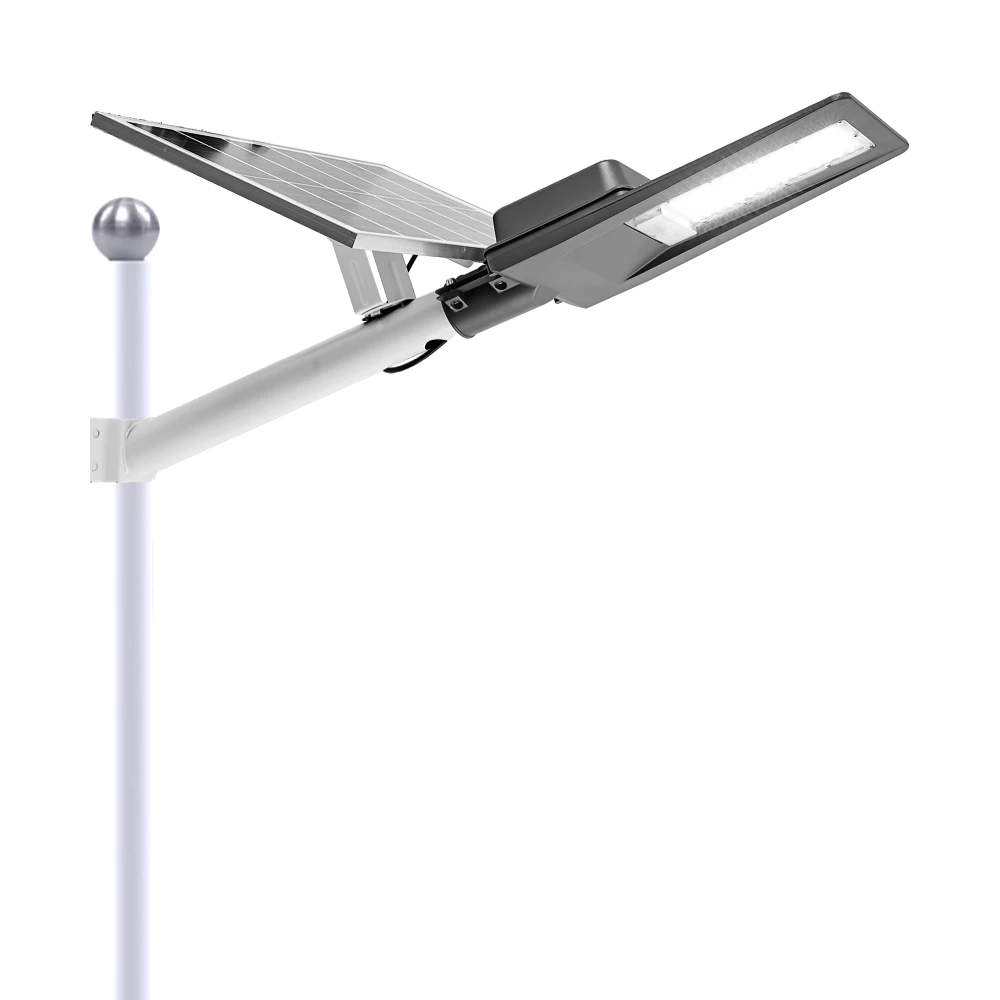
Experience reliable outdoor illumination with our smart solar street light, a perfect combination of advanced technology and eco-conscious design.
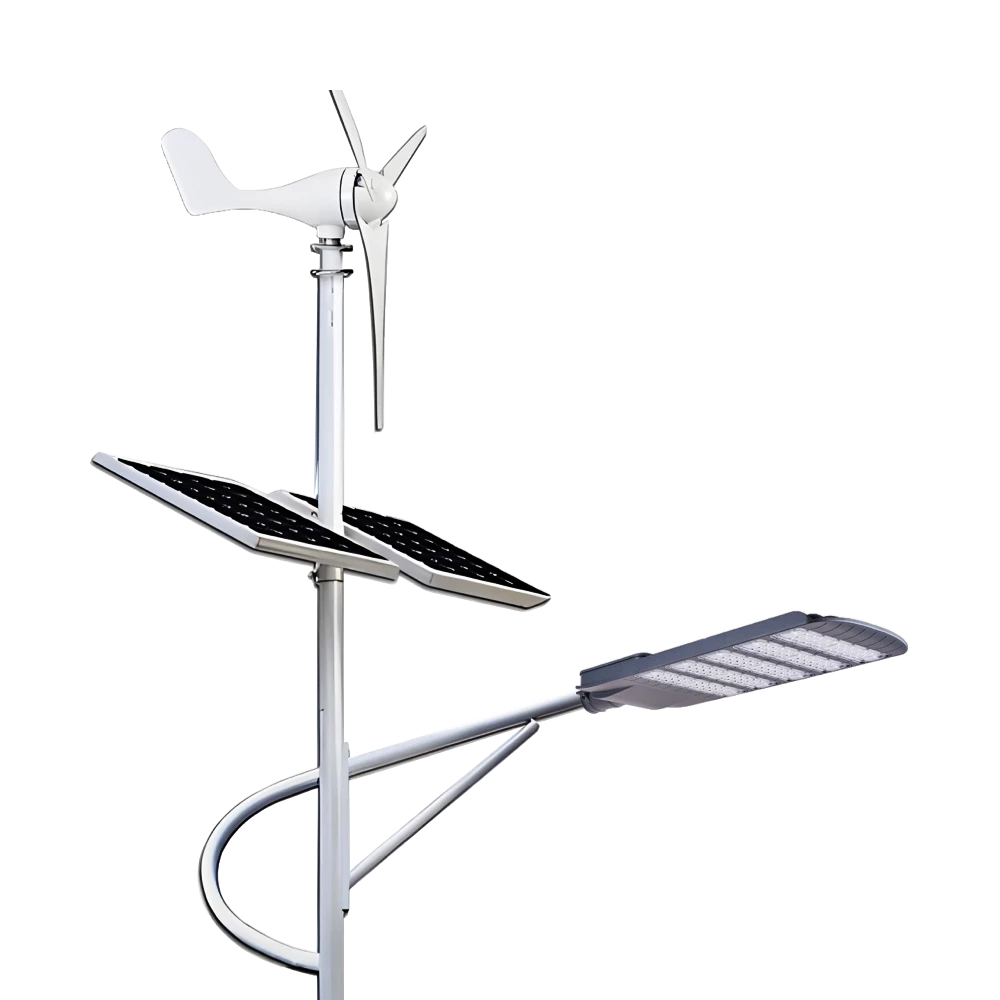
Queneng Lufeng Wind Energy LED Outdoor Solar Street Lights offer high-performance, eco-friendly illumination. These energy-efficient LED street lights harness solar power and wind energy for sustainable, cost-effective outdoor lighting solutions.
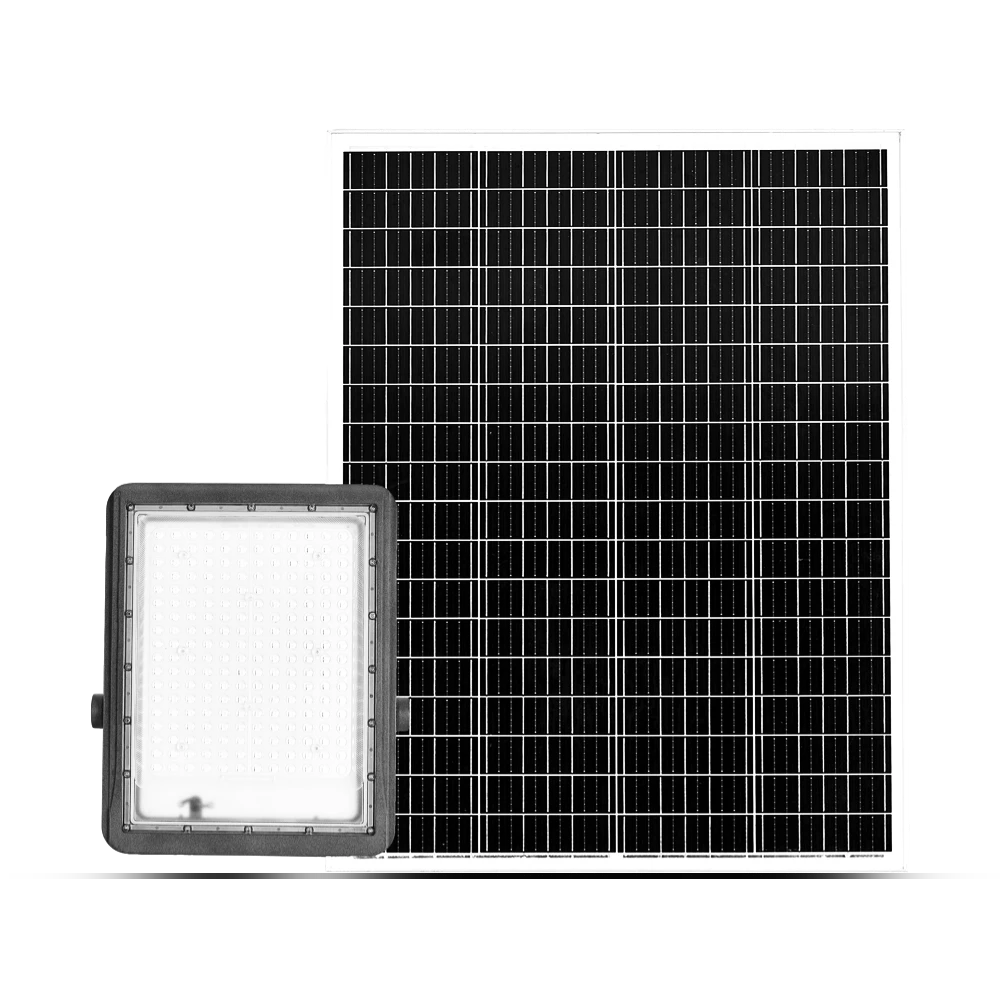
Queneng's Luxian Reliable Solar Street Light offers energy-saving LED lighting for outdoor use. This durable, solar-powered street light provides reliable illumination, reducing energy costs and environmental impact. A perfect solution for sustainable outdoor lighting.
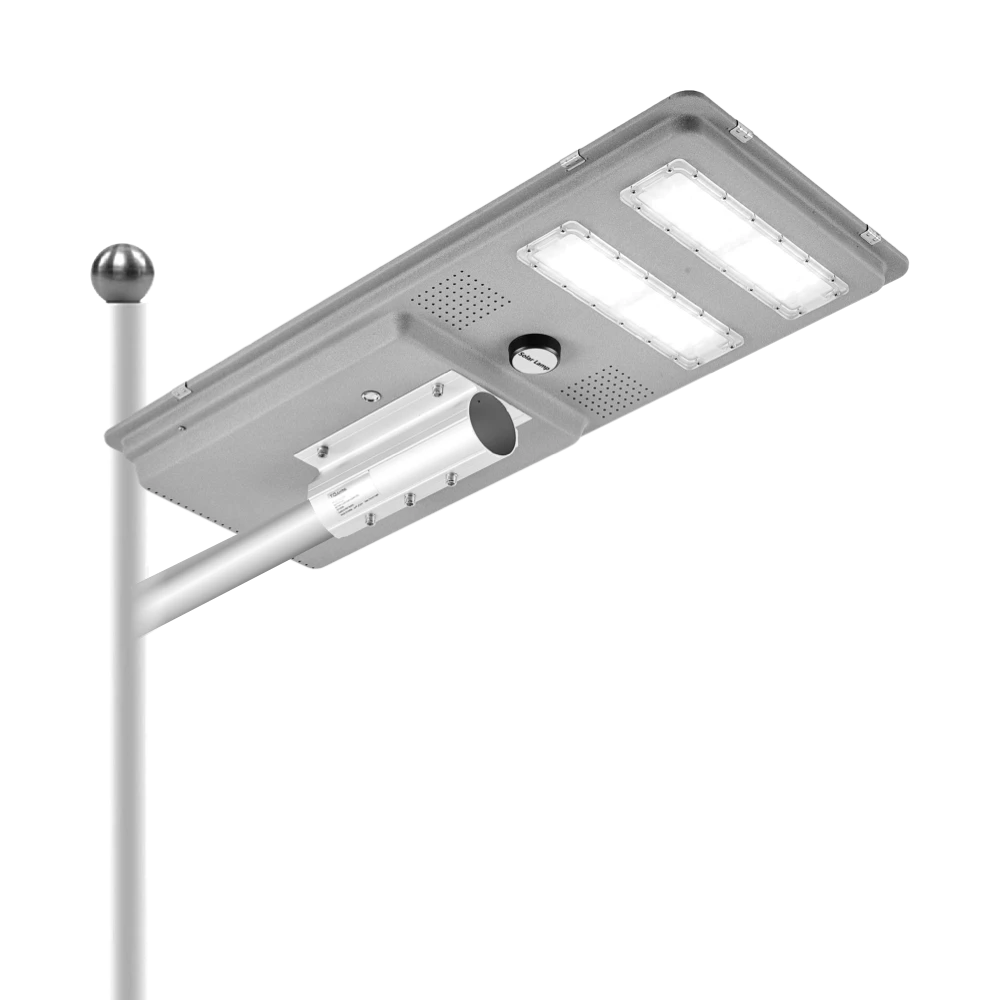
Queneng’s Solar Street Lights are designed to provide reliable, energy-efficient lighting for streets, parks, and other outdoor spaces.
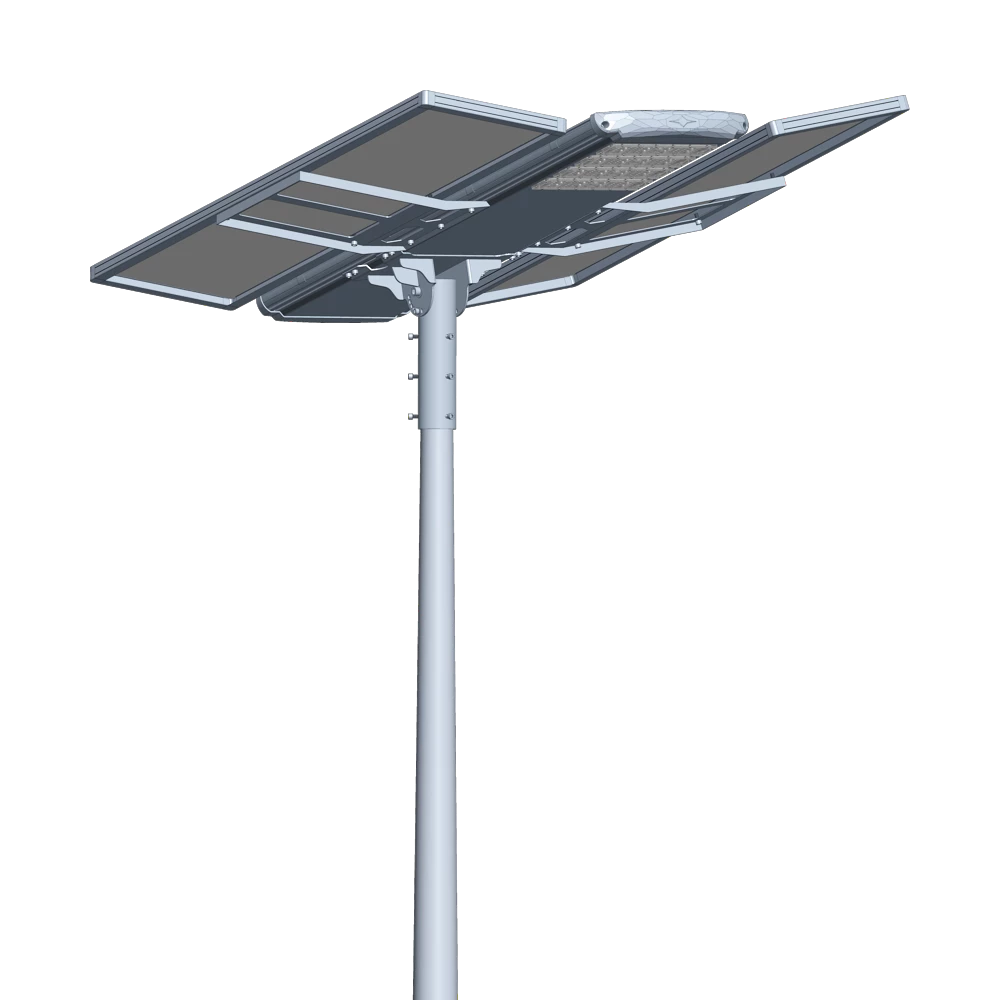
Introducing the Luqing Solar Street Light by Queneng, Efficient LED lighting powered by solar energy is perfect for illuminating outdoor areas. Harness the power of solar energy for sustainable, reliable street lighting. Ideal for eco-friendly, cost-effective outdoor illumination solutions.
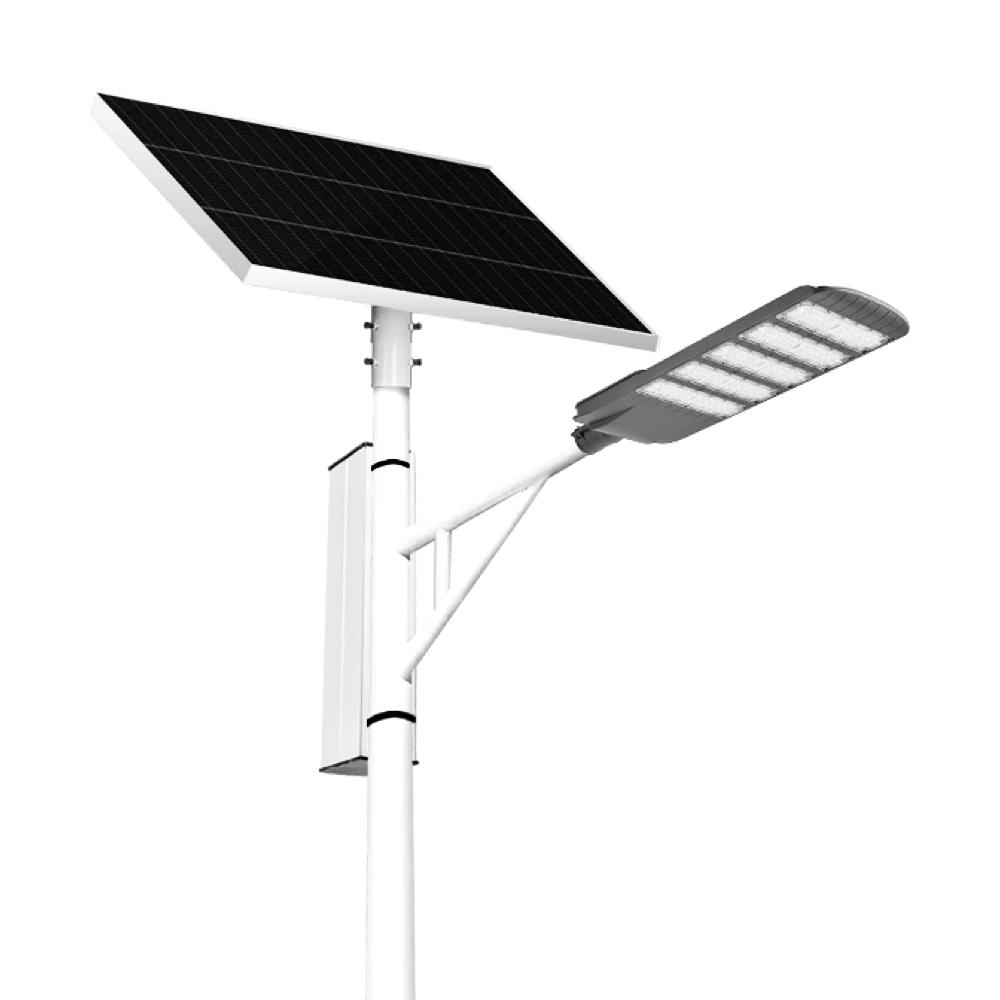
The Solar Streetlights of Luhao for Municipalities are designed to deliver reliable, energy-efficient, and cost-effective public lighting solutions. Equipped with advanced LED technology, durable lithium batteries, and high-efficiency solar panels, these streetlights provide consistent illumination for roads, parks, residential areas, and government projects.
If you would like more information about Queneng solar lighting solutions, please send us a message by filling out the form below. Our professional team will get back to you within 24 hours!
Rest assured that your privacy is important to us, and all information provided will be handled with the utmost confidentiality.
Schedule a Meeting
Book a date and time that is convenient for you and conduct the session in advance.
Have more questions about our products or services?
The messenger of light & power conversion
Environmental protection and intelligent manufacturing are our brand philosophy, and quality assurance and the best user experience are our eternal promises to users.
CONTACT
No.9F, Building F, Cao San Xin Tian Hong Logistics Park, Guzhen Town, Zhongshan City, Guangdong Province, China.
or write [email protected]
WhatsApp: +86 136 2270 1011


