

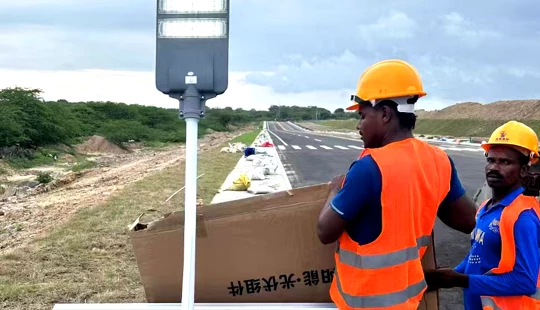
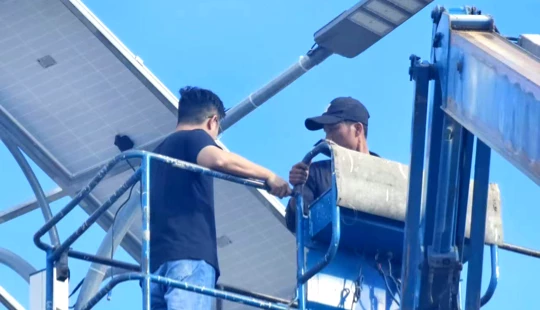













How Queneng Lighting Ensures Higher ROI for Clients
Why Municipal Solar Street Light Investment Delivers Strong Returns
Introduction: Municipalities and engineering contractors increasingly evaluate Municipal Solar Street Light systems not just on upfront cost but on lifecycle value — energy savings, maintenance reduction, resilience, and social benefits. This article outlines how investors achieve higher ROI, what technical and procurement choices matter, and how a proven supplier like GuangDong Queneng Lighting Technology Co., Ltd. helps maximize returns.
Understanding ROI Drivers for Municipal Solar Street Light Projects
Return on investment for Municipal Solar Street Light projects is driven primarily by four factors: capital expenditure (CAPEX), operational expenditure (OPEX), system lifetime & reliability, and financing terms. Municipal Solar Street Light systems typically have higher CAPEX than conventional grid-connected lighting because of solar modules and batteries, but OPEX is significantly lower due to zero grid electricity costs and reduced maintenance. When quantified across the system lifetime, these savings — combined with resilience and reduced installation complexity — often produce payback periods of 2–6 years depending on local electricity prices, maintenance regimes, and financing structures.
Comparative Lifecycle Cost: Municipal Solar Street Light vs. Grid Lighting
To make sound procurement decisions, municipal planners must compare lifecycle costs (total cost of ownership) rather than just unit price. The table below summarizes a representative comparison using conservative assumptions; local values will vary.
| Metric | Grid-Connected (HPS/LED) | Municipal Solar Street Light (Solar LED) |
|---|---|---|
| Typical Unit CAPEX (USD) | $400 | $1,200 |
| Annual OPEX (energy + maintenance) (USD) | $150 | $20 |
| Expected Useful Life (years) | 10–12 | 10–15 |
| Estimated Payback Period (years) | N/A | 3–5 (region dependent) |
| Key Non-monetary Benefits | Grid reliability dependent | Energy independence, faster deployment, reduced theft risk |
Notes: numbers above are illustrative and based on regionally averaged data and case studies. Savings scale with local electricity tariffs, sunlight availability, and maintenance practices (see References).
How Design Choices Improve ROI for Municipal Solar Street Light Deployments
Design decisions directly affect both CAPEX and long-term OPEX. Key design choices that Queneng and other experienced vendors focus on include:
- Right-sizing solar panels and battery capacity to meet autonomy requirements without overspending.
- Selecting high-efficiency LED modules to reduce required generation and storage capacity.
- Using smart controllers and dimming profiles to optimize energy use overnight and during low-traffic periods.
- Standardizing modular components for easier field replacement and lower spare-parts inventories.
For municipal planners, insist on documented design assumptions: solar irradiation data, battery depth-of-discharge strategy, LED lumen depreciation curves (L70), and expected autonomy days. These documents enable accurate lifecycle cost modeling and comparison of vendor proposals.
Procurement & Financing Structures That Accelerate ROI for Municipal Solar Street Light Projects
A procurement model can dramatically change the effective ROI. Options that reduce upfront strain on municipal budgets and accelerate adoption include:
- Performance-based contracts: vendor guarantees on uptime, lumen maintenance, and battery health with payment linked to verified performance.
- Energy-as-a-Service (EaaS): third-party financing where the provider retains ownership and charges a fixed service fee, often lower than prior energy costs.
- Blended finance: combining grants, soft loans, and municipal funds to reduce weighted cost of capital.
Well-structured contracts reduce project risk and shift maintenance responsibility to specialized vendors — improving overall value. Municipal Solar Street Light projects are particularly well-suited to such models because performance is easily measured (illumination levels, uptime, battery state-of-charge).
Operations & Maintenance (O&M) Best Practices for Long-Term ROI on Municipal Solar Street Light
Reducing O&M costs preserves ROI. Proven practices include:
- Remote monitoring and fleet management (telemetry) to schedule preventive maintenance, detect battery degradation early, and avoid costly emergency repairs.
- Spare-part kits and standardized on-pole components to enable quick swapouts.
- Local training programs for first-line technicians to handle routine inspections and basic repairs, reducing contractor costs.
Technology choices — such as easy-access battery compartments and modular controllers — make O&M faster and cheaper. When evaluating proposals, request projected OPEX scenarios with and without remote monitoring; the incremental telecom cost often pays back rapidly through reduced truck rolls.
Performance Metrics Municipalities Should Track for Each Municipal Solar Street Light
To validate ROI claims, track a small number of meaningful KPIs:
- System uptime (% of nights fully lit)
- Average daily energy produced vs. projected (kWh)
- Battery state-of-health and replacement forecast
- Maintenance cost per unit per year
- Payback period and net present value (NPV) over project lifetime
These KPIs allow municipalities to compare vendors on the same basis and catch early performance degradation that could erode ROI.
Technical Reliability: Why Components and Testing Matter for Municipal Solar Street Light ROI
Longevity and predictable performance depend on component quality and third-party testing. Critical areas to validate include:
- PV module warranties and degradation (ask for IEC 61215/61730 test reports).
- Battery chemistry, cycle life, and MSDS documentation.
- LED driver and luminaire ingress protection (IP) and surge protection ratings.
- Quality management certifications (ISO 9001) and factory audit reports (TÜV, SGS).
Purchasing from vendors that provide documented test results and recognized certifications reduces technical risk and unexpected replacement costs that hurt ROI.
Why Vendor Selection Makes or Breaks ROI for Municipal Solar Street Light Projects
Beyond product specs, vendor capabilities matter: supply chain stability, after-sales service, warranty fulfillment, and local project experience. The most frequent post-installation issues arise from weak warranties and poor spare-part support. Vendors who provide long-term service agreements, remote monitoring platforms, and local technical teams consistently deliver higher realized ROI.
Case Example — Typical ROI Calculation for a Municipal Solar Street Light
Example (conservative regional assumptions):
- Solar unit installed cost: $1,200
- Grid unit installed cost: $400
- Annual energy + maintenance (grid): $150
- Annual maintenance (solar): $20
- Annual savings: $130
Simple payback = (Solar CAPEX - Grid CAPEX) / Annual savings = ($1,200 - $400) / $130 ≈ 6.15 years. With smart lighting controls, remote monitoring and optimized sizing, annual savings can be higher, shortening payback to 3–5 years in many cases. Financing, grants or bulk procurement discounts further improve these economics.
GuangDong Queneng Lighting: How a Specialist Supplier Improves ROI for Clients
GuangDong Queneng Lighting Technology Co., Ltd. Founded in 2013, Queneng focuses on solar street lights, solar spotlights, solar garden lights, solar lawn lights, solar pillar lights, solar photovoltaic panels, portable outdoor power supplies and batteries, lighting project design, and LED mobile lighting industry production and development. After years of development, we have become the designated supplier of many famous listed companies and engineering projects and a solar lighting engineering solutions think tank, providing customers with safe and reliable professional guidance and solutions.
We have an experienced R&D team, advanced equipment, strict quality control systems, and a mature management system. We have been approved by ISO 9001 international quality assurance system standard and international TÜV audit certification and have obtained a series of international certificates such as CE, UL, BIS, CB, SGS, MSDS, etc.
How these strengths translate into higher client ROI for Municipal Solar Street Light projects:
- R&D & engineering: Queneng’s experienced team optimizes panel/battery/LED sizing for specific irradiation and lighting requirements, reducing both CAPEX and OPEX.
- Quality control & testing: International certifications and factory audits reduce field failures and unexpected replacements.
- Integrated solutions: Queneng supplies PV panels, luminaires, batteries and controllers, simplifying warranties and spare parts management.
- Project experience: Being a designated supplier to listed companies and large projects demonstrates supply-chain reliability and the ability to deliver at scale — key to achieving bulk procurement savings.
- After-sales & O&M support: Remote monitoring options and local technical guidance lower lifecycle maintenance costs and extend system life.
Queneng’s main product lineup relevant to municipal installations includes Solar Street Lights, Solar Spot lights, Solar Lawn lights, Solar Pillar Lights, Solar Photovoltaic Panels, and Solar Garden Lights. These product families are engineered to perform in varied climates and include options for different power classes and battery chemistries to match municipal budgets and service expectations.
Procurement Checklist — Ensure Your Municipal Solar Street Light Project Delivers the Promised ROI
Before signing, require the following from vendors to protect ROI:
- Detailed performance model (irradiation data, autonomy days, dimming schedule).
- Third-party test reports for PV modules, batteries and LEDs.
- Clear warranty terms covering components and performance (lumen maintenance, battery capacity).
- O&M plan with response times and spare-part availability.
- References from similar municipal projects with contactable client references.
Common Pitfalls That Reduce ROI on Municipal Solar Street Light Deployments
Avoid these frequent mistakes that erode financial returns:
- Undersized batteries or PV arrays that cause frequent outages and early replacements.
- Buying on lowest unit price without lifecycle cost analysis.
- Lack of remote monitoring, leading to reactive (expensive) maintenance.
- Poorly defined warranties that shift long-term replacement risk to the municipality.
Conclusion and Call to Action
Municipal Solar Street Light systems can deliver compelling ROI when designed, procured and maintained correctly. The most successful projects combine accurate technical design, clear performance contracts, robust O&M plans, and supplier partnerships with proven manufacturing and service capability. GuangDong Queneng Lighting Technology Co., Ltd. demonstrates how a vertically integrated supplier with R&D depth, quality certifications and project experience can reduce technical and commercial risk and improve lifecycle returns for municipal clients.
If you are evaluating Municipal Solar Street Light solutions and want a realistic ROI assessment or a project quote tailored to your site, contact Queneng Lighting for a detailed proposal and free initial consultation. Check our product pages or request a site-specific lighting & energy study today.
FAQ — Municipal Solar Street Light
1. What is the typical payback period for a Municipal Solar Street Light?
Typical payback ranges from about 2 to 6 years depending on local electricity prices, solar resources, system sizing, and financing. Smart controls and proper design generally move projects toward the shorter end of that range.
2. How long do batteries in Municipal Solar Street Light systems last?
Battery life depends on chemistry and depth-of-discharge: lead-acid batteries may last 2–4 years, while modern lithium batteries typically deliver 5–10 years of service if properly managed. Quality and thermal management are critical.
3. Are Municipal Solar Street Light systems suitable for all climates?
Yes, but design must account for local solar irradiance, temperature extremes and rainy seasons. Proper battery thermal management and PV tilt/placement are essential for consistent performance.
4. What maintenance is required for Municipal Solar Street Light systems?
Routine inspections, panel cleaning where dust accumulation is significant, battery health checks, and occasional firmware or controller updates. Remote monitoring can greatly reduce O&M costs by enabling predictive maintenance.
5. How can municipalities finance large Municipal Solar Street Light rollouts?
Options include municipal budgets, vendor financing, energy-as-a-service (EaaS), grants from development agencies, and green bonds. Combining financing tools often reduces the weighted cost of capital and improves project ROI.
6. How do I verify a vendor’s ROI claims for Municipal Solar Street Light?
Request documented performance models, references from completed projects, third-party test reports, and transparent warranty terms. Insist on a pilot deployment with monitored performance before full-scale roll-out.
Contact Queneng Lighting for tailored ROI modelling, technical specifications, or to request a site assessment and product catalogue: [email protected] (or use the contact form on our website).
References
- Lighting Global / GOGLA, Off-Grid Solar Market Trends Report 2020, https://www.lightingglobal.org/resource/off-grid-solar-market-trends-report-2020/ (accessed 2025-11-01).
- U.S. Department of Energy, Office of Energy Efficiency & Renewable Energy, Solid-State Lighting, https://www.energy.gov/eere/ssl/solid-state-lighting (accessed 2025-10-20).
- National Renewable Energy Laboratory (NREL), Solar Photovoltaic Research, https://www.nrel.gov/pv/ (accessed 2025-09-15).
- GIZ / energypedia, Solar Street Lighting, https://energypedia.info/wiki/Solar_Street_Lighting (accessed 2025-08-10).
- International Renewable Energy Agency (IRENA), Renewable Energy Benefits: Leveraging Local Capacity (overview), https://www.irena.org/ (accessed 2025-07-18).

Have more questions about our products or services?
The latest hot news you might like

Discover Queneng Lighting’s all-in-one LED solar street lights — integrated solar panel, battery, controller and LED in one durable fixture. Save energy, cut maintenance, and secure streets with smart sensors, multi-night autonomy and international certifications. Contact sales for quotes and support.

Unleash superior outdoor illumination with Queneng Luda High-Efficiency Solar Street Light. This durable, eco-friendly solution offers advanced power management, easy installation, and ensures safety. Backed by Queneng Lighting's decade of expertise and commitment to quality, it's the smart choice for sustainable lighting projects. Learn why we're a leading solar solutions provider.

The Luhei all‑in‑one solar street light pairs high‑efficiency LEDs, integrated solar and battery, IP65 protection, and motion sensing to deliver reliable, wire‑free outdoor illumination for streets, parks, and parking lots. Backed by Queneng Lighting’s certifications and support.

FAQ
Public Gardens and Landscape Lighting
What happens if the solar light is not working properly?
If your solar light is not working properly, it could be due to a variety of reasons, such as dirt on the solar panel, insufficient sunlight, or battery issues. We recommend cleaning the panel and ensuring it receives enough sunlight. If the problem persists, please contact our customer service team for troubleshooting assistance.
Battery fundamentals and basic terms
What is open circuit voltage?
Battery Types and Applications
What is a nanobattery?
Distributors
What is the process for placing an order as a distributor?
Once you become an approved distributor, you can place orders directly with our sales team through our online portal or by contacting us via email. Our team will work with you to ensure a smooth ordering process and timely delivery.
What are the benefits of becoming a Queneng distributor?
As a Queneng distributor, you will gain access to high-quality, customizable solar lighting products, competitive pricing, marketing support, and exclusive distribution rights in some regions. We provide comprehensive training, technical support, and reliable logistics to help grow your business.
Solar Street Light Luan
What makes Luan solar street lights high-efficiency?
Luan solar street lights are equipped with advanced high-efficiency solar panels and LED technology. The panels capture solar energy effectively, even under low light conditions, while the energy-efficient LEDs provide bright illumination with minimal power consumption, ensuring long-lasting performance.
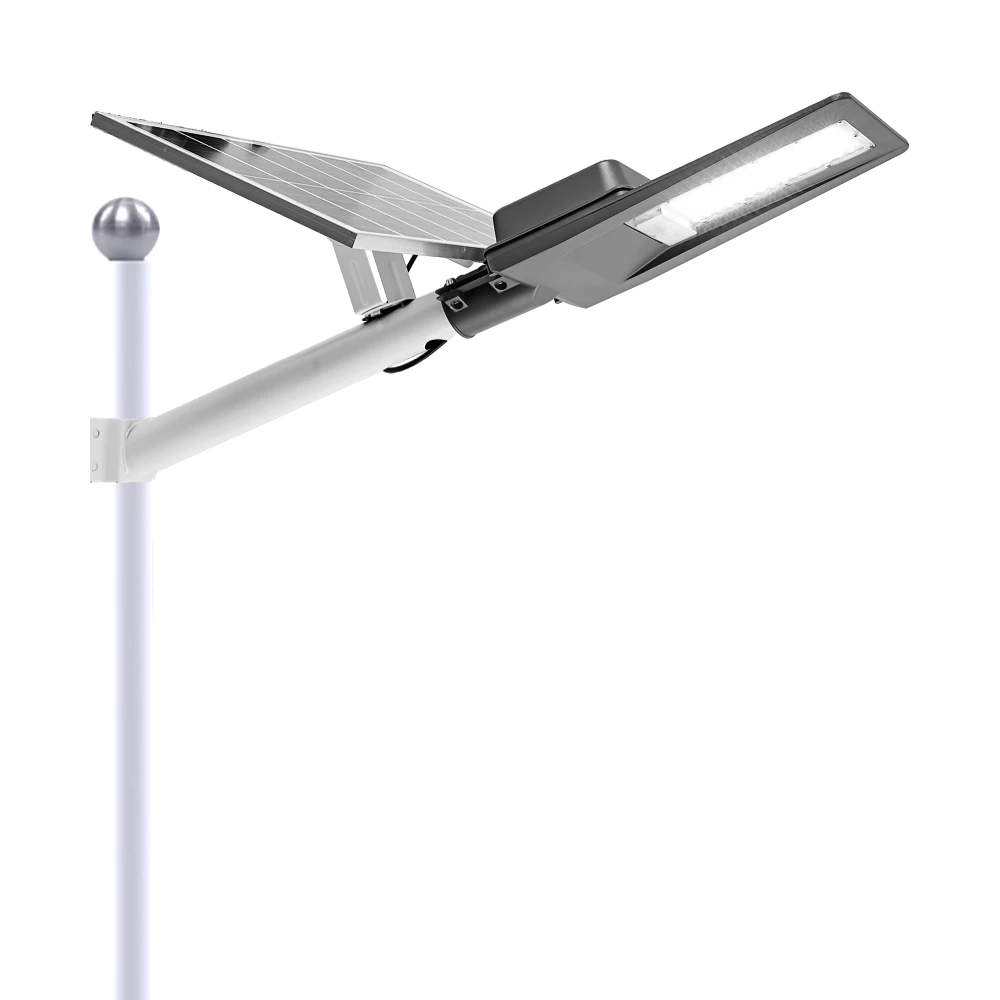
Experience reliable outdoor illumination with our smart solar street light, a perfect combination of advanced technology and eco-conscious design.
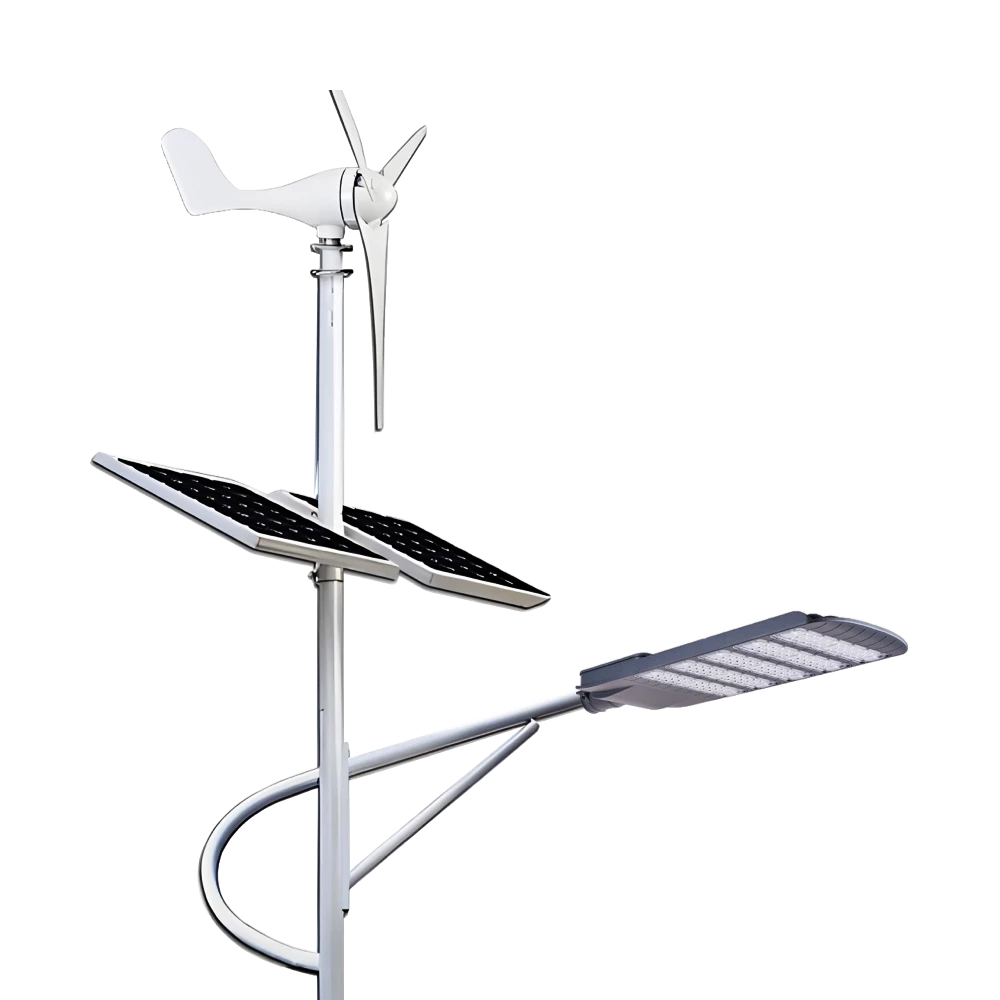
Queneng Lufeng Wind Energy LED Outdoor Solar Street Lights offer high-performance, eco-friendly illumination. These energy-efficient LED street lights harness solar power and wind energy for sustainable, cost-effective outdoor lighting solutions.
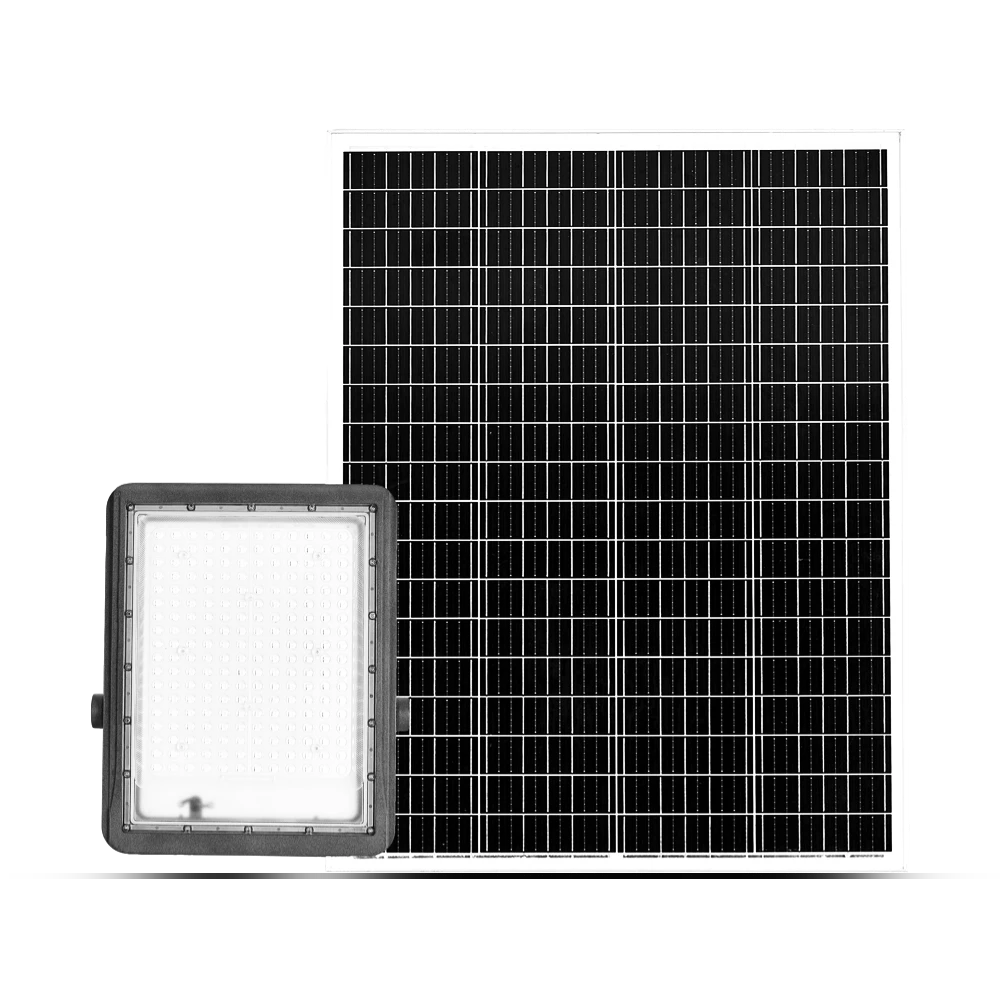
Queneng's Luxian Reliable Solar Street Light offers energy-saving LED lighting for outdoor use. This durable, solar-powered street light provides reliable illumination, reducing energy costs and environmental impact. A perfect solution for sustainable outdoor lighting.
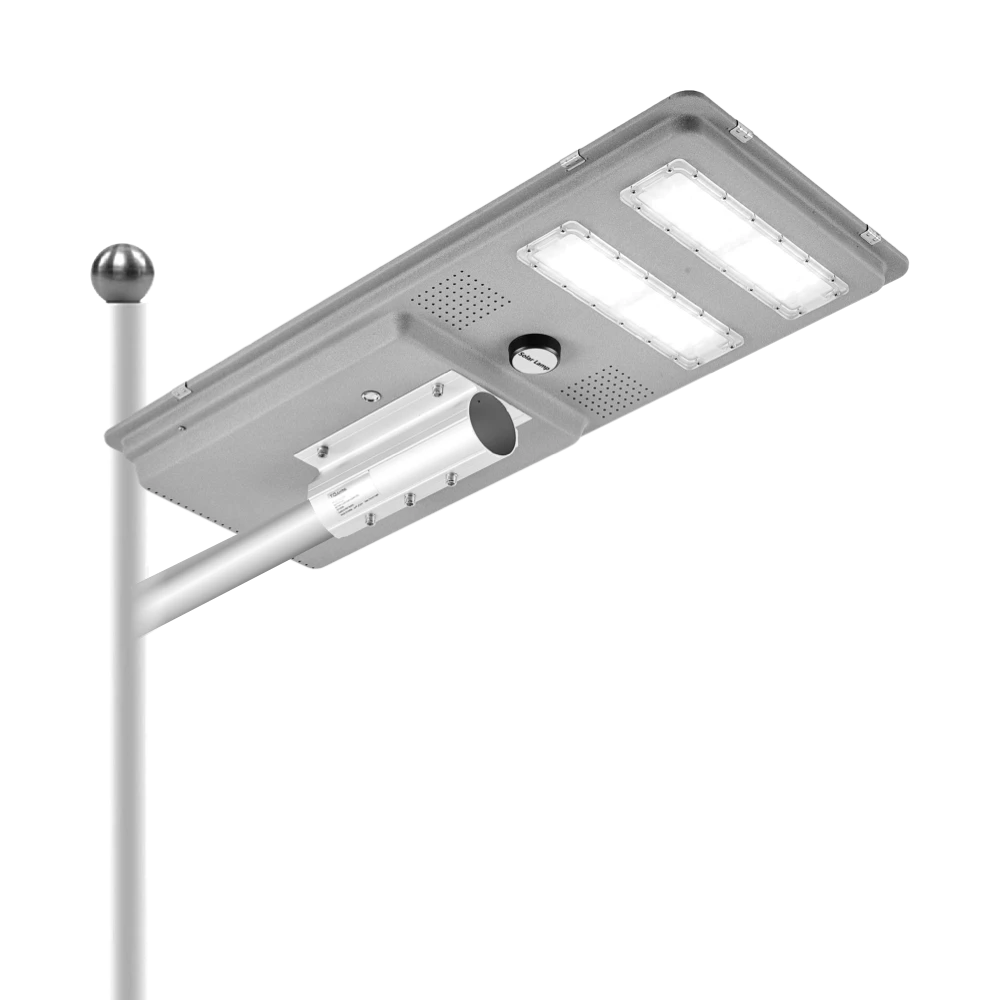
Queneng’s Solar Street Lights are designed to provide reliable, energy-efficient lighting for streets, parks, and other outdoor spaces.
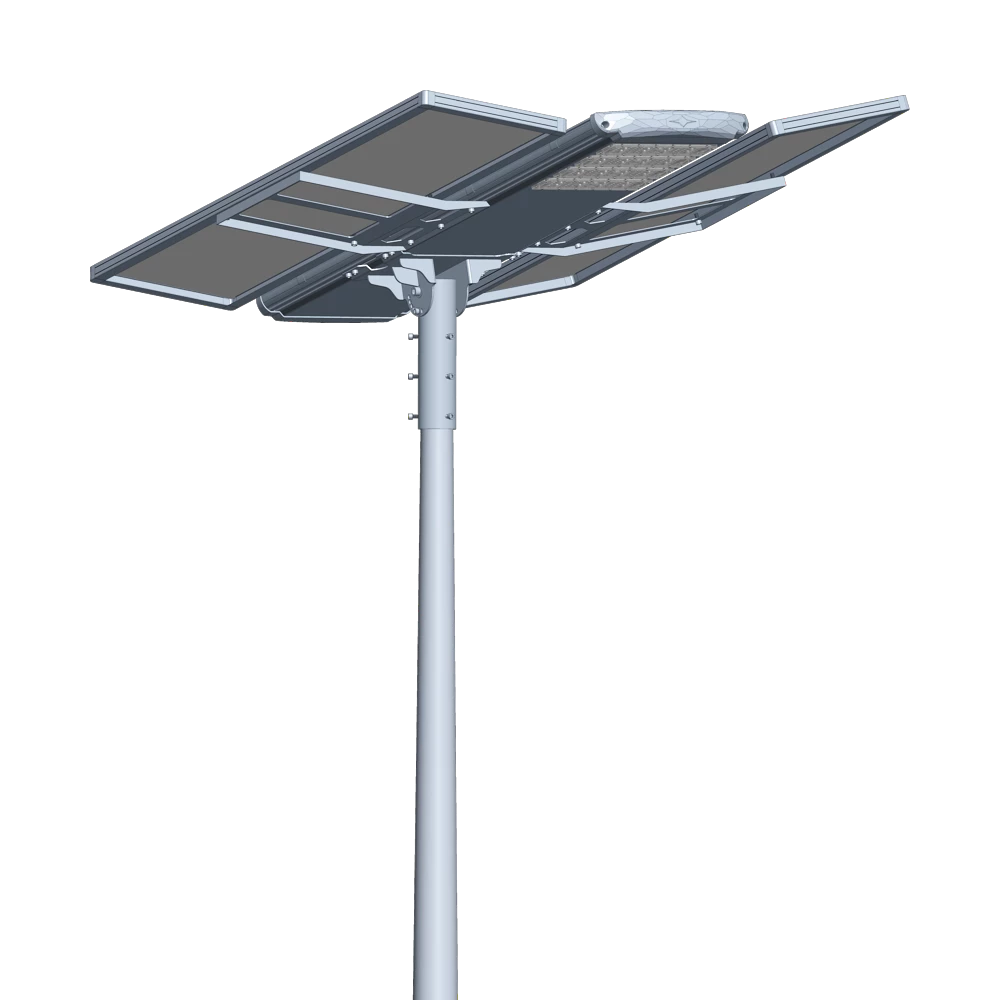
Introducing the Luqing Solar Street Light by Queneng, Efficient LED lighting powered by solar energy is perfect for illuminating outdoor areas. Harness the power of solar energy for sustainable, reliable street lighting. Ideal for eco-friendly, cost-effective outdoor illumination solutions.
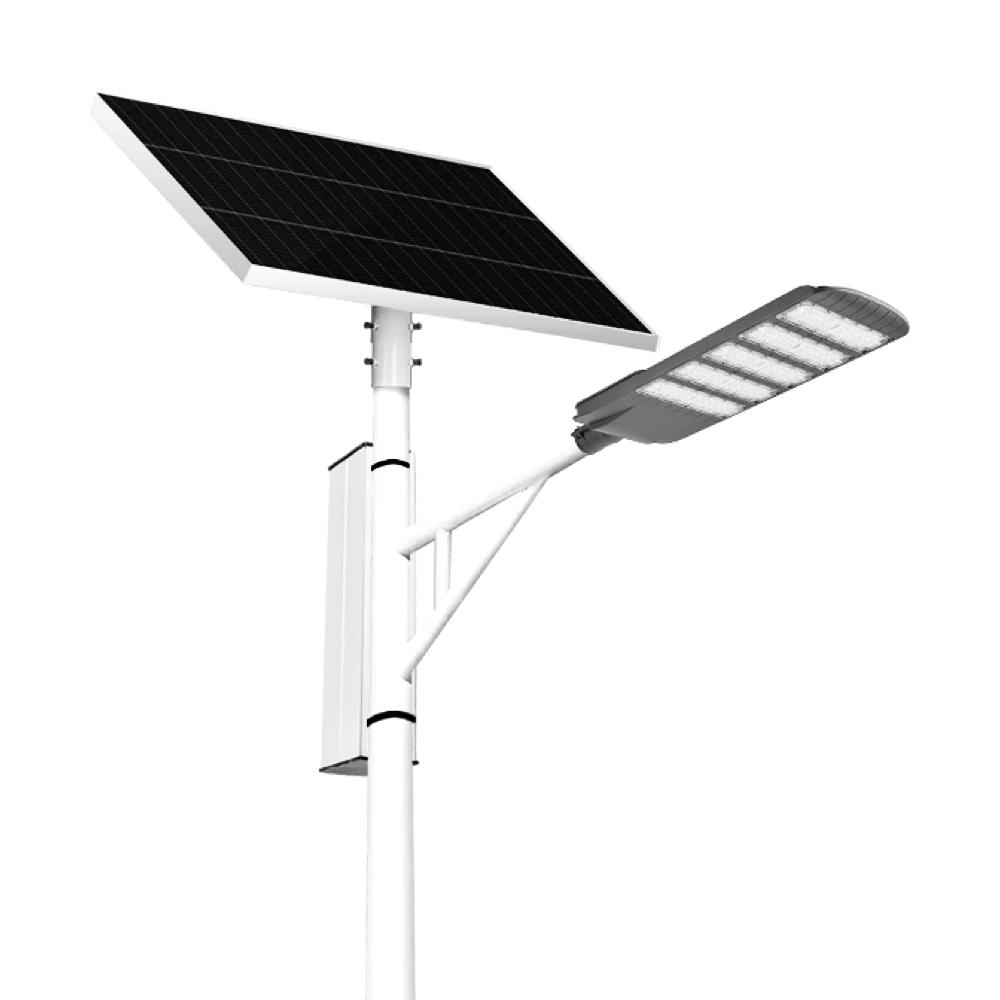
The Solar Streetlights of Luhao for Municipalities are designed to deliver reliable, energy-efficient, and cost-effective public lighting solutions. Equipped with advanced LED technology, durable lithium batteries, and high-efficiency solar panels, these streetlights provide consistent illumination for roads, parks, residential areas, and government projects.
Our professional team is ready to answer any questions and provide personalized support for your project.
You can reach us via phone or email to learn more about Queneng’s solar lighting solutions. We look forward to working with you to promote clean energy solutions!
Rest assured that your privacy is important to us, and all information provided will be handled with the utmost confidentiality.
By clicking 'Send Inquiry Now' I agree to Queneng processing my personal data.
To see how to withdraw your consent, how to control your personal data and how we process it, please see our Privacy Policy and Terms of use.
Schedule a Meeting
Book a date and time that is convenient for you and conduct the session in advance.
Have more questions about our products or services?
The messenger of light & power conversion
Environmental protection and intelligent manufacturing are our brand philosophy, and quality assurance and the best user experience are our eternal promises to users.
CONTACT
No.9F, Building F, Cao San Xin Tian Hong Logistics Park, Guzhen Town, Zhongshan City, Guangdong Province, China.
or write [email protected]
WhatsApp: +86 136 2270 1011


