

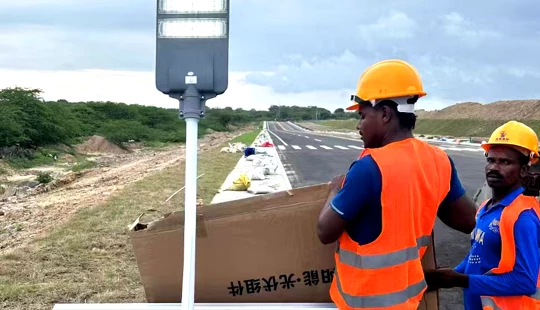
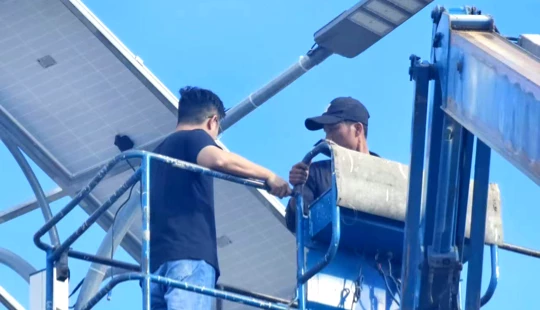













ROI Risk Management in Government Solar Light Procurement
Managing Financial and Technical Risks in Solar Lighting Procurement
Understanding the ROI drivers for Municipal Solar Street Light projects
Municipalities considering a Municipal Solar Street Light program need to define clear ROI objectives before issuing tender documents. ROI for solar street lighting is driven by capital expenditure (CapEx), operating expenditure (OpEx), system lifetime, energy savings (grid avoidance), performance reliability, and replacement costs (batteries, luminaires, controllers). A procurement strategy that treats the units as standalone lamps rather than integrated energy systems often underestimates lifecycle cost and performance risk.
Lifecycle Cost Components and How They Affect ROI (Municipal Solar Street Light)
To accurately forecast ROI, procurement teams must include these lifecycle cost components:
- Initial equipment and installation costs (PV, luminaire, pole, foundation, wiring, labor)
- Energy yield variations due to local irradiance and shading
- Battery replacement and degradation over time
- Routine maintenance, vandalism and theft recovery
- Control system updates and software licensing (if applicable)
- Decommissioning or recycling at end-of-life
Neglecting any of the above can materially change the payback period and NPV of the project.
Procurement Models and Their Impact on ROI Risk (Municipal Solar Street Light)
Three common procurement models influence risk allocation and ROI:
| Model | Who bears technical risk | Effect on municipal ROI | Typical mitigation clauses |
|---|---|---|---|
| Upfront Purchase (CapEx) | Municipality | Lower recurring payments but higher exposure to reliability, replacement costs | Warranty periods, performance bonds, requirement for spare-part availability |
| Service Contract (O&M / Lighting-as-a-Service) | Supplier | Predictable OpEx, lower operational risk for municipality, possibly higher long-term cost | Performance-based payments, SLA with uptime/illumination guarantees |
| Public-Private Partnership (PPP) | Shared / Contract-specific | Can optimize financing and transfer some performance risk to private partner | Clear output specifications, revenue-sharing, availability metrics |
Technical Specifications that Reduce Performance Risk (Municipal Solar Street Light)
Procurement documents must move beyond watts and look at system-level metrics:
- Minimum solar irradiance-adjusted lumen-hour delivery per night (seasonal profiles)
- Battery capacity retention thresholds (e.g., ≥80% capacity after X years) and cycle rating
- Protection class (IP, IK), corrosion-resistant finishes, and anti-theft features
- Lighting distribution standards: vertical illuminance and uniformity ratios per road class
- System-level availability (e.g., ≥98% nights/year meeting target lux)
Specifying these measurable outcomes lets buyers enforce performance and compare vendor offers on equal footing.
Contractual Risk Transfer and Financial Clauses
Effective contractual language is vital for ROI protection. Key clauses include:
- Performance guarantees tied to measurable indicators (availability, lumen hours)
- Service Level Agreements (SLAs) with defined penalties and remedies
- Warranty terms covering full system (not just LEDs) with clear start dates and claim processes
- Acceptance testing protocols and commissioning sign-off criteria
- Indexed payment schedules linked to milestones and independent verification
Requiring independent third-party testing and periodic field audits reduces information asymmetry between supplier and municipality.
Illustrative ROI Calculation and Sensitivity Analysis (Municipal Solar Street Light)
Below is a simplified, illustrative ROI framework. Numbers are examples — use local costs for accurate results.
| Item | Example Value | Notes |
|---|---|---|
| Initial cost per pole | $2,500 | Includes PV, luminaire, battery, pole, installation |
| Annual maintenance | $75 | Routine cleaning, minor repairs |
| Battery replacement (year 6) | $300 | Assumes one replacement in 10-year horizon |
| Energy cost avoided (grid) | $100/year | Equivalent grid energy cost saved |
| Project horizon | 10 years | Discount rate 6% |
Net Present Value and payback are sensitive to the assumptions above, especially battery life and maintenance frequency. Running a sensitivity analysis around battery life ±2 years and maintenance ±50% often shows the biggest swing in ROI.
Technical Verification: Tests, Certifications and Field Trials (Municipal Solar Street Light)
Require the following verification steps in procurement:
- Factory Acceptance Tests (FAT) and Site Acceptance Tests (SAT)
- Independent third-party lab verification of battery cycle life and LED lumen depreciation
- Environmental durability tests: salt spray, temperature cycling, UV exposure for housings
- Pilot deployment for at least one seasonal cycle in representative locations
Certifications such as IEC standards for PV and batteries, CE, UL, BIS (regional), and ISO 9001 for quality management provide additional assurance that the supplier follows established processes.
Operational Policies and Maintenance Strategies that Protect ROI (Municipal Solar Street Light)
Operational practices often determine real-world ROI. Best practices include:
- Routine cleaning schedules based on local soiling rates (urban dust, bird droppings)
- Centralized remote monitoring to detect failures early and optimize dispatch
- Inventory planning for spare batteries and luminaires to reduce downtime
- Community engagement to minimize vandalism and support rapid reporting
Data from remote monitoring feeds continuous improvement and can be built into future procurement specifications.
Vendor Due Diligence: What Municipal Buyers Must Verify
Check these elements before award:
- Track record: number of installed Municipal Solar Street Light units and references for similar climate zones
- Financial stability and bank references — especially for long-term service contracts
- Quality systems and certifications (ISO 9001, TÜV, CE, UL, if relevant)
- Warranty fulfillment history and spare parts availability
- R&D and testing capability — to support lifespan claims and customization
Comparing Contractual Options: Risk vs ROI Table (Municipal Solar Street Light)
| Decision Factor | CapEx Purchase | Service Contract / LaaS | PPP |
|---|---|---|---|
| Upfront cash | High | Low | Variable |
| Predictability of payments | Low (variable repairs) | High (fixed fees) | Moderate |
| Responsibility for performance | Municipality | Supplier | Shared |
| Potential ROI upside | Higher if system outperforms | Lower but stable | Depends on contract |
How to Write Tender Specifications That Protect ROI (Municipal Solar Street Light)
Practical clauses to include:
- Performance test protocol for acceptance and periodic verification
- Clear definitions of “available night” and how availability is measured
- Obligation to supply maintenance records and remote telemetry data
- Spare-part delivery times guaranteed in the contract
- Financial penalties tied to measured underperformance, not just subjective criteria
Case Example: Mitigating Battery Degradation Risk
Battery degradation is a common source of ROI shortfall. Mitigations include:
- Specifying cycle life at defined Depth-of-Discharge (DoD) and temperature ranges
- Requiring a battery management system (BMS) with thermal management and cell balancing
- Contractual warranty on retained capacity after X years with financial remedies
- Monitoring battery State-of-Health (SoH) via remote telemetry
Supplier Spotlight: Guangdong Queneng Lighting Technology Co., Ltd. and Why It Matters
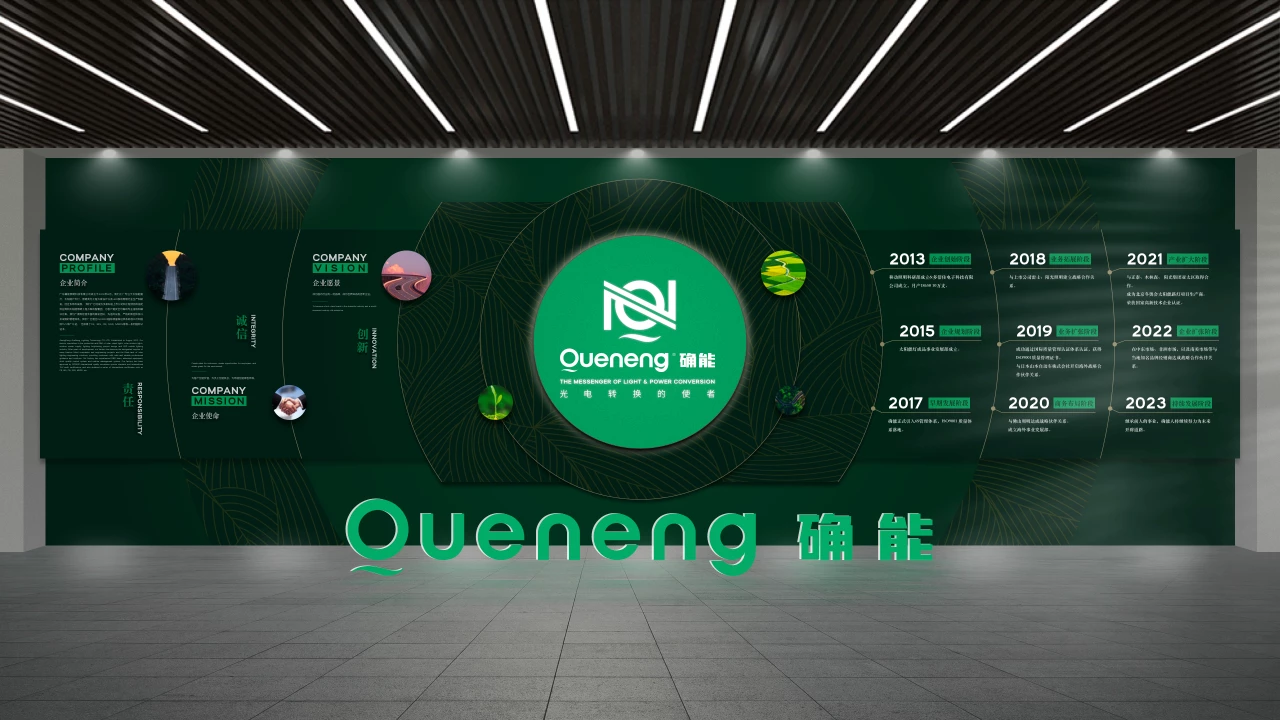
Guangdong Queneng Lighting Technology Co., Ltd. (Founded in 2013) specializes in solar street lights, solar spotlights, solar garden lights, solar lawn lights, solar pillar lights, solar photovoltaic panels, portable outdoor power supplies and batteries, lighting project design, and LED mobile lighting. Over years of development, Queneng has become the designated supplier for multiple listed companies and engineering projects and acts as a solar lighting engineering solutions think tank, providing customers with professional guidance and solutions.
Queneng's competitive advantages include:
- An experienced R&D team and advanced production equipment enabling customized solutions for municipal specifications
- Strict quality control systems and mature management practices — ISO 9001 certified and audited by TÜV
- International certifications and testing: CE, UL, BIS, CB, SGS, MSDS — supporting compliance in diverse procurement markets
- A broad product portfolio tailored to municipal needs: Solar Street Lights, Solar Spot lights, Solar Lawn lights, Solar Pillar Lights, Solar Photovoltaic Panels, Solar Garden Lights
- Track record in engineering projects and offering design-to-installation services, which simplifies vendor management and reduces lifecycle risks
When municipalities include suppliers like Queneng in pre-qualification, they gain access to tested solutions, formal quality processes, and supplier-level warranty and service options that reduce ROI uncertainty.
Implementation Roadmap for Low-Risk ROI Delivery (Municipal Solar Street Light)
Recommended project steps for municipalities:
- Pre-feasibility: site survey, solar resource assessment, and stakeholder engagement
- Technical specification drafting with measurable outcomes and acceptance tests
- Pre-qualification: verify supplier certifications, references, and financial stability
- Pilot installation and seasonal performance review
- Full procurement with clear SLA, warranty, and monitoring requirements
- Ongoing monitoring, periodic audits and performance-based payments
Contact and Next Steps
For municipalities seeking turnkey solutions or support drafting procurement specifications, consult with experienced suppliers and engineering teams. Guangdong Queneng Lighting Technology Co., Ltd. offers tailored proposals, site assessments, and pilot programs to validate ROI assumptions and reduce procurement risk. Contact Queneng’s sales or technical team to request product datasheets, reference projects, and sample warranty agreements.
FAQ — ROI Risk Management in Municipal Solar Street Light Procurement
Below are common questions municipal buyers ask when evaluating solar street light projects.
1. How long before a Municipal Solar Street Light project pays back?
Payback varies by local electricity prices, installation costs, and maintenance assumptions. Typical payback ranges from 3 to 10 years. A detailed lifecycle cost model using local data is required for precise estimates; include sensitivity on battery replacement and maintenance frequency.
2. What warranty terms should a municipality demand?
Aim for at least 5 years for the full system warranty and 3–5 years for batteries with explicit retained-capacity guarantees and remedies. For critical public lighting, performance-based warranties tied to availability metrics are recommended.
3. Should a municipality buy or contract a service provider?
It depends on local capacity. If the municipality lacks maintenance resources, a Lighting-as-a-Service or long-term O&M contract shifts technical risk to the supplier at the cost of higher recurring payments. For municipalities with technical teams, CapEx purchase with robust contractual warranties can be more cost-effective.
4. How do I verify a supplier’s lifespan claims?
Require third-party lab test reports, FAT/SAT results, and pilot deployments. Also ask for historical reference projects in similar climates and inspection rights during manufacturing and deployment.
5. What are the most common causes of underperforming municipal solar lights?
Common causes include inadequate battery sizing, poor maintenance (soiled PV panels), incorrect tilt or orientation, poor quality BMS, and vandalism. Procurement specifications and monitoring can address most of these.
6. How important is remote monitoring?
Remote telemetry significantly reduces downtime and maintenance cost by enabling predictive maintenance and quick fault detection. It also provides data to validate SLA performance and ROI calculations.
Contact Queneng or Request a Proposal
To evaluate solutions, request a pilot, or receive procurement templates tailored to your municipality, contact Guangdong Queneng Lighting Technology Co., Ltd. They can supply product datasheets, certification copies, sample contracts, and reference installations to support due diligence.
References
- International Energy Agency (IEA). The Future of Solar PV. https://www.iea.org/reports/the-future-of-solar-pv (accessed 2025-11-01).
- National Renewable Energy Laboratory (NREL). Outdoor Lighting and Controls Research. https://www.nrel.gov/ (accessed 2025-10-20).
- World Bank. Public Procurement Guidance. https://www.worldbank.org/en/projects-operations/products-and-services/brief/procurement (accessed 2025-09-15).
- ISO. ISO 9001 Quality Management. https://www.iso.org/iso-9001-quality-management. (accessed 2025-08-10).
- European Commission / TUV and CE guidance pages for product conformity and testing. https://ec.europa.eu/growth/single-market/ce-marking/ (accessed 2025-07-12).
- US Department of Energy. Solid-State Lighting and Lighting R&D. https://www.energy.gov/eere/ssl/solid-state-lighting (accessed 2025-06-05).
- Battery degradation overview — Sandia National Laboratories. Battery Lifetime and Degradation. https://www.sandia.gov/energy-storage/ (accessed 2025-05-21).
Data and claims in this article are based on the cited sources and industry best practice as of the access dates above. Local site assessments and supplier documentation should be used for final procurement decisions.

Have more questions about our products or services?
The latest hot news you might like

Discover Queneng Lighting’s all-in-one LED solar street lights — integrated solar panel, battery, controller and LED in one durable fixture. Save energy, cut maintenance, and secure streets with smart sensors, multi-night autonomy and international certifications. Contact sales for quotes and support.

Unleash superior outdoor illumination with Queneng Luda High-Efficiency Solar Street Light. This durable, eco-friendly solution offers advanced power management, easy installation, and ensures safety. Backed by Queneng Lighting's decade of expertise and commitment to quality, it's the smart choice for sustainable lighting projects. Learn why we're a leading solar solutions provider.

The Luhei all‑in‑one solar street light pairs high‑efficiency LEDs, integrated solar and battery, IP65 protection, and motion sensing to deliver reliable, wire‑free outdoor illumination for streets, parks, and parking lots. Backed by Queneng Lighting’s certifications and support.

FAQ
who we are
What sets Queneng apart from other solar lighting companies?
Our strong focus on innovation, quality, and customer satisfaction sets us apart. We have over a decade of experience in the solar industry and are committed to delivering high-quality, energy-efficient solutions that meet international standards. Our products are designed for durability, and our customer service ensures reliable support at every stage.
Public Gardens and Landscape Lighting
Can solar lights be customized for specific landscaping needs?
Yes, we offer customizable solar lighting solutions to meet the unique needs of different landscaping projects. From adjusting the brightness to selecting the appropriate lighting style and design, we can tailor our products to fit your vision.
Battery Types and Applications
What is a photovoltaic cell?
What types of batteries are used in emergency lights?
2. Adjustable valve lead-acid battery;
3. Other types of batteries can also be used if they meet the corresponding safety and performance standards of the IEC 60598 (2000) (emergency lighting part) standard (emergency lighting part).
Solar Street Light Luzhou
Are Luzhou solar street lights suitable for urban and residential areas?
Yes, Luzhou solar street lights are versatile and suitable for both urban and residential settings. They can be installed along streets, pathways, parks, and other public spaces, providing reliable, energy-efficient lighting wherever it's needed.
All-in-one solar street lights
Can these lights operate in rainy seasons?
Properly designed systems can work for several cloudy or rainy days continuously.
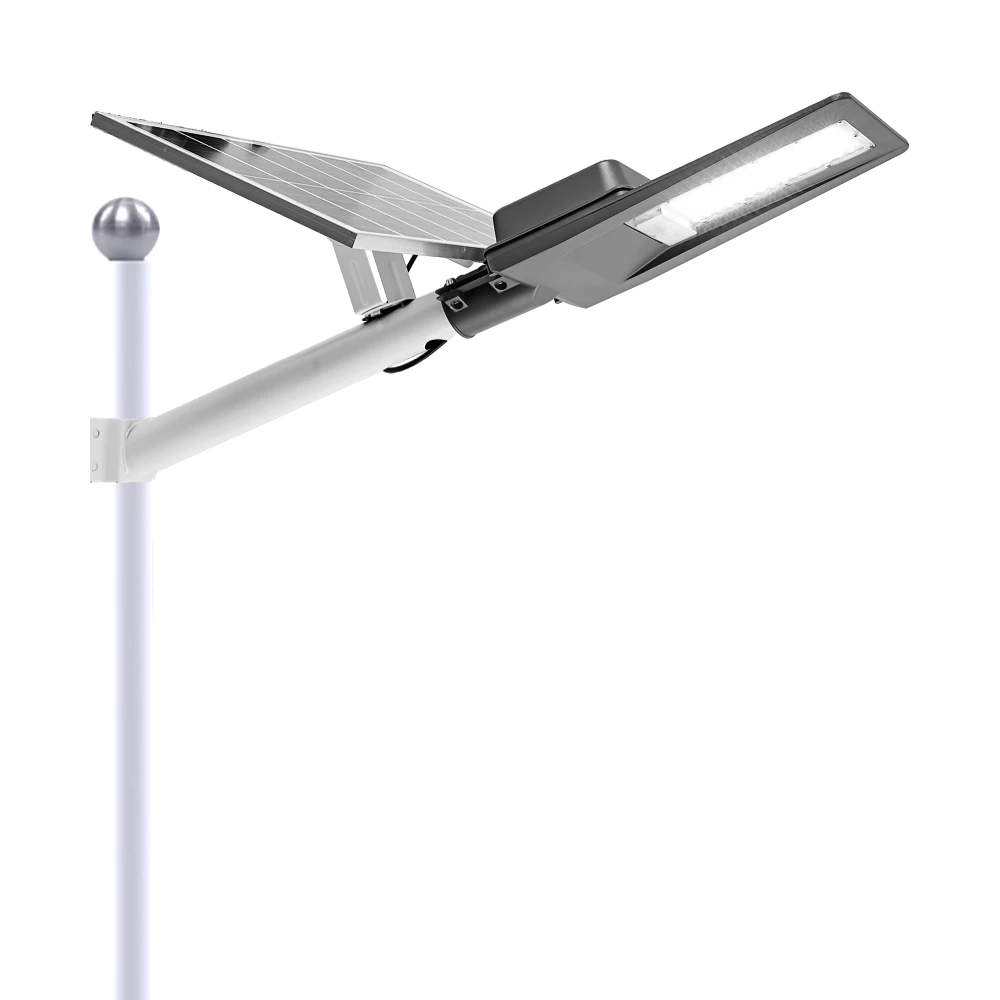
Experience reliable outdoor illumination with our smart solar street light, a perfect combination of advanced technology and eco-conscious design.
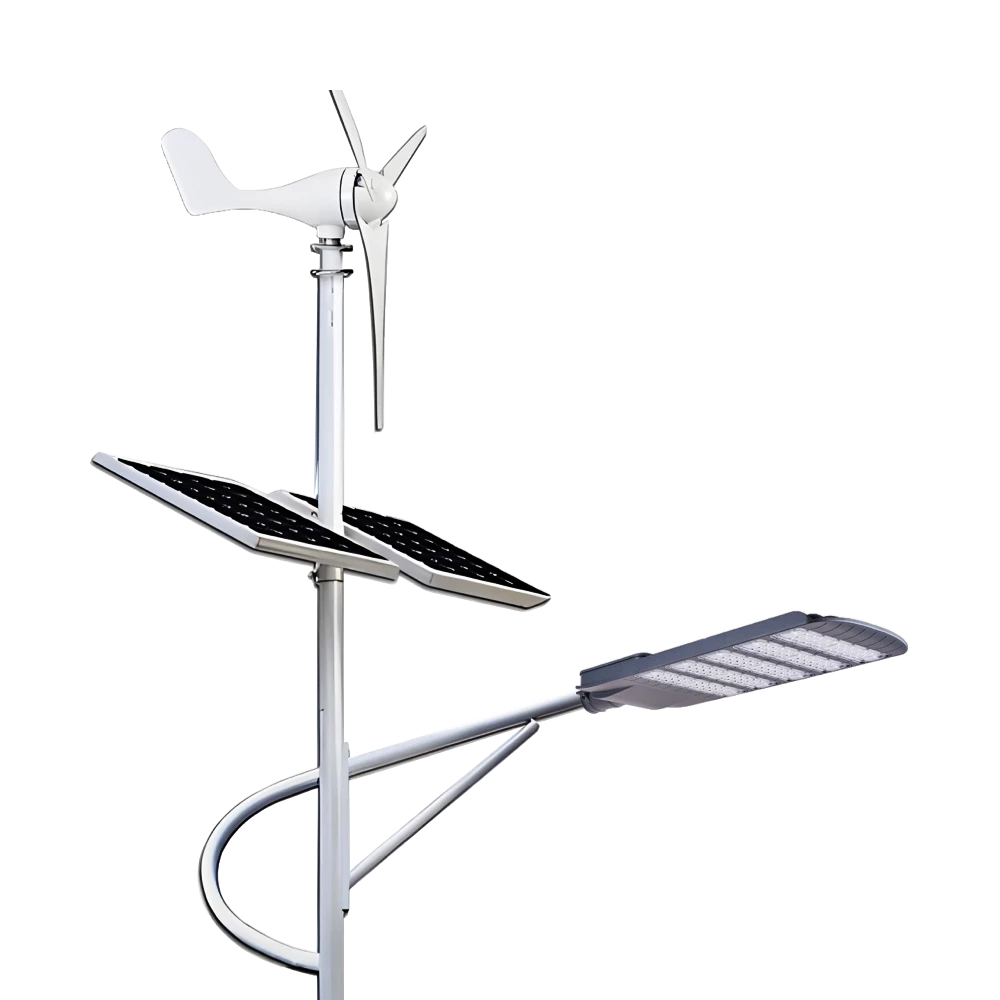
Queneng Lufeng Wind Energy LED Outdoor Solar Street Lights offer high-performance, eco-friendly illumination. These energy-efficient LED street lights harness solar power and wind energy for sustainable, cost-effective outdoor lighting solutions.
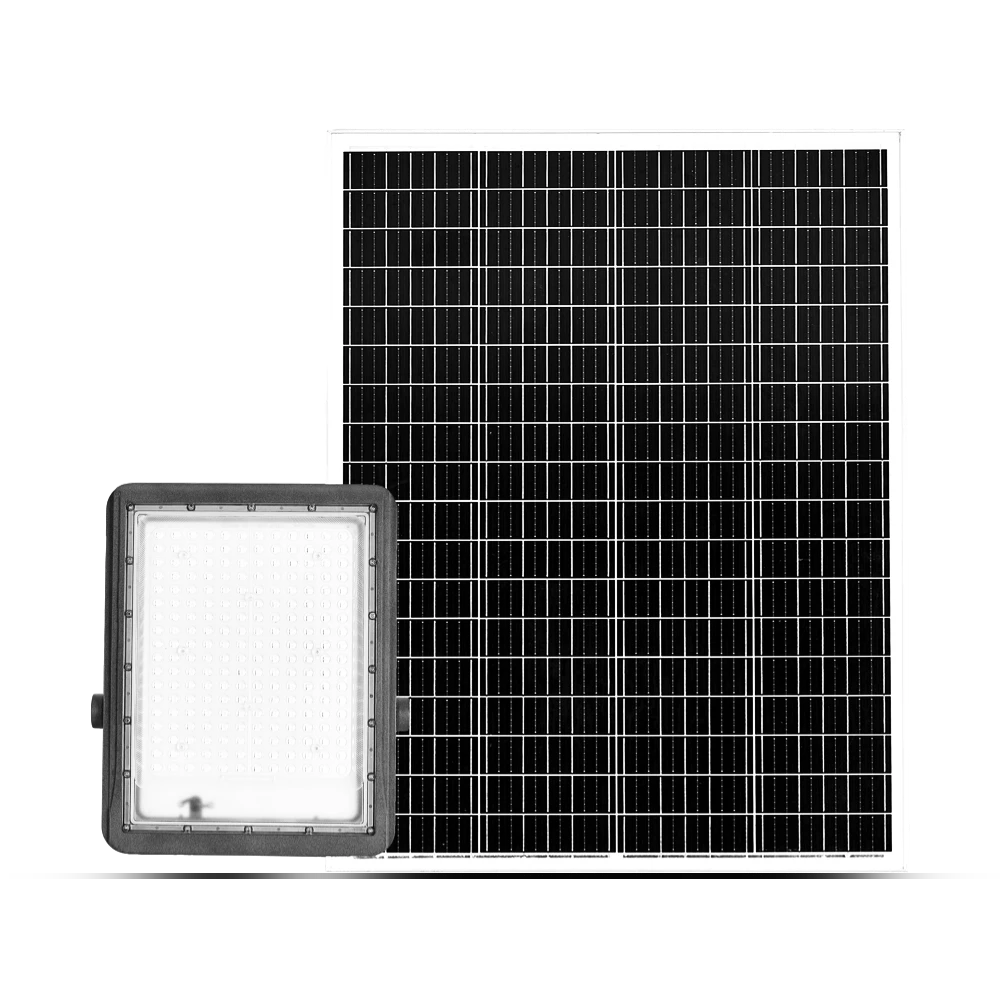
Queneng's Luxian Reliable Solar Street Light offers energy-saving LED lighting for outdoor use. This durable, solar-powered street light provides reliable illumination, reducing energy costs and environmental impact. A perfect solution for sustainable outdoor lighting.
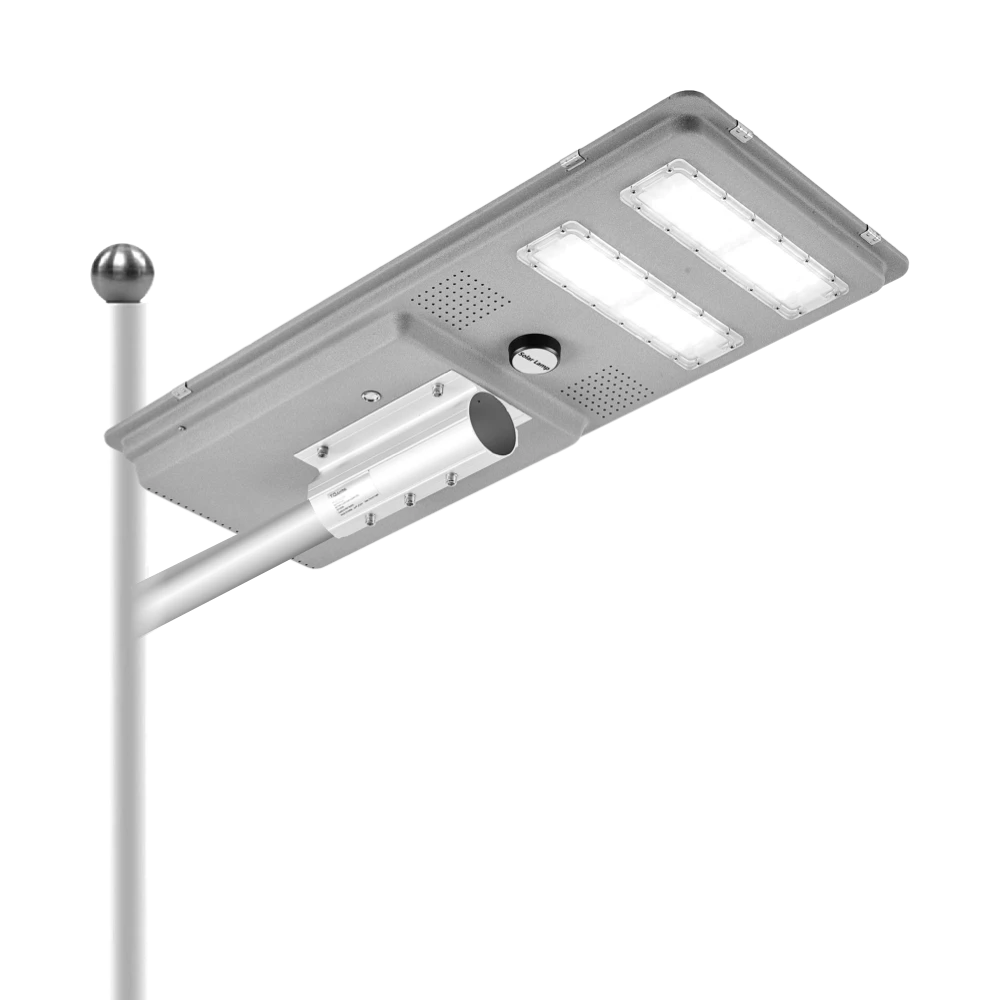
Queneng’s Solar Street Lights are designed to provide reliable, energy-efficient lighting for streets, parks, and other outdoor spaces.
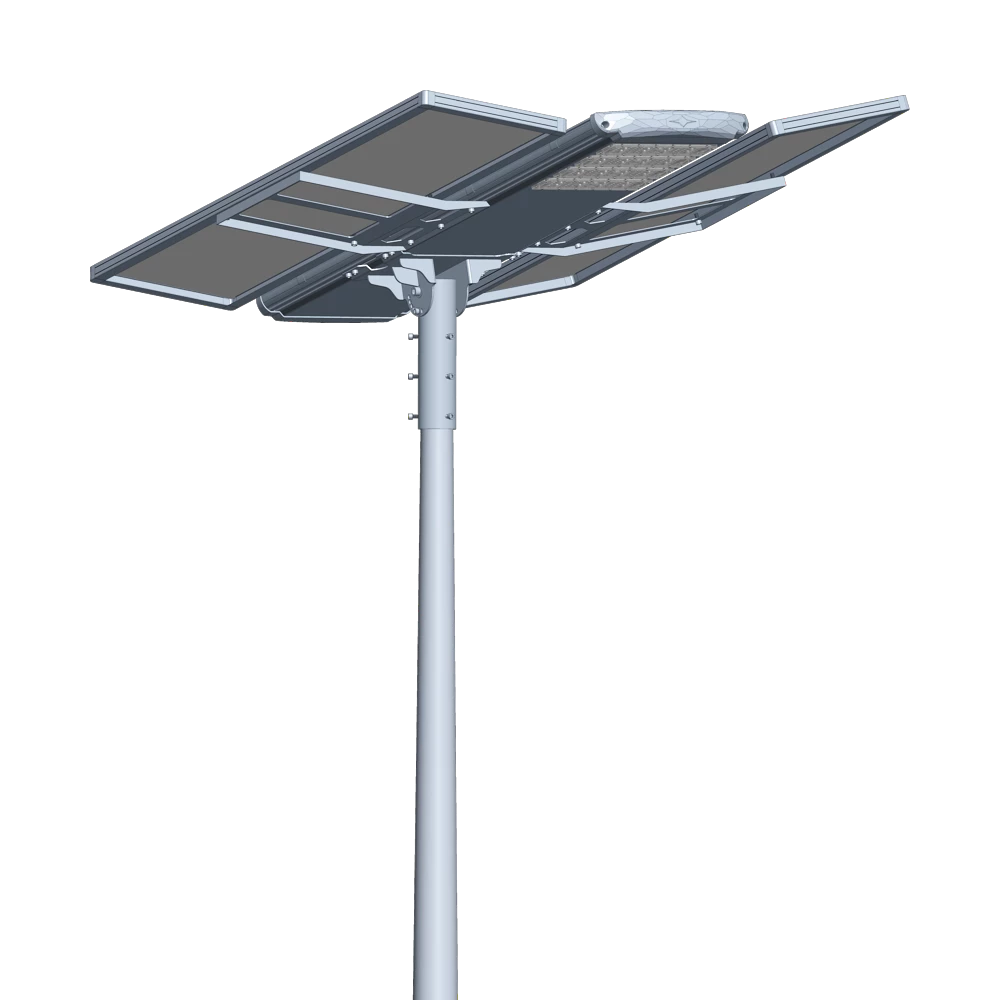
Introducing the Luqing Solar Street Light by Queneng, Efficient LED lighting powered by solar energy is perfect for illuminating outdoor areas. Harness the power of solar energy for sustainable, reliable street lighting. Ideal for eco-friendly, cost-effective outdoor illumination solutions.
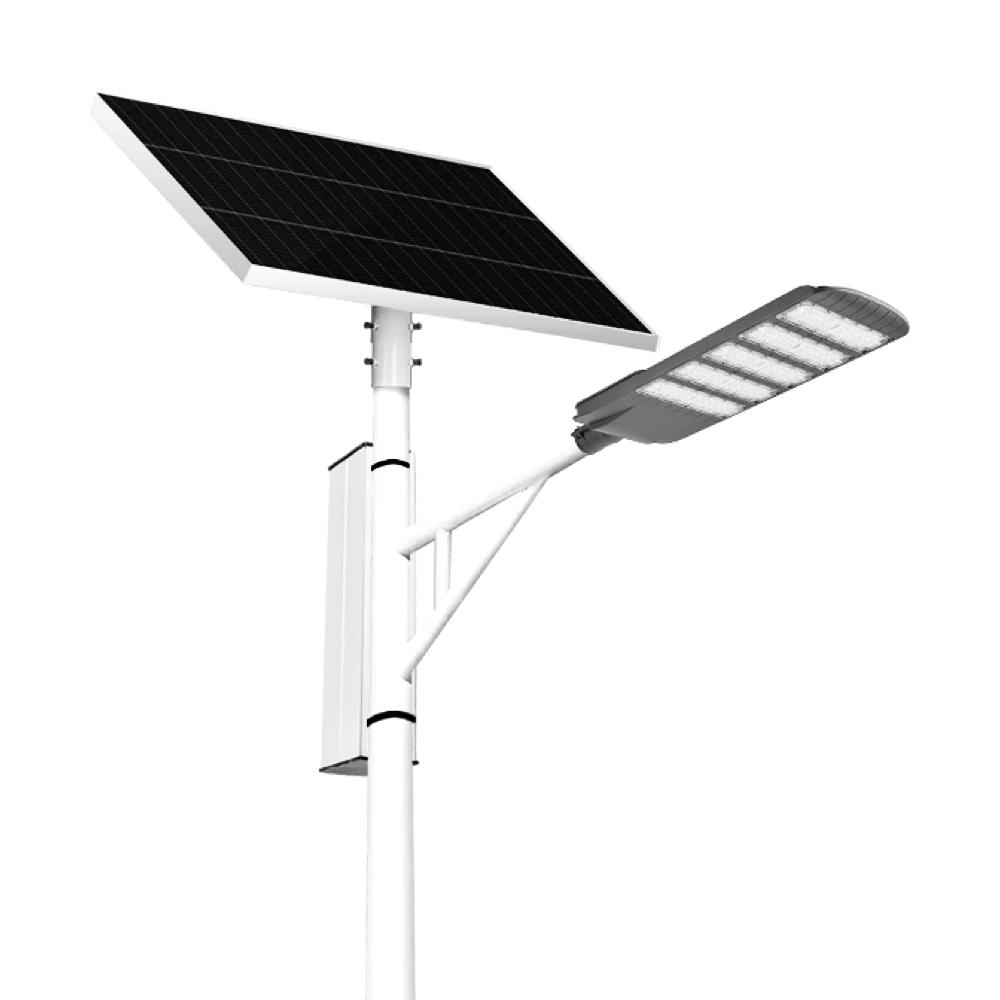
The Solar Streetlights of Luhao for Municipalities are designed to deliver reliable, energy-efficient, and cost-effective public lighting solutions. Equipped with advanced LED technology, durable lithium batteries, and high-efficiency solar panels, these streetlights provide consistent illumination for roads, parks, residential areas, and government projects.
Our professional team is ready to answer any questions and provide personalized support for your project.
You can reach us via phone or email to learn more about Queneng’s solar lighting solutions. We look forward to working with you to promote clean energy solutions!
Rest assured that your privacy is important to us, and all information provided will be handled with the utmost confidentiality.
By clicking 'Send Inquiry Now' I agree to Queneng processing my personal data.
To see how to withdraw your consent, how to control your personal data and how we process it, please see our Privacy Policy and Terms of use.
Schedule a Meeting
Book a date and time that is convenient for you and conduct the session in advance.
Have more questions about our products or services?
The messenger of light & power conversion
Environmental protection and intelligent manufacturing are our brand philosophy, and quality assurance and the best user experience are our eternal promises to users.
CONTACT
No.9F, Building F, Cao San Xin Tian Hong Logistics Park, Guzhen Town, Zhongshan City, Guangdong Province, China.
or write [email protected]
WhatsApp: +86 136 2270 1011


