













OEM solar flood lights Oman | Insights by Quenenglighting
Navigating OEM Solar Flood Lights for Oman: A B2B Buyer's Guide
Oman's ambitious Vision 2040 and its growing focus on sustainable development have spurred significant interest in renewable energy solutions, including solar lighting. For businesses and municipalities looking to procure OEM solar flood lights for diverse applications across the Sultanate – from industrial sites and public spaces to remote infrastructure – understanding the nuances of professional procurement is paramount. This guide will address the top 5 questions that B2B buyers frequently ask, offering insights into making informed decisions for high-quality, durable, and cost-effective solar lighting.
1. Ensuring Durability and Performance in Oman's Harsh Climate
Oman's environment, characterized by high temperatures often exceeding 45°C (113°F) in summer, intense UV radiation, and occasional sandstorms, demands exceptional durability from outdoor lighting. When selecting OEM solar flood lights, consider the following:
- IP Rating: Look for a minimum of IP65 for dust and water ingress protection. For very dusty or coastal areas, IP66 or even IP67 offers superior protection against powerful water jets and submersion (though not typical for floodlights, it indicates robust sealing).
- Materials: High-grade aluminum alloys (e.g., 6063 or ADC12 die-cast aluminum) are crucial for heat dissipation and corrosion resistance. Anti-UV PC lenses or tempered glass should be used for optical components.
- Battery Type: Lithium Iron Phosphate (LiFePO4) batteries are preferred. They offer superior thermal stability, a longer cycle life (typically 2,000 to 6,000 cycles, translating to 8-10+ years), and better performance in high temperatures compared to traditional lead-acid or even other lithium-ion chemistries.
- Thermal Management: Effective heat sinks and a design that facilitates airflow are vital to prevent LED degradation and extend component lifespan in extreme heat.
2. Understanding Key Performance Metrics for Optimal Illumination
Beyond basic illumination, professional buyers need to assess several metrics to ensure the lights meet specific project requirements:
- Lumen Output and Efficacy: Don't just look at wattage. Focus on lumen output (lm) to determine brightness and lumen efficacy (lm/W), which indicates how efficiently the LEDs convert power into light. Modern high-quality LEDs achieve 150-180 lm/W.
- Battery Autonomy/Backup Days: This specifies how many consecutive cloudy or rainy days the light can operate without sufficient solar charging. Aim for at least 2-3 nights of autonomy for reliable operation in Oman's conditions. This depends on battery capacity (Ah) relative to daily power consumption.
- Solar Panel Efficiency: High-efficiency monocrystalline solar panels (typically 20-22% efficiency) are crucial for maximizing energy harvest, especially with limited panel space or during periods of less intense sun.
- Charge Controller Technology: MPPT (Maximum Power Point Tracking) controllers are significantly more efficient (95-99%) than PWM (Pulse Width Modulation) controllers (75-80%). MPPT optimizes power extraction from the solar panel, particularly important in varying light conditions and for larger systems.
- Lighting Modes and Smart Controls: Look for integrated PIR motion sensors, light sensors (dusk-to-dawn), and programmable dimming options to conserve energy and extend battery life.
3. What Customization Options Do OEM Suppliers Offer?
OEM (Original Equipment Manufacturer) solar flood light suppliers offer a range of customization capabilities to meet specific project needs and branding requirements:
- Branding: Your company logo, model numbers, and specific labeling can be applied to the product housing and packaging.
- Specific Specifications: Customization of lumen output, color temperature (CCT, e.g., 3000K warm white to 6500K cool white), beam angles (e.g., narrow spot, wide flood), and desired lighting duration.
- Battery and Solar Panel Sizing: Tailoring battery capacity and solar panel wattage to meet exact autonomy requirements based on local solar insolation data and desired operating hours.
- Housing Design & Color: While standard designs are common, some OEMs can offer custom housing colors or minor aesthetic modifications to blend with architectural themes.
- Integrated Features: Addition of IoT connectivity, advanced dimming schedules, or integration with existing smart city infrastructure.
- Mounting Solutions: Customized brackets or pole-mounting solutions to fit specific installation environments.
It's important to discuss Minimum Order Quantities (MOQs) for highly customized features with your OEM partner.
4. Assessing Cost-Effectiveness and Return on Investment (ROI)
While the initial outlay for solar flood lights might seem higher than traditional wired lights, the long-term cost-effectiveness and ROI are compelling:
- Zero Electricity Bills: Solar lights operate entirely off-grid, eliminating ongoing electricity costs. Over a lifespan of 10+ years, this translates to substantial savings.
- Reduced Installation Costs: No trenching, cabling, or connection to the grid is required, significantly lowering installation labor and material costs. This is particularly advantageous in remote or expansive areas of Oman.
- Low Maintenance: Modern solar flood lights are largely maintenance-free, beyond occasional cleaning of the solar panel. The long lifespan of LiFePO4 batteries (8-10+ years) and LEDs (50,000-100,000 hours) minimizes replacement costs.
- Environmental Benefits: Reduced carbon footprint aligns with corporate social responsibility (CSR) initiatives and national sustainability goals.
The payback period (ROI) for quality solar flood lights is often estimated to be within 3-5 years, after which they provide free illumination for many years.
5. Essential Certifications and Reliable After-Sales Support
To ensure product quality, safety, and compliance, always verify the following:
- International Certifications: Ensure the products hold standard certifications like CE (Conformité Européenne) for European safety standards and RoHS (Restriction of Hazardous Substances) compliance. For specific projects in the GCC region, sometimes SASO (Saudi Standards, Metrology and Quality Organization) or GSO (GCC Standardization Organization) certifications might be preferred or required for larger tenders, so inquire with the supplier.
- Quality Control Processes: A reputable OEM will have robust internal quality control (QC) at every stage of production, from raw material inspection to final product testing. Ask about their ISO 9001 certification.
- Warranty: A standard warranty for the complete solar flood light system is typically 2-5 years, with LiFePO4 batteries often having a separate, longer warranty of 5-8 years. Understand the warranty terms and what they cover.
- Technical Support and Spare Parts: Reliable after-sales support, including technical assistance for installation and troubleshooting, and the availability of spare parts (e.g., batteries, controllers, LED modules) are crucial for long-term project success.
Quenenglighting's Advantage
As a leading OEM provider in the solar lighting industry, Quenenglighting stands out through its unwavering commitment to quality, innovation, and customer satisfaction. We leverage cutting-edge technology, including high-efficiency monocrystalline solar panels, durable LiFePO4 batteries, and advanced MPPT controllers, to ensure our solar flood lights deliver optimal performance and longevity even in demanding environments like Oman. Our robust manufacturing processes adhere to strict international standards (CE, RoHS), guaranteeing reliability. Furthermore, Quenenglighting offers extensive customization capabilities, allowing B2B buyers to tailor products precisely to their project specifications, from specific lumen outputs and beam angles to integrated smart controls and branding. Coupled with comprehensive technical support and a strong warranty, Quenenglighting provides a sustainable, cost-effective, and professional solution for all your OEM solar flood light needs in Oman.

Have more questions about our products or services?
The latest hot news you might like

Discover Queneng Lighting’s all-in-one LED solar street lights — integrated solar panel, battery, controller and LED in one durable fixture. Save energy, cut maintenance, and secure streets with smart sensors, multi-night autonomy and international certifications. Contact sales for quotes and support.

Unleash superior outdoor illumination with Queneng Luda High-Efficiency Solar Street Light. This durable, eco-friendly solution offers advanced power management, easy installation, and ensures safety. Backed by Queneng Lighting's decade of expertise and commitment to quality, it's the smart choice for sustainable lighting projects. Learn why we're a leading solar solutions provider.

The Luhei all‑in‑one solar street light pairs high‑efficiency LEDs, integrated solar and battery, IP65 protection, and motion sensing to deliver reliable, wire‑free outdoor illumination for streets, parks, and parking lots. Backed by Queneng Lighting’s certifications and support.

FAQ
Commercial and Industrial Parks
What is the lifespan of your solar streetlights?
The average lifespan of our solar streetlights is 25 years for the panel and 5–8 years for the battery.
Battery Types and Applications
What is a plastic lithium-ion battery?
Sustainability
Does Queneng offer installation services?
Yes, we provide installation support based on project requirements, including professional installation guidance and technical consultation. If needed, our team can arrange on-site installation services.
Solar Street Light Chuanqi
Are Chuanqi solar street lights suitable for both residential and commercial use?
Yes, Chuanqi solar street lights are suitable for a wide range of applications, including both residential and commercial use. Whether it's illuminating streets, pathways, parks, or parking lots, Chuanqi lights provide dependable outdoor lighting. Their ease of installation and low operational costs make them ideal for both private homes and large-scale commercial projects.
Solar Street Light Luan
Are Luan solar street lights weatherproof?
Yes, Luan solar street lights are designed to withstand a variety of weather conditions. They are built with weather-resistant materials that can endure rain, snow, high winds, and extreme temperatures. This ensures they can provide consistent performance year-round, even in harsh climates.
OEM&ODM
Do you offer warranty and technical support?
Yes. All our products come with a 3–5 year warranty. We provide full after-sales guidance, documentation, and video support.
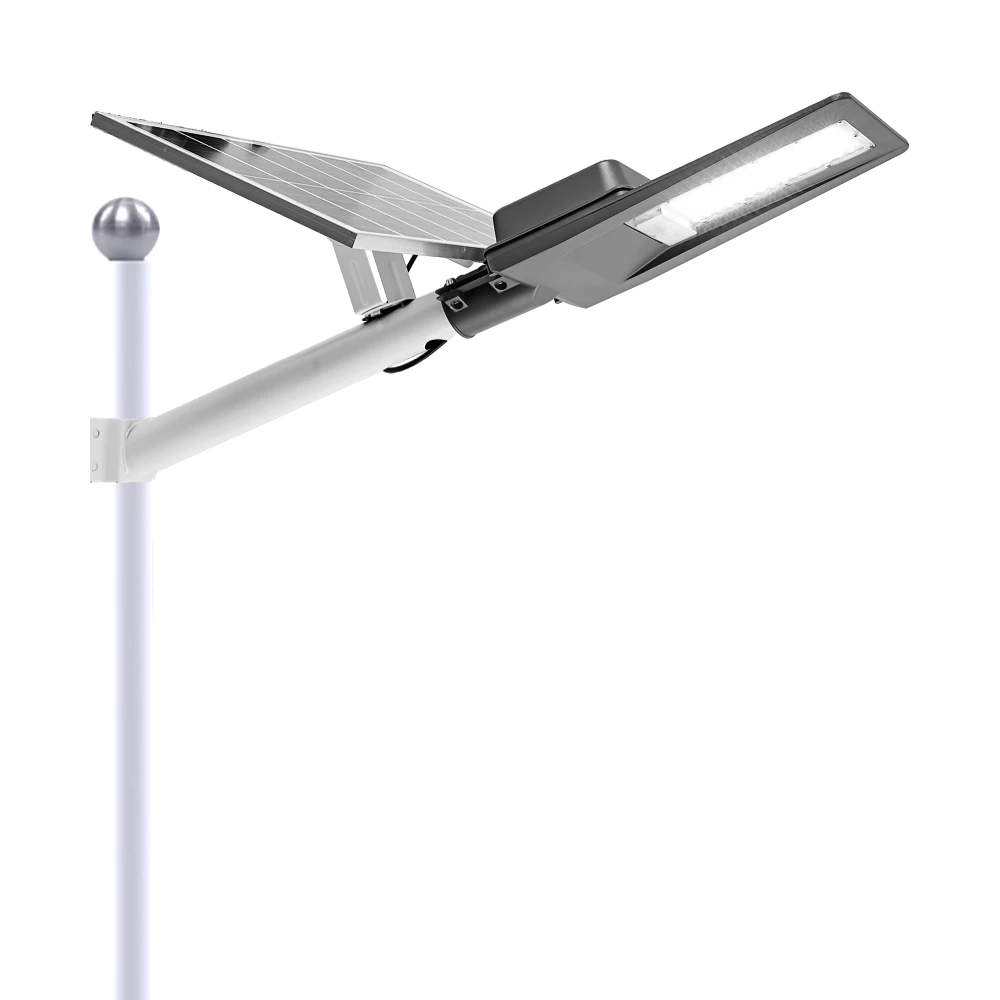
Experience reliable outdoor illumination with our smart solar street light, a perfect combination of advanced technology and eco-conscious design.
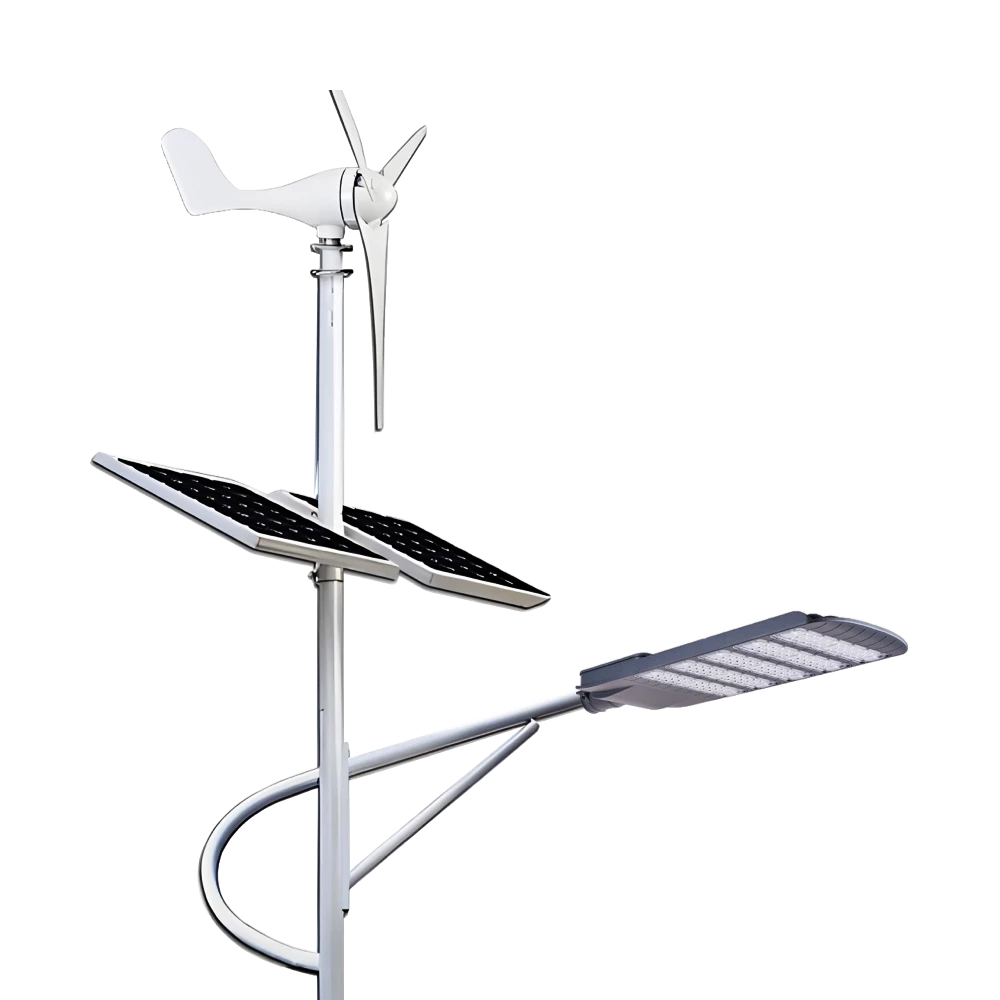
Queneng Lufeng Wind Energy LED Outdoor Solar Street Lights offer high-performance, eco-friendly illumination. These energy-efficient LED street lights harness solar power and wind energy for sustainable, cost-effective outdoor lighting solutions.
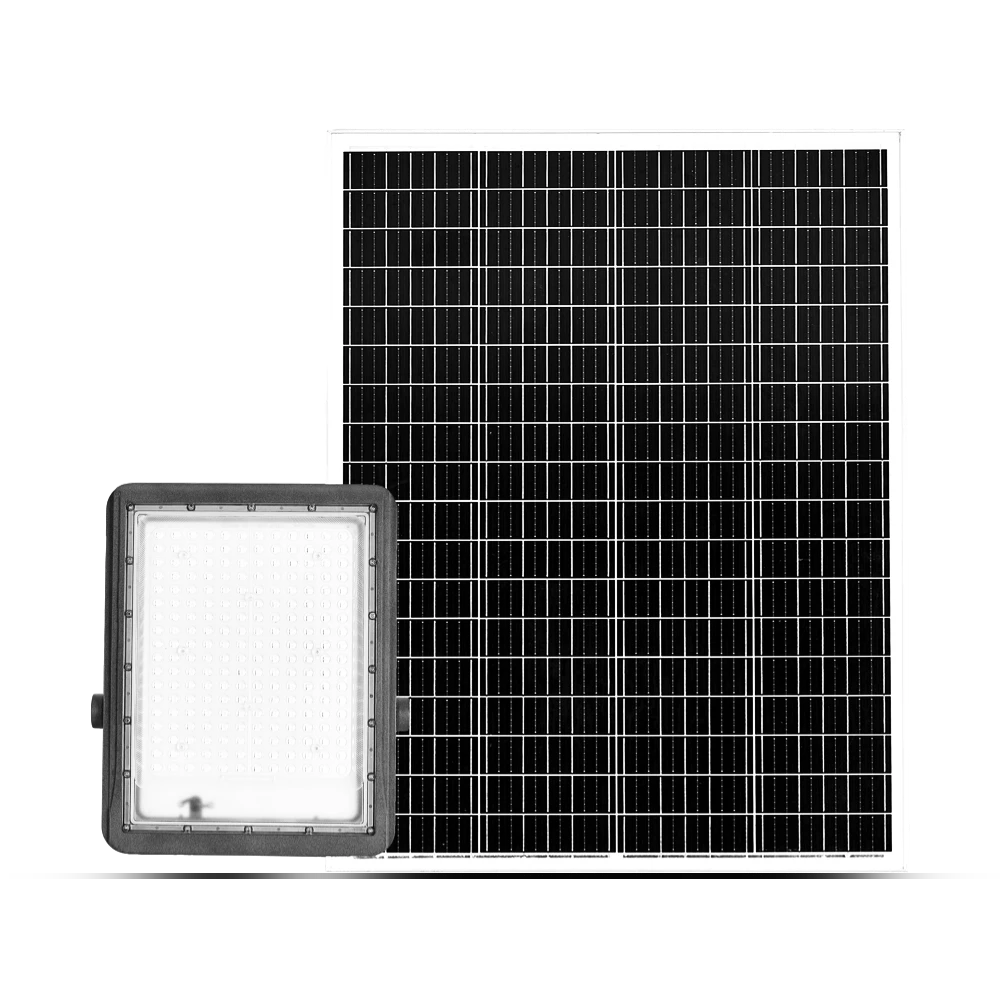
Queneng's Luxian Reliable Solar Street Light offers energy-saving LED lighting for outdoor use. This durable, solar-powered street light provides reliable illumination, reducing energy costs and environmental impact. A perfect solution for sustainable outdoor lighting.
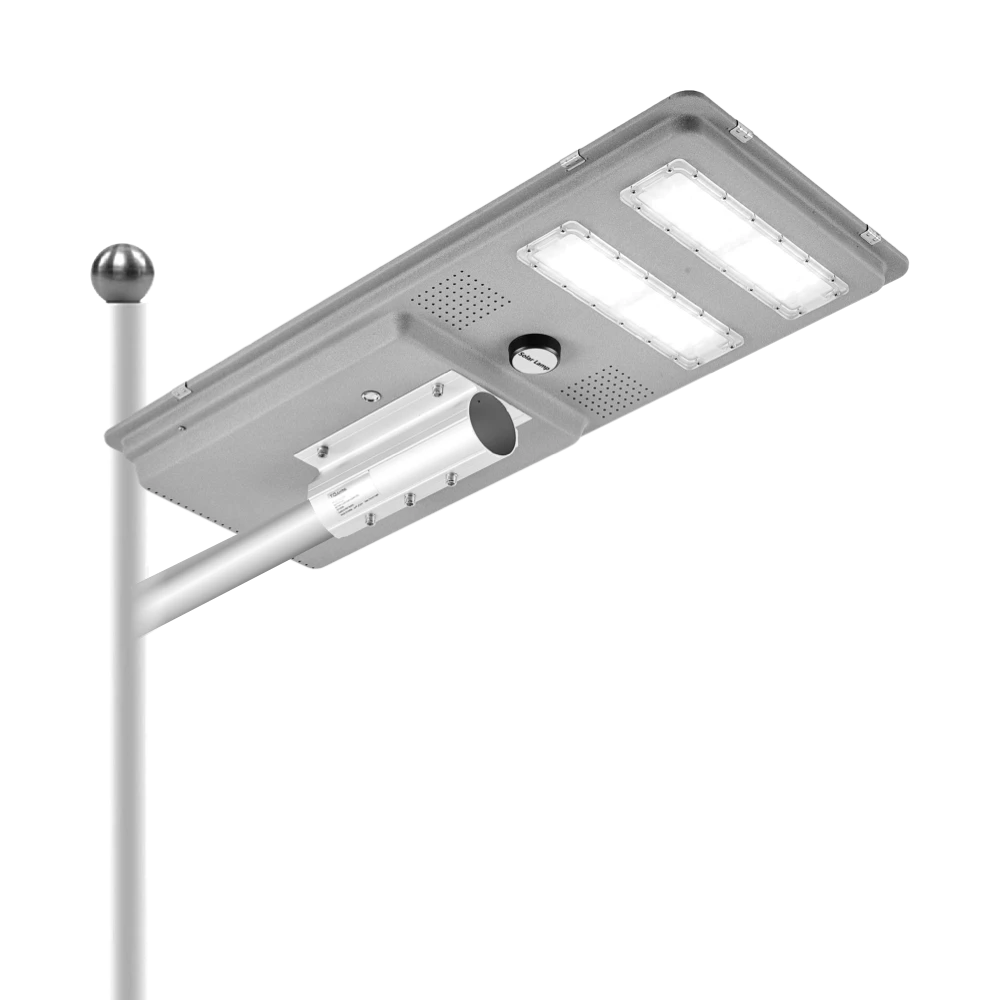
Queneng’s Solar Street Lights are designed to provide reliable, energy-efficient lighting for streets, parks, and other outdoor spaces.
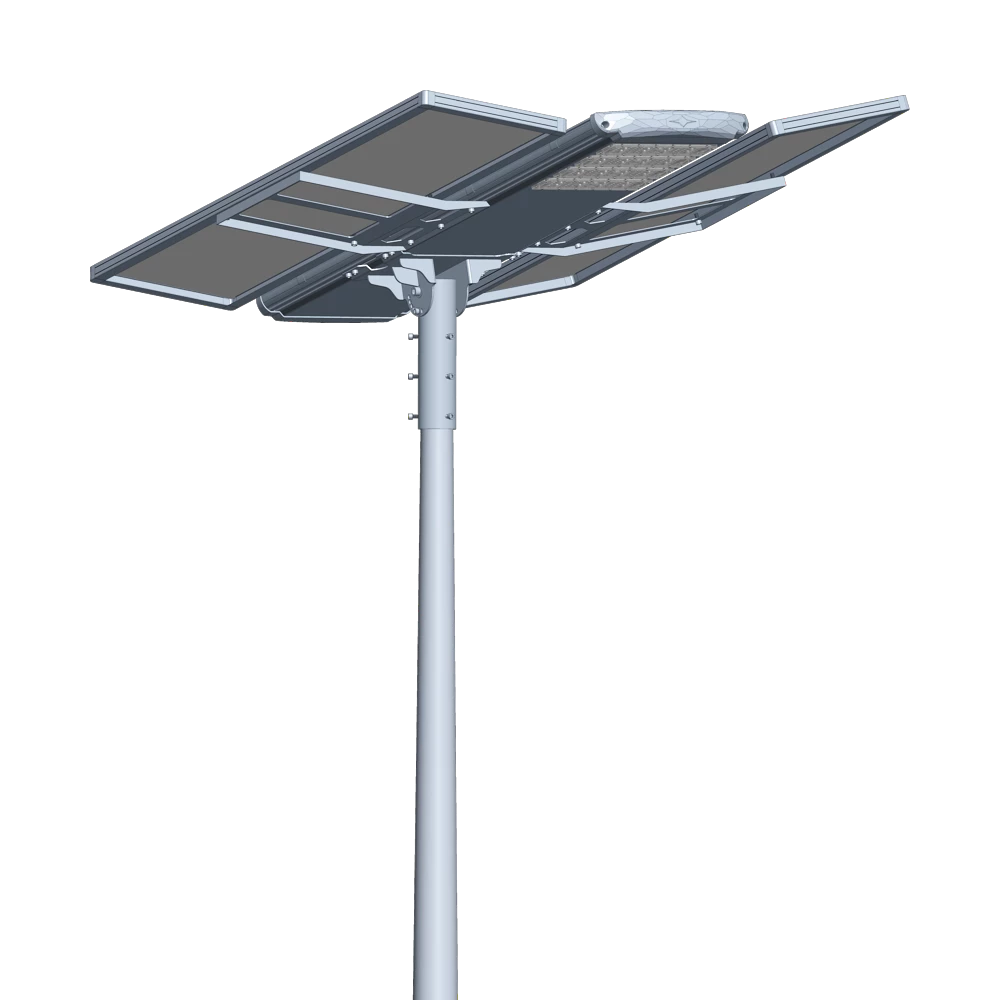
Introducing the Luqing Solar Street Light by Queneng, Efficient LED lighting powered by solar energy is perfect for illuminating outdoor areas. Harness the power of solar energy for sustainable, reliable street lighting. Ideal for eco-friendly, cost-effective outdoor illumination solutions.
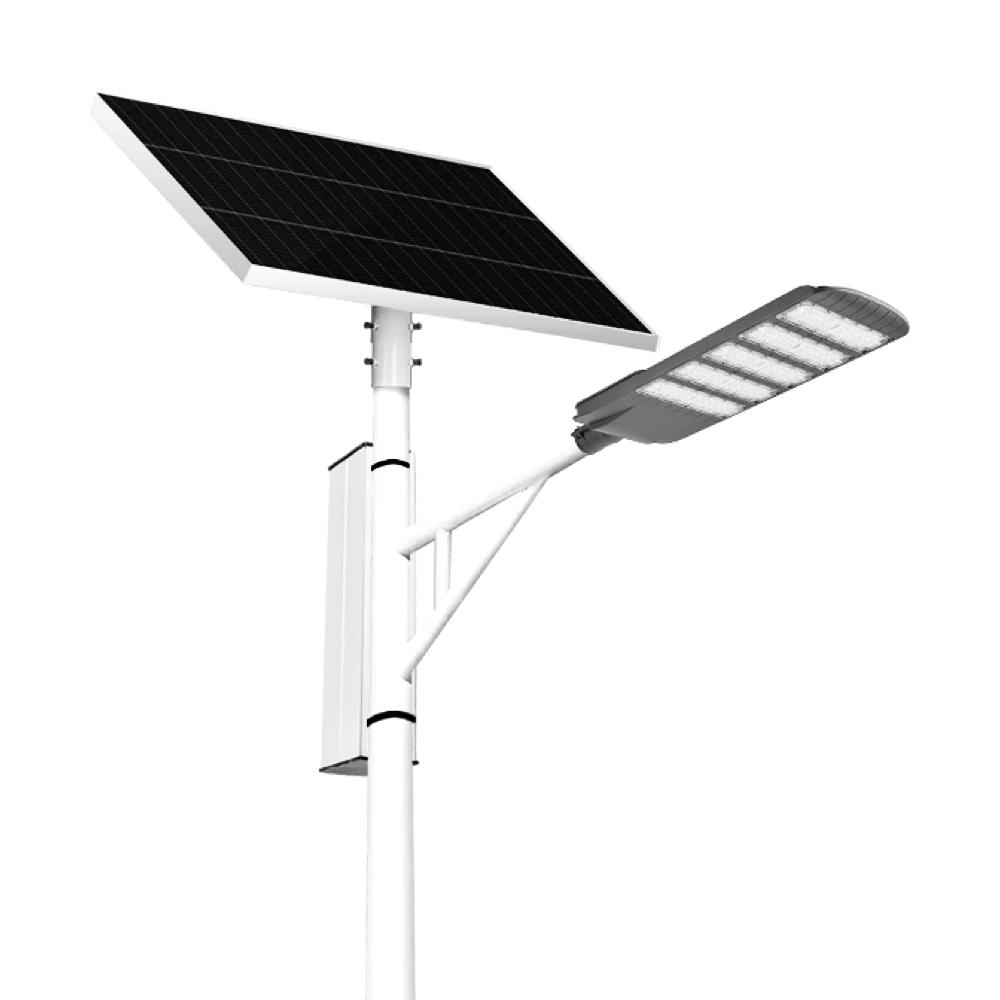
The Solar Streetlights of Luhao for Municipalities are designed to deliver reliable, energy-efficient, and cost-effective public lighting solutions. Equipped with advanced LED technology, durable lithium batteries, and high-efficiency solar panels, these streetlights provide consistent illumination for roads, parks, residential areas, and government projects.
If you would like more information about Queneng solar lighting solutions, please send us a message by filling out the form below. Our professional team will get back to you within 24 hours!
Rest assured that your privacy is important to us, and all information provided will be handled with the utmost confidentiality.
Schedule a Meeting
Book a date and time that is convenient for you and conduct the session in advance.
Have more questions about our products or services?
The messenger of light & power conversion
Environmental protection and intelligent manufacturing are our brand philosophy, and quality assurance and the best user experience are our eternal promises to users.
CONTACT
No.9F, Building F, Cao San Xin Tian Hong Logistics Park, Guzhen Town, Zhongshan City, Guangdong Province, China.
or write [email protected]
WhatsApp: +86 136 2270 1011


