














ODM sustainable lighting solutions for coastal cities in the Philippines | Insights by Quenenglighting
ODM Sustainable Lighting Solutions for Coastal Cities in the Philippines
The Philippines, with its extensive coastline and vulnerability to extreme weather events, presents a unique challenge and opportunity for sustainable urban development. Coastal cities, in particular, require lighting infrastructure that can withstand the harshest conditions while providing reliable, energy-efficient illumination. As B2B buyers in the solar lighting industry look to re-purchase and upgrade, understanding the nuances of Original Design Manufacturer (ODM) sustainable lighting solutions becomes paramount. Here, we address the top 5 questions that professionals in your position often ask.
1. How Do ODM Solar Lighting Solutions Ensure Durability and Performance in Harsh Coastal Environments?
Coastal environments in the Philippines are characterized by high humidity, salt spray, and frequent typhoons. For lighting solutions, this translates into a need for exceptional material durability and structural integrity. ODM manufacturers specializing in these regions focus on:
- Corrosion Resistance: High-grade materials such as marine-grade aluminum alloys (e.g., Al6061-T6) or hot-dip galvanized steel, often treated with specialized powder coatings (like those meeting AkzoNobel Interpon D2525 standards), are crucial. These materials significantly extend the lifespan of poles and fixtures against salt-induced corrosion.
- High IP Ratings: Luminaires and battery compartments are typically designed with ingress protection ratings of IP66 or IP67, ensuring complete protection against dust and powerful jets of water or even temporary immersion.
- Wind Load Resistance: Poles and mounting brackets are engineered to withstand extreme wind speeds, often exceeding 200-250 km/h, to survive the strong winds brought by typhoons that frequently affect the archipelago. According to PAGASA, the Philippines experiences an average of 20 tropical cyclones annually, with about 9 making landfall.
- UV Stability: Plastics and coatings must be UV-stabilized to prevent degradation under intense tropical sun, maintaining aesthetic and structural integrity over time.
2. What Are the Key Performance Metrics for Energy Efficiency and Reliability in Solar Street Lights?
For re-purchasing, buyers prioritize systems that offer superior energy autonomy and efficiency. Key metrics include:
- Battery Technology and Autonomy: Lithium Iron Phosphate (LiFePO4) batteries are the industry standard for solar lighting due to their longer lifespan (typically 2,000 to 4,000 charge cycles, compared to 500-1,000 for lead-acid), higher thermal stability, and lighter weight. A good system should provide 2-3 nights of autonomy on a full charge, ensuring consistent light even during prolonged cloudy weather.
- Solar Panel Efficiency: Monocrystalline silicon solar panels are preferred for their higher efficiency, generally ranging from 20% to 23%, allowing for more power generation in a smaller footprint – vital for efficient charging.
- LED Efficacy: Modern LED chips offer high luminous efficacy, typically between 150-180 lumens per watt (lm/W), maximizing light output while minimizing power consumption. The lifespan of quality LED modules can exceed 50,000-100,000 hours.
- Charge Controller Efficiency: Maximum Power Point Tracking (MPPT) charge controllers are crucial, offering up to 98% efficiency in converting solar energy, significantly outperforming older Pulse Width Modulation (PWM) controllers, especially in varying weather conditions.
3. What is the Cost-Effectiveness and Return on Investment (ROI) of ODM Sustainable Lighting Solutions?
While the initial investment in high-quality solar lighting can be higher than traditional grid-tied systems, the long-term ROI is compelling for re-purchasing projects:
- Zero Electricity Bills: This is the most direct saving. With average electricity rates in the Philippines being relatively high (e.g., Meralco residential rates often hovering around PHP 10-12 per kWh, varying seasonally), these savings quickly accumulate.
- Reduced Maintenance: Modern solar street lights, especially with long-life LiFePO4 batteries and robust components, require minimal maintenance. Annual checks are often sufficient, reducing operational costs significantly compared to grid lights that might require complex wiring repairs or frequent bulb replacements.
- Infrastructure Savings: Eliminating the need for trenching, wiring, and connecting to the grid drastically reduces installation costs, particularly in remote or undeveloped coastal areas.
- Enhanced Reliability: For areas prone to power outages, solar lighting provides uninterrupted illumination, improving public safety and boosting community resilience, which has indirect economic benefits.
- Environmental Benefits: Lower carbon footprint aligns with sustainability goals and can contribute to green building certifications or city-wide environmental initiatives. The global solar street lighting market is projected to grow at a CAGR of over 18% from 2023 to 2030, driven by these benefits (source: various market research reports like Grand View Research).
4. How Can ODM Providers Customize Solutions for Specific Project Requirements and Scale?
One of the primary advantages of working with an ODM is the ability to customize and scale solutions:
- Tailored Design: ODMs can modify existing designs or create entirely new ones to meet specific aesthetic, photometric (light distribution patterns, lux levels), or structural requirements. This includes custom pole heights, arm lengths, fixture designs, and even color temperatures (e.g., warmer 3000K for resorts, cooler 5000K for public roads).
- Component Selection: Buyers can specify preferred brands for LEDs (e.g., Philips, Cree), solar panels, or battery management systems to meet quality standards or budget constraints.
- Scalability: Reputable ODMs have established manufacturing capabilities to handle orders from a few dozen units to thousands, ensuring consistent quality and timely delivery for large-scale infrastructure projects or multi-site deployments.
- Project Management: Experienced ODMs offer comprehensive project support, from initial design and prototyping to production, quality control, and logistics, streamlining the re-purchasing process for complex projects.
5. What Smart Features and Maintenance Considerations are Important for Long-Term Operation?
The integration of smart technology is transforming solar lighting, offering enhanced control and reduced operational burden:
- Smart Control Systems: Many advanced solar street lights feature IoT-enabled controllers that allow for remote monitoring, dimming schedules (e.g., 100% brightness for peak hours, 50% for off-peak), and fault detection. This reduces energy consumption by up to 30-50% and allows for proactive maintenance.
- Remote Monitoring: Via cloud-based platforms, operators can access real-time data on battery status, solar panel performance, and LED functionality, facilitating efficient troubleshooting without site visits.
- Low Maintenance Design: Beyond component longevity, designs that allow for easy access to batteries and controllers, and self-cleaning solar panels (with appropriate tilt angles for rain runoff), further minimize labor costs.
- Warranties and Support: Look for ODMs offering comprehensive warranties (e.g., 5-10 years for panels and LEDs, 3-5 years for batteries) and readily available technical support and spare parts for long-term operational assurance.
By addressing these critical questions, B2B buyers can make informed decisions when sourcing sustainable ODM solar lighting solutions for the challenging yet promising coastal cities of the Philippines.
Quenenglighting's Advantage in Sustainable Lighting
Quenenglighting stands out as a leading ODM provider, offering unparalleled expertise in sustainable lighting solutions tailored for the Philippine's coastal environments. Our advantages include:
- Robust Engineering: We specialize in designing and manufacturing lighting systems that utilize marine-grade materials, high IP ratings, and typhoon-resistant structures, ensuring exceptional durability against salt spray, high winds, and humidity.
- Advanced Technology Integration: Quenenglighting incorporates high-efficiency monocrystalline solar panels (22%+ efficiency), long-life LiFePO4 batteries (2,000+ cycles), and high-efficacy LED luminaires (170+ lm/W) with MPPT controllers, guaranteeing optimal performance and reliability.
- Comprehensive Customization: As an ODM, we excel at tailoring designs to meet unique project specifications—from photometric requirements and aesthetic designs to specific component preferences and smart control integrations for large-scale deployments.
- Smart & Sustainable Solutions: Our products feature advanced IoT-enabled smart controls for remote monitoring, adaptive lighting, and proactive maintenance, significantly reducing operational costs and carbon footprint.
- Proven Track Record & Support: With a commitment to quality and customer satisfaction, Quenenglighting offers robust warranties, reliable after-sales support, and a proven history of delivering high-performance, cost-effective solutions for challenging environments.

Have more questions about our products or services?
The latest hot news you might like

Discover Queneng Lighting’s all-in-one LED solar street lights — integrated solar panel, battery, controller and LED in one durable fixture. Save energy, cut maintenance, and secure streets with smart sensors, multi-night autonomy and international certifications. Contact sales for quotes and support.

Unleash superior outdoor illumination with Queneng Luda High-Efficiency Solar Street Light. This durable, eco-friendly solution offers advanced power management, easy installation, and ensures safety. Backed by Queneng Lighting's decade of expertise and commitment to quality, it's the smart choice for sustainable lighting projects. Learn why we're a leading solar solutions provider.

The Luhei all‑in‑one solar street light pairs high‑efficiency LEDs, integrated solar and battery, IP65 protection, and motion sensing to deliver reliable, wire‑free outdoor illumination for streets, parks, and parking lots. Backed by Queneng Lighting’s certifications and support.

FAQ
Battery Types and Applications
Why do fuel cells have great development potential?
1) High efficiency. Because the chemical energy of the fuel is directly converted into electrical energy without thermal energy conversion in the middle, the conversion efficiency is not limited by the thermodynamic Carnot cycle; because there is no conversion of mechanical energy, mechanical transmission losses can be avoided, and the conversion efficiency does not depend on the size of the power generation. And change, so the fuel cell has higher conversion efficiency;
2) Low noise and low pollution. In the process of converting chemical energy into electrical energy, the fuel cell has no mechanical moving parts, but the control system has some small moving parts, so it is low-noise. In addition, fuel cells are low-pollution energy sources. Taking phosphoric acid fuel cells as an example, the sulfur oxides and nitrogen compounds they emit are two orders of magnitude lower than the U.S. regulations;
3) Strong adaptability. Fuel cells can use various hydrogen-containing fuels, such as methane, methanol, ethanol, biogas, petroleum gas, natural gas and synthetic gas, etc. The oxidant is inexhaustible air. Fuel cells can be made into standard components with a certain power (such as 40 kilowatts), assembled into different powers and types according to the user's needs, and installed in the most convenient place for the user. If necessary, it can also be installed into a large power station and used in connection with the conventional power supply system, which will help regulate the power load;
4) Short construction period and easy maintenance. After the industrial production of fuel cells is established, various standard components of power generation devices can be continuously produced in factories. It is easy to transport and can be assembled on-site at the power station. Some people estimate that the maintenance required for a 40-kilowatt phosphoric acid fuel cell is only 25% of that of a diesel generator of the same power.
Because fuel cells have so many advantages, both the United States and Japan attach great importance to its development.
All-in-one solar street lights
Are all-in-one solar street lights easy to maintain?
Yes, integrated design simplifies inspection and replacement.
Solar Street Light Luzhou
Are Luzhou solar street lights suitable for urban and residential areas?
Yes, Luzhou solar street lights are versatile and suitable for both urban and residential settings. They can be installed along streets, pathways, parks, and other public spaces, providing reliable, energy-efficient lighting wherever it's needed.
Battery Performance and Testing
What is the power output of the battery?
The smaller the internal resistance of the battery, the higher the output power. The internal resistance of the battery should be smaller than the internal resistance of the electrical appliance. Otherwise, the power consumed by the battery itself will be greater than the power consumed by the electrical appliance, which is uneconomical and may damage the battery.
APMS system
How is the ultra-low temperature control function of the APMS system achieved?
The APMS system uses a specially designed control module that maintains stable operation at extremely low temperatures, ensuring reliability even at -50°C.
What is the APMS Smart Charge and Discharge Management System?
APMS (Advanced Power Management System) is an intelligent charge and discharge management system developed by QUENENG that optimizes lithium battery charging and discharging with a dual-system management mode, ideal for demanding lighting and power needs.
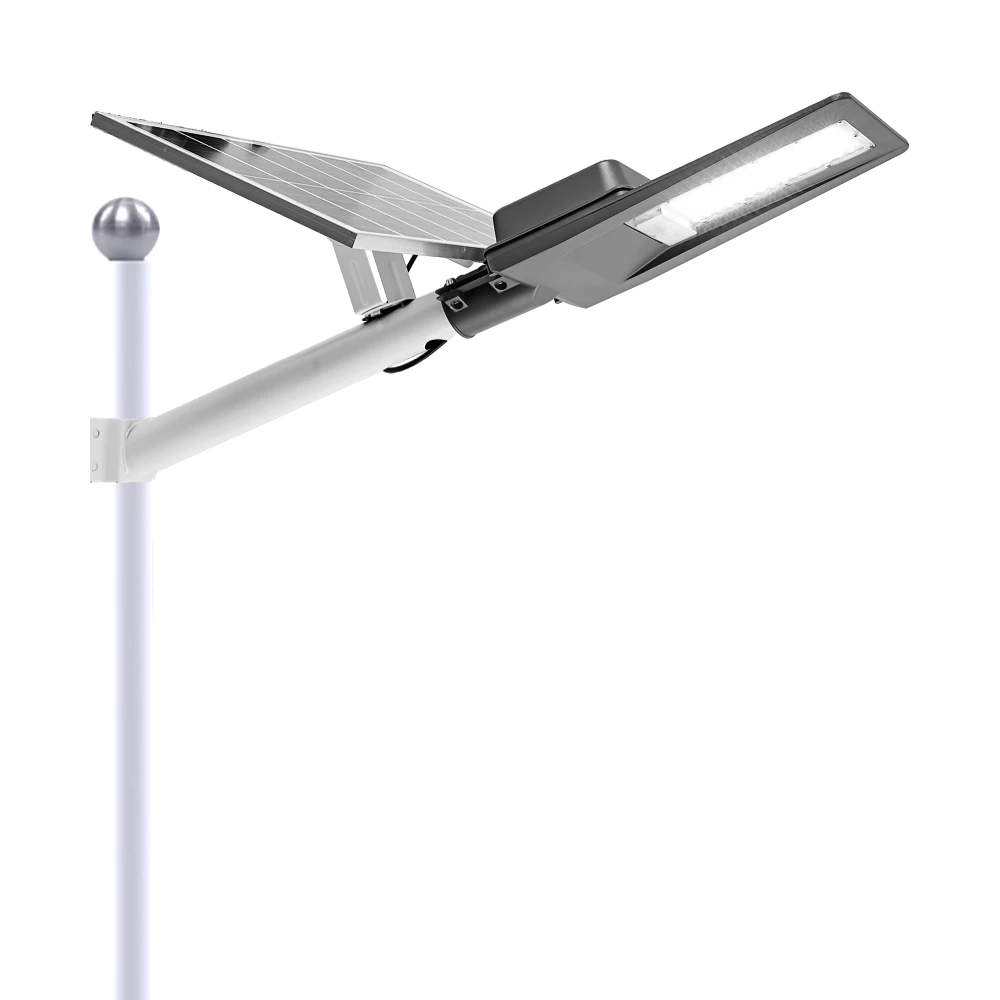
Experience reliable outdoor illumination with our smart solar street light, a perfect combination of advanced technology and eco-conscious design.
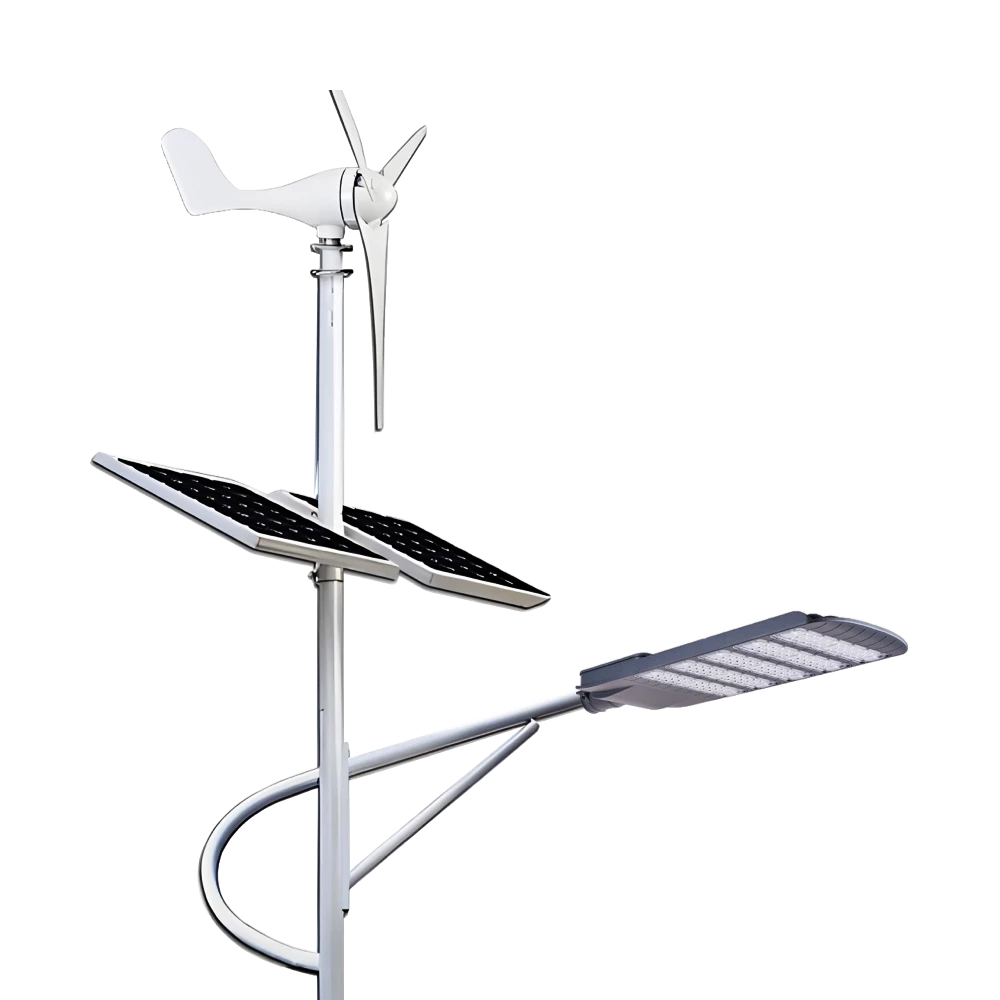
Queneng Lufeng Wind Energy LED Outdoor Solar Street Lights offer high-performance, eco-friendly illumination. These energy-efficient LED street lights harness solar power and wind energy for sustainable, cost-effective outdoor lighting solutions.
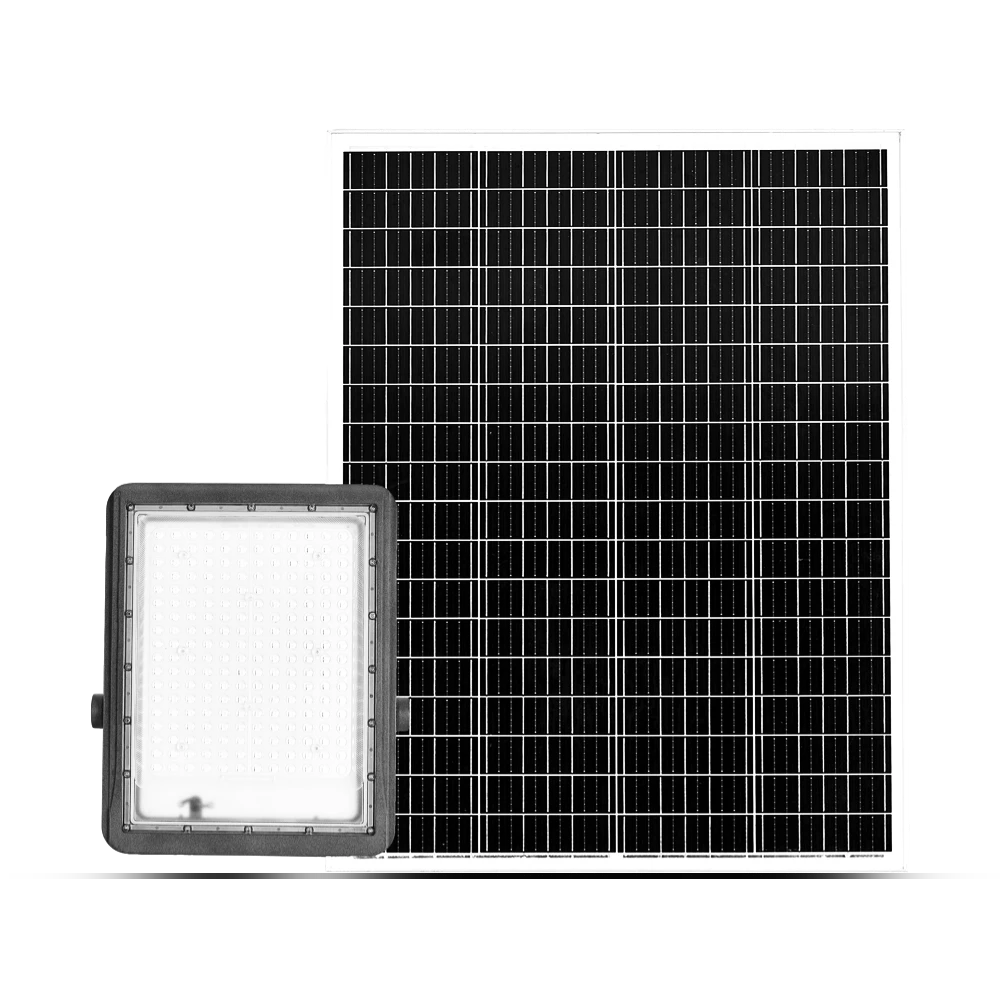
Queneng's Luxian Reliable Solar Street Light offers energy-saving LED lighting for outdoor use. This durable, solar-powered street light provides reliable illumination, reducing energy costs and environmental impact. A perfect solution for sustainable outdoor lighting.
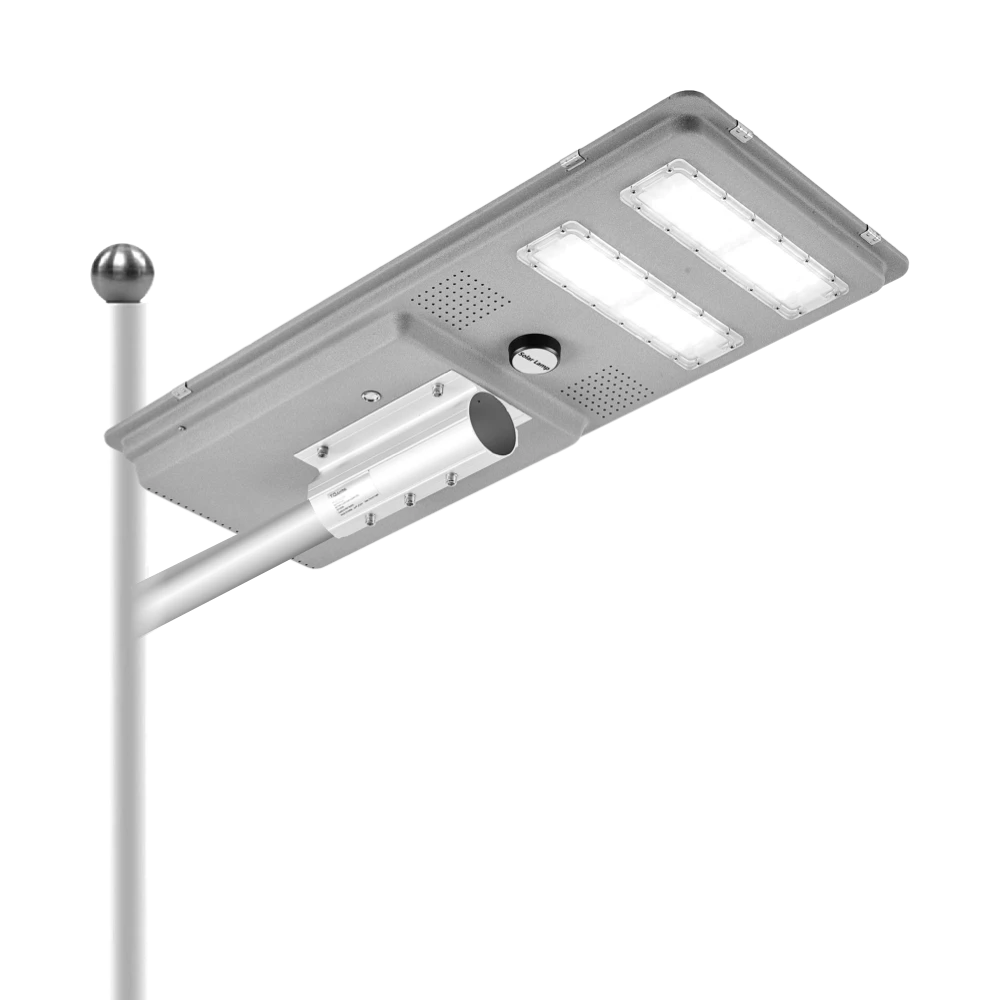
Queneng’s Solar Street Lights are designed to provide reliable, energy-efficient lighting for streets, parks, and other outdoor spaces.
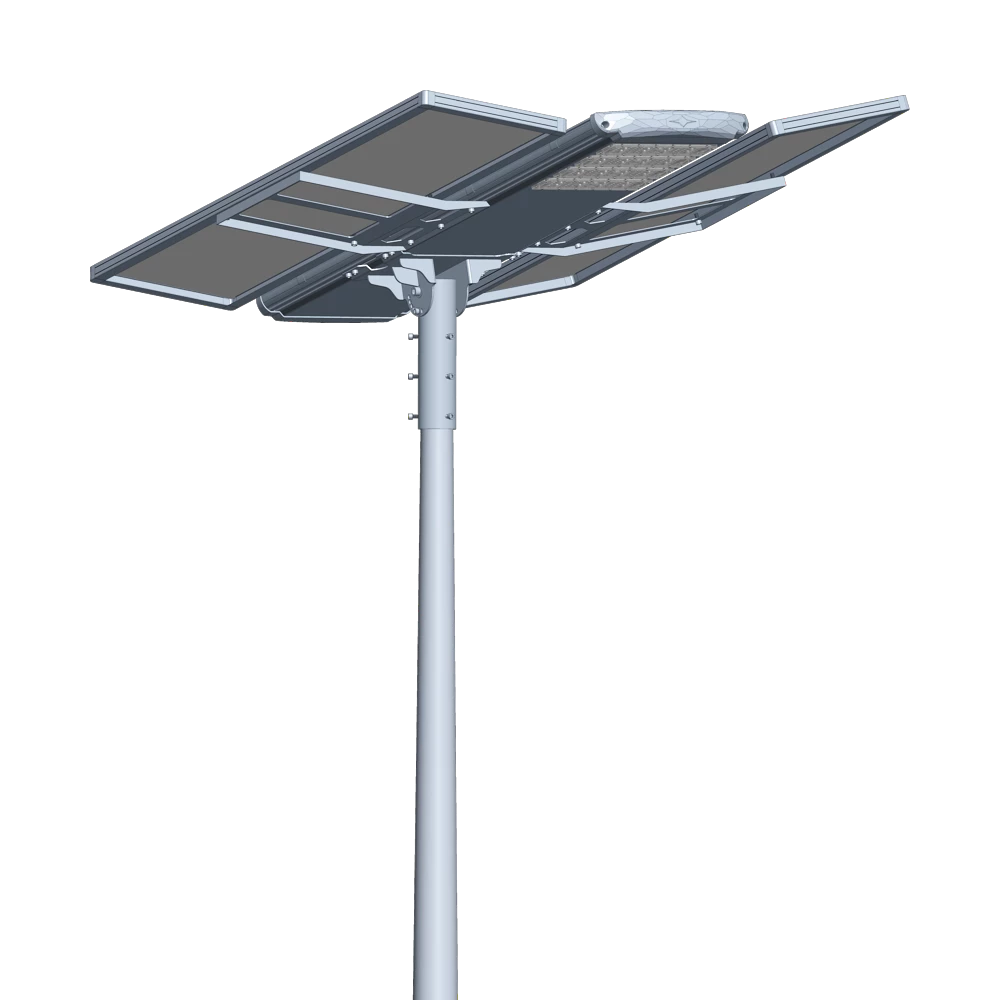
Introducing the Luqing Solar Street Light by Queneng, Efficient LED lighting powered by solar energy is perfect for illuminating outdoor areas. Harness the power of solar energy for sustainable, reliable street lighting. Ideal for eco-friendly, cost-effective outdoor illumination solutions.
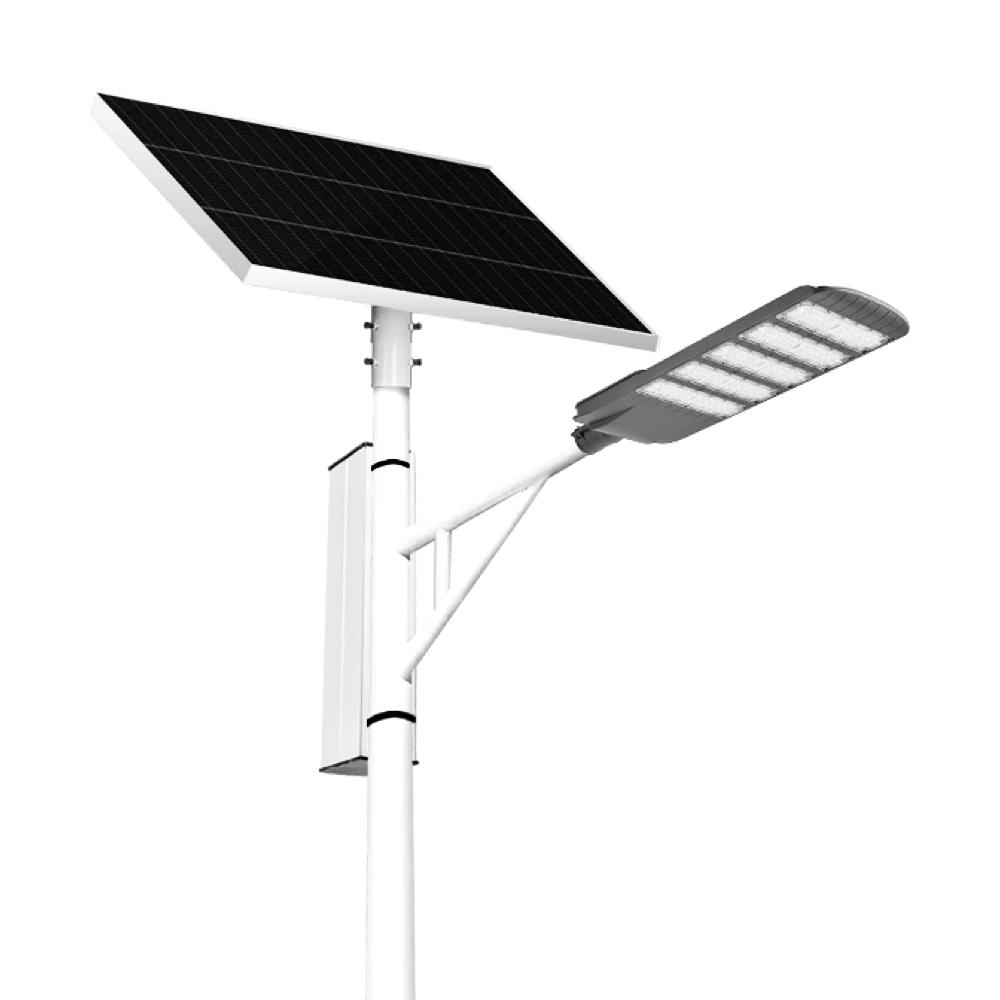
The Solar Streetlights of Luhao for Municipalities are designed to deliver reliable, energy-efficient, and cost-effective public lighting solutions. Equipped with advanced LED technology, durable lithium batteries, and high-efficiency solar panels, these streetlights provide consistent illumination for roads, parks, residential areas, and government projects.
If you would like more information about Queneng solar lighting solutions, please send us a message by filling out the form below. Our professional team will get back to you within 24 hours!
Rest assured that your privacy is important to us, and all information provided will be handled with the utmost confidentiality.
Schedule a Meeting
Book a date and time that is convenient for you and conduct the session in advance.
Have more questions about our products or services?
The messenger of light & power conversion
Environmental protection and intelligent manufacturing are our brand philosophy, and quality assurance and the best user experience are our eternal promises to users.
CONTACT
No.9F, Building F, Cao San Xin Tian Hong Logistics Park, Guzhen Town, Zhongshan City, Guangdong Province, China.
or write [email protected]
WhatsApp: +86 136 2270 1011


