
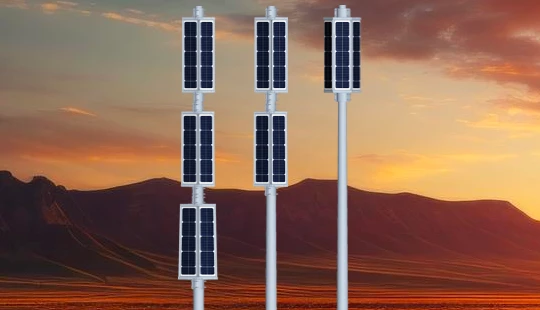
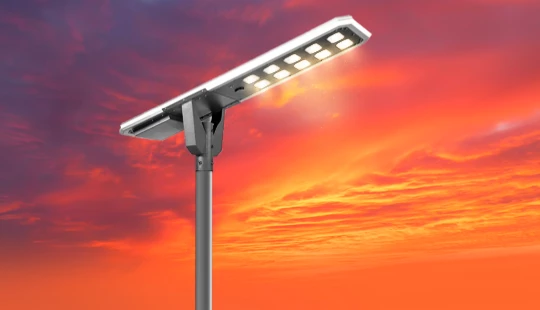

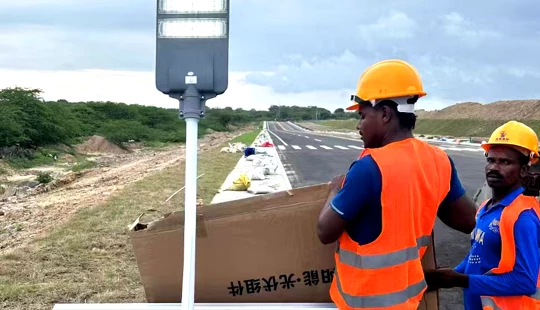
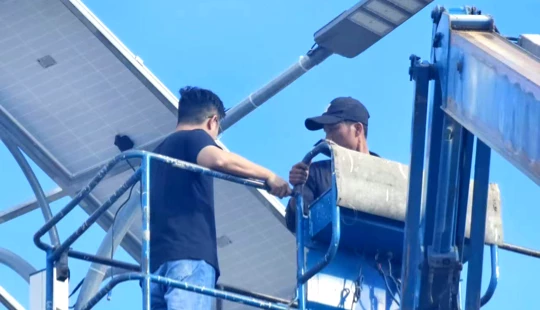













OEM high-efficiency solar streetlights for cities in Iran | Insights by Quenenglighting
As cities across Iran continue their rapid development, the demand for reliable, sustainable, and cost-effective infrastructure solutions is at an all-time high. Traditional grid-tied streetlights often grapple with energy costs, grid instability, and high maintenance. This makes high-efficiency OEM (Original Equipment Manufacturer) solar streetlights a compelling alternative, especially in a country blessed with abundant solar resources. For procurement professionals, understanding the intricacies of these systems is crucial. Let's delve into the key questions that often arise when considering this vital investment.
Paving the Way: Why High-Efficiency OEM Solar Streetlights are Essential for Iranian Cities
The transition to high-efficiency OEM solar streetlights represents more than just a switch in power source; it's a strategic move towards energy independence, operational cost reduction, and environmental stewardship for Iranian cities. Iran boasts exceptional solar irradiance, with much of the country receiving 4.5 to 5.5 kWh/m²/day, and some regions even exceeding 6 kWh/m²/day. This natural advantage makes solar street lighting not just viable, but highly optimal.
- Energy Independence & Grid Stability: With grid reliability being a concern in some areas, standalone solar streetlights offer consistent illumination without dependence on the national grid, enhancing public safety and quality of life even during power outages.
- Significant Cost Savings: Eliminating electricity bills and extensive trenching for cabling drastically reduces operational and installation costs over the long term. OEM solutions allow for optimized designs that drive down the overall Total Cost of Ownership (TCO).
- Environmental Benefits: Reducing carbon emissions aligns with global sustainability goals and helps cities cultivate a greener image.
- Rapid Deployment & Flexibility: Solar streetlights are quicker and easier to install, making them ideal for new urban expansions, remote areas, or temporary installations without the need for complex grid infrastructure.
What Advanced Technologies Drive the Efficiency and Longevity of These Systems?
High efficiency in solar streetlights is not a singular feature but a synergy of advanced components working in harmony. For OEM procurement, specifying these technologies is paramount:
- High-Efficiency Solar Panels: Modern monocrystalline PERC or TOPCon solar panels are standard, offering efficiency ratings typically between 20-23%. This high conversion rate means more power generation from a smaller panel footprint, even during shorter daylight hours or less intense sunlight.
- Intelligent MPPT Charge Controllers: Maximum Power Point Tracking (MPPT) controllers are essential. They optimize power harvest from the solar panel by constantly adjusting to varying light conditions, resulting in 15-30% more energy capture compared to older PWM controllers. They also protect the battery from overcharging or deep discharge.
- Long-Life LiFePO4 Batteries: Lithium Iron Phosphate (LiFePO4) batteries are the gold standard for solar streetlights due to their superior cycle life (typically 2,000 to 6,000 cycles at 80% Depth of Discharge), wider operating temperature range, enhanced safety, and consistent power output. This translates to an operational lifespan of 8-10+ years, significantly reducing maintenance frequency.
- High-Lumen Efficacy LED Light Sources: Energy-efficient LED chips from reputable manufacturers (e.g., Philips Lumileds, Cree) deliver high luminous efficacy, often exceeding 160-180 lumens per watt. This ensures bright, uniform illumination with minimal power consumption, allowing for smaller battery and solar panel configurations.
- Smart Control Systems: Integrated smart features like adaptive dimming (based on motion sensing or time schedules), remote monitoring, and IoT connectivity allow cities to optimize energy consumption, schedule maintenance proactively, and manage entire networks from a central location.
How Do These Streetlights Withstand Iran's Diverse and Challenging Climates?
Iran's climate ranges from arid and semi-arid with hot summers and cold winters to subtropical along the Caspian Sea. OEM solar streetlights designed for this region must demonstrate robust durability and resilience:
- High IP Ratings: Components like the LED fixture, battery compartment, and controller box should have an Ingress Protection (IP) rating of at least IP65 or IP66, ensuring complete protection against dust ingress and resistance to strong jets of water or heavy rain. For extreme conditions, IP67 might be preferred.
- Robust Construction Materials: High-grade, corrosion-resistant materials are vital. Marine-grade aluminum alloys, galvanized steel poles with powder coating, and UV-stabilized polycarbonate lenses ensure long-term performance against sandstorms, high temperatures, and potential humidity.
- Wide Operating Temperature Range: Systems must be designed to function reliably in Iran's temperature extremes, typically ranging from -20°C to +60°C. LiFePO4 batteries are particularly adept at handling these fluctuations better than other battery chemistries.
- Wind Load Resistance: Streetlight poles and fixture mounts must be engineered to withstand significant wind loads, often rated for wind speeds up to 150 km/h (approx. 93 mph), common in certain parts of Iran.
- Advanced Heat Management: Efficient thermal management for the LED driver and chips is crucial to maintain luminous output and extend the lifespan of the LED module, especially in hot environments.
What Customization and OEM Capabilities Are Crucial for Large-Scale Urban Projects in Iran?
For municipal procurement, OEM capabilities are not just a convenience; they are a necessity for tailor-made solutions that seamlessly integrate with urban planning and specific project requirements:
- Tailored Design & Engineering: An OEM partner should offer extensive customization in lumen output, pole height and design, battery autonomy (days of backup), solar panel wattage, and aesthetic integration to match city architecture and lighting standards.
- Flexible Power Configurations: Projects might require different power settings for main roads, residential streets, parks, or pathways. OEM manufacturers can adjust the solar panel size, battery capacity, and LED power output to precisely meet these varied needs, optimizing cost and performance.
- Branding & Certification: OEM allows for city branding on the fixtures and ensures all components meet relevant international standards (e.g., CE, RoHS, ISO) and specific Iranian import regulations or quality benchmarks.
- Scalability & Consistency: For large-scale projects, OEM partners can ensure consistent quality, performance, and aesthetics across thousands of units, providing a unified look and reliable functionality for the entire city.
- Comprehensive Project Support: A strong OEM partner offers end-to-end support, from initial design consultation and prototyping to manufacturing, quality control, logistics, and post-installation technical assistance, ensuring a smooth procurement and deployment process.
Assessing the True Return on Investment (ROI) and Total Cost of Ownership (TCO) for Municipalities?
Evaluating solar streetlights goes beyond the initial purchase price. A thorough ROI and TCO analysis is vital for Iranian municipalities:
- No Electricity Bills: This is the most direct and significant saving. Over a 10-20 year lifespan, the accumulated savings are substantial, especially as electricity costs tend to rise.
- Reduced Installation Costs: Eliminating the need for extensive trenching, cabling, and grid connection infrastructure dramatically lowers initial installation expenses compared to traditional streetlights.
- Lower Maintenance Requirements: With long-life LiFePO4 batteries (8-10+ years), durable LEDs (50,000+ hours, ~10-15 years), and robust enclosures, maintenance is largely reduced to periodic cleaning of solar panels. This significantly cuts labor and replacement costs.
- Extended Lifespan of Components: Quality OEM solar panels typically last 20-25 years, while poles can last even longer. This extended lifespan provides a greater return on the initial investment.
- Environmental & Social Benefits: While harder to quantify monetarily, the positive impact on a city's environmental image, enhanced public safety through reliable lighting, and contribution to a sustainable future add significant long-term value.
- Payback Period: While variable based on specific project costs and local electricity rates, high-efficiency solar streetlights typically offer a payback period of 3-7 years, after which the city benefits from virtually free illumination.
Conclusion: Partnering with Quenenglighting for Iran's Urban Illumination
For cities in Iran looking to invest in the future of urban lighting, high-efficiency OEM solar streetlights offer an unmatched blend of sustainability, reliability, and economic viability. Navigating the procurement process requires a deep understanding of technology, durability, customization, and long-term value. This is where Quenenglighting stands as an ideal partner.
At Quenenglighting, our expertise as an OEM manufacturer means we don't just supply products; we engineer bespoke lighting solutions perfectly tailored to the unique demands of Iranian urban environments. We pride ourselves on using cutting-edge technologies—from high-efficiency solar cells and MPPT controllers to robust LiFePO4 batteries and high-lumen LEDs—ensuring maximum performance and an extended lifespan. Our commitment to robust engineering and stringent quality control guarantees that our solar streetlights withstand challenging climates, providing consistent, reliable illumination. With Quenenglighting, municipalities gain a partner capable of delivering scalable, customized, and sustainable lighting infrastructure that truly illuminates the path to a brighter, greener urban future.

Have more questions about our products or services?
The latest hot news you might like

Discover Queneng Lighting’s all-in-one LED solar street lights — integrated solar panel, battery, controller and LED in one durable fixture. Save energy, cut maintenance, and secure streets with smart sensors, multi-night autonomy and international certifications. Contact sales for quotes and support.

Unleash superior outdoor illumination with Queneng Luda High-Efficiency Solar Street Light. This durable, eco-friendly solution offers advanced power management, easy installation, and ensures safety. Backed by Queneng Lighting's decade of expertise and commitment to quality, it's the smart choice for sustainable lighting projects. Learn why we're a leading solar solutions provider.

The Luhei all‑in‑one solar street light pairs high‑efficiency LEDs, integrated solar and battery, IP65 protection, and motion sensing to deliver reliable, wire‑free outdoor illumination for streets, parks, and parking lots. Backed by Queneng Lighting’s certifications and support.

FAQ
Batteries and the environment
What is a green battery?
Solar Street Light Lulin
What makes Lulin solar street lights high-performance and energy-saving?
Lulin solar street lights are designed with high-efficiency solar panels and cutting-edge LED technology, providing optimal brightness with minimal energy consumption. The LED lights consume less power while offering superior illumination, and the solar panels capture and store sunlight efficiently, ensuring the lights perform well even in low sunlight conditions.
Solar Street Light Luqing
What kind of battery is used in Luqing solar street lights?
Luqing solar street lights typically use lithium-ion batteries, known for their efficiency, long life, and ability to handle high numbers of charge cycles compared to other battery types like lead-acid.
Solar Street Light Lufeng
Can Lufeng solar street lights operate during the winter?
Yes, Lufeng solar street lights are designed to operate year-round, including during the winter. They are equipped with high-efficiency solar panels that continue to collect solar energy even in cold or overcast conditions. The lights are also built to withstand freezing temperatures and provide reliable illumination in all seasons.
Municipal and Public Infrastructure
Can solar streetlights be integrated with smart city solutions?
Yes, our solar streetlights can be integrated with IoT systems for smart monitoring, remote control, and data analytics, making them ideal for modern smart cities.
Battery Performance and Testing
What is the standard overcharge resistance test?
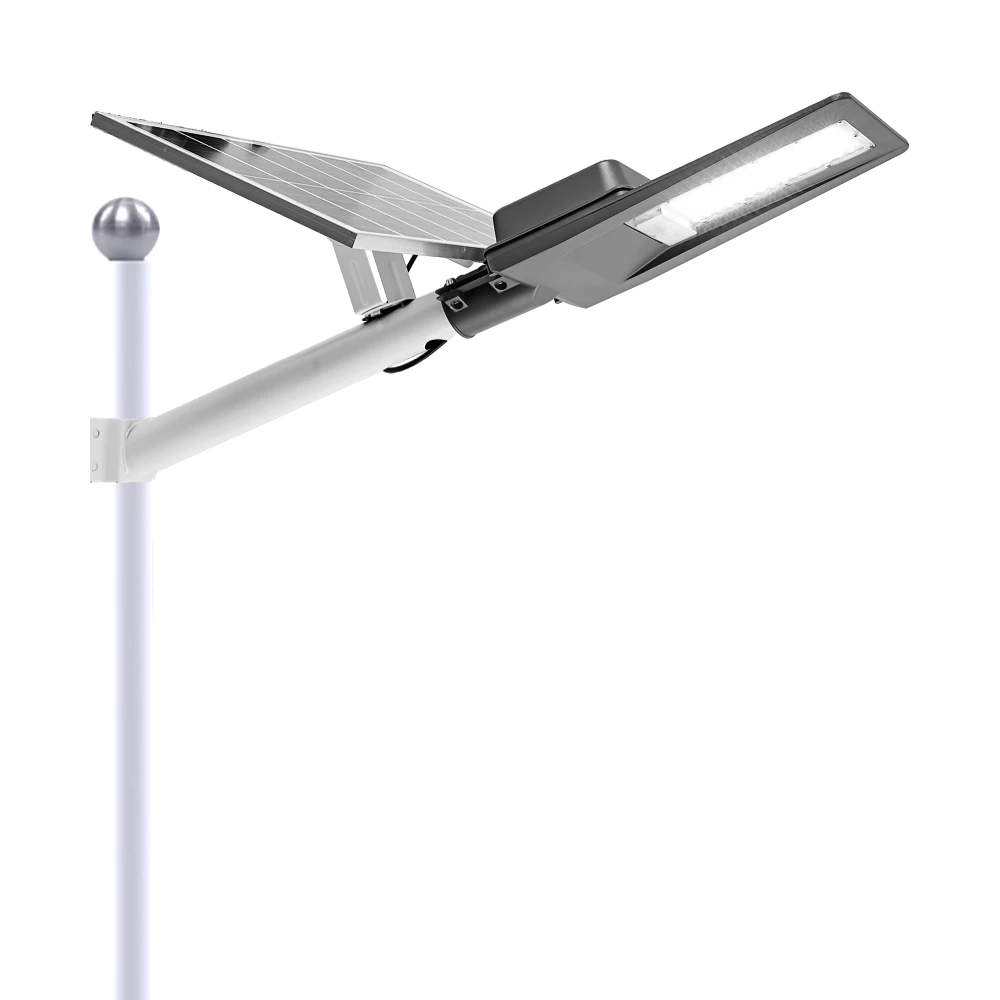
Experience reliable outdoor illumination with our smart solar street light, a perfect combination of advanced technology and eco-conscious design.
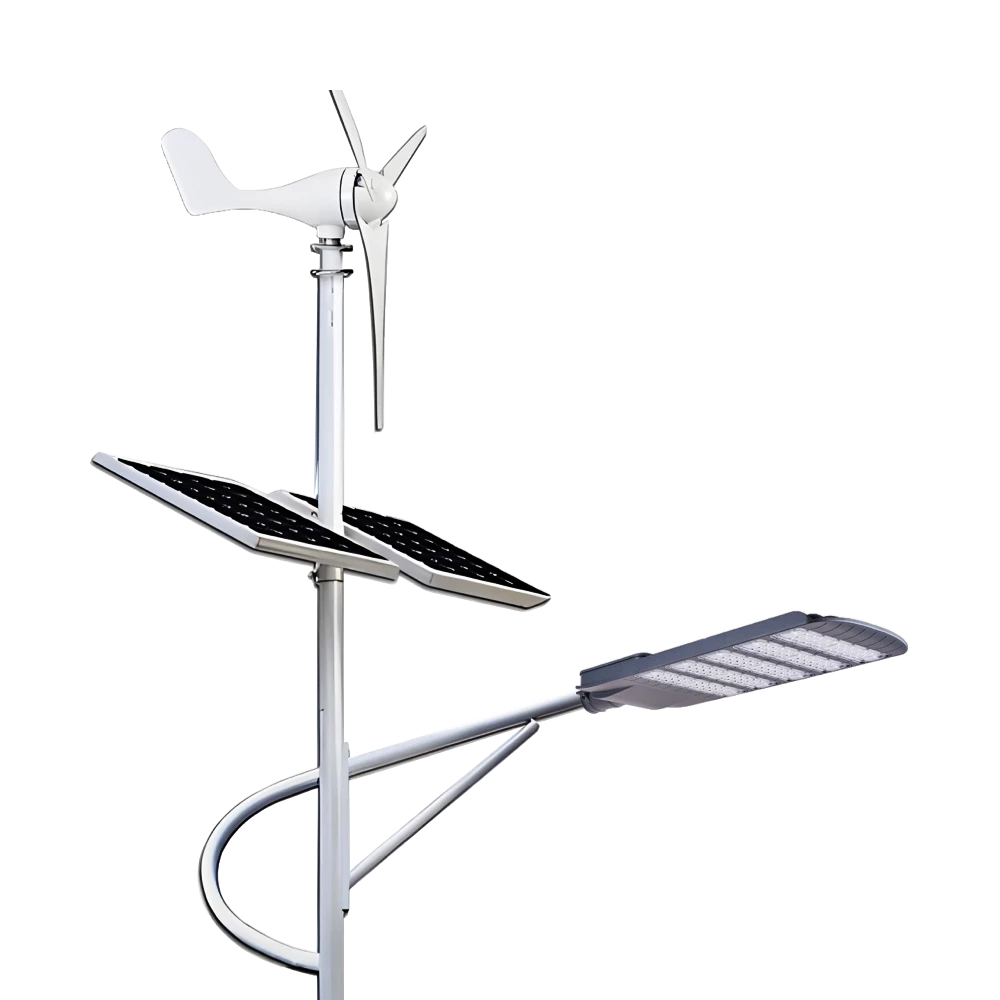
Queneng Lufeng Wind Energy LED Outdoor Solar Street Lights offer high-performance, eco-friendly illumination. These energy-efficient LED street lights harness solar power and wind energy for sustainable, cost-effective outdoor lighting solutions.
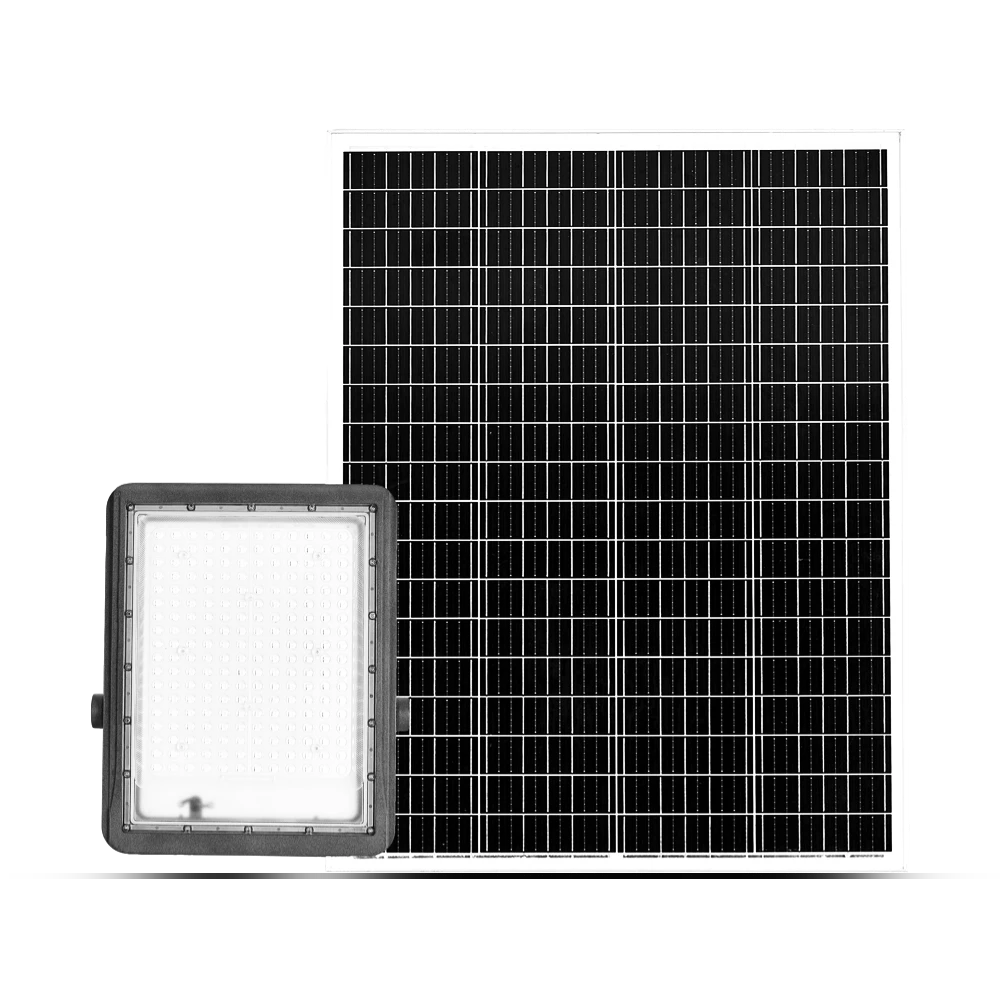
Queneng's Luxian Reliable Solar Street Light offers energy-saving LED lighting for outdoor use. This durable, solar-powered street light provides reliable illumination, reducing energy costs and environmental impact. A perfect solution for sustainable outdoor lighting.
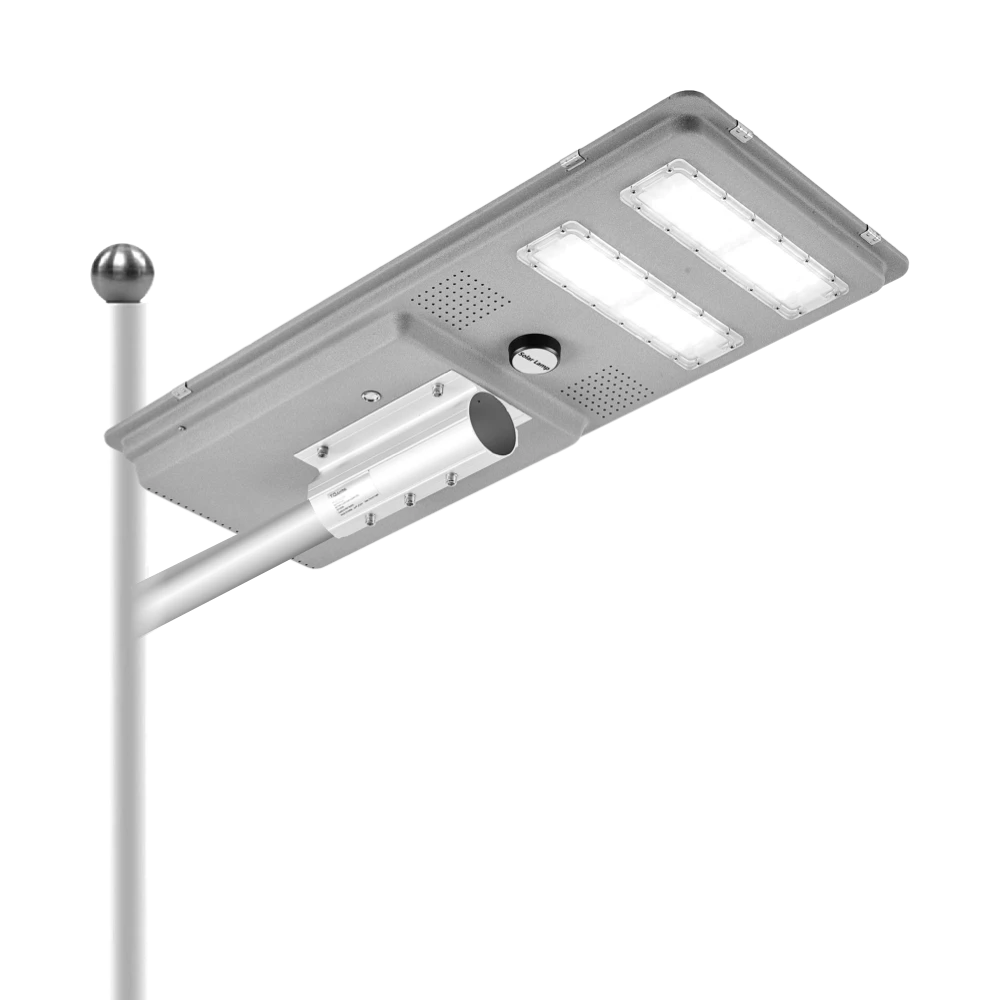
Queneng’s Solar Street Lights are designed to provide reliable, energy-efficient lighting for streets, parks, and other outdoor spaces.
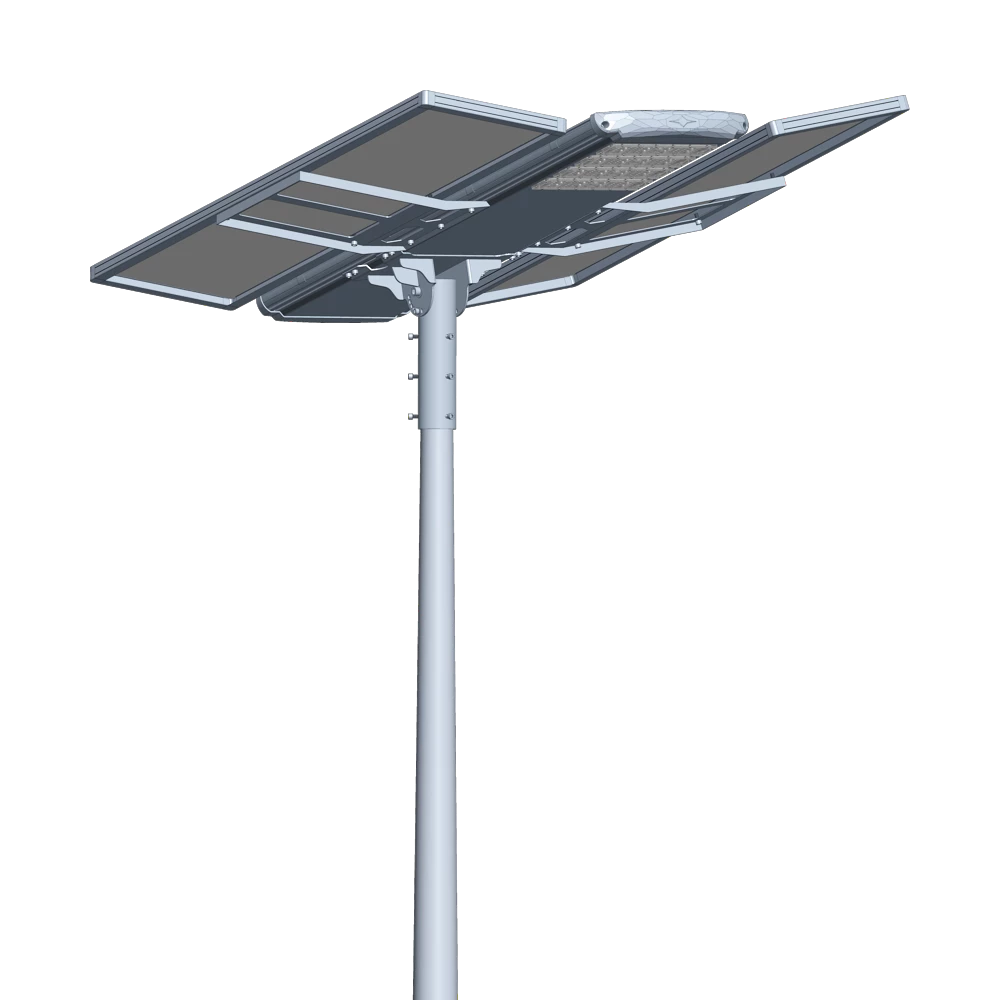
Introducing the Luqing Solar Street Light by Queneng, Efficient LED lighting powered by solar energy is perfect for illuminating outdoor areas. Harness the power of solar energy for sustainable, reliable street lighting. Ideal for eco-friendly, cost-effective outdoor illumination solutions.
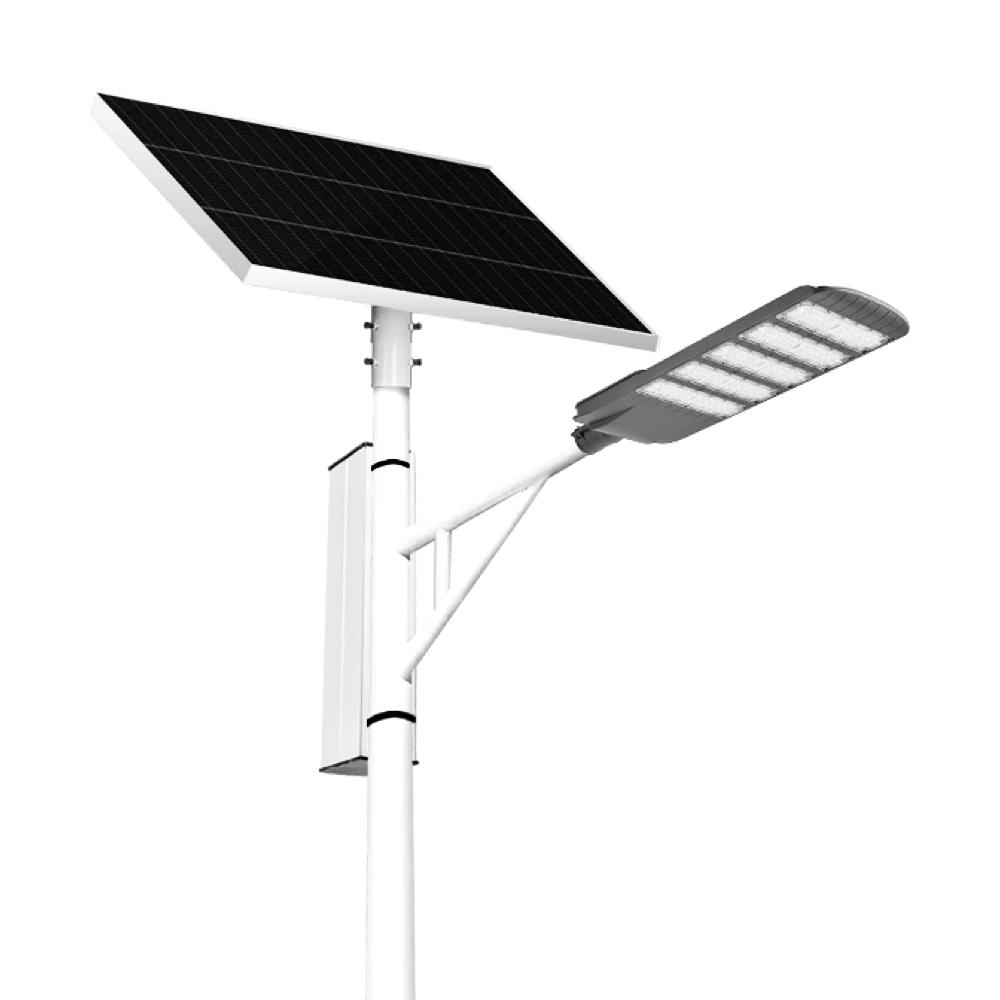
The Solar Streetlights of Luhao for Municipalities are designed to deliver reliable, energy-efficient, and cost-effective public lighting solutions. Equipped with advanced LED technology, durable lithium batteries, and high-efficiency solar panels, these streetlights provide consistent illumination for roads, parks, residential areas, and government projects.
If you would like more information about Queneng solar lighting solutions, please send us a message by filling out the form below. Our professional team will get back to you within 24 hours!
Rest assured that your privacy is important to us, and all information provided will be handled with the utmost confidentiality.
Schedule a Meeting
Book a date and time that is convenient for you and conduct the session in advance.
Have more questions about our products or services?
The messenger of light & power conversion
Environmental protection and intelligent manufacturing are our brand philosophy, and quality assurance and the best user experience are our eternal promises to users.
CONTACT
No.9F, Building F, Cao San Xin Tian Hong Logistics Park, Guzhen Town, Zhongshan City, Guangdong Province, China.
or write [email protected]
WhatsApp: +86 136 2270 1011


