














OEM long-life battery solar streetlights for municipalities in Vietnam | Insights by Quenenglighting
Optimizing Public Illumination in Vietnam: A Guide to Long-Life OEM Solar Streetlights for Municipalities
As Vietnam continues its rapid urbanization and development, the demand for sustainable, reliable, and cost-effective public lighting solutions is paramount. For municipalities looking to upgrade or expand their infrastructure, OEM long-life battery solar streetlights present an ideal solution. This guide delves into the crucial professional knowledge necessary for informed purchasing decisions, ensuring your investments yield maximum long-term value and performance.
How Can We Ensure Battery Longevity and Performance in Vietnam's Tropical Climate?
The heart of a solar streetlight is its battery, and for Vietnam's challenging tropical climate (high temperatures and humidity), battery choice is critical. Municipalities should prioritize Lithium Iron Phosphate (LiFePO4) batteries. Unlike traditional lead-acid batteries, LiFePO4 offers superior thermal stability, a wider operating temperature range, and significantly longer cycle life, making them ideal for the Vietnamese environment.
Key Considerations:
- LiFePO4 Technology: These batteries typically offer 2,000 to 6,000 charge cycles, translating to a service life of 5-15 years, significantly outperforming lead-acid batteries (300-1500 cycles). This reduces replacement frequency and associated costs.
- Advanced Battery Management System (BMS): A sophisticated BMS is essential. It protects the battery from overcharge, over-discharge, overheating, and short-circuiting, further extending its lifespan and ensuring safe operation.
- Appropriate IP Rating: Ensure the battery compartment, whether integrated or external, has a high Ingress Protection (IP) rating (e.g., IP67) to protect against dust and water ingress, crucial for humid climates.
- Temperature Control: While LiFePO4 handles heat better, passive or active cooling solutions within the fixture can further optimize performance in Vietnam’s average daily solar radiation, which ranges from 3-5 kWh/m2/day, with southern regions experiencing higher values.
What Are the Key Considerations for OEM Customization and Quality Control?
OEM (Original Equipment Manufacturer) solar streetlights offer the advantage of customization to meet specific municipal requirements, but also demand rigorous quality control. For repeat purchases, ensuring consistent quality and performance is non-negotiable.
Key Considerations:
- Detailed Specifications: Clearly define all parameters: lumen output (e.g., 5000-15000 lumens for street lighting), pole height, light distribution patterns (e.g., Type II, Type III for roadway lighting), autonomy days (e.g., 3-5 cloudy days), dimming profiles, and aesthetic design.
- Supplier Vetting: Look for manufacturers with established track records, ISO 9001 (Quality Management) and ISO 14001 (Environmental Management) certifications, and robust internal quality assurance processes.
- Component Quality: Demand specifications for critical components such as high-efficiency monocrystalline solar panels (>20% efficiency), high-lumen-per-watt LED chips (e.g., 150-180 lm/W), and MPPT (Maximum Power Point Tracking) charge controllers (15-30% more efficient than PWM).
- Factory Audits & Testing: Conduct factory audits where possible and request detailed test reports for prototypes and production batches (e.g., IES photometric data, IP rating tests, battery cycle life tests).
- Material Durability: Ensure the housing and pole materials are corrosion-resistant (e.g., marine-grade aluminum alloys, hot-dip galvanized steel) to withstand Vietnam's weather conditions.
How Does Total Cost of Ownership (TCO) Compare to Initial Investment for Long-Life Solar Streetlights?
While the initial outlay for high-quality, long-life solar streetlights might be higher than traditional grid-tied lights, municipalities must evaluate the Total Cost of Ownership (TCO) over the project's lifespan. This holistic view reveals significant long-term savings.
Key Considerations:
- Elimination of Electricity Bills: This is the most significant saving. Depending on wattage and local tariffs in Vietnam, an average street light can save $50-$100 USD annually in electricity.
- Reduced Installation Costs: No trenching, cabling, or connection to the grid infrastructure.
- Lower Maintenance: Long-life LiFePO4 batteries and durable components drastically reduce the frequency and cost of maintenance. Battery replacements, a major cost for lead-acid systems, are needed every 5-15 years instead of 2-3 years.
- Environmental Benefits: Reduced carbon footprint and contribution to sustainable development goals.
- Payback Period: While initial costs for quality solar streetlights can be 1.5-2x that of traditional grid-tied lights, the absence of electricity bills and minimal maintenance can lead to a payback period of 3-7 years, with savings continuing for decades thereafter.
What Warranty and After-Sales Support Should Municipalities Expect in Vietnam?
Reliable warranty and accessible after-sales support are crucial for critical public infrastructure. Municipalities need assurances that their investment is protected and that any issues will be promptly addressed.
Key Considerations:
- Comprehensive System Warranty: Look for a minimum 3-5 year warranty on the entire system.
- Component-Specific Warranties: Reputable manufacturers typically offer longer warranties for key components: 20-25 years for solar panel performance, 5 years for LED fixtures, and 3-5 years for LiFePO4 batteries.
- Local Presence/Support Network: Ideally, the OEM should have a local representative or partner in Vietnam to facilitate faster response times for technical support, spare parts, and on-site servicing.
- Service Level Agreements (SLAs): Clarify expectations regarding response times, repair timelines, and spare parts availability.
- Documentation and Training: Ensure comprehensive manuals and, if possible, training for local maintenance staff on basic troubleshooting.
What Technical Standards and Certifications Are Crucial for Reliable Performance in Public Infrastructure?
Adhering to recognized technical standards and certifications ensures the safety, quality, and performance of solar streetlights, which is vital for public infrastructure projects.
Key Considerations:
- Ingress Protection (IP) Rating: IP65 or IP66 for the entire fixture is essential to protect against dust and water. For battery compartments, IP67 offers even greater protection.
- Electrical Safety Standards: Compliance with international standards such as IEC (International Electrotechnical Commission) for solar panels, batteries, and controllers ensures electrical safety.
- Photometric Performance: Ensure the lighting design and fixture output meet relevant street lighting standards (e.g., IESNA RP-8-14 for roadway lighting), providing adequate lux levels and uniformity for safety and visibility in municipal areas.
- CE/RoHS Certifications: These indicate compliance with European health, safety, and environmental protection standards, widely recognized as benchmarks for quality.
- Energy Efficiency: Focus on high-efficiency components: monocrystalline solar panels (>20% efficiency) and LEDs with high lumens per watt (150-180 lm/W) maximize energy harvest and light output.
Quenenglighting's Advantage
For municipalities in Vietnam seeking reliable, long-life OEM solar streetlights, Quenenglighting offers a compelling solution. We specialize in providing highly customized solar lighting systems, integrating advanced LiFePO4 battery technology with intelligent BMS to ensure exceptional longevity and performance, even in challenging tropical climates. Our commitment to stringent quality control, use of high-efficiency components (High Quality solar panels, high-lumen LEDs, MPPT controllers), and robust design ensures a superior Total Cost of Ownership and reduced maintenance for your projects. We provide comprehensive warranties and support, positioning us as a trusted partner for sustainable public illumination infrastructure.

Have more questions about our products or services?
The latest hot news you might like

Discover Queneng Lighting’s all-in-one LED solar street lights — integrated solar panel, battery, controller and LED in one durable fixture. Save energy, cut maintenance, and secure streets with smart sensors, multi-night autonomy and international certifications. Contact sales for quotes and support.

Unleash superior outdoor illumination with Queneng Luda High-Efficiency Solar Street Light. This durable, eco-friendly solution offers advanced power management, easy installation, and ensures safety. Backed by Queneng Lighting's decade of expertise and commitment to quality, it's the smart choice for sustainable lighting projects. Learn why we're a leading solar solutions provider.

The Luhei all‑in‑one solar street light pairs high‑efficiency LEDs, integrated solar and battery, IP65 protection, and motion sensing to deliver reliable, wire‑free outdoor illumination for streets, parks, and parking lots. Backed by Queneng Lighting’s certifications and support.

FAQ
Solar Street Light Luzhou
Can Luzhou solar street lights be used in areas with limited sunlight?
Yes, Luzhou solar street lights are designed to function in areas with limited sunlight. Their high-efficiency solar panels and advanced battery storage systems ensure reliable performance, even in regions with less sunlight or during the winter months.
Transportation and Highways
What is the expected lifespan of the solar lighting system?
The solar panels typically last over 25 years, while the LED lights have a lifespan of 50,000+ hours. Batteries usually require replacement after 5-7 years of use.
Distributors
What are the benefits of becoming a Queneng distributor?
As a Queneng distributor, you will gain access to high-quality, customizable solar lighting products, competitive pricing, marketing support, and exclusive distribution rights in some regions. We provide comprehensive training, technical support, and reliable logistics to help grow your business.
Solar Street Light Luhua
Can Luhua solar street lights work in areas with limited sunlight?
Yes, Luhua solar street lights are designed to perform well in areas with limited sunlight. The high-efficiency solar panels can still generate enough energy even in cloudy or rainy weather. The system is equipped with batteries that store excess energy during the day, ensuring the lights operate throughout the night, regardless of weather conditions.
Battery Types and Applications
What is a fuel cell? How to classify?
The most common classification method is according to the type of electrolyte. Based on this, fuel cells can be divided into alkaline fuel cells, which generally use potassium hydroxide as the electrolyte; phosphoric acid fuel cells, which use concentrated phosphoric acid as the electrolyte; proton exchange membrane fuel cells, which use concentrated phosphoric acid as the electrolyte. A fully fluorinated or partially fluorinated sulfonic acid proton exchange membrane is used as the electrolyte; a molten carbonate fuel cell uses molten lithium-potassium carbonate or lithium-sodium carbonate as an electrolyte; a solid oxide fuel cell, Solid oxides are used as oxygen ion conductors, such as yttria-stabilized zirconium oxide films as electrolytes. Batteries are sometimes classified according to battery temperature and are divided into low-temperature fuel cells (operating temperature below 100°C), including alkaline fuel cells and proton exchange membrane fuel cells; medium-temperature fuel cells (operating temperature between 100-300°C), including Bacon-type alkaline fuel cells and phosphoric acid-type fuel cells; high-temperature fuel cells (operating temperature between 600-1000°C), including molten carbonate fuel cells and solid oxide fuel cells.
Solar Street Light Luan
How bright are Luan solar street lights compared to traditional street lights?
Luan solar street lights offer brightness comparable to or greater than traditional street lights, using far less energy. The LEDs are designed to provide high-quality, focused illumination, enhancing visibility and safety in outdoor areas while saving energy.
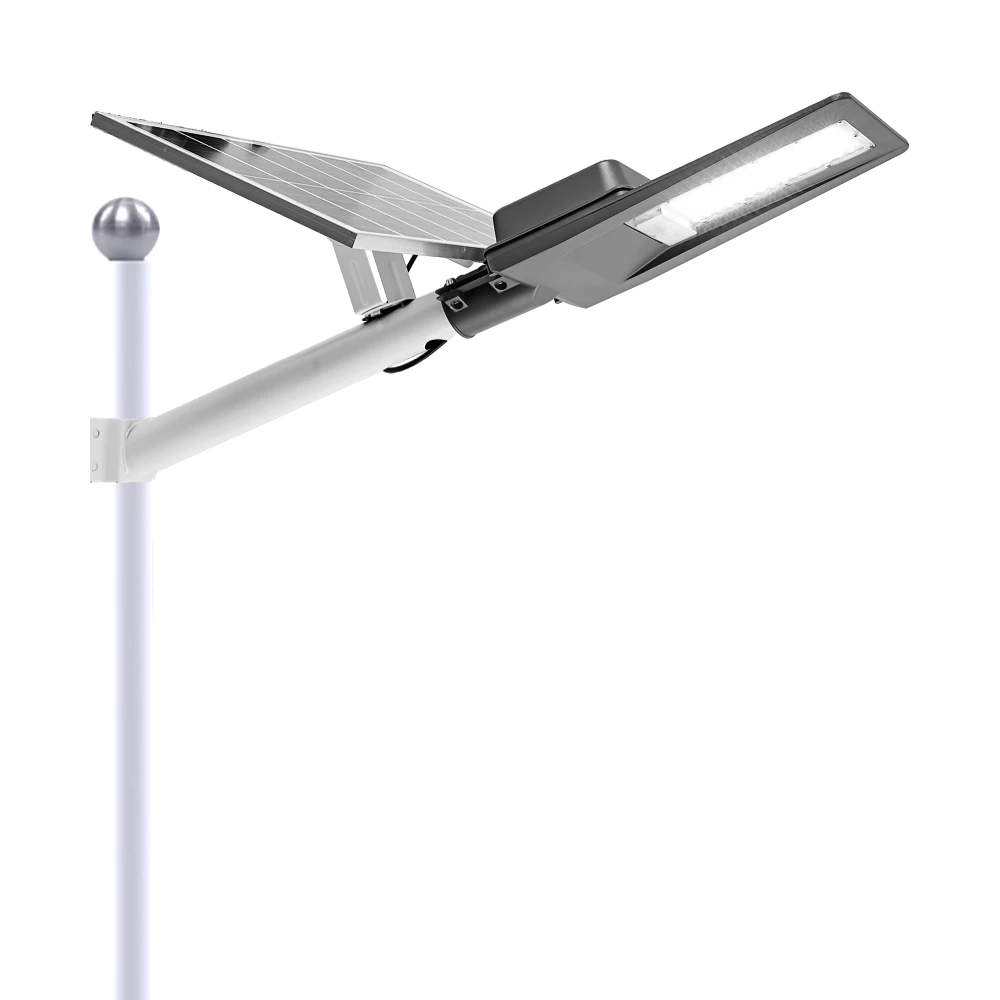
Experience reliable outdoor illumination with our smart solar street light, a perfect combination of advanced technology and eco-conscious design.
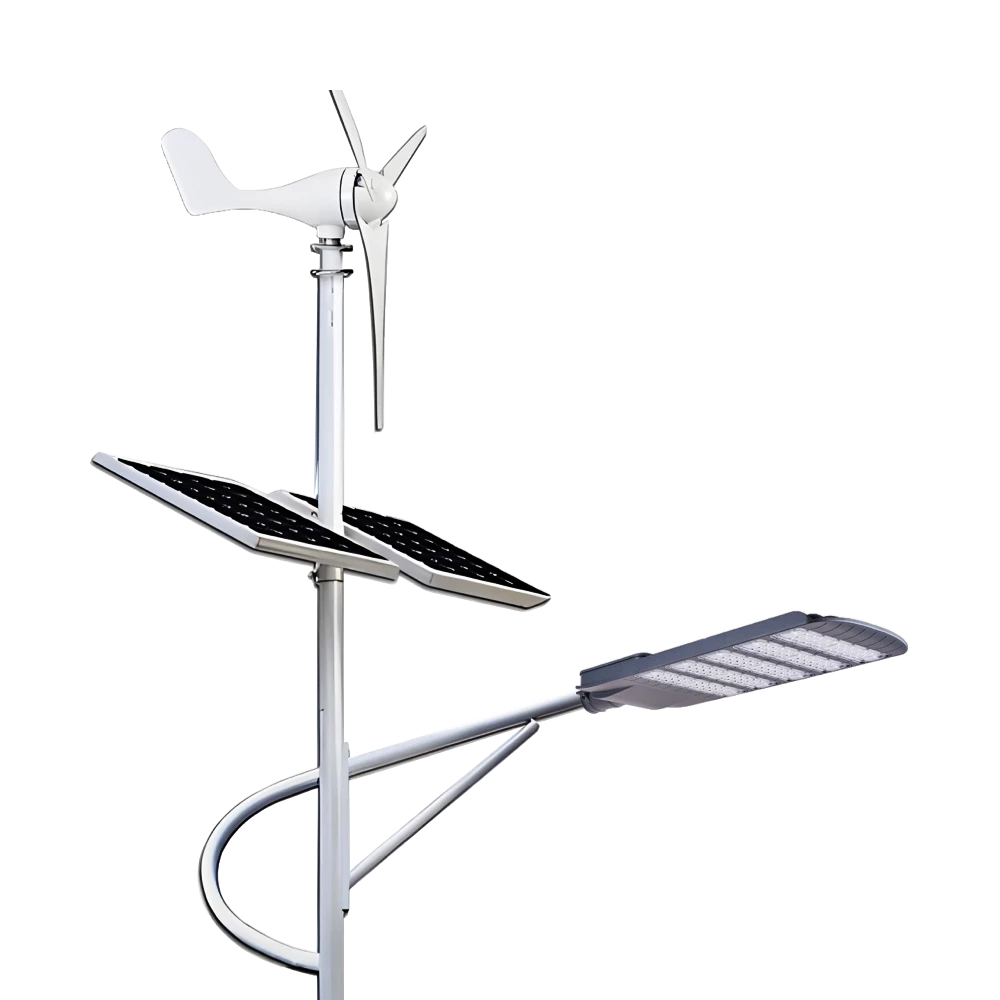
Queneng Lufeng Wind Energy LED Outdoor Solar Street Lights offer high-performance, eco-friendly illumination. These energy-efficient LED street lights harness solar power and wind energy for sustainable, cost-effective outdoor lighting solutions.
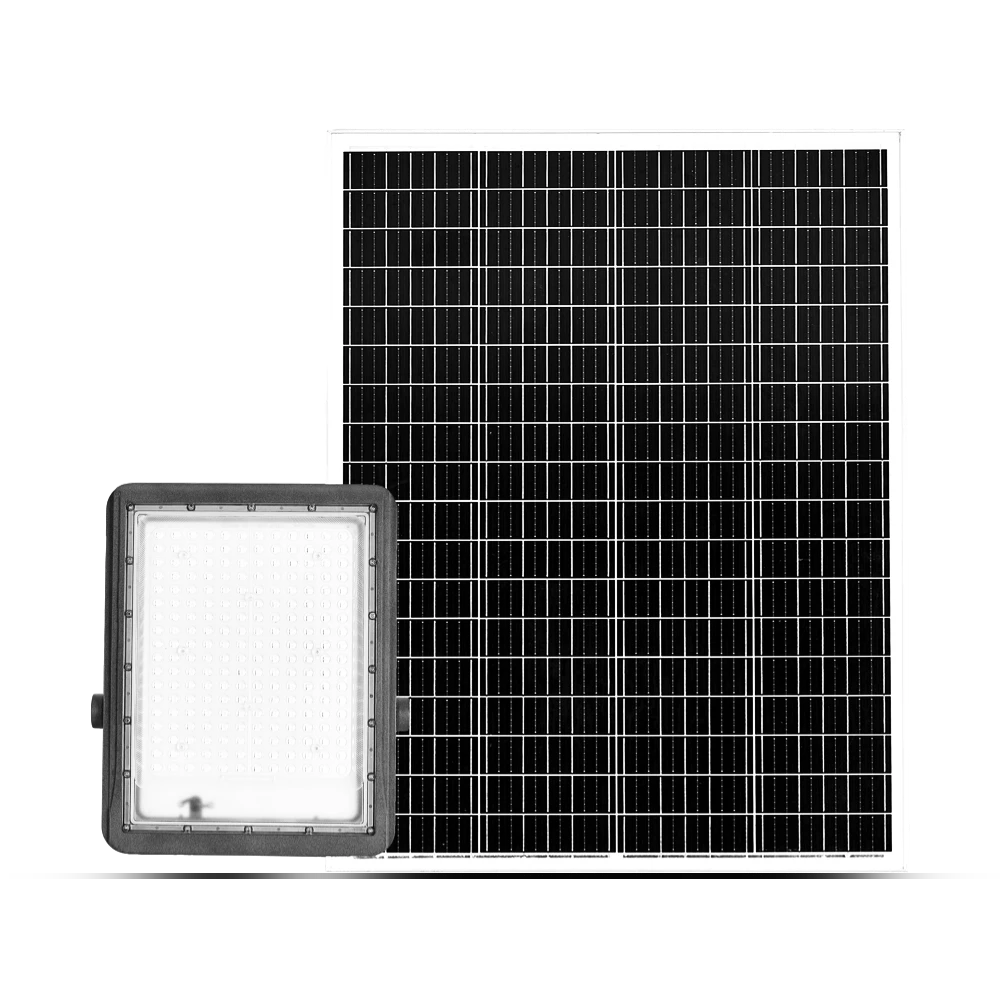
Queneng's Luxian Reliable Solar Street Light offers energy-saving LED lighting for outdoor use. This durable, solar-powered street light provides reliable illumination, reducing energy costs and environmental impact. A perfect solution for sustainable outdoor lighting.
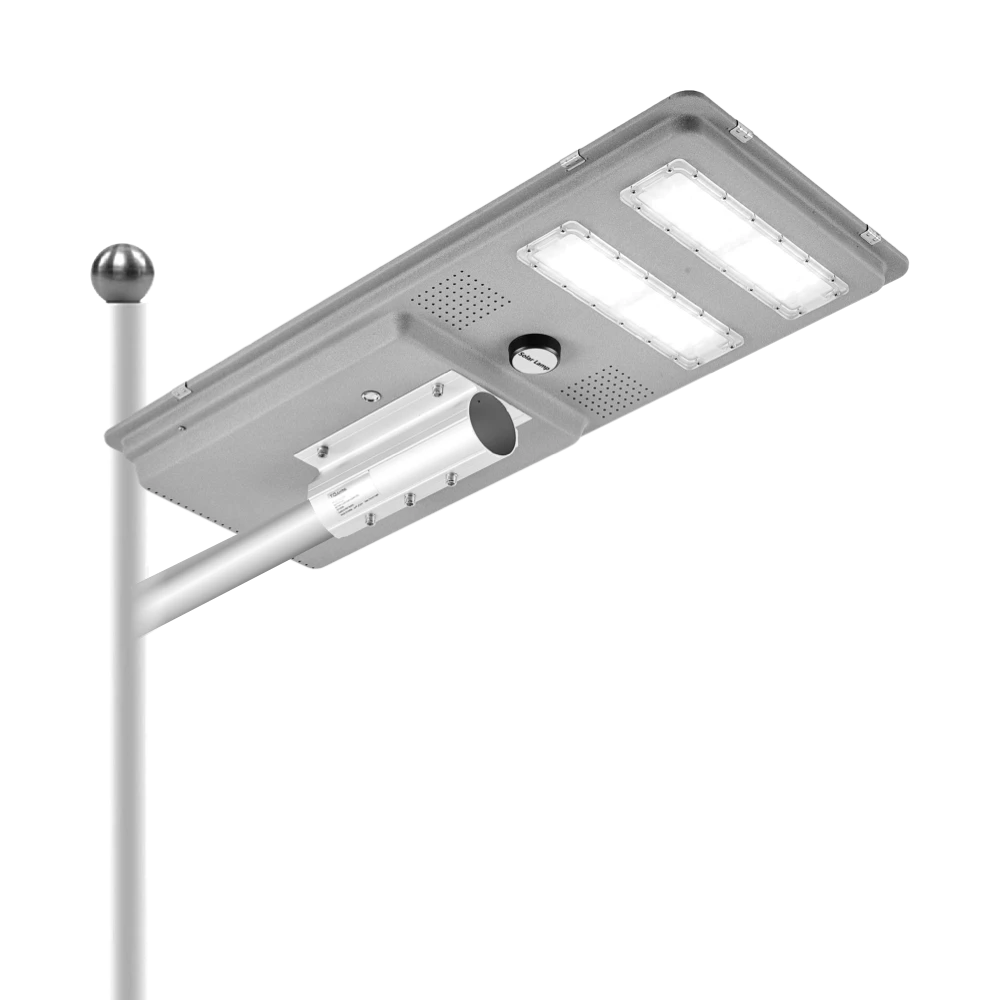
Queneng’s Solar Street Lights are designed to provide reliable, energy-efficient lighting for streets, parks, and other outdoor spaces.
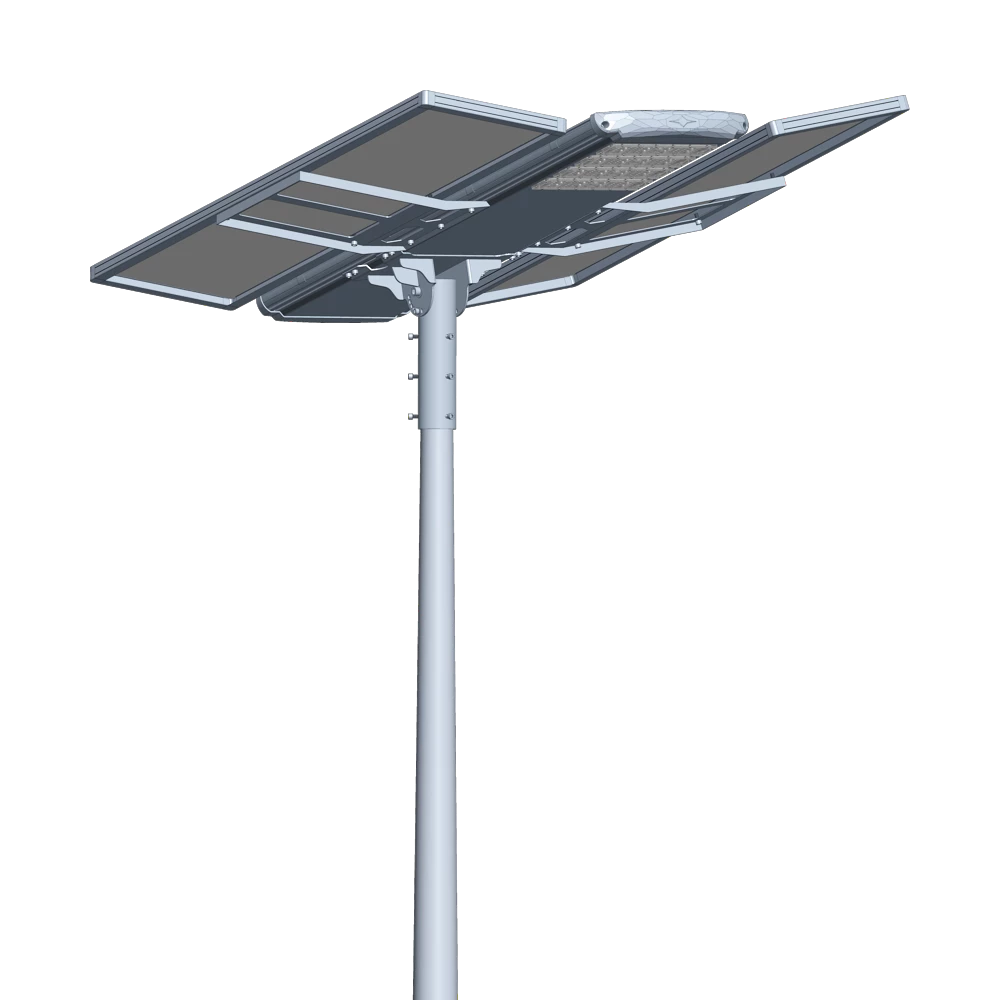
Introducing the Luqing Solar Street Light by Queneng, Efficient LED lighting powered by solar energy is perfect for illuminating outdoor areas. Harness the power of solar energy for sustainable, reliable street lighting. Ideal for eco-friendly, cost-effective outdoor illumination solutions.
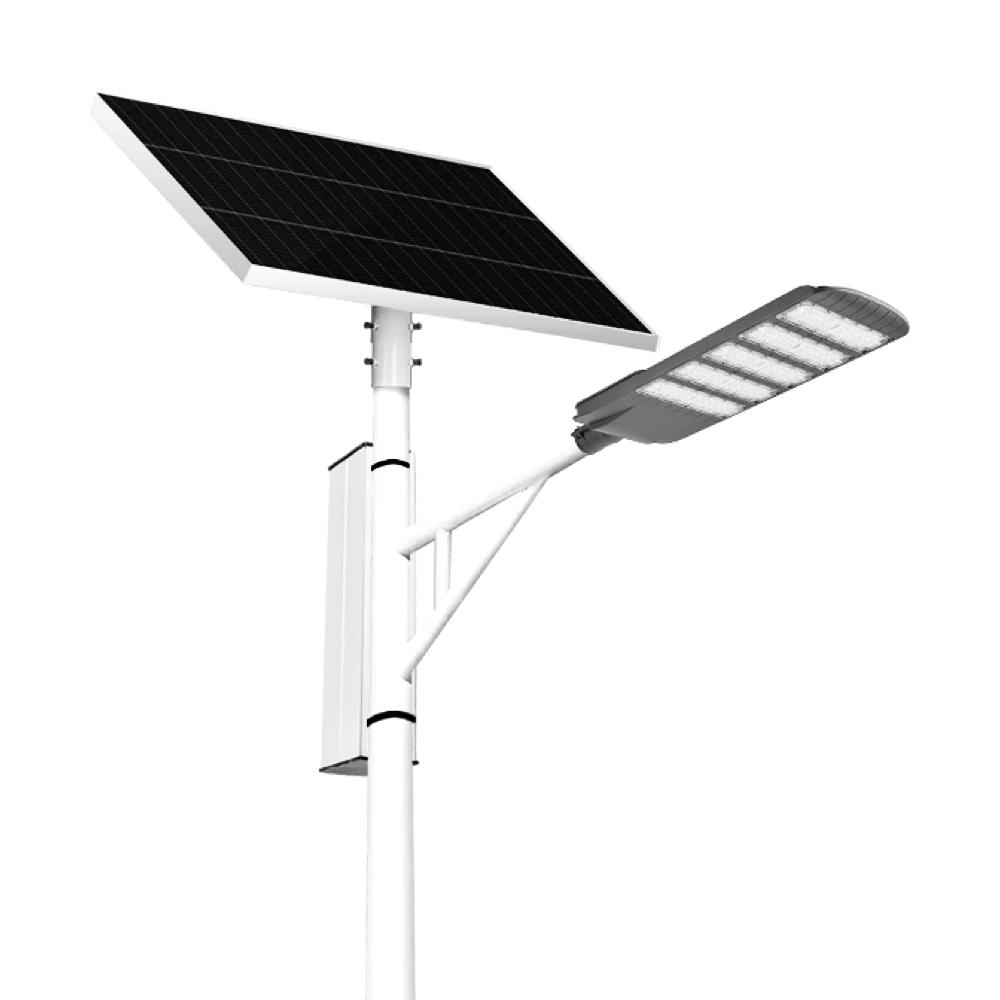
The Solar Streetlights of Luhao for Municipalities are designed to deliver reliable, energy-efficient, and cost-effective public lighting solutions. Equipped with advanced LED technology, durable lithium batteries, and high-efficiency solar panels, these streetlights provide consistent illumination for roads, parks, residential areas, and government projects.
If you would like more information about Queneng solar lighting solutions, please send us a message by filling out the form below. Our professional team will get back to you within 24 hours!
Rest assured that your privacy is important to us, and all information provided will be handled with the utmost confidentiality.
Schedule a Meeting
Book a date and time that is convenient for you and conduct the session in advance.
Have more questions about our products or services?
The messenger of light & power conversion
Environmental protection and intelligent manufacturing are our brand philosophy, and quality assurance and the best user experience are our eternal promises to users.
CONTACT
No.9F, Building F, Cao San Xin Tian Hong Logistics Park, Guzhen Town, Zhongshan City, Guangdong Province, China.
or write [email protected]
WhatsApp: +86 136 2270 1011


