














OEM Queneng solar streetlights for large-scale projects | Insights by Quenenglighting
Navigating Large-Scale OEM Solar Streetlight Procurement: Key Questions for Queneng Solutions
For procurement professionals overseeing large-scale infrastructure projects, the selection of solar streetlights is a critical decision. Beyond initial cost, factors like long-term reliability, energy efficiency, maintenance, and technological integration play a pivotal role. When considering OEM Queneng solar streetlights for re-procurement, understanding the latest innovations and the comprehensive value proposition is essential. This article addresses five key questions to guide your decision-making process.
What are the latest advancements in OEM solar streetlight technology, particularly for large projects, to improve performance and reduce TCO?
The solar streetlight industry has seen significant technological leaps. For large-scale projects, the focus is on maximizing output, extending lifespan, and reducing Total Cost of Ownership (TCO). Key advancements include:
- Advanced Battery Technology: Lithium Iron Phosphate (LiFePO4) batteries are now standard, typically offering 2000-4000 cycles at 80% Depth of Discharge (DoD), ensuring 8-10 years of reliable performance even in harsh conditions. They provide superior thermal stability and energy density compared to older lead-acid batteries.
- High-Efficiency Solar Panels: Monocrystalline silicon solar panels are prevalent, often exceeding 21-23% conversion efficiency. This allows for smaller panel footprints, better aesthetics, and more power generation, especially in challenging environments.
- Intelligent MPPT Controllers: Maximum Power Point Tracking (MPPT) charge controllers are crucial, boosting charging efficiency by 15-30% compared to traditional PWM systems. This ensures optimal power harvest from solar panels, particularly under varying weather conditions.
- High-Lumen LEDs: Modern LEDs achieve over 170-190 lumens per watt (lm/W), providing brighter illumination with less power consumption. Reputable LED chip brands (e.g., Philips, Osram, Cree) ensure consistent quality and lifespan.
- IoT and Smart City Integration: The integration of Internet of Things (IoT) platforms allows for remote monitoring, predictive maintenance, adaptive dimming, and real-time performance analytics, significantly optimizing operational costs and enhancing public safety.
Queneng integrates these cutting-edge technologies, offering solutions that significantly enhance lumen output, extend operational life, and optimize energy harvest, leading to a reduced Total Cost of Ownership over the project lifecycle.
How can OEM Queneng solar streetlights ensure long-term reliability and minimize maintenance costs for extensive installations?
Long-term reliability is paramount for large-scale projects to avoid costly and time-consuming maintenance. Queneng focuses on several aspects:
- Robust Construction: Products feature durable, corrosion-resistant materials like die-cast aluminum alloy housings and IP65 or IP66 rated enclosures, protecting against dust, water, and extreme temperatures.
- High Quality Component Sourcing: Using only Tier-1 solar cells, branded LED chips, and high-quality battery management systems (BMS) ensures component longevity and reduces failure rates.
- Intelligent Battery Management: Advanced BMS protects LiFePO4 batteries from overcharge, over-discharge, over-current, and extreme temperatures, significantly extending battery life.
- Modular Design: A modular design approach facilitates easier diagnosis and replacement of individual components (e.g., battery pack, LED module, controller) without replacing the entire fixture, simplifying maintenance and reducing downtime.
- Remote Monitoring & Diagnostics: IoT-enabled systems allow for proactive fault detection and remote troubleshooting, minimizing the need for on-site visits and enabling predictive maintenance strategies.
Queneng's emphasis on durable materials, rigorous testing, and advanced component integration ensures exceptional resilience against environmental factors. Their modular designs and smart monitoring significantly reduce on-site intervention, translating to minimal maintenance costs for large fleets.
What are the key considerations for achieving optimal energy efficiency and battery longevity in large-scale OEM solar streetlight deployments?
Maximizing energy efficiency and battery longevity is crucial for consistent performance and a high return on investment:
- Accurate Sizing: Proper system sizing based on local solar irradiation data (e.g., average Daily Peak Sun Hours), desired illumination levels, and required autonomy (typically 3-5 days of cloudy weather reserve) is non-negotiable.
- MPPT Controller Usage: As mentioned, MPPT controllers optimize solar panel output by continuously tracking the maximum power point, leading to more efficient charging.
- Intelligent Dimming Profiles: Implementing adaptive lighting schedules, often combined with motion sensors (PIR), allows the lights to dim to a lower intensity (e.g., 30-50%) during off-peak hours or when no presence is detected, conserving significant battery power.
- Thermal Management: Effective heat dissipation for both LEDs and batteries is vital. Poor thermal management can degrade LED performance and shorten battery life.
- LiFePO4 Battery Selection: Choosing LiFePO4 batteries with a wide operating temperature range and high cycle life rated for the project's expected DoD is essential.
Queneng customizes solutions by performing detailed solar radiation analyses and load calculations, ensuring optimal battery autonomy and system efficiency. Their advanced BMS and intelligent dimming algorithms maximize battery lifespan, delivering consistent performance throughout the project's duration.
What customizable options and smart features are available from Queneng for OEM large-scale solar streetlights, and how do they integrate into existing infrastructure?
For large-scale OEM projects, customization and smart integration capabilities are key to meeting specific project demands and future-proofing infrastructure:
- Design Flexibility: Queneng offers various pole heights, luminaire designs, adjustable LED wattages, beam angles, and color temperatures (e.g., 3000K-6000K) to match aesthetic and functional requirements.
- Integrated Sensors: Options for PIR motion sensors, light sensors, and even environmental sensors (air quality, temperature) for enhanced functionality.
- IoT Connectivity: Compatibility with various communication protocols (LoRaWAN, NB-IoT, 4G/5G) for seamless integration into central management platforms. This enables remote control, scheduling, energy monitoring, and asset tracking.
- Smart City Add-ons: Integration capabilities for additional smart city components such as CCTV cameras, Wi-Fi hotspots, public address systems, or even EV charging points (emerging trends), transforming streetlights into multi-functional smart poles.
- API Integration: Queneng's systems typically offer APIs (Application Programming Interfaces) for easy data exchange and integration with existing smart city dashboards or municipal management software.
As an OEM specialist, Queneng offers extensive customization for luminaire design, power output, and intelligent features. Their systems are designed for seamless integration with existing smart city networks, providing APIs for data exchange and enabling centralized control, asset management, and adaptive lighting schemes.
What is the typical ROI and warranty support for Queneng's OEM solar streetlights in large-scale projects, and how does it compare to competitors?
Understanding the financial benefits and support structure is crucial for large investments:
- Rapid ROI: The absence of electricity bills, reduced grid connection costs (especially in remote areas), and minimal maintenance expenses contribute to a compelling Return on Investment. Typical ROI for large-scale solar streetlight projects often falls within 3-7 years, significantly faster than many traditional infrastructure investments.
- Comprehensive Warranty: Leading manufacturers like Queneng offer robust warranties, typically 3-5 years for the complete system and up to 10 years for key components like solar panels and batteries, showcasing confidence in product longevity.
- After-Sales Support: Beyond the warranty, the availability of dedicated technical support, spare parts, and service teams is critical for the long-term operational success of extensive deployments. This includes documentation, training, and troubleshooting assistance.
Queneng provides competitive warranty terms, typically 3-5 years on the complete system and extended warranties on core components, reflecting their product confidence. Coupled with significant savings on electricity and infrastructure, large-scale projects often achieve an ROI within 3-6 years. Queneng's dedicated technical support and global service network further enhance the long-term value proposition, often exceeding standard market offerings.
Quenenglighting: Your Trusted Partner for Large-Scale OEM Solar Streetlights
In conclusion, for large-scale OEM solar streetlight projects, Quenenglighting stands out as a reliable and innovative partner. Their advantages include:
- Specialized OEM Expertise: Deep capabilities in customization and scalability to meet unique project specifications.
- Cutting-Edge Technology: Integration of the latest LiFePO4 batteries, high-efficiency monocrystalline panels, MPPT controllers, and high-lumen LEDs.
- Uncompromised Reliability & Durability: Robust construction, High Quality components, and rigorous testing ensure long-term performance and minimal failures.
- Advanced Smart Integration: IoT-ready solutions with remote monitoring, adaptive lighting, and compatibility for smart city ecosystems.
- Strong Financial Viability: Compelling ROI, backed by comprehensive warranty support and dedicated after-sales service, ensuring peace of mind for your investment.
Choosing Quenenglighting means investing in sustainable, efficient, and intelligent lighting solutions that deliver long-term value and operational excellence for your large-scale projects.

Have more questions about our products or services?
The latest hot news you might like

Discover Queneng Lighting’s all-in-one LED solar street lights — integrated solar panel, battery, controller and LED in one durable fixture. Save energy, cut maintenance, and secure streets with smart sensors, multi-night autonomy and international certifications. Contact sales for quotes and support.

Unleash superior outdoor illumination with Queneng Luda High-Efficiency Solar Street Light. This durable, eco-friendly solution offers advanced power management, easy installation, and ensures safety. Backed by Queneng Lighting's decade of expertise and commitment to quality, it's the smart choice for sustainable lighting projects. Learn why we're a leading solar solutions provider.

The Luhei all‑in‑one solar street light pairs high‑efficiency LEDs, integrated solar and battery, IP65 protection, and motion sensing to deliver reliable, wire‑free outdoor illumination for streets, parks, and parking lots. Backed by Queneng Lighting’s certifications and support.

FAQ
Commercial and Industrial Parks
What certifications do your solar lights have?
Our solar lights are certified with ISO, CE, and RoHS to ensure compliance with international safety and environmental standards.
Tourist Attractions and Resorts
Will solar lights stay on throughout the night?
Yes, solar lights are designed to stay on all night long, provided they are installed in areas that receive adequate sunlight during the day. The solar panels charge during daylight hours and power the lights after dark.
Can solar lighting help reduce energy costs for resorts?
Yes, solar lighting can significantly reduce energy costs by eliminating the need for grid electricity. The investment in solar lighting pays off in the long term through savings on electricity bills.
Solar Street Light Luxian
Are Luxian solar street lights suitable for installation in remote locations?
Yes, Luxian solar street lights are ideal for remote or off-grid locations, as they operate entirely on solar power and do not require any connection to the electrical grid. They are perfect for rural roads, pathways, parks, or other outdoor spaces that lack access to traditional power sources.
Sustainability
How should I maintain solar street lights for optimal performance?
To ensure optimal performance, we recommend cleaning and inspecting the lights every 6–12 months. Regularly cleaning the photovoltaic panels, checking the battery health, and confirming the integrity of the lights and control systems are essential for long-term reliable operation.
Industry
Does Queneng offer off-grid solar systems?
Yes, we provide off-grid solar lighting systems designed for remote areas or regions without grid coverage, meeting the specific lighting needs in these areas.
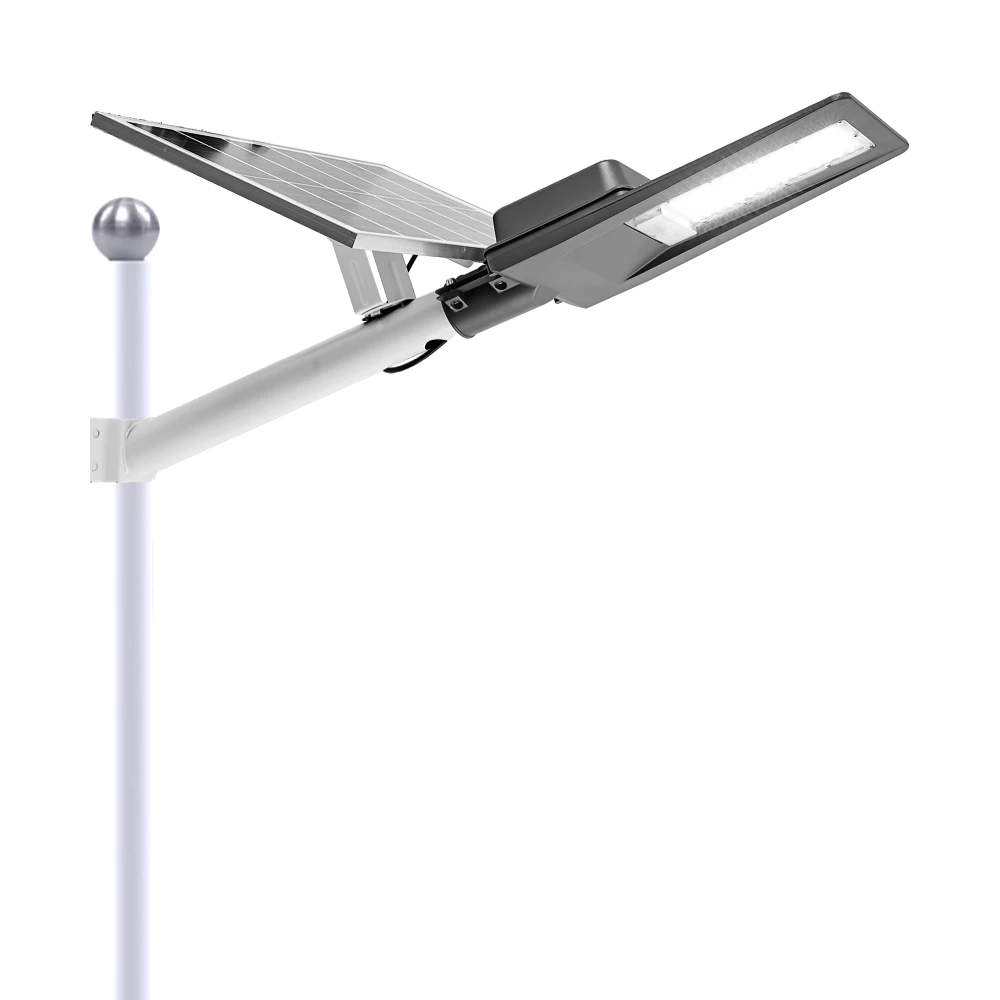
Experience reliable outdoor illumination with our smart solar street light, a perfect combination of advanced technology and eco-conscious design.
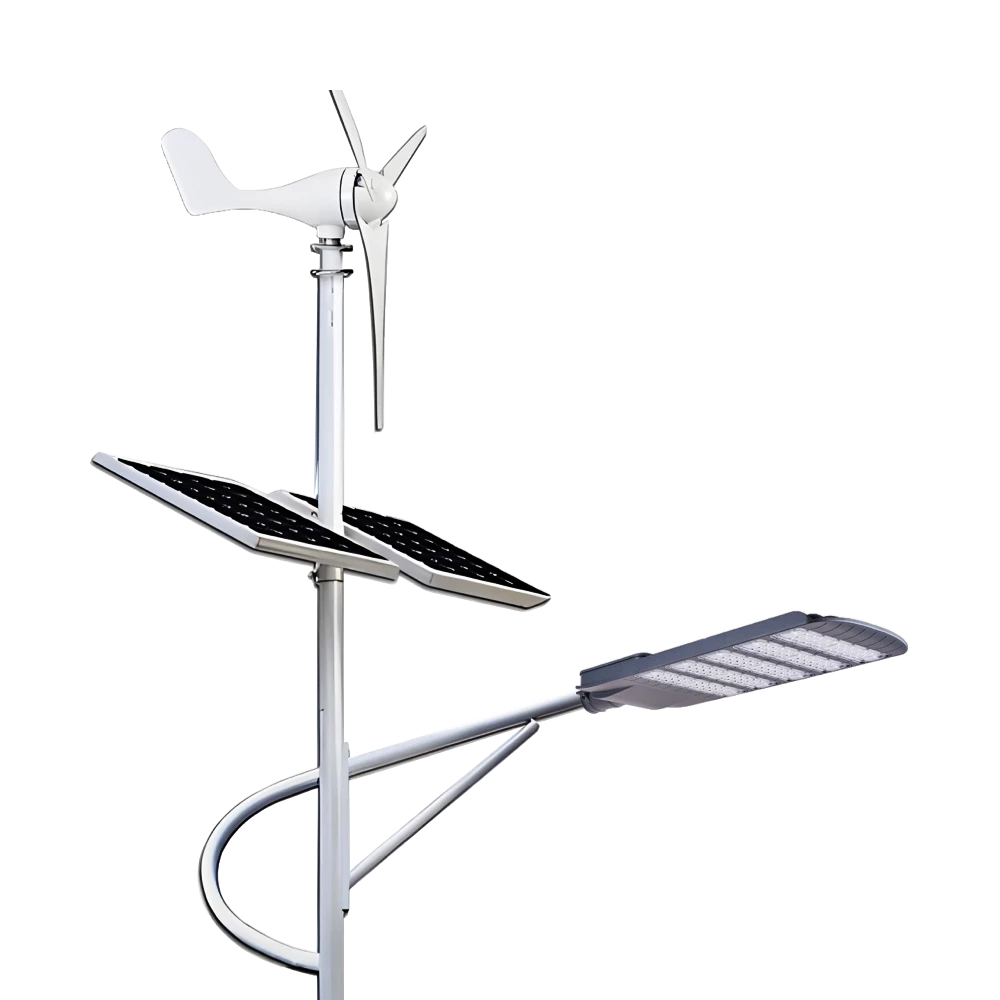
Queneng Lufeng Wind Energy LED Outdoor Solar Street Lights offer high-performance, eco-friendly illumination. These energy-efficient LED street lights harness solar power and wind energy for sustainable, cost-effective outdoor lighting solutions.
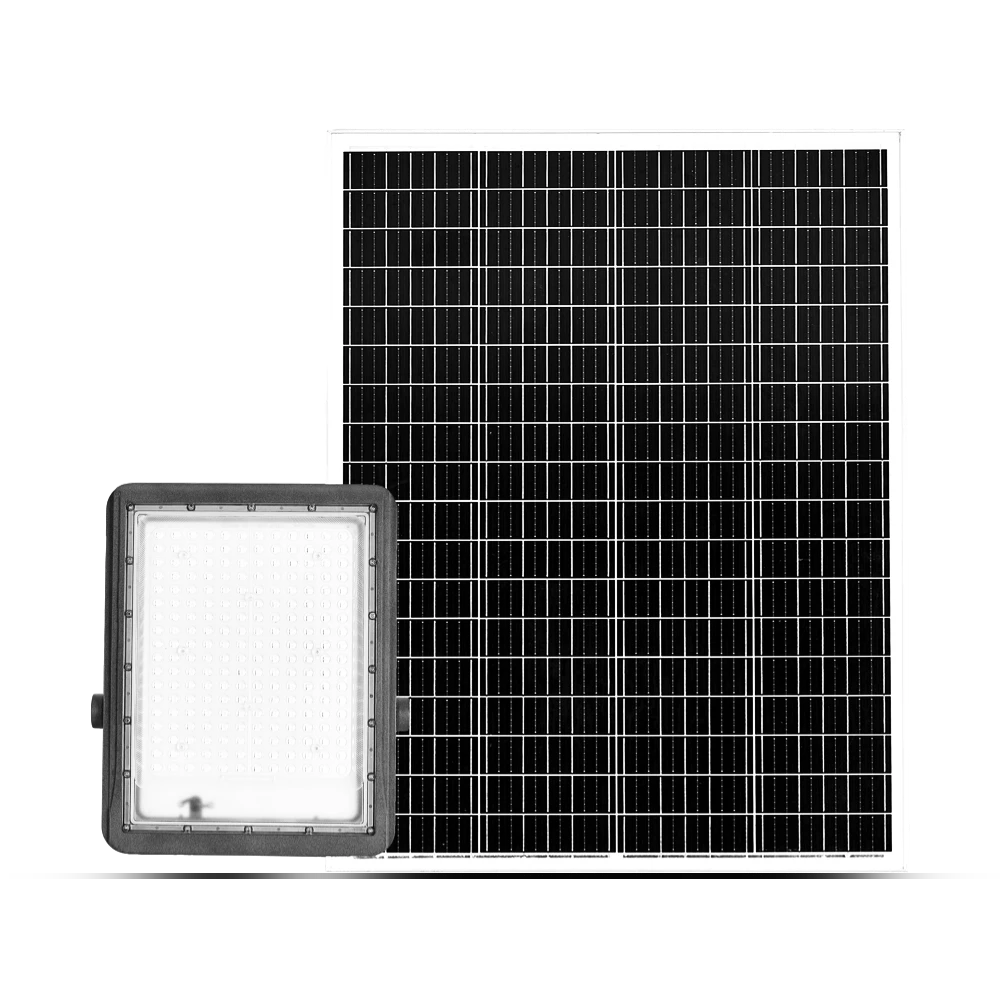
Queneng's Luxian Reliable Solar Street Light offers energy-saving LED lighting for outdoor use. This durable, solar-powered street light provides reliable illumination, reducing energy costs and environmental impact. A perfect solution for sustainable outdoor lighting.
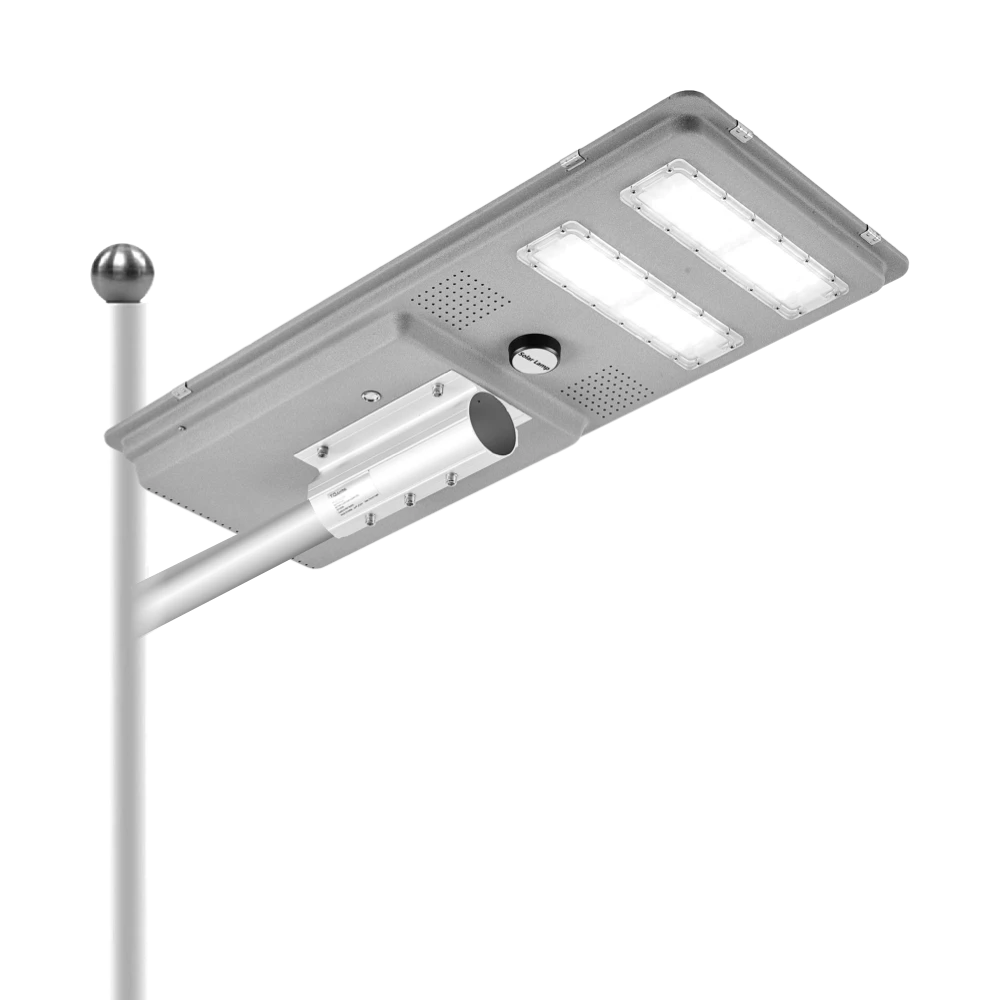
Queneng’s Solar Street Lights are designed to provide reliable, energy-efficient lighting for streets, parks, and other outdoor spaces.
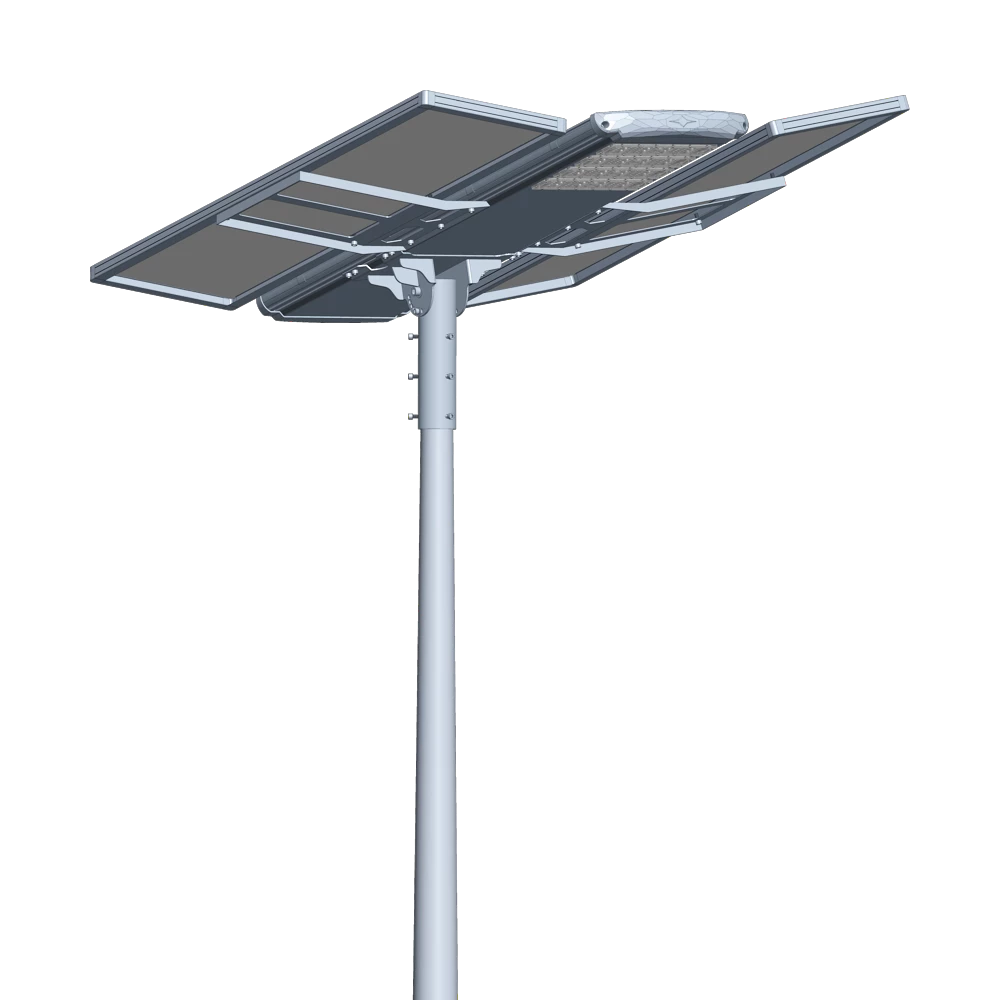
Introducing the Luqing Solar Street Light by Queneng, Efficient LED lighting powered by solar energy is perfect for illuminating outdoor areas. Harness the power of solar energy for sustainable, reliable street lighting. Ideal for eco-friendly, cost-effective outdoor illumination solutions.
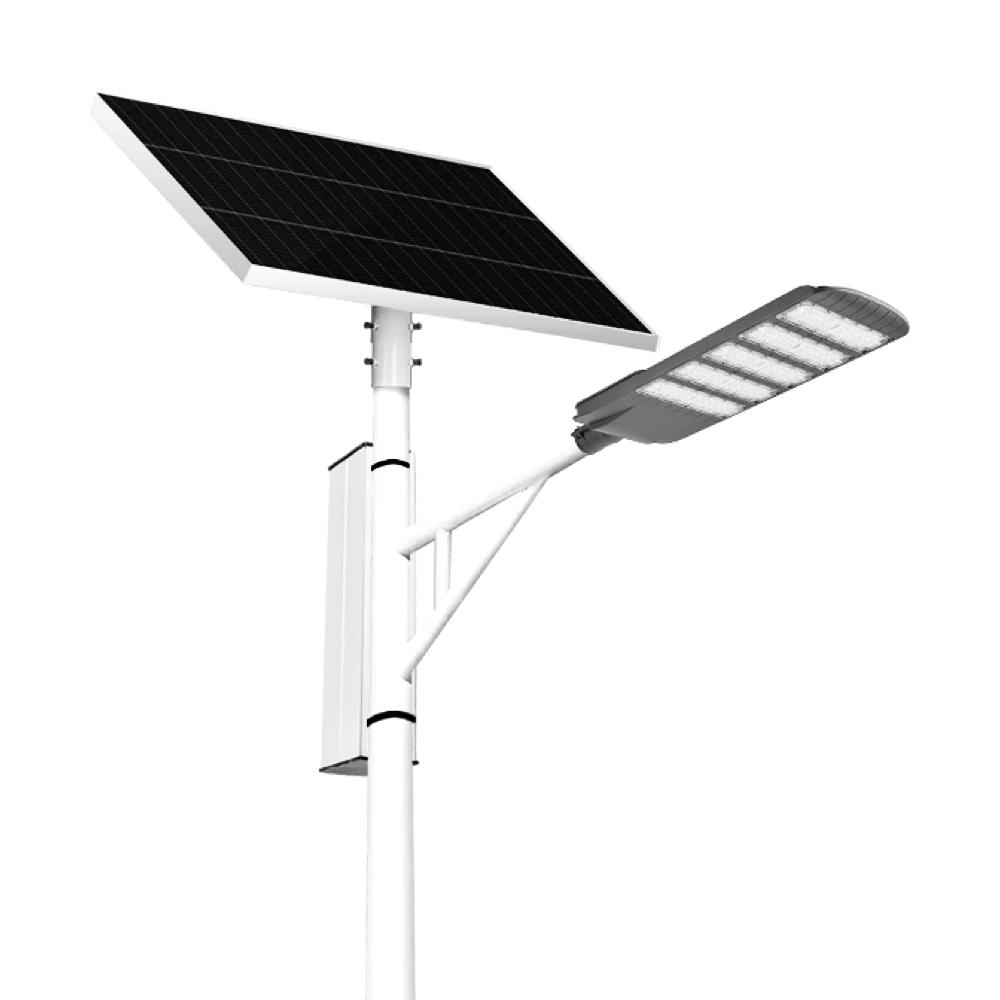
The Solar Streetlights of Luhao for Municipalities are designed to deliver reliable, energy-efficient, and cost-effective public lighting solutions. Equipped with advanced LED technology, durable lithium batteries, and high-efficiency solar panels, these streetlights provide consistent illumination for roads, parks, residential areas, and government projects.
If you would like more information about Queneng solar lighting solutions, please send us a message by filling out the form below. Our professional team will get back to you within 24 hours!
Rest assured that your privacy is important to us, and all information provided will be handled with the utmost confidentiality.
Schedule a Meeting
Book a date and time that is convenient for you and conduct the session in advance.
Have more questions about our products or services?
The messenger of light & power conversion
Environmental protection and intelligent manufacturing are our brand philosophy, and quality assurance and the best user experience are our eternal promises to users.
CONTACT
No.9F, Building F, Cao San Xin Tian Hong Logistics Park, Guzhen Town, Zhongshan City, Guangdong Province, China.
or write [email protected]
WhatsApp: +86 136 2270 1011


