

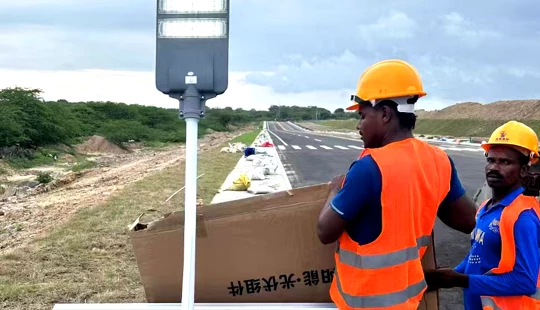
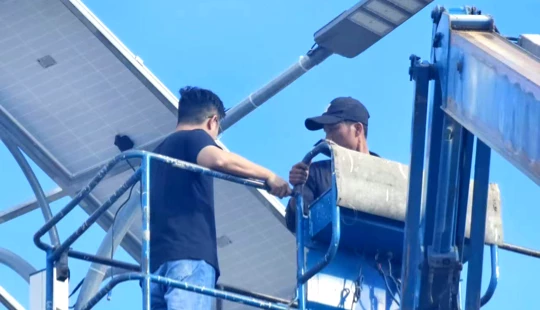













OEM solar lighting for highways | Insights by Quenenglighting
Navigating OEM Solar Lighting for Highways: Key Questions Answered for Procurement Professionals
In an era focused on sustainable infrastructure development, OEM solar lighting for highways presents a powerful blend of environmental responsibility and operational efficiency. For procurement professionals and engineers, understanding the nuances of these advanced systems is crucial for making informed decisions. Here, we address the top five questions frequently posed when considering OEM solar lighting solutions for critical road networks.
1. How Reliable Are OEM Solar Highway Lighting Systems, Especially in Diverse Weather Conditions?
Modern OEM solar highway lighting systems are designed for exceptional reliability, even in challenging environmental conditions. They leverage high-efficiency monocrystalline solar panels, typically boasting 20-22% conversion efficiency, which ensures optimal energy capture even during overcast days. Energy storage is managed by advanced LiFePO4 (Lithium Iron Phosphate) batteries, renowned for their superior thermal stability, long cycle life (2000-5000 cycles), and an impressive lifespan of 8-10 years. Coupled with intelligent MPPT (Maximum Power Point Tracking) charge controllers, these systems maximize power generation and guarantee consistent power delivery. Reputable OEM providers design systems with autonomy for 3-5 consecutive cloudy days, ensuring uninterrupted illumination during adverse weather. Furthermore, fixtures typically carry IP65 or IP66 ratings, providing robust protection against dust ingress and heavy rain, critical for outdoor highway applications.
2. What is the True Cost-Effectiveness and ROI of Solar Highway Lighting Compared to Traditional Grid-Tied Systems?
While the initial Capital Expenditure (CAPEX) for high-quality OEM solar lighting can sometimes be 10-20% higher per pole than traditional grid-tied systems, the operational savings are substantial. Electricity costs are reduced to zero, yielding 100% savings on energy bills. More importantly, installation costs are significantly lower due to the elimination of extensive trenching, cabling, and grid connections. A Lifecycle Cost Analysis (LCCA) often demonstrates a positive Return on Investment (ROI) within 3-5 years for solar lighting projects, especially in remote areas or where grid connection is prohibitively expensive. Over a typical 20-year lifespan, the Total Cost of Ownership (TCO) for solar solutions frequently proves more economical due to negligible operational expenses and minimal maintenance, leading to long-term fiscal benefits.
3. Can OEM Solar Lighting Be Customized to Meet Specific Highway Lighting Standards and Requirements?
Absolutely, customization is a core strength of OEM partnerships in solar lighting. Highway lighting requires highly specific light distribution patterns (e.g., Type II, Type III, Type IV optics as per IES RP-8-18 or CIE 115:2010 standards) to ensure uniform illumination, minimize glare, and maximize driver safety. Pole heights can vary significantly, ranging from 6 meters to 12+ meters, and lumen output can be precisely specified from 5,000 to over 20,000 lumens per fixture, depending on the road classification (e.g., M1-M6 or P1-P6). OEM manufacturers work in close collaboration with clients to tailor all system components—including solar panel wattage, battery capacity, LED luminaire design, and pole specifications—based on precise geographical solar insolation data, traffic volume, and desired lighting levels. This meticulous approach ensures complete compliance with local and international road lighting standards, optimizing both safety and energy efficiency.
4. What is the Expected Lifespan of Components and What Maintenance is Required for OEM Solar Highway Lights?
Key components of OEM solar highway lighting boast impressive lifespans, contributing to low maintenance requirements. LED luminaires typically have a rated lifespan of 50,000-100,000 hours, which translates to 10-20 years of nighttime operation. Solar PV panels come with robust 20-25 year performance warranties, guaranteeing at least 80% power output after this period. LiFePO4 batteries, as mentioned, offer 8-10 years of reliable service before needing replacement. Consequently, maintenance for solar highway lighting is significantly lower than for traditional systems. Routine maintenance primarily involves periodic cleaning of solar panels (e.g., annually or bi-annually, depending on local dust and pollution levels) to maintain optimal charging efficiency. Battery replacement is the primary component-level maintenance required, typically once every 8-10 years. The integration of smart monitoring systems further reduces the need for physical inspections, allowing for remote issue identification and proactive maintenance.
5. Do These Systems Offer Smart Features and How Do They Integrate with Existing Infrastructure or Smart City Initiatives?
Modern OEM solar highway lighting solutions are increasingly incorporating advanced IoT (Internet of Things) capabilities, making them integral to smart city infrastructure. This includes robust remote monitoring via GPRS/4G or LoRaWAN networks, enabling operators to track critical parameters such as battery voltage, solar panel charging current, LED status, and even detect faults from a centralized control room. Smart features extend to adaptive lighting, where luminaires can automatically dim based on pre-set schedules, or even respond to real-time traffic data (though motion sensing is more common for less-trafficked roads or ramps than main highways). These intelligent systems can seamlessly integrate with broader smart city platforms, providing valuable data for traffic management, environmental sensing, and public safety applications, thereby enhancing overall urban infrastructure resilience, efficiency, and sustainability.
Concluding with Quenenglighting:
Quenenglighting stands at the forefront of OEM solar lighting solutions for highways, distinguishing itself through an unwavering commitment to quality, innovation, and client-specific customization. Our strength lies in leveraging cutting-edge technology, including high-efficiency monocrystalline PV panels, long-life LiFePO4 batteries, and intelligent control systems that ensure optimal performance and longevity. We offer bespoke designs tailored to meet precise highway lighting standards (e.g., IES RP-8-18, CIE 115:2010), ensuring optimal light distribution, autonomy, and robust weather resistance (IP65/IP66). With Quenenglighting, you invest in a sustainable, low-maintenance, and highly reliable lighting infrastructure, backed by comprehensive lifecycle support and smart IoT integration for unparalleled operational control and cost efficiency. Choose Quenenglighting for a brighter, smarter, and more sustainable highway future.

Have more questions about our products or services?
The latest hot news you might like

Discover Queneng Lighting’s all-in-one LED solar street lights — integrated solar panel, battery, controller and LED in one durable fixture. Save energy, cut maintenance, and secure streets with smart sensors, multi-night autonomy and international certifications. Contact sales for quotes and support.

Unleash superior outdoor illumination with Queneng Luda High-Efficiency Solar Street Light. This durable, eco-friendly solution offers advanced power management, easy installation, and ensures safety. Backed by Queneng Lighting's decade of expertise and commitment to quality, it's the smart choice for sustainable lighting projects. Learn why we're a leading solar solutions provider.

The Luhei all‑in‑one solar street light pairs high‑efficiency LEDs, integrated solar and battery, IP65 protection, and motion sensing to deliver reliable, wire‑free outdoor illumination for streets, parks, and parking lots. Backed by Queneng Lighting’s certifications and support.

FAQ
Battery fundamentals and basic terms
What do you mean by battery?
Battery Performance and Testing
What are the self-discharge rates of different types of batteries?
What is the internal pressure of the battery?
For example, overcharge, positive electrode: 4OH- - 4e → 2H2O + O2↑;
①The generated oxygen reacts with the hydrogen precipitated on the negative electrode to form water 2H2 + O2 → 2H2O
②If the speed of reaction ② is lower than the speed of reaction ①, the oxygen produced will not be consumed in time, which will cause the internal pressure of the battery to increase.
APMS system
What is the APMS Smart Charge and Discharge Management System?
APMS (Advanced Power Management System) is an intelligent charge and discharge management system developed by QUENENG that optimizes lithium battery charging and discharging with a dual-system management mode, ideal for demanding lighting and power needs.
Solar Street Light Luzhou
Can Luzhou solar street lights be used in areas with limited sunlight?
Yes, Luzhou solar street lights are designed to function in areas with limited sunlight. Their high-efficiency solar panels and advanced battery storage systems ensure reliable performance, even in regions with less sunlight or during the winter months.
Industry
How is maintenance performed on Queneng’s solar systems?
Our systems are designed for low maintenance, typically only requiring periodic inspections and cleaning. We also offer remote monitoring and technical support to ensure long-term reliability.
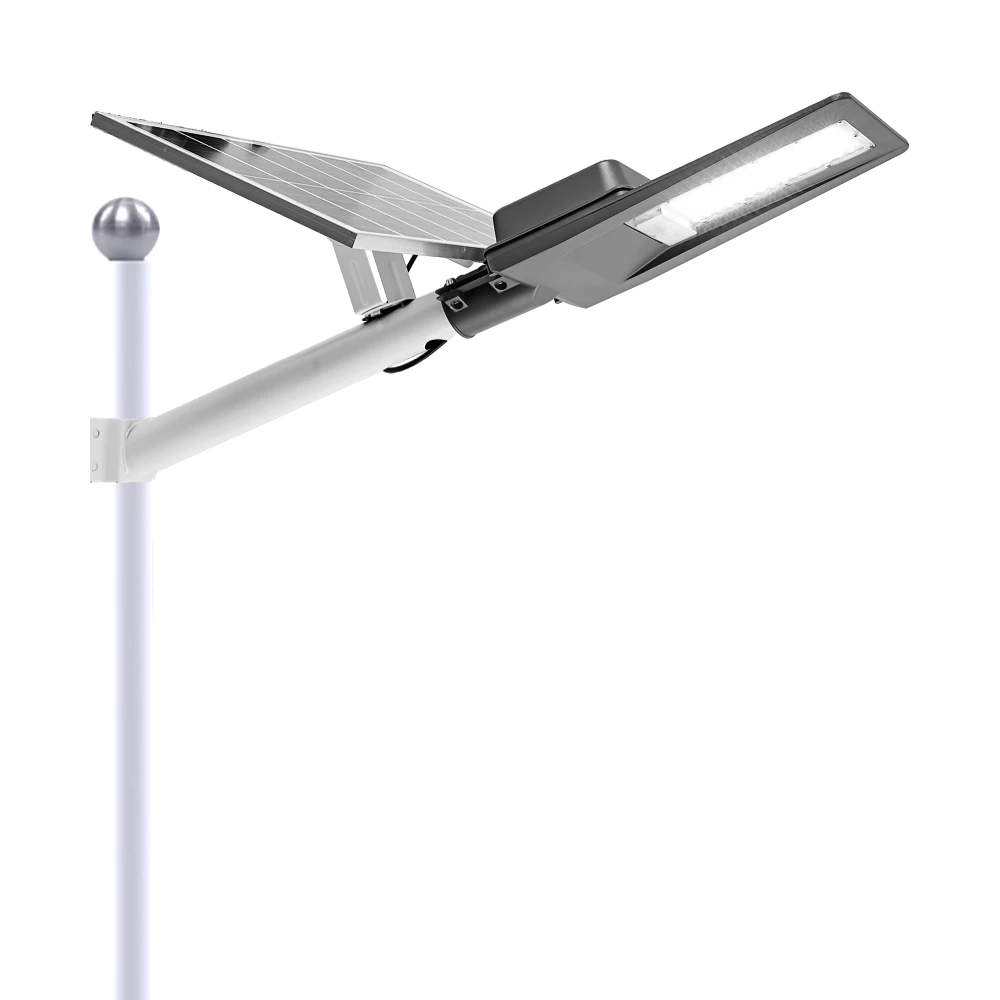
Experience reliable outdoor illumination with our smart solar street light, a perfect combination of advanced technology and eco-conscious design.
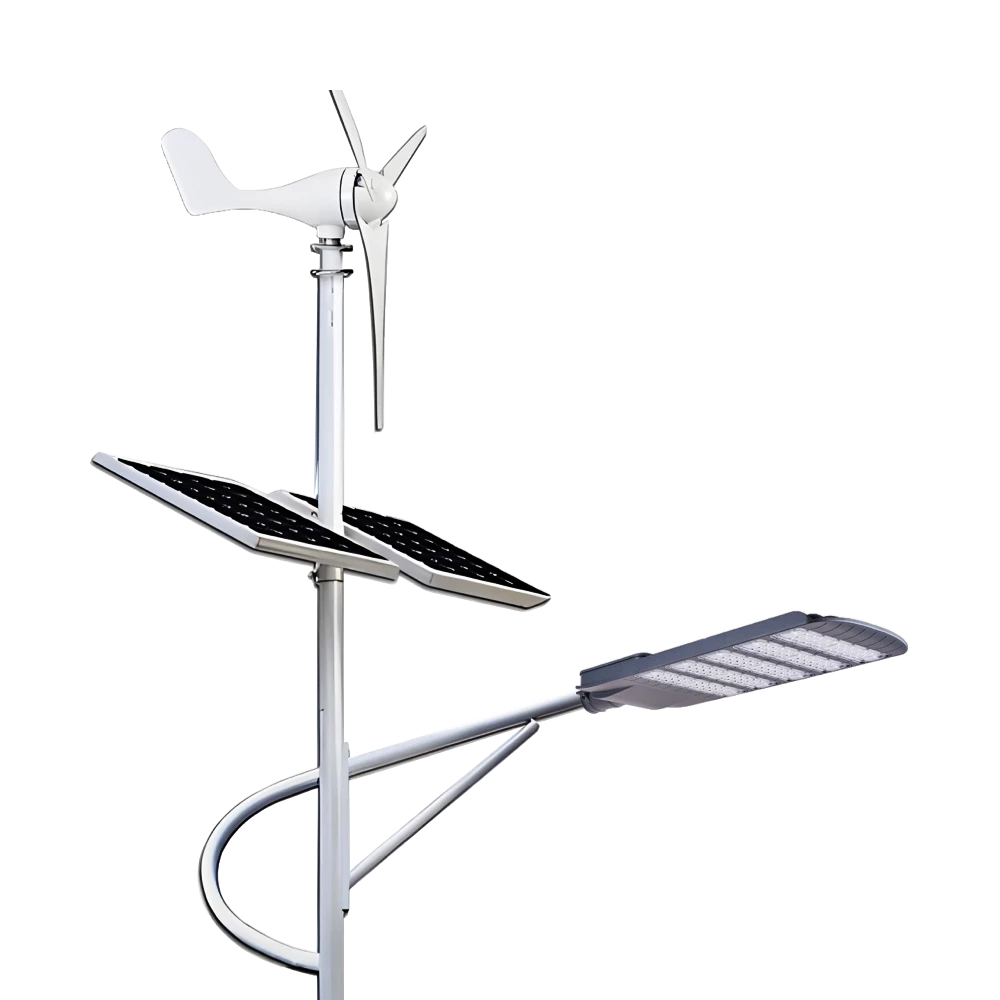
Queneng Lufeng Wind Energy LED Outdoor Solar Street Lights offer high-performance, eco-friendly illumination. These energy-efficient LED street lights harness solar power and wind energy for sustainable, cost-effective outdoor lighting solutions.
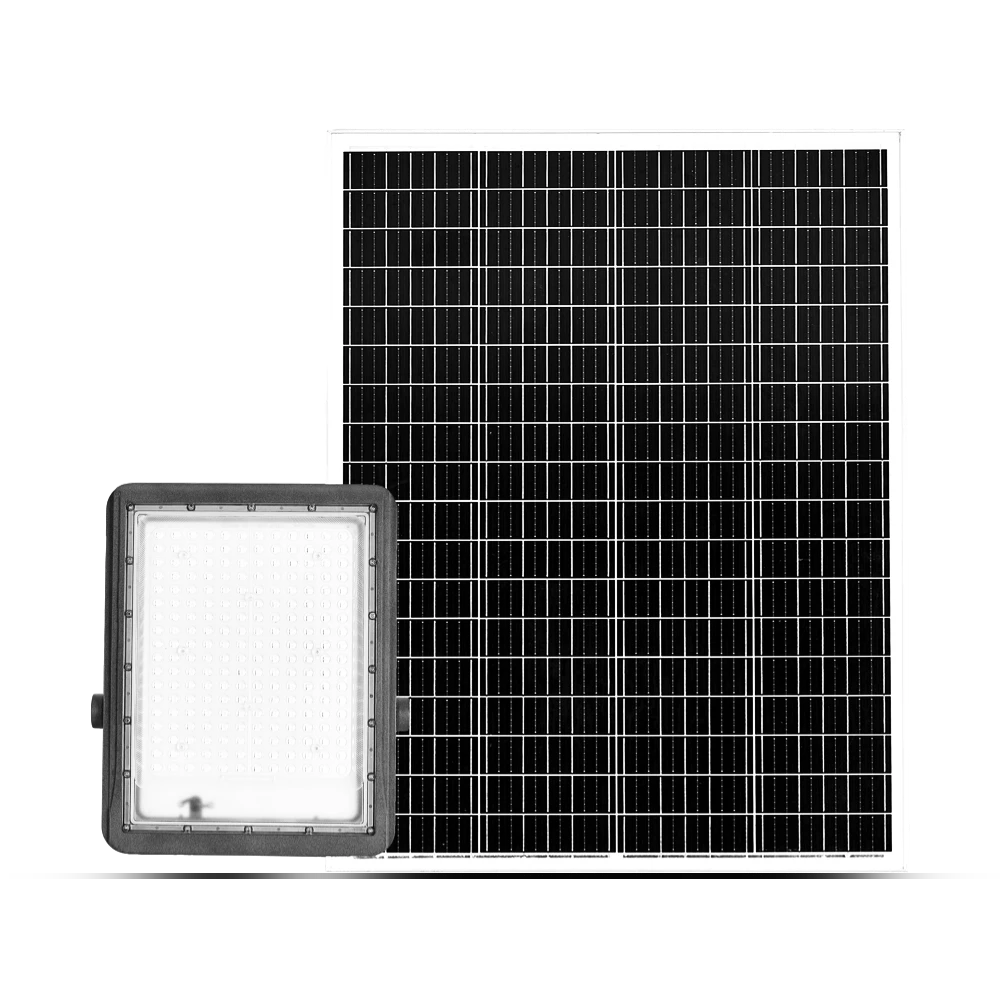
Queneng's Luxian Reliable Solar Street Light offers energy-saving LED lighting for outdoor use. This durable, solar-powered street light provides reliable illumination, reducing energy costs and environmental impact. A perfect solution for sustainable outdoor lighting.
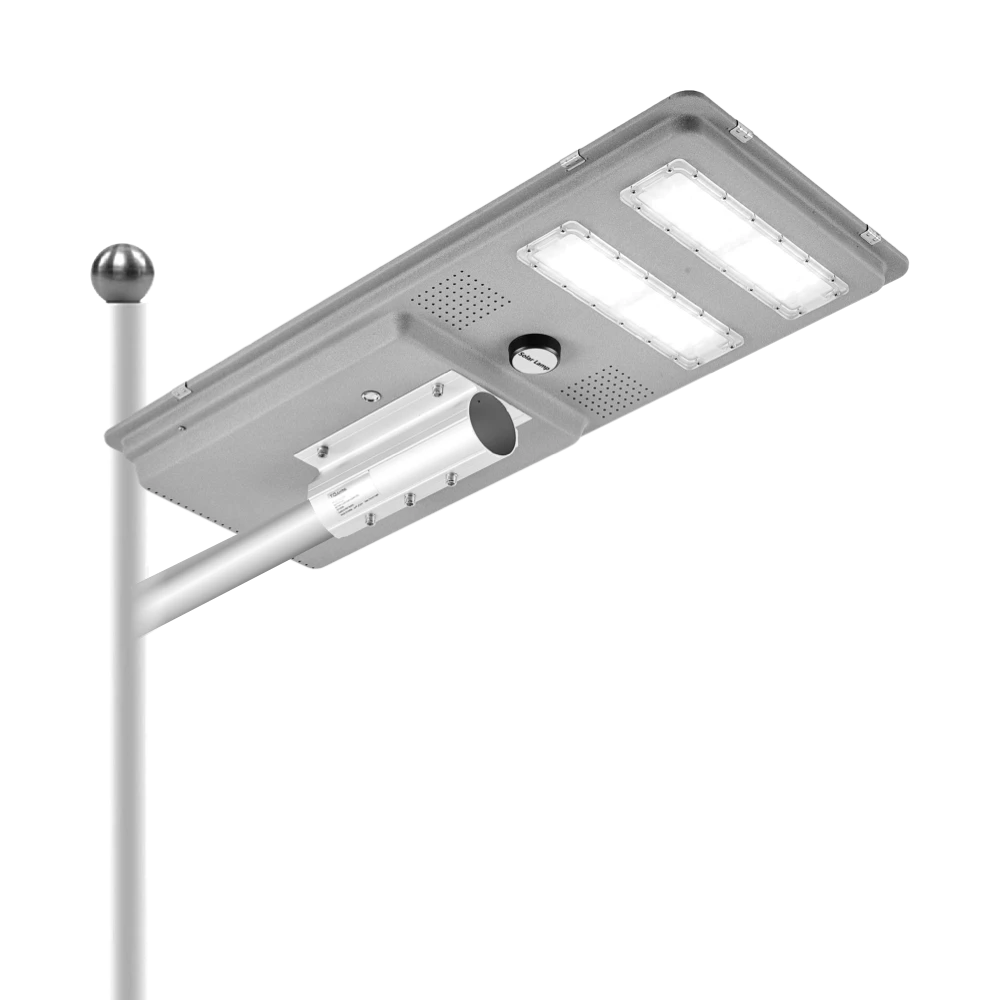
Queneng’s Solar Street Lights are designed to provide reliable, energy-efficient lighting for streets, parks, and other outdoor spaces.
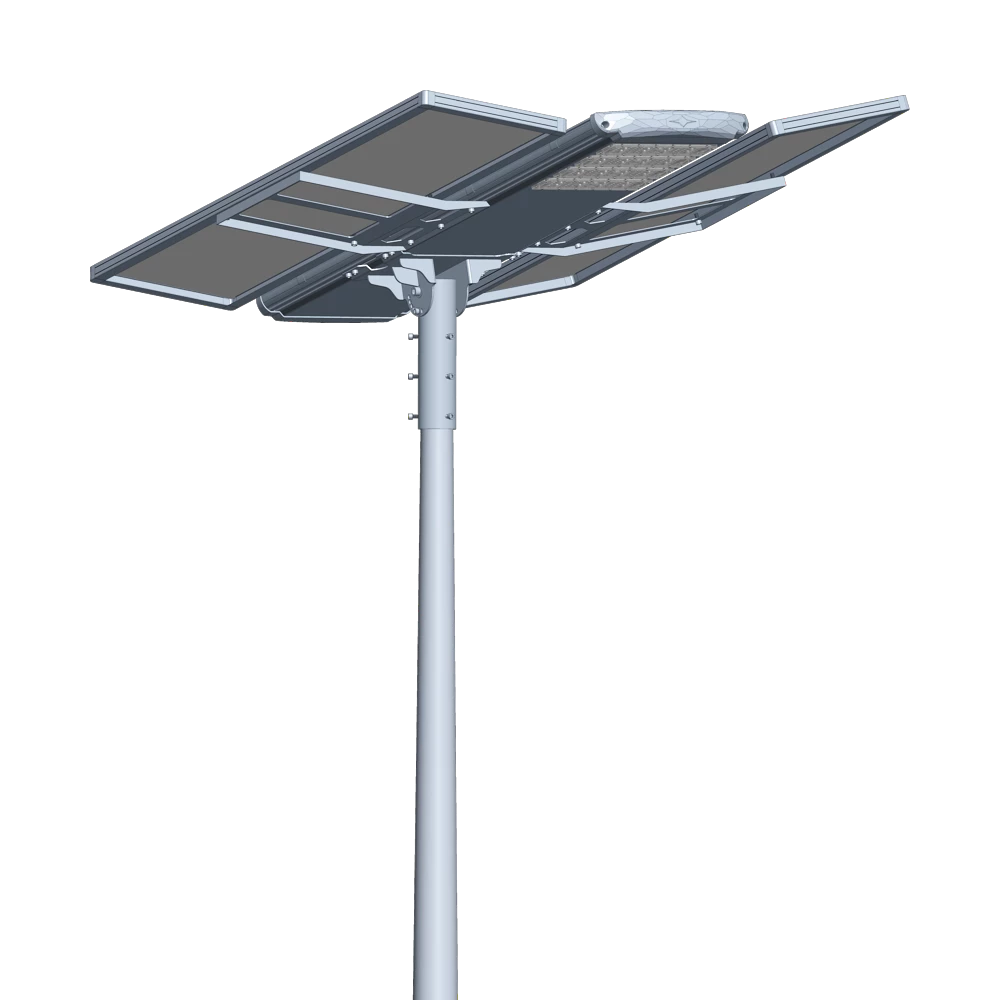
Introducing the Luqing Solar Street Light by Queneng, Efficient LED lighting powered by solar energy is perfect for illuminating outdoor areas. Harness the power of solar energy for sustainable, reliable street lighting. Ideal for eco-friendly, cost-effective outdoor illumination solutions.
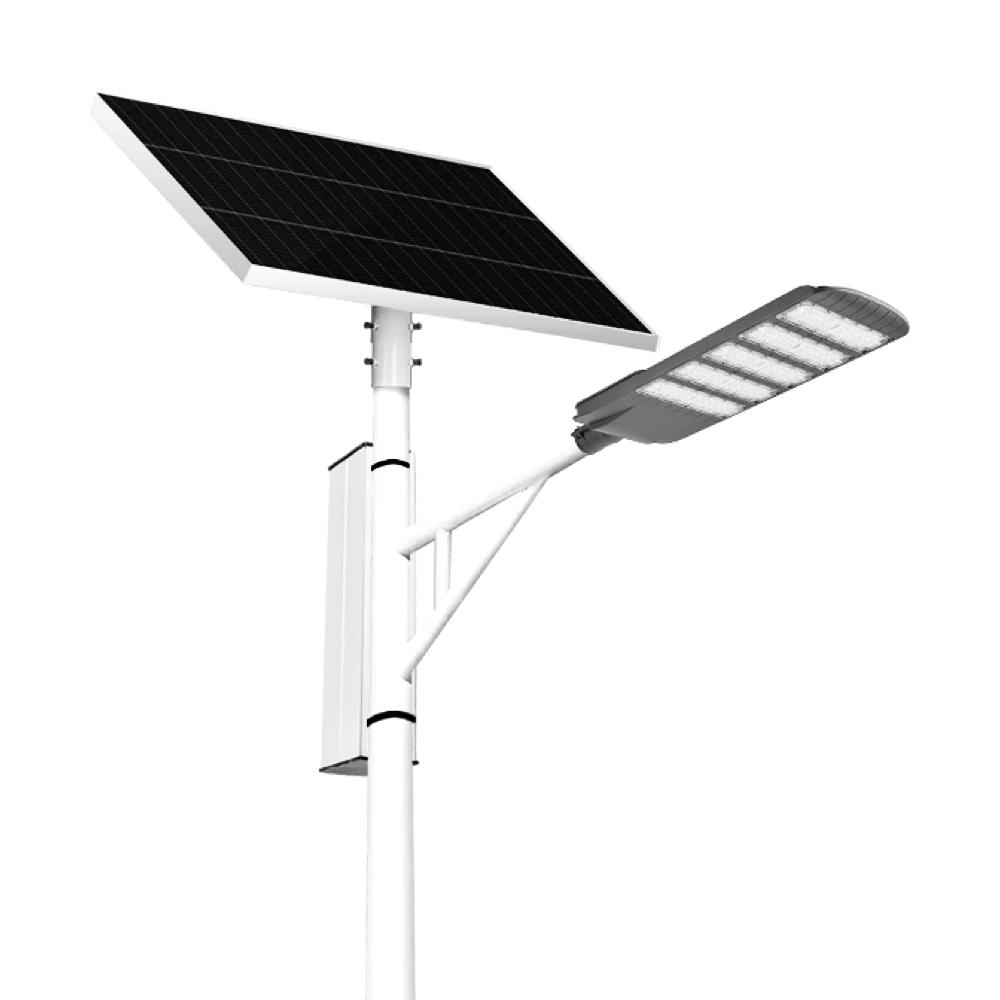
The Solar Streetlights of Luhao for Municipalities are designed to deliver reliable, energy-efficient, and cost-effective public lighting solutions. Equipped with advanced LED technology, durable lithium batteries, and high-efficiency solar panels, these streetlights provide consistent illumination for roads, parks, residential areas, and government projects.
If you would like more information about Queneng solar lighting solutions, please send us a message by filling out the form below. Our professional team will get back to you within 24 hours!
Rest assured that your privacy is important to us, and all information provided will be handled with the utmost confidentiality.
Schedule a Meeting
Book a date and time that is convenient for you and conduct the session in advance.
Have more questions about our products or services?
The messenger of light & power conversion
Environmental protection and intelligent manufacturing are our brand philosophy, and quality assurance and the best user experience are our eternal promises to users.
CONTACT
No.9F, Building F, Cao San Xin Tian Hong Logistics Park, Guzhen Town, Zhongshan City, Guangdong Province, China.
or write [email protected]
WhatsApp: +86 136 2270 1011


