














OEM solar lighting for construction sites | Quenenglighting Expert Guide
Powering Progress: Essential Insights into OEM Solar Lighting for Construction Sites
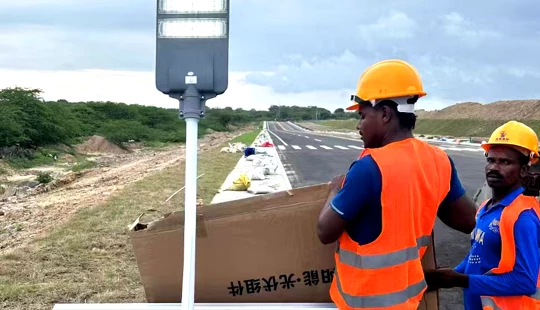
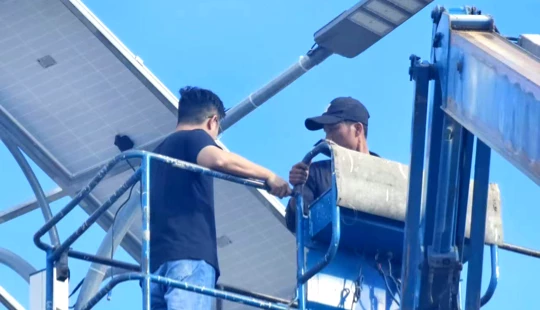
Construction sites demand robust, reliable, and often temporary lighting solutions. Traditional grid-powered lights come with significant installation costs, energy bills, and logistical challenges. OEM solar lighting offers a powerful alternative, providing independent, sustainable illumination without the need for extensive trenching or generators. For procurement managers and project leaders, understanding the nuances of these systems is crucial for making informed decisions. This guide delves into the top questions users ask when considering OEM solar lighting for their next big build, ensuring you're equipped with the knowledge to select the best solution for your project's unique demands.
How Bright and Effective Are OEM Solar Lights for Large Construction Areas?
Modern OEM solar LED lights are highly efficient, often reaching 150-200 lumens per watt. Units designed for construction can range from 5,000 to 60,000+ lumens, depending on the specific application—whether for pathways, general area illumination, or specific task lighting. For general construction areas, 20-50 lux is often sufficient, while active work zones might require 100-200 lux, which is achievable with well-designed solar floodlights or high-mast solutions. Advanced optics ensure wide, uniform light distribution, minimizing dark spots and glare, making them highly effective and comparable to traditional wired lighting but without the recurring energy cost.
What Kind of Battery Autonomy and Reliability Can I Expect, Especially in Varied Weather?
High-quality OEM solar lighting systems typically utilize LiFePO4 (Lithium Iron Phosphate) batteries, known for their long cycle life (2,000-4,000 cycles), enhanced safety, and stable performance across a wide temperature range. These systems commonly offer 2-3 nights of autonomy, meaning they can function effectively for multiple cloudy days without direct sunlight for recharging. Smart Maximum Power Point Tracking (MPPT) controllers are crucial components, maximizing solar energy harvesting even in sub-optimal conditions. Good systems are designed to operate efficiently from -20°C to +60°C, and robust Battery Management Systems (BMS) protect against overcharge, over-discharge, and extreme temperatures, significantly prolonging battery lifespan.
Are These Lights Robust Enough to Withstand Harsh Construction Site Conditions?
Durability is paramount for construction site lighting. Look for high IP (Ingress Protection) ratings, specifically IP65 or IP66, which indicate dust-tightness and protection against powerful water jets—essential for dusty, wet construction environments. An IK (Impact Resistance) rating of IK08 or IK10 signifies high resistance to mechanical impact, protecting against accidental knocks or falling debris. High-quality systems feature die-cast aluminum housings for superior corrosion resistance and overall structural integrity, often paired with tempered glass lenses. Furthermore, robust mounting brackets and designs that withstand common construction site vibrations ensure long-term reliability.
What Are the Long-Term Cost Benefits and ROI of Investing in OEM Solar Construction Lighting?
The most immediate benefit is the elimination of electricity bills, as solar lights operate entirely on renewable energy. This also leads to significantly reduced installation costs, as there's no need for extensive trenching, cabling, or grid connection, speeding up deployment and lowering initial setup expenses. Long-life LEDs (50,000+ hours) and robust designs mean lower maintenance frequency compared to traditional lighting. Their portability and ease of relocation further reduce costs associated with re-wiring for different project phases. Environmentally, they offer a reduced carbon footprint, contributing to green building certifications. The Return on Investment (ROI) for high-quality OEM solar lighting typically sees payback periods ranging from 2 to 5 years, after which the lights essentially provide free illumination for their remaining lifespan.
What Are the Possibilities for Customization and the OEM Partnership Process?
OEM partnerships allow for solar lighting solutions specifically tailored to your unique project requirements. Customization options are extensive: you can specify precise lumen output levels and Color Correlated Temperatures (CCT) (e.g., 5000K daylight for optimal visibility). Specialized optics can be designed for narrow or wide beam angles. Integration of features like motion sensors, dusk-to-dawn sensors, CCTV cameras, or even IoT connectivity for remote monitoring is possible. Furthermore, custom branding, specific housing colors, and bespoke mounting solutions (e.g., custom pole heights or bracket designs) can be incorporated. The OEM process typically involves initial consultation, detailed design proposals, prototyping, rigorous testing, and finally, mass production. Minimum Order Quantities (MOQs) apply, often starting from 100-500 units depending on complexity, with lead times ranging from 4-8 weeks.
Choosing the right OEM solar lighting partner is as crucial as understanding the technology itself. Quenenglighting stands out by offering a comprehensive suite of advantages for your construction site lighting needs. We specialize in high-performance, durable, and energy-efficient solar lighting solutions, backed by robust LiFePO4 battery technology and advanced MPPT controllers for maximum autonomy. Our products boast high IP and IK ratings, ensuring resilience in the toughest conditions. With extensive OEM customization capabilities, from tailored lumen outputs and beam angles to integrated smart features and branding, Quenenglighting empowers you to create lighting systems perfectly aligned with your project specifications. Our commitment to quality, innovation, and customer-centric design ensures a reliable, cost-effective, and sustainable lighting investment for any construction endeavor.

Have more questions about our products or services?
The latest hot news you might like

Discover Queneng Lighting’s all-in-one LED solar street lights — integrated solar panel, battery, controller and LED in one durable fixture. Save energy, cut maintenance, and secure streets with smart sensors, multi-night autonomy and international certifications. Contact sales for quotes and support.

Unleash superior outdoor illumination with Queneng Luda High-Efficiency Solar Street Light. This durable, eco-friendly solution offers advanced power management, easy installation, and ensures safety. Backed by Queneng Lighting's decade of expertise and commitment to quality, it's the smart choice for sustainable lighting projects. Learn why we're a leading solar solutions provider.

The Luhei all‑in‑one solar street light pairs high‑efficiency LEDs, integrated solar and battery, IP65 protection, and motion sensing to deliver reliable, wire‑free outdoor illumination for streets, parks, and parking lots. Backed by Queneng Lighting’s certifications and support.

FAQ
Solar Street Light Luhao
What is the energy efficiency of the Luhao solar street light?
The Luhao solar street light is highly energy-efficient, using solar panels to convert sunlight into electricity without relying on grid power. The LED lights consume very little energy compared to traditional street lights, making them both cost-effective and eco-friendly.
Is the Luhao solar street light weatherproof?
Yes, the Luhao solar street light is designed to withstand all weather conditions. It is made with durable, weather-resistant materials that can handle rain, snow, heat, and cold, ensuring reliable performance year-round.
Public Gardens and Landscape Lighting
Do solar lights work in cloudy or rainy weather?
Yes, our solar lights are equipped with high-efficiency solar panels that can capture sunlight even in cloudy or low-light conditions. While performance may slightly decrease during long periods of rain, the lights are still functional and will recharge as soon as the weather improves.
Commercial and Industrial Parks
Can the solar lights operate during cloudy or rainy days?
Yes, our lights have battery backup systems that ensure functionality for up to 3 days without sunlight.
Solar Street Light Luqing
Can solar street lights be used in cloudy or rainy weather?
Yes, solar street lights can still function in cloudy or rainy conditions, though their performance may be reduced due to lower sunlight. The battery is designed to store enough energy to power the light for several days of overcast weather.
Solar Street Light Luqiu
What is the expected lifespan of a Luqiu solar street light?
Luqiu solar street lights have a long lifespan, with LED lights lasting up to 50,000 hours and solar panels providing reliable power for over 20 years. The batteries typically last 3-5 years, depending on usage and mainten.
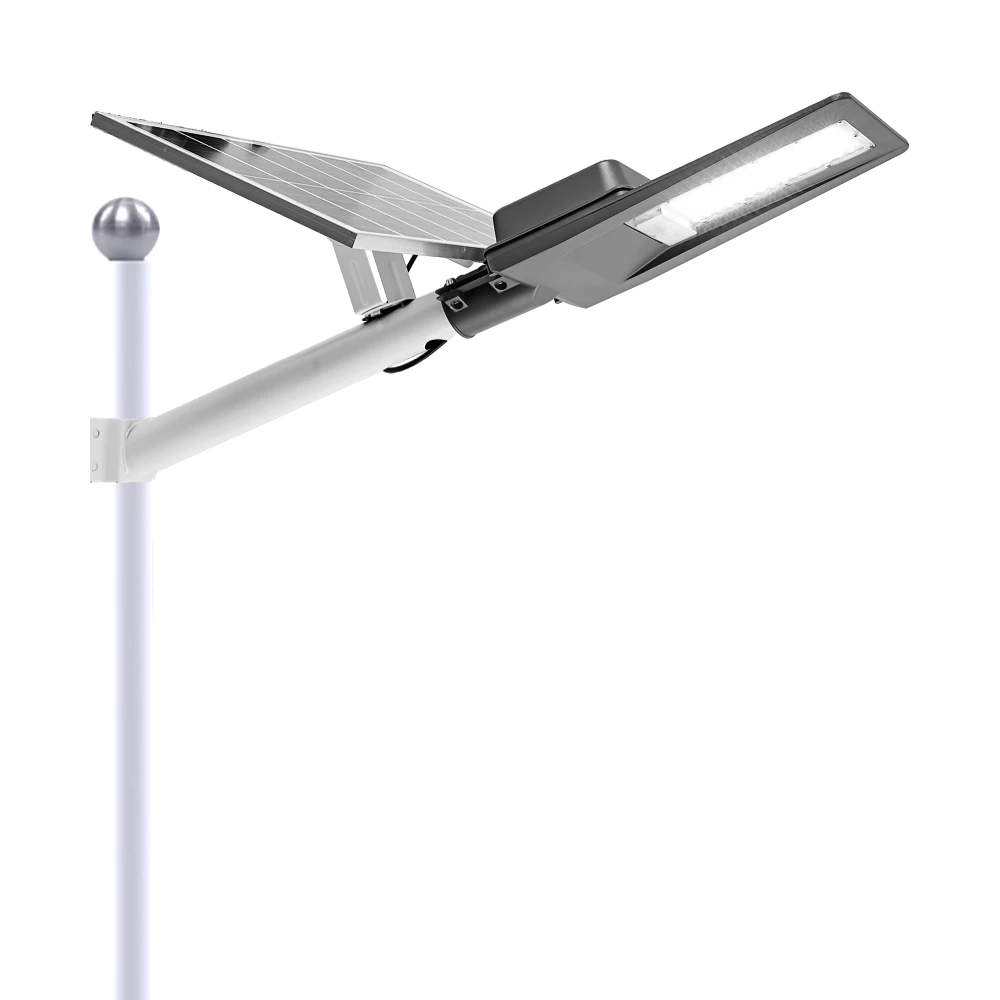
Experience reliable outdoor illumination with our smart solar street light, a perfect combination of advanced technology and eco-conscious design.
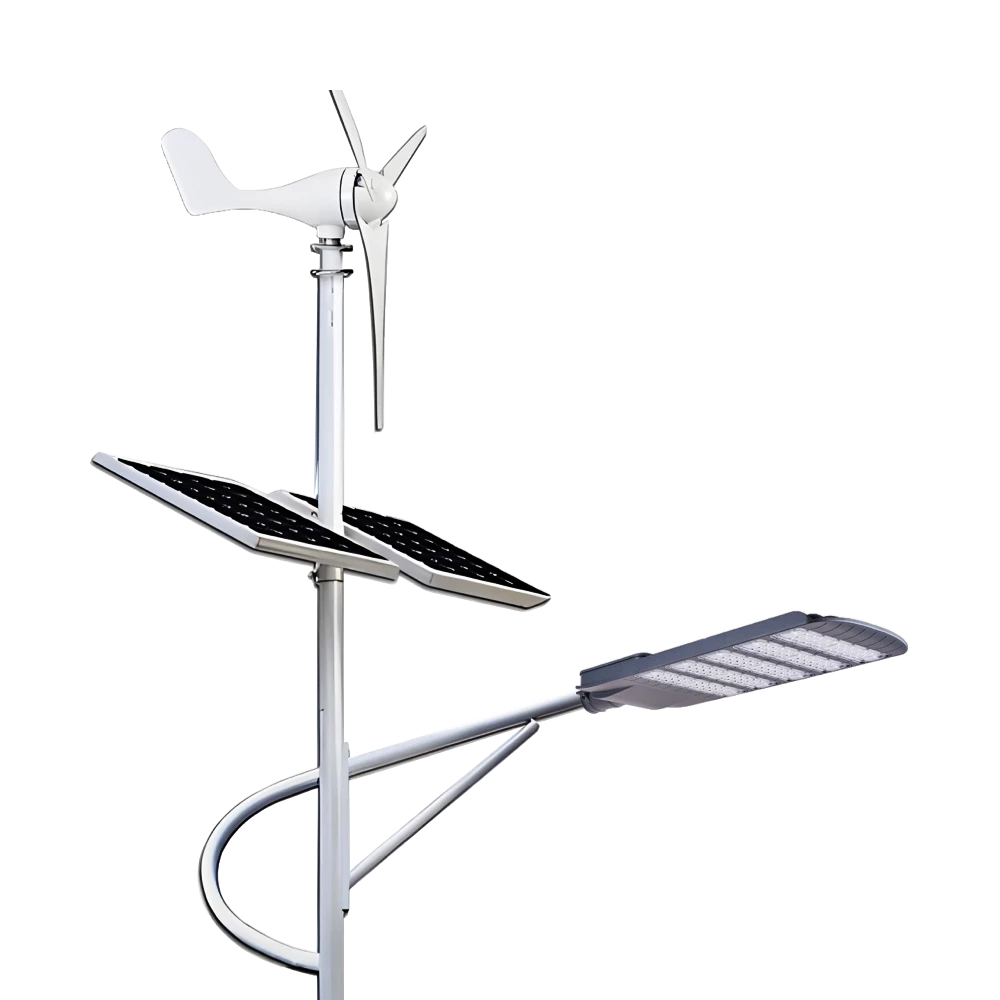
Queneng Lufeng Wind Energy LED Outdoor Solar Street Lights offer high-performance, eco-friendly illumination. These energy-efficient LED street lights harness solar power and wind energy for sustainable, cost-effective outdoor lighting solutions.
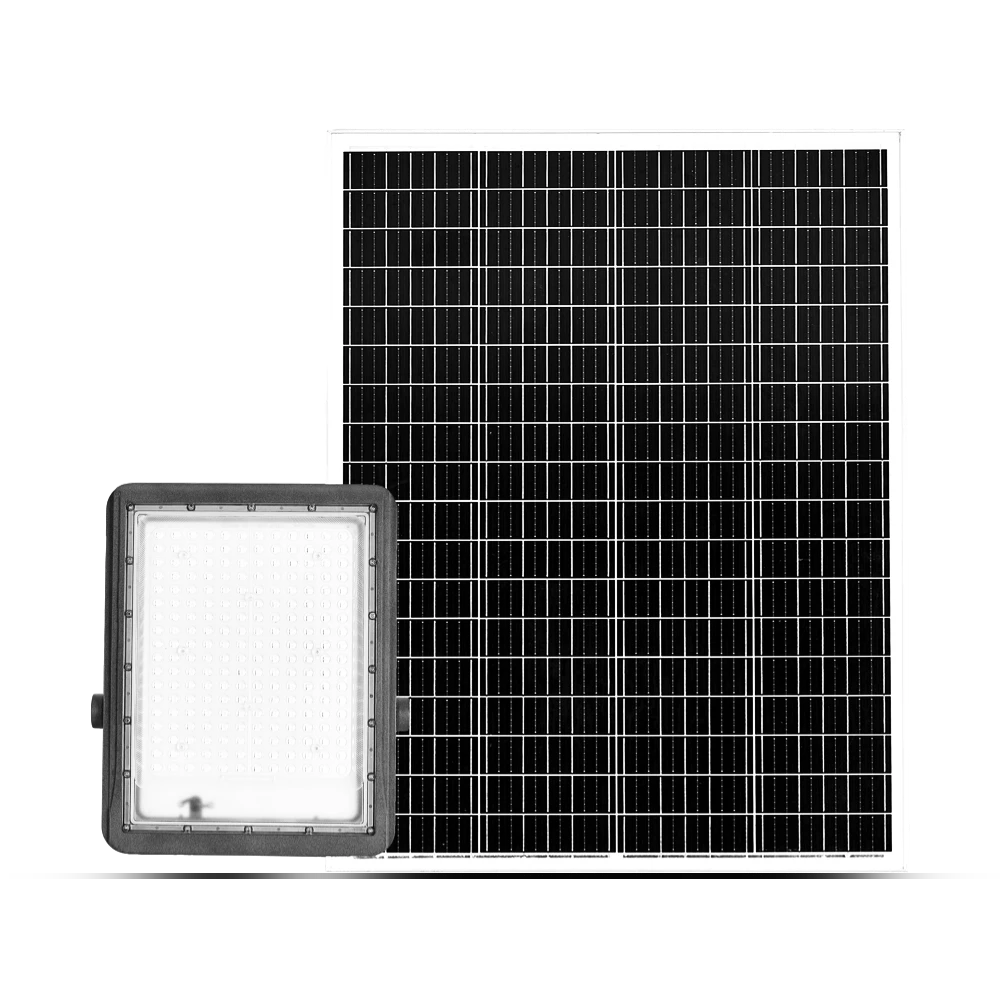
Queneng's Luxian Reliable Solar Street Light offers energy-saving LED lighting for outdoor use. This durable, solar-powered street light provides reliable illumination, reducing energy costs and environmental impact. A perfect solution for sustainable outdoor lighting.
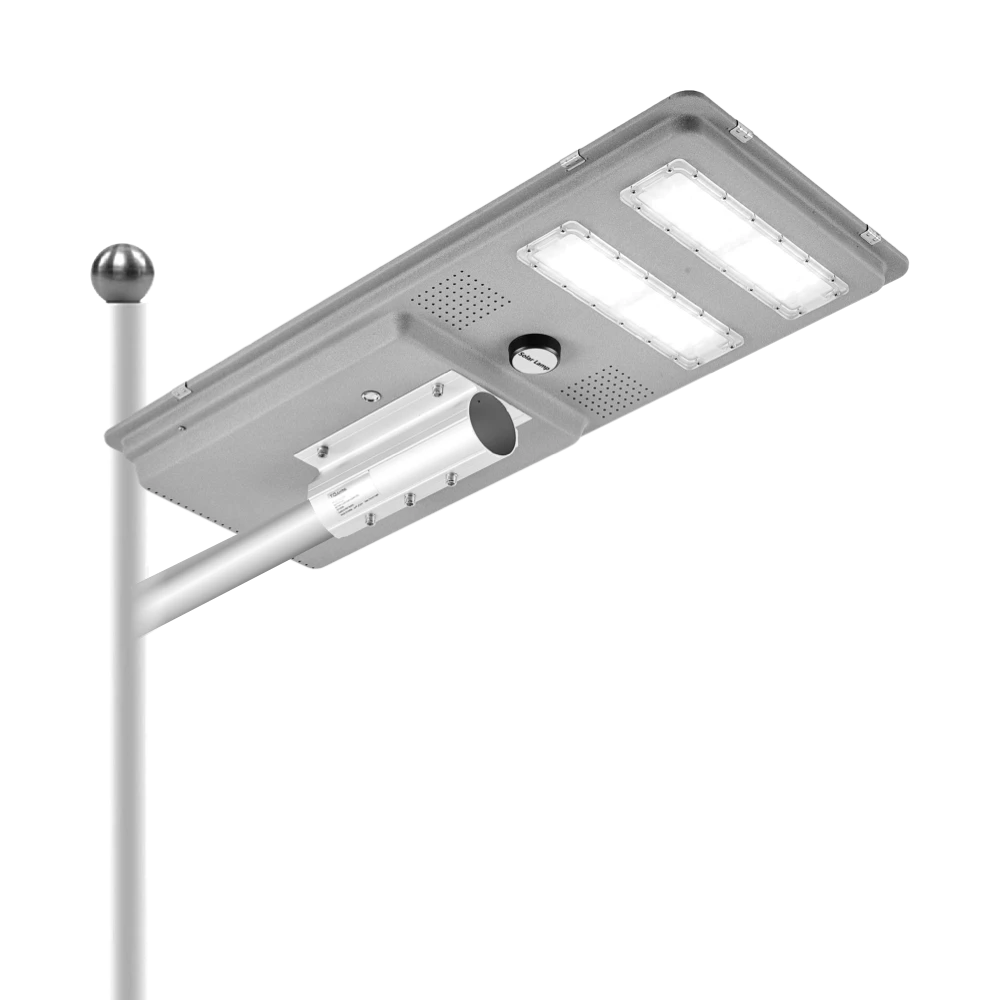
Queneng’s Solar Street Lights are designed to provide reliable, energy-efficient lighting for streets, parks, and other outdoor spaces.
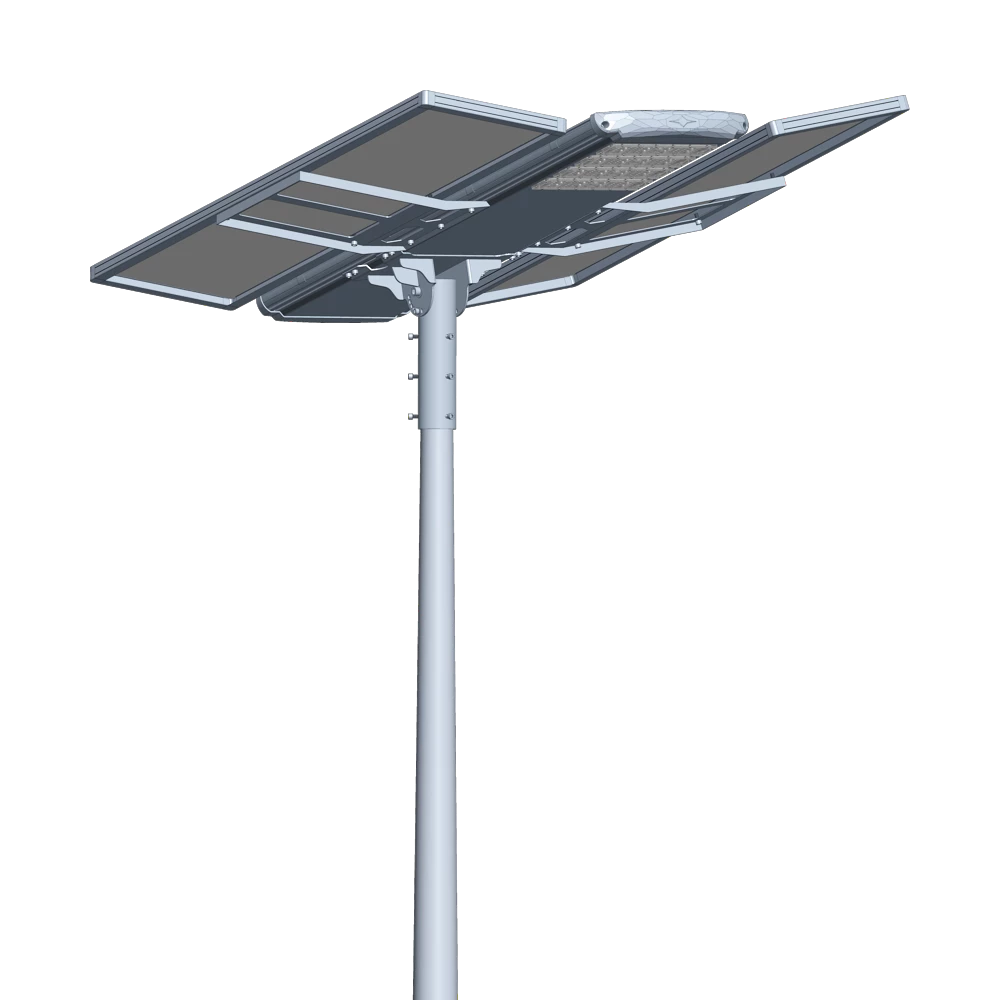
Introducing the Luqing Solar Street Light by Queneng, Efficient LED lighting powered by solar energy is perfect for illuminating outdoor areas. Harness the power of solar energy for sustainable, reliable street lighting. Ideal for eco-friendly, cost-effective outdoor illumination solutions.
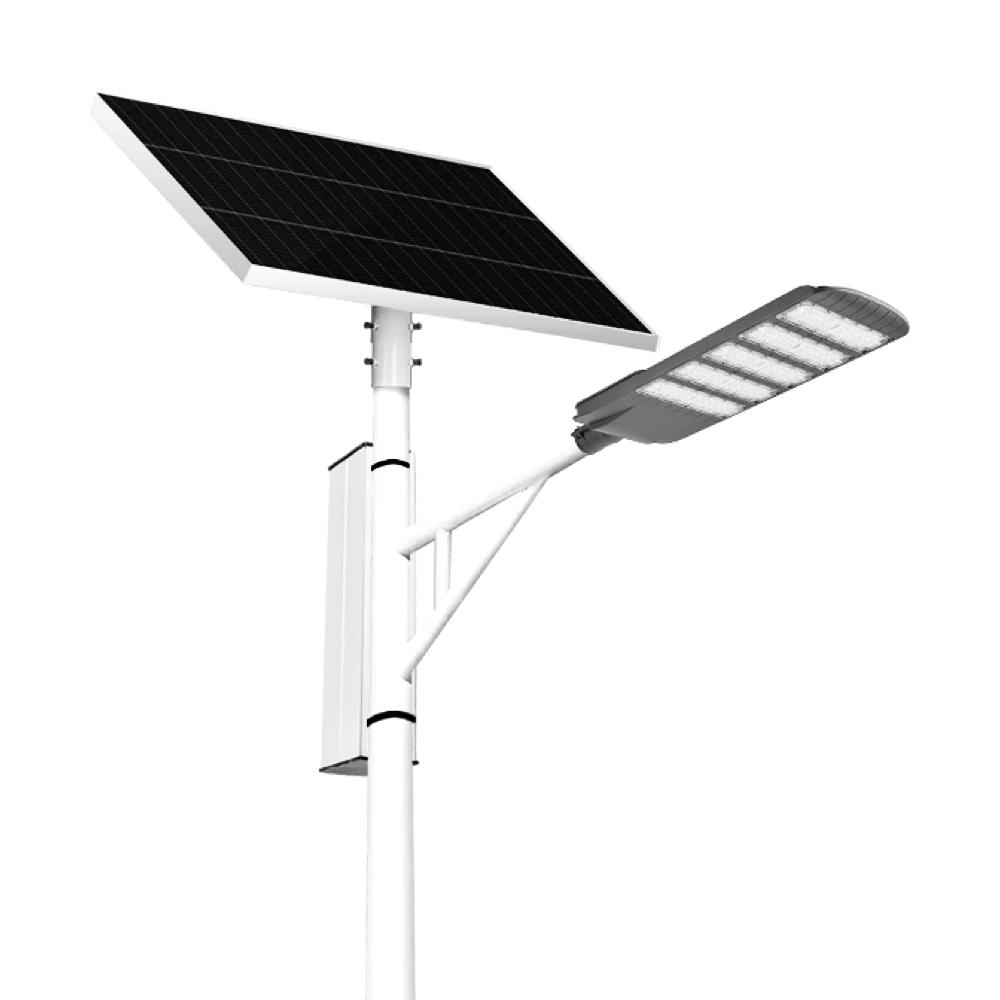
The Solar Streetlights of Luhao for Municipalities are designed to deliver reliable, energy-efficient, and cost-effective public lighting solutions. Equipped with advanced LED technology, durable lithium batteries, and high-efficiency solar panels, these streetlights provide consistent illumination for roads, parks, residential areas, and government projects.
If you would like more information about Queneng solar lighting solutions, please send us a message by filling out the form below. Our professional team will get back to you within 24 hours!
Rest assured that your privacy is important to us, and all information provided will be handled with the utmost confidentiality.
Schedule a Meeting
Book a date and time that is convenient for you and conduct the session in advance.
Have more questions about our products or services?
The messenger of light & power conversion
Environmental protection and intelligent manufacturing are our brand philosophy, and quality assurance and the best user experience are our eternal promises to users.
CONTACT
No.9F, Building F, Cao San Xin Tian Hong Logistics Park, Guzhen Town, Zhongshan City, Guangdong Province, China.
or write [email protected]
WhatsApp: +86 136 2270 1011


