














OEM solar lighting for industrial parks | Quenenglighting Expert Guide
Navigating OEM Solar Lighting for Industrial Parks
Industrial parks are complex ecosystems requiring robust, reliable, and cost-effective lighting solutions to ensure safety, security, and operational efficiency. Traditional grid-tied lighting incurs significant electricity costs and infrastructure complexities. OEM (Original Equipment Manufacturer) solar lighting emerges as a superior alternative, offering tailor-made solutions that address the unique demands of industrial environments. This guide delves into the most pressing questions facility managers and procurement professionals have when considering OEM solar lighting.
Why Choose OEM Solar Lighting for Your Industrial Park? Understanding the Benefits and ROI.
The decision to invest in solar lighting for an industrial park is driven by compelling advantages. Firstly, OEM solar lighting offers unparalleled energy independence, eliminating reliance on the grid and its associated electricity bills. This translates to significant operational cost savings, potentially up to 100% on lighting expenditure. Secondly, it enhances security by providing consistent, reliable illumination even during power outages, a critical factor for large industrial areas. Deployment is also faster and less disruptive, as no trenching or extensive cabling is required. From an environmental perspective, adopting solar lighting drastically reduces an industrial park's carbon footprint, aligning with corporate sustainability goals.
The Return on Investment (ROI) for quality OEM solar lighting systems is typically achieved within 3 to 5 years, varying based on local electricity rates, system specifications, and government incentives. The global solar street lighting market size, valued at approximately USD 5.6 billion in 2022, is projected to reach over USD 15 billion by 2030, growing at a CAGR of over 17%. This robust growth underscores the increasing confidence and adoption of solar lighting solutions in various sectors, including industrial parks.
What Key Technical Specifications and Performance Should You Look For?
For industrial applications, the technical specifications are paramount to ensuring adequate illumination and system longevity. Key considerations include:
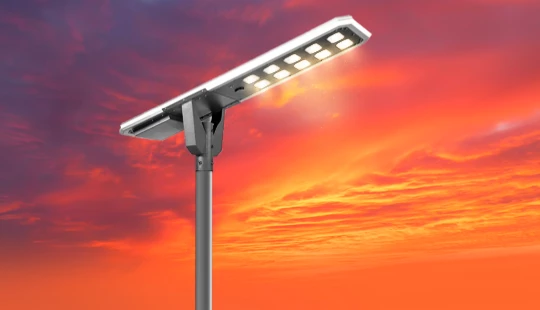
- Lumen Output: Industrial parks demand high brightness. Fixtures should offer between 5,000 to 20,000+ lumens, depending on pole height (typically 6-12 meters) and the specific area being lit (e.g., pathways vs. loading docks).
- Battery Technology: Lithium Iron Phosphate (LiFePO4) batteries are the industry standard due to their longer lifespan (5-10 years or 2,000-4,000 charge cycles), higher energy density, and superior thermal stability compared to older lead-acid batteries.
- Solar Panel Efficiency: High-efficiency monocrystalline or polycrystalline solar panels (typically 18-22% efficiency) are crucial for maximizing energy capture, especially in regions with limited peak sunlight hours.
- Ingress Protection (IP) Rating: A minimum IP65 or IP66 rating is essential to protect against dust, dirt, and powerful water jets, ensuring durability in harsh industrial environments.
- Smart Controls: Integrated MPPT (Maximum Power Point Tracking) controllers optimize energy harvesting, while features like motion sensors, programmable dimming, and remote monitoring capabilities allow for efficient energy management and extended battery life.
- Operating Temperature Range: Ensure the system is designed to operate reliably across the extreme temperature fluctuations typical of industrial settings, usually from -20°C to +60°C.
How Does Installation and Maintenance Work for Industrial Solar Lighting Systems?
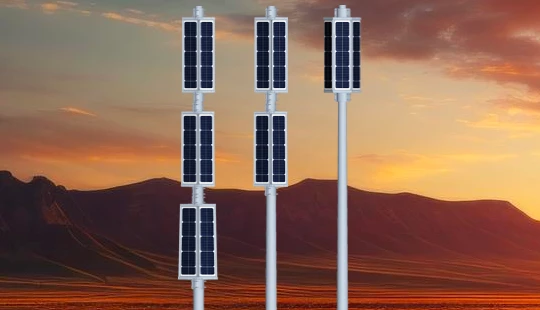
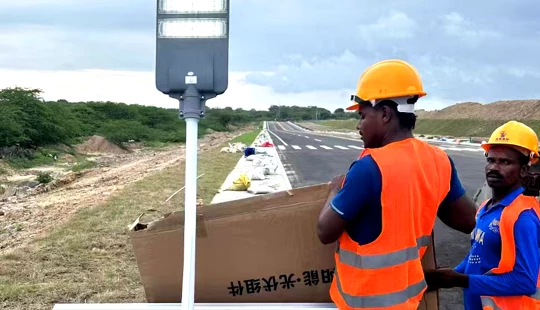
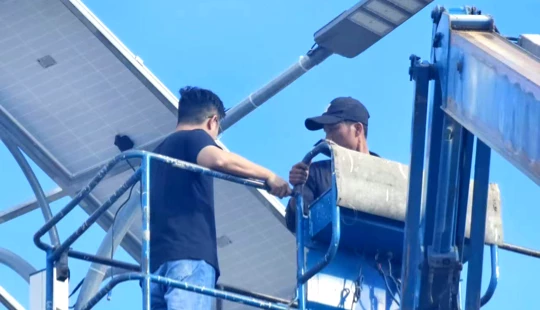
One of the significant advantages of OEM solar lighting is the simplified installation process. Unlike traditional grid-tied systems that require extensive trenching, wiring, and connection to the main power supply, solar lights are self-contained units. They typically involve simply mounting the fixture and solar panel onto a pole and securing it, significantly reducing installation time and labor costs. This makes them ideal for phased deployments or for areas where grid access is challenging or expensive.
Maintenance requirements for modern OEM solar lighting systems are remarkably low. The primary tasks include:
- Routine Panel Cleaning: Annually or bi-annually, depending on the environment, to remove dust, dirt, or bird droppings that can impede solar energy absorption.
- Battery Checks: While LiFePO4 batteries are long-lasting, occasional checks (every 5-7 years) might be recommended, with replacement needed only at the end of their operational life.
- Fixture Inspection: Periodically inspecting the light fixture for any physical damage or obstructions.
Overall, the minimal maintenance demands contribute to a lower total cost of ownership compared to conventional lighting.
Can OEM Solar Lighting Be Tailored to Specific Industrial Park Requirements?
Absolutely. The 'OEM' aspect signifies the ability to customize solutions to precise client specifications, a critical benefit for diverse industrial park needs. This includes:
- Custom Lumen Output and Beam Angles: Designing fixtures to provide specific light distribution patterns for roads, parking lots, warehouses, or loading zones.
- Pole Height and Design: Matching pole heights and aesthetics to existing infrastructure or specific visibility requirements.
- Autonomy Days: Specifying battery capacity to ensure the lights can operate for a certain number of cloudy days (e.g., 3-5 days) without sunlight.
- Integrated Features: Incorporating additional functionalities such as CCTV cameras for enhanced security, Wi-Fi hotspots, emergency call boxes, or environmental sensors.
- Branding and Aesthetics: Custom finishes, colors, and even company logo integration on the poles or fixtures for a cohesive brand image across the park.
This high degree of customization ensures that the solar lighting system seamlessly integrates with and optimally serves the unique operational demands of any industrial park.
What are the Long-Term Financial and Environmental Impacts?
The long-term financial benefits of OEM solar lighting extend far beyond the initial ROI. With zero electricity costs for lighting, industrial parks can effectively hedge against volatile energy prices, providing predictable operational expenditure (OpEx). This predictable cost structure aids in long-term financial planning and budget stability.
Environmentally, the impact is profound. By utilizing renewable solar energy, industrial parks significantly reduce their reliance on fossil fuels, leading to a substantial decrease in greenhouse gas emissions. A single 100W solar light can prevent the emission of hundreds of kilograms of CO2 annually. This commitment to sustainability not only benefits the planet but also enhances an industrial park's corporate social responsibility (CSR) profile, appealing to eco-conscious tenants, investors, and regulatory bodies.
Quenenglighting: Your Partner in Advanced OEM Solar Lighting
For industrial parks seeking a reliable and cutting-edge OEM solar lighting partner, Quenenglighting offers unmatched expertise and high-quality solutions. Our advantages include:
- Robust Quality: Utilizing top-tier components such as long-life LiFePO4 batteries, high-efficiency solar panels, and durable, weather-resistant housing (IP65/IP66) for maximum longevity and minimal maintenance.
- Expert Customization: Specializing in OEM solutions, Quenenglighting designs and manufactures systems tailored to the exact specifications of your industrial park, from lumen output and pole height to advanced smart controls and integrated features.
- Advanced Technology: Incorporating intelligent MPPT controllers, adaptive lighting, and remote monitoring capabilities to optimize performance and energy efficiency.
- Comprehensive Support: From initial consultation and design to manufacturing and after-sales support, Quenenglighting provides a seamless experience, ensuring your investment delivers consistent, long-term value and significant ROI.
Choose Quenenglighting for a sustainable, cost-effective, and high-performance lighting solution that truly meets the demanding needs of your industrial park.

Have more questions about our products or services?
The latest hot news you might like

Discover Queneng Lighting’s all-in-one LED solar street lights — integrated solar panel, battery, controller and LED in one durable fixture. Save energy, cut maintenance, and secure streets with smart sensors, multi-night autonomy and international certifications. Contact sales for quotes and support.

Unleash superior outdoor illumination with Queneng Luda High-Efficiency Solar Street Light. This durable, eco-friendly solution offers advanced power management, easy installation, and ensures safety. Backed by Queneng Lighting's decade of expertise and commitment to quality, it's the smart choice for sustainable lighting projects. Learn why we're a leading solar solutions provider.

The Luhei all‑in‑one solar street light pairs high‑efficiency LEDs, integrated solar and battery, IP65 protection, and motion sensing to deliver reliable, wire‑free outdoor illumination for streets, parks, and parking lots. Backed by Queneng Lighting’s certifications and support.

FAQ
Municipal and Public Infrastructure
How long does installation typically take?
Solar streetlights are quick and easy to install since they don't require wiring. On average, a single light can be installed within 1-2 hours.
who we are
Can Queneng provide custom solar lighting solutions?
Yes, we specialize in providing customized solar lighting systems based on your specific needs. Whether it’s for residential, commercial, or industrial applications, our team works with you to design and deliver tailored solutions that meet your requirements.
Is Queneng committed to sustainability?
Yes, sustainability is at the heart of our business. We are dedicated to providing renewable energy solutions that reduce carbon footprints. Our products are designed to be energy-efficient and environmentally friendly, and we continuously work to improve our manufacturing processes to minimize environmental impact.
Battery fundamentals and basic terms
What are the packaging materials for batteries?
2. PVC film, trademark tube
3. Connection sheet: stainless steel sheet, pure nickel sheet, nickel-plated steel sheet
4. lead sheet: stainless steel sheet (easy to solder), Pure nickel sheet (spot welding firmly)
5. plug type
6. protection components such as temperature control switches, overcurrent protector, current limiting resistors
7. cardboard boxes, cartons
8. Plastic shell type
Battery and Analysis
What is an external short circuit and what effect does it have on battery performance?
Solar Street Light Chuanqi
How do the solar panels in Chuanqi street lights store energy?
The solar panels in Chuanqi solar street lights collect sunlight during the day and convert it into electrical energy, which is stored in high-capacity lithium-ion batteries. The stored energy is then used to power the LED lights at night, ensuring continuous illumination even when the sun is not shining. This energy storage system ensures the lights work autonomously without relying on an external power source.
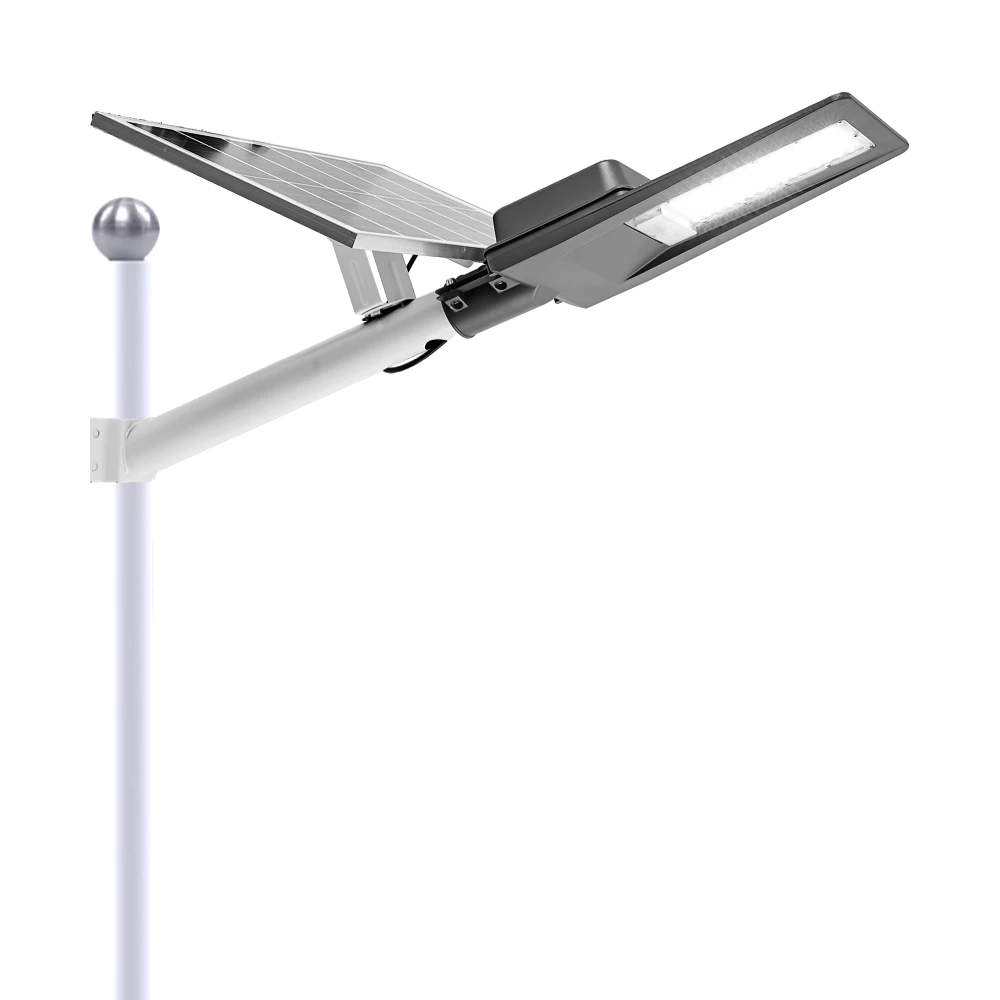
Experience reliable outdoor illumination with our smart solar street light, a perfect combination of advanced technology and eco-conscious design.
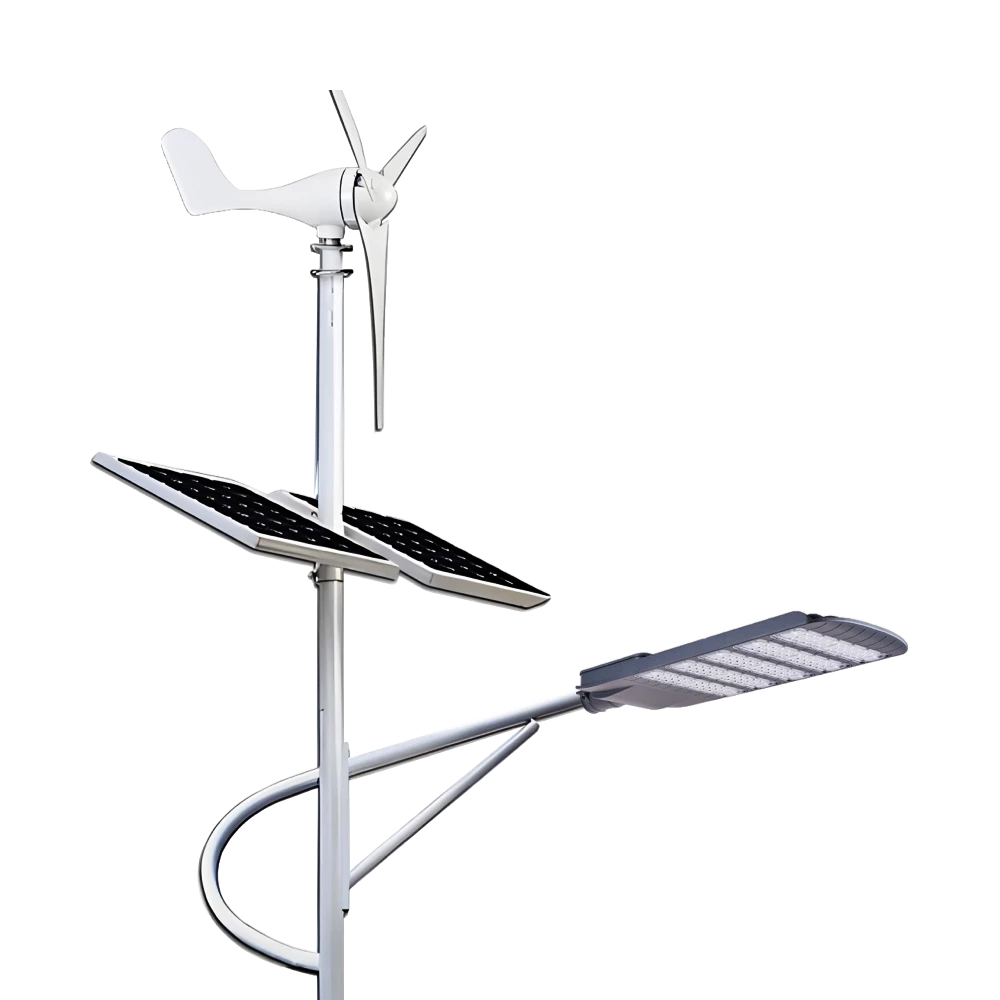
Queneng Lufeng Wind Energy LED Outdoor Solar Street Lights offer high-performance, eco-friendly illumination. These energy-efficient LED street lights harness solar power and wind energy for sustainable, cost-effective outdoor lighting solutions.
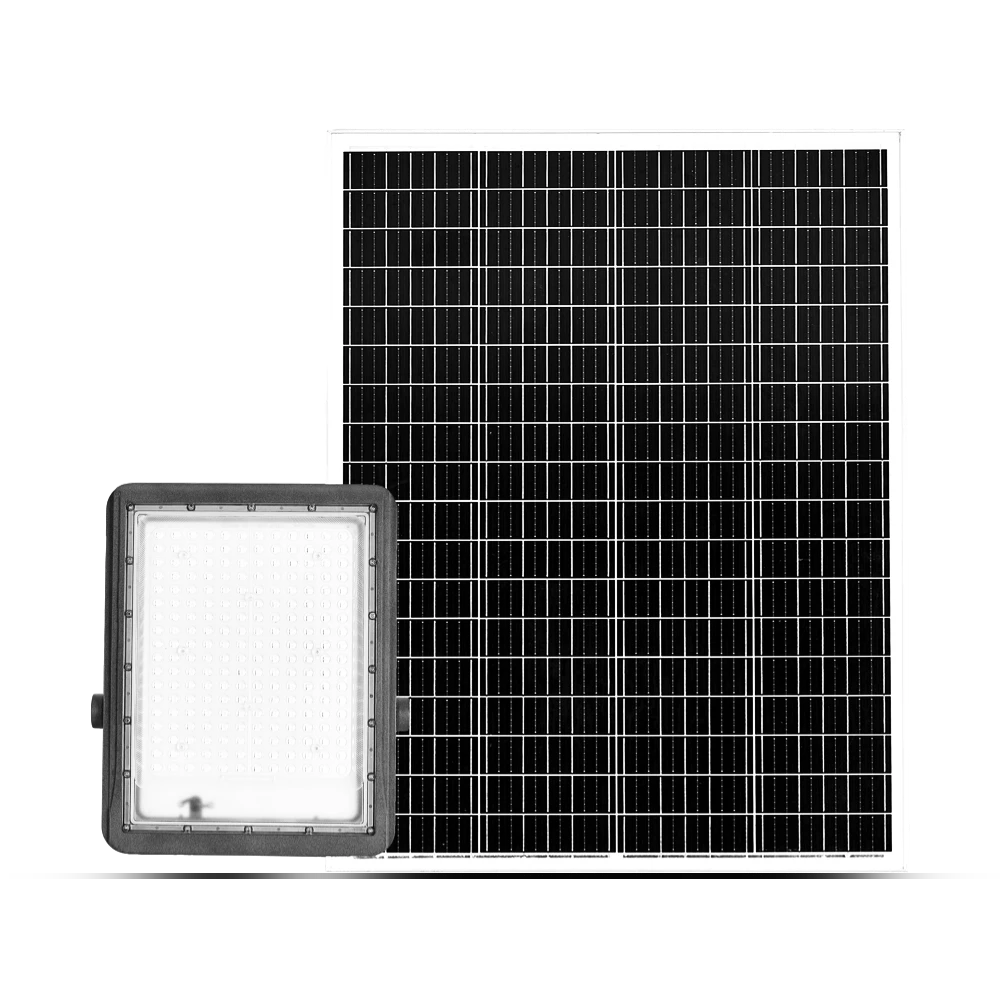
Queneng's Luxian Reliable Solar Street Light offers energy-saving LED lighting for outdoor use. This durable, solar-powered street light provides reliable illumination, reducing energy costs and environmental impact. A perfect solution for sustainable outdoor lighting.
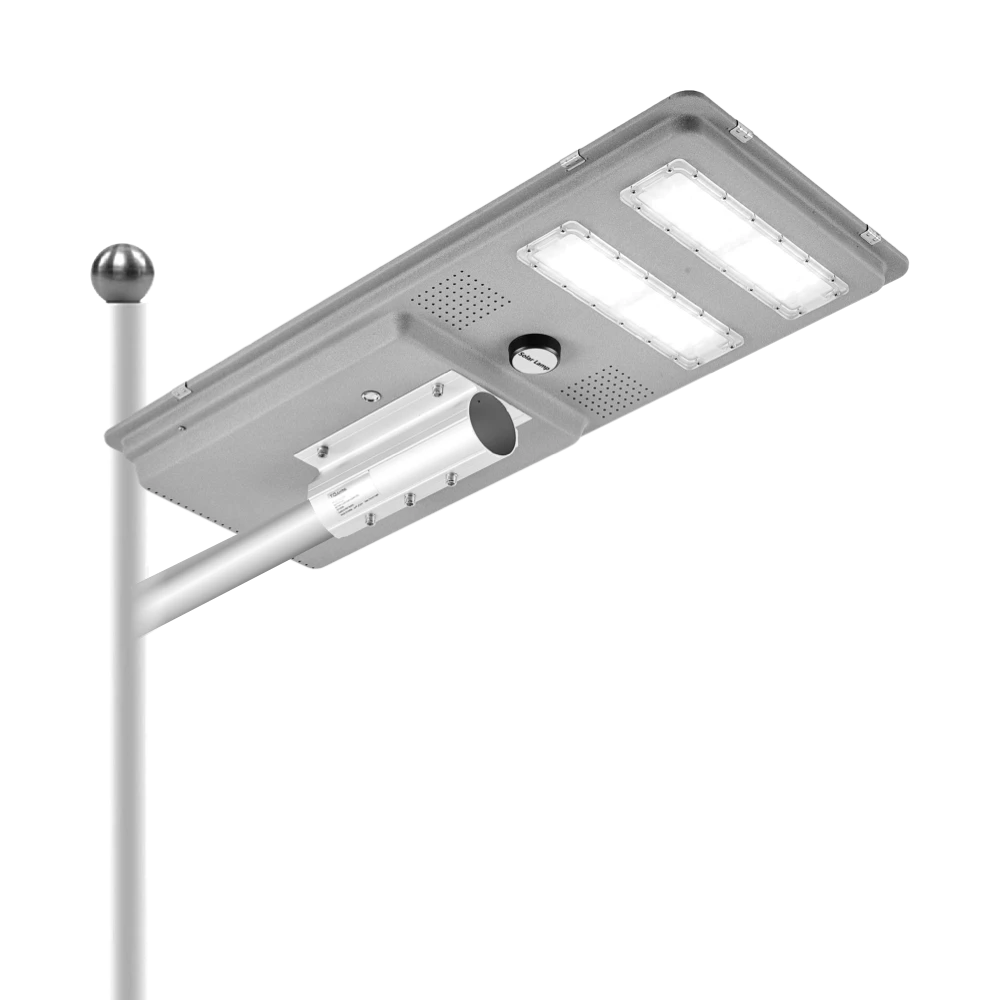
Queneng’s Solar Street Lights are designed to provide reliable, energy-efficient lighting for streets, parks, and other outdoor spaces.
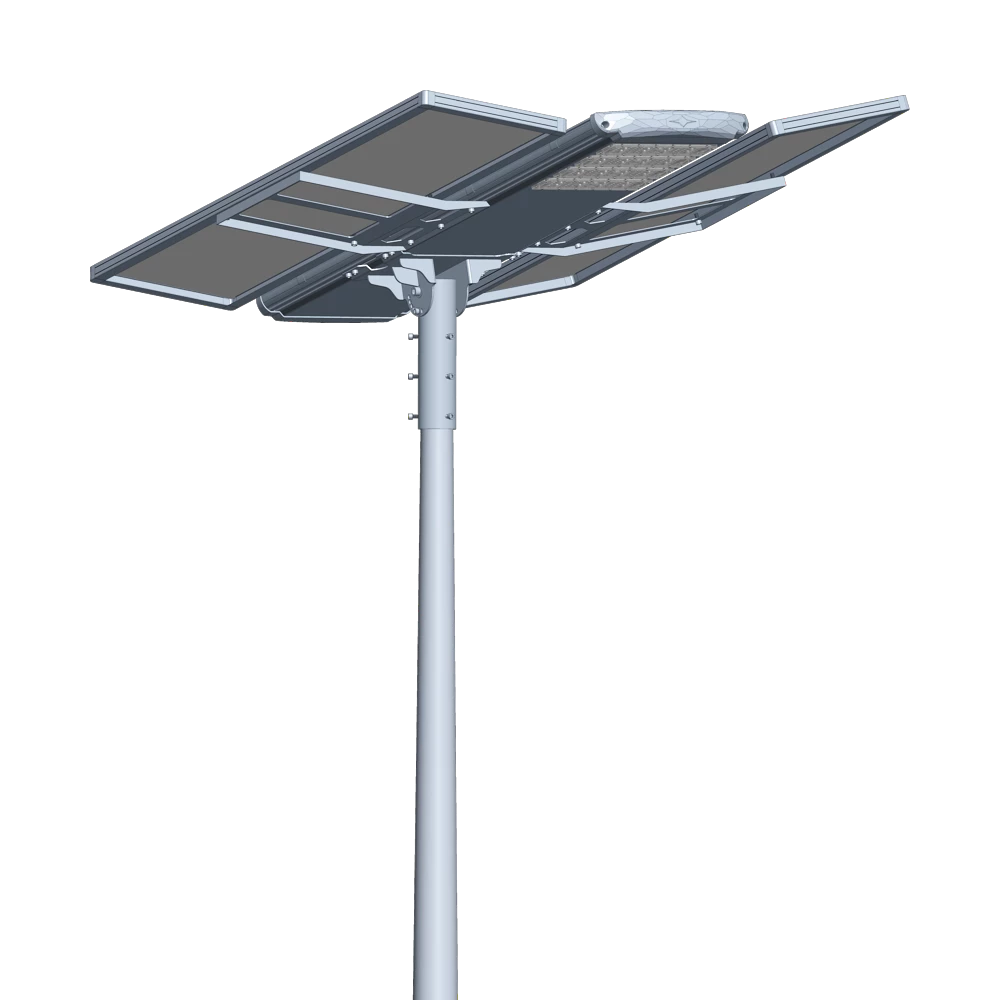
Introducing the Luqing Solar Street Light by Queneng, Efficient LED lighting powered by solar energy is perfect for illuminating outdoor areas. Harness the power of solar energy for sustainable, reliable street lighting. Ideal for eco-friendly, cost-effective outdoor illumination solutions.
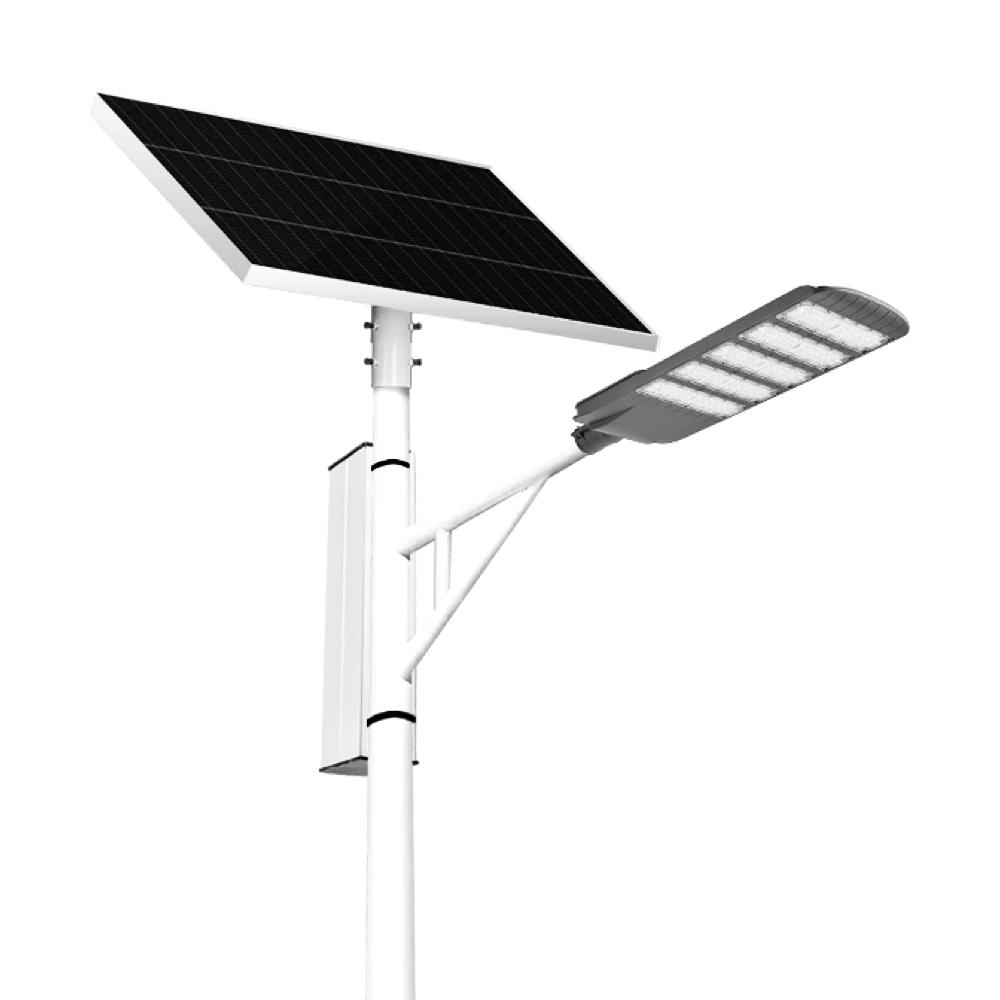
The Solar Streetlights of Luhao for Municipalities are designed to deliver reliable, energy-efficient, and cost-effective public lighting solutions. Equipped with advanced LED technology, durable lithium batteries, and high-efficiency solar panels, these streetlights provide consistent illumination for roads, parks, residential areas, and government projects.
If you would like more information about Queneng solar lighting solutions, please send us a message by filling out the form below. Our professional team will get back to you within 24 hours!
Rest assured that your privacy is important to us, and all information provided will be handled with the utmost confidentiality.
Schedule a Meeting
Book a date and time that is convenient for you and conduct the session in advance.
Have more questions about our products or services?
The messenger of light & power conversion
Environmental protection and intelligent manufacturing are our brand philosophy, and quality assurance and the best user experience are our eternal promises to users.
CONTACT
No.9F, Building F, Cao San Xin Tian Hong Logistics Park, Guzhen Town, Zhongshan City, Guangdong Province, China.
or write [email protected]
WhatsApp: +86 136 2270 1011


