













OEM solar lighting systems for government tenders in Vietnam | Insights by Quenenglighting
What are the Key Considerations for Selecting Reliable OEM Solar Lighting Systems for Government Tenders in Vietnam?
Procuring OEM solar lighting systems for government tenders in Vietnam demands a comprehensive understanding of both product reliability and supplier capability. The unique environmental conditions of Vietnam, coupled with the long-term nature of public infrastructure projects, necessitate a rigorous selection process. Key considerations include:
Component Quality: The backbone of any solar lighting system. Prioritize high-efficiency monocrystalline PV panels (e.g., >20% efficiency), durable LiFePO4 batteries with advanced Battery Management Systems (BMS), high lumen efficacy (>150 lm/W) LED chips from reputable brands (e.g., Philips, Osram, Cree), and efficient MPPT charge controllers for optimal power conversion and battery protection.
Environmental Resilience: Vietnam's tropical climate features high temperatures, humidity, heavy rainfall, and potential typhoons. Systems must possess a minimum IP65 rating for dust and water ingress, with IP66 being ideal for enhanced protection. Materials like marine-grade aluminum alloy or hot-dip galvanized steel for poles and fixtures ensure corrosion resistance.
Certifications & Standards: Compliance with international standards is paramount. Look for IEC certifications for PV modules (e.g., IEC 61215, IEC 61730) and batteries (e.g., IEC 62133), CE for European conformity, RoHS for hazardous substance restriction, and ISO 9001 (Quality Management) and ISO 14001 (Environmental Management) for the manufacturing facility. While specific TCVN (Vietnamese National Standards) for solar lighting are evolving, adherence to global best practices is a strong indicator of quality.
Warranty & After-Sales Support: A robust warranty (e.g., 3-5 years for the entire system, 10-25 years for PV panel performance) and demonstrable local after-sales support or a clear service protocol are critical for long-term project success.
OEM Track Record & R&D: Evaluate the OEM's experience with similar large-scale projects, their R&D capabilities for custom solutions, and their financial stability.
How can we ensure the long-term performance and durability of solar lighting systems in Vietnam's climate?
Ensuring long-term performance in Vietnam's demanding climate requires specific design and material choices:
High-Temperature Resistance: Ambient temperatures can frequently exceed 30°C. LiFePO4 batteries are preferred over lead-acid due to their superior thermal stability and longer cycle life (2,000-5,000 cycles at 80% DoD) at elevated temperatures. LEDs must have efficient heat sinks to prevent lumen degradation and premature failure. All electronic components should be industrial-grade.
Humidity and Corrosion Protection: High humidity necessitates sealed enclosures (IP65/66) and corrosion-resistant coatings or materials for all external components, including mounting brackets and poles. Connections should be waterproof and UV-resistant.
Wind and Rain Resilience: Structural integrity against strong winds (e.g., from typhoons) is crucial. Pole designs must consider local wind load requirements. Solar panels should be securely mounted with robust hardware to withstand heavy rainfall and wind pressure. Effective drainage systems on fixtures prevent water accumulation.
Optimized Solar Sizing: Given Vietnam's average daily solar radiation ranging from 3.5 kWh/m²/day in the North to 5.5 kWh/m²/day in the South, accurate sizing of solar panels and batteries is vital to ensure consistent operation throughout the year, including periods of cloudy weather, typically ensuring 3-5 days autonomy.
What are the essential certifications and standards required for solar lighting products in Vietnamese government tenders?
For government tenders in Vietnam, adherence to a combination of international and, where applicable, national standards demonstrates product quality and safety:
International Electrotechnical Commission (IEC) Standards: These are critical for the core components.
- IEC 61215 & IEC 61730: For crystalline silicon terrestrial photovoltaic (PV) modules, covering design qualification and type approval for safety.
- IEC 62133: For secondary cells and batteries containing alkaline or other non-acid electrolytes – safety requirements for portable sealed secondary lithium cells and for batteries made from them, relevant for LiFePO4 batteries.
- IEC 60598: Luminaires – General requirements and tests.
CE (Conformité Européenne) Marking: Indicates compliance with EU health, safety, and environmental protection directives, widely recognized globally as a mark of quality and safety.
RoHS (Restriction of Hazardous Substances) Compliance: Ensures products do not contain hazardous materials such as lead, mercury, cadmium, etc., promoting environmental responsibility.
ISO Certifications for Manufacturers:
- ISO 9001:2015: Quality Management System, demonstrating consistent provision of products and services that meet customer and regulatory requirements.
- ISO 14001:2015: Environmental Management System, showing commitment to environmental protection.
IP (Ingress Protection) Ratings: As mentioned, IP65 or IP66 according to IEC 60529, ensuring protection against dust and water.
Local Standards: While Vietnam's specific TCVN for solar street lighting may still be evolving or less prescriptive than international norms, products must comply with general Vietnamese electrical safety standards and regulations. Government tenders often specify a preference for internationally certified products.
What is the typical lead time, and how does the supply chain for OEM solar lighting systems work for large-scale projects in Vietnam?
Lead times for OEM solar lighting systems can vary significantly based on project scale, customization, component availability, and the manufacturer's operational efficiency. For large-scale government tenders:
Typical Lead Time: Production often takes between 4 to 8 weeks, depending on the volume and complexity of the order. Shipping from major manufacturing hubs (e.g., China) to Vietnam typically adds another 2 to 4 weeks, including customs clearance. Therefore, a total lead time of 6 to 12 weeks from order confirmation to delivery on-site is common.
OEM Supply Chain Dynamics:
- Component Sourcing: Reputable OEMs maintain strong relationships with Tier-1 component suppliers (LED chip manufacturers, battery cell producers, solar panel factories) to ensure consistent quality and availability. This is crucial given global supply chain fluctuations.
- Manufacturing & Assembly: In-house assembly or closely managed subcontracting ensures quality control at every stage, from PCB manufacturing to final system integration and testing.
- Quality Control: Rigorous in-process and final product testing (e.g., aging tests, photometric tests, battery performance tests) are essential before shipment.
- Logistics & Shipping: Experienced OEMs will have established logistics partners proficient in international shipping to Vietnam, handling freight, customs documentation, and import duties efficiently.
- Local Presence/Partnerships: OEMs with local representation or established partnerships in Vietnam can offer significant advantages in terms of communication, local support, and streamlined project management, especially for installation and after-sales service.
What are the cost-efficiency and ROI factors to consider when evaluating OEM solar lighting proposals for public infrastructure?
While the initial capital expenditure for solar lighting might be higher than traditional grid-connected solutions, the long-term Return on Investment (ROI) and cost-efficiency are compelling for public infrastructure in Vietnam:
Elimination of Electricity Bills: This is the most significant cost saving. With Vietnam's rising electricity tariffs (e.g., average residential electricity price in Vietnam around VND 1,920/kWh or approximately USD 0.08/kWh, with industrial rates potentially higher), eliminating energy consumption translates into substantial operational savings over the system's lifespan.
Reduced Installation Costs: Solar lighting systems do not require trenching, complex cabling, or connection to the grid, significantly reducing civil works and installation labor costs. This is particularly advantageous in remote areas or where grid extension is costly.
Low Maintenance Requirements: Modern solar lighting systems, featuring long-life LEDs (50,000-100,000 hours) and LiFePO4 batteries (5-8 years lifespan or 2,000-5,000 cycles), drastically reduce maintenance frequency and associated costs compared to conventional lighting.
Long System Lifespan: A well-designed and manufactured solar lighting system can last 10-15 years for the overall system, with solar panels often warrantied for 20-25 years, ensuring a long period of cost savings.
Government Incentives & Environmental Benefits: While direct subsidies for solar street lighting might vary, Vietnam's strong push for renewable energy (targeting 30.9-39.2% renewable energy share by 2045) aligns with sustainable infrastructure. Projects contribute to carbon footprint reduction, enhancing a city's green image and potentially benefiting from future environmental credits or policies.
Total Cost of Ownership (TCO): When evaluating proposals, focus on the TCO over the project's lifetime rather than just the upfront cost. Factor in energy savings, maintenance savings, and disposal costs. A well-engineered solar solution often yields a payback period of 3-7 years, with significant net savings thereafter.
In conclusion, for government tenders in Vietnam, selecting an OEM solar lighting system is a strategic decision that prioritizes long-term value, reliability, and sustainability. By focusing on robust design, certified components, a strong supply chain, and favorable ROI, procurement officers can ensure successful public infrastructure development.
Quenenglighting's Advantages for Vietnam Government Tenders
Quenenglighting stands out as an ideal OEM partner for government tenders in Vietnam due to its comprehensive strengths that directly address the discussed professional concerns:
Proven Reliability & Durability: Quenenglighting systems are engineered for harsh environments, utilizing High Quality LiFePO4 batteries with advanced BMS, high-efficiency monocrystalline PV panels, and top-tier LED components, all housed in IP66-rated, corrosion-resistant enclosures. This ensures exceptional long-term performance and durability tailored to Vietnam's climate.
Certified Quality & Compliance: Our products rigorously adhere to international standards including IEC, CE, and RoHS. Our manufacturing facilities are ISO 9001 and ISO 14001 certified, guaranteeing consistent product quality and environmental responsibility—a critical requirement for government procurement.
Efficient & Reliable Supply Chain: With established relationships with Tier-1 component suppliers and streamlined production processes, Quenenglighting ensures predictable lead times and robust supply chain management, crucial for large-scale public projects in Vietnam.
Cost-Efficiency & Superior ROI: Quenenglighting systems are designed for optimal energy harvesting and minimal maintenance, leading to significant reductions in electricity bills and operational costs. Our solutions offer a compelling Total Cost of Ownership, delivering substantial long-term savings and a strong return on investment for public infrastructure.
Customization & Expertise: Leveraging extensive R&D capabilities, Quenenglighting offers customized solar lighting solutions that precisely meet specific project requirements, ensuring optimal illumination, autonomy, and integration with smart city initiatives.
Choosing Quenenglighting means partnering with a leader committed to delivering high-performance, sustainable, and reliable OEM solar lighting solutions perfectly suited for Vietnam's government tenders.

Have more questions about our products or services?
The latest hot news you might like

Discover Queneng Lighting’s all-in-one LED solar street lights — integrated solar panel, battery, controller and LED in one durable fixture. Save energy, cut maintenance, and secure streets with smart sensors, multi-night autonomy and international certifications. Contact sales for quotes and support.

Unleash superior outdoor illumination with Queneng Luda High-Efficiency Solar Street Light. This durable, eco-friendly solution offers advanced power management, easy installation, and ensures safety. Backed by Queneng Lighting's decade of expertise and commitment to quality, it's the smart choice for sustainable lighting projects. Learn why we're a leading solar solutions provider.

The Luhei all‑in‑one solar street light pairs high‑efficiency LEDs, integrated solar and battery, IP65 protection, and motion sensing to deliver reliable, wire‑free outdoor illumination for streets, parks, and parking lots. Backed by Queneng Lighting’s certifications and support.

FAQ
Solar Street Light Luzhou
What are the benefits of using Luzhou solar street lights over traditional street lights?
Luzhou solar street lights are more energy-efficient, cost-effective, and environmentally friendly compared to traditional street lights. They use solar energy, which reduces electricity bills, and require minimal maintenance. They are also independent of the grid, providing lighting in areas without electricity infrastructure.
Solar Street Light Chuanqi
How do the solar panels in Chuanqi street lights store energy?
The solar panels in Chuanqi solar street lights collect sunlight during the day and convert it into electrical energy, which is stored in high-capacity lithium-ion batteries. The stored energy is then used to power the LED lights at night, ensuring continuous illumination even when the sun is not shining. This energy storage system ensures the lights work autonomously without relying on an external power source.
APMS system
How is the ultra-low temperature control function of the APMS system achieved?
The APMS system uses a specially designed control module that maintains stable operation at extremely low temperatures, ensuring reliability even at -50°C.
Commercial and Industrial Parks
Do solar lights work well in large parking areas?
Yes, our solar lights provide uniform illumination ideal for expansive parking areas, ensuring safety and visibility.
Batteries and the environment
How do used batteries pollute the environment?
Industry
How long is the expected lifespan of Queneng’s solar lighting system?
Under normal maintenance, our solar lighting systems can last over 10 years. High-quality materials and advanced technology contribute to their long-lasting durability and reliability.
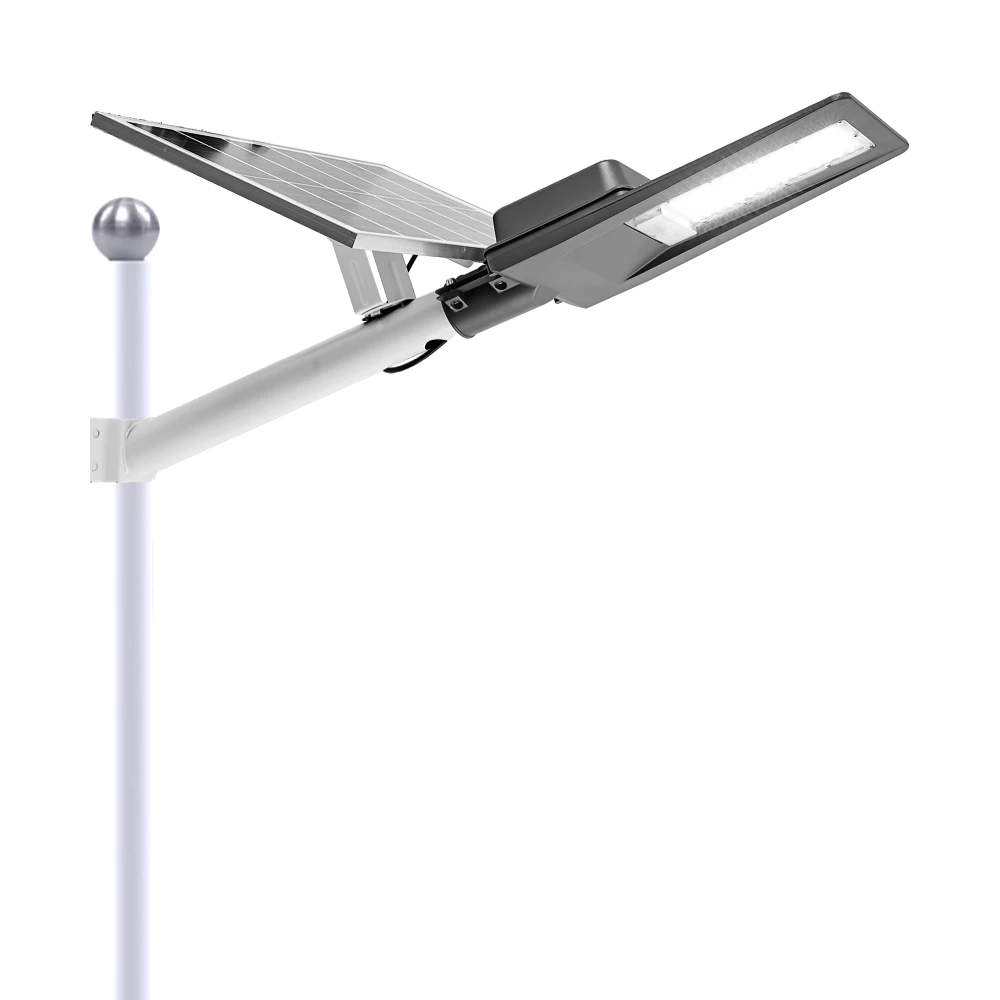
Experience reliable outdoor illumination with our smart solar street light, a perfect combination of advanced technology and eco-conscious design.
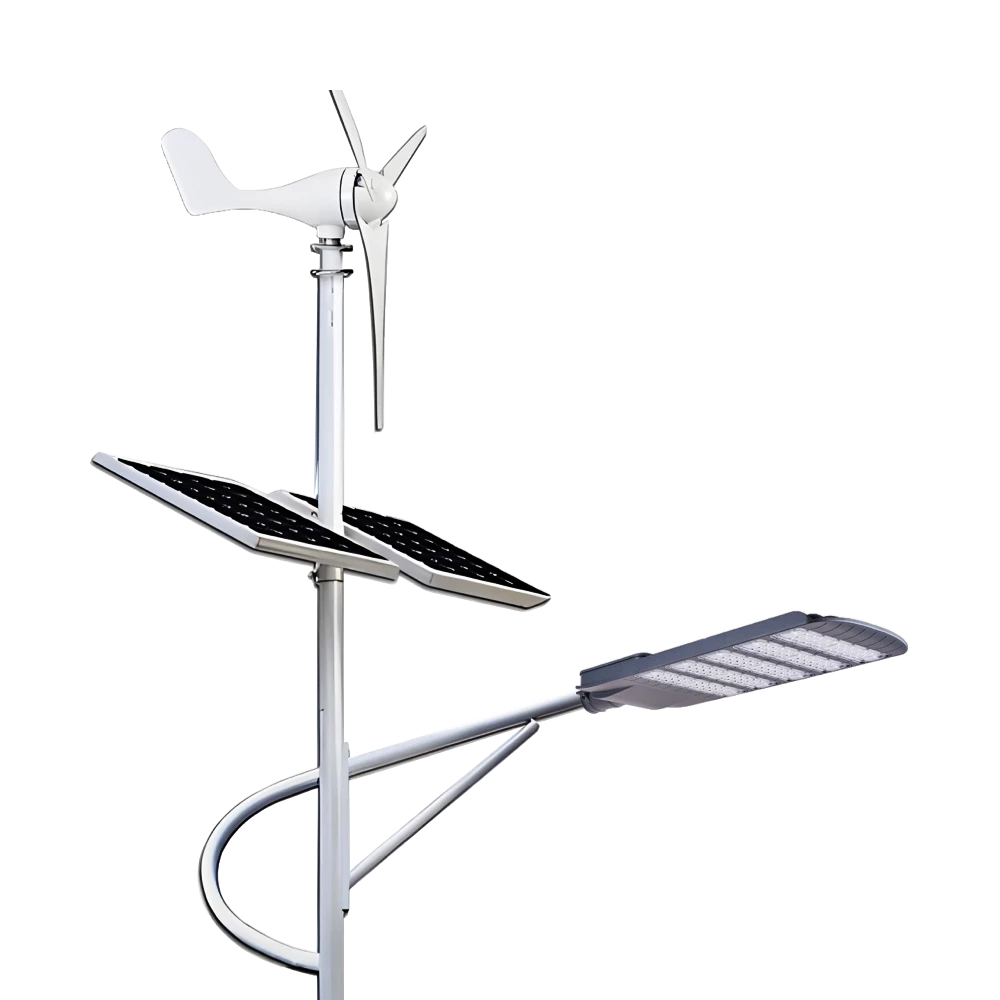
Queneng Lufeng Wind Energy LED Outdoor Solar Street Lights offer high-performance, eco-friendly illumination. These energy-efficient LED street lights harness solar power and wind energy for sustainable, cost-effective outdoor lighting solutions.
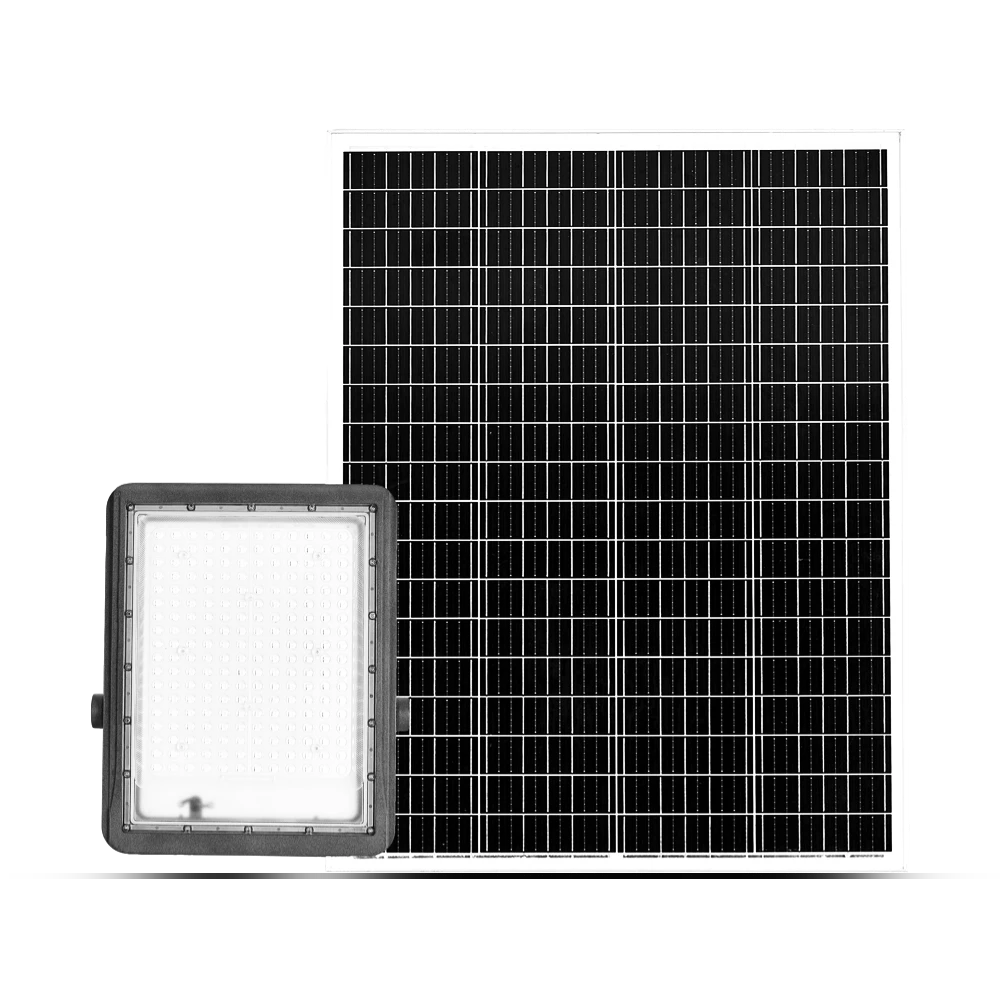
Queneng's Luxian Reliable Solar Street Light offers energy-saving LED lighting for outdoor use. This durable, solar-powered street light provides reliable illumination, reducing energy costs and environmental impact. A perfect solution for sustainable outdoor lighting.
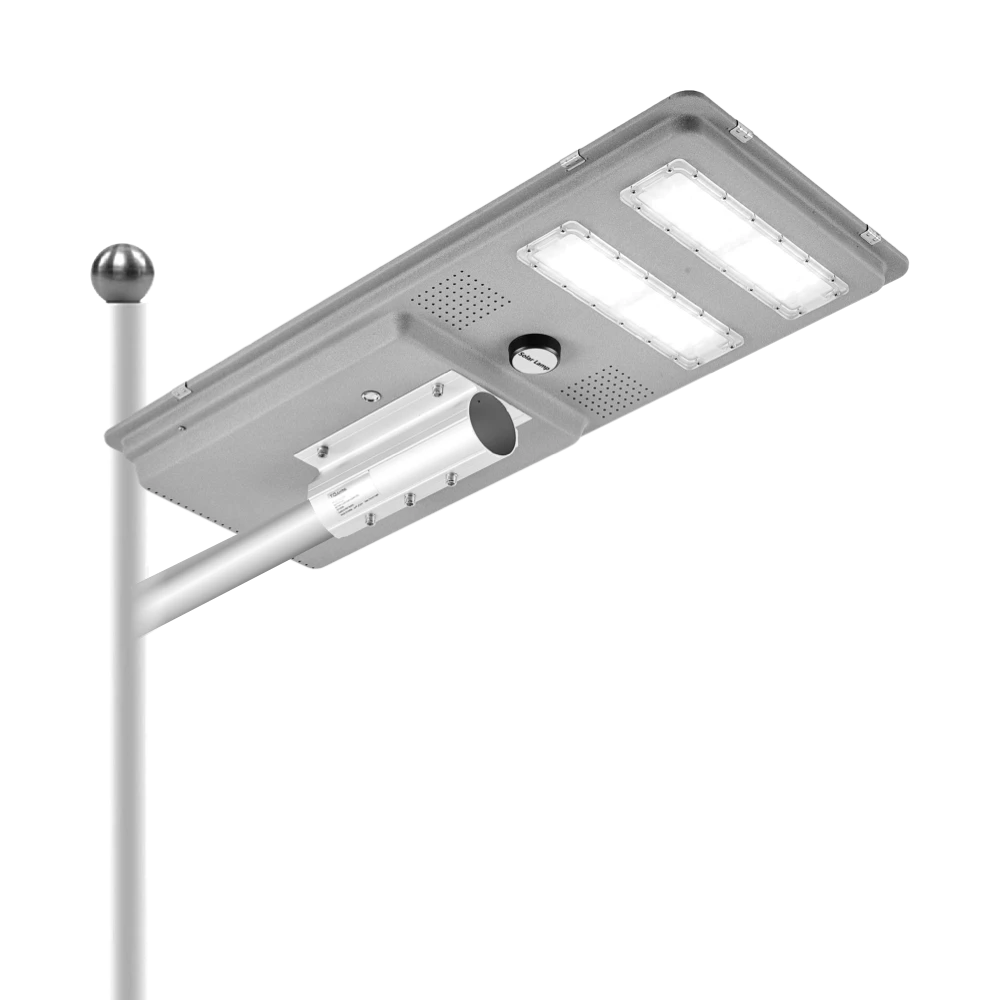
Queneng’s Solar Street Lights are designed to provide reliable, energy-efficient lighting for streets, parks, and other outdoor spaces.
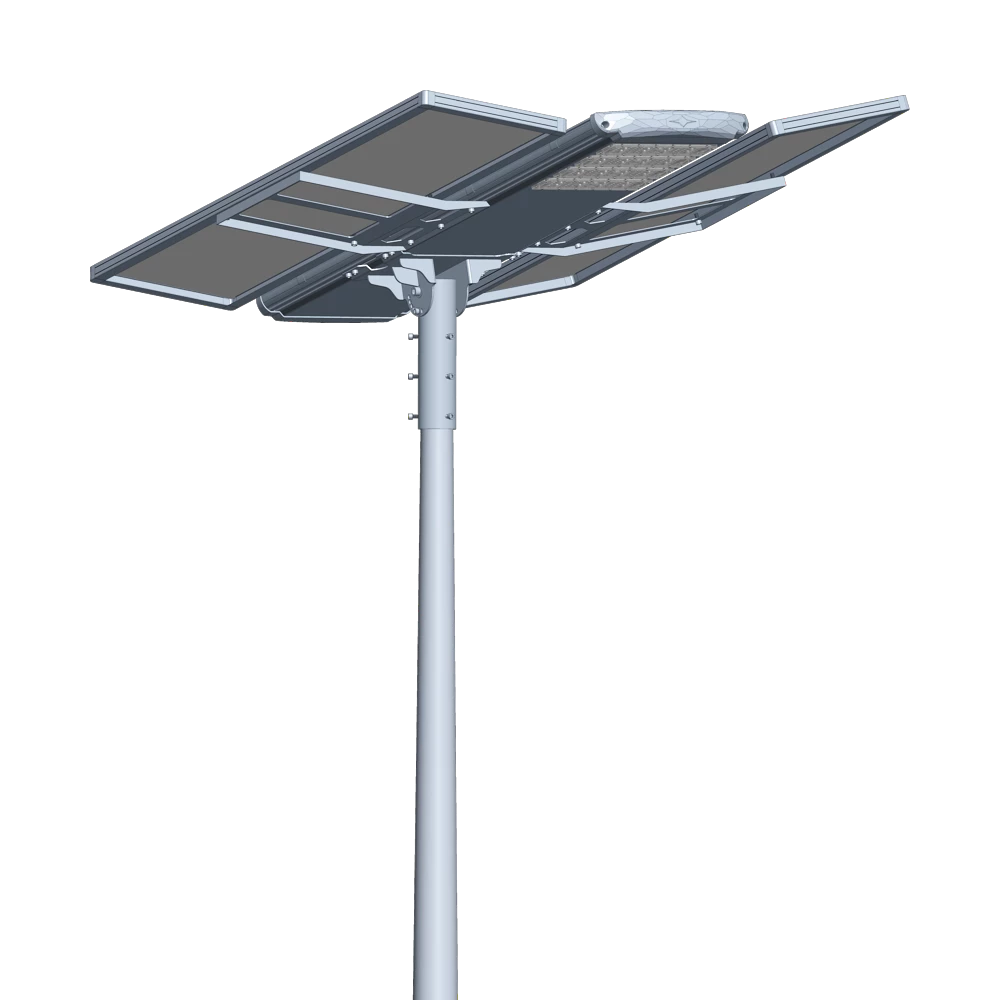
Introducing the Luqing Solar Street Light by Queneng, Efficient LED lighting powered by solar energy is perfect for illuminating outdoor areas. Harness the power of solar energy for sustainable, reliable street lighting. Ideal for eco-friendly, cost-effective outdoor illumination solutions.
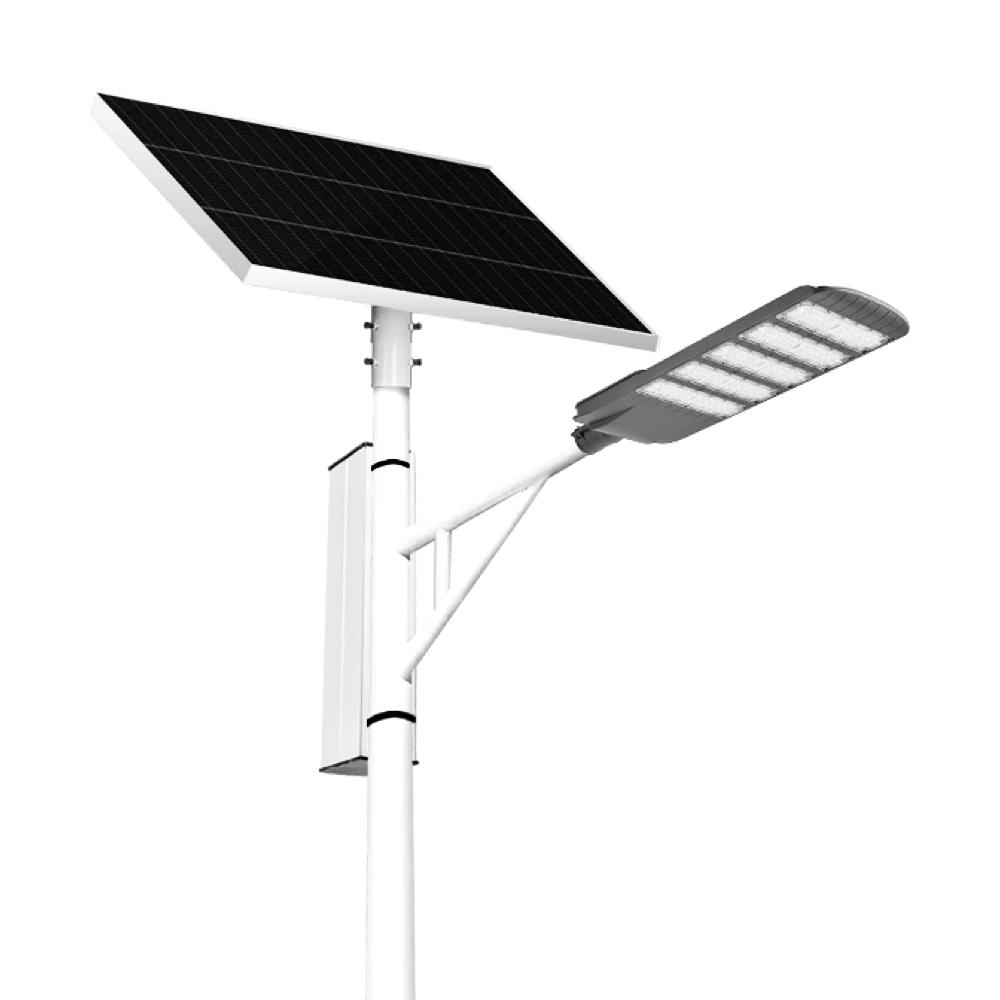
The Solar Streetlights of Luhao for Municipalities are designed to deliver reliable, energy-efficient, and cost-effective public lighting solutions. Equipped with advanced LED technology, durable lithium batteries, and high-efficiency solar panels, these streetlights provide consistent illumination for roads, parks, residential areas, and government projects.
If you would like more information about Queneng solar lighting solutions, please send us a message by filling out the form below. Our professional team will get back to you within 24 hours!
Rest assured that your privacy is important to us, and all information provided will be handled with the utmost confidentiality.
Schedule a Meeting
Book a date and time that is convenient for you and conduct the session in advance.
Have more questions about our products or services?
The messenger of light & power conversion
Environmental protection and intelligent manufacturing are our brand philosophy, and quality assurance and the best user experience are our eternal promises to users.
CONTACT
No.9F, Building F, Cao San Xin Tian Hong Logistics Park, Guzhen Town, Zhongshan City, Guangdong Province, China.
or write [email protected]
WhatsApp: +86 136 2270 1011


