














OEM solar street light manufacturer | Insights by Quenenglighting
Navigating the OEM Solar Street Light Landscape: Your Procurement Guide
In the rapidly expanding solar lighting market, finding the right OEM (Original Equipment Manufacturer) for solar street lights is a critical decision for businesses, municipalities, and project developers. A reliable OEM partner not only ensures high-quality products but also offers customization, competitive pricing, and robust after-sales support. Based on recent online searches and industry insights, here are the top 5 questions users frequently ask when seeking an OEM solar street light manufacturer, along with professional answers to guide your procurement process.
1. How Can I Ensure the Quality and Reliability of OEM Solar Street Lights?
Ensuring quality is paramount for long-term performance and reduced maintenance costs. When evaluating an OEM, scrutinize their adherence to international standards and the quality of their components:
- Certifications & Standards: Look for manufacturers with ISO 9001 (Quality Management), CE, RoHS, FCC certifications. For product durability, confirm IP ratings (e.g., IP65/IP66 for dust and water ingress protection) and IK ratings (e.g., IK08 for impact resistance).
- Component Quality: The heart of a solar street light lies in its core components. Recent industry reports highlight that High Quality LiFePO4 (Lithium Iron Phosphate) batteries are preferred for their stability, safety, and long cycle life, typically offering 2000-4000 charge cycles, which translates to 8-10 years of reliable performance, significantly outperforming traditional lead-acid batteries. High-efficiency monocrystalline silicon solar panels now commonly achieve 20-22% conversion rates, backed by 25-year power output warranties. For LEDs, inquire about branded chips (e.g., Bridgelux, Philips, Osram) with high luminous efficacy (>150 lm/W) and a lifespan exceeding 50,000 hours. The charge controller should be MPPT (Maximum Power Point Tracking) for optimal solar energy harvesting.
- Testing Protocols: A reputable OEM will conduct rigorous testing, including salt spray tests for corrosion resistance, vibration tests, high/low-temperature cycling, and photometric testing to ensure light distribution meets specifications. Ask for test reports.
2. What Level of Customization Can I Expect from an OEM Solar Street Light Manufacturer?
OEMs should offer flexibility to meet diverse project requirements. Expect capabilities across several key areas:
- Design Flexibility: A strong OEM can customize wattage (e.g., from 20W for pathways to 120W+ for major roads), pole heights (adaptable from 4 meters to 12 meters or more), and luminaire aesthetics (e.g., modern, traditional, or bespoke designs).
- Integrated Intelligent Controls: Market analysis indicates a strong demand for smart features. Look for options like PIR (Passive Infrared) or microwave motion sensors for adaptive dimming, programmable lighting schedules, and IoT (Internet of Things) compatibility (e.g., LoRaWAN, NB-IoT). IoT integration allows for remote monitoring, fault diagnosis, and operational adjustments, potentially reducing maintenance visits by up to 90%.
- Branding & Packaging: Most OEMs can incorporate Quenenglighting logo on the product and customize packaging to your specifications.
3. What Are the Key Factors Influencing the Cost of OEM Solar Street Lights, and How Can I Get the Best Value?
Understanding cost drivers helps in making informed procurement decisions and achieving the best value for your investment:
- Component Costs: Industry benchmarks suggest that core components – battery, solar panel, and LED module – typically account for 70-80% of the total manufacturing cost. Higher quality and larger capacity components will naturally increase the price.
- Volume Discounts: Strategic volume orders can significantly reduce the per-unit cost. Many OEMs offer a tiered pricing structure, with bulk purchases yielding a 10-30% price reduction per unit.
- Design Complexity: Standard, off-the-shelf designs are generally more cost-effective than highly customized or unique aesthetic requirements.
- Total Cost of Ownership (TCO): Focus on TCO rather than just initial purchase price. A higher upfront investment in quality components often leads to lower long-term costs due to reduced maintenance, longer lifespan, and consistent performance, maximizing your ROI.
4. What Kind of After-Sales Support and Warranty Should I Look For from an OEM?
Post-purchase support and robust warranties are critical for peace of mind and long-term project viability:
- Warranty Period: A survey of leading manufacturers reveals that the industry standard for full-system warranties ranges from 3 to 5 years. However, high-tier components like solar panels often carry a longer performance warranty, typically 25 years for power output, and batteries may have a separate 5-7 year warranty. Clarify what aspects of the system are covered and for how long.
- Technical Support: Look for OEMs offering comprehensive technical support, including remote troubleshooting, installation guidance, and access to a dedicated support team. Prompt response times are crucial.
- Spare Parts Availability: Ensure the OEM can provide spare parts for component replacement throughout the product's expected lifespan. Many OEMs maintain a 95%+ parts availability rate for common components.
- Service Level Agreements (SLAs): For large projects, consider negotiating an SLA that outlines response times, repair/replacement procedures, and other support metrics.
5. How Do OEMs Manage Production Capacity, Lead Times, and Global Logistics for Large Orders?
Efficient supply chain management is crucial for large-scale deployments:
- Production Capacity: Inquire about the OEM's manufacturing capabilities. Supply chain data indicates that established OEM solar street light manufacturers can often boast production capacities ranging from 5,000 to over 10,000 units per month, depending on their scale and automation level.
- Lead Times: Standard orders typically have lead times of 20-30 days, while custom or very large orders may require 30-45 days, subject to material availability and design complexity. Discuss this upfront.
- Logistics & Shipping: An experienced OEM will have robust global logistics capabilities, including familiarity with international shipping regulations, customs clearance procedures, and various Incoterms (e.g., FOB, CIF, DDP). For global shipping, ocean freight remains the most cost-effective for bulk orders, taking 20-45 days depending on destination, while air freight is available for urgent, smaller shipments.
Choosing the right OEM solar street light manufacturer is a strategic investment that impacts the success and longevity of your projects. By addressing these critical questions with potential partners, you can ensure a reliable, high-quality, and cost-effective solution for your solar lighting needs.
Quenenglighting: Your Trusted OEM Partner for Solar Street Lights
When seeking a reliable and innovative OEM solar street light manufacturer, Quenenglighting stands out as a premier choice. With years of industry expertise, Quenenglighting is committed to delivering excellence across all aspects of solar lighting solutions:
- Uncompromised Quality: Adhering to stringent international standards (ISO, CE, RoHS, IP66, IK08), Quenenglighting utilizes only High Quality components, including high-cycle-life LiFePO4 batteries, high-efficiency monocrystalline solar panels, and branded LED chips (e.g., Philips, Bridgelux). Each product undergoes rigorous testing to ensure durability and consistent performance.
- Exceptional Customization: Leveraging strong R&D capabilities, Quenenglighting offers extensive customization options for wattage, pole height, aesthetic design, and advanced intelligent controls (motion sensors, IoT integration for remote monitoring). We tailor solutions to perfectly match your project specifications.
- Competitive Value: Through efficient manufacturing processes and strategic bulk material sourcing, Quenenglighting offers highly competitive pricing without compromising quality. Our focus on a low Total Cost of Ownership (TCO) ensures a superior return on your investment over the product's lifespan.
- Reliable After-Sales Support: Quenenglighting provides comprehensive warranty coverage (typically 3-5 years for the system, longer for specific components), dedicated technical assistance, and readily available spare parts to ensure smooth long-term operation.
- Global Logistics Expertise: With significant production capacity and extensive experience in international logistics, Quenenglighting efficiently manages large orders, ensuring timely delivery and seamless global shipping to your desired destination.
Partner with Quenenglighting for sustainable, high-performance OEM solar street lighting solutions that illuminate your future projects with confidence.

Have more questions about our products or services?
The latest hot news you might like

Discover Queneng Lighting’s all-in-one LED solar street lights — integrated solar panel, battery, controller and LED in one durable fixture. Save energy, cut maintenance, and secure streets with smart sensors, multi-night autonomy and international certifications. Contact sales for quotes and support.

Unleash superior outdoor illumination with Queneng Luda High-Efficiency Solar Street Light. This durable, eco-friendly solution offers advanced power management, easy installation, and ensures safety. Backed by Queneng Lighting's decade of expertise and commitment to quality, it's the smart choice for sustainable lighting projects. Learn why we're a leading solar solutions provider.

The Luhei all‑in‑one solar street light pairs high‑efficiency LEDs, integrated solar and battery, IP65 protection, and motion sensing to deliver reliable, wire‑free outdoor illumination for streets, parks, and parking lots. Backed by Queneng Lighting’s certifications and support.

FAQ
Battery and Analysis
What is the rate of battery discharge? What is the battery's hourly discharge rate?
Transportation and Highways
Are the lights compliant with transportation safety standards?
Yes, our products meet international standards such as CE, RoHS, and ISO certifications.
Solar Street Light Chuanqi
Can Chuanqi solar street lights be installed in remote or off-grid locations?
Yes, Chuanqi solar street lights are perfect for remote or off-grid locations because they do not require an external power supply. They are entirely solar-powered, making them ideal for rural areas, parks, trails, or other places where connecting to the electrical grid is not feasible. Their self-sufficient design makes installation simple and cost-effective.
Solar Street Light Luyi
Can Luyi solar street lights be integrated into smart city infrastructure?
Yes, Luyi solar street lights can be integrated into smart city infrastructure. With their advanced control systems, they can be connected to a central monitoring system for real-time performance tracking, remote control of lighting schedules, and energy management. This integration helps optimize energy use and allows for easy maintenance and monitoring of large-scale installations.
Remote Areas Rural Development
What is the maintenance requirement for solar lighting in rural areas?
Minimal maintenance is needed, primarily involving occasional cleaning of solar panels and checking battery performance.
Solar Street Light Luqing
Do solar street lights work without direct sunlight?
Solar street lights can still operate without direct sunlight as long as the solar panels receive some sunlight during the day to charge the battery. However, performance may be less optimal during prolonged periods of low sunlight, and the battery life may be shorter.
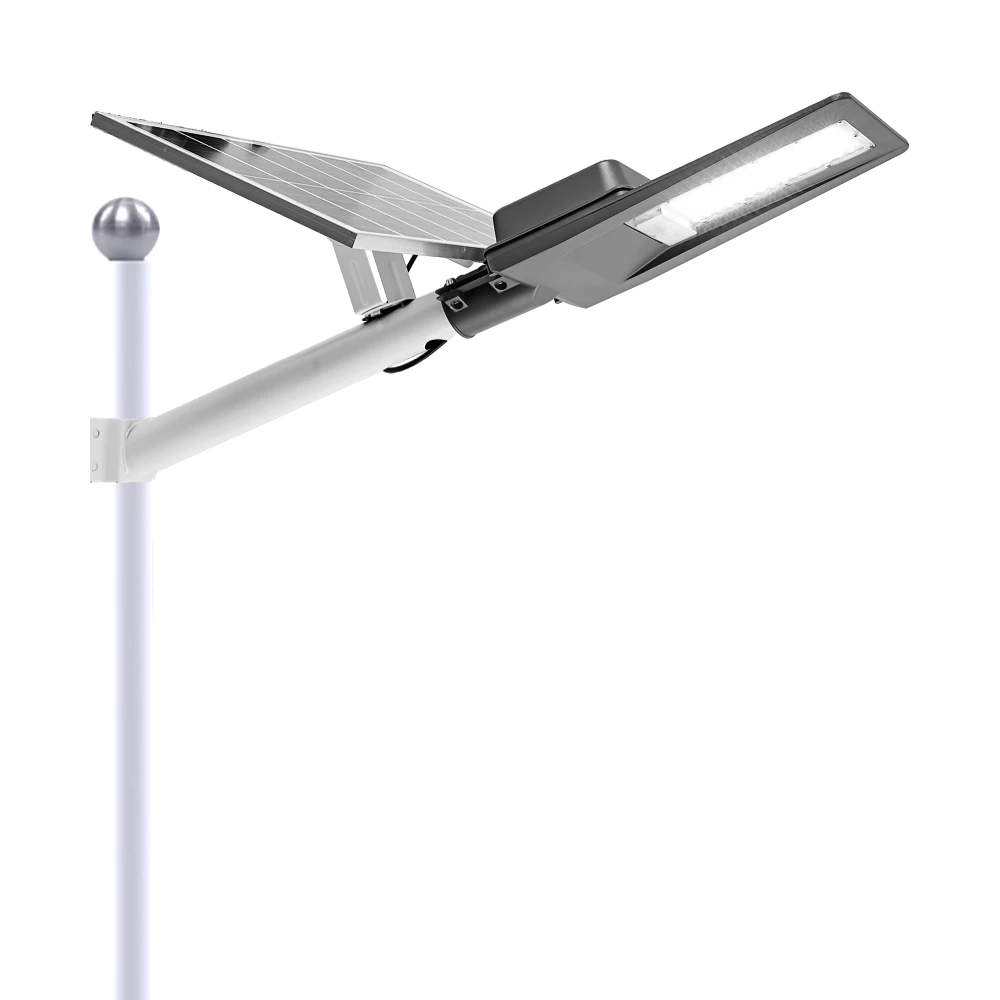
Experience reliable outdoor illumination with our smart solar street light, a perfect combination of advanced technology and eco-conscious design.
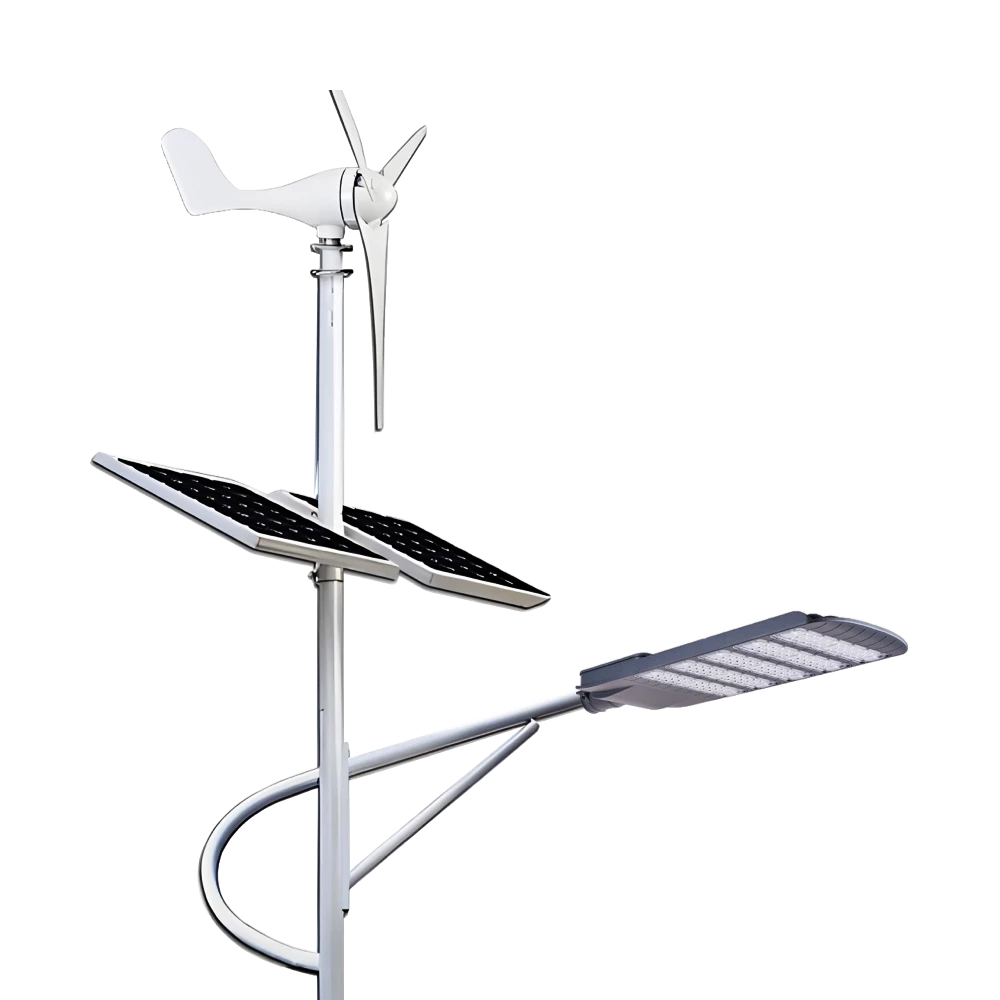
Queneng Lufeng Wind Energy LED Outdoor Solar Street Lights offer high-performance, eco-friendly illumination. These energy-efficient LED street lights harness solar power and wind energy for sustainable, cost-effective outdoor lighting solutions.
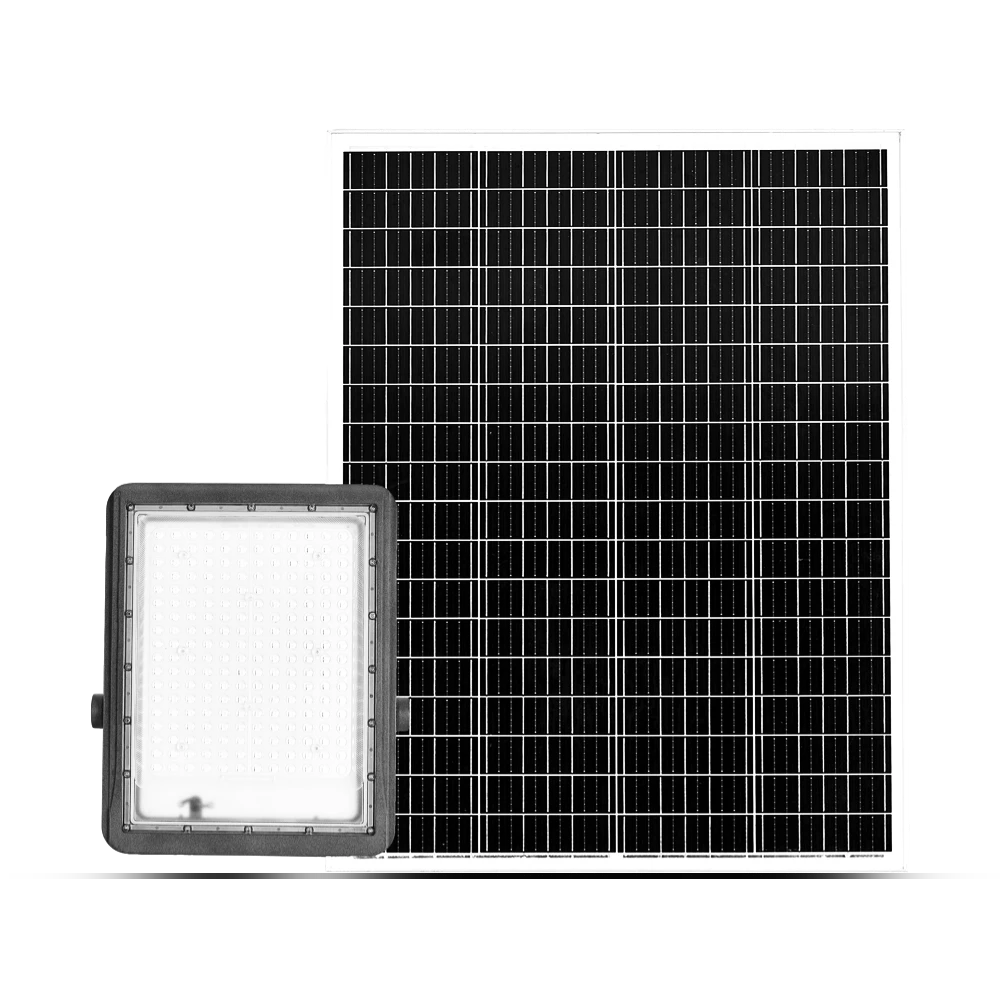
Queneng's Luxian Reliable Solar Street Light offers energy-saving LED lighting for outdoor use. This durable, solar-powered street light provides reliable illumination, reducing energy costs and environmental impact. A perfect solution for sustainable outdoor lighting.
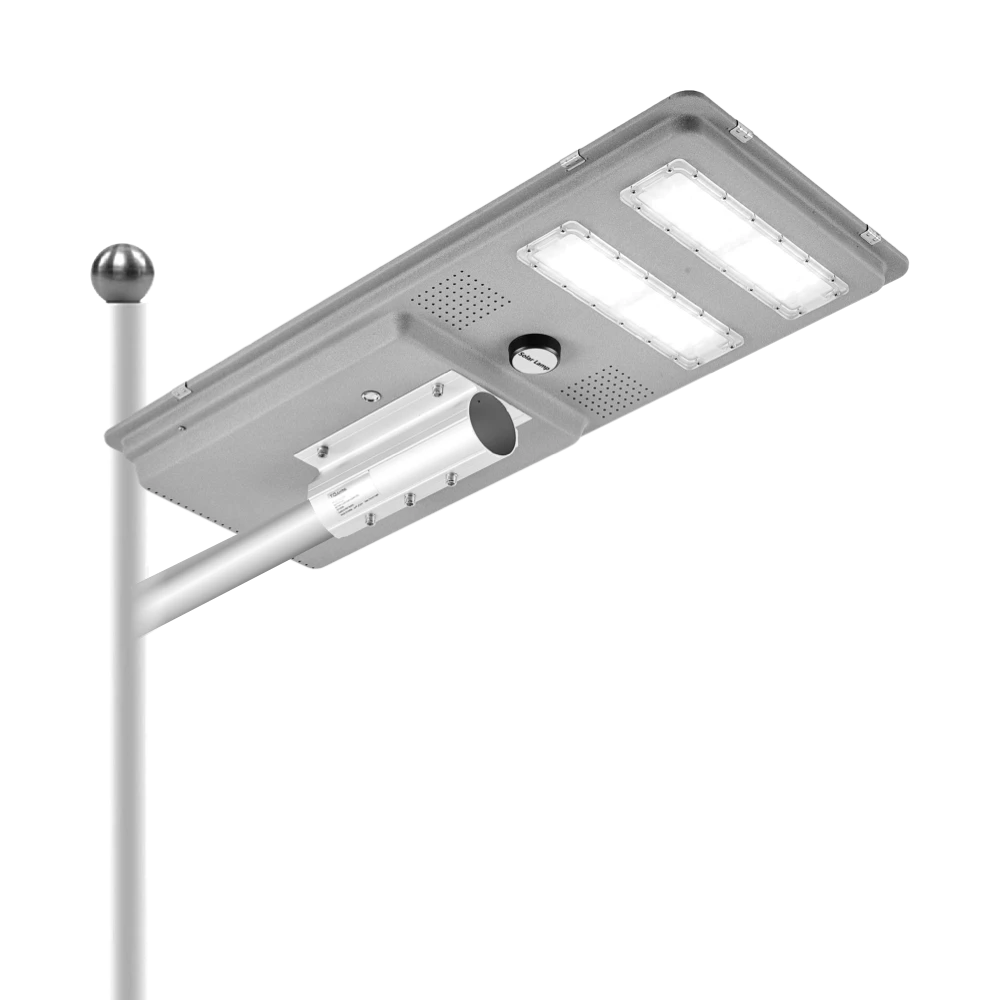
Queneng’s Solar Street Lights are designed to provide reliable, energy-efficient lighting for streets, parks, and other outdoor spaces.
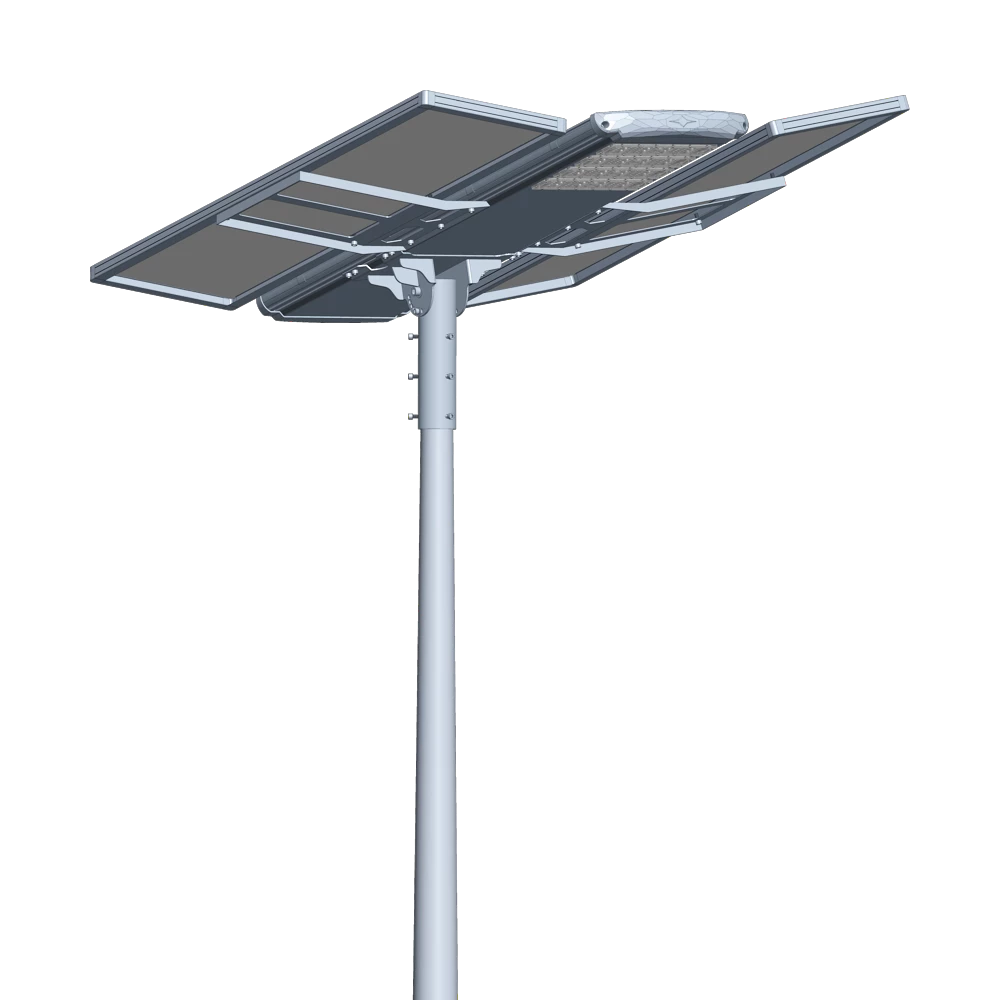
Introducing the Luqing Solar Street Light by Queneng, Efficient LED lighting powered by solar energy is perfect for illuminating outdoor areas. Harness the power of solar energy for sustainable, reliable street lighting. Ideal for eco-friendly, cost-effective outdoor illumination solutions.
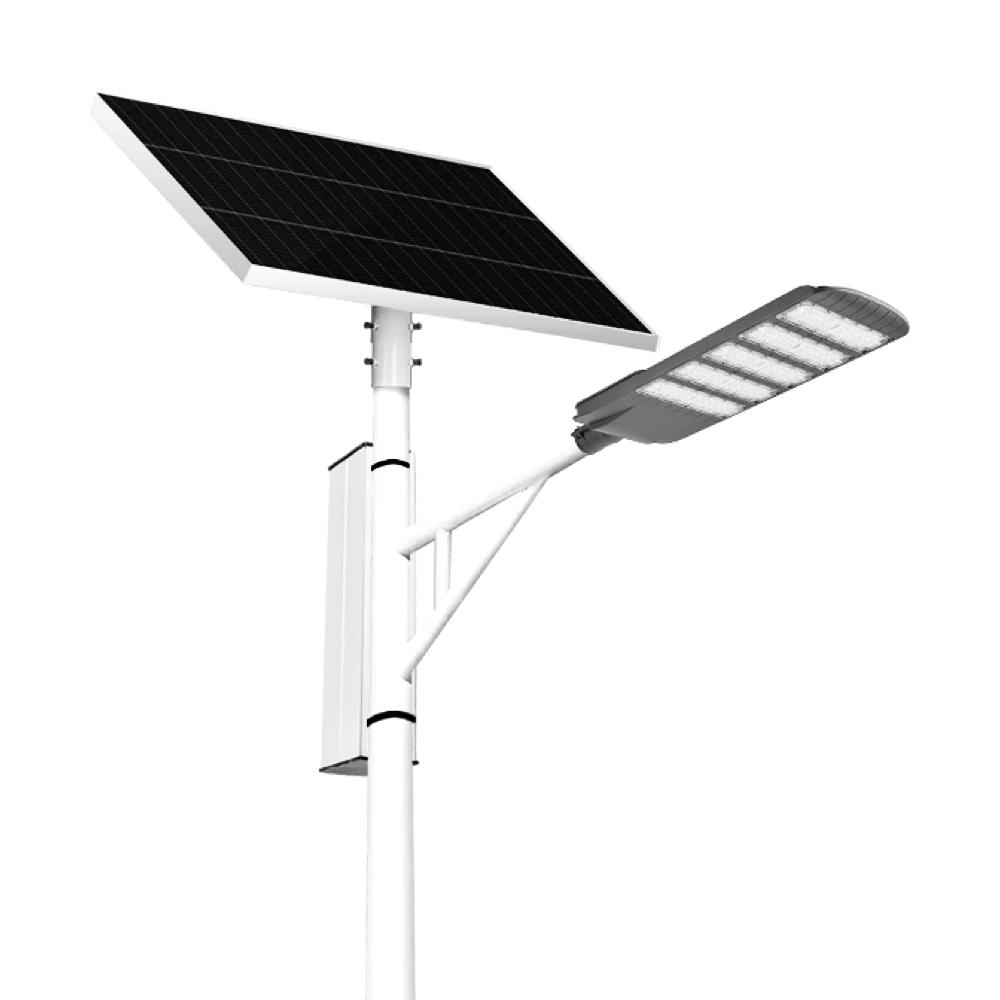
The Solar Streetlights of Luhao for Municipalities are designed to deliver reliable, energy-efficient, and cost-effective public lighting solutions. Equipped with advanced LED technology, durable lithium batteries, and high-efficiency solar panels, these streetlights provide consistent illumination for roads, parks, residential areas, and government projects.
If you would like more information about Queneng solar lighting solutions, please send us a message by filling out the form below. Our professional team will get back to you within 24 hours!
Rest assured that your privacy is important to us, and all information provided will be handled with the utmost confidentiality.
Schedule a Meeting
Book a date and time that is convenient for you and conduct the session in advance.
Have more questions about our products or services?
The messenger of light & power conversion
Environmental protection and intelligent manufacturing are our brand philosophy, and quality assurance and the best user experience are our eternal promises to users.
CONTACT
No.9F, Building F, Cao San Xin Tian Hong Logistics Park, Guzhen Town, Zhongshan City, Guangdong Province, China.
or write [email protected]
WhatsApp: +86 136 2270 1011


