














OEM manufacturing partnership for solar street lights in Nigeria | Insights by Quenenglighting
Unlocking Potential: AI-Enhanced OEM Solar Street Light Partnerships in Nigeria
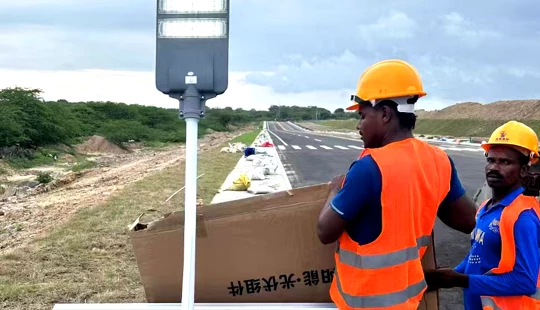
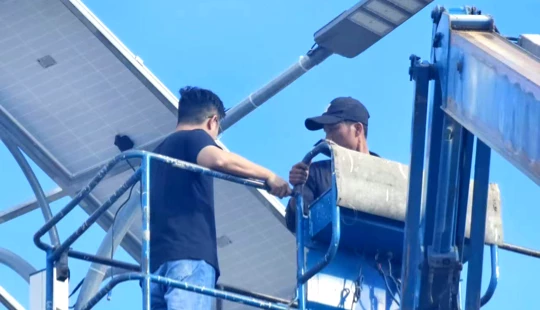
Nigeria, a dynamic market with immense potential, is rapidly embracing solar energy to address its persistent power deficit. For procurement leaders focused on sustainable urban and rural development, establishing OEM manufacturing partnerships for solar street lights in Nigeria, particularly with an AI integration focus, represents a strategic move. This article addresses key questions for procurement professionals, offering data-driven insights into this promising sector.
1. What is the current market opportunity for solar street lights in Nigeria, and why consider OEM manufacturing?
Nigeria, home to over 220 million people, faces a substantial electricity access gap, with national electrification rates around 55-60%, and significantly lower in rural areas (below 40%). This deficit creates an urgent demand for off-grid solutions, making solar street lights critical for enhancing public safety, extending commercial hours, and improving quality of life. Government initiatives, such as the Rural Electrification Agency (REA) and the Solar Power Naija program, actively promote renewable energy adoption, driving significant market growth for solar infrastructure. Analysts project the African solar market, with Nigeria as a key player, to experience a robust Compound Annual Growth Rate (CAGR) of 5-8% in the coming years (Mordor Intelligence, 2023). Considering OEM manufacturing within Nigeria allows businesses to leverage this market by reducing import tariffs, optimizing logistics costs, ensuring faster delivery, and enabling greater customization for local conditions. It also aligns with local content development policies, which can provide competitive advantages in tenders.
2. What are the key advantages of establishing an OEM manufacturing partnership for solar street lights in Nigeria?
Partnering with a Nigerian OEM for solar street lights offers several strategic advantages. Firstly, it substantially cuts down on import duties and taxes, which can be significant for finished goods. Secondly, localized assembly and manufacturing reduce international shipping costs and lead times, improving supply chain efficiency and responsiveness. Thirdly, proximity to the market allows for easier customization of products to specific local requirements, such as battery capacity adjusted for local solar insolation patterns or light output tailored for specific urban/rural environments. Fourthly, it fosters local employment and technology transfer, which can be a strong selling point for government and institutional projects. Lastly, local presence facilitates more efficient after-sales service and maintenance, crucial for long-term project viability and customer satisfaction.
3. What are the primary challenges and risks associated with Nigerian OEM partnerships, and how can they be mitigated?
While opportunities abound, challenges exist. Key concerns include maintaining consistent quality control, managing supply chain reliability (especially for imported components), navigating regulatory complexities, and protecting intellectual property. Mitigation strategies involve implementing stringent quality assurance protocols at the OEM facility, including regular audits and third-party inspections. Diversifying component suppliers and establishing robust inventory management systems can address supply chain vulnerabilities. Engaging with local legal experts for contract drafting and regulatory compliance ensures a smooth operational framework. Furthermore, building strong, trusting relationships with partners and clearly defining performance metrics and accountability in contracts are essential for successful, long-term collaboration (World Bank, Ease of Doing Business Report, 2020).
4. How can Artificial Intelligence (AI) be integrated into these OEM partnerships to optimize product performance and supply chain?
AI integration can revolutionize OEM partnerships for solar street lights. In product performance, AI enables predictive maintenance by analyzing operational data (battery health, LED degradation, charge controller efficiency) to anticipate failures, reducing downtime by up to 20-30% and optimizing maintenance schedules. For the supply chain, AI algorithms can predict demand fluctuations, optimize component inventory levels, identify reliable local suppliers based on performance metrics, and streamline logistics routes, leading to significant cost savings and improved efficiency. AI can also assist in the design phase, simulating various component configurations to achieve optimal cost-performance ratios tailored for Nigeria's specific environmental conditions.
5. What specific AI-powered features are most beneficial for modern solar street lights and how do they impact procurement decisions?
AI-powered features significantly enhance the value proposition of solar street lights. Adaptive lighting, using PIR or radar sensors and AI, adjusts brightness based on real-time pedestrian or vehicular traffic, leading to 20-30% energy savings and extended battery life. Remote monitoring and diagnostics, facilitated by AI, allow for real-time performance tracking and fault detection, enabling proactive troubleshooting without costly physical inspections. AI also optimizes energy management by learning usage patterns and integrating weather forecasts to manage battery charging and discharging cycles more effectively, ensuring maximum autonomy. For procurement users, these features translate into lower operational expenditures (OpEx), improved reliability, reduced total cost of ownership (TCO), and enhanced project ROI, making them critical differentiators in the selection process.
6. What critical factors should be evaluated when selecting an OEM partner for solar street lights in Nigeria with an AI focus?
Selecting the right OEM partner is paramount. Key evaluation criteria include the partner's manufacturing capabilities, proven track record in quality assurance (certifications like ISO 9001 are a plus), financial stability, and established supply chain networks. For AI integration, assess their technological readiness, R&D capabilities, and experience with IoT and data analytics. Look for partners who demonstrate flexibility in customization, strong local market knowledge, and transparent communication. Request case studies, conduct factory audits, and speak with existing clients to gauge their reliability and commitment to innovation and quality. A partner who understands the nuances of the Nigerian market and possesses the technical expertise to implement AI solutions will be invaluable.
Partnering with Quenenglighting
At Quenenglighting, we specialize in advanced OEM manufacturing partnerships for solar street lights, engineered for global markets including Nigeria. Our commitment to innovation is evident in our robust R&D, enabling seamless integration of cutting-edge AI features such as adaptive lighting, predictive maintenance, and intelligent energy management into our solutions. We ensure superior product quality through stringent manufacturing processes and certifications, coupled with a highly efficient and reliable global supply chain. Our expertise allows us to deliver customized, high-performance solar street light solutions that meet the specific demands of the Nigerian market, providing our partners with a competitive edge and ensuring long-term project success and sustainability.
数据引用来源
- Mordor Intelligence. (Solar Lighting Market - Growth, Trends, COVID-19 Impact, and Forecasts). As of late 2023.
- World Bank. (Ease of Doing Business Report - Nigeria Data). As of 2020 (latest comprehensive report available publicly regarding specific business environment metrics).
- Nigerian Rural Electrification Agency (REA). (Program Reports and Statistics). As of late 2023.
- International Energy Agency (IEA). (Africa Energy Outlook reports). As of 2023.
- United Nations Development Programme (UNDP). (Human Development Report - Nigeria Data). As of 2023.

Have more questions about our products or services?
The latest hot news you might like

Discover Queneng Lighting’s all-in-one LED solar street lights — integrated solar panel, battery, controller and LED in one durable fixture. Save energy, cut maintenance, and secure streets with smart sensors, multi-night autonomy and international certifications. Contact sales for quotes and support.

Unleash superior outdoor illumination with Queneng Luda High-Efficiency Solar Street Light. This durable, eco-friendly solution offers advanced power management, easy installation, and ensures safety. Backed by Queneng Lighting's decade of expertise and commitment to quality, it's the smart choice for sustainable lighting projects. Learn why we're a leading solar solutions provider.

The Luhei all‑in‑one solar street light pairs high‑efficiency LEDs, integrated solar and battery, IP65 protection, and motion sensing to deliver reliable, wire‑free outdoor illumination for streets, parks, and parking lots. Backed by Queneng Lighting’s certifications and support.

FAQ
Transportation and Highways
Can the system be integrated with existing electrical grids for hybrid operation?
Yes, our solar lighting systems can be configured for hybrid operation, combining solar power with grid electricity for uninterrupted performance.
Battery fundamentals and basic terms
What are the packaging materials for batteries?
2. PVC film, trademark tube
3. Connection sheet: stainless steel sheet, pure nickel sheet, nickel-plated steel sheet
4. lead sheet: stainless steel sheet (easy to solder), Pure nickel sheet (spot welding firmly)
5. plug type
6. protection components such as temperature control switches, overcurrent protector, current limiting resistors
7. cardboard boxes, cartons
8. Plastic shell type
Battery Types and Applications
What is a paper battery? What is a smart secondary battery?
Solar Street Light Luqing
How bright are solar street lights?
Solar street lights are equipped with high-efficiency LED lights that provide bright, consistent illumination. The brightness typically ranges from 2,000 to 12,000 lumens, depending on the model, providing clear and effective lighting for streets, parks, and public areas.
Schools and Educational Institutions
Can solar lights be used in cold climates?
Yes, our solar lights are designed to work in various weather conditions, including cold climates, with some models performing well at temperatures as low as -20°C.
Solar Street Light Lufei
What type of solar panel is used in the solar street light?
Queneng’s solar street lights use high-efficiency monocrystalline or polycrystalline solar panels, which provide better performance and greater energy conversion efficiency than standard panels.
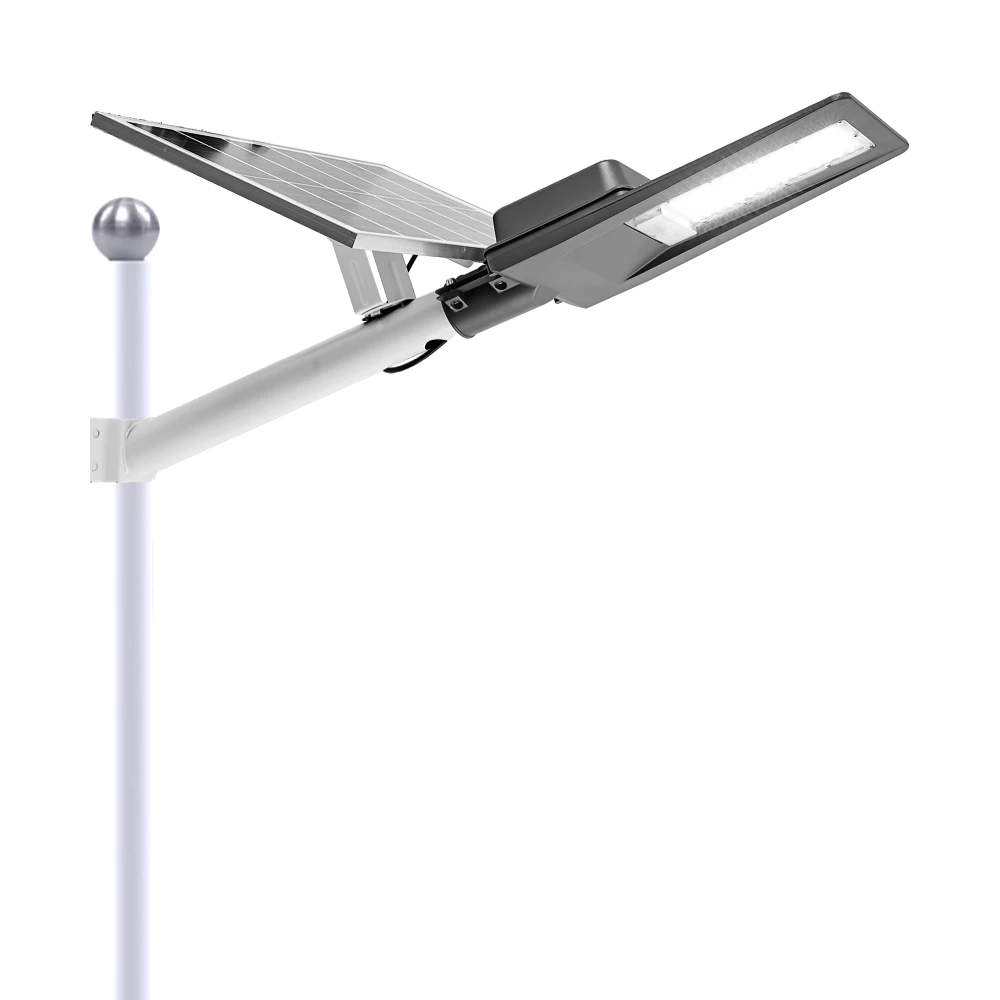
Experience reliable outdoor illumination with our smart solar street light, a perfect combination of advanced technology and eco-conscious design.
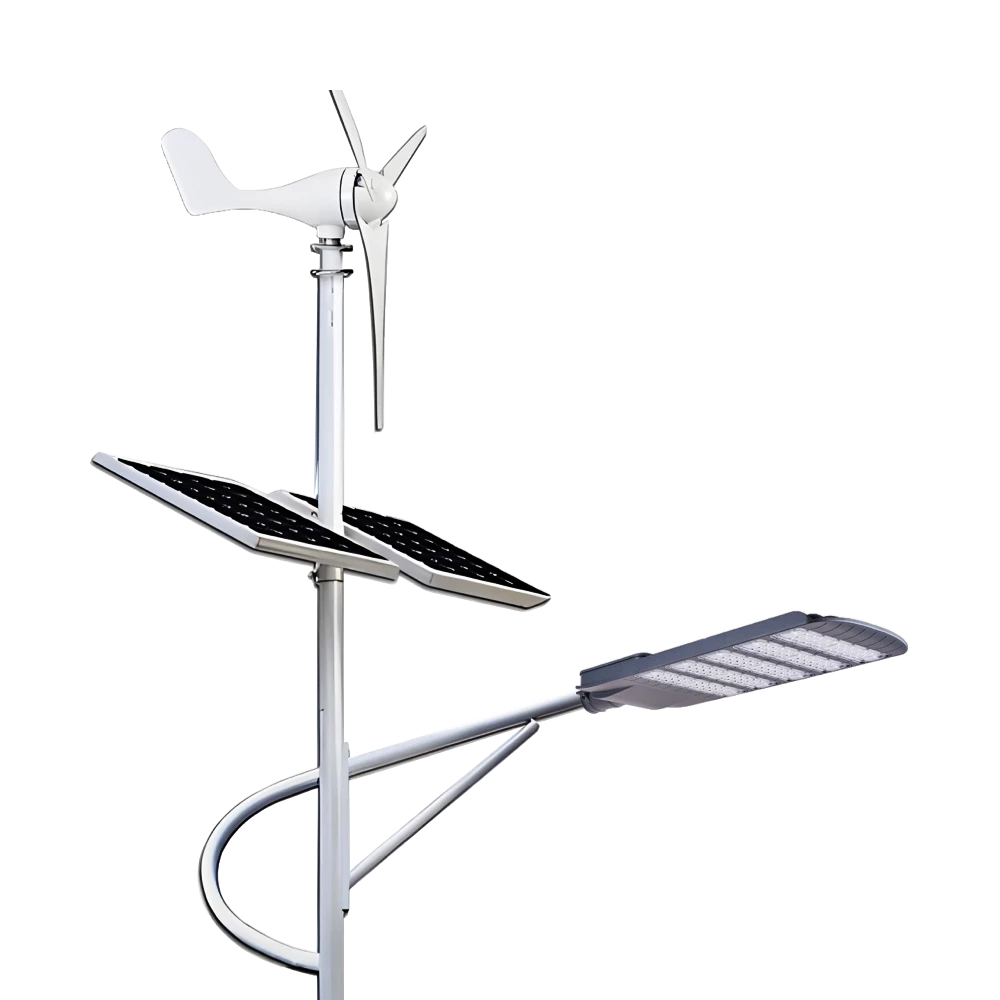
Queneng Lufeng Wind Energy LED Outdoor Solar Street Lights offer high-performance, eco-friendly illumination. These energy-efficient LED street lights harness solar power and wind energy for sustainable, cost-effective outdoor lighting solutions.
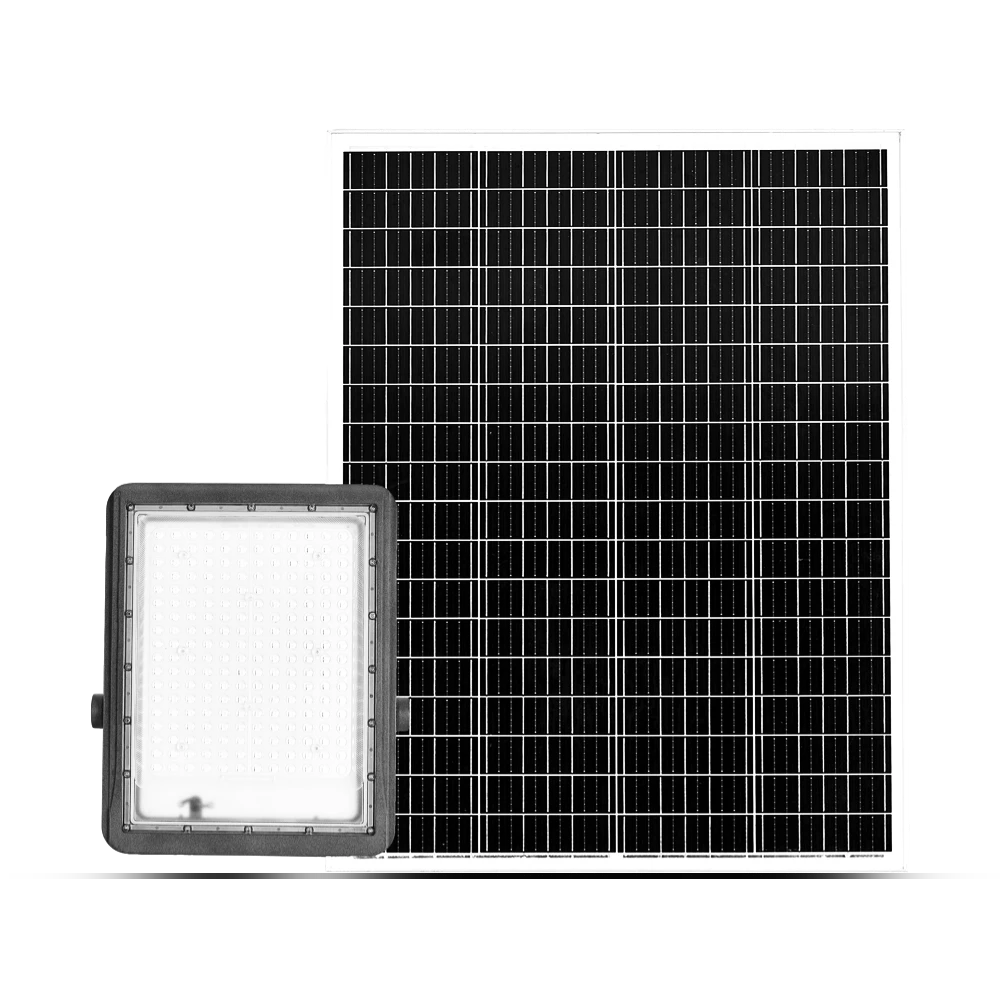
Queneng's Luxian Reliable Solar Street Light offers energy-saving LED lighting for outdoor use. This durable, solar-powered street light provides reliable illumination, reducing energy costs and environmental impact. A perfect solution for sustainable outdoor lighting.
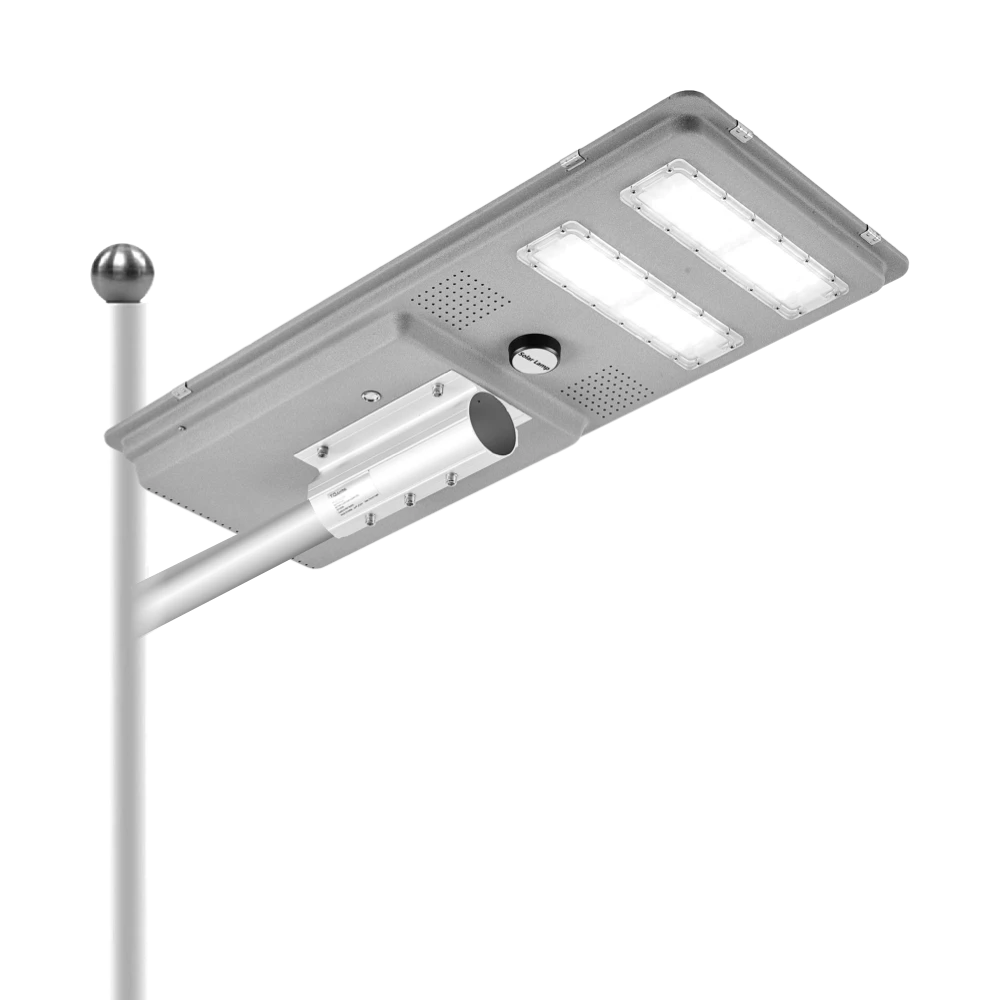
Queneng’s Solar Street Lights are designed to provide reliable, energy-efficient lighting for streets, parks, and other outdoor spaces.
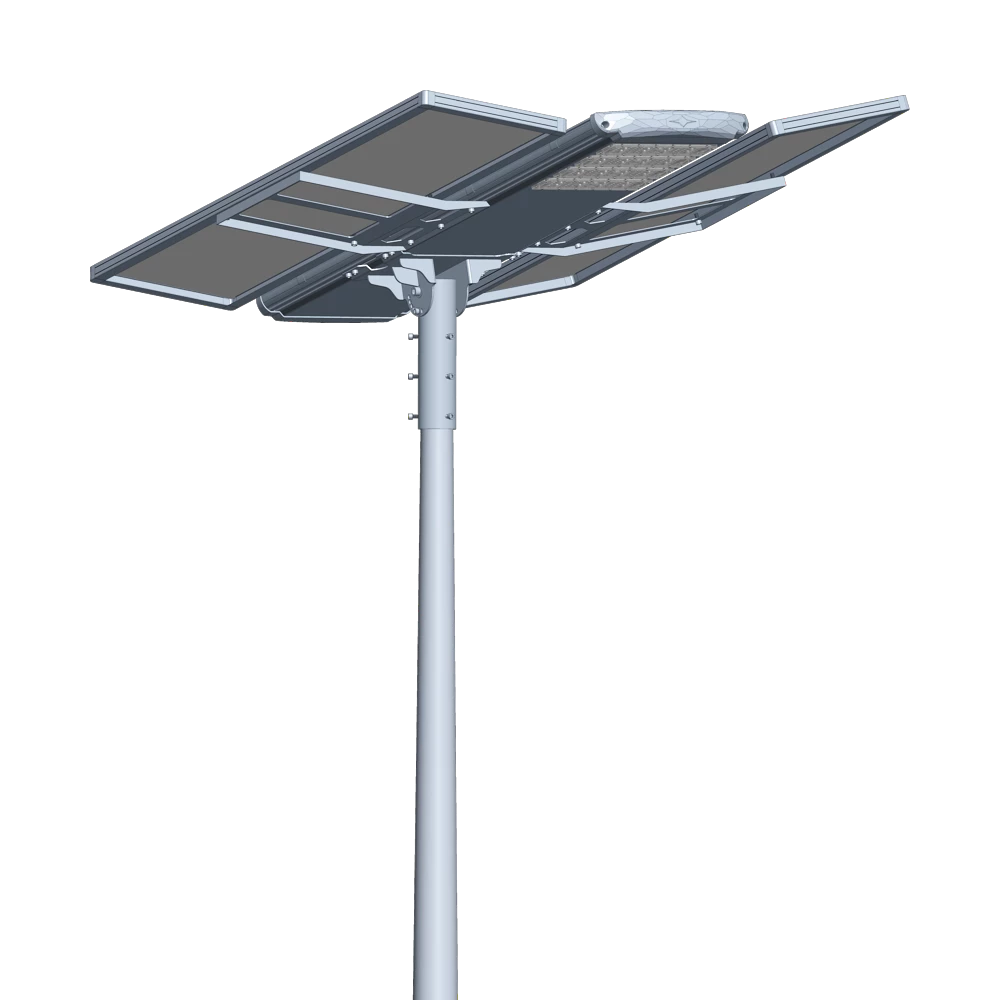
Introducing the Luqing Solar Street Light by Queneng, Efficient LED lighting powered by solar energy is perfect for illuminating outdoor areas. Harness the power of solar energy for sustainable, reliable street lighting. Ideal for eco-friendly, cost-effective outdoor illumination solutions.
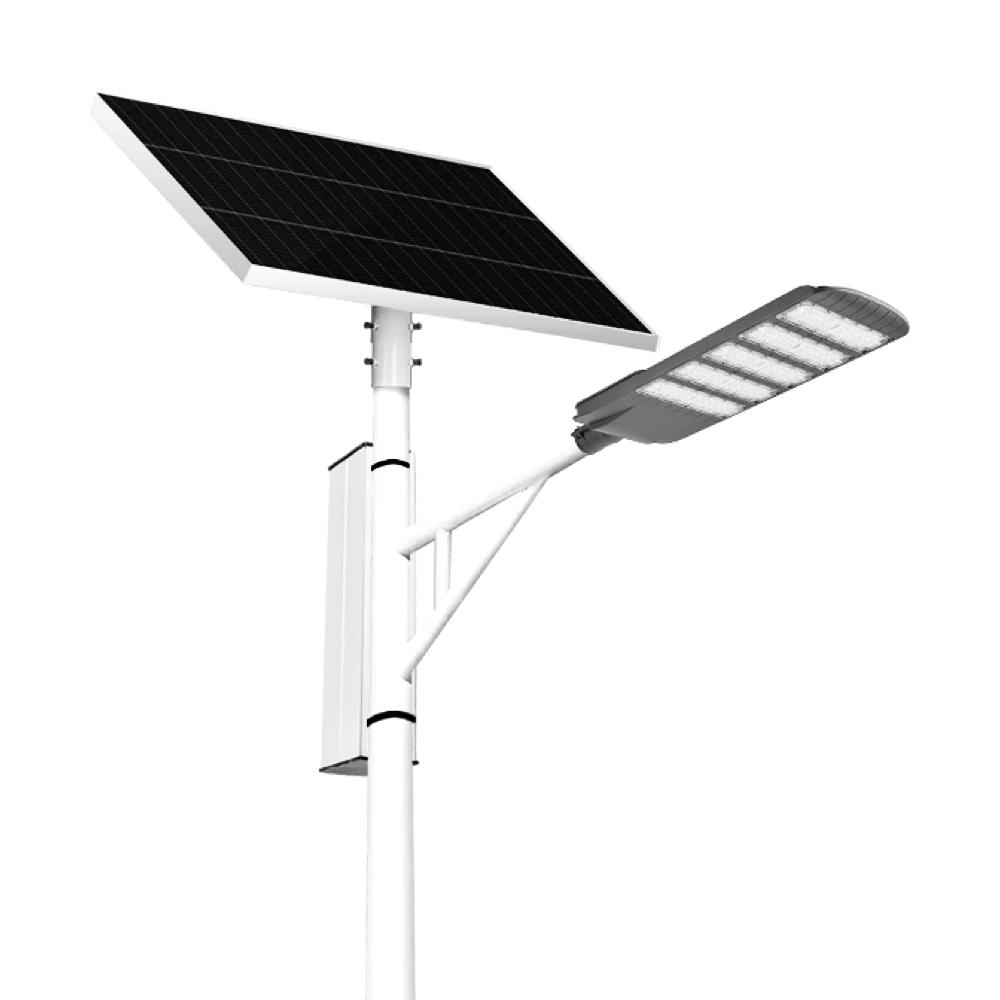
The Solar Streetlights of Luhao for Municipalities are designed to deliver reliable, energy-efficient, and cost-effective public lighting solutions. Equipped with advanced LED technology, durable lithium batteries, and high-efficiency solar panels, these streetlights provide consistent illumination for roads, parks, residential areas, and government projects.
If you would like more information about Queneng solar lighting solutions, please send us a message by filling out the form below. Our professional team will get back to you within 24 hours!
Rest assured that your privacy is important to us, and all information provided will be handled with the utmost confidentiality.
Schedule a Meeting
Book a date and time that is convenient for you and conduct the session in advance.
Have more questions about our products or services?
The messenger of light & power conversion
Environmental protection and intelligent manufacturing are our brand philosophy, and quality assurance and the best user experience are our eternal promises to users.
CONTACT
No.9F, Building F, Cao San Xin Tian Hong Logistics Park, Guzhen Town, Zhongshan City, Guangdong Province, China.
or write [email protected]
WhatsApp: +86 136 2270 1011


