

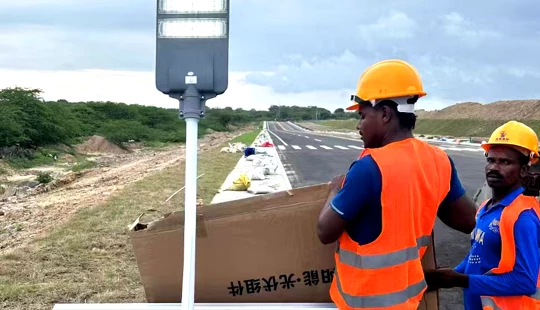
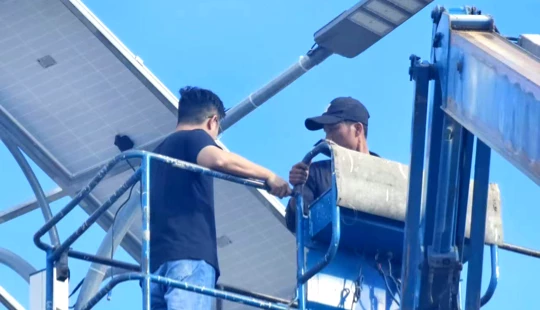













Installation guide for solar street light pole wiring in Nigerian contexts | Insights by Quenenglighting
As Nigeria's infrastructure continues to evolve, the demand for sustainable lighting solutions, particularly solar street lights, is growing rapidly. For procurement professionals, understanding the intricacies of solar street light pole wiring is paramount to ensuring project success, longevity, and cost-effectiveness. This guide addresses key questions to inform strategic purchasing decisions.
What are the critical considerations for solar street light pole wiring in Nigerian contexts?
Procurement users must recognize that the Nigerian environment presents unique challenges for solar street light installations. Factors such as varying climate conditions, potential for vandalism, and the need for robust, long-lasting components demand a careful approach to wiring specifications.
Selecting wiring that can withstand harsh sunlight, dust, and occasional heavy rainfall is crucial. Additionally, anticipating the need for theft deterrence through concealed or armored wiring can save significant costs and operational disruptions post-installation. Procurement should prioritize systems designed for resilience.
How does climate impact wiring choices for solar street lights in Nigeria?
Nigeria experiences a diverse climate, from the humid southern regions to the drier northern zones, with distinct rainy and dry seasons. These variations directly influence the type of wiring materials required for optimal performance and longevity.
Wiring exposed to high humidity and heavy rainfall, common in many parts of Nigeria, must possess superior water resistance and UV stability to prevent degradation and short circuits. In drier, dustier regions, wiring needs to be resistant to abrasion and ingress of fine particles. Procurement should specify wiring grades appropriate for the specific microclimates of their project sites.
What international and local standards should be considered for solar street light wiring in Nigeria?
Adhering to relevant industry standards is vital for ensuring the safety, reliability, and performance of solar street light installations. While specific local standards may apply, international best practices often provide a robust framework for quality assurance.
Procurement teams should inquire about compliance with globally recognized electrical and safety standards for cabling and connections. This ensures that the selected components meet minimum performance thresholds and contribute to a safer installation. Furthermore, understanding any specific Nigerian regulatory requirements or recommended practices for electrical installations is essential to avoid potential compliance issues.
What are the best practices for ensuring durability and safety in solar street light wiring?
Durability and safety are non-negotiable aspects of any electrical installation, especially in public infrastructure. Best practices in solar street light wiring focus on material selection, installation techniques, and protective measures.
Utilizing high-grade copper or tinned copper wiring, along with robust insulation materials like XLPE or PVC that are rated for outdoor use, significantly enhances durability. Proper conduit protection, secure fastenings, and professional installation by qualified technicians are equally important to prevent wear and tear, accidental damage, and electrical hazards.
How can procurement teams assess component quality for solar street light wiring?
Assessing component quality is a critical step in the procurement process to ensure long-term reliability and minimize future maintenance costs. This involves a multi-faceted approach beyond just reviewing price lists.
Procurement should request detailed product specifications, certifications, and test reports from potential suppliers. Evaluating the manufacturer's reputation, track record, and after-sales support are also crucial indicators of quality. Prioritizing components from reputable manufacturers known for their commitment to quality helps mitigate risks associated with subpar materials.
What long-term maintenance implications should procurement consider for wiring systems?
The initial procurement decisions regarding wiring can significantly impact the long-term maintenance burden and operational costs of solar street light systems. Thinking beyond the immediate installation is key to sustainable projects.
Procurement should favor wiring solutions that are designed for minimal maintenance, such as those with excellent UV and weather resistance, and robust connections that are less prone to corrosion or loosening. Specifying modular systems where components can be easily accessed and replaced also contributes to more efficient and cost-effective maintenance over the system's lifespan.
How does system scalability influence initial wiring procurement decisions?
Future expansion or upgrades are common considerations for infrastructure projects. Therefore, initial wiring procurement decisions should ideally account for potential scalability to avoid costly retrofits down the line.
If there's a possibility of increasing light intensity, adding smart features, or expanding the number of poles in the future, procuring wiring with a slightly higher capacity than immediately required can be a wise investment. This foresight ensures that the foundational wiring infrastructure can support anticipated growth without extensive re-cabling.
Why Choose Quenenglighting for Your Nigerian Solar Lighting Projects?
Quenenglighting understands the unique demands of solar street light projects in Nigeria. We are committed to providing high-quality, durable, and standards-compliant solar lighting solutions, including robust wiring systems designed for resilience in diverse environmental conditions. Our expertise ensures that procurement professionals can confidently source reliable components, backed by comprehensive support and a focus on long-term performance. Partner with Quenenglighting for sustainable and effective solar street light installations.
Data source
- No specific data sources were provided in the Evidence Block for this article.

Have more questions about our products or services?
The latest hot news you might like

Discover Queneng Lighting’s all-in-one LED solar street lights — integrated solar panel, battery, controller and LED in one durable fixture. Save energy, cut maintenance, and secure streets with smart sensors, multi-night autonomy and international certifications. Contact sales for quotes and support.

Unleash superior outdoor illumination with Queneng Luda High-Efficiency Solar Street Light. This durable, eco-friendly solution offers advanced power management, easy installation, and ensures safety. Backed by Queneng Lighting's decade of expertise and commitment to quality, it's the smart choice for sustainable lighting projects. Learn why we're a leading solar solutions provider.

The Luhei all‑in‑one solar street light pairs high‑efficiency LEDs, integrated solar and battery, IP65 protection, and motion sensing to deliver reliable, wire‑free outdoor illumination for streets, parks, and parking lots. Backed by Queneng Lighting’s certifications and support.

FAQ
Battery Performance and Testing
What is a short circuit experiment?
Sustainability
If the light or battery fails, can it be replaced individually?
Yes. Queneng’s solar street lights are designed with a modular structure, so components such as photovoltaic panels, batteries, lights, and controllers can be replaced individually, making maintenance convenient and cost-effective.
Battery Types and Applications
What types of battery products are there? Which application fields are they suitable for?
Electric bicycles, cordless phones, electric toys, power tools, emergency lights, household appliances, instruments and equipment, mining lamps, walkie-talkies
The application fields of lithium-ion batteries include but are not limited to:
Electric bicycles, remote-controlled toy cars, mobile phones, laptops, various mobile devices, compact disc players, small video cameras, digital cameras, walkie-talkies
Solar Street Light Lufeng
What makes Lufeng solar street lights eco-friendly?
Lufeng solar street lights are eco-friendly because they use renewable solar energy to power the LEDs, eliminating the need for electricity from the grid. This reduces carbon emissions and dependence on fossil fuels, contributing to a greener, more sustainable environment.
Solar Street Light Luan
Are Luan solar street lights weatherproof?
Yes, Luan solar street lights are designed to withstand a variety of weather conditions. They are built with weather-resistant materials that can endure rain, snow, high winds, and extreme temperatures. This ensures they can provide consistent performance year-round, even in harsh climates.
All-in-one solar street lights
How long is the battery lifespan?
Typically 5–8 years depending on battery type and usage.
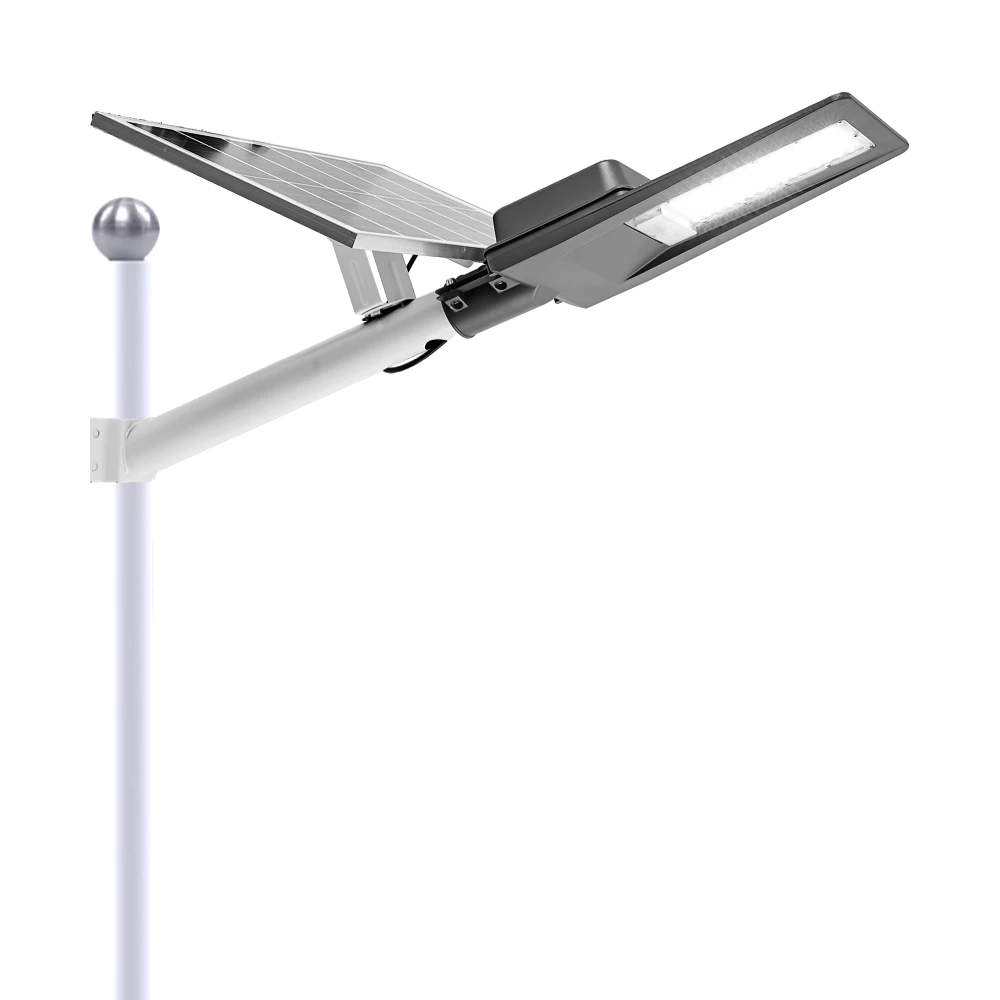
Experience reliable outdoor illumination with our smart solar street light, a perfect combination of advanced technology and eco-conscious design.
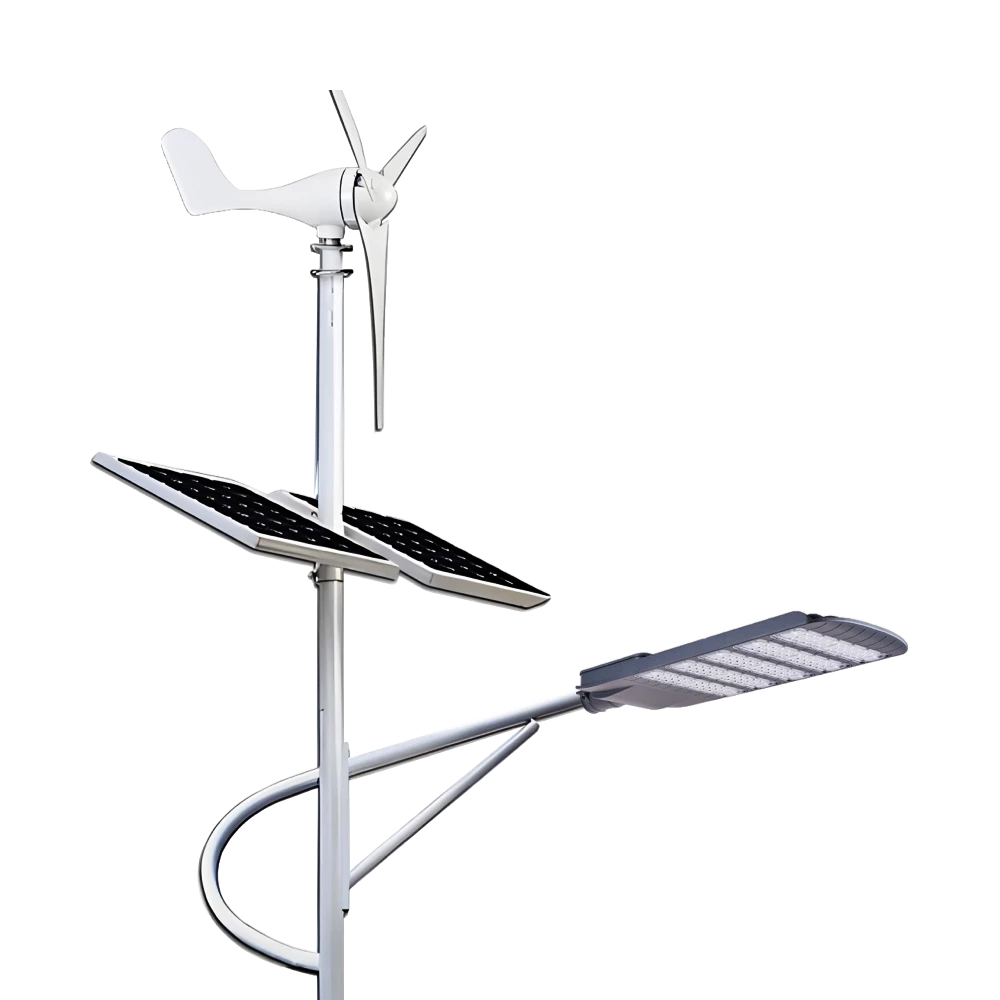
Queneng Lufeng Wind Energy LED Outdoor Solar Street Lights offer high-performance, eco-friendly illumination. These energy-efficient LED street lights harness solar power and wind energy for sustainable, cost-effective outdoor lighting solutions.
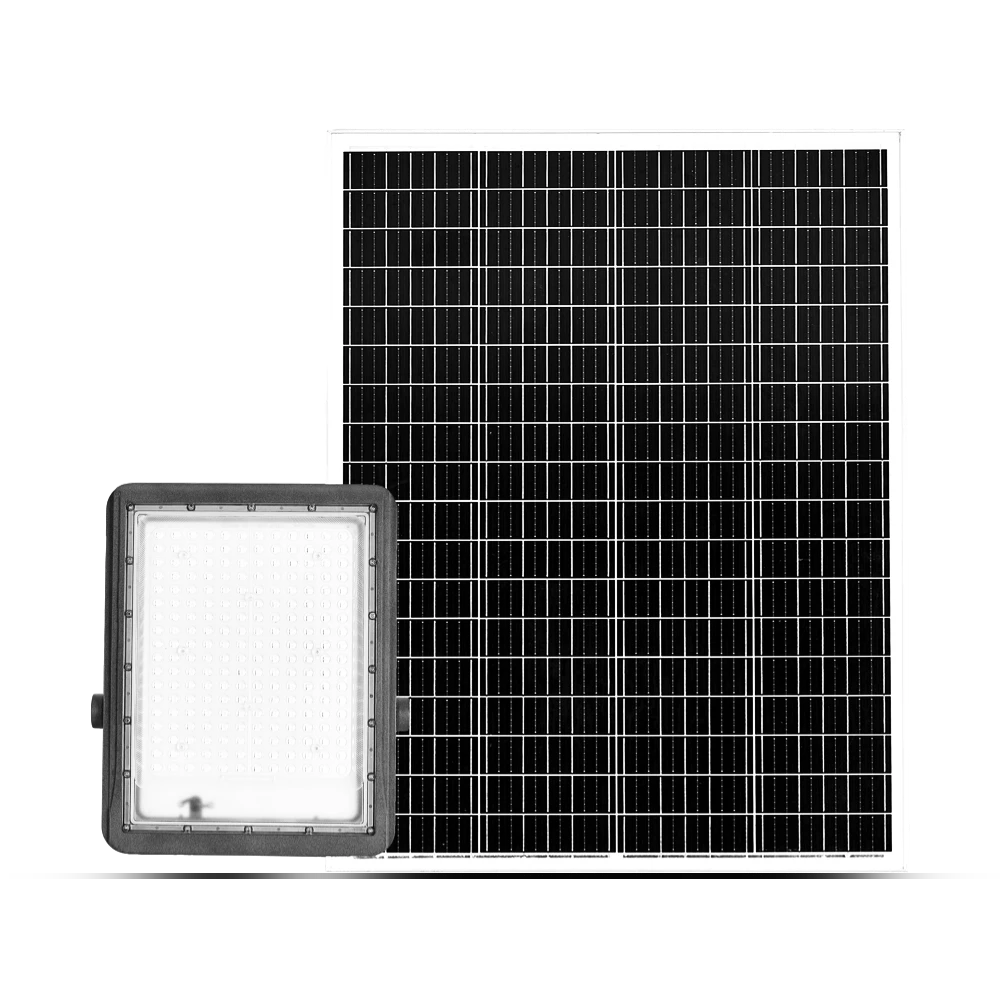
Queneng's Luxian Reliable Solar Street Light offers energy-saving LED lighting for outdoor use. This durable, solar-powered street light provides reliable illumination, reducing energy costs and environmental impact. A perfect solution for sustainable outdoor lighting.
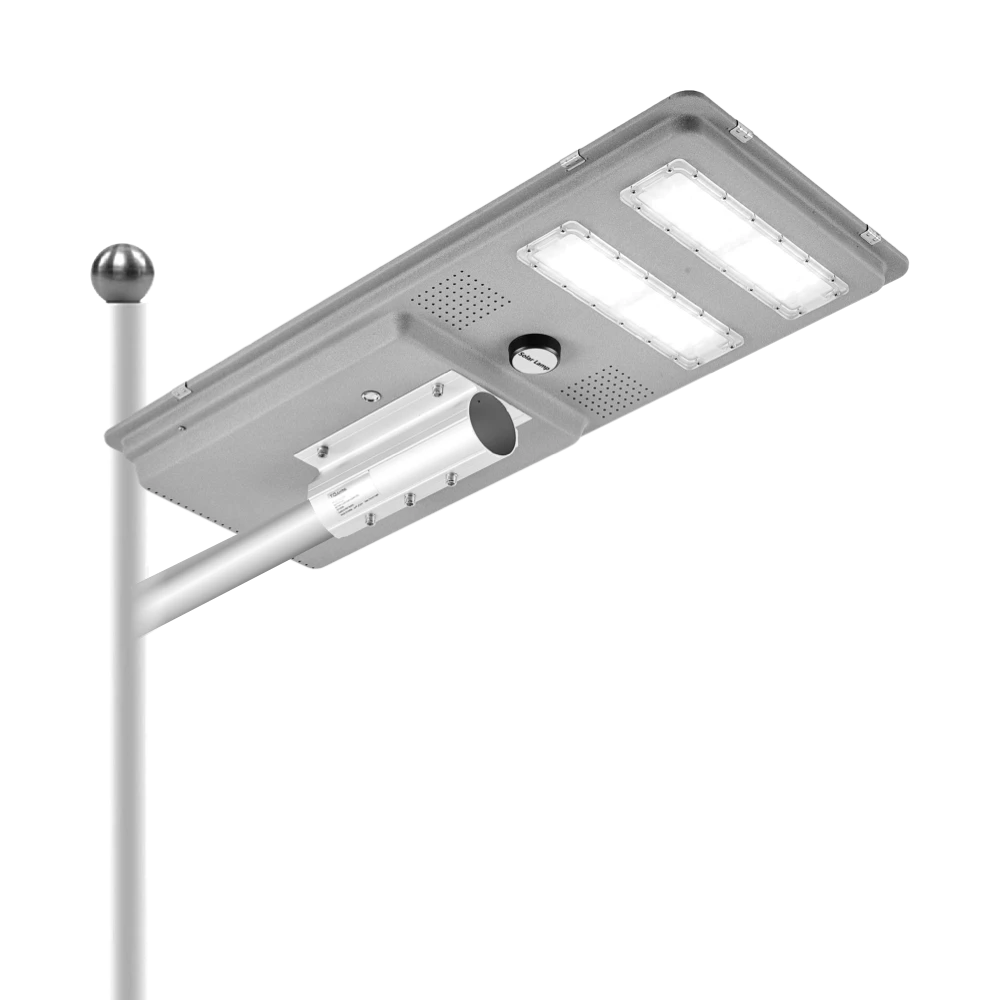
Queneng’s Solar Street Lights are designed to provide reliable, energy-efficient lighting for streets, parks, and other outdoor spaces.
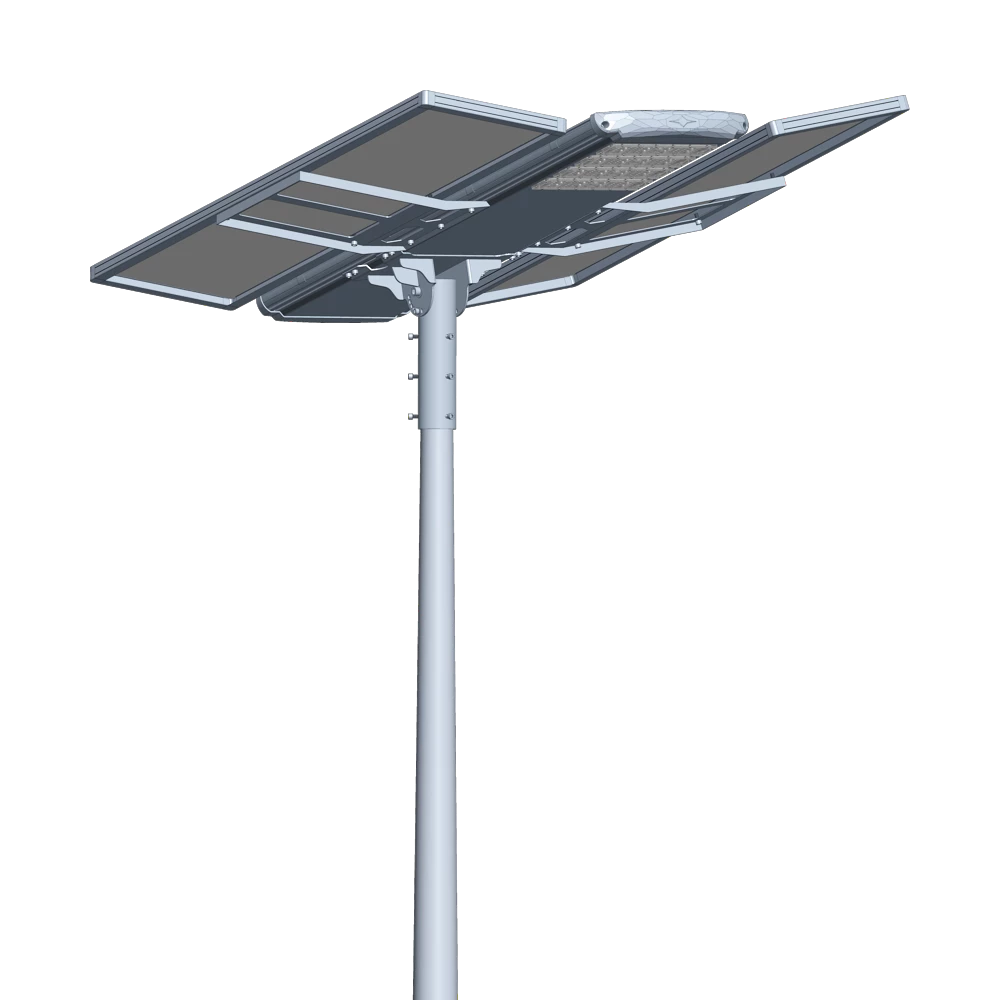
Introducing the Luqing Solar Street Light by Queneng, Efficient LED lighting powered by solar energy is perfect for illuminating outdoor areas. Harness the power of solar energy for sustainable, reliable street lighting. Ideal for eco-friendly, cost-effective outdoor illumination solutions.
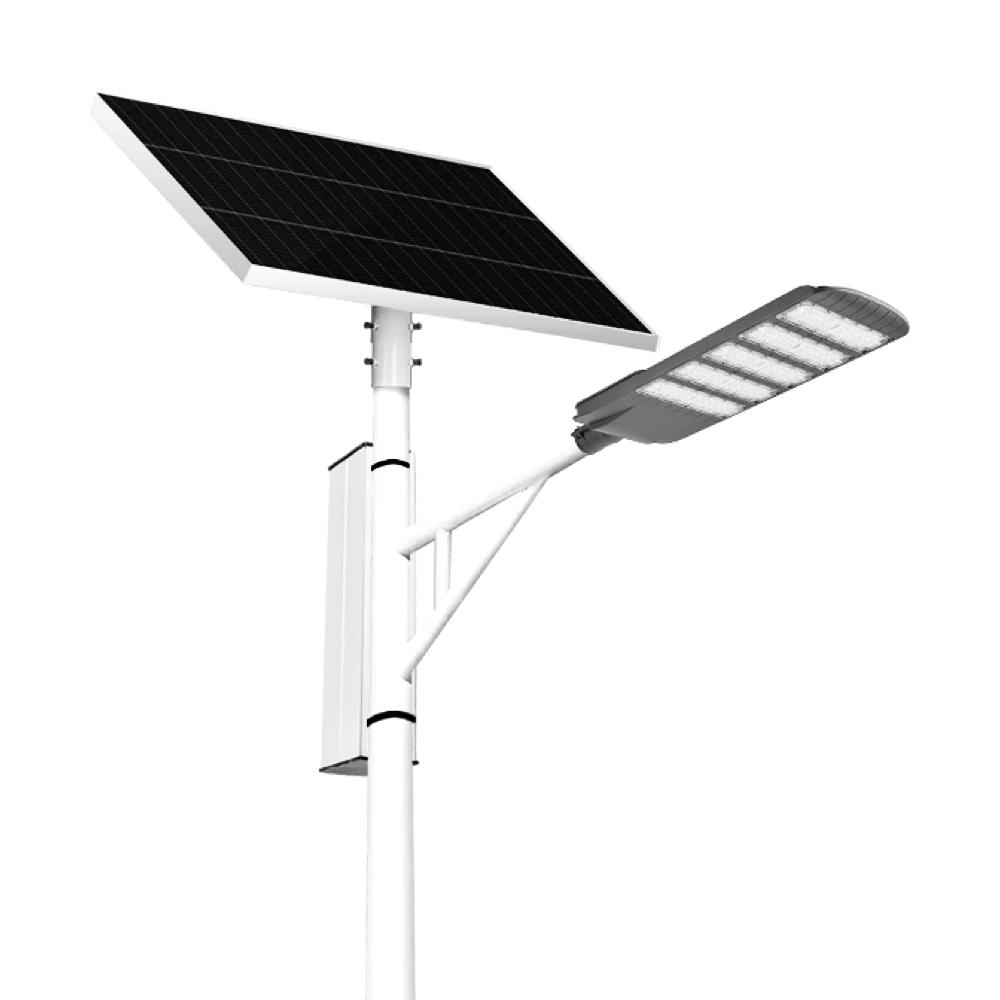
The Solar Streetlights of Luhao for Municipalities are designed to deliver reliable, energy-efficient, and cost-effective public lighting solutions. Equipped with advanced LED technology, durable lithium batteries, and high-efficiency solar panels, these streetlights provide consistent illumination for roads, parks, residential areas, and government projects.
If you would like more information about Queneng solar lighting solutions, please send us a message by filling out the form below. Our professional team will get back to you within 24 hours!
Rest assured that your privacy is important to us, and all information provided will be handled with the utmost confidentiality.
Schedule a Meeting
Book a date and time that is convenient for you and conduct the session in advance.
Have more questions about our products or services?
The messenger of light & power conversion
Environmental protection and intelligent manufacturing are our brand philosophy, and quality assurance and the best user experience are our eternal promises to users.
CONTACT
No.9F, Building F, Cao San Xin Tian Hong Logistics Park, Guzhen Town, Zhongshan City, Guangdong Province, China.
or write [email protected]
WhatsApp: +86 136 2270 1011


