














ROI estimation framework for municipal solar lighting tenders | Insights by Quenenglighting
Why an ROI Framework is Crucial for Municipal Solar Lighting Tenders
As cities and towns increasingly prioritize sustainability and fiscal responsibility, municipal solar lighting has emerged as a compelling solution for public illumination. However, for procurement managers and tender committees, the decision isn't just about green credentials; it's fundamentally about value. A robust Return on Investment (ROI) estimation framework is not merely a tool; it's the cornerstone of a successful tender, demonstrating financial viability and long-term benefits.
An accurate ROI framework provides a clear, data-driven narrative, justifying the initial capital outlay by projecting future savings and gains. Without it, even the most innovative solar lighting solutions might fail to secure approval. It allows stakeholders to compare solar options against traditional lighting, understand payback periods, and evaluate the comprehensive benefits – financial, environmental, and social.
Understanding the Core Components of Solar Lighting ROI
Calculating ROI for municipal solar lighting involves a detailed assessment of both costs and benefits over the project's lifecycle. Key components typically include:
- Initial Investment Costs: This encompasses the procurement of solar panels, LED luminaires, batteries (e.g., LiFePO4), charge controllers, poles, mounting hardware, and installation labor. It also includes design, engineering, and project management fees.
- Operational Savings: Primarily the elimination or significant reduction of electricity bills, as solar lights are powered by renewable energy. This is a continuous saving that grows with rising energy prices.
- Maintenance Costs: While solar lights generally require less maintenance than traditional grid-tied systems (no trenching, cabling issues), components like batteries have a finite lifespan (e.g., LiFePO4 batteries typically last 7-10 years or 2,000-4,000 cycles) and will eventually need replacement. LED drivers and fixtures also have a lifespan (e.g., 50,000-100,000 hours for LEDs). Regular cleaning of solar panels is also a consideration.
- Decommissioning Costs: At the end of the project's life, there might be costs associated with recycling or disposing of components, though many materials are recyclable.
Quantifying the Financial Benefits: Energy Savings and Beyond
The most immediate and quantifiable financial benefit of municipal solar lighting is the elimination of electricity costs. Depending on local energy tariffs, this can represent substantial annual savings. For instance, replacing a single 150W traditional street light operating 12 hours a day with a solar LED equivalent can save upwards of 657 kWh annually. Multiplied across hundreds or thousands of fixtures, these savings quickly add up.
Beyond direct energy savings, consider:
- Reduced Grid Connection Costs: For new installations in remote or underdeveloped areas, solar lighting avoids the significant expense and complexity of extending the electrical grid.
- Lower Maintenance Frequency: Modern solar street lights, especially those using LiFePO4 batteries and long-life LED fixtures (e.g., 10-20 years for LEDs, 25+ years for solar panels), require less frequent maintenance compared to older HID or HPS lamps that need regular bulb replacements. While battery replacement is a scheduled event, it's typically less disruptive and costly than managing widespread grid infrastructure failures.
- Reduced Carbon Taxes/Credits: In regions with carbon pricing mechanisms, reducing emissions through solar adoption can lead to financial benefits or avoidance of penalties. Replacing a single 100W conventional street light with a solar LED can prevent approximately 0.22 tons of CO2 emissions annually, depending on the local grid's energy mix.
Beyond the Numbers: Unpacking Environmental and Social Value
While financial ROI is paramount, a comprehensive framework must also articulate the non-financial benefits, which significantly enhance the tender's appeal:
- Environmental Impact: Solar lighting produces zero operational carbon emissions, contributing to a municipality's climate goals and reducing air pollution. This aligns with global initiatives like the European Green Deal and local sustainability mandates.
- Enhanced Public Safety: Well-lit public spaces deter crime and improve pedestrian and vehicular safety, leading to a higher quality of life for residents. Reliable off-grid lighting ensures illumination even during power outages.
- Energy Independence and Resilience: Solar street lights are not vulnerable to grid failures, natural disasters, or fluctuations in energy prices, providing a resilient and reliable lighting solution.
- Community Engagement and Image: Adopting renewable energy technologies positions the municipality as forward-thinking and environmentally conscious, fostering positive community perception and potentially attracting green investments.
Navigating Incentives and Project Payback Periods
Governmental incentives can dramatically improve the ROI and shorten the payback period for municipal solar lighting projects. These can include:
- Grants and Subsidies: Many national, regional, and local governments offer grants for sustainable infrastructure development. For example, the U.S. Investment Tax Credit (ITC) has been instrumental for solar projects, and various European Union funds support green energy transitions.
- Tax Breaks and Exemptions: Some regions offer tax benefits for renewable energy installations.
- Renewable Energy Certificates (RECs) or Guarantees of Origin: These market-based instruments can provide additional revenue streams for the green energy produced.
The typical payback period for high-quality municipal solar lighting projects generally ranges from 3 to 7 years, heavily influenced by local electricity costs, initial investment, and the availability of incentives. After this period, the savings contribute directly to the municipality's budget, often for the remaining 15-20+ years of the system's operational life.
Ensuring Accuracy: Best Practices for ROI Estimation in Tenders
To deliver a compelling and credible ROI framework:
- Utilize Real-World Data: Base energy cost savings on current and projected local electricity tariffs. Use manufacturer specifications for component lifespans and efficiency ratings (e.g., solar panel degradation rates of <0.5% per year, resulting in 80% output after 25 years).
- Conduct a Lifecycle Cost Analysis (LCCA): Don't just look at initial costs. Project all costs and benefits over the entire expected life of the system (e.g., 20-25 years), including scheduled maintenance, replacements, and potential disposal costs.
- Perform Sensitivity Analysis: Model ROI under different scenarios (e.g., varying energy price increases, changes in maintenance costs, different grant levels) to demonstrate the project's robustness.
- Consult Experts: Engage with reputable solar lighting providers who can offer specialized design, accurate costings, and performance guarantees based on their extensive experience.
- Factor in Inflation and Discount Rates: For long-term projects, using appropriate discount rates to calculate Net Present Value (NPV) helps to compare future savings to current costs accurately.
Quenenglighting's Advantage in Municipal Solar Lighting:
Quenenglighting stands out as a premier provider of municipal solar lighting solutions, built on a foundation of reliability and innovation. Our products feature high-efficiency solar panels, advanced LiFePO4 batteries, and durable LED luminaires, ensuring maximum energy capture and extended operational life with minimal maintenance. We offer customized design and engineering support to optimize performance for specific environmental conditions and lighting requirements, guaranteeing a superior ROI. Our commitment to quality, backed by rigorous testing and certifications, ensures that municipalities receive robust, long-lasting, and cost-effective lighting infrastructure, making Quenenglighting the trusted partner for sustainable urban development.
Data Citation Sources:
- Industry Standards for LED Luminaires Lifespan (e.g., IES LM-80, LM-79, TM-21 reports).
- Manufacturer Specifications for LiFePO4 Battery Cycles and Lifespan (e.g., typical 2,000-4,000 cycles).
- Solar Panel Warranty and Efficiency Degradation Rates (e.g., 25-year performance warranties with 80% output).
- U.S. Environmental Protection Agency (EPA) or similar national environmental bodies for CO2 emission conversion factors.
- General energy market reports and utility rate data for electricity cost projections.
- Government renewable energy incentive programs and grants (e.g., U.S. Investment Tax Credit, European Green Deal funding mechanisms).

Have more questions about our products or services?
The latest hot news you might like

Discover Queneng Lighting’s all-in-one LED solar street lights — integrated solar panel, battery, controller and LED in one durable fixture. Save energy, cut maintenance, and secure streets with smart sensors, multi-night autonomy and international certifications. Contact sales for quotes and support.

Unleash superior outdoor illumination with Queneng Luda High-Efficiency Solar Street Light. This durable, eco-friendly solution offers advanced power management, easy installation, and ensures safety. Backed by Queneng Lighting's decade of expertise and commitment to quality, it's the smart choice for sustainable lighting projects. Learn why we're a leading solar solutions provider.

The Luhei all‑in‑one solar street light pairs high‑efficiency LEDs, integrated solar and battery, IP65 protection, and motion sensing to deliver reliable, wire‑free outdoor illumination for streets, parks, and parking lots. Backed by Queneng Lighting’s certifications and support.

FAQ
Battery Performance and Testing
What are the common charging methods?
1) Constant current charging: The charging current is a certain value during the entire charging process. This method is the most common;
2) Constant voltage charging: During the charging process, both ends of the charging power supply maintain a constant value, and the current in the circuit gradually decreases as the battery voltage increases;
3) Constant current and constant voltage charging: The battery is first charged with constant current (CC). When the battery voltage rises to a certain value, the voltage remains unchanged (CV), and the current in the circuit drops to very small, eventually tending to 0.
How to charge lithium battery:
Constant current and constant voltage charging: The battery is first charged with constant current (CC). When the battery voltage rises to a certain value, the voltage remains unchanged (CV), and the current in the circuit drops to very small, eventually tending to 0.
What is the standard charging and discharging of nickel metal hydride batteries?
Tourist Attractions and Resorts
Will solar lights stay on throughout the night?
Yes, solar lights are designed to stay on all night long, provided they are installed in areas that receive adequate sunlight during the day. The solar panels charge during daylight hours and power the lights after dark.
Solar Street Light Luhui
Can Luhui solar street lights be controlled remotely?
Certain models of Luhui solar street lights come with smart control features, allowing users to remotely monitor and adjust settings such as brightness levels and operational times via mobile apps or centralized systems.
Solar Street Light Luda
What are the installation requirements for Luda solar street lights?
Installing Luda solar street lights is straightforward and does not require complex wiring. The lights come with easy-to-follow installation instructions, typically involving mounting the pole, securing the light fixture, and positioning the solar panel for optimal sunlight exposure. Since they don’t require any electrical wiring, the installation is quick and cost-effective.
APMS system
What is the endurance time of the APMS system during rainy weather?
Optimized for rainy weather, the APMS system can maintain lighting endurance for several days under extended cloudy conditions, with specific duration depending on the environment and battery capacity.
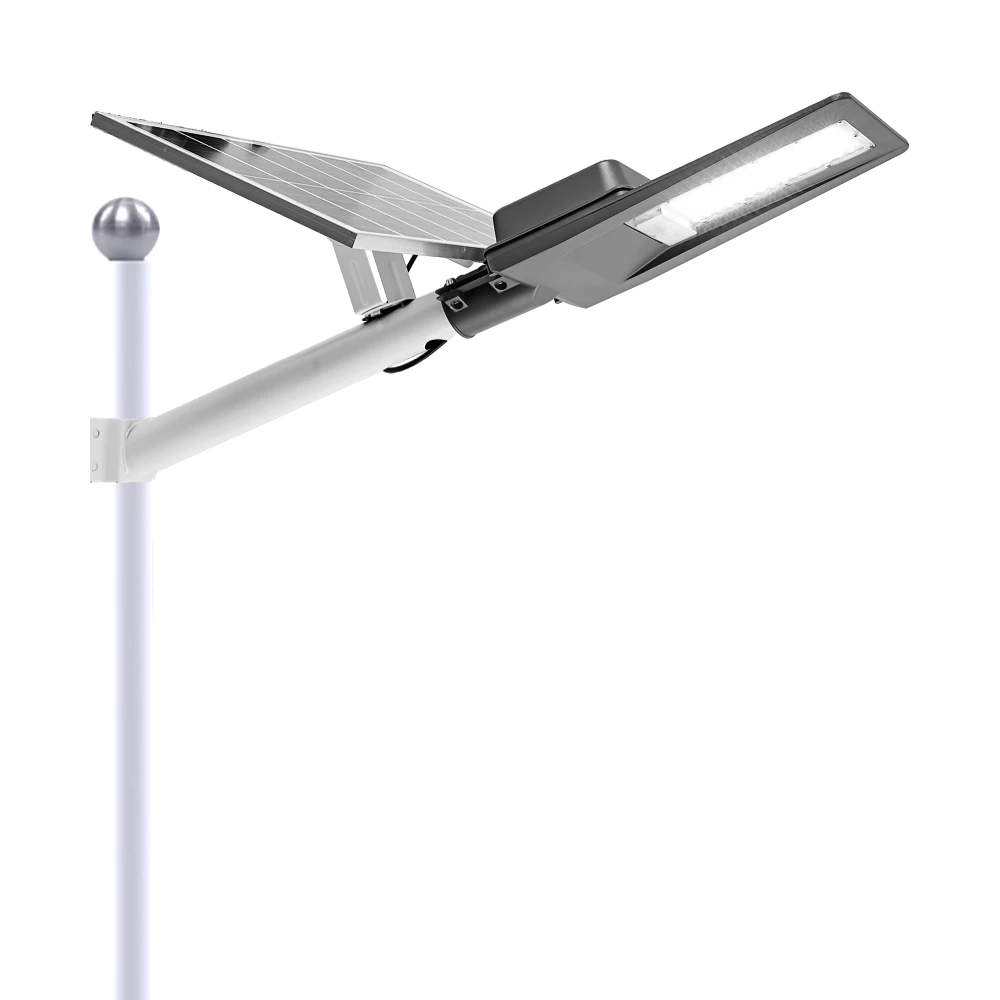
Experience reliable outdoor illumination with our smart solar street light, a perfect combination of advanced technology and eco-conscious design.
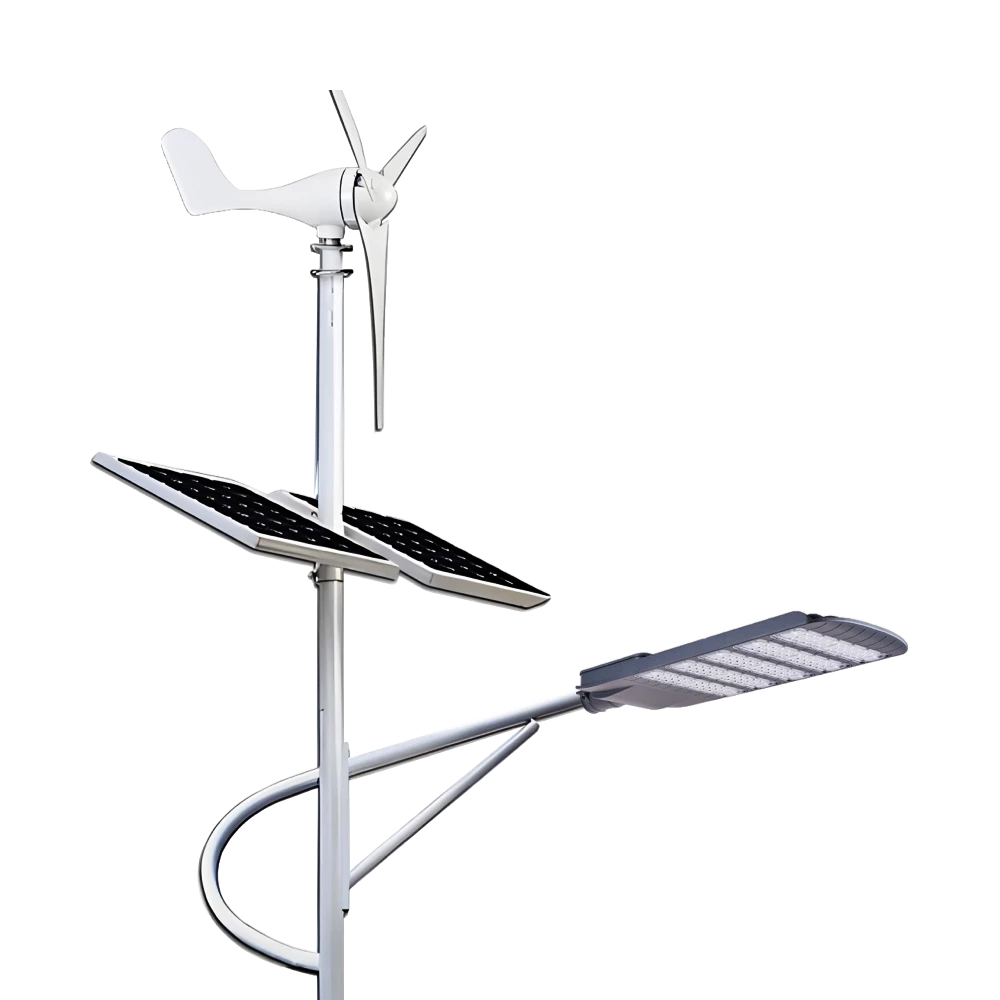
Queneng Lufeng Wind Energy LED Outdoor Solar Street Lights offer high-performance, eco-friendly illumination. These energy-efficient LED street lights harness solar power and wind energy for sustainable, cost-effective outdoor lighting solutions.
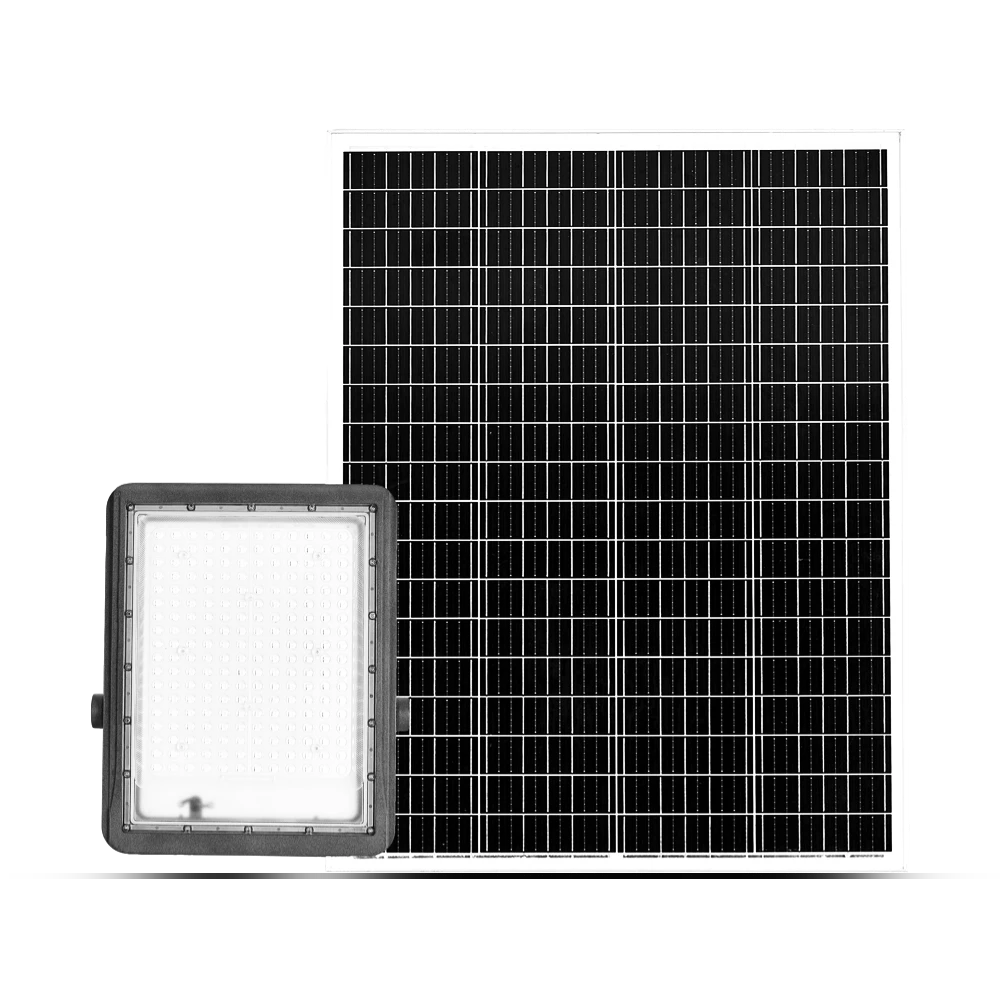
Queneng's Luxian Reliable Solar Street Light offers energy-saving LED lighting for outdoor use. This durable, solar-powered street light provides reliable illumination, reducing energy costs and environmental impact. A perfect solution for sustainable outdoor lighting.
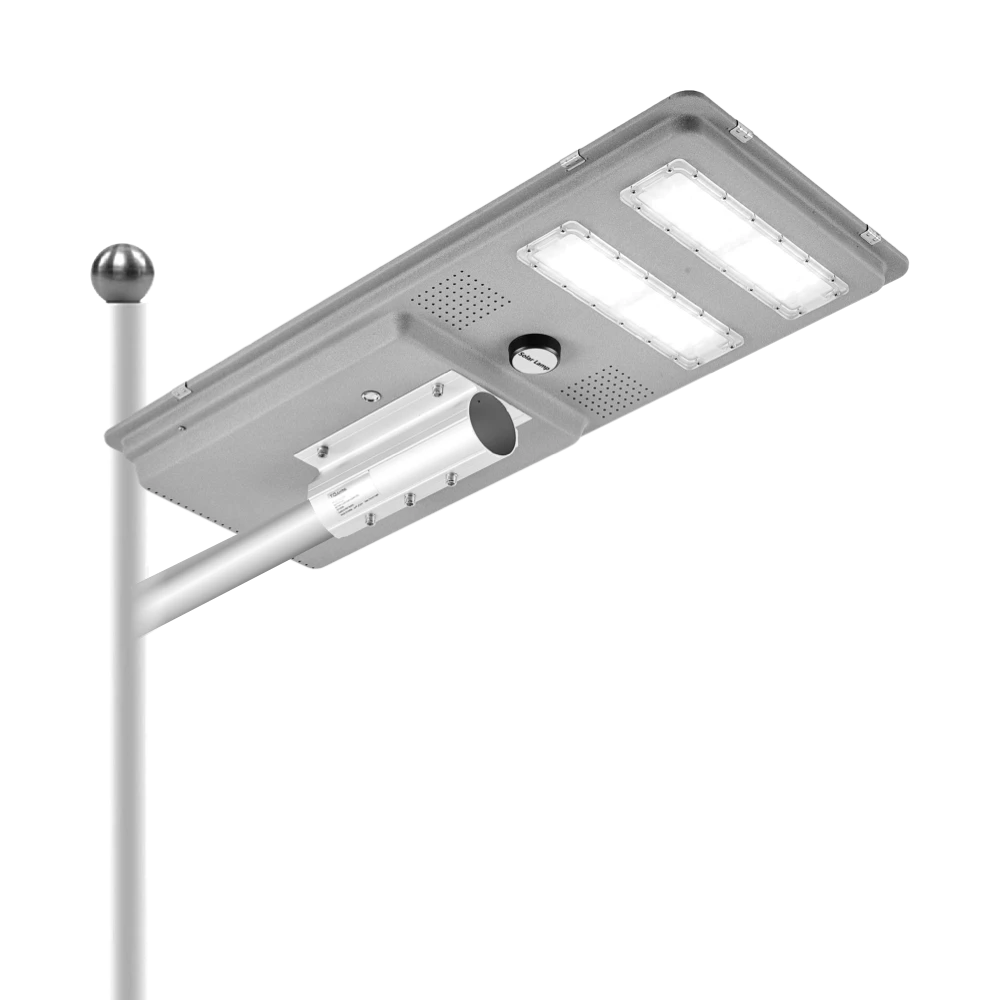
Queneng’s Solar Street Lights are designed to provide reliable, energy-efficient lighting for streets, parks, and other outdoor spaces.
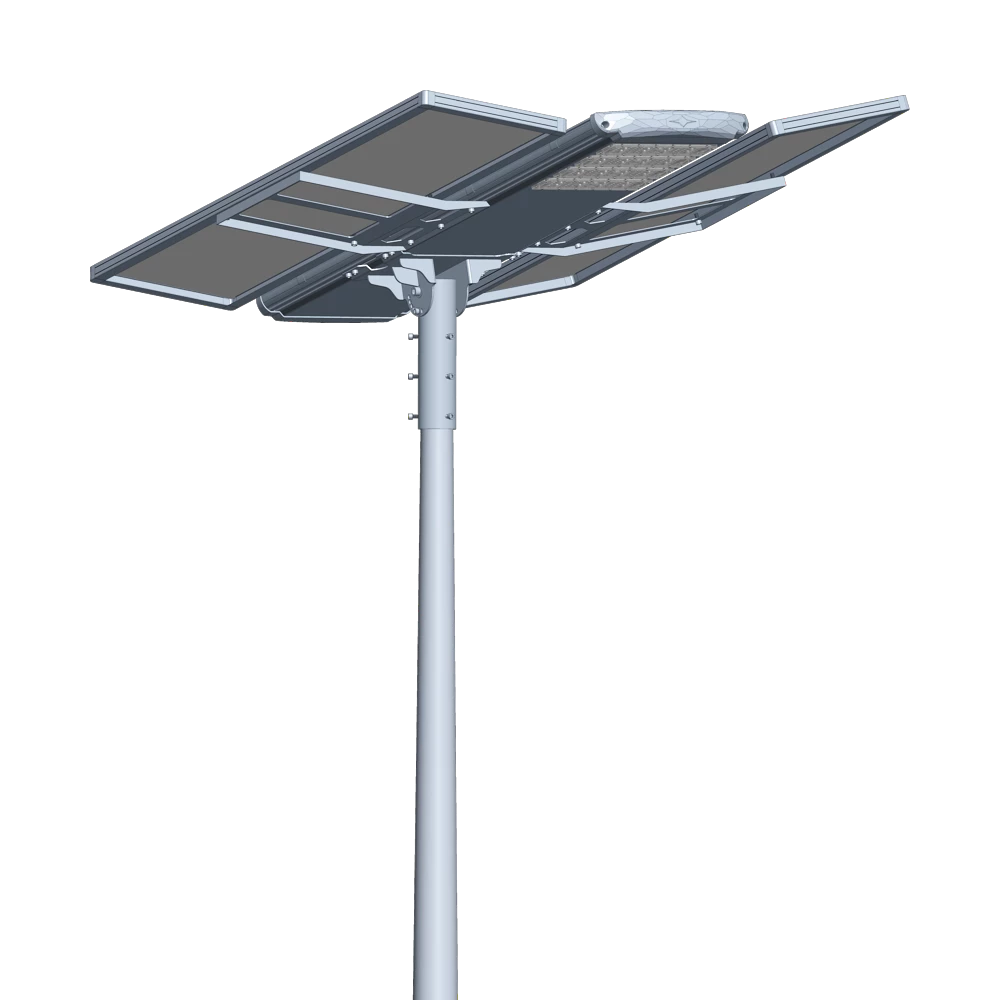
Introducing the Luqing Solar Street Light by Queneng, Efficient LED lighting powered by solar energy is perfect for illuminating outdoor areas. Harness the power of solar energy for sustainable, reliable street lighting. Ideal for eco-friendly, cost-effective outdoor illumination solutions.
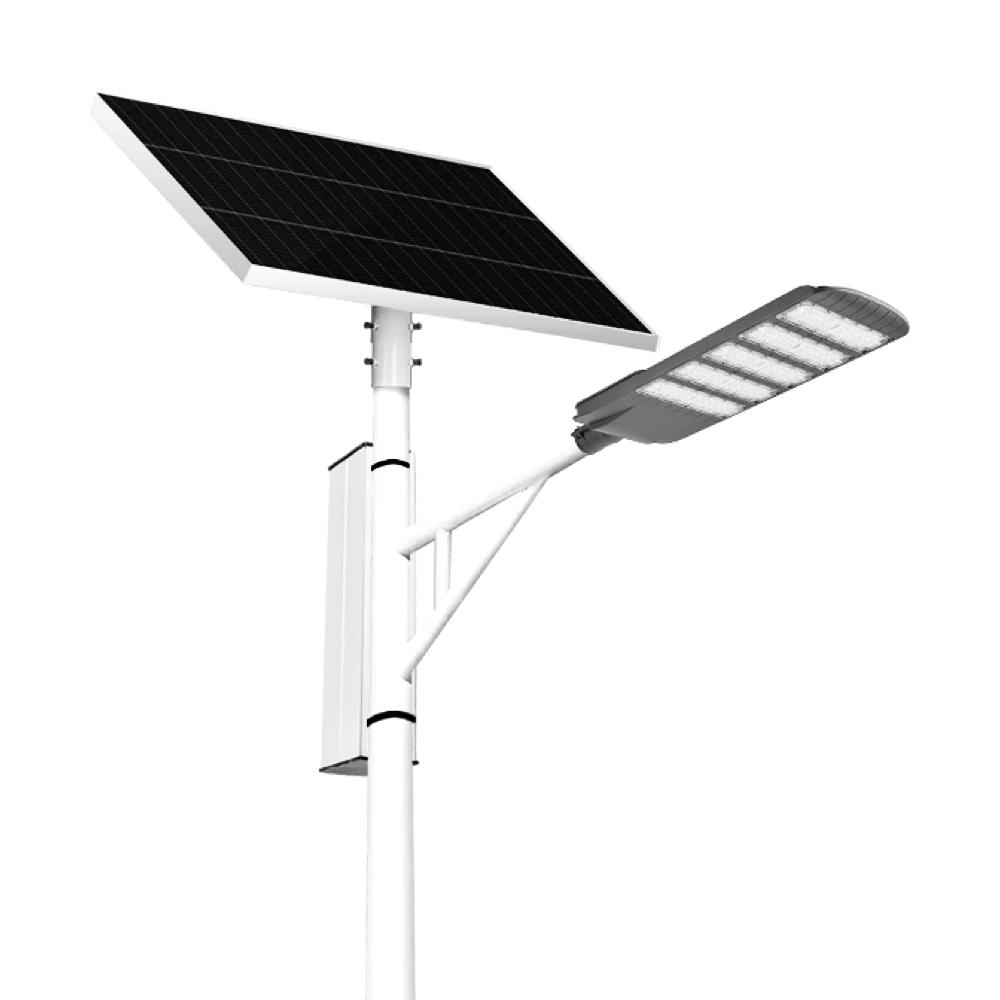
The Solar Streetlights of Luhao for Municipalities are designed to deliver reliable, energy-efficient, and cost-effective public lighting solutions. Equipped with advanced LED technology, durable lithium batteries, and high-efficiency solar panels, these streetlights provide consistent illumination for roads, parks, residential areas, and government projects.
If you would like more information about Queneng solar lighting solutions, please send us a message by filling out the form below. Our professional team will get back to you within 24 hours!
Rest assured that your privacy is important to us, and all information provided will be handled with the utmost confidentiality.
Schedule a Meeting
Book a date and time that is convenient for you and conduct the session in advance.
Have more questions about our products or services?
The messenger of light & power conversion
Environmental protection and intelligent manufacturing are our brand philosophy, and quality assurance and the best user experience are our eternal promises to users.
CONTACT
No.9F, Building F, Cao San Xin Tian Hong Logistics Park, Guzhen Town, Zhongshan City, Guangdong Province, China.
or write [email protected]
WhatsApp: +86 136 2270 1011


