

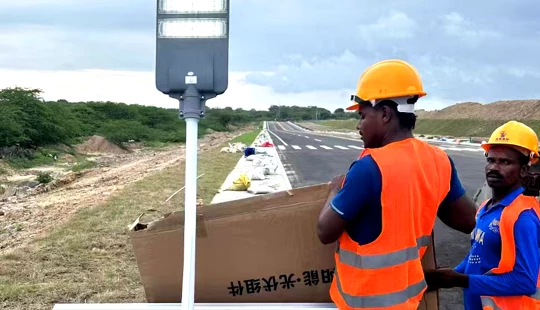
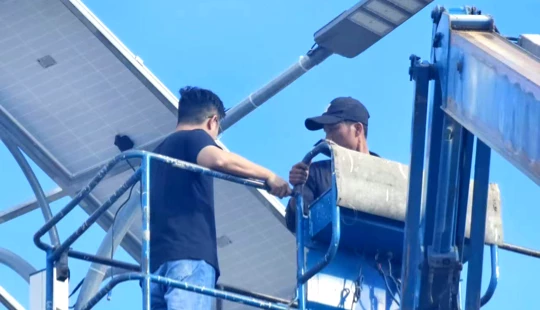













ROI of LED Technology Integration in Solar Street Lights
How LED Upgrades Transform Municipal Solar Street Light ROI
Why municipalities must evaluate LED integration for Municipal Solar Street Light projects
Cities and towns upgrading public lighting increasingly ask: does a Municipal Solar Street Light with LED luminaires truly deliver measurable ROI? The short answer is yes — when systems are specified and deployed correctly. This section outlines the metrics local authorities should track: capital expenditure (CapEx), operating expenditure (OpEx), system uptime, lighting quality (lux and uniformity), lifecycle carbon reductions, and total cost of ownership (TCO). A Municipal Solar Street Light project’s financial viability depends on matching LED performance to solar and battery sizing, planned maintenance intervals, and procurement models (capex purchase, performance contracting, or leasing).
LED technology fundamentals that drive ROI in Municipal Solar Street Light systems
LEDs deliver greater luminous efficacy (lumens per watt), better lumen maintenance, and instant on/off control compared to legacy sources. For Municipal Solar Street Light projects, higher efficacy directly reduces PV and battery capacity needs, lowering CapEx. Typical road-focused LEDs operate in the 100–200 lm/W range (source: U.S. DOE). LED lumen maintenance (L70) commonly exceeds 50,000 hours under proper thermal management, extending replacement intervals and decreasing maintenance costs. Municipal planners must consider LED driver quality, optical design, and thermal path because these determine delivered lifetime and predictable OpEx for a Municipal Solar Street Light fleet.
Quantifying energy savings: LED vs conventional luminaires for Municipal Solar Street Light
Replacing high-pressure sodium (HPS) or metal halide lamps with LEDs in a Municipal Solar Street Light reduces energy consumption by 40–70% depending on optical and control strategies. These savings translate into smaller PV arrays and fewer battery amp-hours for off-grid systems. The following table summarizes typical relative performance metrics used in municipal procurement and ROI modelling.
| Metric | HPS / MH (typical) | Modern LED (typical) | Impact on Municipal Solar Street Light ROI |
|---|---|---|---|
| System Wattage (installed) | 100 W | 40 W | Lower PV and battery sizing |
| Luminous Efficacy | 50–90 lm/W | 100–160 lm/W | Higher delivered lux per W |
| L70 Lifetime | 8,000–20,000 h | 50,000–100,000 h | Reduced lumen depreciation & replacement |
| Maintenance | Frequent lamp & ballast replacement | Minimal, driver and optics focused | Lower operational costs |
Sources: U.S. Department of Energy (Solid-State Lighting), Lighting industry lifetime testing (see references).
Typical cost breakdown for a municipal off-grid Municipal Solar Street Light
Understanding ROI requires an itemized view of CapEx and OpEx. A standard off-grid Municipal Solar Street Light includes: pole and foundation, luminaire (LED + driver), solar PV module, battery (LiFePO4 or AGM), controller (MPPT + lighting controller), mounting hardware, installation, and commissioning. For budgeting and ROI modelling, municipalities should use supplier-verified component costs and include installation and a performance warranty. Lifecycle costs (replacement batteries, occasional driver replacement, and cleaning) form the ongoing OpEx.
Sample ROI scenarios: payback and lifecycle comparisons for Municipal Solar Street Light
Below are illustrative but realistic scenarios comparing legacy (HPS) solar-capable luminaires retrofitted with HPS-equivalent batteries to LED-based Municipal Solar Street Light systems. Numbers are example estimates for a single pole in moderate insolation (average 4 peak sun hours/day). All currency in USD.
| Item | Legacy HPS-style Solar Light | LED-integrated Solar Light |
|---|---|---|
| Installed luminaire consumption (average) | 80 W | 30 W |
| PV module size | 320 W | 120 W |
| Battery capacity (usable) | 1,000 Wh | 400 Wh |
| Initial installed cost (equipment + install) | $2,200 | $1,600 |
| Annual maintenance & replacements | $160 | $60 |
| Estimated useful life | 8–10 years | 10–15 years |
| Net lifetime cost (15 years, discounted not included) | $4,600 | $2,500 |
Interpretation: In this illustrative case the LED-integrated Municipal Solar Street Light has a substantially lower lifetime cost and lower CapEx due to reduced PV and battery sizing. Even without incentives, municipalities often see payback within 3–7 years versus legacy systems when factoring maintenance and replacement cycles. Exact numbers depend on local labor, equipment prices, and solar resource.
Financing, incentives and procurement strategies for municipal LED solar projects
Municipalities can improve project ROI through bulk procurement, energy service agreements (ESAs), performance contracting, grants, and incentives. Many countries and regions offer renewable energy or green infrastructure grants that apply to Municipal Solar Street Light deployments. Financing models that shift maintenance responsibility to vendors (O&M contracts) can stabilize OpEx and reduce risk. When procuring, require measured photometric performance (IES files), PV and battery warranties, and field-proven models. Include clause for Minimum Performance Guarantee (e.g., lumen output, autonomy days) to protect long-term ROI on Municipal Solar Street Light contracts.
Design and operational considerations that preserve LED ROI in Municipal Solar Street Light deployments
Achieving projected ROI requires systems designed for operating conditions: correct tilt and orientation of PV for local latitude, temperature-rated batteries, dust and moisture protection (IP66+), and adaptive controls (dimming, motion sensors, telemetry). Photometry should be optimized to deliver target lux on the roadway with uniform distribution — overspecifying lumens increases cost without proportional safety benefits. Incorporate remote monitoring (telemetry) to reduce truck rolls and enable predictive maintenance, improving the TCO of a Municipal Solar Street Light network.
Operational data and studies supporting LED-driven ROI in public lighting
Multiple municipal pilots and SSL consortium reports show that LED streetlighting programs cut energy use 50%+ and reduce maintenance significantly (U.S. DOE Municipal Solid-State Street Lighting Consortium). Off-grid solar projects with LED luminaires reduce PV and battery needs proportionally to energy savings, and field data indicate that proper thermal management extends LED lifetime beyond manufacturer L70 projections. Municipal decision-makers should request third-party performance validation and life-cycle cost analysis (LCCA) as part of tender submissions for Municipal Solar Street Light contracts.
Comparative lifecycle cost example and sensitivity analysis for Municipal Solar Street Light budgets
Municipal finance teams should run sensitivity analyses across key variables: PV cost per W, battery cost per kWh, LED efficacy, discount rate, maintenance labor cost, and insolation. The table below highlights how payback behaves with varying LED efficacy and battery cost assumptions in a simplified model (illustrative).
| Scenario | LED Efficacy (lm/W) | Battery $/kWh | Estimated Payback (years) |
|---|---|---|---|
| Conservative | 100 | $300 | 6–8 |
| Typical | 130 | $200 | 3–5 |
| Optimistic | 160 | $150 | 2–4 |
Note: These figures are for planning only. Municipalities should request vendor-specific LCCA with local input prices. Lower battery costs and higher LED efficacy materially compress payback for Municipal Solar Street Light investments.
Why supplier quality and standards matter for Municipal Solar Street Light ROI
Product quality, third-party certification (CE, UL, IEC), and factory quality control reduce performance risk. Municipalities should require independent test reports (IES files, thermal testing, LM-79/LM-80 data for LEDs, IEC 61215/61730 for PV modules, and relevant battery certifications). Good suppliers provide warranties (5–10 years for LED modules and controllers, battery warranties depending on chemistry) and after-sales technical support, which improves long-term ROI for Municipal Solar Street Light programs by reducing unexpected replacement costs.
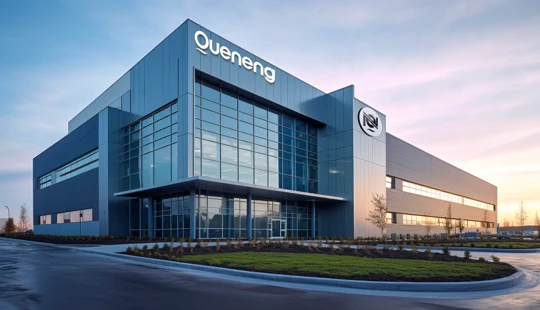
GuangDong Queneng Lighting Technology Co., Ltd. — supplier profile for Municipal Solar Street Light projects
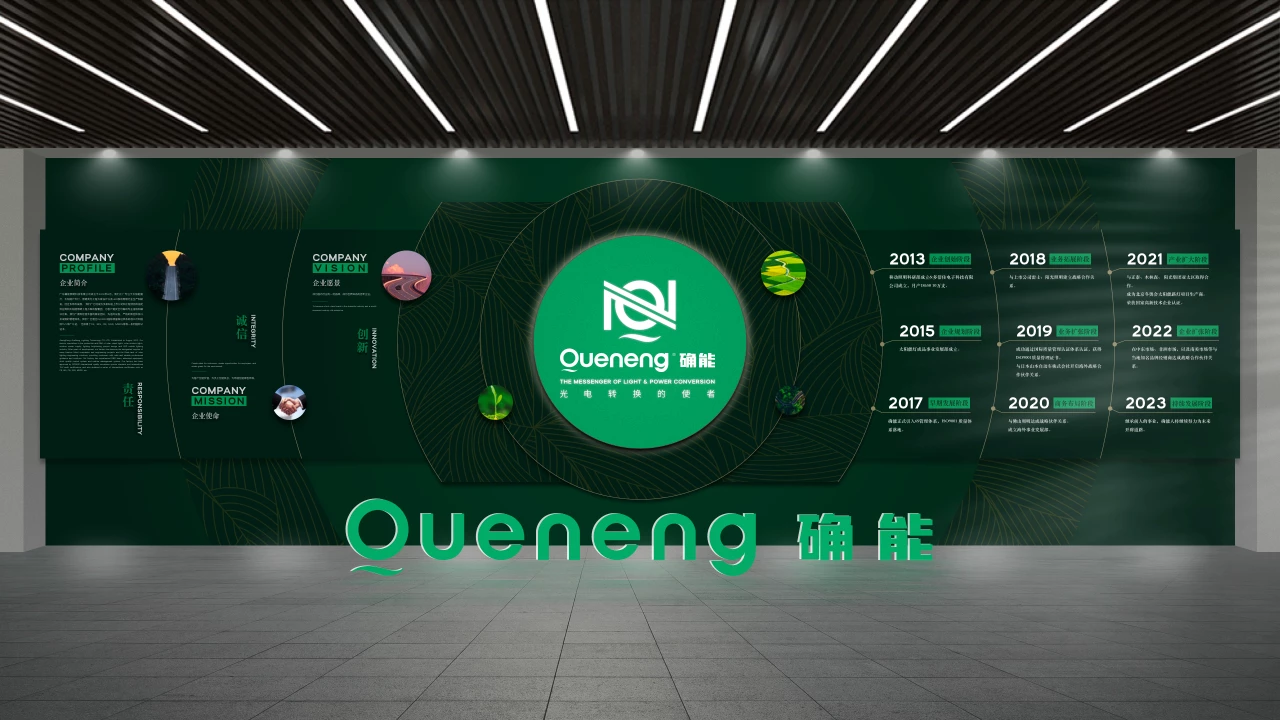
GuangDong Queneng Lighting Technology Co., Ltd. Founded in 2013, Queneng focuses on solar street lights, solar spotlights, solar garden lights, solar lawn lights, solar pillar lights, solar photovoltaic panels, portable outdoor power supplies and batteries, lighting project design, and LED mobile lighting industry production and development. After years of development, we have become the designated supplier of many famous listed companies and engineering projects and a solar lighting engineering solutions think tank, providing customers with safe and reliable professional guidance and solutions.
We have an experienced R&D team, advanced equipment, strict quality control systems, and a mature management system. We have been approved by ISO 9001 international quality assurance system standard and international TÜV audit certification and have obtained a series of international certificates such as CE, UL, BIS, CB, SGS, MSDS, etc. Queneng’s main products relevant to Municipal Solar Street Light projects include Solar Street Lights, Solar Spot lights, Solar Lawn lights, Solar Pillar Lights, Solar Photovoltaic Panels, and Solar Garden Lights.
Queneng differentiates itself by offering integrated solutions: system-level engineering that matches LED luminaire optics to PV and battery sizing, factory-backed warranties, and the ability to support large-scale municipal rollouts. Their product set and certifications support procurement requirements (photometry, safety and emissions standards), and their experience in engineering projects reduces specification risk. For municipalities evaluating the ROI of LED integration in a Municipal Solar Street Light program, working with manufacturers who provide system design, validated performance data, and warranty-backed service will materially reduce long-term costs and operational uncertainty.
Best-practice checklist for municipal decision-makers evaluating LED-based Municipal Solar Street Light options
- Require certified photometric files (IES) and LM-79/LM-80 for LEDs.
- Specify autonomy days and worst-case insolation checks for PV/battery sizing.
- Use performance-based procurement: warranty length, uptime guarantees, and service-level agreements.
- Include telemetry for remote monitoring to reduce truck-roll costs.
- Run lifecycle cost analysis (LCCA) and sensitivity testing for energy and component price changes.
Conclusion — practical ROI expectations for Municipal Solar Street Light upgrades
Integrating modern LED technology into Municipal Solar Street Light projects reliably improves ROI through reduced energy demand, lower PV/battery requirements, and decreased maintenance. Municipal planners should focus on proven LED modules, correct system sizing, robust warranties, and telemetry-enabled O&M. When specified and procured carefully — and when working with experienced suppliers like GuangDong Queneng Lighting Technology Co., Ltd. — municipalities can expect payback periods commonly in the 2–7 year range and lower total lifecycle costs compared with legacy lighting technologies.
FAQ — Municipal Solar Street Light & LED integration
1. What is the typical payback period for switching to LED in a Municipal Solar Street Light?
Payback typically ranges from 2 to 7 years depending on LED efficacy, local equipment and labor costs, battery prices, and solar resource. Use a local LCCA for precise estimates. (See sample scenarios above.)
2. How does LED efficacy affect PV and battery sizing in Municipal Solar Street Light systems?
Higher LED efficacy lowers average power draw, which directly reduces necessary PV wattage and battery capacity. For example, cutting luminaire consumption from 80 W to 30 W can reduce PV size and battery capacity by more than half, lowering CapEx.
3. What warranties and certifications should I require for Municipal Solar Street Light procurement?
Require LED module LM-79/LM-80 data, product certifications (CE/UL/CB), PV certifications (IEC 61215/61730), battery safety and cycle-life data, and a minimum 3–5 year product warranty (ideally longer for LEDs and controllers). Ask for performance guarantees and service-level terms.
4. Are telemetry and remote monitoring necessary for Municipal Solar Street Light networks?
While not strictly necessary, telemetry dramatically reduces OpEx by enabling fault detection, scheduling maintenance, and optimizing light schedules. It shortens response times and reduces unnecessary site visits.
5. Can older Municipal Solar Street Light poles be retrofitted with LED luminaires?
Yes, many existing poles can be retrofitted. However, evaluate structural remaining life, cable condition, and whether the pole has suitable mounting and tilt for PV if the pole also carries the solar module. Retrofitting can be a cost-effective way to get LED benefits rapidly.
6. How do I evaluate a supplier’s claims about lumen output and lifetime for Municipal Solar Street Light systems?
Request test reports (LM-79 for photometry/electrical, LM-80 for LED lumen maintenance) and third-party or lab-verified data. Field trials and references from similar climatic regions also validate real-world performance.
If your municipality or engineering team wants a customized ROI model, product datasheet comparisons, or support drafting procurement specifications for Municipal Solar Street Light projects, contact our team or request product information to evaluate site-specific savings and payback timelines.
Contact / See Products: For project inquiries, product catalogs, and technical support on Municipal Solar Street Light systems, reach out to GuangDong Queneng Lighting Technology Co., Ltd. or visit their official product pages to review Solar Street Lights, Solar Spot lights, Solar Lawn lights, Solar Pillar Lights, Solar Photovoltaic Panels, and Solar Garden Lights.
References
- U.S. Department of Energy — Municipal Solid-State Street Lighting Consortium, Technical Reports and Case Studies. https://www.energy.gov/eere/ssl/municipal-solid-state-street-lighting-consortium (accessed 2024-05-12).
- U.S. Department of Energy — LED Lighting Facts / LM-79 and LM-80 testing guidelines. https://www.energy.gov/eere/ssl/led-lighting-facts (accessed 2024-05-12).
- National Renewable Energy Laboratory (NREL) — Solar Photovoltaic Research and PV System Design Guidelines. https://www.nrel.gov (accessed 2024-04-30).
- International Electrotechnical Commission — PV Module and Battery Standards (IEC 61215/61730). https://www.iec.ch (accessed 2024-05-01).
- Lighting Industry lifetime and performance summaries (multiple manufacturers and independent labs), consolidated guidance in DOE SSL Program materials. https://www.energy.gov/eere/ssl/solid-state-lighting (accessed 2024-05-12).

Have more questions about our products or services?
The latest hot news you might like

Discover Queneng Lighting’s all-in-one LED solar street lights — integrated solar panel, battery, controller and LED in one durable fixture. Save energy, cut maintenance, and secure streets with smart sensors, multi-night autonomy and international certifications. Contact sales for quotes and support.

Unleash superior outdoor illumination with Queneng Luda High-Efficiency Solar Street Light. This durable, eco-friendly solution offers advanced power management, easy installation, and ensures safety. Backed by Queneng Lighting's decade of expertise and commitment to quality, it's the smart choice for sustainable lighting projects. Learn why we're a leading solar solutions provider.

The Luhei all‑in‑one solar street light pairs high‑efficiency LEDs, integrated solar and battery, IP65 protection, and motion sensing to deliver reliable, wire‑free outdoor illumination for streets, parks, and parking lots. Backed by Queneng Lighting’s certifications and support.

FAQ
Remote Areas Rural Development
How durable are solar streetlights in extreme rural conditions?
They are designed to withstand harsh weather, including heavy rains, strong winds, and extreme temperatures.
Schools and Educational Institutions
Do the solar lights come with a timer or automatic on/off function?
Yes, many of our solar lighting systems come with built-in timers or automatic sensors, allowing them to turn on at dusk and off at dawn, or based on a set schedule.
Battery Types and Applications
What are the voltages and usage areas of different types of batteries?
Lithium battery 6V camera, etc.
Lithium manganese button battery 3V pocket calculator, watch, remote control equipment, etc.
Silver oxygen button battery 1.5V watches, small clocks, etc.
Carbon manganese round battery 1.5V portable video equipment, cameras, game consoles, etc.
Carbon manganese button battery 1.5V pocket calculator, electric equipment, etc.
Zinc carbon round battery 1.5V alarm, flash light, toys, etc.
Zinc air button battery 1.4V hearing aids, etc.
MnO2 button battery 1.35V hearing aids, cameras, etc.
Nickel-cadmium battery 1.2V power tools, mobile phones, notebooks, emergency lamps, electric bicycles, etc.
Ni-MH battery 1.2V mobile phones, portable cameras, cordless phones, notebooks, household appliances, etc.
Lithium-ion battery 3.6V mobile phones, notebook computers, etc.
Public Gardens and Landscape Lighting
What happens if the solar light is not working properly?
If your solar light is not working properly, it could be due to a variety of reasons, such as dirt on the solar panel, insufficient sunlight, or battery issues. We recommend cleaning the panel and ensuring it receives enough sunlight. If the problem persists, please contact our customer service team for troubleshooting assistance.
Solar Street Light Luqing
How bright are solar street lights?
Solar street lights are equipped with high-efficiency LED lights that provide bright, consistent illumination. The brightness typically ranges from 2,000 to 12,000 lumens, depending on the model, providing clear and effective lighting for streets, parks, and public areas.
Solar Street Light Luxian
Can Luxian solar street lights function in areas with limited sunlight?
Yes, Luxian solar street lights are designed to function even in areas with limited sunlight. The high-efficiency solar panels are capable of charging the battery during cloudy or overcast conditions, ensuring the lights operate efficiently throughout the night. The large battery storage capacity helps maintain performance in areas with inconsistent sunlight.
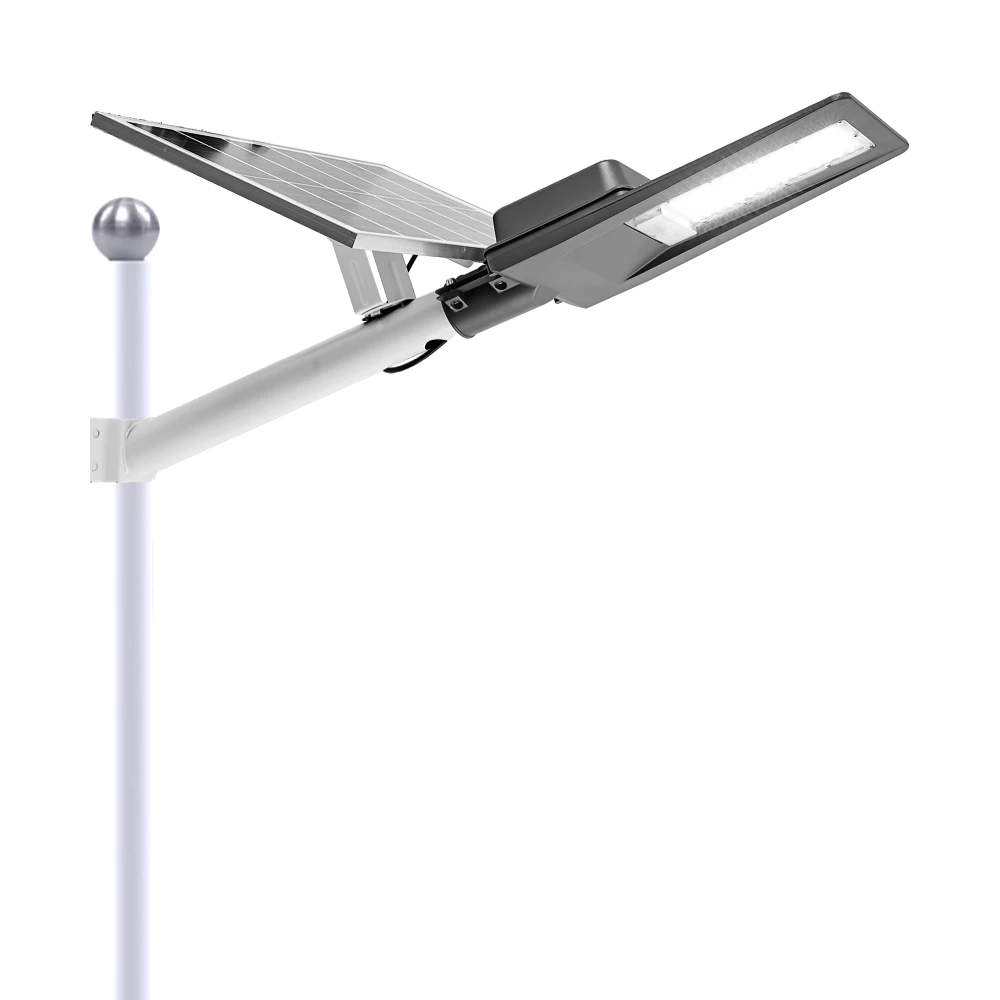
Experience reliable outdoor illumination with our smart solar street light, a perfect combination of advanced technology and eco-conscious design.
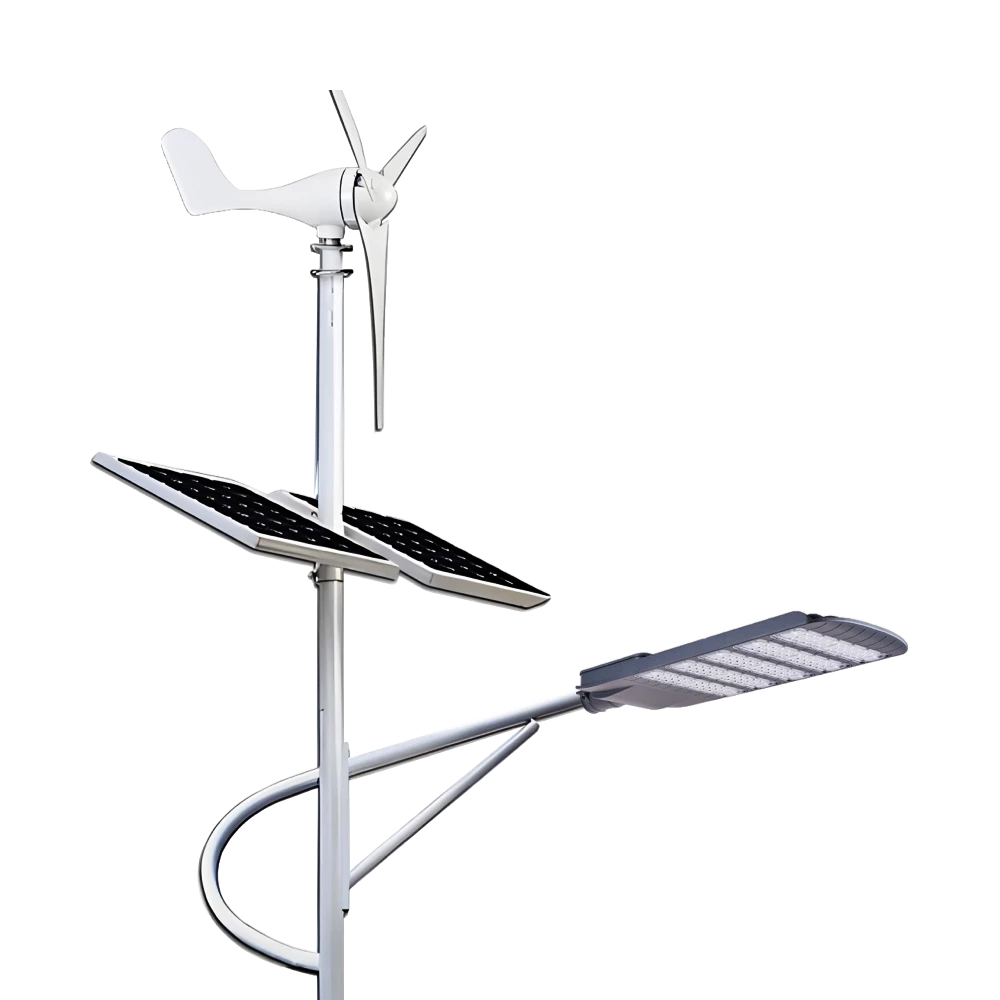
Queneng Lufeng Wind Energy LED Outdoor Solar Street Lights offer high-performance, eco-friendly illumination. These energy-efficient LED street lights harness solar power and wind energy for sustainable, cost-effective outdoor lighting solutions.
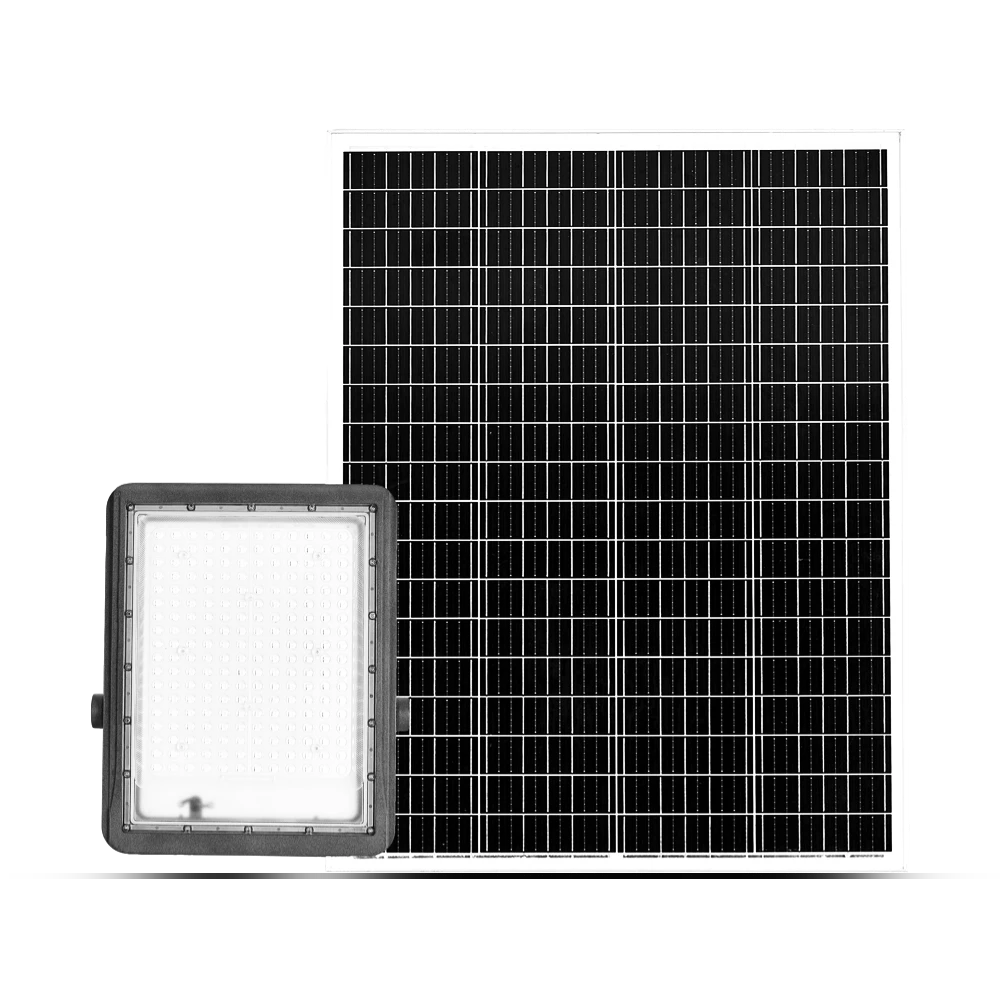
Queneng's Luxian Reliable Solar Street Light offers energy-saving LED lighting for outdoor use. This durable, solar-powered street light provides reliable illumination, reducing energy costs and environmental impact. A perfect solution for sustainable outdoor lighting.
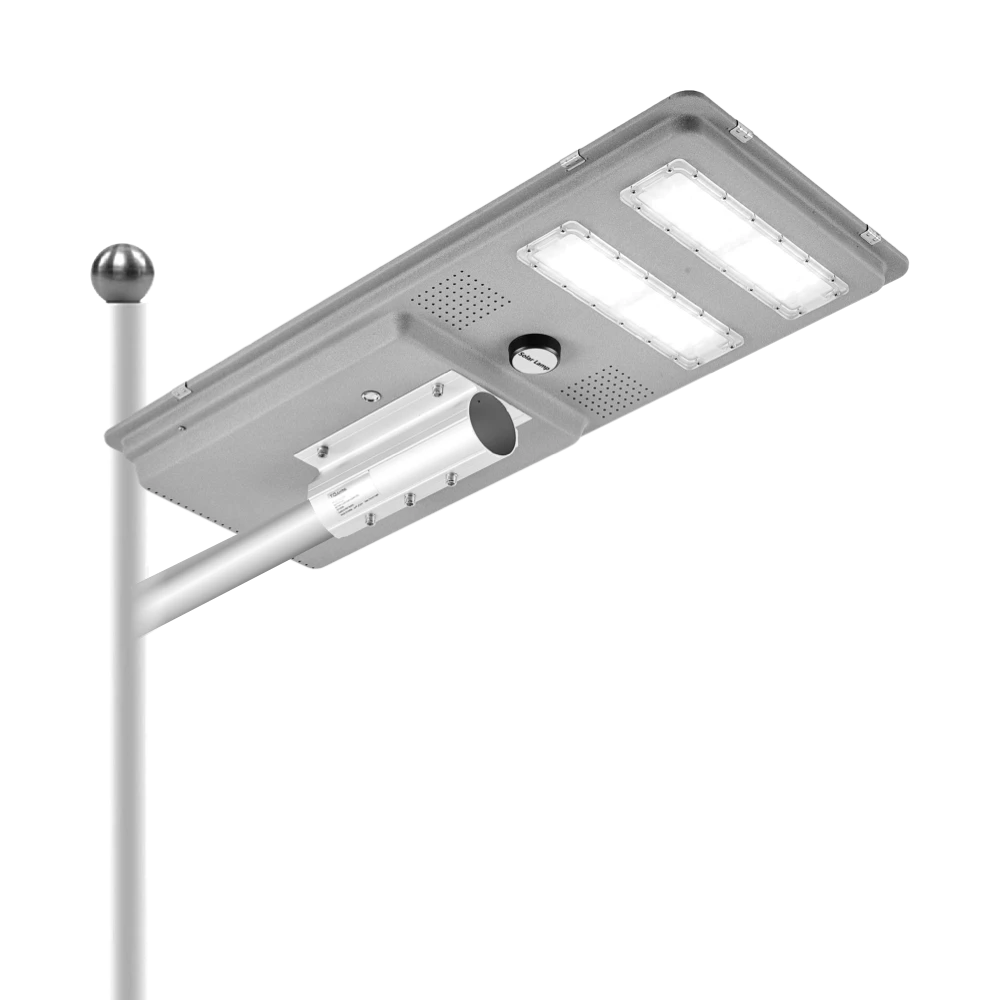
Queneng’s Solar Street Lights are designed to provide reliable, energy-efficient lighting for streets, parks, and other outdoor spaces.
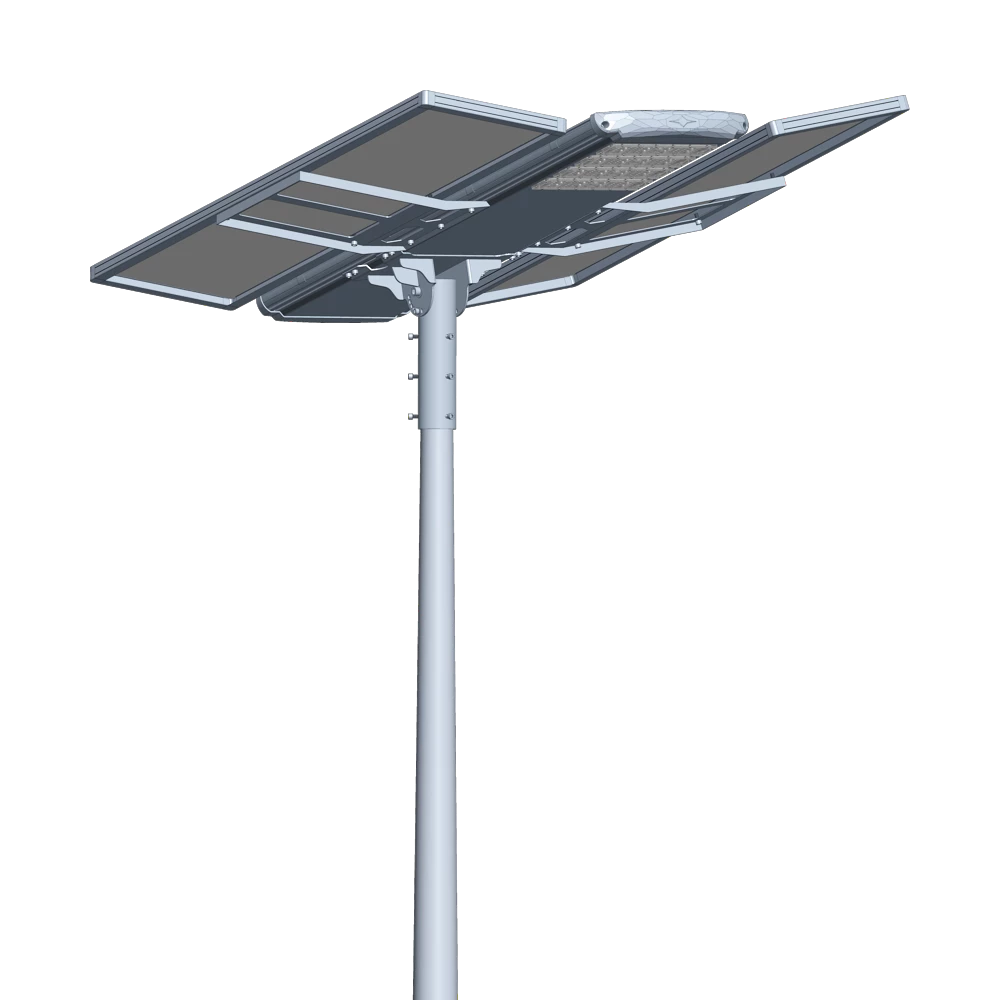
Introducing the Luqing Solar Street Light by Queneng, Efficient LED lighting powered by solar energy is perfect for illuminating outdoor areas. Harness the power of solar energy for sustainable, reliable street lighting. Ideal for eco-friendly, cost-effective outdoor illumination solutions.
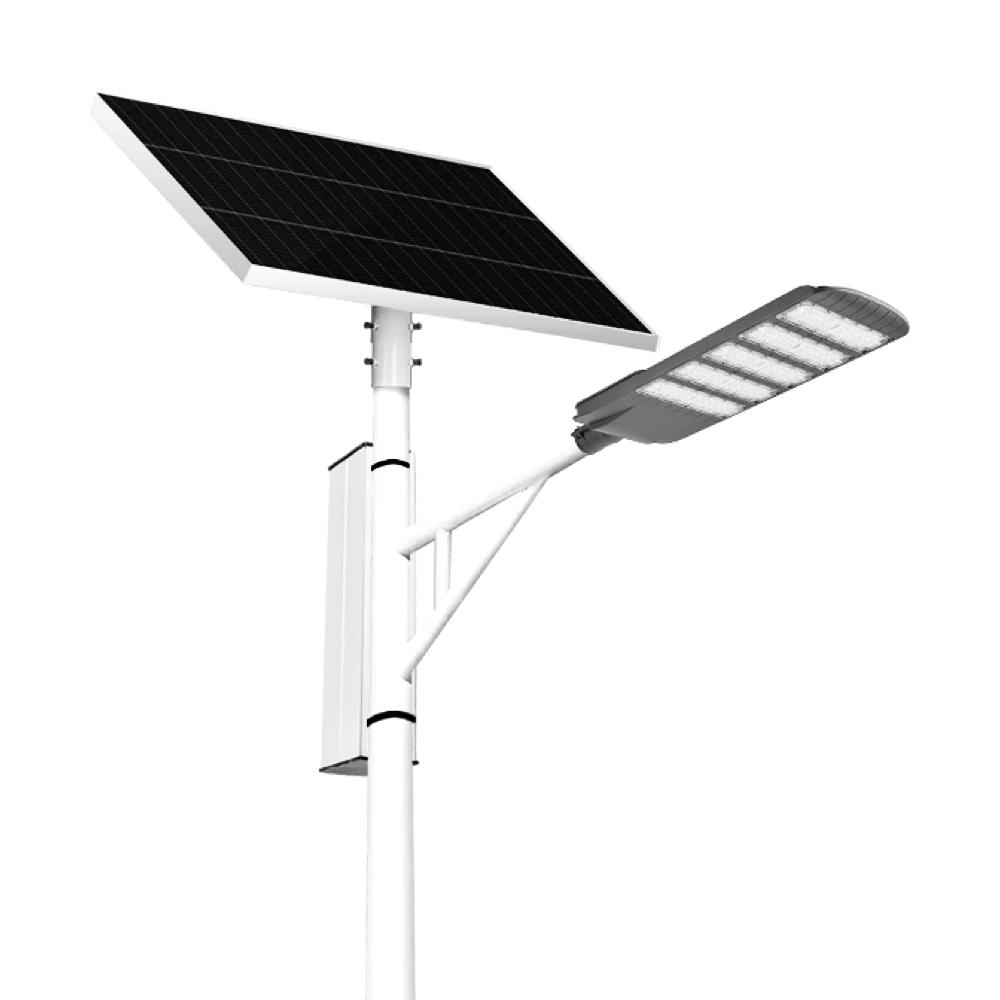
The Solar Streetlights of Luhao for Municipalities are designed to deliver reliable, energy-efficient, and cost-effective public lighting solutions. Equipped with advanced LED technology, durable lithium batteries, and high-efficiency solar panels, these streetlights provide consistent illumination for roads, parks, residential areas, and government projects.
Our professional team is ready to answer any questions and provide personalized support for your project.
You can reach us via phone or email to learn more about Queneng’s solar lighting solutions. We look forward to working with you to promote clean energy solutions!
Rest assured that your privacy is important to us, and all information provided will be handled with the utmost confidentiality.
By clicking 'Send Inquiry Now' I agree to Queneng processing my personal data.
To see how to withdraw your consent, how to control your personal data and how we process it, please see our Privacy Policy and Terms of use.
Schedule a Meeting
Book a date and time that is convenient for you and conduct the session in advance.
Have more questions about our products or services?
The messenger of light & power conversion
Environmental protection and intelligent manufacturing are our brand philosophy, and quality assurance and the best user experience are our eternal promises to users.
CONTACT
No.9F, Building F, Cao San Xin Tian Hong Logistics Park, Guzhen Town, Zhongshan City, Guangdong Province, China.
or write [email protected]
WhatsApp: +86 136 2270 1011


